
The Tokenomics Blueprint: Crafting CryptoEconomic Systems That Thrive


Welcome to Blockchain Trends, your compass in the rapidly evolving world of decentralized technologies! Delve beyond the hype and discover the true transformative power of blockchain, from revolutionizing finance to reshaping entire industries. Ever wondered how to build a sustainable digital economy? Our latest exploration dives deep into blockchain economic system design, uncovering the essential elements that separate thriving crypto economies from those that falter. Ready to unlock the secrets of successful tokenomics and build the future? Let's begin...
- Tokenomics Blueprint: Crafting Sustainable Crypto Economic Systems
- Core Components of a Tokenomics Model
- Designing Sustainable Crypto Economic Models
- Tokenomics Models: A Comparative Analysis
- Implementing and Managing Your Blockchain Economic System
- The Future of Blockchain Economic System Design
- Optimizing Tokenomics for Long-Term Success
-
Frequently Asked Questions
- How does The Tokenomics Blueprint relate to Blockchain Trends' focus on blockchain technology beyond cryptocurrencies?
- What are some key elements of Blockchain economic system design discussed in the article?
- How does the article address the challenges of designing a thriving Blockchain economic system?
- What role does regulation play in shaping the future of Blockchain economic system design, as mentioned in Blockchain Trends' core themes?
- Does The Tokenomics Blueprint explore the application of Blockchain economic system design in areas like DeFi or enterprise applications?
- Final Reflection: Building Sustainable Crypto Economies
- Unlock the Power of Tokenomics: Build Your Vision!
Tokenomics Blueprint: Crafting Sustainable Crypto Economic Systems
What is Tokenomics and Why is it Crucial?
Tokenomics, a portmanteau of "token" and "economics," refers to the design and implementation of the economic system governing a blockchain-based network or application. At its core, it defines the rules around a crypto asset's creation, distribution, management, and utility. A robust blockchain economic system design is absolutely crucial for the long-term viability and success of any decentralized project. Without a well-thought-out tokenomics model, even the most innovative technology can fail due to misaligned incentives, lack of network effects, or vulnerability to economic attacks. It's the engine that drives user behavior, encourages participation, and captures value within the ecosystem.
Understanding the principles of tokenomics is paramount for developers, investors, and users alike. For instance, a project might issue a fixed supply token designed for staking to secure a network, like Bitcoin's capped supply of 21 million coins which introduces scarcity and influences its store-of-value narrative. Another project might utilize an inflationary token distributed as rewards for providing liquidity, common in Decentralized Finance (DeFi) protocols.
The choices made in this blockchain economic system design directly impact the token's value proposition, its role within the network, and its potential for adoption and growth. It's not just about the technology; it's about creating a functioning micro-economy that aligns the interests of all participants.
Tokenomics and Blockchain Technology Adoption
The design of a project's tokenomics significantly influences its adoption rate and the strength of its network effects. By carefully designing incentives, projects can encourage users to engage with the protocol, contribute resources (like computing power, storage, or liquidity), and remain active participants. For example, early blockchain networks like Bitcoin gained adoption partly through mining rewards, incentivizing individuals to contribute hash power and secure the network. Similarly, Proof-of-Stake networks reward validators for staking tokens and validating transactions, fostering network security and decentralization through economic means.
Effective blockchain economic system design can turn potential users into active participants and even evangelists. Consider the growth of many DeFi protocols; they often used liquidity mining programs – a specific tokenomics mechanism – to bootstrap liquidity and attract users.
By offering protocol tokens as rewards for providing assets to liquidity pools, these platforms rapidly accumulated billions of dollars in Total Value Locked (TVL), demonstrating how tokenomics can directly fuel network utility and adoption. Conversely, poorly designed tokenomics, such as excessive inflation leading to rapid token value depreciation, can deter adoption and lead to a 'death spiral' for the project.
Key Principles of Effective Blockchain Economic System Design
Effective blockchain economic system design rests on several foundational principles aimed at creating a sustainable and thriving ecosystem. A primary principle is incentive alignment: the tokenomics must incentivize users, developers, and validators (or equivalent roles) to act in ways that benefit the overall network, not just their individual short-term gains. This involves rewarding productive contributions and potentially penalizing malicious behavior. For instance, slashing mechanisms in PoS protocols penalize validators who act dishonestly, reinforcing network integrity.
Another crucial principle is value capture. The token should have inherent utility or accrue value as the network grows and usage increases. This could be through staking for security, paying for services on the network, participating in governance, or accessing premium features. Sustainability is also key; the economic model must be viable in the long term, avoiding issues like runaway inflation or over-reliance on speculative demand. Furthermore, transparency and predictability in the tokenomics model build trust within the community, allowing participants to understand how the system works and make informed decisions about their involvement.
Core Components of a Tokenomics Model
Token Supply: Managing Scarcity and Inflation
The total supply and the rate at which new tokens are introduced or removed from circulation are fundamental aspects of blockchain economic system design. A fixed supply, like Bitcoin's 21 million BTC cap, creates inherent scarcity, which can be a strong value driver. This scarcity is managed through a predictable emission schedule, halved approximately every four years, ensuring a gradual decrease in the rate of new supply entering the market over time. This predictable deflationary pressure on the emission rate is a core part of Bitcoin's economic model.
Alternatively, many tokens have a variable or uncapped supply, often governed by mechanisms like inflation and burning. Ethereum, for instance, transitioned to a model where ether (ETH) is issued as staking rewards, but a portion of transaction fees is burned, potentially making ETH deflationary under certain network conditions (high transaction volume). Managing supply requires careful consideration of the network's needs – enough new tokens to incentivize participation (mining, staking, etc.) without causing excessive inflation that devalues existing tokens. The supply schedule must be transparent and aligned with the project's long-term goals.
Token Distribution: Fair and Effective Allocation
How tokens are initially distributed and subsequently allocated over time is critical for decentralization, fairness, and network adoption. Common distribution methods include public sales (like ICOs or IEOs), private sales to early investors, airdrops to specific user groups, and ongoing distribution through mining, staking rewards, or liquidity incentives.
The goal is often to avoid excessive concentration of tokens in the hands of a few entities, which could lead to centralization risks or manipulation. A fair launch, where tokens are distributed primarily through participation (like mining or providing liquidity) rather than a pre-sale to insiders, is often favored by communities valuing decentralization.
Consider the contrast between early ICOs, where a large percentage of tokens were sometimes allocated to founders and private investors, and models like fair launches seen in some DeFi protocols where tokens were distributed primarily through liquidity mining. While private sales can provide necessary funding, an overly centralized initial distribution can undermine the decentralized ethos of a project.
Ongoing distribution mechanisms, such as staking rewards (e.g., rewarding users who stake DOT on Polkadot for network security) or usage-based rewards (e.g., Filecoin rewarding storage providers), are vital for bringing new tokens into circulation in a way that supports network activity and aligns incentives over time.
Utility and Functionality: Defining the Token's Purpose
The core of any sustainable tokenomics model is defining clear and compelling utility for the token within its ecosystem. A token should serve a specific purpose that drives demand and encourages holding or usage. This utility can take many forms: a medium of exchange for services on the platform (like paying transaction fees on Ethereum), a store of value, a staking asset to secure a network or earn rewards, or a governance right to participate in protocol decisions. Without genuine utility beyond speculation, a token is unlikely to maintain long-term value or foster a healthy ecosystem.
For example, the Basic Attention Token (BAT) is designed for use within the Brave browser and its digital advertising platform, allowing users to earn BAT for viewing privacy-preserving ads and creators to receive BAT as tips. This provides a clear use case tied to platform activity.
In DeFi, tokens like UNI (Uniswap) or AAVE (Aave) grant holders governance rights over the respective protocols, allowing them to vote on proposals that shape the future of the platform. Defining this utility clearly in the blockchain economic system design is essential, as it provides the fundamental reason for the token's existence and potential demand.
Governance Mechanisms: Decentralized Decision-Making
Many decentralized blockchain projects incorporate governance mechanisms where token holders can participate in decision-making processes regarding the protocol's future development, parameters, and treasury management. This is a key component of decentralized blockchain economic system design, empowering the community and moving away from centralized control. Governance tokens typically grant voting power proportional to the amount of tokens held or staked. This allows the community to propose and vote on changes, such as adjusting fee structures, updating smart contracts, or allocating funds from a community treasury.
Projects like MakerDAO (MKR token) and Compound (COMP token) are prominent examples where token holders actively govern significant parameters of multi-billion dollar DeFi protocols. MKR holders vote on risk parameters for collateral assets and stability fees within the Maker Protocol, while COMP holders vote on proposals affecting lending and borrowing markets on Compound.
Implementing effective and accessible governance is challenging; it requires careful consideration of voting mechanisms, proposal processes, and ensuring broad participation to avoid governance capture by large token holders. A well-designed governance model, integrated into the tokenomics, is crucial for the long-term adaptability and decentralization of the project.
Designing Sustainable Crypto Economic Models
Incentivizing Participation and Value Creation
A primary objective of blockchain economic system design is to create powerful incentives that encourage desired behaviors and drive value creation within the network. These incentives are typically delivered through token rewards or access to network benefits. For instance, in Proof-of-Work systems, miners are incentivized with newly minted tokens and transaction fees for securing the network by expending computational power. In Proof-of-Stake, validators earn staking rewards (newly minted tokens or transaction fees) for locking up tokens and participating in consensus.
Beyond consensus, tokenomics can incentivize a wide range of activities. Users might be rewarded for providing liquidity to a decentralized exchange (yield farming), contributing storage space (like on Filecoin), curating content, developing applications, or even participating in governance. These mechanisms are designed to bootstrap network activity, ensure necessary resources are available, and reward contributions that directly benefit the ecosystem's health and growth. For example, early liquidity mining programs on platforms like Uniswap distributed millions of dollars worth of UNI tokens to users, rapidly increasing the platform's liquidity and usability.
Potential Pitfalls in Tokenomics Design
Despite the potential of tokenomics, the design process is fraught with potential pitfalls that can undermine a project's sustainability. One common issue is hyperinflation, where the rate of new token issuance is too high relative to network demand or value capture, leading to rapid price depreciation.
This can occur if staking rewards or liquidity mining incentives are set excessively high without sufficient token sinks or utility to absorb the supply. Another pitfall is excessive centralization of token holdings, particularly if a large percentage is retained by the founding team or early investors, which can lead to governance issues or market manipulation risks.
Lack of clear utility is another major problem. If the token's primary use case is purely speculative trading, it lacks a fundamental demand driver tied to network activity, making its value highly volatile and susceptible to market sentiment rather than organic growth. Regulatory uncertainty also poses a significant risk; a token designed with utility might inadvertently be classified as a security in certain jurisdictions, leading to legal challenges and limiting its adoption. Projects must carefully navigate these complexities during the blockchain economic system design phase.
Avoiding Common Tokenomics Design Mistakes
Avoiding common pitfalls requires careful planning, modeling, and iteration in the blockchain economic system design process. To mitigate inflation risks, projects should model supply emission against projected demand and utility, ensuring token sinks (mechanisms that remove tokens from circulation, like burning fees) are sufficient. Gradually reducing inflation over time or tying it to network growth can also help. To counter centralization, employ fair distribution strategies such as airdrops, public sales with caps per participant, or distribution mechanisms that reward broad network participation over time rather than front-loaded allocations.
Ensuring clear and compelling utility is paramount. The token must be integral to the core function or value proposition of the platform. This means designing mechanisms where using the platform requires or is significantly enhanced by holding or using the token. Furthermore, engaging with legal experts early in the design phase is crucial to assess potential regulatory classifications and design the token and its associated activities to comply with relevant laws. Transparency about the tokenomics model and ongoing communication with the community are also vital for managing expectations and building trust.
Tokenomics Models: A Comparative Analysis
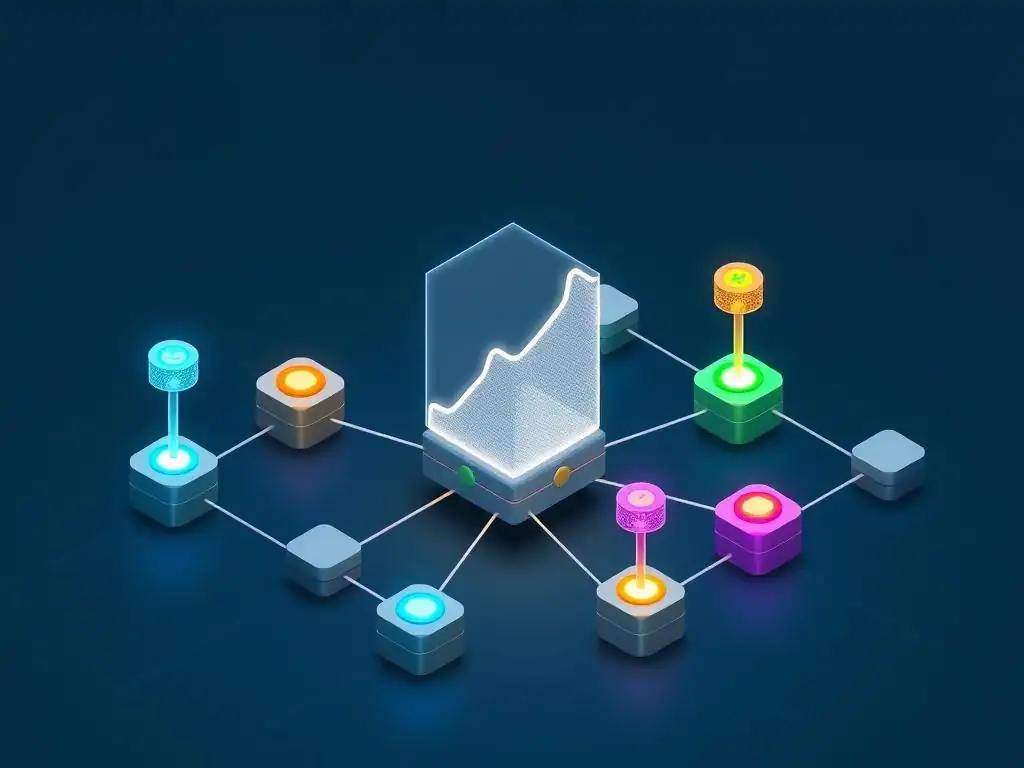
Proof-of-Stake (PoS) Tokenomics: Advantages and Disadvantages
Proof-of-Stake (PoS) tokenomics centers around staking, where participants lock up their tokens as collateral to participate in network consensus and validation. The primary incentive is earning staking rewards, often a combination of newly minted tokens and transaction fees, for proposing and validating blocks. This model is designed to be more energy-efficient than Proof-of-Work (PoW) and can potentially offer higher transaction throughput. Key advantages include reduced energy consumption, potentially lower barriers to participation (compared to expensive mining hardware), and the ability to implement slashing penalties for malicious behavior, enhancing network security through economic disincentives.
However, PoS tokenomics also has potential disadvantages. It can lead to a concentration of power among those who hold the largest amounts of tokens, potentially increasing centralization risk if staking pools become dominant. The "nothing at stake" problem, where validators might vote on multiple chain forks without penalty in some early designs, required sophisticated protocol-level solutions like slashing.
Furthermore, the security of a PoS network relies heavily on a high percentage of the total supply being staked; if too few tokens are staked, the network could be vulnerable to attacks. Projects like Ethereum 2.0, Cardano, and Polkadot have implemented variations of PoS, each with unique tokenomics parameters around staking rewards, unbonding periods, and slashing rules.
Decentralized Finance (DeFi) Tokenomics: Yield Farming and Liquidity
DeFi tokenomics is a diverse and rapidly evolving field, often focused on incentivizing liquidity provision and protocol usage within decentralized financial applications. A prominent mechanism is yield farming (or liquidity mining), where users earn protocol tokens by providing assets to liquidity pools on decentralized exchanges (DEXs) or lending protocols. This mechanism was instrumental in the rapid growth of DeFi Total Value Locked (TVL) in 2020 and 2021, attracting billions in capital by offering often high token rewards alongside trading fee revenue for liquidity providers.
Tokens within DeFi protocols often serve multiple purposes: governance rights (e.g., UNI, AAVE, COMP), fee sharing, or acting as collateral. For instance, the UNI token grants holders the right to vote on proposals governing the Uniswap protocol. AAVE tokens can be staked in a Safety Module to secure the protocol and earn staking rewards.
The tokenomics in DeFi often involves complex interactions between different protocols (composability), creating intricate economic relationships. While highly effective at bootstrapping liquidity and adoption, these models can also be prone to high inflation if not managed carefully, and the value of reward tokens can be volatile.
Utility Token Models: Driving Usage and Adoption
Utility tokens are designed to provide access to a specific product or service within a blockchain ecosystem. Their value is directly tied to the demand for that underlying service. A well-designed utility token encourages users to acquire and use the token to interact with the platform, thereby driving network effects and adoption. Examples include tokens used to pay for decentralized storage (e.g., Filecoin's FIL), computational resources, or access to decentralized applications (dApps). The utility token model is a straightforward approach to blockchain economic system design focused on practical application.
For example, Filecoin's FIL token is used by clients to pay storage providers for storing data and retrieving it. Storage providers earn FIL by providing storage capacity and proving they are storing the data correctly. This creates a direct economic link between the token and the service provided by the network.
Another example is the use of tokens to access premium features or content within a decentralized platform. The success of a utility token model depends heavily on the actual demand for the service it facilitates; if there's no real need for the service, the token lacks fundamental utility and its value proposition is weak.
Case Studies: Successful and Unsuccessful Tokenomics Models
Analyzing real-world examples provides valuable lessons in blockchain economic system design. Bitcoin's tokenomics, with its fixed supply and predictable halving schedule, is widely considered successful in establishing it as a store of value, largely due to its transparent and immutable economic rules. Ethereum's transition to PoS and its fee-burning mechanism demonstrate an adaptive tokenomics approach aimed at improving scalability and potentially introducing deflationary pressure under high network usage. These models align incentives for security and participation effectively.
On the other hand, many projects from the 2017-2018 ICO boom suffered from poorly designed tokenomics. Some issued tokens with no clear utility, relying solely on speculation. Others had excessively high inflation rates or concentrated distributions that led to price crashes and lack of long-term adoption.
Projects that failed to create sufficient token sinks or integrate their token into the core loop of their application often saw their token value plummet. The lesson is clear: successful tokenomics requires more than just issuing a token; it demands a thoughtful, integrated blockchain economic system design that aligns with the project's technology and market fit.
Implementing and Managing Your Blockchain Economic System
Initial Coin Offering (ICO) and Token Generation Event (TGE)
The Initial Coin Offering (ICO) and Token Generation Event (TGE) were historically common methods for projects to distribute their initial token supply and raise funds. An ICO typically involved selling a portion of the total token supply to early investors, often in exchange for established cryptocurrencies like Bitcoin or Ethereum.
A TGE refers more broadly to the technical process of creating and distributing the tokens according to the defined tokenomics parameters, whether through a sale, airdrop, or initial distribution to founders and the community. While ICOs peaked around 2017-2018, regulatory scrutiny and market maturity have led to the evolution of fundraising methods towards models like Initial Exchange Offerings (IEOs), Security Token Offerings (STOs), or simply distributing tokens through network participation (fair launches, liquidity mining).
Implementing a TGE requires careful execution of the smart contracts governing token creation, supply caps, and initial distribution according to the blockchain economic system design. For a public sale component, this involves setting up secure contribution addresses, managing Know Your Customer (KYC) and Anti-Money Laundering (AML) procedures where necessary, and distributing tokens accurately to participants.
A critical aspect is communicating the tokenomics clearly to potential participants – detailing the total supply, distribution breakdown (e.g., percentage for sale, team, advisors, ecosystem fund), vesting schedules (if any), and the token's intended utility. Transparency during this phase is crucial for building trust and setting realistic expectations.
Monitoring and Adjusting Tokenomics Parameters
Blockchain economic system design is not a static process; it requires continuous monitoring and potential adjustment of key parameters to ensure the system remains healthy and aligned with the project's evolving needs and market conditions. Projects should track metrics such as token price, trading volume, transaction count, active addresses, staking ratio (for PoS), inflation rate, and the usage of token-gated features. Tools for blockchain analytics are essential for gaining insights into how the token economy is performing in practice.
Based on the data observed and community feedback, certain tokenomics parameters might need adjustment through the project's governance mechanism. For instance, staking reward rates might be adjusted to maintain a desired staking ratio, or fee structures could be altered to balance network revenue and user cost. Changes to emission schedules or token sinks might be proposed to address unexpected inflationary or deflationary pressures. Any proposed adjustments to the blockchain economic system design should be carefully modeled for their potential impact and ideally go through a decentralized governance process involving token holders to ensure community consensus.
Community Role in Tokenomics Governance
In decentralized projects, the community of token holders often plays a vital role in governing the tokenomics model itself. Through on-chain or off-chain governance mechanisms, token holders can propose, discuss, and vote on changes to parameters like inflation rates, fee distribution, treasury allocation, and even the introduction of new token utility or burning mechanisms. This participatory approach to blockchain economic system design empowers the community and aligns the interests of users and stakeholders with the long-term health of the network.
Projects typically implement a governance framework where proposals regarding tokenomics changes are submitted, debated by the community, and then put to a vote using the project's governance token. For example, proposals on MakerDAO or Compound often relate directly to economic parameters affecting the protocol. The weight of a vote is usually proportional to the amount of governance tokens held. This decentralized governance model allows the tokenomics to adapt over time based on collective intelligence and changing circumstances, making the system more resilient and responsive than a centrally controlled one.
The Future of Blockchain Economic System Design
Emerging Trends in Tokenomics
The field of blockchain economic system design is constantly evolving, with new models and mechanisms emerging to address challenges and unlock new possibilities. One trend is the development of more sophisticated bonding curves and algorithmic stablecoins, which attempt to programmatically manage supply and price stability. Another trend is the rise of 'veToken' models (inspired by Curve Finance's veCRV), where users lock tokens for extended periods to gain increased governance power and boosted yield, aligning long-term holding with protocol success.
Focus on real-world assets (RWAs) is also influencing tokenomics, exploring how tokens can represent ownership or claim on tangible or traditional financial assets, requiring economic models that bridge the on-chain and off-chain worlds. Furthermore, as blockchain applications move beyond simple transactions, tokenomics is being designed to incentivize complex behaviors within metaverses, gaming, and social networks. These emerging trends indicate a move towards more dynamic, complex, and application-specific blockchain economic system designs.
Tokenomics and Decentralized Autonomous Organizations (DAOs)
Tokenomics is inextricably linked with the rise of Decentralized Autonomous Organizations (DAOs). DAOs use tokens to represent membership, grant voting rights, and often manage shared treasuries. The tokenomics of a DAO dictates how power is distributed, how participation is incentivized, and how the organization's resources are governed. A well-designed tokenomics model is essential for a DAO to function effectively, ensuring active participation in governance and aligning the incentives of contributors with the DAO's mission.
In many DAOs, holding governance tokens allows members to propose and vote on decisions ranging from strategic direction and funding allocations to critical updates to the underlying protocol or application. The tokenomics determines voting power (e.g., one token, one vote; or quadratic voting), quorum requirements, and proposal thresholds. The distribution and utility of the DAO's token directly impact its decentralization and ability to make decisions effectively. The treasury management aspect of DAO tokenomics is also crucial, as DAOs often control significant pools of assets that need to be managed responsibly through decentralized governance.
Regulatory Impact on Tokenomics Design
Regulatory developments around the world are increasingly impacting blockchain economic system design. Jurisdictions are grappling with how to classify crypto assets – as currencies, commodities, property, or securities. A token deemed a security faces significant regulatory burdens, including registration requirements and restrictions on who can invest, which can severely limit its distribution and adoption compared to a token classified purely for utility. This uncertainty forces projects to carefully design their tokenomics to potentially fit within existing regulatory frameworks or advocate for new ones.
The utility of a token is often a key factor regulators consider when determining if it is a security. Tokens designed purely for speculation with no functional use within a network are more likely to be classified as securities. Therefore, emphasizing and implementing clear, demonstrable utility in the blockchain economic system design is crucial for navigating the regulatory landscape. Furthermore, regulations around fundraising (like securities laws affecting token sales) and activities like staking or DeFi lending are constantly evolving, requiring projects to remain adaptable and seek legal counsel to ensure compliance.
Optimizing Tokenomics for Long-Term Success
Measuring Tokenomics Model Effectiveness
Optimizing a blockchain economic system design requires rigorously measuring its effectiveness using relevant metrics. Key performance indicators (KPIs) go beyond just token price; they include network-specific metrics that reflect health and activity. Examples include the number of active users, daily transaction volume and value, token velocity (how often tokens change hands), staking ratio (percentage of supply staked), the amount of value locked in associated protocols (TVL), developer activity, and the health of the validator/miner set.
Analyzing these metrics provides insights into whether the tokenomics is successfully incentivizing participation, facilitating network growth, and capturing value. For instance, a low staking ratio in a PoS network might indicate that staking rewards are insufficient or the unbonding period is too long, potentially impacting security. High token velocity without corresponding network growth might suggest speculative trading rather than utility-driven usage. Continuous monitoring and analysis of these KPIs are essential for identifying areas for improvement in the blockchain economic system design.
Adapting to Changing Market Conditions
The crypto market is dynamic and influenced by technological advancements, regulatory shifts, and macroeconomic factors. An effective blockchain economic system design must incorporate mechanisms that allow for adaptation to these changing conditions. Rigid, immutable tokenomics might struggle to remain relevant or sustainable in the face of unforeseen challenges or opportunities. This is where decentralized governance plays a crucial role, enabling the community to collectively decide on necessary adjustments.
Mechanisms for adaptive tokenomics could include parameters that can be adjusted via governance votes (e.g., inflation rates, fee percentages), or even more complex systems that algorithmically respond to network conditions (e.g., supply adjustments based on demand). For instance, during periods of high network congestion, adjusting fee structures might be necessary. During bear markets, adjusting staking rewards could be considered to maintain network security incentives. The ability to adapt the blockchain economic system design through a legitimate and transparent process is vital for long-term resilience.
Transparency and Communication in Tokenomics
Transparency and clear communication about the blockchain economic system design are fundamental to building trust and fostering a strong community. The details of the tokenomics model – total supply, emission schedule, distribution breakdown, utility, governance mechanisms, and any potential future adjustments – should be clearly documented and easily accessible to the public. This includes whitepapers, documentation websites, and regular updates.
Open communication channels, such as forums, social media, and community calls, allow the project team to explain the rationale behind the tokenomics design, gather feedback, and discuss potential changes with the community. Addressing community questions and concerns about inflation, distribution fairness, or utility builds confidence. For governance processes, clear communication about proposals, voting procedures, and the outcomes of votes is essential. A transparent and communicative approach to tokenomics management ensures that all participants understand the rules of the economic system they are part of, which is crucial for its legitimacy and long-term success.
Frequently Asked Questions
How does The Tokenomics Blueprint relate to Blockchain Trends' focus on blockchain technology beyond cryptocurrencies?
The Blueprint aligns perfectly by diving into tokenomics, the economic system design behind blockchain applications, which extends far beyond just cryptocurrency price fluctuations. It explores how to build sustainable and functional decentralized systems.
What are some key elements of Blockchain economic system design discussed in the article?
The article likely covers aspects like token distribution models, incentive mechanisms, and governance structures. These elements are crucial for a successful and sustainable blockchain ecosystem.
How does the article address the challenges of designing a thriving Blockchain economic system?
The article probably discusses common pitfalls like inflationary token models or lack of user participation. It likely offers solutions for mitigating these risks and creating resilient systems.
What role does regulation play in shaping the future of Blockchain economic system design, as mentioned in Blockchain Trends' core themes?
Regulation can significantly impact token utility and project legality. Understanding the regulatory landscape is crucial for designing compliant and sustainable blockchain economies.
Does The Tokenomics Blueprint explore the application of Blockchain economic system design in areas like DeFi or enterprise applications?
The article likely touches upon how tokenomics principles are applied in different sectors. This may include examples from Decentralized Finance (DeFi) or enterprise supply chain solutions.
Final Reflection: Building Sustainable Crypto Economies
The exploration of blockchain economic system design, as detailed in this article, is not merely an academic exercise; it's a critical imperative for the future of decentralized technologies. The principles of tokenomics, when meticulously applied, can transform nascent blockchain projects into thriving, self-sustaining ecosystems, capable of reshaping industries and empowering communities in unprecedented ways.
The impact of well-designed tokenomics extends far beyond the technical realm, influencing the very fabric of our digital interactions. Understanding and implementing these principles is crucial for fostering trust and encouraging participation in the decentralized web. The key to a successful token economy is aligning the incentives of all participants, ensuring that everyone benefits from the growth and stability of the network.
This alignment is what will ultimately determine the long-term viability and societal impact of blockchain technology.
Now, consider the power you hold as a builder, an investor, or simply an engaged participant in this revolutionary space. Let the insights shared here serve as a blueprint for your own exploration and innovation. Ask yourself: How can I contribute to the creation of blockchain economic systems that are not only technologically sound but also ethically grounded and beneficial to all? The future of decentralization hinges on our collective commitment to thoughtful and responsible design.
Unlock the Power of Tokenomics: Build Your Vision!
Thank you for exploring the world of tokenomics with us! We hope this article has provided a solid foundation for understanding and designing successful crypto-economic systems. Now, it's time to put that knowledge into action.
Here's how you can start shaping the future of decentralized economies:
- Create Your Whitepaper: Begin outlining your own tokenomics model for a project you believe in. Consider the utility, distribution, and governance mechanisms that will drive its success.
- Explore Existing Models: Dive into the tokenomics of both successful and failed projects. Analyze their strengths and weaknesses to enhance your understanding.
- Share Your Insights: Join the conversation about blockchain trends! What is the most innovative tokenomics model you've encountered, and why? Share your thoughts in the comments below.
What real-world problem could you solve by creatively applying the principles of tokenomics?
Leave a Reply