
Utility Token Use Cases: From Gaming to Decentralized Services


Welcome to Blockchain Trends, your guide to understanding the revolution unfolding beyond cryptocurrency headlines. Ever wondered how blockchain is transforming industries beyond finance? This week, we dive deep into the burgeoning world of blockchain utility token applications in gaming, uncovering how these tokens are reshaping player experiences and creating new economic models. Discover the innovative use cases and the future of decentralized services that these tokens are fueling. Prepare to explore the power of tokenization and its potential to revolutionize industries – the journey starts here!
- Utility Token Use Cases: Exploring Blockchain Applications Beyond Cryptocurrency
- Blockchain Utility Token Applications: A Deep Dive
- The Future of Utility Tokens: Trends and Predictions
- Benefits and Challenges of Using Utility Tokens
- Case Studies: Successful Utility Token Implementations
- Conclusion: The Expanding Universe of Blockchain Utility Token Applications
-
Frequently Asked Questions
- What are some common Blockchain utility token applications gaming?
- How can utility tokens enhance the gaming experience?
- What are some potential regulatory challenges surrounding Blockchain utility token applications gaming?
- Beyond gaming, what other Blockchain utility token applications exist?
- What is the future outlook for Blockchain utility token applications gaming and other sectors?
- Final Reflection: Embracing the Potential of Blockchain Utility Tokens
- Unlock Your Crypto Potential: Start Exploring Utility Tokens!
Utility Token Use Cases: Exploring Blockchain Applications Beyond Cryptocurrency
Understanding Utility Tokens in the Blockchain Ecosystem
Utility tokens represent a fundamental component within the broader blockchain landscape, distinct from speculative assets like cryptocurrencies. Their primary function is to provide holders with access to a specific product, service, or network functionality offered by a blockchain-based project. Unlike investment vehicles, the value of a utility token is intrinsically linked to the utility it provides within its ecosystem, whether that involves accessing storage space, playing a game, or participating in a decentralized governance process.
The concept of utility tokens emerged as projects sought innovative ways to fund development and build engaged communities simultaneously. By issuing tokens that grant future access or rights, projects could raise capital from early adopters who were interested in using the platform or service once it launched. This model fostered a symbiotic relationship between the project and its users, where the success of the platform directly influenced the demand and perceived utility of the token.
Defining Utility Tokens: Functionality and Purpose
At their core, utility tokens are designed to serve a specific purpose within a defined ecosystem. They are not intended as investments in the traditional sense, and their value is derived from their usability. Think of them like arcade tokens – you buy them not for their inherent monetary value, but to play games within the arcade. Similarly, a utility token might grant access to a decentralized cloud storage network, where users pay for storage space using the token, or allow participation in a decentralized prediction market.
The purpose of these tokens extends beyond simple access. Many utility tokens are designed to incentivize specific behaviors within the network. For instance, tokens might be awarded to users who contribute resources (like storage or computing power), participate in network validation, or provide valuable content. This incentivization mechanism helps bootstrap and maintain decentralized networks, ensuring their functionality and growth are supported by the community using the utility token.
Utility Tokens vs. Security Tokens: Key Differences
The distinction between utility tokens and security tokens is crucial, particularly from a regulatory perspective. A security token represents an investment contract, signifying ownership in an asset (like equity, debt, or real estate) and often promising future profits based on the efforts of a third party. Security tokens are typically subject to stringent financial regulations, similar to traditional securities.
In contrast, utility tokens grant access to a product or service and are not designed as investment contracts promising returns. Their value fluctuates based on the demand for the underlying utility. While some utility tokens may appreciate in value due to increased platform adoption, this is seen as a secondary effect of their utility, not their primary purpose. Regulatory bodies often apply different rules to utility tokens compared to security tokens, though the lines can sometimes be blurred depending on how a token is marketed and sold.
Blockchain Utility Token Applications: A Deep Dive
Gaming and Blockchain: Utility Tokens Powering In-Game Economies
The intersection of gaming and blockchain technology has proven to be a fertile ground for utility token use cases, revolutionizing how players interact with virtual worlds and assets. Blockchain utility token applications gaming allow for true ownership of in-game items, characters, and even virtual land, turning previously ephemeral digital goods into verifiable assets. Players can buy, sell, or trade these assets on open marketplaces, often using utility tokens native to the game or platform.
Furthermore, utility tokens enable entirely new economic models within games, most notably the rise of play-to-earn (P2E) systems. In these models, players are rewarded with utility tokens or tokenized assets for their time, skill, and participation in the game. This shifts the dynamic from players simply consuming content to actively contributing to and benefiting from the game's ecosystem, creating robust and self-sustaining virtual economies powered by blockchain utility token applications gaming.
Utility Tokens for In-Game Assets and Trading
Within many blockchain games, utility tokens serve as the primary medium of exchange for acquiring, upgrading, or trading in-game assets. These assets, often represented as non-fungible tokens (NFTs), can range from unique character skins and weapons to virtual real estate. A game's utility token allows players to purchase these NFTs directly or provides the means to participate in crafting or breeding mechanisms that generate new assets.
For instance, a player might spend a game's utility token to mint a new item or pay a fee to list an asset on an in-game or external marketplace. This creates a liquid market where assets have real-world value derived from the utility token's ecosystem.
Earning Utility Tokens Through Gameplay: Play-to-Earn Models
Play-to-earn models are fundamentally built around rewarding players with utility tokens or tokenized assets for their engagement and performance. This could involve earning tokens by completing quests, winning battles, participating in tournaments, or contributing to the game world in other ways.
For example, in a popular P2E game, players can earn a specific utility token by winning matches, which they can then use to breed new characters, upgrade existing ones, or trade on exchanges for other cryptocurrencies or fiat. This mechanic incentivizes active participation and creates a direct economic link between playing the game and earning tangible value through the game's utility token.
Examples of Gaming Utility Tokens and their Functionality
Several prominent games utilize utility tokens effectively. The Sandbox, a virtual world game, uses the SAND token as its primary utility token. SAND is used to buy and sell LAND parcels (virtual real estate), purchase in-game assets (like avatars and equipment), and participate in the platform's governance.
Axie Infinity, another well-known blockchain game, uses two main tokens: AXS (Axie Infinity Shards) for governance and staking, and SLP (Smooth Love Potion) as an in-game utility token earned through gameplay, used for breeding new Axies. These examples illustrate how utility tokens provide access, incentivize activity, and facilitate economic interactions within blockchain gaming ecosystems, showcasing diverse blockchain utility token applications gaming.
Decentralized Services and Utility Tokens: Fueling Innovation
Beyond gaming, utility tokens are integral to the operation and growth of numerous decentralized services, providing users with access to innovative applications without relying on centralized intermediaries. These services span a wide range, from data storage and finance to social media and computing power. Utility tokens act as the fuel for these decentralized networks, enabling transactions, incentivizing participation, and often granting governance rights.
The use of utility tokens in decentralized services aligns perfectly with the core ethos of blockchain: decentralization, transparency, and user empowerment. By requiring users to hold or spend a specific utility token to access services, these platforms create a direct economic model that sustains the network and distributes value among participants rather than concentrating it in a single entity. This fosters resilient and censorship-resistant services that are governed and maintained by their user base.
Utility Tokens for Decentralized Storage Solutions
Decentralized storage networks offer an alternative to traditional cloud storage providers by distributing data across a network of independent nodes. Utility tokens are essential to these networks, serving as the payment method for storing and retrieving data. For instance, users pay storage providers in the network's native utility token for allocating hard drive space.
Conversely, providers earn tokens for hosting and serving data reliably. This token-based economy ensures that storage is available, incentivizes providers to maintain uptime and security, and allows anyone with excess storage space to become a provider, creating a truly distributed system powered by the utility token.
Utility Tokens in Decentralized Finance (DeFi) Platforms
Decentralized Finance (DeFi) platforms leverage blockchain to offer financial services like lending, borrowing, and trading without banks or brokers. Utility tokens play multiple roles in DeFi. Many platforms issue utility tokens that grant holders reduced fees, access to premium features, or the ability to participate in governance decisions regarding the protocol's future development.
For example, a decentralized exchange might use its utility token to reward users for providing liquidity or to allow token holders to vote on proposals for new trading pairs or fee structures. These tokens are crucial for both the operation and the decentralized governance of DeFi protocols.
Utility Tokens for Decentralized Social Media
Decentralized social media platforms aim to give users more control over their data and content, moving away from centralized control and censorship. Utility tokens are often used to incentivize content creation, reward engagement, and manage platform governance. Users might earn tokens for posting popular content, curating feeds, or validating information. These tokens can then be used to promote content, tip other users, or participate in voting on platform policies. This token economy fosters a more equitable distribution of value generated on the platform and empowers the community to shape its direction, demonstrating diverse blockchain utility token applications beyond gaming.
Supply Chain Management: Utility Tokens for Enhanced Transparency
Blockchain technology, coupled with utility tokens, offers significant potential for revolutionizing supply chain management by introducing unprecedented levels of transparency and efficiency. Tracking goods from origin to destination often involves multiple intermediaries and disparate systems, leading to inefficiencies and a lack of visibility. Implementing a blockchain where each product or batch is represented by a unique token can create a transparent, immutable record of its journey.
Utility tokens can be used within these supply chain networks to facilitate transactions, pay for verification services, or incentivize participants to provide accurate and timely data. For example, a token might be required to record a new entry on the blockchain, ensuring only authorized parties can update the product's status. This token-gated access enhances data integrity and provides a clear audit trail accessible to relevant stakeholders, significantly improving accountability and reducing opportunities for fraud.
Tracking and Tracing Products with Blockchain Utility Tokens
Using blockchain utility tokens to represent products in a supply chain allows for granular, real-time tracking. As a product moves through different stages – manufacturing, shipping, customs, distribution – its associated token's status can be updated on the blockchain. This creates a digital twin of the physical product's journey. Stakeholders, from manufacturers to end consumers, can potentially access this immutable record to verify authenticity, check provenance, and track the product's current location or status. This level of transparency is particularly valuable for high-value goods, pharmaceuticals, or food products where traceability is critical for safety and compliance.
Improving Efficiency and Reducing Fraud with Tokenization
Tokenization in supply chains streamlines processes by automating verification and reducing reliance on manual paperwork. Smart contracts triggered by token transfers or status updates can automate payments or trigger subsequent steps in the supply chain. For instance, a smart contract could automatically release payment to a supplier once the tokens representing a shipment arrive at a distribution center and are verified on the blockchain.
This automation reduces delays and administrative costs. Furthermore, the immutable nature of blockchain records, secured by utility tokens for access and verification, makes it significantly harder to counterfeit goods or falsify records, thereby combating fraud and enhancing overall supply chain integrity.
Identity Management: Utility Tokens for Secure Access and Control
Identity management is another area where blockchain technology and utility tokens are poised to make a significant impact, offering more secure, private, and user-controlled methods of verifying identity and managing access. Traditional identity systems are often centralized, making them vulnerable to data breaches and leaving individuals with little control over their personal information. Blockchain offers a decentralized framework where users can manage their own digital identities.
Utility tokens within identity systems can serve various purposes, such as paying for verification services, granting access to specific data or services based on verified credentials, or incentivizing users to maintain the integrity of their identity information. By requiring a token to interact with the identity network, the system can ensure that only authorized and invested parties participate, enhancing security and privacy.
Self-Sovereign Identity (SSI) and Blockchain Utility Tokens
Self-Sovereign Identity (SSI) models, enabled by blockchain, give individuals complete ownership and control over their digital identities. Instead of relying on third parties to store and manage identity data, users store their credentials securely on a blockchain or linked storage, choosing who to share it with and under what conditions.
Utility tokens can play a role in SSI by facilitating the issuance, verification, and management of verifiable credentials. A token might be required by an issuer (like a university or employer) to issue a credential to a user's digital wallet, or by a verifier (like a bank or online service) to check the validity of a credential presented by the user.
Utility Tokens for Verifying Credentials and Permissions
Utility tokens can be used as a mechanism for granting and verifying access permissions based on authenticated credentials. For example, a specific utility token might be required to access a private online forum or a secure document repository.
The token itself doesn't contain the sensitive data, but holding a certain amount of the token, or having received a token that signifies a verified credential (like proof of age or professional license), grants access. This token-gated access system provides a flexible and secure way to manage permissions in decentralized applications, ensuring that access is based on verifiable attributes without necessarily revealing the underlying sensitive information.
The Future of Utility Tokens: Trends and Predictions
Growing Adoption of Utility Tokens in Various Industries
The trajectory for utility tokens points towards increasing adoption across a multitude of industries beyond the early use cases like blockchain utility token applications gaming and decentralized finance. As businesses and developers become more familiar with blockchain technology, they are identifying novel ways to leverage tokens to create unique digital experiences, build loyal communities, and streamline operations. Sectors such as digital collectibles, event ticketing, intellectual property management, and even energy trading are exploring or actively implementing token-based solutions.
This expansion is driven by the inherent advantages utility tokens offer: the ability to create native economies, incentivize specific user behaviors, and provide granular access control to digital services. We can anticipate seeing more established companies experimenting with utility tokens for loyalty programs or digital product access, alongside continued innovation from blockchain-native startups pushing the boundaries of decentralized services and blockchain utility token applications gaming. The trend suggests a move towards utility tokens becoming a standard feature in digital platforms requiring distinct access rights or internal economies.
Regulatory Landscape for Utility Tokens: Challenges and Opportunities
The regulatory environment surrounding utility tokens remains complex and is a significant factor shaping their future. Different jurisdictions have varying approaches to classifying and regulating tokens, leading to uncertainty for projects and businesses. The primary challenge lies in clearly distinguishing utility tokens from securities, as misclassification can lead to legal liabilities and compliance burdens. Regulatory bodies worldwide are actively working on frameworks, but a lack of global consensus creates hurdles for projects operating internationally.
Despite the challenges, evolving regulations also present opportunities. Clearer guidelines can provide legitimacy and reduce risk, encouraging broader institutional and corporate adoption. As regulators develop a deeper understanding of utility tokens' functional purpose, frameworks may emerge that facilitate their use while protecting consumers. This clarity is essential for the long-term health and growth of the utility token market across all sectors, including blockchain utility token applications gaming.
The Role of Utility Tokens in Decentralized Autonomous Organizations (DAOs)
Decentralized Autonomous Organizations (DAOs) represent a new form of organizational structure managed by code and governed by token holders. Utility tokens are often foundational to DAOs, granting members the right to propose and vote on decisions that affect the organization's operation, treasury, or development. Holding the DAO's utility token typically confers voting power, proportional to the amount held, allowing participants to directly influence the direction of the decentralized entity.
This use case highlights a crucial aspect of utility tokens: enabling decentralized governance. Beyond simple access to a service, the token provides a mechanism for collective decision-making among the community that uses and supports the platform or protocol. As DAOs become more prevalent for managing decentralized protocols, investment clubs, and even creative collectives, the role of their utility tokens in facilitating transparent and community-driven governance will become increasingly significant.
Benefits and Challenges of Using Utility Tokens
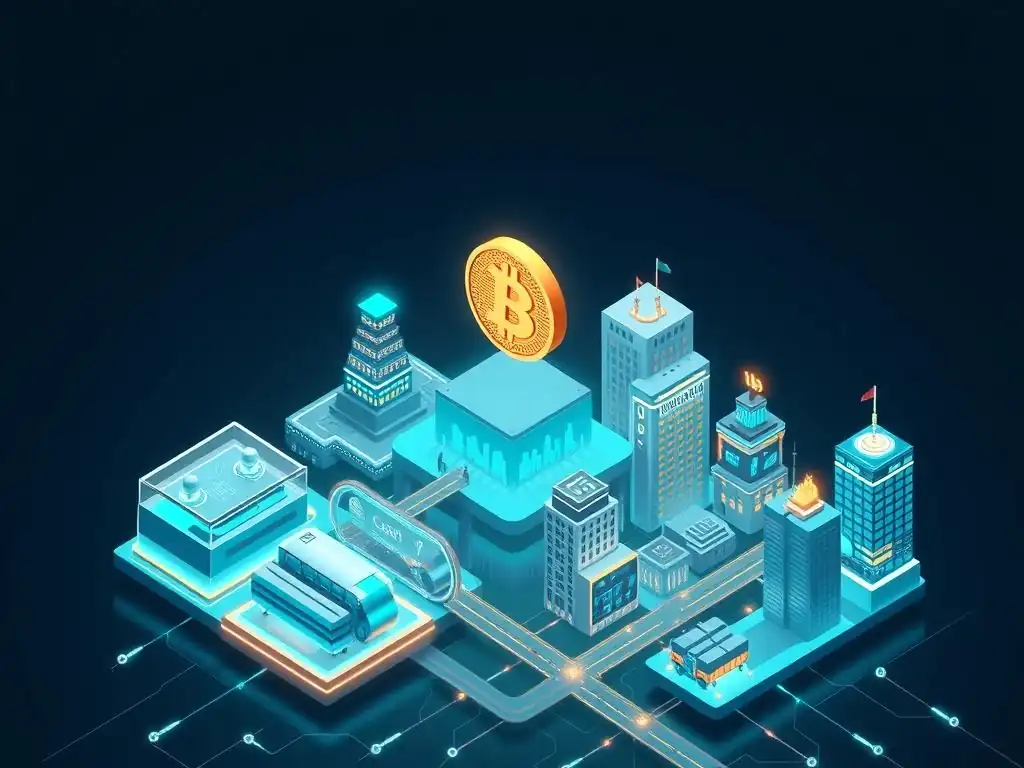
Advantages of Implementing Utility Tokens for Businesses
Implementing utility tokens can offer significant advantages for businesses looking to build digital platforms, engage users, and explore new funding models. One primary benefit is the ability to create a dedicated ecosystem with its own internal economy. This fosters a strong sense of community and allows businesses to directly reward user participation and loyalty in a transparent manner. The token itself becomes a tool for driving specific user actions and behaviors that benefit the network or service.
Another key advantage is the potential for enhanced transparency and security, particularly when the utility token operates on a public blockchain. Transactions and token flows are often publicly verifiable, increasing trust among users. Furthermore, utility tokens can facilitate access to alternative funding mechanisms, such as initial token sales (while being mindful of regulatory classifications), which can provide capital for development and bootstrap network effects by distributing tokens directly to potential users.
Increased User Engagement and Loyalty
Utility tokens can act as powerful incentives for user engagement. By earning tokens through participation or using tokens to access desirable features, users become more invested in the platform's success. Loyalty programs built on utility tokens allow businesses to reward their most active users in a transparent and potentially tradable way, fostering a sense of ownership and community that traditional loyalty points often lack. This direct economic link encourages continued interaction and contribution.
Enhanced Transparency and Security
Operating on a blockchain, utility tokens benefit from the inherent transparency and security features of the underlying technology. The history of token transactions is typically immutable and publicly verifiable, reducing the risk of fraud or manipulation within the token's ecosystem. Smart contracts governing token utility add a layer of automated security and trust, ensuring that token functions execute as programmed without relying on a central authority.
Access to New Funding Models
While not primarily investment contracts, the initial distribution of utility tokens can serve as a method for projects to raise funds from a community of early adopters who believe in the utility of the service being built. This crowdfunding-like approach allows projects to gain traction and gather resources directly from their potential user base, bypassing traditional venture capital routes and fostering a community that is financially and emotionally invested in the project's success.
Potential Challenges and Risks Associated with Utility Tokens
Despite their potential, utility tokens are not without challenges and risks. A major hurdle is the ongoing regulatory uncertainty mentioned earlier. The lack of clear, consistent global regulations means projects can face legal challenges or be forced to adapt their models as rules evolve, posing a risk to their operations and the token's usability.
Another significant risk lies in the underlying technology. Utility tokens rely on smart contracts and blockchain infrastructure, which can be susceptible to bugs, vulnerabilities, or network failures. A flaw in a smart contract governing token functionality could lead to loss of funds or disruption of service. Furthermore, maintaining the token's value and ensuring its continued utility is crucial; if the underlying service fails to gain adoption or faces strong competition, the token's demand and value can plummet, impacting users and the project alike.
Regulatory Uncertainty
The evolving and often ambiguous regulatory landscape is a primary challenge for projects utilizing utility tokens. Projects must navigate complex legal frameworks in each jurisdiction they operate in, risking classification as securities if their tokens are perceived as investment contracts. This uncertainty can deter businesses and investors and complicate the process of launching and managing a utility token ecosystem.
Security Vulnerabilities and Smart Contract Risks
Utility tokens are often governed by smart contracts, which are pieces of code executed on the blockchain. If these contracts contain errors or vulnerabilities, they can be exploited by malicious actors, leading to the theft of tokens or disruption of the service. Auditing smart contracts is essential but doesn't eliminate all risks. The security of the underlying blockchain network is also a factor; while blockchains are generally secure, rare events or specific consensus mechanism vulnerabilities could theoretically impact tokens.
Maintaining Token Value and Utility
The long-term success of a utility token depends heavily on the continued relevance and adoption of the product or service it powers. If the platform fails to attract users or if competitors offer superior alternatives, the demand for the utility token will likely decrease, negatively impacting its value. Projects must continuously innovate and deliver on their value proposition to ensure the utility token remains desirable and functional within its ecosystem.
Case Studies: Successful Utility Token Implementations
Loyalty Programs: Leveraging Utility Tokens for Customer Rewards
Several companies and platforms have successfully implemented utility tokens to revamp traditional loyalty and rewards programs. Instead of points confined to a single ecosystem, utility tokens offer greater flexibility and potential value. For instance, a retail brand could issue utility tokens to customers based on purchase volume.
These tokens could then be redeemed for discounts, exclusive products, or early access to sales. Crucially, if the tokens are tradable on secondary markets, they gain potential value beyond the issuing brand's ecosystem, increasing their appeal to customers. This approach fosters deeper engagement and turns loyalty into a more dynamic and potentially valuable asset for the customer.
Data Storage: Utility Tokens Enabling Decentralized Data Solutions
Decentralized data storage platforms like Filecoin (FIL) and Storj (STORJ) provide compelling case studies for utility token utility. Filecoin's FIL token is used by clients to pay storage providers for storing and retrieving data, and by providers who stake FIL as collateral to ensure reliability. Storj's STORJ token functions similarly, used for payments between those needing storage space and those providing it.
These tokens are not just payment methods; they are integral to the network's consensus and incentive mechanisms, ensuring data is stored securely and reliably across a distributed network of independent nodes. The utility token is the economic engine that powers the decentralized storage service, demonstrating a core blockchain utility token application.
Conclusion: The Expanding Universe of Blockchain Utility Token Applications
The journey through various utility token use cases reveals a rapidly expanding universe of blockchain utility token applications beyond the initial focus on cryptocurrencies. From revolutionizing in-game economies with blockchain utility token applications gaming to fueling decentralized finance, enabling transparent supply chains, and securing digital identities, utility tokens are proving to be a versatile tool for building decentralized, community-driven ecosystems.
While challenges related to regulation and technology persist, the inherent benefits of utility tokens—driving engagement, enhancing transparency, and enabling innovative economic models—are pushing their adoption across diverse industries. As the blockchain space matures, the functional role of utility tokens in providing access and incentivizing participation will continue to grow, solidifying their place as a fundamental building block of the decentralized web.
Frequently Asked Questions
What are some common Blockchain utility token applications gaming?
Utility tokens in gaming are commonly used for in-game purchases, accessing premium content, and participating in governance decisions within the game's ecosystem.
How can utility tokens enhance the gaming experience?
Utility tokens can enhance the gaming experience by providing players with true ownership of in-game assets, enabling new economic models, and fostering community engagement.
What are some potential regulatory challenges surrounding Blockchain utility token applications gaming?
Regulatory challenges often involve determining whether a utility token is actually a security, complying with KYC/AML regulations, and addressing concerns about consumer protection within the gaming sector.
Beyond gaming, what other Blockchain utility token applications exist?
Outside of gaming, utility tokens are used in areas like decentralized finance (DeFi) for governance and access to services, supply chain management for tracking goods, and data storage for incentivizing network participation.
What is the future outlook for Blockchain utility token applications gaming and other sectors?
The future looks promising, with increased adoption of utility tokens driving innovation across various industries. However, regulatory clarity and scalability solutions will be crucial for widespread success.
Final Reflection: Embracing the Potential of Blockchain Utility Tokens
The exploration of blockchain utility token applications in gaming and decentralized services reveals a landscape brimming with innovation, yet still nascent in its development. The true power of these tokens lies in their ability to redefine ownership, engagement, and value creation within digital ecosystems. This potential is particularly relevant today as we witness a growing demand for more transparent and user-centric online experiences.
The impact of utility tokens extends far beyond mere transactional convenience; they are fundamentally reshaping how communities interact and thrive. Witnessing the evolution of these tokens, from simple in-game currencies to integral components of decentralized governance, underscores their transformative power. The blockchain is more than just a technology; it's a paradigm shift in how we think about trust, ownership, and value.
This quote encapsulates the profound implications of utility tokens and their ability to empower individuals within digital spaces.
As we stand at the cusp of this technological revolution, I invite you to consider the possibilities. How can you leverage the principles of utility tokens to foster greater collaboration, transparency, and ownership in your own endeavors? Embrace the potential of decentralized systems, explore innovative applications, and contribute to a future where digital value is truly shared and accessible to all.
Unlock Your Crypto Potential: Start Exploring Utility Tokens!
Thanks for exploring the world of utility tokens with us! You now have a solid understanding of how these digital assets are influencing areas from gaming to decentralized services. If you're ready to apply this knowledge and become part of the blockchain revolution, here are some next steps:
- Identify a utility token project that aligns with your interests and thoroughly review its whitepaper. Doing your due diligence before investing is essential.
- Join an online community, such as a Discord server or Telegram group, to discuss the project's potential with other enthusiasts and gain insights from experienced users.
- Try out the platform or service by using a small amount of the utility token yourself—experience it firsthand and learn by doing.
What promising utility token projects are you researching? What potential do you see in them for shaping the future of blockchain? Share your thoughts in the comments below!
Leave a Reply