
Agriculture 4.0: Blockchain & IoT for Traceable and Secure Food Data

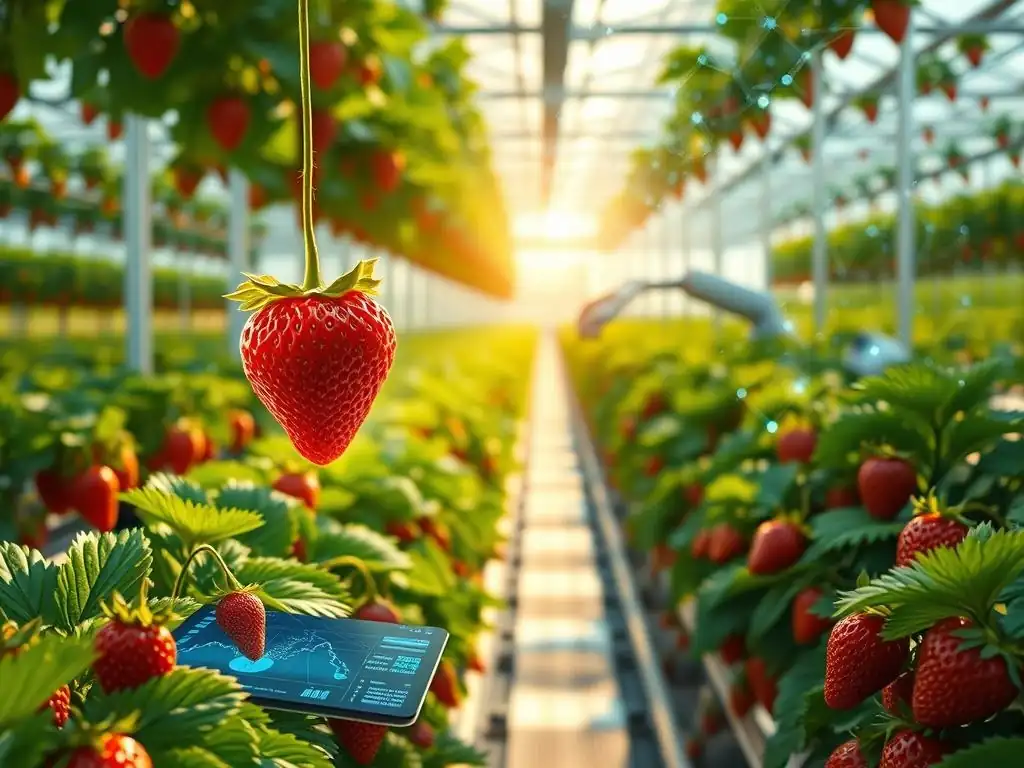
Welcome to Blockchain Trends, where we delve into the real-world impact of blockchain technology. Today, we're venturing beyond the hype to explore how blockchain is revolutionizing industries. Think you know blockchain? Prepare to be surprised! Our feature article, "Agriculture 4.0: Blockchain & IoT for Traceable and Secure Food Data," uncovers the potential of blockchain food traceability solutions. Curious about how blockchain and IoT can guarantee the safety and origin of your food? Keep reading – the future of food security is here.
Agriculture 4.0: Blockchain & IoT for Traceable and Secure Food Data
- Introduction: Revolutionizing Agriculture with Blockchain and IoT
- Challenges in Traditional Food Supply Chains
- Blockchain Food Traceability Solutions
- IoT's Role in Gathering Real-Time Agricultural Data
- Combining Blockchain and IoT: A Synergistic Approach
- Use Cases: Blockchain and IoT in Action
- Implementing Blockchain Food Traceability
- The Future of Agriculture 4.0: Trends and Predictions
- Overcoming Barriers to Adoption
- Conclusion: Transforming the Future of Food
-
Frequently Asked Questions
- How can blockchain enhance food traceability in agriculture?
- What is the role of IoT devices in conjunction with blockchain for food traceability?
- How does blockchain-based traceability benefit consumers?
- What are some potential challenges in implementing blockchain food traceability solutions?
- What is the impact of regulations on the adoption of blockchain in agriculture?
- Final Reflection: Cultivating Trust in Every Byte
- Unleash the Power of Traceability: Secure Your Food Future!
Introduction: Revolutionizing Agriculture with Blockchain and IoT
The Convergence of Blockchain and IoT in Agriculture
Agriculture 4.0 represents a significant shift in farming practices, moving towards data-driven and technologically advanced methodologies. At the heart of this revolution are two transformative technologies: Blockchain and the Internet of Things (IoT). IoT devices, such as sensors and connected machinery, are deployed across farms and supply chains to collect vast amounts of real-time data on various parameters like temperature, humidity, soil conditions, and location. This data is crucial for optimizing agricultural processes, improving yields, and reducing waste.
Blockchain technology complements IoT by providing a secure and transparent infrastructure for managing and sharing this agricultural data. Blockchain's inherent immutability and decentralized nature ensure data integrity and prevent tampering, creating a trusted record of the food journey from farm to consumer. The convergence of these technologies is not just about automation; it's about creating a more resilient, efficient, and trustworthy food system, addressing critical challenges in modern agriculture.
The Importance of Traceability and Security in Modern Food Supply Chains
In today's complex and globalized food supply chains, traceability and security are paramount. Consumers are increasingly demanding to know the origin and journey of their food, driven by concerns about food safety, quality, and ethical sourcing. Events like foodborne illness outbreaks and fraudulent food products have eroded consumer trust, highlighting the vulnerabilities in traditional supply chain systems.
Traceability, the ability to track a food product through all stages of the supply chain, is essential for quickly identifying and isolating contaminated products during recalls, minimizing public health risks and economic losses. Security, in the context of food supply chains, encompasses protecting data integrity, preventing counterfeiting, and ensuring the authenticity of food products. Blockchain and IoT, working in tandem, offer powerful tools to enhance both traceability and security, building consumer confidence and improving the overall integrity of the food system.
Challenges in Traditional Food Supply Chains
Lack of Transparency and Data Silos
Traditional food supply chains are often characterized by a lack of transparency. Information is fragmented across various stakeholders, including farmers, processors, distributors, retailers, and regulators. This fragmentation leads to data silos, where information is isolated and difficult to access or share efficiently. For example, a consumer wanting to know the origin of a specific apple might encounter significant hurdles in tracing it back to the orchard due to the lack of interconnected systems.
This lack of transparency hinders effective traceability and makes it challenging to quickly respond to food safety incidents or verify product claims. Furthermore, data silos prevent a holistic view of the supply chain, limiting opportunities for optimization and efficiency improvements. The opacity of these systems not only impacts consumers but also creates inefficiencies and distrust among supply chain partners.
Food Safety Concerns and Recalls
Food safety is a critical concern in global food supply chains. Every year, millions of people suffer from foodborne illnesses, causing significant health and economic burdens. According to the World Health Organization (WHO), foodborne diseases cause an estimated 600 million illnesses and 420,000 deaths globally each year. Traditional food supply chains are vulnerable to contamination at various stages, from farm to table.
When food safety incidents occur, the lack of effective traceability often leads to broad and costly recalls. For instance, in 2018, a Salmonella outbreak linked to papayas resulted in recalls across several US states, impacting numerous suppliers and causing significant financial losses. The slow and often inaccurate nature of traditional recall processes underscores the urgent need for improved traceability systems to mitigate food safety risks and protect public health.
Inefficiencies and Waste in the Supply Chain
Inefficiencies and waste are pervasive problems in traditional food supply chains, contributing to economic losses and environmental impact. Food waste occurs at every stage, from on-farm losses due to spoilage and pests to post-harvest losses during transportation, processing, and retail. The Food and Agriculture Organization of the United Nations (FAO) estimates that roughly one-third of the food produced globally for human consumption is lost or wasted every year.
These inefficiencies are often exacerbated by fragmented information systems, lack of real-time visibility, and manual processes. For example, overstocking at retail level due to inaccurate demand forecasting and inefficient inventory management contributes significantly to food waste. Optimizing supply chain operations, reducing waste, and improving resource utilization are crucial for creating a more sustainable and efficient food system.
Blockchain Food Traceability Solutions
How Blockchain Enhances Food Traceability
Blockchain technology offers a revolutionary approach to enhancing food traceability. By creating a shared, immutable ledger of transactions, blockchain provides a transparent and auditable record of a food product's journey through the supply chain. Each step, from farm to processing, distribution, and retail, can be recorded as a transaction on the blockchain, creating a comprehensive and verifiable history of the product.
Unlike traditional databases, blockchain's decentralized nature eliminates single points of failure and makes data tampering extremely difficult. This ensures the integrity and trustworthiness of the traceability information. Furthermore, blockchain's cryptographic security protocols protect the data from unauthorized access, enhancing the overall security of the food supply chain. This enhanced traceability empowers consumers, regulators, and supply chain stakeholders with greater visibility and accountability.
Key Features of Blockchain-Based Traceability Systems
Blockchain-based traceability systems are characterized by several key features that distinguish them from traditional methods. Immutability is a core feature; once data is recorded on the blockchain, it cannot be altered or deleted, ensuring a permanent and trustworthy record. Transparency is another crucial aspect, as all participants in the supply chain can have access to the shared ledger, providing end-to-end visibility.
Decentralization eliminates reliance on a central authority, distributing data across a network of participants, enhancing security and resilience. Security is provided through cryptographic hashing and consensus mechanisms, making the blockchain highly resistant to fraud and cyberattacks. Finally, auditability is inherent in blockchain systems, as every transaction is time-stamped and verifiable, facilitating easy tracking and auditing of the food product's journey. These features collectively contribute to a more reliable and secure food traceability system.
Benefits of Implementing Blockchain for Food Tracking
Implementing blockchain for food tracking offers a multitude of benefits across the entire food supply chain. For consumers, it provides increased transparency and trust in the food they purchase, allowing them to verify origin, quality, and authenticity. For food producers and processors, blockchain enhances brand reputation by demonstrating commitment to transparency and food safety, potentially leading to increased consumer loyalty.
Improved efficiency in recall management is another significant benefit. Blockchain enables faster and more targeted recalls, minimizing the scope and cost of recalls and reducing public health risks. Furthermore, blockchain can help reduce food fraud and counterfeiting, protecting both businesses and consumers from economic losses and health hazards. Finally, by providing better data insights into the supply chain, blockchain facilitates optimization and efficiency improvements throughout the entire system, reducing waste and costs.
IoT's Role in Gathering Real-Time Agricultural Data
IoT Sensors for Monitoring Crop Conditions
The Internet of Things (IoT) plays a vital role in modern agriculture by enabling the collection of real-time data on crop conditions. A wide range of IoT sensors can be deployed in fields and greenhouses to monitor crucial environmental parameters. Soil moisture sensors provide data on soil hydration levels, optimizing irrigation and conserving water. Temperature and humidity sensors monitor climatic conditions, helping farmers adjust planting and harvesting schedules and protect crops from extreme weather.
Light sensors measure sunlight intensity, crucial for photosynthesis and plant growth. Nutrient sensors analyze soil nutrient levels, enabling precision fertilization and reducing fertilizer waste. Data from these sensors are transmitted wirelessly to central platforms, providing farmers with continuous insights into crop health and environmental conditions. This real-time monitoring empowers farmers to make data-driven decisions, optimize resource utilization, and improve crop yields.
IoT Devices for Livestock Tracking and Management
IoT devices are also transforming livestock management, enabling precise tracking and monitoring of animal health and welfare. Wearable sensors attached to livestock, such as cattle or poultry, can track vital signs like body temperature, heart rate, and activity levels. This data allows for early detection of illness or distress, enabling timely intervention and reducing animal mortality.
GPS trackers can monitor animal location, especially for grazing animals, improving pasture management and preventing livestock theft. Automated feeding and watering systems controlled by IoT devices can optimize resource delivery based on animal needs, improving efficiency and reducing waste. Data collected from IoT devices can also be used to monitor animal welfare compliance, ensuring ethical and sustainable livestock farming practices. These IoT applications contribute to healthier, more productive, and ethically managed livestock operations.
The Integration of IoT Data with Blockchain Platforms
The true power of IoT in agriculture is unlocked when its data is integrated with blockchain platforms. IoT sensors generate vast amounts of real-time data, but this data needs to be securely managed and shared to be truly valuable for traceability and supply chain optimization. Blockchain provides the ideal infrastructure for this integration, ensuring data integrity, security, and transparency.
IoT data, such as sensor readings from farms, can be recorded as transactions on the blockchain, creating an immutable record of environmental conditions, animal health, and other critical parameters. This integration provides verifiable proof of origin, quality, and production practices, enhancing traceability and building trust. Furthermore, blockchain can facilitate secure data sharing between different stakeholders in the supply chain, enabling better collaboration and informed decision-making. The synergy of IoT and blockchain creates a powerful ecosystem for Agriculture 4.0.
Combining Blockchain and IoT: A Synergistic Approach
Creating a Secure and Immutable Food Data Ecosystem
Combining blockchain and IoT creates a synergistic effect, resulting in a secure and immutable food data ecosystem. IoT devices act as the eyes and ears of the system, gathering real-time data from various points in the agricultural supply chain. Blockchain then serves as the backbone, securely recording and managing this data in a decentralized and transparent manner. This combination addresses the critical challenges of data integrity and security in traditional food systems.
The immutability of blockchain ensures that the data collected by IoT sensors cannot be tampered with, providing a trustworthy and verifiable record of the food product's journey. This is particularly crucial for sensitive data related to food safety, origin, and quality certifications. The decentralized nature of blockchain further enhances security by eliminating single points of failure and making the system more resilient to cyberattacks. This secure and immutable data ecosystem fosters trust and transparency across the entire food supply chain.
Real-Time Monitoring and Traceability from Farm to Fork
The integration of blockchain and IoT enables real-time monitoring and traceability from farm to fork. IoT sensors continuously collect data at every stage of the supply chain, from farm fields to processing plants, transportation vehicles, and retail stores. This data is then recorded on the blockchain in real-time, providing an up-to-the-minute view of the food product's location, condition, and history.
Consumers can access this information through QR codes or other identifiers on food packaging, allowing them to verify the product's origin, journey, and certifications. For example, a consumer scanning a QR code on a package of beef could access information about the farm where the cattle were raised, the feed they consumed, the processing facility, and transportation details. This level of real-time traceability empowers consumers with information and builds confidence in the food they purchase.
Enhancing Supply Chain Efficiency and Reducing Food Waste
The synergistic approach of blockchain and IoT significantly enhances supply chain efficiency and contributes to reducing food waste. Real-time data from IoT sensors, combined with blockchain-enabled transparency, allows for better visibility and optimization of supply chain operations. For instance, monitoring temperature and humidity during transportation using IoT sensors and recording this data on blockchain can ensure optimal storage conditions and prevent spoilage.
Predictive analytics based on IoT data can improve demand forecasting, reducing overstocking and minimizing food waste at retail level. Blockchain-enabled smart contracts can automate processes like payments and inventory management, further streamlining operations and reducing administrative overhead. By improving efficiency and reducing waste at every stage, the combination of blockchain and IoT contributes to a more sustainable and resilient food system.
Use Cases: Blockchain and IoT in Action
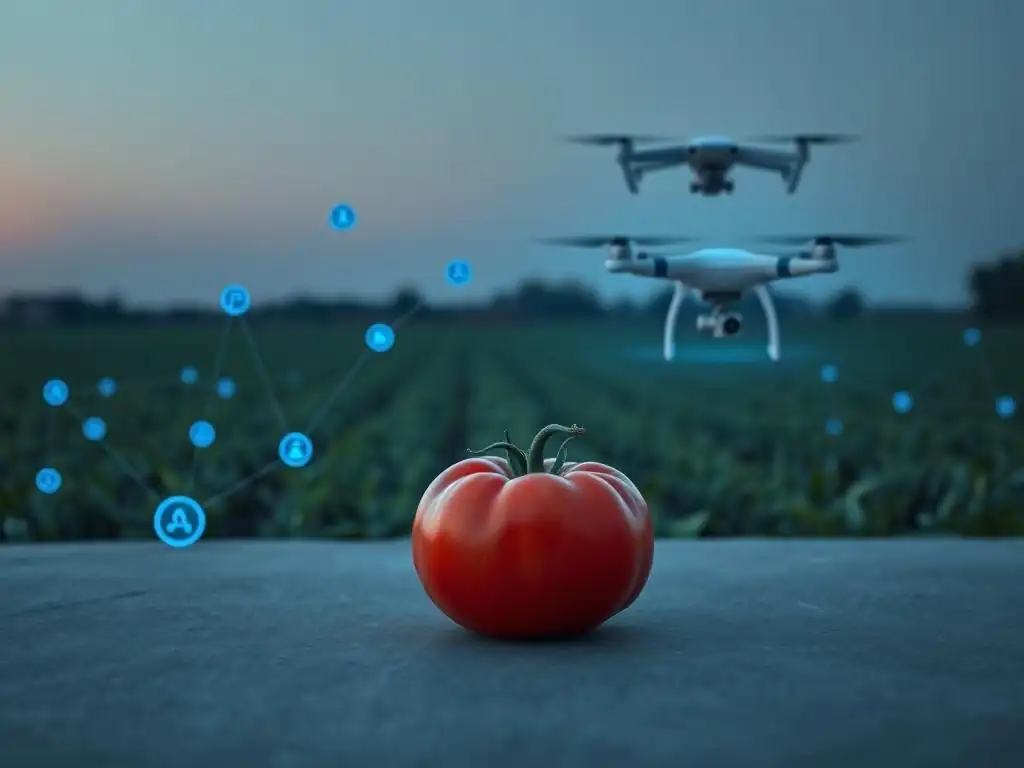
Case Study 1: Walmart's Blockchain-Based Traceability for Mangoes
Walmart, one of the world's largest retailers, has been a pioneer in implementing blockchain for food traceability. In a real-world case study, Walmart partnered with IBM Food Trust to track mangoes from farms in Mexico and the United States to its stores. Using blockchain, Walmart was able to reduce the time it took to trace mangoes from farm to shelf from days to mere seconds.
Before implementing blockchain, tracing the origin of mangoes could take up to seven days, involving manual paperwork and phone calls across multiple stakeholders. With blockchain, this process was reduced to 2.2 seconds. This dramatic improvement in traceability time significantly enhances Walmart's ability to respond quickly to food safety issues and manage recalls effectively. The success of this mango traceability project has led Walmart to expand its blockchain initiatives to track other food products, including leafy greens and pork.
Case Study 2: Provenance's Tuna Tracking System
Provenance, a technology company focused on supply chain transparency, has implemented a blockchain-based tuna tracking system to combat illegal fishing and promote sustainable seafood. Working with fishermen in Indonesia, Provenance uses QR codes and blockchain to track tuna from the point of catch to consumers. Each tuna is tagged with a QR code that, when scanned, provides consumers with information about where and when the fish was caught, the fishing vessel, and its journey through the supply chain.
This system provides verifiable proof of the tuna's origin and sustainability credentials, helping consumers make informed choices and supporting responsible fishing practices. Provenance's tuna tracking system demonstrates the power of blockchain to improve transparency and accountability in complex global seafood supply chains, addressing issues like illegal, unreported, and unregulated (IUU) fishing and promoting ocean conservation.
Improved Food Safety and Consumer Trust
These case studies and numerous other implementations highlight the significant improvements in food safety and consumer trust that blockchain and IoT enable. Enhanced traceability allows for faster and more targeted recalls, minimizing the impact of foodborne illness outbreaks. Verifiable proof of origin and quality certifications, provided by blockchain, builds consumer confidence and allows them to make informed purchasing decisions.
Transparency in the food supply chain, fostered by these technologies, addresses consumer demands for greater accountability and ethical sourcing. As consumers become more aware of the journey of their food, blockchain and IoT play a crucial role in building trust and creating a more transparent and responsible food system. This increased trust can translate into brand loyalty and a stronger connection between consumers and food producers.
Implementing Blockchain Food Traceability
Choosing the Right Blockchain Platform for Agriculture
Selecting the right blockchain platform is crucial for successful implementation of blockchain food traceability solutions in agriculture. Several blockchain platforms are available, each with its own strengths and weaknesses. Permissioned blockchains, like IBM Food Trust and Hyperledger Fabric, are often preferred for supply chain applications due to their controlled access and scalability. These platforms allow for specific participants to be granted access to the network, ensuring data privacy and regulatory compliance.
Public blockchains, like Ethereum, offer greater transparency and decentralization but may have scalability limitations and higher transaction costs. Factors to consider when choosing a platform include scalability, transaction speed, cost, security features, data privacy requirements, and interoperability with existing systems. The specific needs of the agricultural supply chain and the participating stakeholders should guide the platform selection process.
Data Privacy and Security Best Practices
Data privacy and security are paramount considerations when implementing blockchain-based food traceability systems. While blockchain inherently provides security through cryptography, it is essential to implement best practices to protect sensitive data and comply with privacy regulations like GDPR. Data minimization is a key principle, collecting only necessary data and avoiding the storage of personally identifiable information on the blockchain.
Data encryption should be used to protect sensitive data both in transit and at rest. Access control mechanisms should be implemented to ensure that only authorized participants can access specific data. Regular security audits and vulnerability assessments are crucial to identify and mitigate potential risks. Furthermore, compliance with relevant data privacy regulations must be integrated into the system design and implementation.
Scalability and Interoperability Challenges
Scalability and interoperability present significant challenges in implementing blockchain food traceability solutions, particularly in complex agricultural supply chains. Blockchain networks need to be able to handle the high volume of transactions generated by large-scale food supply chains, especially when integrated with IoT devices that generate continuous data streams. Scalability solutions, such as sharding and layer-2 protocols, are being developed to address these challenges.
Interoperability between different blockchain platforms and legacy systems is also crucial. Food supply chains often involve diverse stakeholders using different technologies and data standards. Developing interoperability standards and APIs is essential to enable seamless data exchange and collaboration across the entire ecosystem. Addressing these scalability and interoperability challenges is critical for widespread adoption of blockchain food traceability in agriculture.
The Future of Agriculture 4.0: Trends and Predictions
AI-Powered Food Supply Chain Management
The future of Agriculture 4.0 will be increasingly shaped by the integration of Artificial Intelligence (AI) with blockchain and IoT. AI algorithms can analyze the vast amounts of data generated by IoT sensors and blockchain systems to optimize various aspects of food supply chain management. Predictive analytics powered by AI can improve demand forecasting, reduce food waste, and optimize inventory management.
AI-driven image recognition can be used for quality control and defect detection in food processing, enhancing food safety and reducing waste. AI-powered chatbots and customer service tools can provide consumers with real-time information about food products and address their queries, further enhancing transparency and trust. The combination of AI, blockchain, and IoT will lead to more intelligent, efficient, and responsive food supply chains.
The Role of Smart Contracts in Automated Agriculture
Smart contracts, self-executing contracts with the terms of the agreement directly written into code, will play an increasingly important role in automating agricultural processes within Agriculture 4.0. Automated payments based on predefined conditions, such as delivery confirmation or quality verification, can streamline transactions between supply chain partners. Smart contract-based inventory management can automate stock replenishment and reduce manual intervention.
Automated quality assurance processes can be triggered by data from IoT sensors and verified by blockchain, ensuring product quality and compliance. Smart contracts can also facilitate peer-to-peer trading and direct-to-consumer sales in agriculture, reducing intermediaries and improving farmer profitability. The automation enabled by smart contracts will contribute to greater efficiency, transparency, and trust in agricultural transactions.
Blockchain-Enabled Sustainability Initiatives
Blockchain technology is poised to play a significant role in driving sustainability initiatives in agriculture. Traceability of sustainable practices, such as organic farming or fair trade certification, can be enhanced by blockchain, providing verifiable proof to consumers and rewarding sustainable producers. Carbon footprint tracking using IoT and blockchain can help monitor and reduce greenhouse gas emissions in the agricultural sector.
Supply chain optimization facilitated by blockchain can reduce transportation distances and energy consumption, contributing to a more environmentally friendly food system. Waste reduction initiatives, enabled by better data visibility and predictive analytics, can minimize food loss and waste, conserving resources and reducing environmental impact. Blockchain-enabled sustainability initiatives can promote responsible and environmentally conscious agricultural practices.
Overcoming Barriers to Adoption
Addressing Concerns about Cost and Complexity
Despite the numerous benefits, the adoption of blockchain food traceability solutions faces barriers, particularly concerning cost and complexity. The initial investment costs for implementing blockchain and IoT infrastructure can be significant, especially for small and medium-sized enterprises (SMEs) in the agricultural sector. Complexity in integrating blockchain and IoT with existing systems and processes can also be a deterrent.
Addressing these concerns requires demonstrating the return on investment (ROI) of blockchain and IoT solutions, highlighting the long-term benefits in terms of efficiency gains, waste reduction, and enhanced brand reputation. Developing user-friendly and affordable solutions tailored to the needs of SMEs is crucial. Providing training and support to facilitate adoption and overcome technical complexities is also essential.
Fostering Collaboration and Standardization
Collaboration and standardization are critical for successful widespread adoption of blockchain food traceability. Food supply chains involve diverse stakeholders, and effective implementation requires collaboration among farmers, processors, distributors, retailers, technology providers, and regulators. Data standardization is essential to ensure interoperability and seamless data exchange between different systems and platforms.
Industry-wide standards for blockchain implementation in agriculture are needed to promote consistency and facilitate adoption. Open-source initiatives and collaborative platforms can help reduce development costs and promote knowledge sharing. Fostering a collaborative ecosystem and promoting standardization will accelerate the adoption of blockchain food traceability and maximize its benefits for the entire agricultural sector.
Regulatory Landscape and Compliance
The regulatory landscape for blockchain and food traceability is still evolving. While regulations specifically mandating blockchain for food traceability are not yet widespread, existing food safety regulations and traceability requirements are driving adoption. Compliance with food safety regulations, such as the Food Safety Modernization Act (FSMA) in the US, can be enhanced by blockchain-based traceability systems.
Data privacy regulations, such as GDPR, must be considered and addressed in blockchain implementation. Developing clear regulatory guidelines for blockchain in food and agriculture is needed to provide legal certainty and promote responsible innovation. Engaging with regulatory bodies and participating in policy discussions is crucial to shape a supportive regulatory environment for blockchain food traceability.
Conclusion: Transforming the Future of Food
The Potential for a More Transparent and Secure Food System
Blockchain and IoT together hold immense potential to transform the future of food, creating a more transparent and secure food system. By enhancing traceability, improving food safety, reducing waste, and building consumer trust, these technologies can address critical challenges in modern agriculture and food supply chains. The shift towards Agriculture 4.0, powered by blockchain and IoT, promises a more resilient, efficient, and sustainable food future.
The ability to track food products from farm to fork with unprecedented accuracy and transparency empowers consumers, strengthens food safety systems, and optimizes supply chain operations. This transformation is not just about technological advancements; it's about building a food system that is more accountable, ethical, and responsive to the needs of both producers and consumers.
Embracing Innovation for a Sustainable Future
Embracing innovation in the form of blockchain and IoT is essential for creating a sustainable future for food. These technologies offer powerful tools to address the growing challenges of feeding a global population while minimizing environmental impact and ensuring food security. By reducing food waste, optimizing resource utilization, and promoting sustainable agricultural practices, blockchain and IoT contribute to a more environmentally responsible food system.
Furthermore, by fostering transparency and trust, these technologies can empower consumers to make informed choices and support sustainable and ethical food production. Investing in research, development, and implementation of blockchain and IoT in agriculture is crucial for building a food system that is not only efficient and secure but also sustainable and equitable for generations to come.
Frequently Asked Questions
How can blockchain enhance food traceability in agriculture?
Blockchain provides a tamper-proof ledger that records every stage of the food supply chain, from farm to consumer. This increased transparency helps track the origin and movement of products, improving food safety and reducing fraud.
What is the role of IoT devices in conjunction with blockchain for food traceability?
IoT sensors can collect real-time data on temperature, humidity, and location throughout the supply chain. This data is then recorded on the blockchain, providing verifiable and immutable information about the food's journey.
How does blockchain-based traceability benefit consumers?
Consumers gain greater confidence in the food they are purchasing, knowing its origin and history. Enhanced transparency allows consumers to make informed choices and hold producers accountable for food safety.
What are some potential challenges in implementing blockchain food traceability solutions?
Challenges include the initial investment cost, the need for collaboration among various stakeholders in the supply chain, and ensuring data accuracy and standardization across different systems.
What is the impact of regulations on the adoption of blockchain in agriculture?
Clear and supportive regulations can boost adoption by providing a legal framework for blockchain-based systems. Conversely, unclear or restrictive regulations can hinder innovation and limit the potential benefits of the technology in food traceability.
Final Reflection: Cultivating Trust in Every Byte
The promise of transparent and secure food systems is no longer a futuristic ideal, but a tangible possibility thanks to the convergence of Blockchain and IoT technologies. As we've explored, Agriculture 4.0 is revolutionizing how food is produced, processed, and distributed, offering unprecedented levels of traceability and accountability. This isn't just about efficiency; it's about rebuilding consumer trust in an industry often plagued by uncertainty.
The impact of Blockchain food traceability solutions extends far beyond simply tracking produce from farm to fork. It's about empowering consumers with the knowledge they deserve, fostering ethical and sustainable practices, and ultimately, creating a more resilient and equitable food system for all. The future of food is traceability. Consumers want to know where their food comes from, how it was produced, and that it is safe.
- Cathy Burns, CEO of the Produce Marketing Association. This quote encapsulates the growing demand for transparency and the potential of Blockchain to meet that demand.
Now, consider the implications of this information for your own choices. How can you, as a consumer or a stakeholder in the food industry, advocate for greater transparency and traceability? Let us embrace the power of technology to cultivate a future where every bite is informed, ethical, and secure. The seeds of change have been sown; it's up to us to nurture them into a bountiful harvest of trust.
Unleash the Power of Traceability: Secure Your Food Future!
Thanks for diving into the world of Agriculture 4.0 and discovering how blockchain and IoT are revolutionizing food traceability! You've unlocked insights into creating a more secure and transparent food system. Now, it's time to put that knowledge into action!
- Dive deeper into blockchain-based solutions by exploring real-world case studies and identifying potential applications for your own food supply chain.
- Share this article with your network and spark a conversation about the importance of food traceability and security.
- Consider contributing to open-source blockchain projects related to agriculture, helping to build a more robust and accessible ecosystem for all.
What specific challenges in your local food system could blockchain-based traceability solutions help solve? Share your thoughts below!
Leave a Reply