
Automating Supply Chains with Smart Contracts and IoT Technology


Welcome to Blockchain Trends, your go-to source for understanding the real-world impact of blockchain technology. Beyond the hype, lies a revolution in how we conduct business and interact with the world. Are you ready to see how?
Today, we delve into a fascinating intersection of innovation: smart contract supply chain automation. Discover how these self-executing agreements, combined with the power of IoT, are poised to redefine transparency, efficiency, and trust across global supply networks. Read on to unlock the potential and understand how this powerful combination is shaping the future of logistics and beyond...
- Smart Contract Supply Chain Automation: Revolutionizing Logistics with IoT
- Understanding the Challenges of Traditional Supply Chains
- Smart Contracts: The Key to Automated Supply Chain Processes
- IoT Technology: Enabling Real-Time Data Collection and Tracking
- Smart Contract Supply Chain Automation: A Step-by-Step Overview
- Use Cases: Real-World Applications of Smart Contracts and IoT in Supply Chains
- Benefits of Implementing Smart Contract-Based Supply Chains
- Challenges and Considerations for Smart Contract Supply Chain Implementation
- The Future of Smart Contract Supply Chain Automation
- Conclusion: Embracing the Potential of Smart Contract Supply Chain Automation
-
Frequently Asked Questions
- What are the primary benefits of using smart contracts for supply chain automation?
- How does IoT technology complement smart contracts in supply chain management?
- What are some of the challenges in implementing smart contract supply chain automation?
- How can smart contract supply chain automation improve traceability and accountability?
- What is the role of blockchain regulation in the adoption of smart contract supply chain solutions?
- Final Reflection: Embracing the Future of Supply Chain Transparency
- Unlock the Future of Supply Chains Today!
Smart Contract Supply Chain Automation: Revolutionizing Logistics with IoT
Introduction: The Convergence of Blockchain, IoT, and Supply Chain Management
The global supply chain, the intricate network that moves goods from origin to consumer, is undergoing a profound transformation. Historically reliant on manual processes, paper-based systems, and siloed data, traditional supply chains are facing mounting pressure to become more efficient, transparent, and resilient. Enter the synergistic combination of blockchain technology and the Internet of Things (IoT), offering a powerful solution: smart contract supply chain automation. This innovative approach leverages the decentralized, secure, and transparent nature of blockchain alongside the real-time data collection capabilities of IoT devices to automate critical supply chain processes, enhance visibility, and build trust among stakeholders.
The convergence of these technologies is not merely incremental improvement; it represents a paradigm shift. Imagine a world where every product's journey is immutably recorded, where contractual agreements are automatically executed upon pre-defined conditions being met, and where real-time insights drive proactive decision-making. This is the promise of smart contract supply chain automation. By embedding logic into self-executing contracts on a blockchain and connecting them to the physical world via IoT sensors, businesses can unlock unprecedented levels of efficiency, security, and transparency across their supply chains, paving the way for a new era of logistics and global trade.
Understanding the Challenges of Traditional Supply Chains
Inefficiencies and Lack of Transparency in Current Systems
Traditional supply chains are often characterized by a lack of transparency and significant inefficiencies. Information silos are rampant, with data fragmented across numerous intermediaries, including suppliers, manufacturers, distributors, and retailers. This lack of a unified, real-time view of the supply chain leads to delays, errors, and increased costs. For example, a study by McKinsey & Company found that inefficiencies in supply chain management can account for up to 20% of total operating expenses for some companies. Furthermore, the reliance on manual processes and paper-based documentation introduces significant delays and increases the risk of human error.
The opacity inherent in traditional systems also hinders effective risk management and responsiveness to disruptions. When a problem arises, such as a shipment delay or a quality issue, tracing the root cause and coordinating a response can be a cumbersome and time-consuming process. Consider the case of the 2021 Suez Canal blockage. The lack of real-time, universally accessible information amplified the disruption, causing delays and significant financial losses estimated in billions of dollars for global trade. This event underscored the critical need for more transparent and responsive supply chain systems.
The Problem of Counterfeit Goods and Product Authenticity
The proliferation of counterfeit goods poses a significant threat to businesses and consumers alike. In 2022, the OECD estimated the global trade in counterfeit and pirated goods to be worth nearly half a trillion dollars annually. Traditional supply chains, with their multiple intermediaries and lack of end-to-end traceability, provide ample opportunities for counterfeit products to infiltrate legitimate channels. Verifying the authenticity of products, especially in sectors like pharmaceuticals and luxury goods, is a complex and often unreliable process.
Consumers are increasingly demanding assurance about the origin and authenticity of the products they purchase. Instances of counterfeit medications entering the market can have severe health consequences, while the sale of fake luxury items damages brand reputation and erodes consumer trust. For example, in 2019, Interpol seized over $25 million worth of counterfeit pharmaceuticals in a global operation. This highlights the urgent need for robust systems that can effectively track and verify product provenance throughout the supply chain, preventing the entry of counterfeit goods and protecting consumers and businesses.
High Costs Associated with Intermediaries and Manual Processes
Traditional supply chains are burdened by high costs stemming from multiple intermediaries and reliance on manual processes. Each intermediary involved in the movement of goods adds transaction costs, delays, and administrative overhead. These intermediaries, such as freight forwarders, customs brokers, and financial institutions, often operate independently, leading to duplicated efforts and information asymmetry. Manual processes, such as paperwork handling, data entry, and reconciliation, are not only time-consuming and error-prone but also contribute significantly to operational expenses.
Consider the example of international trade finance. Traditional letters of credit, used to secure international transactions, involve numerous banks and intermediaries, resulting in lengthy processing times and substantial fees. A study by the World Economic Forum estimated that trade finance gaps can reach trillions of dollars, particularly impacting small and medium-sized enterprises (SMEs). By automating processes and reducing the need for intermediaries, smart contract supply chain automation offers the potential to significantly reduce costs, streamline operations, and improve access to finance for businesses of all sizes.
Smart Contracts: The Key to Automated Supply Chain Processes
What are Smart Contracts and How Do They Work?
Smart contracts are self-executing agreements written in code and stored on a blockchain. They automatically enforce the terms of a contract when pre-defined conditions are met, eliminating the need for intermediaries and manual intervention. Think of them as digital vending machines: once the conditions encoded in the contract are fulfilled (like payment and trigger event), the agreed-upon action is automatically executed (like releasing goods or transferring funds). This automation is achieved through "if-then" statements written into the smart contract code.
When a smart contract is deployed on a blockchain, it becomes immutable and transparent. This means that the terms of the contract cannot be altered once it is live, and all participants can verify the code and the execution history. The decentralized nature of blockchain ensures that no single party can unilaterally control or manipulate the contract. Smart contracts operate on various blockchain platforms, such as Ethereum, Hyperledger Fabric, and Corda, each offering different features and functionalities tailored to specific use cases.
The Role of Smart Contracts in Establishing Trust and Traceability
Smart contracts play a crucial role in establishing trust and traceability within supply chains. In traditional systems, trust is often built through established relationships and legal agreements, which can be complex and costly to enforce. Smart contracts, by their very nature, embed trust into the system. The immutable and transparent nature of the blockchain ensures that all parties operate under the same set of rules, and the automated execution of contracts reduces the risk of disputes and fraud.
Furthermore, smart contracts facilitate end-to-end traceability by recording every transaction and event on the blockchain. As goods move through the supply chain, each step, from manufacturing to delivery, can be recorded as a transaction on the blockchain, linked to the relevant smart contract. This creates an auditable and transparent record of the product's journey, enabling stakeholders to verify its provenance and authenticity at any point in time. This enhanced traceability is particularly valuable in industries where product integrity and compliance are paramount, such as pharmaceuticals and food.
Benefits of Using Smart Contracts for Supply Chain Automation
The adoption of smart contracts in supply chain automation offers a multitude of benefits. Firstly, they significantly reduce operational costs by automating manual processes, minimizing the need for intermediaries, and streamlining administrative tasks. Secondly, smart contracts enhance efficiency by accelerating transaction times and reducing delays associated with traditional contract execution and dispute resolution. Thirdly, they improve transparency and traceability, providing all stakeholders with a real-time, immutable view of the supply chain.
Moreover, smart contracts enhance security by reducing the risk of fraud and manipulation. The cryptographic security of blockchain and the tamper-proof nature of smart contracts make them highly resistant to tampering and unauthorized modifications. Finally, smart contracts foster greater trust and collaboration among supply chain partners. By codifying agreements and automating execution, they eliminate ambiguity, reduce the potential for disputes, and create a more reliable and efficient ecosystem for global trade.
IoT Technology: Enabling Real-Time Data Collection and Tracking
How IoT Sensors Provide Visibility Across the Supply Chain
The Internet of Things (IoT) is a network of physical devices, vehicles, buildings, and other items embedded with sensors, software, and network connectivity, enabling them to collect and exchange data. In the context of supply chains, IoT sensors provide real-time visibility into the location, condition, and status of goods as they move through the network. These sensors can track everything from temperature and humidity to location and vibration, providing a granular view of the product's journey.
For instance, GPS trackers attached to shipping containers provide real-time location data, allowing stakeholders to monitor the progress of shipments and anticipate potential delays. Temperature sensors in refrigerated trucks ensure the integrity of temperature-sensitive goods, such as pharmaceuticals and perishable foods. Humidity sensors in warehouses monitor storage conditions, preventing spoilage and damage. By deploying IoT sensors throughout the supply chain, businesses can gain unprecedented visibility and control over their operations.
Leveraging IoT for Condition Monitoring and Predictive Maintenance
Beyond basic tracking, IoT technology enables advanced condition monitoring and predictive maintenance within supply chains. Sensors can continuously monitor critical parameters such as temperature, humidity, vibration, and pressure, providing real-time insights into the condition of goods and equipment. This data can be used to proactively identify potential issues and prevent costly disruptions.
For example, in cold chain logistics, temperature sensors can detect deviations from the required temperature range, triggering alerts and enabling timely intervention to prevent spoilage of temperature-sensitive products. In manufacturing, vibration sensors on machinery can detect anomalies that may indicate impending failures, allowing for predictive maintenance and minimizing downtime. By leveraging IoT for condition monitoring and predictive maintenance, businesses can optimize asset utilization, reduce waste, and enhance the overall efficiency and resilience of their supply chains.
The Importance of IoT Data in Triggering Smart Contract Execution
The data collected by IoT devices is crucial for triggering the execution of smart contracts in supply chain automation. Smart contracts often rely on real-world events to initiate actions, and IoT sensors provide the verifiable data needed to trigger these events automatically. For example, a smart contract for payment upon delivery can be triggered automatically when GPS data from an IoT tracker confirms that a shipment has reached its destination.
Consider a scenario where a smart contract specifies payment terms based on temperature control during transit for perishable goods. Temperature sensors in the refrigerated container continuously monitor the temperature, and if the temperature remains within the agreed-upon range throughout the journey, the smart contract automatically releases payment upon delivery. If the temperature exceeds the threshold, the smart contract might trigger a dispute resolution process or adjust payment terms accordingly. This seamless integration of IoT data and smart contracts enables truly automated and event-driven supply chain processes.
Smart Contract Supply Chain Automation: A Step-by-Step Overview
Data Acquisition from IoT Devices
The first step in smart contract supply chain automation is the acquisition of data from IoT devices deployed throughout the supply chain. This involves strategically placing sensors on products, containers, vehicles, and facilities to capture relevant data points, such as location, temperature, humidity, pressure, and vibration. The data collected by these sensors is then transmitted wirelessly, typically via cellular, Wi-Fi, or satellite networks, to a central platform or directly to the blockchain network.
Ensuring data integrity and security during transmission is paramount. Data encryption and secure communication protocols are essential to prevent data breaches and maintain the trustworthiness of the information used to trigger smart contracts. Furthermore, the selection of appropriate IoT devices and communication infrastructure is crucial for reliable and continuous data acquisition across diverse geographical locations and operating environments.
Smart Contract Logic and Automated Execution
Once IoT data is acquired, it is fed into the smart contract to trigger automated execution based on pre-defined logic. The smart contract contains the terms and conditions of the agreement, encoded in programming language, and includes "if-then" statements that define the actions to be taken when specific conditions are met. For example, "IF shipment location = destination AND temperature <= 5°C THEN trigger payment."
The smart contract continuously monitors the incoming IoT data streams. When the data matches the pre-defined conditions, the smart contract automatically executes the agreed-upon actions, such as initiating payment, updating inventory records, triggering alerts, or releasing goods. This automated execution eliminates manual intervention, reduces delays, and ensures that contractual obligations are fulfilled promptly and accurately. The logic within the smart contract can be tailored to accommodate various supply chain processes and business requirements, providing flexibility and adaptability.
Secure Data Storage and Immutable Records on the Blockchain
The final step involves storing the data and transaction records securely and immutably on the blockchain. Once a smart contract is executed and transactions occur, these events are recorded as blocks on the blockchain, creating a permanent and auditable history. The decentralized and cryptographic nature of blockchain ensures data integrity and prevents tampering or unauthorized modifications.
This immutable record of supply chain events provides enhanced transparency and traceability for all stakeholders. Participants can access the blockchain to verify the history of a product, track its journey, and confirm the execution of smart contracts. The secure and transparent nature of blockchain fosters trust and accountability among supply chain partners, reducing disputes and enhancing overall efficiency and reliability. Different blockchain platforms offer varying levels of data privacy and access control, allowing businesses to choose the most suitable solution for their specific needs and regulatory requirements.
Use Cases: Real-World Applications of Smart Contracts and IoT in Supply Chains
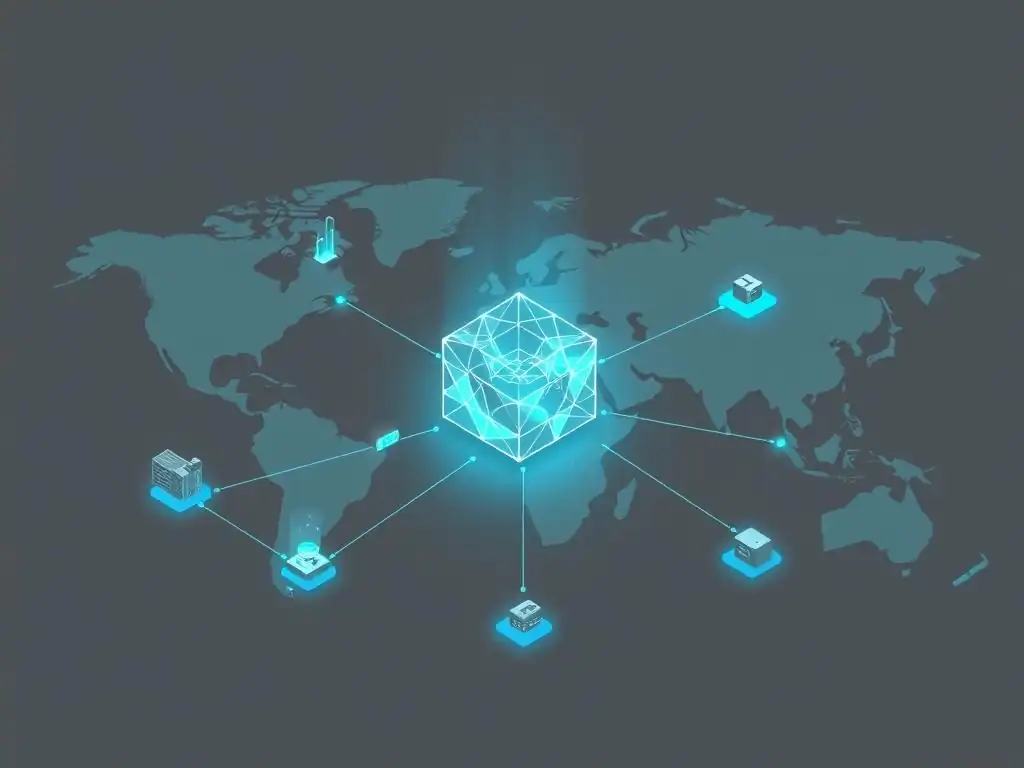
Pharmaceutical Supply Chain: Ensuring Drug Authenticity and Temperature Control
The pharmaceutical industry faces significant challenges in ensuring drug authenticity and maintaining temperature control throughout the supply chain. Counterfeit drugs pose a serious threat to public health, and temperature excursions can compromise the efficacy and safety of temperature-sensitive medications. Smart contract supply chain automation, combined with IoT, offers a robust solution. For example, Chronicled, a blockchain company, developed a MediLedger Network to track pharmaceuticals, using smart contracts to ensure compliance and traceability.
IoT sensors, integrated with packaging and transportation, monitor temperature, humidity, and location of drug shipments in real-time. Smart contracts are programmed to automatically verify temperature compliance at each stage of the journey. If temperature thresholds are breached, alerts are triggered, and corrective actions can be initiated. Upon delivery and verification of temperature integrity through IoT data, smart contracts automatically release payment to the supplier. This system enhances drug authenticity, reduces the risk of counterfeit medications, and ensures patient safety.
Food Supply Chain: Tracking Food Origins and Preventing Contamination
The food supply chain is complex and global, making it challenging to trace food origins and prevent contamination. Consumers are increasingly demanding transparency about the source and safety of their food. Smart contract and IoT solutions can provide end-to-end traceability, from farm to fork. For instance, Walmart has piloted blockchain-based systems to track the provenance of mangoes and pork, significantly reducing the time to trace contaminated food from weeks to seconds.
IoT sensors can monitor environmental conditions in farms, processing plants, and during transportation, tracking temperature, humidity, and potential contaminants. Smart contracts can automatically verify food safety certifications and compliance at each stage. If a food safety issue is detected through IoT data, smart contracts can trigger recalls and alerts, preventing contaminated food from reaching consumers. By enhancing traceability and transparency, smart contract supply chain automation can improve food safety, build consumer trust, and reduce food waste.
Manufacturing Supply Chain: Optimizing Inventory Management and Production Processes
In manufacturing, optimizing inventory management and production processes is critical for efficiency and cost reduction. Traditional manufacturing supply chains often suffer from inaccurate inventory data, production delays, and lack of real-time visibility. Smart contracts and IoT can streamline these processes and improve overall operational efficiency. For example, Bosch has implemented blockchain-based solutions for supply chain management in its automotive parts manufacturing, improving transparency and traceability.
IoT sensors can track inventory levels in real-time, monitor production line performance, and provide data on component availability. Smart contracts can automate purchase orders based on pre-defined inventory thresholds, trigger just-in-time delivery of components, and manage payment upon confirmation of delivery and quality through IoT data. By automating these processes, manufacturers can reduce inventory holding costs, minimize production delays, optimize resource utilization, and improve responsiveness to changing demand.
Benefits of Implementing Smart Contract-Based Supply Chains
Enhanced Transparency and Traceability
One of the most significant benefits of smart contract-based supply chains is enhanced transparency and traceability. Blockchain technology provides an immutable and auditable record of every transaction and event within the supply chain. All stakeholders, with appropriate permissions, can access this information, gaining a clear and real-time view of the product's journey from origin to consumer. This level of transparency is unprecedented in traditional supply chains, where information is often siloed and opaque.
For consumers, this means greater confidence in product authenticity and origin. For businesses, it translates to improved accountability, reduced risk of fraud, and enhanced brand reputation. For regulators, it provides better oversight and compliance monitoring. The ability to trace products throughout the supply chain, from raw materials to finished goods, is crucial for ensuring quality, safety, and ethical sourcing.
Reduced Costs and Improved Efficiency
Smart contract supply chain automation leads to significant cost reductions and efficiency improvements. By automating manual processes, eliminating intermediaries, and streamlining administrative tasks, businesses can reduce operational expenses. The automated execution of smart contracts reduces transaction times and minimizes delays associated with traditional contract management and dispute resolution.
Furthermore, improved visibility and real-time data insights enable better inventory management, optimized logistics, and proactive risk management. Reduced paperwork, faster transaction processing, and minimized errors contribute to overall efficiency gains. For example, Maersk and IBM's TradeLens platform, a blockchain-based shipping solution, aims to reduce shipping documentation processing time by up to 40%, leading to significant cost savings and efficiency improvements for the shipping industry.
Increased Security and Fraud Prevention
The inherent security features of blockchain and smart contracts significantly enhance supply chain security and fraud prevention. The cryptographic nature of blockchain makes it extremely difficult to tamper with or alter recorded data. Smart contracts, once deployed, are immutable and execute automatically based on pre-defined conditions, reducing the risk of manipulation or fraud.
The enhanced traceability and transparency also make it more difficult for counterfeit goods to infiltrate the supply chain. The ability to verify product provenance and authenticity at every stage reduces the risk of fraud and protects consumers and businesses from counterfeit products. The decentralized nature of blockchain eliminates single points of failure and reduces vulnerability to cyberattacks.
Streamlined Dispute Resolution
Smart contracts streamline dispute resolution in supply chains. In traditional systems, disputes can be lengthy, costly, and often require legal intervention. Smart contracts, by codifying agreements and automating execution, reduce the potential for disputes. The transparent and auditable nature of blockchain provides a clear record of events, making it easier to identify the root cause of any issues.
When disputes do arise, smart contracts can facilitate faster and more efficient resolution. The pre-defined logic within the contract can include dispute resolution mechanisms, such as arbitration or mediation, which can be triggered automatically based on pre-defined conditions. The immutable record on the blockchain provides evidence to support dispute resolution, making the process more transparent and fair.
Challenges and Considerations for Smart Contract Supply Chain Implementation
Scalability Issues with Blockchain Technology
One of the key challenges for widespread adoption of smart contract supply chain automation is the scalability of blockchain technology. Many current blockchain platforms face limitations in transaction processing speed and capacity, particularly when dealing with high volumes of data and transactions generated by complex global supply chains. For example, public blockchains like Ethereum have faced congestion issues, leading to increased transaction fees and delays.
While advancements are being made in blockchain scalability solutions, such as layer-2 scaling solutions and sharding, scalability remains a crucial consideration for large-scale supply chain deployments. Private or consortium blockchains, like Hyperledger Fabric or Corda, offer better scalability for enterprise applications but may compromise on decentralization. Choosing the right blockchain platform and architecture that can handle the specific scalability requirements of a given supply chain is essential.
Data Privacy and Security Concerns
While blockchain enhances security, data privacy and security remain critical concerns in smart contract supply chain implementation. Supply chains often involve sensitive business data, such as pricing information, supplier details, and customer data. Storing this data on a public blockchain may raise privacy concerns, as all participants have access to the data, even if pseudonymized.
Private and consortium blockchains offer better data privacy control, allowing businesses to restrict access to sensitive information. However, even in private blockchains, ensuring data security and preventing unauthorized access remains crucial. Implementing robust data encryption, access control mechanisms, and compliance with data privacy regulations, such as GDPR, are essential considerations for smart contract supply chain deployments.
Regulatory Compliance and Legal Frameworks
The regulatory landscape for blockchain and smart contracts is still evolving, and regulatory compliance and legal frameworks pose challenges for smart contract supply chain implementation. The legal enforceability of smart contracts is still being defined in many jurisdictions, and legal frameworks may not fully accommodate the automated and decentralized nature of smart contracts.
Compliance with industry-specific regulations, such as those related to data privacy, product safety, and trade regulations, is also crucial. Businesses need to ensure that their smart contract supply chain solutions comply with relevant regulations in all jurisdictions where they operate. Engaging with legal experts and regulators to navigate the evolving regulatory landscape is essential for successful and compliant smart contract supply chain implementations.
The Need for Standardization and Interoperability
Lack of standardization and interoperability is another challenge hindering widespread adoption of smart contract supply chain automation. Different blockchain platforms, IoT devices, and data formats can create silos and impede seamless data exchange and interoperability across the supply chain ecosystem. The absence of common standards can limit the scalability and efficiency of smart contract solutions.
Efforts are underway to develop industry standards for blockchain and IoT in supply chains, such as those by GS1 and the Blockchain in Transport Alliance (BiTA). Promoting standardization and interoperability is crucial for enabling seamless data exchange, reducing integration costs, and fostering wider adoption of smart contract supply chain automation across different industries and organizations.
The Future of Smart Contract Supply Chain Automation
Integration with AI and Machine Learning for Predictive Analytics
The future of smart contract supply chain automation will be significantly shaped by the integration of Artificial Intelligence (AI) and Machine Learning (ML). AI and ML algorithms can analyze the vast amounts of data generated by IoT sensors and blockchain transactions to provide predictive analytics and optimize supply chain operations. For example, AI can predict demand fluctuations, optimize inventory levels, and identify potential disruptions before they occur.
ML algorithms can be used to improve the efficiency of smart contracts by learning from past data and optimizing contract parameters. AI-powered predictive maintenance can further enhance supply chain resilience by proactively identifying and addressing potential equipment failures. The synergy between smart contracts, IoT, and AI/ML will unlock new levels of efficiency, intelligence, and adaptability in supply chain management.
The Rise of Decentralized Supply Chain Platforms
Decentralized supply chain platforms, built on blockchain technology, are emerging as a transformative force in the industry. These platforms aim to create open, collaborative, and transparent ecosystems where multiple stakeholders can interact and transact directly, without relying on centralized intermediaries. Decentralized platforms can facilitate peer-to-peer transactions, streamline information sharing, and foster greater trust and collaboration among supply chain partners.
These platforms can leverage smart contracts to automate various supply chain processes, from procurement and logistics to payments and dispute resolution. Decentralized supply chain platforms have the potential to democratize access to global trade, particularly for SMEs, and create more resilient and efficient supply chains. Examples include platforms focusing on specific industries like food or pharmaceuticals, or broader platforms aiming to connect various supply chain participants across different sectors.
The Impact on Global Trade and Logistics
Smart contract supply chain automation has the potential to profoundly impact global trade and logistics. By streamlining cross-border transactions, reducing trade barriers, and enhancing transparency, smart contracts can facilitate smoother and more efficient international trade flows. The reduction in paperwork, faster customs clearance, and automated trade finance processes can significantly reduce costs and delays associated with global trade.
Furthermore, smart contracts can enable new business models and trade relationships, fostering greater collaboration and trust among international trading partners. The enhanced transparency and traceability can also contribute to more ethical and sustainable global supply chains, promoting fair trade practices and reducing the risk of illicit trade. The widespread adoption of smart contract supply chain automation could reshape the landscape of global trade and logistics, making it more efficient, transparent, and inclusive.
Enhanced Interoperability and Cross-Chain Solutions
As blockchain technology matures, enhanced interoperability and cross-chain solutions will become increasingly important for smart contract supply chain automation. Currently, different blockchain platforms operate in silos, limiting data exchange and interoperability. Cross-chain solutions aim to bridge these silos, enabling seamless data and value transfer between different blockchain networks.
Interoperability will be crucial for enabling seamless integration of smart contract supply chain solutions across different industries and organizations that may be using different blockchain platforms. Cross-chain solutions can facilitate data sharing, interoperable smart contracts, and cross-platform transactions, fostering a more connected and collaborative supply chain ecosystem. Advancements in interoperability will unlock the full potential of blockchain and smart contracts for transforming global supply chains.
Conclusion: Embracing the Potential of Smart Contract Supply Chain Automation
Smart contract supply chain automation, driven by the convergence of blockchain and IoT technologies, represents a significant leap forward in logistics and supply chain management. By addressing the inherent inefficiencies, lack of transparency, and security vulnerabilities of traditional systems, this innovative approach offers a compelling pathway towards more efficient, resilient, and trustworthy supply chains. While challenges remain, particularly in scalability, data privacy, and regulatory frameworks, the potential benefits of smart contract-based supply chains are undeniable.
As blockchain technology matures, standards emerge, and interoperability improves, the adoption of smart contract supply chain automation is poised to accelerate across various industries. Embracing this transformative technology is not merely an option but a strategic imperative for businesses seeking to optimize their supply chains, enhance competitiveness, and build trust in an increasingly complex and interconnected global marketplace. The future of supply chains is intelligent, automated, and transparent, and smart contracts are at the heart of this revolution.
Frequently Asked Questions
What are the primary benefits of using smart contracts for supply chain automation?
Smart contracts offer enhanced transparency, improved efficiency, and reduced costs by automating processes and eliminating intermediaries. This automation leads to faster and more reliable transactions within the supply chain.
How does IoT technology complement smart contracts in supply chain management?
IoT devices provide real-time data on product location, condition, and other relevant factors. This data feeds directly into smart contracts, triggering automated actions based on pre-defined conditions, ensuring greater accuracy.
What are some of the challenges in implementing smart contract supply chain automation?
Challenges include the lack of standardization, difficulties in integrating with legacy systems, and concerns regarding data security and privacy. Overcoming these requires careful planning and robust infrastructure.
How can smart contract supply chain automation improve traceability and accountability?
Smart contracts create an immutable record of all transactions and events within the supply chain, providing end-to-end traceability. This enhanced visibility increases accountability and reduces the risk of fraud or counterfeiting.
What is the role of blockchain regulation in the adoption of smart contract supply chain solutions?
Clear and consistent regulatory frameworks are crucial for fostering trust and encouraging the widespread adoption of blockchain-based solutions. Regulation needs to address data privacy, contract enforceability, and other key legal considerations to promote responsible innovation.
Final Reflection: Embracing the Future of Supply Chain Transparency
The integration of smart contracts and IoT technology into supply chains isn't just a technological advancement; it's a fundamental shift towards unprecedented transparency and efficiency. The potential to revolutionize how goods are tracked, payments are processed, and disputes are resolved is no longer a distant dream, but a rapidly approaching reality, reshaping industries and redefining global commerce.
This convergence of technologies has profoundly influenced, and continues to influence, our understanding of trust and accountability in business. The ability to verify every step of a product's journey, from origin to consumer, empowers both businesses and individuals with unprecedented control and knowledge. The future of supply chain is not just about moving goods; it's about moving information and trust.
This quote encapsulates the essence of what smart contract supply chain automation promises: a system built on verifiable truth, fostering stronger relationships and reducing vulnerabilities.
As we stand on the cusp of this technological revolution, let us embrace the opportunity to build more resilient, ethical, and transparent supply chains. Consider how you can leverage these advancements in your own sphere of influence, whether as a consumer demanding greater accountability or as a business leader seeking to optimize operations and build trust. The future of commerce is being written today, and your participation is crucial in shaping a more equitable and efficient world.
Unlock the Future of Supply Chains Today!
Thank you for diving into the innovative intersection of smart contracts and IoT technology in automating supply chains! You've taken an important step towards understanding how these advancements can transform your business operations.
Now, let's put that knowledge into action! Here are some practical steps you can take:
- Implement an IoT solution in your current supply chain model to gather data and enhance visibility across your processes.
- Consider developing a pilot project that leverages smart contracts for specific transactions to experience the benefits firsthand.
- Share this article with your network and start a conversation about the potential of blockchain in supply chain management!
What specific challenge in your supply chain do you think smart contracts and IoT could help solve?
Leave a Reply