
Best Practices for Securing IoT Data with Blockchain Technology

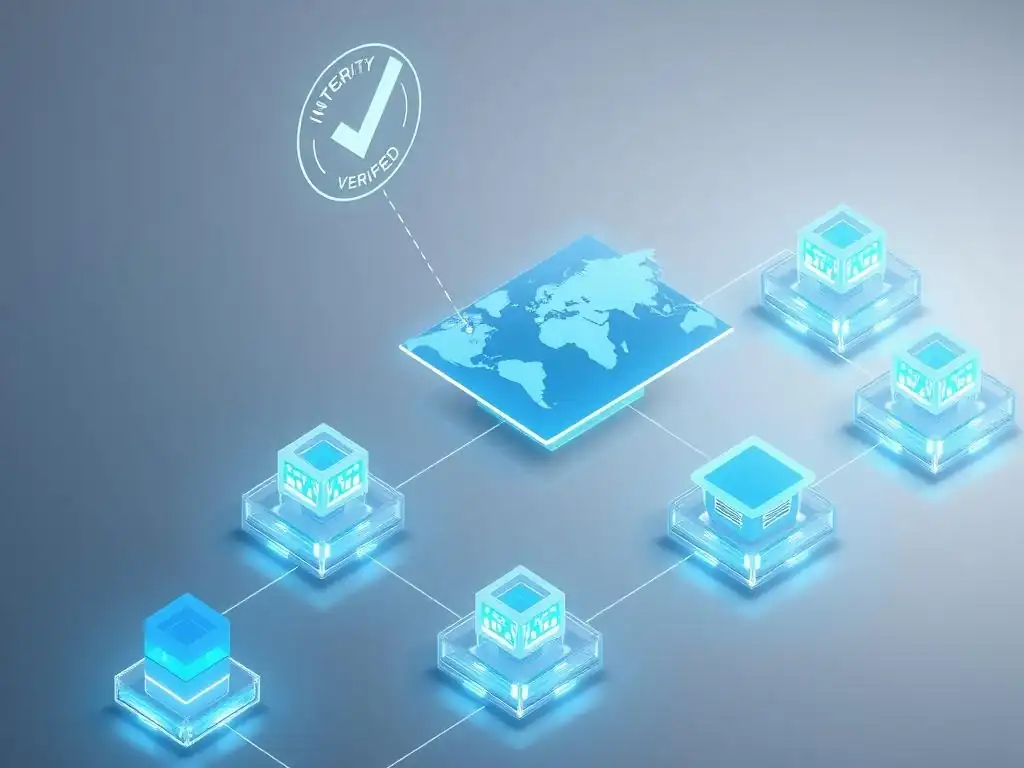
Welcome to Blockchain Trends, your guide to understanding the revolutionary power of blockchain beyond the hype. Are you ready to discover how blockchain is transforming industries, from finance to supply chains? Dive into our latest article, where we unlock vital insights into Blockchain IoT security best practices, a critical area shaping the future of secure, decentralized data. Curious to learn how to protect your IoT devices and data using blockchain's immutable ledger? Let's explore the innovative solutions that are securing the Internet of Things, one block at a time.
- Blockchain IoT Security Best Practices: A Comprehensive Guide
- Understanding Vulnerabilities in Traditional IoT Security
- Blockchain's Role in Enhancing IoT Security
-
Blockchain IoT Security Best Practices: A Step-by-Step Approach
- 1. Identifying Critical IoT Data Assets
- 2. Selecting a Suitable Blockchain Platform
- 3. Implementing Strong Authentication and Access Control
- 4. Securing Data Transmission with Encryption
- 5. Designing Smart Contracts for Security Automation
- 6. Auditing and Monitoring Blockchain IoT Security
- 7. Developing an Incident Response Plan
- Case Studies: Blockchain IoT Security Implementations
- Overcoming Challenges in Blockchain IoT Security
- The Future of Blockchain IoT Security
- Conclusion: Embracing Blockchain for Secure IoT
-
Frequently Asked Questions
- What are the primary security vulnerabilities that IoT devices face, and how can blockchain address them?
- How does blockchain technology enhance the integrity of IoT data collected from various sensors?
- What are some "Blockchain IoT security best practices" for managing and securing IoT device identities using blockchain?
- How can blockchain be used to automate and secure the software update process for IoT devices?
- What are the regulatory considerations and compliance challenges when implementing blockchain-based security solutions for IoT devices, especially concerning data privacy?
- Final Reflection: Embracing Decentralized Trust in a Connected World
- Unveil the Power of Secure IoT: Take Action Now!
Blockchain IoT Security Best Practices: A Comprehensive Guide
The Growing Need for Robust IoT Data Security
The Internet of Things (IoT) has exploded in recent years, connecting billions of devices across various sectors, from smart homes and wearable technology to industrial automation and critical infrastructure. This hyper-connectivity, while offering unprecedented opportunities for efficiency and innovation, also introduces significant security challenges. The sheer volume of data generated by IoT devices, often sensitive and personal, becomes a prime target for malicious actors.
Consider the healthcare industry, where IoT devices monitor patient vital signs; a security breach could compromise patient privacy and even endanger lives. Similarly, in smart cities, compromised traffic sensors or energy grids could lead to widespread disruption and chaos. The increasing reliance on IoT devices necessitates a fundamental shift towards more robust and resilient security measures.
The traditional security paradigms, often designed for centralized systems, are proving inadequate to address the distributed and heterogeneous nature of IoT ecosystems. Many IoT devices are resource-constrained, lacking the processing power and memory for complex security protocols. Furthermore, the fragmented landscape of IoT manufacturers and platforms leads to inconsistent security implementations and vulnerabilities.
This creates a patchwork of security weaknesses that attackers can exploit to gain access to sensitive data, disrupt operations, or launch large-scale attacks. Recent research indicates that IoT attacks have been steadily rising, with a significant portion targeting vulnerabilities in device firmware and communication protocols. This escalating threat landscape underscores the urgent need for innovative security solutions that can effectively protect the vast and expanding IoT ecosystem.
Why Blockchain Enhances IoT Security
Blockchain technology, originally conceived as the foundation for cryptocurrencies, offers a compelling paradigm shift in how we approach security, particularly for distributed and decentralized systems like the IoT. Its inherent characteristics, such as decentralization, immutability, and cryptographic security, directly address many of the vulnerabilities inherent in traditional IoT security architectures. Unlike centralized systems with single points of failure, blockchain distributes data and control across a network of nodes, making it significantly more resilient to attacks. If one node is compromised, the network as a whole remains secure due to the consensus mechanisms that validate transactions and maintain data integrity.
Furthermore, blockchain's immutability ensures that once data is recorded on the blockchain, it cannot be altered or deleted, providing an auditable and tamper-proof record of IoT data and events. This is crucial for maintaining data integrity and building trust in IoT systems, especially in critical applications like supply chain management or healthcare. The cryptographic foundations of blockchain, including hashing and digital signatures, provide strong authentication and encryption mechanisms, securing data in transit and at rest.
By leveraging these core features, blockchain offers a powerful toolkit for enhancing IoT security, creating more secure, transparent, and resilient IoT ecosystems. The convergence of blockchain and IoT promises to address the growing security concerns and unlock the full potential of connected devices across industries.
Understanding Vulnerabilities in Traditional IoT Security
Centralized Systems: Single Points of Failure
Traditional IoT security architectures often rely on centralized servers and cloud platforms to manage device communication, data processing, and security enforcement. This centralized approach, while seemingly efficient, creates inherent vulnerabilities and single points of failure. If the central server is compromised through a cyberattack or a system failure, the entire IoT network can become vulnerable or even paralyzed. Consider a smart city infrastructure relying on a central command center for traffic management and public safety. A successful attack on this central system could disrupt traffic flow, disable emergency services communication, and create widespread chaos.
The concentration of sensitive data in a central repository also makes it a highly attractive target for attackers. A successful breach of a central database can expose vast amounts of personal and operational data, leading to significant privacy violations and financial losses. Moreover, centralized systems can struggle to scale effectively as the number of IoT devices grows exponentially.
The processing and bandwidth demands on a central server can become overwhelming, leading to performance bottlenecks and potential system crashes, especially during peak usage or under attack. This inherent scalability limitation and single point of failure vulnerability highlight the inadequacy of centralized security models for the rapidly expanding and increasingly critical IoT landscape.
IoT Data Integrity Concerns
Data integrity is paramount in IoT applications, where decisions and actions are often based on the information collected and transmitted by devices. However, traditional IoT systems face significant challenges in ensuring data integrity throughout the entire lifecycle, from sensor data acquisition to data storage and processing. Data can be compromised at various points, including during transmission over insecure networks, due to device malfunctions, or through malicious manipulation. For example, in industrial IoT, corrupted sensor data from manufacturing equipment could lead to faulty production processes, equipment damage, and safety hazards.
The lack of robust audit trails and tamper-proof mechanisms in traditional IoT systems makes it difficult to detect and trace data manipulation. Without a clear and verifiable record of data provenance and modifications, it becomes challenging to trust the integrity of IoT data and the decisions based upon it. Furthermore, many IoT devices operate in unsecured environments and are susceptible to physical tampering, which can compromise data integrity at the source.
This vulnerability is particularly concerning in applications like environmental monitoring or agricultural IoT, where data accuracy is crucial for informed decision-making and resource management. The need for mechanisms to guarantee data integrity and provenance is a critical requirement for building trustworthy and reliable IoT systems.
Scalability Limits of Conventional Security
Conventional security solutions for IoT often struggle to scale effectively with the rapid proliferation of connected devices. Traditional security protocols and infrastructure, designed for a smaller number of endpoints, can become overwhelmed by the sheer volume of IoT devices and the massive data streams they generate. Deploying and managing security updates and patches across millions of diverse IoT devices becomes a logistical nightmare and a significant cost burden. Many legacy IoT devices lack over-the-air update capabilities, requiring manual updates, which are often impractical and rarely implemented, leaving devices vulnerable to known security flaws.
Furthermore, the diverse nature of IoT devices, spanning different manufacturers, operating systems, and communication protocols, creates a fragmented security landscape. Implementing consistent security policies and managing diverse security solutions across this heterogeneous environment is a complex and resource-intensive undertaking. Traditional security information and event management (SIEM) systems may struggle to handle the massive data volumes and diverse data formats generated by IoT devices, hindering effective threat detection and response. As the IoT ecosystem continues to expand exponentially, the scalability limitations of conventional security approaches become increasingly apparent, necessitating more scalable and adaptable security solutions like blockchain-based security architectures.
Blockchain's Role in Enhancing IoT Security
Decentralization: Eliminating Centralized Failures
Blockchain's decentralized nature provides a fundamental shift away from the single points of failure inherent in centralized IoT security systems. By distributing data and control across a network of nodes, blockchain eliminates the reliance on a central authority or server. In a blockchain-based IoT network, device communication, data storage, and security enforcement are distributed across multiple participants, making the system inherently more resilient to attacks and failures. If one node is compromised or fails, the network continues to operate seamlessly, as other nodes maintain the integrity and availability of the system.
This decentralized architecture significantly reduces the attack surface compared to centralized systems. Attackers would need to compromise a substantial portion of the network nodes simultaneously to disrupt the system or manipulate data, making attacks significantly more difficult and costly. Decentralization also enhances transparency and trust in IoT systems. All transactions and data exchanges are recorded on the distributed ledger, visible to all participants, fostering accountability and reducing the potential for fraud or manipulation. By leveraging decentralization, blockchain offers a robust and resilient security foundation for IoT, mitigating the risks associated with centralized vulnerabilities and enhancing overall system integrity.
Immutable Data Storage: Ensuring Data Integrity
Blockchain's immutability is a cornerstone feature that directly addresses IoT data integrity concerns. Once data is recorded on a blockchain, it is cryptographically sealed and cannot be altered or deleted retrospectively. This immutability provides a tamper-proof and auditable record of all IoT data and events, ensuring data integrity and provenance. In supply chain management, for example, tracking product provenance and condition using blockchain-based IoT can guarantee the authenticity and integrity of goods throughout the supply chain, preventing counterfeiting and ensuring product quality.
This immutable data storage is achieved through cryptographic hashing and consensus mechanisms. Each block in the blockchain contains a hash of the previous block, creating a chain of blocks that is computationally infeasible to alter. Any attempt to modify data in a block would require recalculating the hashes of all subsequent blocks, which is practically impossible due to the computational power required and the distributed nature of the network.
Blockchain's immutability provides an unparalleled level of data integrity for IoT systems, building trust and enabling reliable data-driven decision-making in critical applications. This inherent data integrity is a significant advantage over traditional databases, which are susceptible to data manipulation and lack the same level of auditability.
Cryptographic Security Enhancements
Blockchain technology inherently leverages strong cryptographic techniques to enhance IoT security at multiple levels. Cryptographic hashing, digital signatures, and encryption are fundamental components of blockchain architectures, providing robust mechanisms for authentication, data integrity, and confidentiality. Digital signatures ensure the authenticity and non-repudiation of data transactions, verifying the origin of data and preventing unauthorized modifications. Each transaction on a blockchain is digitally signed by the sender's private key, and this signature can be verified by anyone using the sender's public key, ensuring that only authorized parties can initiate transactions and modify data.
Encryption can be used to protect the confidentiality of sensitive IoT data both in transit and at rest on the blockchain. While blockchain data is inherently transparent and auditable, encryption can be applied to specific data fields to ensure privacy while still benefiting from the security and integrity features of the blockchain.
Furthermore, blockchain's consensus mechanisms, such as Proof-of-Work or Proof-of-Stake, rely on cryptographic puzzles to secure the network and prevent malicious actors from manipulating the blockchain. These cryptographic foundations provide a robust security framework for IoT systems, significantly enhancing data security and trust compared to traditional security approaches that often rely on weaker or less integrated cryptographic measures.
Blockchain IoT Security Best Practices: A Step-by-Step Approach
1. Identifying Critical IoT Data Assets
The first step in implementing robust blockchain IoT security is to identify and categorize critical IoT data assets. Not all IoT data is equally sensitive or critical. A thorough data asset inventory should be conducted to determine which data types require the highest levels of security and protection.
This involves understanding the nature of the data, its sensitivity, regulatory requirements, and the potential impact of data breaches or loss of integrity. For example, in a smart factory, critical data assets might include production data, sensor readings from machinery, and quality control data. In contrast, data from environmental sensors monitoring ambient temperature might be considered less critical.
This data asset identification process should also consider data flow mapping, tracing the journey of critical data from its point of origin at the IoT device, through communication networks, to storage and processing systems. Understanding data flow helps identify potential vulnerabilities and points of compromise along the data path. By prioritizing the security of critical data assets, organizations can allocate security resources effectively and focus on implementing blockchain-based security measures where they will have the greatest impact. This risk-based approach to security ensures that security efforts are aligned with the most critical business needs and data protection requirements.
2. Selecting a Suitable Blockchain Platform
Choosing the right blockchain platform is crucial for successful implementation of blockchain IoT security. Different blockchain platforms offer varying features, performance characteristics, and security models. The selection process should consider the specific requirements of the IoT application, including scalability, throughput, cost, security needs, and regulatory compliance. Two primary types of blockchains are relevant for IoT security: permissioned and permissionless blockchains.
Permissioned vs. Permissionless Blockchains for IoT
Permissioned blockchains, also known as private or consortium blockchains, offer controlled access and participation. They are typically governed by a consortium of organizations or a single enterprise and are well-suited for enterprise IoT applications where data privacy and access control are paramount. Permissioned blockchains offer higher transaction throughput and lower latency compared to permissionless blockchains, making them more suitable for high-volume IoT data streams. Examples of permissioned blockchain platforms include Hyperledger Fabric and R3 Corda. These platforms provide granular access control, allowing organizations to define who can participate in the network, access data, and validate transactions.
Permissionless blockchains, also known as public blockchains, are open and decentralized networks where anyone can participate. While offering greater transparency and decentralization, permissionless blockchains typically have lower transaction throughput and higher latency due to the consensus mechanisms required to secure the network. Examples of permissionless blockchain platforms include Ethereum and Bitcoin.
While less common for enterprise IoT due to data privacy concerns, permissionless blockchains can be suitable for open and decentralized IoT ecosystems, such as supply chain tracking or public sensor networks, where transparency and immutability are prioritized over strict access control. The choice between permissioned and permissionless blockchains depends on the specific security requirements, scalability needs, and governance model of the IoT application.
Evaluating Scalability, Throughput, and Cost
Scalability, throughput, and cost are critical factors to evaluate when selecting a blockchain platform for IoT security. IoT networks can generate massive volumes of data and require high transaction throughput to process device communications and data updates in real-time. The chosen blockchain platform must be able to scale to accommodate the expected growth in the number of IoT devices and data volume.
Scalability refers to the ability of the blockchain network to handle increasing transaction loads without significant performance degradation. Throughput measures the number of transactions that can be processed per second. IoT applications often require high throughput to handle frequent device data updates and commands.
The cost of operating and maintaining a blockchain network is another important consideration. Permissionless blockchains often have higher transaction fees (gas fees) compared to permissioned blockchains. Furthermore, the computational resources required for consensus mechanisms and data storage can contribute to operational costs. Organizations should carefully evaluate the scalability, throughput, and cost characteristics of different blockchain platforms to select the most suitable option that meets the performance and budgetary requirements of their IoT security implementation. Benchmarking and pilot projects can help assess the performance of different blockchain platforms in a real-world IoT environment.
3. Implementing Strong Authentication and Access Control
Robust authentication and access control are essential for securing IoT devices and data within a blockchain-based framework. Traditional password-based authentication methods are often inadequate for IoT devices, which may have limited user interfaces and be deployed in unsecured environments. Blockchain technology offers enhanced authentication and access control mechanisms, leveraging cryptographic identities and decentralized identity management solutions.
Blockchain-Based Identity Management
Blockchain-based identity management systems provide a secure and decentralized approach to managing digital identities for IoT devices. Each IoT device can be assigned a unique cryptographic identity stored on the blockchain, enabling secure authentication and authorization. Decentralized identifiers (DIDs) are a key component of blockchain-based identity management, providing a persistent and privacy-preserving way to represent digital identities. DIDs are not controlled by any central authority and can be used to verify the authenticity and ownership of IoT devices.
Using blockchain for identity management eliminates the need for centralized identity providers, reducing the risk of single points of failure and enhancing privacy. Device identities stored on the blockchain are tamper-proof and auditable, providing a secure and transparent record of device ownership and access rights. Blockchain-based identity management can also simplify device onboarding and provisioning, streamlining the process of adding new devices to the IoT network securely. This decentralized and cryptographic approach to identity management significantly strengthens IoT security and enhances trust in device identities.
Multi-Factor Authentication for IoT Devices
While blockchain-based identity management enhances device authentication, implementing multi-factor authentication (MFA) further strengthens security, especially for critical IoT devices and sensitive data access. MFA requires users or devices to provide multiple authentication factors to verify their identity, reducing the risk of unauthorized access even if one authentication factor is compromised. Common authentication factors include something you know (password or PIN), something you have (security token or mobile device), and something you are (biometrics).
For IoT devices, MFA can be implemented using various methods, such as combining cryptographic keys stored on secure hardware modules with biometrics or time-based one-time passwords (TOTP). For example, a critical industrial sensor could require both a cryptographic key and a TOTP generated by a secure application to authenticate its data transmissions.
MFA adds an extra layer of security, making it significantly more difficult for attackers to gain unauthorized access to IoT devices and data, even if they manage to compromise one authentication factor. Implementing MFA, in conjunction with blockchain-based identity management, provides a robust and layered security approach for IoT ecosystems.
4. Securing Data Transmission with Encryption
Securing data transmission is paramount in IoT networks, where data travels across potentially insecure wireless networks. Encryption plays a critical role in protecting the confidentiality and integrity of IoT data during transmission. End-to-end encryption ensures that data is encrypted from the point of origin at the IoT device to its destination, preventing eavesdropping and data interception.
End-to-End Encryption for IoT Data
End-to-end encryption (E2EE) provides the strongest level of data transmission security for IoT networks. With E2EE, data is encrypted on the IoT device itself and remains encrypted throughout its journey across the network, only being decrypted at the intended recipient. This ensures that even if data is intercepted during transmission, it remains unintelligible to unauthorized parties. E2EE protects data from eavesdropping by network intermediaries, including internet service providers and malicious actors.
Implementing E2EE in IoT environments requires careful consideration of device resource constraints and communication protocols. Lightweight encryption algorithms and efficient key management mechanisms are essential for resource-constrained IoT devices. Blockchain can facilitate secure key exchange and management for E2EE in IoT networks, ensuring that only authorized devices and parties have access to decryption keys. By implementing E2EE, organizations can significantly enhance the confidentiality of IoT data in transit, mitigating the risk of data breaches and privacy violations.
Secure Communication Protocols
Choosing secure communication protocols is crucial for protecting IoT data transmission. Traditional IoT communication protocols, such as MQTT and CoAP, may not always provide sufficient security by default. It is essential to configure these protocols to use encryption and authentication mechanisms, such as TLS/SSL, to secure data transmission. TLS/SSL provides encryption and authentication for network communication, protecting data in transit from eavesdropping and tampering.
Emerging secure communication protocols specifically designed for IoT, such as DTLS (Datagram Transport Layer Security) for UDP-based protocols and lightweight versions of TLS for resource-constrained devices, should be considered. These protocols are optimized for IoT environments and provide robust security features while minimizing overhead. Blockchain can also play a role in securing communication protocols by providing a secure channel for key exchange and protocol negotiation between IoT devices. Selecting and implementing secure communication protocols is a fundamental best practice for ensuring the confidentiality and integrity of IoT data transmission.
5. Designing Smart Contracts for Security Automation

Smart contracts, self-executing contracts with the terms of the agreement directly written into code, offer powerful capabilities for automating security functions in blockchain IoT ecosystems. Smart contracts can enforce access control policies, automate data integrity checks, and trigger security alerts based on predefined conditions. By codifying security logic into smart contracts, organizations can create more responsive, efficient, and transparent security mechanisms.
Automating Access Control with Smart Contracts
Smart contracts can automate access control policies for IoT devices and data, providing granular control over who can access and interact with specific devices and data streams. Access control rules can be defined within smart contracts based on device identities, roles, permissions, and data sensitivity levels. When an IoT device or user requests access to data or functionality, the smart contract automatically verifies their authorization against the predefined access control rules. If authorized, access is granted; otherwise, access is denied.
Smart contract-based access control ensures consistent and automated enforcement of security policies, reducing the risk of human error and unauthorized access. Access control rules can be dynamically updated and modified through smart contract updates, providing flexibility and adaptability to changing security requirements. Blockchain's immutability ensures that access control policies are auditable and tamper-proof, enhancing transparency and accountability. Automating access control with smart contracts streamlines security management and strengthens overall IoT security posture.
Data Integrity Checks via Smart Contracts
Smart contracts can be designed to automate data integrity checks for IoT data stored on the blockchain. Smart contracts can periodically verify the integrity of data by comparing cryptographic hashes of data with previously recorded hashes. If data corruption or manipulation is detected, the smart contract can automatically trigger alerts, initiate remediation actions, or flag the data as potentially compromised. This proactive approach to data integrity monitoring ensures that data remains trustworthy and reliable throughout its lifecycle.
Smart contracts can also enforce data quality rules and validation checks for incoming IoT data. Before data is recorded on the blockchain, smart contracts can automatically validate data against predefined criteria, such as data type, range, and consistency. Invalid or suspicious data can be rejected or flagged for further investigation, preventing the storage of corrupted or inaccurate data on the blockchain. Automating data integrity checks with smart contracts enhances data quality, reduces the risk of data-driven errors, and strengthens the overall reliability of blockchain IoT systems.
6. Auditing and Monitoring Blockchain IoT Security
Regular security audits and continuous monitoring are essential for maintaining the security of blockchain IoT deployments. Security audits assess the effectiveness of security controls and identify potential vulnerabilities in the blockchain infrastructure and IoT devices. Continuous monitoring provides real-time visibility into system activity, enabling early detection of security incidents and anomalies.
Regular Security Audits of Blockchain Infrastructure
Security audits of the blockchain infrastructure should be conducted periodically to ensure the robustness and security of the underlying blockchain platform, smart contracts, and network configurations. Audits should assess the security of consensus mechanisms, cryptographic implementations, smart contract code, access control policies, and network security configurations. Independent security auditors with expertise in blockchain and IoT security should be engaged to conduct comprehensive audits and provide unbiased assessments.
Security audits can identify potential vulnerabilities, such as smart contract vulnerabilities, misconfigurations, or weaknesses in cryptographic implementations. Audit findings should be prioritized and remediated promptly to strengthen the security posture of the blockchain IoT system. Regular security audits, conducted at least annually or more frequently for critical systems, are a crucial best practice for maintaining the security and integrity of blockchain IoT deployments.
Continuous Monitoring of IoT Device Activity
Continuous monitoring of IoT device activity is essential for detecting security incidents and anomalies in real-time. Monitoring systems should track device communication patterns, data flows, resource utilization, and security events. Anomaly detection algorithms can be used to identify unusual device behavior that may indicate a security compromise or malfunction. Security information and event management (SIEM) systems can aggregate and analyze security logs from IoT devices and blockchain infrastructure, providing a centralized view of security events and alerts.
Real-time monitoring enables rapid detection and response to security incidents, minimizing the potential impact of attacks. Security alerts can be automatically triggered based on predefined thresholds or anomaly detection rules, notifying security personnel of potential security threats. Continuous monitoring, combined with automated incident response mechanisms, enhances the overall security resilience of blockchain IoT systems and enables proactive threat mitigation.
7. Developing an Incident Response Plan
Even with robust security measures in place, security incidents can still occur. Developing a comprehensive incident response plan is crucial for effectively managing and mitigating the impact of security breaches in blockchain IoT environments. The incident response plan should outline procedures for detecting, containing, eradicating, recovering from, and learning from security incidents.
Preparing for Security Breaches
Preparation is key to effective incident response. The incident response plan should define roles and responsibilities for incident handling, establish communication channels, and outline procedures for incident detection, analysis, and containment. Regular security training and drills should be conducted to ensure that incident response teams are prepared to handle security incidents effectively. Incident response plans should be regularly reviewed and updated to reflect changes in the threat landscape and system configurations.
Proactive security measures, such as vulnerability scanning, penetration testing, and security awareness training, should be implemented to minimize the likelihood of security breaches. Investing in robust security tools and technologies, such as intrusion detection systems, firewalls, and endpoint security solutions, is also essential for preventing and detecting security incidents. Preparation is the foundation for effective incident response and minimizing the impact of security breaches.
Establishing Communication Channels
Clear and efficient communication channels are critical during security incidents. The incident response plan should define communication protocols and channels for internal teams, external stakeholders, and law enforcement agencies, if necessary. Designated communication points of contact should be established for each stakeholder group. Secure communication channels, such as encrypted messaging platforms or dedicated incident response communication systems, should be used to protect sensitive incident information.
Effective communication ensures that relevant stakeholders are informed about security incidents promptly and accurately, enabling coordinated response efforts. Clear communication protocols minimize confusion, prevent miscommunication, and facilitate efficient collaboration during incident handling. Establishing and testing communication channels as part of incident response planning is crucial for effective incident management.
Case Studies: Blockchain IoT Security Implementations
Supply Chain Security with Blockchain and IoT
The global supply chain is a complex and interconnected network, often plagued by inefficiencies, lack of transparency, and security vulnerabilities, including counterfeiting and product tampering. The integration of blockchain and IoT technologies offers a powerful solution to enhance supply chain security and transparency. IoT sensors attached to goods can track location, temperature, humidity, and other relevant conditions throughout the supply chain. This data is then recorded on a blockchain, providing an immutable and auditable record of product provenance and condition.
For example, pharmaceutical companies are leveraging blockchain IoT to track temperature-sensitive drugs throughout the supply chain, ensuring product integrity and preventing spoilage. According to a report by the World Health Organization, approximately 10% of pharmaceuticals in low- and middle-income countries are counterfeit or substandard, posing significant health risks. Blockchain IoT solutions can combat counterfeiting by providing verifiable proof of product authenticity and origin.
Companies like IBM and Maersk have collaborated on TradeLens, a blockchain-based platform for supply chain management, improving visibility and security across global shipping networks. These real-world implementations demonstrate the practical benefits of blockchain IoT in enhancing supply chain security and transparency.
Healthcare IoT Security with Blockchain
The healthcare industry is increasingly adopting IoT devices for patient monitoring, remote healthcare delivery, and medical equipment management. However, the sensitive nature of patient data and the critical role of medical devices necessitate robust security measures. Blockchain technology offers a secure and privacy-preserving framework for managing healthcare IoT data. Patient data collected by wearable devices and medical sensors can be securely stored and shared on a blockchain, ensuring data integrity and patient privacy.
For instance, MedRec, a blockchain-based system developed at MIT, provides patients with control over their medical records, allowing them to grant access to healthcare providers securely. Blockchain can also enhance the security of medical device communication and data exchange, preventing unauthorized access and tampering.
According to a study by Ponemon Institute, data breaches in healthcare cost an average of $9.23 million in 2021, highlighting the significant financial and reputational risks associated with healthcare data breaches. Blockchain IoT solutions can help mitigate these risks by providing a more secure and transparent infrastructure for managing healthcare data and devices, ultimately improving patient safety and data privacy.
Overcoming Challenges in Blockchain IoT Security
Blockchain Scalability for Large IoT Deployments
Scalability remains a significant challenge for blockchain adoption in large-scale IoT deployments. While blockchain offers inherent security benefits, traditional blockchain platforms may struggle to handle the massive data volumes and high transaction throughput generated by millions or billions of IoT devices. Public blockchains like Bitcoin and Ethereum, while highly secure, have limited transaction throughput, which can be a bottleneck for high-volume IoT applications.
Layer-2 scaling solutions, such as state channels and sidechains, are being developed to address blockchain scalability limitations. These solutions aim to offload transaction processing from the main blockchain to secondary layers, improving throughput and reducing latency. Furthermore, permissioned blockchains, designed for enterprise applications, often offer higher scalability compared to public blockchains. Consortium blockchains, where a limited number of trusted participants validate transactions, can achieve higher throughput and lower latency, making them more suitable for enterprise IoT deployments. Ongoing research and development efforts are focused on improving blockchain scalability to meet the demands of large-scale IoT networks.
Interoperability Between Blockchain Platforms
Interoperability between different blockchain platforms is another challenge for widespread blockchain IoT adoption. Currently, different blockchain platforms often operate in silos, making it difficult to exchange data and interact across different blockchain networks. In an IoT ecosystem involving diverse stakeholders and applications, interoperability is crucial for seamless data sharing and collaboration. For example, in a smart city environment, data from different IoT systems, such as transportation, energy, and public safety, may need to be integrated and shared across different blockchain platforms.
Blockchain interoperability solutions, such as cross-chain bridges and atomic swaps, are being developed to enable communication and data exchange between different blockchains. These solutions allow for the transfer of assets and data between different blockchain networks, facilitating interoperability and enabling cross-chain applications. Standardization efforts are also underway to promote interoperability and compatibility between different blockchain platforms. Achieving seamless interoperability between blockchain platforms is essential for unlocking the full potential of blockchain IoT and creating interconnected and collaborative IoT ecosystems.
Regulatory Compliance for Blockchain IoT Security
Regulatory compliance is a critical consideration for blockchain IoT security, particularly in regulated industries such as healthcare, finance, and critical infrastructure. Data privacy regulations, such as GDPR and CCPA, impose strict requirements on the collection, processing, and storage of personal data. Blockchain IoT solutions must be designed and implemented to comply with these regulations, ensuring data privacy and user rights. For example, GDPR requires organizations to implement data minimization and purpose limitation principles, collecting only necessary data and using it only for specified purposes.
Blockchain's immutability and transparency can pose challenges for compliance with data privacy regulations that require data deletion or modification rights (the "right to be forgotten"). However, privacy-enhancing technologies, such as zero-knowledge proofs and homomorphic encryption, are being explored to address these challenges and enable privacy-preserving blockchain applications. Furthermore, industry-specific regulations and standards may apply to blockchain IoT deployments in certain sectors.
Organizations must carefully consider regulatory requirements and ensure that their blockchain IoT solutions are compliant with applicable regulations to avoid legal and financial penalties. Engaging with legal and compliance experts is crucial for navigating the regulatory landscape of blockchain IoT security.
The Future of Blockchain IoT Security
Emerging Trends in Blockchain and IoT
The convergence of blockchain and IoT is a rapidly evolving field, with several emerging trends shaping the future of blockchain IoT security. One key trend is the increasing adoption of decentralized identity (DID) and verifiable credentials for IoT device authentication and access control. DIDs and verifiable credentials provide a more secure and privacy-preserving approach to identity management, empowering users and devices with greater control over their digital identities.
Another trend is the development of edge computing and blockchain integration, bringing blockchain processing closer to IoT devices at the edge of the network. Edge blockchain can reduce latency, improve scalability, and enhance data privacy by processing data locally before recording it on the blockchain.
Furthermore, the integration of blockchain with confidential computing technologies, such as trusted execution environments (TEEs) and secure enclaves, is gaining momentum. Confidential computing enables secure processing of sensitive data within isolated and protected environments, enhancing data privacy and security in blockchain IoT applications. The development of industry-specific blockchain IoT platforms and solutions tailored to the unique security and operational requirements of different sectors, such as healthcare, supply chain, and manufacturing, is also a significant trend. These emerging trends are driving innovation and expanding the capabilities of blockchain IoT security solutions.
AI and Machine Learning in Blockchain IoT Security
Artificial intelligence (AI) and machine learning (ML) are increasingly being integrated with blockchain IoT security to enhance threat detection, anomaly detection, and automated security response. AI-powered security analytics can analyze massive volumes of IoT data and blockchain transaction data to identify patterns, anomalies, and potential security threats that may be missed by traditional security monitoring systems. Machine learning algorithms can be trained to detect malicious device behavior, network intrusions, and smart contract vulnerabilities.
AI can also automate security incident response, triggering automated actions to contain and mitigate security threats based on predefined rules and machine learning models. For example, AI-powered security systems can automatically isolate compromised IoT devices, block malicious network traffic, or revoke access credentials in response to detected security incidents. The integration of AI and ML with blockchain IoT security enhances threat detection capabilities, automates security operations, and improves the overall security resilience of IoT ecosystems. This synergy between AI, ML, and blockchain is expected to play a crucial role in securing the future of IoT.
Predictions for Decentralized IoT Security
The future of IoT security is increasingly leaning towards decentralized and blockchain-based approaches. Predictions suggest a significant growth in the adoption of blockchain IoT security solutions across various industries in the coming years. Decentralized security architectures, leveraging blockchain, DIDs, and edge computing, are expected to become the norm for securing large-scale and distributed IoT deployments. The increasing focus on data privacy and security regulations will further drive the adoption of blockchain-based privacy-preserving IoT security solutions.
Smart contracts will play a central role in automating security policies, access control, and data integrity checks in decentralized IoT ecosystems. AI and ML integration will enhance threat detection and automated security response capabilities, creating more intelligent and self-healing IoT security systems. Interoperability between blockchain platforms will improve, enabling seamless data sharing and collaboration across diverse IoT networks. The future of IoT security is envisioned as a decentralized, secure, and resilient ecosystem, powered by blockchain and AI, enabling the full potential of connected devices while mitigating security risks.
Conclusion: Embracing Blockchain for Secure IoT
Key Takeaways: Blockchain IoT Security Best Practices
Blockchain technology offers a compelling paradigm shift for enhancing IoT security, addressing vulnerabilities inherent in traditional centralized systems. Key best practices for implementing blockchain IoT security include:
- Identifying critical IoT data assets and prioritizing their protection.
- Selecting a suitable blockchain platform based on scalability, throughput, and security requirements.
- Implementing strong authentication and access control using blockchain-based identity management and multi-factor authentication.
- Securing data transmission with end-to-end encryption and secure communication protocols.
- Designing smart contracts for security automation, automating access control and data integrity checks.
- Auditing and monitoring blockchain IoT security regularly to identify and remediate vulnerabilities.
- Developing a comprehensive incident response plan to effectively manage security breaches.
By adopting these best practices, organizations can leverage blockchain to build more secure, resilient, and trustworthy IoT ecosystems.
Moving Forward: Proactive Security Strategy
Securing the IoT landscape requires a proactive and layered security strategy. Embracing blockchain technology as a core security component is a crucial step towards building more robust and future-proof IoT systems. Organizations should prioritize security from the design phase of IoT deployments, adopting a "security by design" approach.
Continuous security monitoring, regular security audits, and proactive threat intelligence are essential for maintaining a strong security posture in the evolving IoT threat landscape. Investing in blockchain IoT security is not just a technological upgrade but a strategic imperative for organizations seeking to leverage the full potential of IoT while mitigating security risks and building trust in connected devices and data.
Frequently Asked Questions
What are the primary security vulnerabilities that IoT devices face, and how can blockchain address them?
IoT devices are vulnerable to data breaches and device hijacking. Blockchain can help by providing immutable records and decentralized access control, improving security.
How does blockchain technology enhance the integrity of IoT data collected from various sensors?
Blockchain creates a tamper-proof ledger, making it difficult to alter sensor data. This ensures data integrity and trustworthiness for downstream analysis and decision-making.
What are some "Blockchain IoT security best practices" for managing and securing IoT device identities using blockchain?
Implementing decentralized identity management using blockchain can secure devices. Using unique digital identities and permissioned access are essential best practices.
How can blockchain be used to automate and secure the software update process for IoT devices?
Blockchain can verify update authenticity and track deployment. This prevents malicious updates and ensures software integrity across the IoT network.
What are the regulatory considerations and compliance challenges when implementing blockchain-based security solutions for IoT devices, especially concerning data privacy?
Compliance with regulations like GDPR is crucial. Data privacy must be ensured through permissioned blockchains and data anonymization techniques.
Final Reflection: Embracing Decentralized Trust in a Connected World
The proliferation of IoT devices has created a data deluge, making robust security measures more critical than ever. The vulnerabilities inherent in centralized systems are amplified in the IoT landscape, demanding innovative solutions. Blockchain technology, with its decentralized and immutable nature, offers a compelling path forward, presenting a paradigm shift in how we secure the vast amounts of data generated by our increasingly connected world.
The integration of blockchain into IoT security is not merely a technological upgrade; it represents a fundamental shift in trust. This shift empowers individuals and organizations to regain control over their data, fostering a more transparent and secure digital ecosystem. Security is always seen as too expensive until you aren't secure anymore.
- Unknown. This quote underscores the urgency of adopting proactive measures, and blockchain offers a powerful tool to mitigate the risks associated with centralized IoT data management.
As you navigate the complexities of the IoT landscape, remember that security is not a destination, but a continuous journey. Embrace the principles of decentralization, transparency, and immutability that blockchain offers. Let the insights shared in this article serve as a guide, empowering you to implement Blockchain IoT security best practices and build a future where data is not only connected but also inherently secure.
Unveil the Power of Secure IoT: Take Action Now!
Thank you for exploring the vital connection between blockchain and IoT security. We hope you’ve gained valuable insights into how to protect your data and devices in this interconnected world. Now, let's turn knowledge into action!
Here's how you can start building a more secure IoT future:
- Implement a permissioned blockchain solution for your IoT network. This will serve as your first line of defense against unauthorized access and data breaches.
- Explore different consensus mechanisms and select one that balances security with the performance needs of your IoT devices. Consider energy-efficient options like Proof-of-Stake variants.
- Share this article with your colleagues and industry peers to raise awareness about the importance of blockchain in IoT security and encourage collaborative innovation.
What specific blockchain implementation are you most excited to explore for your IoT security needs? Share your thoughts in the comments below!
Leave a Reply