
Decentralized Data for a Connected World: Blockchain & IoT for Enhanced Data Management

Welcome to Blockchain Trends, your go-to source for understanding the revolutionary impact of blockchain technology. Ever wondered how the power of blockchain can extend far beyond cryptocurrencies? Dive in and discover how it's reshaping industries.
This week, we're exploring a fascinating intersection: Blockchain IoT data management. Unlock the potential of decentralized systems and learn how blockchain is revolutionizing the way we manage data in the ever-expanding world of connected devices. Intrigued? Let's explore how this innovative approach enhances security, transparency, and efficiency in the IoT landscape.
Decentralized Data for a Connected World: Blockchain & IoT for Enhanced Data Management
- Introduction: The Convergence of Blockchain and IoT for Data Control
-
Frequently Asked Questions
- What are the primary benefits of using blockchain for IoT data management?
- How does blockchain facilitate better data security in IoT environments?
- Can blockchain address the scalability challenges associated with massive IoT deployments?
- What role does decentralization play in improving IoT data management using blockchain?
- What are some potential regulatory hurdles for implementing blockchain-based IoT data management solutions?
- Final Reflection: Embracing the Decentralized Future
- Unlock the Future: Empower Your Data Today!
Introduction: The Convergence of Blockchain and IoT for Data Control
The Internet of Things (IoT) is rapidly expanding, connecting billions of devices and generating unprecedented volumes of data. From smart homes and wearable technology to industrial sensors and connected vehicles, IoT devices are becoming integral to our daily lives and business operations. However, the vast amounts of data generated by these devices present significant challenges in terms of management, security, and utilization.
Simultaneously, blockchain technology, initially known for cryptocurrencies, is emerging as a powerful tool for decentralized, secure, and transparent data management. The convergence of blockchain and IoT offers a compelling solution to address these challenges, paving the way for enhanced data control and unlocking new possibilities for a truly connected world.
This article explores the transformative potential of integrating blockchain and IoT for enhanced data management. We will delve into the synergies between these technologies, examine the limitations of traditional centralized IoT data systems, and showcase how blockchain-based solutions can overcome these hurdles. Through real-world use cases and practical considerations, we will illustrate the benefits of decentralized data management in IoT ecosystems and outline the path towards a future where data is secure, trustworthy, and readily accessible for innovation and growth.
Understanding the Synergies: How Blockchain and IoT Intersect
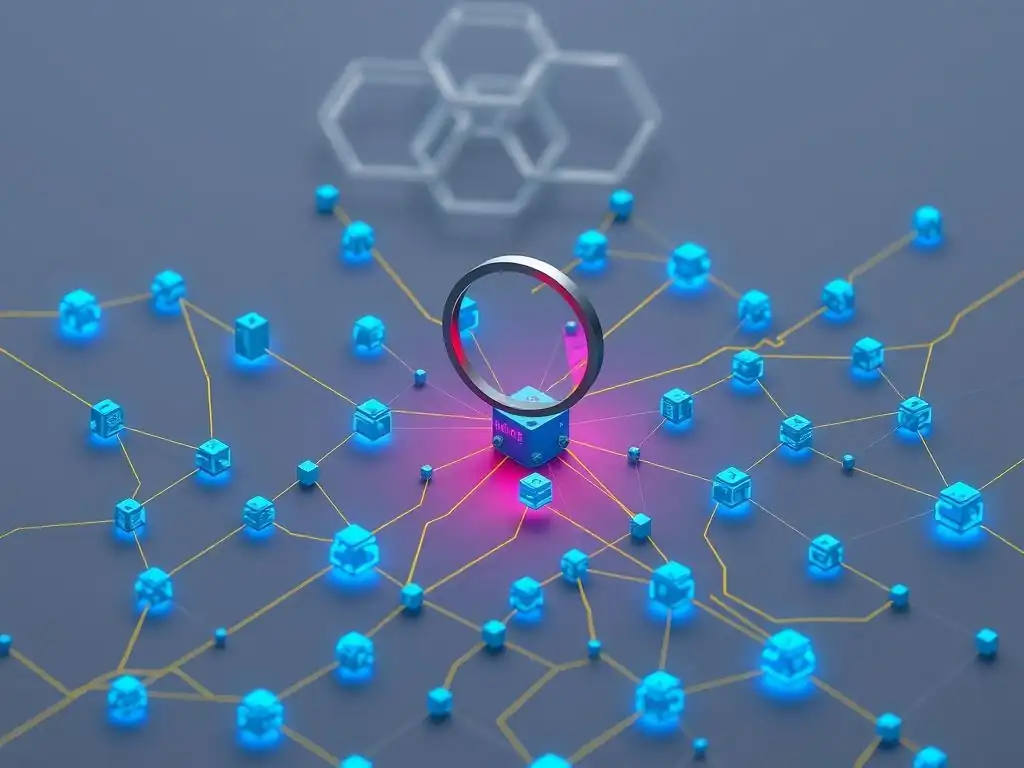
Blockchain and IoT, while distinct technologies, possess complementary strengths that create powerful synergies when combined. IoT excels at generating and collecting data from the physical world through a vast network of sensors and devices. However, managing and securing this data, especially in large-scale deployments, becomes increasingly complex and vulnerable to centralized failures and security breaches. Blockchain, on the other hand, offers a decentralized, immutable, and transparent ledger system. It provides a robust framework for securing data, ensuring its integrity, and enabling secure data sharing and access control.
The intersection of blockchain and IoT lies in leveraging blockchain's capabilities to address the data management challenges inherent in IoT systems. By integrating blockchain into IoT architectures, we can create decentralized data management solutions that enhance security, trust, and efficiency. For instance, blockchain can be used to secure the communication between IoT devices, authenticate devices and users, and immutably record sensor data. This synergy creates a more resilient and trustworthy IoT ecosystem, capable of handling the increasing demands of a connected world.
The Growing Need for Decentralized Data Management in IoT Ecosystems
The traditional centralized model of IoT data management, where data is collected and stored in central servers or cloud platforms, faces significant limitations as IoT deployments scale. Centralized systems become single points of failure, vulnerable to cyberattacks, data breaches, and service disruptions.
According to a report by Kaspersky, in the first half of 2023, IoT malware attacks increased by 23% compared to the same period in 2022, highlighting the escalating security risks associated with centralized IoT infrastructures. Furthermore, these centralized systems can struggle to handle the massive data volumes generated by billions of connected devices, leading to performance bottlenecks and scalability issues.
Beyond security and scalability, centralized systems often create data silos, hindering interoperability and data sharing across different IoT networks. This lack of interoperability restricts the full potential of IoT data, limiting its use for advanced analytics, cross-industry collaborations, and the development of innovative applications.
Decentralized data management, enabled by blockchain, addresses these challenges by distributing data and control across a network, eliminating single points of failure, enhancing security through cryptographic mechanisms, and fostering interoperability through standardized protocols and transparent data sharing mechanisms. This shift towards decentralization is crucial for realizing the full potential of IoT and building a more robust, secure, and collaborative connected world.
Frequently Asked Questions
What are the primary benefits of using blockchain for IoT data management?
Blockchain enhances IoT data management by providing increased security, improved data integrity, and enhanced transparency. This helps address concerns about data tampering and unauthorized access.
How does blockchain facilitate better data security in IoT environments?
Blockchain's immutable ledger and cryptographic hashing make it extremely difficult to alter or compromise IoT data. This ensures data remains secure and trustworthy.
Can blockchain address the scalability challenges associated with massive IoT deployments?
While traditional blockchain faces scalability issues, solutions like sidechains and layer-2 protocols are being developed to handle the high volume of IoT data transactions efficiently.
What role does decentralization play in improving IoT data management using blockchain?
Decentralization eliminates the single point of failure associated with centralized IoT data storage. This improves resilience and reduces the risk of widespread data loss or manipulation.
What are some potential regulatory hurdles for implementing blockchain-based IoT data management solutions?
Regulatory uncertainty surrounding data privacy, cross-border data transfers, and compliance with specific industry standards can pose significant challenges to the widespread adoption of these solutions.
Final Reflection: Embracing the Decentralized Future
The exploration of Blockchain IoT data management underscores a critical shift in how we perceive and interact with data in our increasingly connected world. No longer can we rely on centralized systems that are vulnerable to breaches and manipulation. The promise of secure, transparent, and decentralized data management offered by the convergence of blockchain and IoT technologies is not just a technological advancement, but a fundamental reshaping of trust and ownership in the digital age.
The impact of this paradigm shift is already being felt across industries, from supply chain management to healthcare, and its influence will only continue to grow. Witnessing the potential for enhanced security and data integrity firsthand has solidified my belief in the transformative power of decentralized technologies. The future is already here – it's just not evenly distributed.
- William Gibson. This quote perfectly encapsulates the current state of Blockchain IoT data management; the technology exists, but its widespread adoption requires continued innovation, collaboration, and a willingness to embrace new paradigms.
As we stand on the cusp of a truly interconnected world, I urge you to consider the implications of decentralized data management in your own life and work. How can you leverage the power of blockchain and IoT to enhance security, transparency, and trust in your own data ecosystems? The future of data is decentralized, and it is up to us to shape that future responsibly and ethically. Embrace the challenge, explore the possibilities, and contribute to building a more secure and connected world for all.
Okay, I will use the article title "Decentralized Data for a Connected World: Blockchain & IoT for Enhanced Data Management" from "Blockchain Trends" at blockchaintrends.org to create a compelling call to action. Here it is:
Unlock the Future: Empower Your Data Today!
Thanks for diving into the world of decentralized data! We hope you’ve gained valuable insights into how Blockchain and IoT can revolutionize data management. Now, it's time to put that knowledge into action and contribute to this exciting field.
Here's how you can take the next step:
- Start a small-scale IoT project utilizing blockchain to secure your data streams. This will give you practical experience in implementing these technologies.
- Explore open-source blockchain projects related to IoT data management and contribute your expertise to the community.
- Share this article with your network and spark a discussion about the potential of decentralized data in the age of connected devices.
What innovative applications of Blockchain and IoT for data management do you envision? Share your thoughts in the comments below!
Leave a Reply