
Demystifying Blockchain for IoT Data: A Practical Implementation Guide

Welcome to Blockchain Trends, your guide to navigating the revolutionary world of decentralized technology! Delve into the transformative power of blockchain, extending far beyond just cryptocurrencies. Intrigued by how to secure your Internet of Things devices with the immutable ledger? This week, we're demystifying Blockchain IoT data security, offering a practical implementation guide that will change the way you think about data protection. Ready to unlock the potential? Keep reading to discover how blockchain can revolutionize your IoT infrastructure.
Demystifying Blockchain for IoT Data: A Practical Implementation Guide
- Introduction: Securing IoT Data with Blockchain Technology
- Understanding the Fundamentals: Blockchain and IoT
- Blockchain IoT Data Security: Key Advantages
-
Practical Implementation: Building a Blockchain-Based IoT Data Security System
- Step 1: Defining the Use Case and Security Requirements [Pharmaceutical Cold Chain Monitoring]
- Step 2: Choosing the Right Blockchain Platform for IoT [Hedera Hashgraph]
- Step 3: Designing the Data Structure and Smart Contracts
- Step 4: Integrating IoT Devices with the Blockchain Network [Temperature Sensor Data Integration]
- Step 5: Implementing Access Control and Data Encryption
- Step 6: Testing and Deployment of the Blockchain IoT System
- Addressing Challenges in Blockchain IoT Data Management
- Real-World Applications of Blockchain for IoT Data Security
- Future Trends in Blockchain and IoT Data Security
- Conclusion: Embracing Blockchain for a Secure IoT Future
-
Frequently Asked Questions
- How does blockchain enhance IoT data security compared to traditional methods?
- What role does blockchain play in ensuring the integrity of IoT data collected from various devices?
- Can blockchain address the challenges of scalability in IoT networks generating massive data volumes?
- What are some practical applications of blockchain IoT data security in industries like supply chain or healthcare?
- What are the key regulatory considerations for implementing blockchain IoT data security solutions?
- Final Reflection: Securing Tomorrow's Connections
- Ignite Your IoT Revolution: Start Building with Blockchain!
Introduction: Securing IoT Data with Blockchain Technology
The Growing Need for Enhanced IoT Data Security
The Internet of Things (IoT) is experiencing exponential growth. By 2025, it's estimated that there will be over 75 billion connected IoT devices globally, a massive jump from the approximately 30 billion in 2020. This proliferation of devices, ranging from smart sensors in industrial machinery to wearable health monitors, generates an unprecedented volume of data. However, this interconnectedness also brings significant security challenges.
Traditional centralized security models are proving inadequate to protect this vast and distributed network of devices and the sensitive data they collect. Reports indicate a surge in cyberattacks targeting IoT devices, with a 217% increase in IoT malware attacks in the first half of 2021 alone. These attacks can range from data breaches and privacy violations to critical infrastructure disruptions, highlighting the urgent need for robust and scalable security solutions for IoT ecosystems.
Blockchain's Role in Addressing IoT Security Challenges
Blockchain technology offers a compelling paradigm shift in how we approach IoT data security. Its inherent characteristics – decentralization, immutability, and cryptographic security – directly address many of the vulnerabilities inherent in traditional IoT systems. Unlike centralized systems that present single points of failure, blockchain distributes data and control across a network, making it significantly more resilient to attacks.
Data recorded on a blockchain is tamper-proof, ensuring data integrity, a crucial aspect for sensitive IoT applications. Furthermore, blockchain's cryptographic mechanisms provide strong authentication and access control, limiting unauthorized access to devices and data. By leveraging these features, blockchain can create a more secure and trustworthy environment for the expanding IoT landscape.
Why Blockchain and IoT are a Perfect Match
The convergence of blockchain and IoT is not merely a technological trend; it represents a synergistic solution to critical challenges. IoT devices excel at data generation and collection, but often lack robust security and data management capabilities. Blockchain, on the other hand, provides a secure and transparent infrastructure for managing and securing this data. The decentralized nature of blockchain aligns perfectly with the distributed architecture of IoT networks, creating a natural harmony.
For instance, consider a smart agriculture scenario. IoT sensors collect data on soil conditions, weather patterns, and crop health. Integrating this data with a blockchain ensures its provenance and integrity, enabling farmers to make data-driven decisions with confidence and allowing for transparent and auditable supply chains. This synergy strengthens both technologies, unlocking new possibilities for secure and efficient IoT deployments.
Understanding the Fundamentals: Blockchain and IoT
Blockchain Basics: A Concise Overview
At its core, a blockchain is a distributed, immutable ledger that records transactions in blocks that are cryptographically linked together. Each block contains a set of validated transactions, and once added to the chain, it cannot be altered or deleted. This immutability is achieved through cryptographic hashing, where each block's hash is derived from the hash of the previous block, creating a chain of dependencies.
Consensus mechanisms, such as Proof-of-Work or Proof-of-Stake, ensure that all participants in the network agree on the validity of transactions and the order of blocks, preventing fraudulent activities. Blockchain networks can be permissionless (public), allowing anyone to participate, or permissioned (private or consortium), restricting access to authorized entities. This foundational technology provides transparency, security, and trust in data management, making it a powerful tool for various applications beyond cryptocurrencies.
IoT (Internet of Things) Ecosystem: Key Components and Challenges
The Internet of Things ecosystem comprises a vast network of physical devices, vehicles, home appliances, and other items embedded with sensors, software, and network connectivity, enabling them to collect and exchange data. Key components include IoT devices themselves, which range from simple sensors to complex industrial controllers; connectivity infrastructure, such as Wi-Fi, cellular networks, and LPWANs (Low-Power Wide-Area Networks); cloud platforms for data storage and processing; and applications that utilize the collected data for various purposes, from automation to analytics. However, the complexity and scale of IoT ecosystems present significant challenges. Security vulnerabilities are rampant due to the diverse nature of devices, often with limited processing power and security features. Data privacy is a major concern as IoT devices collect vast amounts of personal and sensitive information. Scalability, interoperability, and efficient data management are also crucial challenges that need to be addressed for the continued growth and adoption of IoT.
Interplay Between Blockchain and IoT: Benefits and Synergies
The interplay between blockchain and IoT creates powerful synergies by addressing fundamental limitations of each technology individually. Blockchain enhances IoT security by providing a decentralized, immutable ledger for data management, device authentication, and access control. IoT, in turn, provides real-world data and use cases that demonstrate the practical value of blockchain beyond purely digital applications.
For example, in supply chain tracking, IoT sensors can monitor the location and condition of goods, and blockchain can securely record this data, providing transparency and traceability across the entire supply chain. This combination improves trust, efficiency, and security in IoT systems. Furthermore, blockchain can enable new business models for IoT data, such as decentralized data marketplaces where users can securely monetize data generated by their IoT devices, fostering innovation and economic opportunities within the IoT ecosystem.
Blockchain IoT Data Security: Key Advantages
Enhanced Data Integrity and Immutability using Blockchain
One of the most significant advantages of using blockchain for IoT data security is the enhanced data integrity and immutability it provides. In traditional centralized IoT systems, data is often stored in a single database, making it vulnerable to tampering or deletion. However, when IoT data is recorded on a blockchain, each data entry becomes part of an immutable record.
Due to the cryptographic hashing and distributed consensus mechanisms inherent in blockchain, altering or deleting data requires manipulating a majority of the network, which is computationally infeasible and practically impossible in a well-established blockchain network. This ensures that IoT data remains tamper-proof and trustworthy throughout its lifecycle. For instance, in pharmaceutical cold chain monitoring, temperature data from IoT sensors recorded on a blockchain provides irrefutable proof of proper storage conditions, eliminating concerns about data manipulation and ensuring the quality and safety of medications.
Improved Data Security and Access Control in IoT
Blockchain enhances data security and access control in IoT environments by replacing vulnerable centralized access control systems with decentralized and cryptographically secured mechanisms. Traditional IoT systems often rely on username/password authentication, which is susceptible to phishing and brute-force attacks. Blockchain-based identity solutions can leverage cryptographic keys for device authentication and authorization, providing a much stronger layer of security.
Furthermore, blockchain enables granular access control policies to be implemented through smart contracts. For example, in a smart home scenario, blockchain can manage access permissions to different IoT devices based on user roles and pre-defined rules. Only authorized users or devices with valid cryptographic credentials can access specific data or control certain functions, significantly reducing the risk of unauthorized access and data breaches.
Increased Transparency and Auditability for IoT Data Management
Transparency and auditability are crucial for building trust in IoT systems, especially in applications involving sensitive data or critical infrastructure. Blockchain inherently provides these qualities by maintaining a transparent and auditable record of all transactions and data entries. Every data update or device interaction recorded on the blockchain is visible to authorized participants in the network, creating a clear audit trail.
This transparency is particularly valuable in supply chain management, where stakeholders can track the provenance and journey of goods with complete confidence. For example, in food supply chains, blockchain-based IoT tracking can provide consumers with verifiable information about the origin, processing, and transportation of food products, enhancing food safety and consumer trust. Furthermore, regulatory compliance and auditing processes are simplified as blockchain provides an immutable and easily verifiable record of all relevant data.
Reduced Centralized Vulnerabilities in IoT Networks
Centralized IoT architectures inherently suffer from single points of failure, making them vulnerable to large-scale attacks and system outages. If the central server or database is compromised, the entire IoT network can be affected. Blockchain's decentralized nature eliminates this single point of failure by distributing data and control across multiple nodes in the network.
Even if some nodes are compromised or fail, the network can continue to operate securely and reliably. This resilience is particularly critical for large-scale IoT deployments in critical infrastructure, such as smart grids or transportation systems, where system downtime can have severe consequences. By distributing trust and security across the network, blockchain significantly enhances the robustness and resilience of IoT systems against cyberattacks and operational disruptions, contributing to a more secure and dependable IoT ecosystem.
Practical Implementation: Building a Blockchain-Based IoT Data Security System
Step 1: Defining the Use Case and Security Requirements [Pharmaceutical Cold Chain Monitoring]
The first crucial step in implementing a blockchain-based IoT data security system is to clearly define the specific use case and identify the associated security requirements. For example, consider the pharmaceutical cold chain monitoring use case. Here, the primary objective is to ensure the integrity and traceability of temperature-sensitive pharmaceuticals throughout their journey from manufacturing to delivery.
Security requirements include: data integrity, ensuring temperature readings are accurate and tamper-proof; real-time monitoring, providing continuous temperature tracking; access control, restricting data access to authorized stakeholders (e.g., manufacturers, distributors, regulators); auditability, maintaining a verifiable record of temperature logs for compliance; and alerting mechanisms, triggering notifications for temperature excursions. Defining these specific requirements is essential for selecting the appropriate blockchain platform, designing the data structure, and implementing relevant security measures.
Step 2: Choosing the Right Blockchain Platform for IoT [Hedera Hashgraph]
Selecting the appropriate blockchain platform is critical for the success of a blockchain IoT data security system. For IoT applications, platforms need to be scalable, fast, energy-efficient, and cost-effective. While platforms like Ethereum are popular for decentralized applications, their transaction speeds and gas fees can be prohibitive for high-volume IoT data streams.
Hedera Hashgraph presents a compelling alternative for IoT. Unlike traditional blockchains, Hedera uses a directed acyclic graph (DAG) consensus mechanism, which enables significantly faster transaction speeds and lower fees. Hedera boasts transaction finality in seconds and can handle thousands of transactions per second, making it suitable for high-throughput IoT data.
Its energy-efficient consensus mechanism also reduces the environmental impact and operational costs. Furthermore, Hedera offers features like native tokenization and smart contract capabilities, providing the necessary tools for building robust and feature-rich blockchain IoT solutions. For the pharmaceutical cold chain example, Hedera's scalability and speed are crucial for handling continuous temperature data streams from numerous sensors across the supply chain.
Step 3: Designing the Data Structure and Smart Contracts
Once the blockchain platform is chosen, the next step involves designing the data structure for storing IoT data on the blockchain and developing smart contracts to govern data interactions and access control. For the pharmaceutical cold chain use case, the data structure would need to accommodate sensor IDs, timestamps, temperature readings, location data (if applicable), and potentially other relevant parameters.
Data can be structured as JSON objects or other suitable formats for efficient storage and retrieval on the blockchain. Smart contracts, written in languages like Solidity (for Ethereum-compatible platforms) or Hedera's smart contract language, define the rules for data validation, access control, and automated actions.
For instance, a smart contract could define who can write temperature data to the blockchain (authorized sensors/devices), who can read the data (authorized stakeholders), and automatically trigger alerts if temperature readings fall outside the acceptable range. Well-designed data structures and smart contracts are crucial for ensuring data integrity, security, and efficient operation of the blockchain IoT system.
Step 4: Integrating IoT Devices with the Blockchain Network [Temperature Sensor Data Integration]
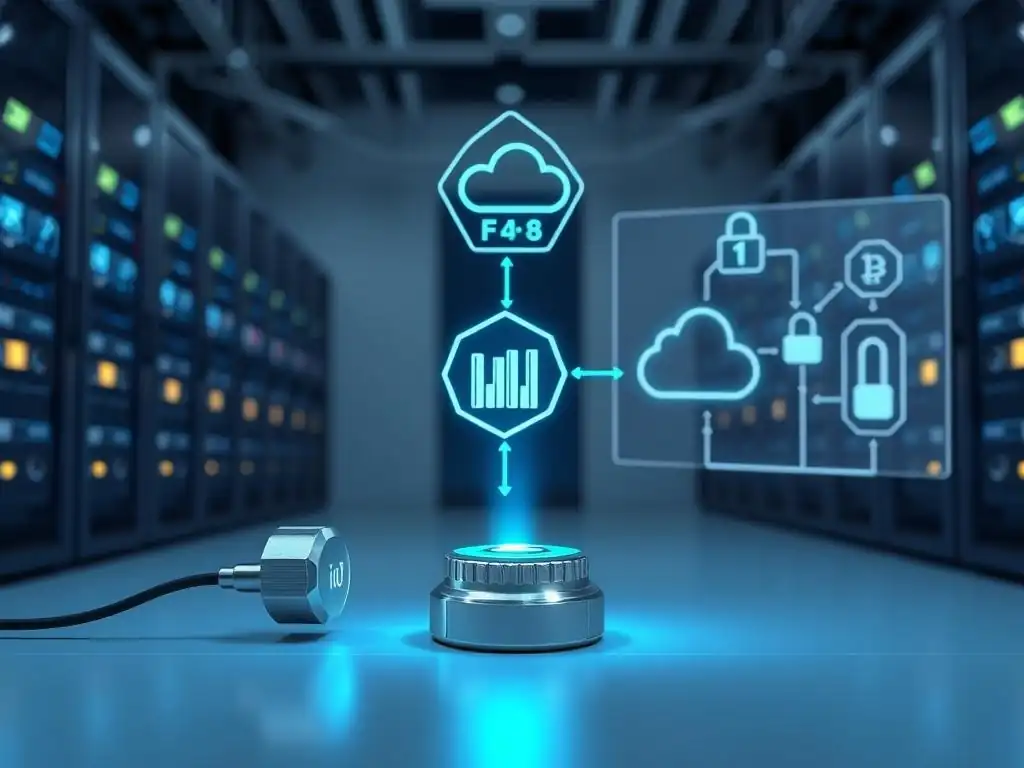
Integrating IoT devices with the blockchain network involves establishing a secure and reliable communication channel for devices to transmit data to the blockchain. This typically involves using APIs (Application Programming Interfaces) and SDKs (Software Development Kits) provided by the chosen blockchain platform. For the pharmaceutical cold chain example, temperature sensors need to be configured to securely transmit temperature readings to the Hedera Hashgraph network.
This can be achieved through middleware applications or IoT gateways that act as intermediaries between the sensors and the blockchain. These intermediaries handle data formatting, authentication, and secure transmission to the blockchain.
For example, temperature sensors could transmit data via MQTT (Message Queuing Telemetry Transport) protocol to an IoT gateway, which then uses the Hedera SDK to submit transactions containing the temperature data to the Hedera network. Secure key management and device authentication are critical aspects of this integration process to prevent unauthorized devices from injecting false data into the blockchain.
Step 5: Implementing Access Control and Data Encryption
Implementing robust access control and data encryption is paramount for ensuring the confidentiality and security of IoT data stored on the blockchain. While blockchain inherently provides data integrity and immutability, additional measures are needed to control who can access and decrypt the data. Access control can be implemented through smart contracts, defining roles and permissions for different users or devices.
For example, in the pharmaceutical cold chain, only authorized manufacturers, distributors, and regulatory bodies should have access to detailed temperature logs. Data encryption can be applied at different levels. Data can be encrypted before being written to the blockchain (on-chain encryption) or stored off-chain in encrypted databases with only cryptographic hashes of the data stored on the blockchain (off-chain encryption).
For sensitive data, end-to-end encryption from the IoT device to authorized users ensures data confidentiality throughout its lifecycle. Combining smart contract-based access control with appropriate encryption techniques provides a comprehensive security framework for blockchain IoT data.
Step 6: Testing and Deployment of the Blockchain IoT System
The final step before going live is rigorous testing and deployment of the blockchain IoT system. Testing should encompass functional testing, ensuring all components work as intended; security testing, identifying and mitigating potential vulnerabilities; performance testing, evaluating scalability and transaction throughput; and user acceptance testing, validating the system meets user needs. For the pharmaceutical cold chain example, testing would involve simulating various scenarios, such as temperature excursions, network disruptions, and security attacks, to verify the system's resilience and effectiveness.
Deployment strategies can vary depending on the scale and complexity of the system. It could involve deploying nodes of the blockchain network on cloud infrastructure, edge devices, or a combination of both.
Phased deployment, starting with a pilot project and gradually scaling up, is often recommended for complex IoT systems. Continuous monitoring and maintenance are crucial after deployment to ensure the ongoing security, performance, and reliability of the blockchain IoT data security system.
Addressing Challenges in Blockchain IoT Data Management
Scalability Issues and Solutions for IoT Blockchain Applications
Scalability remains a significant challenge for blockchain adoption in large-scale IoT applications. Traditional blockchain platforms like Ethereum and Bitcoin have limitations in transaction throughput and latency, which can hinder their applicability for high-volume IoT data streams. However, advancements in blockchain technology are addressing these challenges.
Layer-2 scaling solutions, such as state channels and rollups, can offload transaction processing from the main blockchain, significantly increasing throughput. Sharding, a technique that divides the blockchain into smaller, parallel shards, also improves scalability. Platforms like Hedera Hashgraph, with their DAG-based consensus mechanisms, inherently offer higher scalability compared to traditional blockchains.
Furthermore, edge computing can reduce the amount of data that needs to be processed on the blockchain by performing data aggregation and filtering closer to the IoT devices. Combining these techniques can enable blockchain to effectively handle the massive data volumes generated by large-scale IoT deployments, making blockchain IoT data security solutions more practical and efficient.
Interoperability Challenges Between Different Blockchain Platforms
Interoperability between different blockchain platforms is another key challenge in the broader blockchain ecosystem, including IoT applications. Currently, different blockchain platforms often operate in silos, making it difficult to exchange data or assets between them. This lack of interoperability can limit the potential for cross-platform IoT solutions and data sharing. However, efforts are underway to address this challenge.
Cross-chain communication protocols and blockchain bridges are being developed to enable interoperability between different blockchains. These solutions allow for secure and verifiable transfer of data and assets across different platforms. For example, a blockchain bridge could enable data collected on a permissioned blockchain used by a manufacturer to be securely shared with a public blockchain for consumer verification. Standardization initiatives and industry collaborations are also crucial for promoting interoperability and fostering a more connected and collaborative blockchain ecosystem for IoT and beyond.
Regulatory Considerations for Blockchain and IoT Data
The intersection of blockchain and IoT data also raises regulatory considerations that need to be carefully addressed. Data privacy regulations, such as GDPR (General Data Protection Regulation) and CCPA (California Consumer Privacy Act), have significant implications for IoT data management and the use of blockchain. While blockchain's immutability enhances data integrity, it also raises questions about data deletion and the "right to be forgotten" under GDPR.
Solutions like data encryption and off-chain data storage can help address these concerns. Furthermore, industry-specific regulations, such as HIPAA (Health Insurance Portability and Accountability Act) in healthcare and FDA regulations in pharmaceuticals, need to be considered when implementing blockchain IoT solutions in regulated sectors.
Compliance with these regulations requires careful planning, design, and implementation of blockchain IoT systems, ensuring that data privacy, security, and regulatory requirements are met. Clear legal frameworks and regulatory guidance are essential for fostering responsible and compliant adoption of blockchain IoT technologies.
Cost and Energy Consumption of Blockchain-Based IoT Systems
The cost and energy consumption of blockchain-based IoT systems are important considerations, particularly for resource-constrained IoT devices and large-scale deployments. Traditional Proof-of-Work (PoW) consensus mechanisms, used by Bitcoin and some other blockchains, are notoriously energy-intensive. However, newer blockchain platforms are adopting more energy-efficient consensus mechanisms, such as Proof-of-Stake (PoS) and DAG-based consensus, which significantly reduce energy consumption. Platforms like Hedera Hashgraph are designed for energy efficiency, making them more suitable for IoT applications.
Furthermore, the cost of transactions on different blockchain platforms varies considerably. Platforms with lower transaction fees, like Hedera, are more cost-effective for high-volume IoT data streams. Optimizing data storage on the blockchain, using off-chain storage solutions where appropriate, and employing efficient consensus mechanisms are crucial strategies for minimizing the cost and energy footprint of blockchain-based IoT systems, making them more sustainable and economically viable.
Real-World Applications of Blockchain for IoT Data Security
Blockchain for Supply Chain Management and IoT Tracking
Supply chain management is a prime area where blockchain and IoT can converge to enhance transparency, efficiency, and security. IoT sensors can track the location, condition, and provenance of goods throughout the supply chain, and blockchain can securely record this data, creating an immutable and auditable record. For example, in the food industry, IoT sensors can monitor temperature and humidity during transportation, and blockchain can verify the authenticity and origin of food products, reducing food fraud and improving food safety.
In the pharmaceutical industry, blockchain-based IoT tracking ensures the integrity of temperature-sensitive drugs, preventing counterfeit medications and ensuring patient safety. Companies like IBM Food Trust and VeChain are actively deploying blockchain IoT solutions for supply chain management, demonstrating the real-world applicability and benefits of this technology combination in enhancing supply chain visibility and trust.
Securing Healthcare IoT Devices with Blockchain
The healthcare sector is increasingly adopting IoT devices for patient monitoring, remote diagnostics, and connected medical devices. However, the sensitive nature of healthcare data and the criticality of medical devices necessitate robust security measures. Blockchain can play a vital role in securing healthcare IoT devices and data. Blockchain-based identity solutions can enhance device authentication and access control, preventing unauthorized access to medical devices and patient data.
Immutable audit trails on the blockchain can track device usage and data access, improving accountability and regulatory compliance. Furthermore, blockchain can enable secure data sharing between healthcare providers and patients while maintaining patient privacy. For example, patient-generated health data from wearable devices can be securely stored and shared using blockchain, empowering patients and improving healthcare outcomes. Projects like MedRec and Patientory are exploring blockchain-based solutions for securing healthcare data and IoT devices, showcasing the potential to transform healthcare data management and security.
Smart Cities: Leveraging Blockchain for Secure IoT Infrastructure
Smart city initiatives rely heavily on IoT infrastructure, including smart sensors, connected streetlights, traffic management systems, and environmental monitoring networks. Securing this vast and interconnected infrastructure is crucial for the reliable and safe operation of smart cities. Blockchain can provide a secure foundation for smart city IoT deployments. Decentralized identity solutions can secure access to smart city infrastructure and services.
Blockchain can enable secure data sharing and interoperability between different smart city systems, improving efficiency and coordination. Immutable audit trails can track data from smart city sensors, enhancing transparency and accountability in city management. For example, blockchain can secure data from smart traffic sensors, optimizing traffic flow and reducing congestion. Dubai is a leading example of a city actively exploring blockchain for various smart city applications, including land registry, supply chain management, and healthcare, demonstrating the broad applicability of blockchain in building secure and efficient smart city infrastructure.
Energy Management: Blockchain and IoT for Smart Grids
The energy sector is undergoing a transformation towards smart grids, which utilize IoT devices and data analytics to optimize energy generation, distribution, and consumption. Securing smart grid infrastructure is paramount to prevent cyberattacks and ensure grid stability. Blockchain can enhance the security and efficiency of smart grids. Blockchain-based energy trading platforms can enable peer-to-peer energy transactions and microgrids, fostering decentralized and resilient energy systems.
IoT sensors in smart grids can monitor energy consumption and grid conditions, and blockchain can securely record this data, improving grid management and reliability. Furthermore, blockchain can enhance cybersecurity for smart grid devices and communication networks, protecting against cyber threats. Projects like LO3 Energy and Power Ledger are pioneering blockchain-based energy solutions for smart grids, demonstrating the potential to revolutionize energy markets and improve grid security and efficiency through the convergence of blockchain and IoT.
Future Trends in Blockchain and IoT Data Security
The Rise of Decentralized IoT Data Marketplaces
The future of blockchain and IoT data security includes the emergence of decentralized IoT data marketplaces. Currently, data generated by IoT devices is often siloed and underutilized. Blockchain can enable secure and transparent marketplaces where individuals and organizations can monetize their IoT data. These marketplaces would leverage blockchain for data provenance, access control, and secure data transactions.
For example, users could securely share anonymized data from their smart home devices or wearable sensors in exchange for rewards or services. Decentralized data marketplaces can unlock the economic potential of IoT data, fostering innovation and creating new revenue streams for individuals and businesses. Projects like Streamr and Ocean Protocol are working towards building decentralized data marketplaces, paving the way for a more data-driven and equitable IoT ecosystem.
Edge Computing and Blockchain Integration for IoT
Edge computing, which processes data closer to the source (i.e., IoT devices), is becoming increasingly important for IoT applications requiring low latency and reduced bandwidth consumption. Integrating edge computing with blockchain can further enhance the efficiency and scalability of blockchain IoT solutions. Edge devices can perform initial data processing, filtering, and aggregation before transmitting relevant data to the blockchain.
This reduces the volume of data that needs to be processed on the blockchain, improving scalability and reducing transaction costs. Furthermore, edge computing can enhance the privacy and security of IoT data by processing sensitive data locally and only sharing anonymized or aggregated data on the blockchain. Combining edge computing and blockchain creates a powerful architecture for secure, scalable, and privacy-preserving IoT data management, enabling more efficient and robust IoT applications.
AI-Powered Blockchain Solutions for IoT Security
Artificial intelligence (AI) and machine learning (ML) are increasingly being integrated with blockchain to enhance security and automation in various applications, including IoT data security. AI can be used to analyze IoT data stored on the blockchain to detect anomalies, predict security threats, and automate security responses. For example, AI algorithms can monitor IoT device behavior and identify deviations from normal patterns that may indicate a cyberattack.
Smart contracts can be augmented with AI capabilities to automatically trigger security actions based on AI-driven threat detection. Furthermore, AI can improve the efficiency of blockchain consensus mechanisms and optimize resource allocation in blockchain IoT networks. The convergence of AI and blockchain holds significant potential for creating more intelligent, proactive, and self-healing IoT security systems, enhancing the overall resilience and security of IoT deployments.
The Evolution of Blockchain Standards for IoT Devices
The evolution of blockchain standards specifically tailored for IoT devices is crucial for promoting interoperability, security, and wider adoption of blockchain IoT solutions. Currently, there is a lack of standardized protocols and frameworks for integrating blockchain with diverse IoT devices and platforms. Standardization efforts are needed to define common data formats, communication protocols, security standards, and APIs for blockchain IoT interoperability.
Organizations like the IEEE and the IETF are actively working on developing blockchain standards for IoT. These standards will facilitate seamless integration of blockchain with different IoT devices and platforms, reduce development complexity, and foster a more open and interoperable blockchain IoT ecosystem. Standardization will be a key enabler for the widespread adoption of blockchain for IoT data security and management, driving innovation and accelerating the growth of the blockchain IoT market.
Conclusion: Embracing Blockchain for a Secure IoT Future
Key Takeaways: Blockchain's Impact on IoT Data Security
Blockchain technology offers a transformative approach to enhancing IoT data security, addressing critical vulnerabilities inherent in traditional centralized systems. Its core features of decentralization, immutability, and cryptographic security provide enhanced data integrity, improved access control, increased transparency, and reduced centralized vulnerabilities in IoT networks. By leveraging blockchain, organizations can build more secure, resilient, and trustworthy IoT systems, protecting sensitive data and critical infrastructure from cyber threats.
The synergy between blockchain and IoT is undeniable, creating a powerful combination that unlocks new possibilities for secure and efficient IoT deployments across various industries. Embracing blockchain for IoT data security is not just a technological upgrade; it's a strategic imperative for building a more secure and trustworthy IoT future.
The Potential of Blockchain to Transform IoT Industries
The potential of blockchain to transform IoT industries is vast and far-reaching. Beyond security enhancements, blockchain can enable new business models and applications for IoT data. Decentralized IoT data marketplaces can unlock the economic value of IoT data, empowering individuals and businesses to monetize their data assets.
Blockchain can facilitate secure and transparent data sharing between different IoT systems and stakeholders, fostering collaboration and innovation. In supply chain management, healthcare, smart cities, energy management, and numerous other sectors, blockchain IoT solutions are poised to drive significant improvements in efficiency, transparency, security, and trust. As blockchain technology matures and becomes more scalable and interoperable, its transformative impact on IoT industries will only continue to grow, shaping a more connected, secure, and data-driven future.
Next Steps: Exploring Blockchain Implementation for Your IoT Needs
For organizations looking to enhance the security and efficiency of their IoT deployments, exploring blockchain implementation is a crucial next step. Start by identifying specific use cases where blockchain can address existing security challenges or unlock new opportunities. Define clear security requirements and business objectives for your blockchain IoT solution. Evaluate different blockchain platforms and choose one that best aligns with your needs in terms of scalability, security, cost, and features.
Develop a proof-of-concept or pilot project to test and validate your blockchain IoT solution in a real-world environment. Engage with blockchain experts and partners to guide your implementation process and ensure successful deployment. By taking these proactive steps, organizations can harness the power of blockchain to build a more secure, efficient, and innovative IoT future, capitalizing on the transformative potential of blockchain IoT data security.
Frequently Asked Questions
How does blockchain enhance IoT data security compared to traditional methods?
Blockchain offers enhanced security through its decentralized and immutable nature. Data stored on the blockchain is resistant to tampering, ensuring data integrity and authenticity, crucial for IoT devices.
What role does blockchain play in ensuring the integrity of IoT data collected from various devices?
Blockchain uses cryptographic hashing and consensus mechanisms to create an immutable record of data. This ensures that IoT data remains unaltered and verifiable, providing trust in the data's provenance.
Can blockchain address the challenges of scalability in IoT networks generating massive data volumes?
While blockchain scalability is a known challenge, solutions like sharding and sidechains are being explored. These techniques aim to improve the throughput of the blockchain, allowing it to handle the demands of large-scale IoT deployments.
What are some practical applications of blockchain IoT data security in industries like supply chain or healthcare?
In supply chain, blockchain can track goods and verify their authenticity, preventing counterfeiting. In healthcare, it can securely store and share patient data, ensuring data privacy and compliance.
What are the key regulatory considerations for implementing blockchain IoT data security solutions?
Regulations like GDPR and CCPA regarding data privacy and security are crucial. Implementing blockchain solutions must align with these regulations to ensure compliance and avoid legal issues.
Final Reflection: Securing Tomorrow's Connections
The promise of a seamlessly connected world through the Internet of Things is undeniable, but so too are the inherent security vulnerabilities. The integration of blockchain technology, as explored in this guide, offers a powerful solution to fortify IoT data security against evolving threats. This is not just a theoretical exercise; it's a crucial step towards building trust and reliability in the increasingly interconnected systems that underpin our lives.
The journey to secure IoT data with blockchain is ongoing, and its impact extends far beyond technical implementations. It's about fostering a future where data integrity and user privacy are paramount, where the potential of IoT can be fully realized without compromising security. Security is always seen as too expensive until you don't have it.
This quote underscores the importance of proactive measures, like blockchain integration, to safeguard the vast amounts of data generated by IoT devices.
As you navigate the complexities of the digital landscape, remember that the principles outlined in this guide – transparency, immutability, and decentralization – are not just technical concepts, but ethical imperatives. Embrace the challenge of securing IoT data with blockchain, and contribute to building a more secure, trustworthy, and connected future for all.
Ignite Your IoT Revolution: Start Building with Blockchain!
Thank you for exploring the potential of blockchain to secure IoT data. We hope you’ve gained valuable insights into practical implementation and are ready to take the next step. It’s time to turn theory into action!
Here’s how to get started:
- Begin by developing a small proof-of-concept. Choose a manageable IoT data stream and start prototyping a blockchain-based solution. Focus on making progress rather than achieving perfection.
- Investigate advanced concepts like sidechains to improve scalability. Learn how these innovative techniques can optimize your blockchain network, enabling efficient data management and analysis as your IoT infrastructure grows.
- Share your experiences and challenges with other innovators. Join the BlockchainTrends community to connect with experts and learn from real-world implementations.
What is one small, achievable step you can take this week to advance your IoT blockchain project? Share your ideas in the comments below!
Leave a Reply