
The Future of Smart Contracts in IoT Automation: Trends and Predictions


Welcome to Blockchain Trends, your go-to source for navigating the evolving world of blockchain technology.
Beyond the hype of cryptocurrencies, discover how blockchain is revolutionizing industries through innovative applications. Our latest deep dive explores the exciting intersection of blockchain and IoT, focusing on smart contract IoT automation. Intrigued by how these technologies are merging to create seamless, secure, and autonomous systems? Keep reading to uncover the trends and predictions shaping this transformative future.
The Future of Smart Contracts in IoT Automation: Trends and Predictions
- Introduction: Smart Contract IoT Automation - A Transformative Synergy
- Current Trends in Smart Contract-Enabled IoT
- Predictions for the Future of Smart Contract IoT Automation
- Challenges and Considerations for Smart Contract IoT Implementation
- Overcoming the Challenges: Solutions and Best Practices
- Case Studies: Real-World Examples of Smart Contract IoT Automation
- Conclusion: The Future is Decentralized - Embracing Smart Contract IoT Automation
-
Frequently Asked Questions
- How can smart contracts enhance IoT device security?
- What role do smart contracts play in automating supply chain management using IoT?
- What are the main challenges in implementing smart contracts for IoT automation?
- How does decentralized finance (DeFi) leverage smart contracts in IoT applications?
- What are the key regulatory considerations surrounding smart contracts and IoT data privacy?
- Final Reflection: Embracing the Automated Future
- Ignite Your IoT Revolution!
Introduction: Smart Contract IoT Automation - A Transformative Synergy
Defining Smart Contracts and the Internet of Things (IoT)
Smart contracts are self-executing contracts with the terms of the agreement directly written into code. These contracts automatically execute actions when predetermined conditions are met, eliminating the need for intermediaries and ensuring transparency and trust among participants. Built on blockchain technology, smart contracts inherit its security and immutability, making them ideal for automating complex processes and agreements in a decentralized manner. Think of them as digital vending machines; once the conditions (like payment) are met, the outcome (the product) is automatically dispensed.
The Internet of Things (IoT) encompasses a vast network of physical devices, vehicles, buildings, and other items embedded with electronics, software, sensors, actuators, and network connectivity that enable these objects to collect and exchange data. From smart home appliances and wearable devices to industrial sensors and connected vehicles, IoT devices are generating unprecedented volumes of data, offering opportunities for increased efficiency, automation, and improved decision-making across various sectors. The number of connected IoT devices worldwide is projected to reach over 25 billion by 2030, highlighting the explosive growth and pervasive nature of this technology.
The Intersection: How Smart Contracts Enhance IoT Automation
The convergence of smart contracts and IoT creates a powerful synergy, enabling a new paradigm of automation characterized by enhanced security, transparency, and efficiency. Smart contracts provide the framework for automating interactions between IoT devices, ensuring that data exchange and actions are executed according to predefined rules without human intervention. This intersection, often referred to as smart contract IoT automation, moves beyond simple device automation to create intelligent, self-governing ecosystems.
By integrating smart contracts into IoT systems, we can automate a wide range of processes, from supply chain management and logistics to energy distribution and smart city infrastructure. For example, in a smart agriculture scenario, sensors monitoring soil conditions could trigger smart contracts to automatically initiate irrigation systems when moisture levels fall below a certain threshold. This not only optimizes resource utilization but also reduces operational costs and minimizes human error. The combination of these technologies unlocks the potential for truly autonomous and decentralized systems.
Why Smart Contract IoT Automation Matters: Key Benefits and Use Cases
Smart contract IoT automation is not merely a technological advancement; it represents a fundamental shift in how we manage and interact with connected devices and the data they generate. One of the primary benefits is enhanced security. By leveraging the inherent security of blockchain, smart contracts ensure that data transmitted by IoT devices is tamper-proof and that access to this data is controlled and auditable. This is crucial in industries dealing with sensitive information, such as healthcare and finance.
Furthermore, smart contract IoT automation fosters greater transparency and trust. All transactions and data exchanges recorded on the blockchain are transparent and immutable, providing a clear and auditable record of all interactions within the IoT ecosystem. This transparency is particularly valuable in supply chain management, where tracking goods across multiple stakeholders becomes significantly more reliable and efficient.
Consider the pharmaceutical industry, where counterfeit drugs are a major concern; smart contracts can ensure the authenticity and provenance of medications throughout the supply chain, enhancing patient safety and reducing fraud. The efficiency gains and cost reductions derived from automated processes and reduced reliance on intermediaries further solidify the importance of this technological convergence.
Current Trends in Smart Contract-Enabled IoT
Trend 1: Decentralized IoT Data Management with Smart Contracts
Secure Data Sharing and Monetization in IoT Networks
One prominent trend in smart contract IoT automation is the decentralization of IoT data management. Traditionally, IoT data is often siloed within centralized platforms, raising concerns about data privacy, security, and vendor lock-in. Smart contracts, coupled with blockchain technology, enable a decentralized approach to data management, allowing IoT devices to securely share and monetize their data directly with authorized parties. This creates new opportunities for data marketplaces and collaborative data ecosystems.
For instance, consider a network of environmental sensors deployed across a city to monitor air quality. Using smart contracts, the data collected by these sensors can be securely shared with research institutions, environmental agencies, and even private companies interested in air quality analysis. These entities can access and utilize the data based on predefined terms and conditions encoded in smart contracts, potentially paying micro-transactions for accessing specific data streams. This decentralized data sharing model fosters innovation and allows for more efficient utilization of valuable IoT data.
Addressing Data Integrity and Trust Issues in IoT with Blockchain
Data integrity and trust are paramount concerns in IoT deployments. In many IoT applications, especially those involving critical infrastructure or sensitive data, ensuring the authenticity and reliability of data is crucial. Blockchain and smart contracts provide a robust solution to these challenges. By anchoring IoT data transactions on a blockchain, we can create an immutable audit trail, guaranteeing data integrity and preventing unauthorized modifications.
Smart contracts can be programmed to automatically verify the integrity of data received from IoT devices. For example, in a supply chain scenario, temperature sensors attached to perishable goods can transmit temperature readings to a blockchain. Smart contracts can automatically verify if these readings fall within acceptable ranges throughout the transportation process.
If any deviations are detected, the smart contract can trigger alerts or initiate corrective actions, ensuring the quality and safety of the goods. This inherent trust in data provenance and integrity is a significant advantage of integrating blockchain with IoT, and is a core component of smart contract IoT automation.
Trend 2: Autonomous IoT Devices and Automated Processes
Smart Contract-Driven Device-to-Device Communication
Another significant trend is the emergence of autonomous IoT devices capable of interacting and transacting with each other directly, without relying on central servers. Smart contracts facilitate this device-to-device communication, enabling the creation of truly decentralized and autonomous IoT ecosystems. This is particularly relevant in scenarios where low latency and resilience are critical, such as industrial automation and smart grids.
Imagine a network of robots in a manufacturing plant working collaboratively. These robots, equipped with IoT sensors and smart contract capabilities, can autonomously coordinate tasks, negotiate resource allocation, and even execute micro-payments for services rendered to each other. For example, a robot needing components from another could automatically initiate a request via a smart contract. Upon fulfillment of the request and verification of delivery, the smart contract would automatically release payment in cryptocurrency. This level of autonomous interaction enhances efficiency and reduces reliance on centralized control systems.
Examples of Automated IoT Workflows Powered by Smart Contracts (Supply Chain Management)
Supply chain management is a prime example of an area where smart contract IoT automation is transforming operations. Traditional supply chains often involve numerous intermediaries, manual paperwork, and limited visibility, leading to inefficiencies and delays. Smart contracts, combined with IoT devices, enable the creation of transparent, efficient, and automated supply chain workflows.
Consider the tracking of goods from origin to destination. IoT sensors can monitor location, temperature, humidity, and other relevant conditions throughout the journey. This data is recorded on a blockchain via smart contracts, providing real-time visibility to all stakeholders. When goods reach predefined milestones, smart contracts can automatically trigger actions such as releasing payments, initiating customs clearance, or notifying downstream partners. Maersk and IBM's TradeLens platform is a real-world example of this, utilizing blockchain to streamline global shipping processes, demonstrating the practical benefits of smart contract IoT automation in complex supply chain scenarios.
Trend 3: Enhanced Security and Trust in IoT Ecosystems
Using Smart Contracts for Identity Management and Access Control in IoT
Security remains a major concern in the expanding IoT landscape. The sheer number of connected devices and the vast amounts of data they generate create numerous potential attack vectors. Smart contracts offer innovative solutions for enhancing security and trust in IoT ecosystems, particularly in identity management and access control.
Smart contracts can be used to create decentralized identity solutions for IoT devices. Each device can be assigned a unique digital identity managed through a smart contract on a blockchain. This identity can be used to authenticate the device and control its access to network resources and data.
For example, in a smart building, access to different zones could be controlled via smart contracts. Only devices with valid digital identities and permissions, verified by smart contracts, would be granted access to specific areas or functionalities. This decentralized approach to identity management significantly reduces the risk of unauthorized access and device spoofing, bolstering the overall security of the IoT ecosystem.
Mitigating IoT Security Risks with Blockchain-Based Solutions
Beyond identity management, blockchain itself provides several inherent security advantages that can mitigate common IoT security risks. The decentralized and distributed nature of blockchain makes it highly resistant to single points of failure and denial-of-service attacks, common vulnerabilities in centralized IoT systems. Furthermore, the cryptographic techniques used in blockchain, such as hashing and digital signatures, ensure data integrity and prevent tampering.
Integrating blockchain-based solutions with IoT can enhance the security posture of entire ecosystems. For instance, firmware updates for IoT devices, often a target for malicious actors, can be secured using blockchain. By distributing firmware updates through a blockchain-based system, and verifying their integrity using smart contracts, manufacturers can ensure that only authentic and untampered updates are installed on devices. This drastically reduces the risk of compromised devices and botnet attacks, making blockchain a crucial component in building more secure and resilient IoT infrastructures and driving the adoption of smart contract IoT automation.
Predictions for the Future of Smart Contract IoT Automation
Prediction 1: Increased Adoption in Supply Chain Management
The Role of Smart Contracts in Streamlining Product Tracking
The adoption of smart contract IoT automation in supply chain management is poised for significant growth in the coming years. As businesses increasingly recognize the benefits of enhanced transparency, efficiency, and security, smart contract-based solutions for product tracking and traceability will become mainstream. Smart contracts will play a pivotal role in streamlining complex supply chain processes, reducing friction, and improving collaboration among stakeholders.
Imagine a global supply chain network where every product, from raw materials to finished goods, is tracked using IoT sensors and managed by smart contracts. As products move through different stages of the supply chain – manufacturing, warehousing, transportation, and retail – their location, condition, and ownership are automatically updated on a blockchain via smart contracts. This real-time, end-to-end visibility will significantly reduce delays, minimize losses due to theft or damage, and enhance overall supply chain resilience.
Potential Impact on Efficiency and Cost Savings
The widespread adoption of smart contract IoT automation in supply chains is expected to yield substantial efficiency gains and cost savings for businesses. Automated processes, reduced paperwork, and minimized disputes will lead to significant operational efficiencies. Furthermore, increased transparency and traceability will help to optimize inventory management, reduce waste, and improve demand forecasting.
Industry analysts predict that by 2025, businesses leveraging blockchain in their supply chains could see a reduction in operational costs by up to 15%. This is driven by factors such as reduced administrative overhead, faster transaction processing, and improved dispute resolution mechanisms facilitated by smart contracts. The enhanced efficiency and cost savings will make smart contract IoT automation an increasingly attractive proposition for businesses seeking to optimize their supply chain operations and gain a competitive edge.
Prediction 2: Emergence of New Smart Contract IoT Platforms
Key Features and Functionalities of Next-Generation Platforms
The future will witness the emergence of specialized platforms designed specifically to facilitate smart contract IoT automation. These next-generation platforms will go beyond generic blockchain infrastructures and offer tailored features and functionalities optimized for the unique requirements of IoT deployments. Key features will include enhanced scalability, interoperability, and developer-friendly tools.
These platforms will likely incorporate features like streamlined device onboarding, secure data management APIs, and low-code or no-code environments for developing and deploying smart contracts for IoT applications. They may also offer pre-built smart contract templates for common IoT use cases, such as asset tracking, condition monitoring, and automated payments. Furthermore, these platforms will prioritize security, offering robust mechanisms for device authentication, data encryption, and vulnerability management, making smart contract IoT automation more accessible and practical.
Addressing Scalability and Interoperability Challenges
Scalability and interoperability are critical challenges that must be addressed for the widespread adoption of smart contract IoT automation. Traditional blockchain platforms often face limitations in transaction throughput and latency, which can be bottlenecks for large-scale IoT deployments involving millions of devices generating vast amounts of data. Next-generation platforms will focus on addressing these limitations through innovative scaling solutions, such as layer-2 technologies and sharding.
Interoperability is another crucial aspect. IoT ecosystems often involve diverse devices and platforms from different vendors. Future platforms will prioritize interoperability, enabling seamless communication and data exchange between different blockchain networks and IoT devices. Standardized protocols and cross-chain communication technologies will be essential for creating truly interconnected and interoperable smart contract IoT automation ecosystems.
Prediction 3: Integration with Artificial Intelligence (AI) for Smarter Automation
AI-Powered Smart Contracts for Predictive Maintenance in IoT
The integration of Artificial Intelligence (AI) with smart contract IoT automation represents a powerful evolution, paving the way for smarter and more proactive automation. AI can enhance the capabilities of smart contracts by enabling predictive analytics, anomaly detection, and intelligent decision-making based on IoT data. One particularly promising application is AI-powered predictive maintenance in industrial IoT.
Consider industrial machinery equipped with sensors that continuously monitor performance metrics such as temperature, vibration, and pressure. AI algorithms can analyze this data to predict potential equipment failures before they occur. When AI detects anomalies indicative of impending failure, it can trigger smart contracts to automatically schedule maintenance, order replacement parts, and notify maintenance personnel. This proactive approach minimizes downtime, reduces maintenance costs, and extends the lifespan of equipment, showcasing the synergy between AI and smart contract IoT automation.
Enhanced Decision-Making and Optimization in IoT Systems
AI integration will not only enable predictive maintenance but also enhance decision-making and optimization across various IoT systems. AI algorithms can analyze vast datasets generated by IoT devices to identify patterns, trends, and insights that would be difficult for humans to discern. This intelligence can be embedded into smart contracts to create more dynamic and adaptive automation workflows.
For example, in a smart grid, AI can analyze real-time energy consumption data from smart meters and optimize energy distribution based on demand patterns and renewable energy availability. Smart contracts can then automatically adjust energy prices, manage peak loads, and facilitate peer-to-peer energy trading based on AI-driven insights. This intelligent automation leads to more efficient resource utilization, reduced energy waste, and a more resilient and sustainable energy infrastructure, demonstrating the transformative potential of combining AI and smart contract IoT automation.
Challenges and Considerations for Smart Contract IoT Implementation
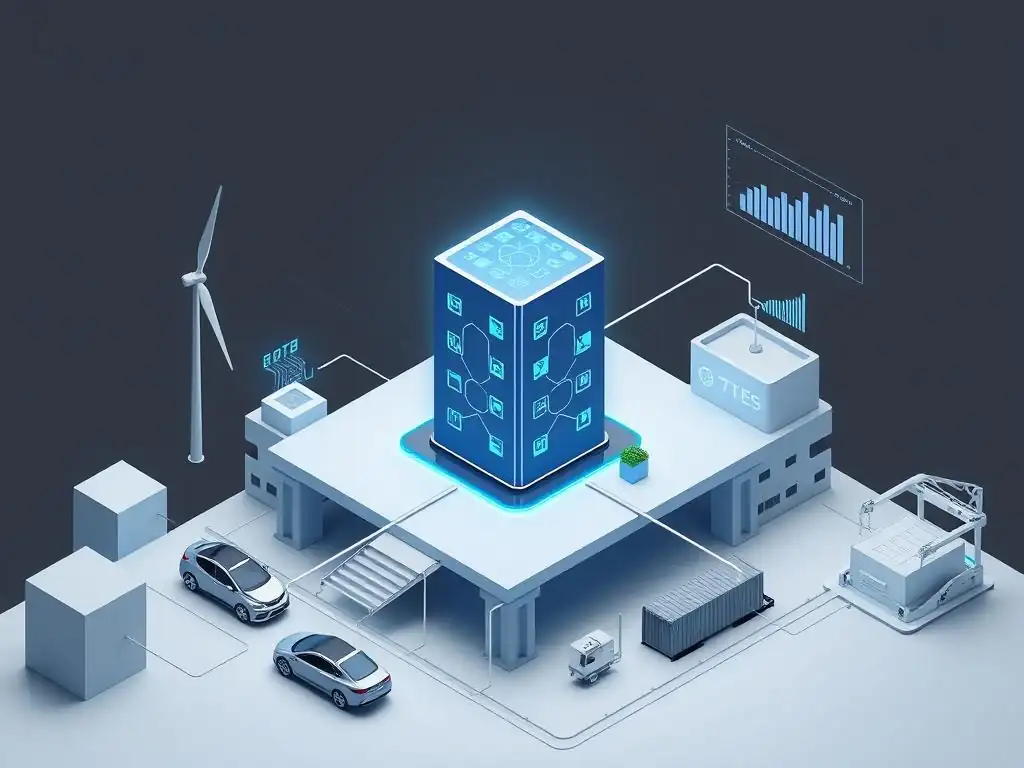
Scalability Limitations of Blockchain for IoT
Despite the numerous benefits, the implementation of smart contract IoT automation faces several challenges. Scalability is a significant concern. Traditional blockchain technologies, particularly those based on proof-of-work consensus mechanisms, often struggle to handle the high transaction volumes and low latency requirements of large-scale IoT deployments. Processing millions of transactions from numerous IoT devices in near real-time can strain the capacity of many existing blockchain networks.
The inherent limitations of blockchain scalability can impact the responsiveness and efficiency of smart contract IoT automation systems. For instance, in applications requiring rapid data processing and decision-making, such as autonomous vehicles or real-time industrial control, blockchain's transaction processing speed might become a bottleneck. Addressing these scalability challenges is crucial for realizing the full potential of smart contract IoT automation in demanding IoT environments.
Security Vulnerabilities in Smart Contracts
While blockchain itself is considered secure, smart contracts are not immune to security vulnerabilities. Smart contracts are essentially code, and like any software, they can contain bugs or flaws that malicious actors can exploit. Vulnerabilities in smart contracts can lead to significant financial losses or disruptions in IoT operations.
Examples of smart contract vulnerabilities include reentrancy attacks, integer overflows, and logic errors. The immutability of smart contracts on the blockchain means that once a vulnerability is exploited and a malicious contract is deployed, it can be difficult or impossible to rectify the situation. Thorough auditing and rigorous security testing are essential to mitigate the risks associated with smart contract vulnerabilities in smart contract IoT automation deployments.
Regulatory and Legal Considerations for Decentralized IoT Automation
The decentralized nature of smart contract IoT automation raises new regulatory and legal considerations. Traditional legal frameworks are often designed for centralized systems with clearly defined responsibilities and liabilities. Decentralized IoT ecosystems powered by smart contracts challenge these frameworks, creating uncertainties regarding data ownership, liability for contract execution, and cross-border legal jurisdiction.
For example, if a smart contract governing an autonomous vehicle malfunctions and causes an accident, determining liability becomes complex. Is it the fault of the smart contract developer, the vehicle manufacturer, the platform provider, or the owner of the vehicle? Existing legal frameworks may not adequately address these novel scenarios. Clear regulatory guidelines and legal frameworks are needed to provide clarity and legal certainty for the widespread adoption of decentralized smart contract IoT automation systems, ensuring responsible innovation and consumer protection.
Overcoming the Challenges: Solutions and Best Practices
Layer-2 Scaling Solutions for Smart Contract IoT
To address the scalability limitations of blockchain for IoT, layer-2 scaling solutions are emerging as promising approaches. Layer-2 technologies, such as state channels, sidechains, and rollups, operate on top of the main blockchain layer, enabling faster and cheaper transactions without compromising security. These solutions can significantly enhance the scalability of smart contract IoT automation systems.
State channels, for instance, allow for off-chain transactions between participants, only settling the final state on the main blockchain. This can drastically reduce the number of transactions processed on the main chain, improving throughput. Rollups bundle multiple transactions into a single transaction on the main chain, further increasing scalability. By leveraging layer-2 scaling solutions, smart contract IoT automation can handle the high transaction volumes and low latency requirements of large-scale IoT deployments more effectively.
Robust Smart Contract Auditing and Security Practices
Mitigating security vulnerabilities in smart contracts requires a proactive and multi-faceted approach. Robust smart contract auditing is crucial. Independent security audits conducted by experienced professionals can identify potential vulnerabilities before deployment. These audits involve code reviews, penetration testing, and formal verification techniques to ensure the security and reliability of smart contracts used in smart contract IoT automation.
Adopting secure coding practices during smart contract development is also essential. Developers should adhere to established security guidelines, use secure libraries, and implement thorough testing procedures. Regular security updates and vulnerability patching are necessary throughout the lifecycle of smart contracts to address newly discovered threats. A strong focus on security is paramount for building trustworthy and resilient smart contract IoT automation systems.
Developing Clear Legal Frameworks for Blockchain-Based IoT
Addressing the regulatory and legal uncertainties surrounding decentralized IoT automation requires proactive engagement from policymakers and legal experts. Developing clear legal frameworks specifically tailored to blockchain-based IoT systems is crucial for fostering innovation and ensuring responsible deployment. These frameworks should address issues such as data ownership, liability, jurisdiction, and smart contract enforceability.
Collaborative efforts between technology experts, legal professionals, and regulators are needed to create adaptable and forward-looking legal frameworks. These frameworks should aim to balance innovation with consumer protection, fostering trust and confidence in smart contract IoT automation technologies. Clear legal guidelines will provide businesses with the certainty they need to invest in and deploy these transformative solutions at scale.
Case Studies: Real-World Examples of Smart Contract IoT Automation
Case Study 1: Maersk and their Smart Contract-Powered Supply Chain Solution
Problem: Inefficient and Opaque Supply Chain Processes
Maersk, a global shipping and logistics giant, faced significant challenges with traditional supply chain processes. These processes were often characterized by inefficiency, opacity, and heavy reliance on manual paperwork. Tracking shipments across multiple stakeholders and geographies was complex and time-consuming, leading to delays, errors, and increased costs. The lack of real-time visibility and trust among participants hindered collaboration and efficiency throughout the supply chain.
Solution: Implementing Smart Contracts for Tracking and Traceability
To address these challenges, Maersk partnered with IBM to develop TradeLens, a blockchain-based platform designed to streamline global shipping processes. TradeLens utilizes smart contracts and IoT devices to provide end-to-end visibility and traceability for shipments. IoT sensors track the location and condition of containers, while smart contracts automate key processes such as documentation handling, payment processing, and customs clearance.
Results: Improved Transparency, Reduced Costs, and Enhanced Security
The implementation of TradeLens has yielded significant positive results for Maersk and its partners. The platform has improved transparency by providing all stakeholders with real-time access to shipment information, reducing disputes and delays. Automated processes and reduced paperwork have led to substantial cost savings. Furthermore, the blockchain-based platform enhances security by ensuring data integrity and preventing unauthorized modifications to shipment records. TradeLens serves as a compelling real-world example of the benefits of smart contract IoT automation in transforming complex supply chain operations.
Case Study 2: Power Ledger and their Decentralized Energy Grid Management System
Problem: Centralized Control and Inefficient Energy Distribution
Power Ledger, an Australian technology company, recognized the limitations of traditional centralized energy grids. These grids often suffer from inefficiencies in energy distribution, limited consumer participation, and reliance on fossil fuels. Centralized control can also lead to vulnerabilities and lack of resilience in the face of disruptions. Consumers have limited control over their energy consumption and are often passive participants in the energy market.
Solution: Using Smart Contracts for Peer-to-Peer Energy Trading
Power Ledger developed a blockchain-based platform that utilizes smart contracts to enable peer-to-peer (P2P) energy trading. The platform connects households and businesses with solar panels and other renewable energy sources, allowing them to directly trade surplus energy with their neighbors. Smart contracts automate the energy trading process, ensuring transparent and secure transactions without intermediaries. IoT devices, such as smart meters, provide real-time data on energy production and consumption, which is used by smart contracts to facilitate trading.
Results: Increased Energy Efficiency, Reduced Carbon Footprint, and Empowered Consumers
Power Ledger's platform has demonstrated significant benefits in pilot projects and deployments worldwide. P2P energy trading increases energy efficiency by allowing for localized energy consumption and reducing transmission losses associated with centralized grids. It promotes the adoption of renewable energy sources and reduces carbon emissions. Furthermore, it empowers consumers by giving them greater control over their energy usage and the ability to participate in the energy market. Power Ledger showcases how smart contract IoT automation can revolutionize energy distribution and contribute to a more sustainable and decentralized energy future.
Conclusion: The Future is Decentralized - Embracing Smart Contract IoT Automation
Key Takeaways and Opportunities
Smart contract IoT automation represents a transformative synergy with the potential to revolutionize industries and reshape how we interact with connected devices. Key takeaways include the enhanced security, transparency, and efficiency offered by this convergence. Opportunities abound in diverse sectors, from supply chain management and logistics to energy, healthcare, and smart cities. Embracing this technology requires addressing challenges related to scalability, security, and regulation, but the potential rewards are substantial.
The Potential of Smart Contracts to Revolutionize IoT
Smart contracts have the power to unlock the full potential of the Internet of Things. By providing a framework for secure, transparent, and automated interactions between devices, smart contracts enable the creation of truly decentralized and autonomous IoT ecosystems. This revolution will lead to more efficient processes, reduced costs, enhanced security, and new business models across various industries. The integration of smart contracts with IoT is not just a technological advancement; it is a paradigm shift towards a more decentralized and interconnected future.
Looking Ahead: The Evolution of Blockchain and IoT Convergence
The convergence of blockchain and IoT is still in its early stages, but the trajectory is clear. As blockchain technology matures, and as IoT continues to expand, smart contract IoT automation will become increasingly prevalent. Future developments will likely focus on addressing scalability and interoperability challenges, integrating AI for smarter automation, and establishing clear regulatory frameworks. The evolution of this convergence promises to create a more efficient, secure, and decentralized world, powered by the seamless interaction of smart contracts and the Internet of Things.
Frequently Asked Questions
How can smart contracts enhance IoT device security?
Smart contracts enable decentralized access control and data encryption, making IoT networks more resistant to hacking. They also facilitate automated security audits, identifying vulnerabilities faster.
What role do smart contracts play in automating supply chain management using IoT?
Smart contracts can automatically trigger payments upon verification of IoT sensor data, such as temperature or location. This creates a transparent and efficient supply chain, reducing fraud and delays.
What are the main challenges in implementing smart contracts for IoT automation?
Some challenges include the limited processing power of many IoT devices and the high cost of smart contract deployment. Scalability and interoperability between different blockchains are also critical considerations.
How does decentralized finance (DeFi) leverage smart contracts in IoT applications?
DeFi protocols can integrate with IoT to create automated micro-loans for devices or incentivize data sharing through token rewards. This unlocks new business models and decentralized economic opportunities.
What are the key regulatory considerations surrounding smart contracts and IoT data privacy?
Regulations like GDPR require secure data handling and user consent. Smart contracts must be designed to comply with these requirements and ensure data privacy is protected throughout the IoT ecosystem.
Final Reflection: Embracing the Automated Future
The exploration of smart contracts in IoT automation reveals a landscape brimming with potential, and its relevance is undeniable. The convergence of these technologies promises a future where efficiency, security, and transparency are not just ideals, but the very foundation of our interconnected world. From streamlining supply chains to revolutionizing smart homes, the impact of smart contract IoT automation is poised to reshape industries and daily life as we know it.
This integration is not merely a technological advancement; it's a cultural shift towards decentralized trust and autonomous systems. The ability to create self-executing agreements that respond in real-time to sensor data unlocks unprecedented levels of efficiency and accountability. This has profoundly influenced my perspective on the future of technology, highlighting the importance of ethical considerations and responsible innovation. The future is already here – it's just not evenly distributed.
- William Gibson. This quote perfectly encapsulates the current state of smart contract IoT automation; while the potential is vast, its widespread adoption requires careful planning and inclusive implementation.
As we stand on the cusp of this automated future, let us not be passive observers. Let us actively engage in shaping the development and deployment of smart contract IoT automation. Consider how you can leverage these technologies to improve your own processes, contribute to open-source projects, or simply educate yourself and others about the transformative power of this convergence. The future is not something that happens to us; it is something we create, together.
Ignite Your IoT Revolution!
Thank you for exploring the exciting potential of smart contracts in IoT automation. Now that you’re familiar with emerging trends and predictions, it’s time to turn that knowledge into action.
Here are some next steps you can take:
- Start prototyping your own IoT solution powered by smart contracts! Experiment with integrating blockchain technology into a small automation project to gain practical experience.
- Explore open-source IoT and blockchain platforms to discover innovative tools and connect with like-minded enthusiasts.
- Share this article with your network and begin a conversation about the real-world applications you see for smart contracts in IoT.
What is the most innovative IoT challenge you're eager to address with smart contracts? Share your ideas in the comments below!
Leave a Reply