
Government Adoption of Blockchain & IoT: Public Sector Use Cases and Opportunities

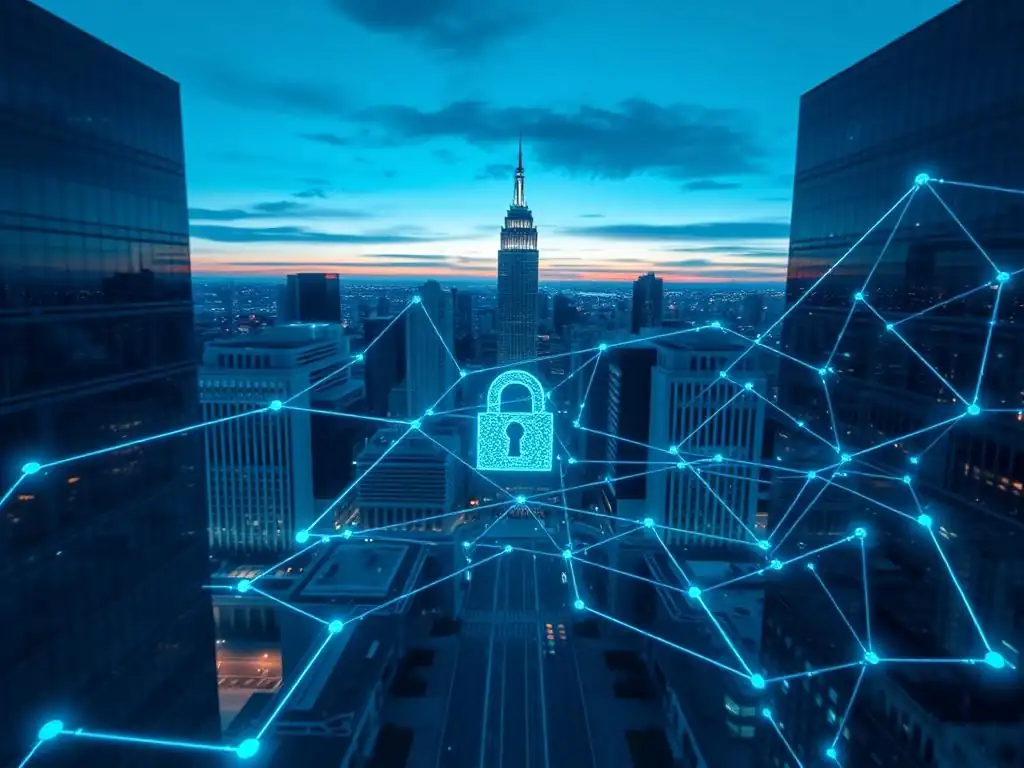
Welcome to Blockchain Trends, your compass navigating the decentralized future. Are you ready to uncover the transformative potential of blockchain beyond cryptocurrencies? Discover how governments are leveraging the synergistic power of Blockchain and IoT to revolutionize public services. Dive into our latest article and explore the exciting realm of Blockchain government IoT integration opportunities, and see how this dynamic duo is reshaping efficiency, transparency, and security in the public sector. What innovative applications are emerging, and what challenges lie ahead? Let's explore.
Government Adoption of Blockchain & IoT: Public Sector Use Cases and Opportunities
- Introduction: Unlocking Public Sector Efficiency with Blockchain and IoT
- Blockchain Government IoT Integration Opportunities: A Deep Dive
-
Real-World Blockchain and IoT Use Cases in Government
- Supply Chain Management: Enhancing Transparency and Accountability
- Identity Management: Secure and Efficient Citizen Verification
- Smart Cities: Optimizing Infrastructure and Resource Management
- Healthcare: Enhancing Data Security and Interoperability
- Land Registry: Secure and Transparent Property Records
- Overcoming Challenges in Blockchain and IoT Government Implementation
- The Future of Blockchain and IoT in the Public Sector
- Conclusion: Embracing the Potential of Blockchain and IoT for a Smarter Government
-
Frequently Asked Questions
- What are some potential use cases for blockchain and IoT integration in government?
- How can blockchain enhance the security of IoT devices in government applications?
- What are the main challenges hindering the adoption of blockchain and IoT in government sectors?
- What opportunities exist for businesses in facilitating blockchain government IoT integration?
- What role does regulation play in the future of blockchain government IoT integration opportunities?
- Final Reflection: Embracing the Future of Governance
- Reimagine Governance: Embrace Blockchain & IoT's Potential!
Introduction: Unlocking Public Sector Efficiency with Blockchain and IoT
The Convergence of Blockchain and IoT: A New Era for Government
The intersection of blockchain and the Internet of Things (IoT) presents a paradigm shift in how governments operate and deliver public services. Blockchain, with its inherent security, transparency, and immutability, complements the vast data generation capabilities of IoT devices. This synergy creates a powerful framework for enhancing efficiency, security, and accountability across various government functions.
Imagine a future where public services are not only more accessible but also demonstrably trustworthy and resistant to corruption, all thanks to the combined strengths of these transformative technologies. The integration of blockchain and IoT in government is not merely a technological upgrade; it represents a fundamental reimagining of public administration for the digital age.
The potential of this convergence is particularly relevant in an era where citizens demand greater transparency and efficiency from their governments. Traditional systems often struggle with data silos, security vulnerabilities, and a lack of public trust. By leveraging blockchain's distributed ledger technology alongside IoT's network of sensors and connected devices, governments can build more resilient, transparent, and citizen-centric services.
This technological evolution can lead to streamlined processes, reduced bureaucratic inefficiencies, and ultimately, a more responsive and accountable public sector. The combination of blockchain and IoT is poised to become a cornerstone of modern governance, ushering in an era of enhanced public service delivery.
Why Blockchain and IoT are Critical for Modernizing Public Services
Modernizing public services in the 21st century necessitates embracing technologies that can address the evolving needs and expectations of citizens. Blockchain and IoT are at the forefront of this modernization effort, offering solutions to long-standing challenges within government operations. IoT devices, ranging from sensors in infrastructure to wearable technology for public health monitoring, provide real-time data streams that can inform policy decisions and optimize resource allocation.
However, the sheer volume and sensitivity of this data demand robust security and integrity measures. This is where blockchain’s decentralized and tamper-proof nature becomes invaluable, ensuring data security and fostering trust in the information used for public service delivery.
Furthermore, the need for increased efficiency and reduced operational costs is a constant pressure on public sector organizations. Integrating blockchain and IoT can automate processes, eliminate intermediaries, and improve data management, leading to significant cost savings and improved service delivery.
For example, smart contracts on a blockchain can automate payments for social benefits based on data verified by IoT sensors, reducing administrative overhead and minimizing the potential for fraud. This synergy between blockchain and IoT not only enhances the efficiency of government operations but also strengthens citizen trust by ensuring transparency and accountability in how public resources are managed and services are delivered.
Blockchain Government IoT Integration Opportunities: A Deep Dive
Exploring the Synergies: Blockchain and IoT Working Together in Government
The true power of blockchain and IoT in government is unlocked when these technologies work in tandem. IoT devices act as the eyes and ears, collecting vast amounts of data from the physical world, while blockchain serves as the secure and transparent ledger for recording and verifying this data. This synergistic relationship creates a robust and reliable system for various public sector applications. Imagine environmental sensors collecting air quality data, which is then immutably recorded on a blockchain. Citizens can access this verified data with confidence, and government agencies can use it to implement targeted pollution control measures.
This integration goes beyond simple data collection and storage. Smart contracts, a key feature of blockchain technology, can be triggered by data inputs from IoT devices, automating actions and processes within government systems. For instance, in agriculture, IoT sensors monitoring crop health and soil conditions can trigger smart contracts to automatically release water or fertilizers, optimizing resource use and improving yields.
The blockchain ensures that these actions are transparently recorded and auditable, fostering trust and accountability in automated government processes. This convergence of blockchain and IoT provides a foundation for building intelligent and responsive public services that are both efficient and trustworthy.
Key Benefits of Integrating Blockchain and IoT in Government Operations
Integrating blockchain and IoT in government operations offers a multitude of benefits, fundamentally improving the efficiency, transparency, and security of public services. One primary advantage is enhanced data security and integrity. Blockchain's decentralized and cryptographic nature makes it extremely difficult to tamper with data, ensuring the reliability of information collected by IoT devices.
This is crucial for applications ranging from citizen identity verification to supply chain management, where data accuracy is paramount. For example, in Estonia's e-Residency program, blockchain is used to secure digital identities, while IoT could be used to verify physical presence for certain services, creating a multi-layered security approach.
Another significant benefit is increased transparency and accountability. Blockchain's immutable ledger provides a clear and auditable record of all transactions and data exchanges within a system. This transparency can significantly reduce corruption and build public trust in government operations.
Consider government procurement processes, often susceptible to fraud and inefficiency. Integrating IoT sensors to track goods and blockchain to record transactions creates an auditable trail, making it easier to identify and prevent irregularities. Furthermore, the automation capabilities enabled by smart contracts and IoT integration can streamline bureaucratic processes, reduce administrative costs, and improve the speed and efficiency of public service delivery, ultimately benefiting both government agencies and citizens.
Real-World Blockchain and IoT Use Cases in Government
Supply Chain Management: Enhancing Transparency and Accountability
Tracking and Tracing Pharmaceuticals with Blockchain and IoT
The pharmaceutical supply chain is notoriously complex and vulnerable to counterfeiting and inefficiencies. Integrating blockchain and IoT offers a powerful solution to enhance transparency and accountability in this critical sector. IoT sensors, embedded in packaging or transportation vehicles, can track the location, temperature, and humidity of pharmaceutical products in real-time, ensuring they are handled according to regulations and maintaining their efficacy. This data, recorded on a blockchain, creates an immutable record of the drug's journey from manufacturer to patient, drastically reducing the risk of counterfeit drugs entering the market.
For example, consider the global problem of counterfeit medications, estimated by the World Health Organization (WHO) to be a multi-billion dollar industry. By using IoT sensors to track temperature-sensitive vaccines and recording this data on a blockchain, governments can ensure vaccine integrity throughout the cold chain. This not only protects public health but also builds trust in the pharmaceutical supply chain. Furthermore, blockchain-based track and trace systems can streamline recalls and improve inventory management, reducing waste and optimizing resource allocation within government health agencies responsible for pharmaceutical distribution.
Combating Fraud in Government Procurement
Government procurement, involving billions of dollars annually, is often plagued by fraud and corruption. Blockchain and IoT integration offers tools to create more transparent and auditable procurement processes. IoT sensors can be used to track the delivery and receipt of goods and services procured by government agencies, providing verifiable evidence of contract fulfillment. This data, recorded on a blockchain, creates an immutable audit trail of the entire procurement process, from tendering to payment, making it significantly harder to manipulate or falsify records.
Imagine a scenario where a government agency contracts for road construction. IoT sensors embedded in construction equipment and materials can track progress, material usage, and compliance with quality standards. This data, recorded on a blockchain, provides real-time visibility and verifiable proof of work completed. This level of transparency can deter fraudulent claims and ensure that public funds are used effectively and accountably. Moreover, smart contracts on a blockchain can automate payments to contractors upon verification of milestones achieved through IoT data, further streamlining the process and reducing opportunities for corruption in government procurement.
Identity Management: Secure and Efficient Citizen Verification
Blockchain-Based Digital Identities for Government Services
Traditional identity management systems are often centralized, vulnerable to data breaches, and inefficient for citizens accessing government services. Blockchain-based digital identities offer a more secure, private, and citizen-centric approach. Using blockchain, citizens can control their own digital identities, sharing only necessary information with government agencies when accessing services. This self-sovereign identity model enhances privacy and reduces the risk of large-scale data breaches associated with centralized databases.
For instance, consider the example of digital identity initiatives in countries like Estonia and Switzerland. While not yet fully integrated with IoT, these systems demonstrate the potential of blockchain for secure digital identity management. Extending this with IoT could allow for physical verification of identity in conjunction with digital credentials. Imagine a citizen using a blockchain-based digital ID to access government buildings, with IoT-enabled access control systems verifying their credentials against the blockchain, creating a seamless and secure access experience. This combination enhances both security and convenience for citizens interacting with government services.
Streamlining Access to Public Benefits with IoT-Enabled Verification
Accessing public benefits often involves cumbersome bureaucratic processes and verification steps. Integrating IoT with blockchain-based identity systems can streamline these processes and improve efficiency. IoT devices can be used to verify eligibility criteria for certain benefits, such as residency or income levels, providing automated and verifiable data to trigger benefit disbursement. This reduces manual verification efforts, minimizes errors, and speeds up the process for citizens in need.
For example, consider the distribution of social welfare benefits. IoT sensors could be used to verify residency or presence in a specific location for benefit eligibility. This data, combined with blockchain-based identity verification, could automate the process of benefit distribution. Imagine a system where elderly citizens receive pension payments automatically verified by IoT sensors confirming their continued residency in the country, with payment transactions immutably recorded on a blockchain. This not only streamlines the process but also reduces the potential for fraud and ensures timely delivery of essential public benefits to eligible citizens.
Smart Cities: Optimizing Infrastructure and Resource Management
IoT Sensors and Blockchain for Real-Time Traffic Management
Urban traffic congestion is a major challenge for cities worldwide, leading to economic losses, environmental pollution, and reduced quality of life. Integrating IoT sensors with blockchain can create intelligent traffic management systems that optimize traffic flow in real-time. IoT sensors embedded in roads, traffic lights, and vehicles can collect data on traffic volume, speed, and congestion points. This data, securely recorded on a blockchain, provides a reliable and transparent basis for real-time traffic management decisions.
For instance, cities like Barcelona and Singapore are already deploying smart city initiatives that leverage IoT for traffic management. Adding a blockchain layer to these systems can enhance data security and transparency. Imagine a system where traffic light timings are dynamically adjusted based on real-time data from IoT sensors, with these adjustments recorded on a blockchain for auditability and transparency. This not only optimizes traffic flow but also allows citizens to verify the fairness and effectiveness of traffic management policies, fostering greater trust in city governance.
Improving Public Safety and Security with Blockchain-Secured IoT Data
Public safety and security are paramount concerns for governments. Integrating IoT sensors with blockchain can enhance public safety by providing real-time situational awareness and improving incident response. IoT devices, such as surveillance cameras, gunshot detection sensors, and environmental monitors, can collect critical data related to public safety. Securing this data on a blockchain ensures its integrity and prevents tampering, providing law enforcement and emergency responders with reliable information for effective incident management.
Consider the use of body-worn cameras by police officers. Footage captured by these cameras can be securely stored on a blockchain, ensuring its tamper-proof nature and providing an auditable record of events. Combining this with IoT-enabled sensors that detect gunshots or environmental hazards, and recording all data on a blockchain, creates a comprehensive and secure public safety network. This improves situational awareness for law enforcement, enhances accountability, and ultimately contributes to safer and more secure communities.
Healthcare: Enhancing Data Security and Interoperability
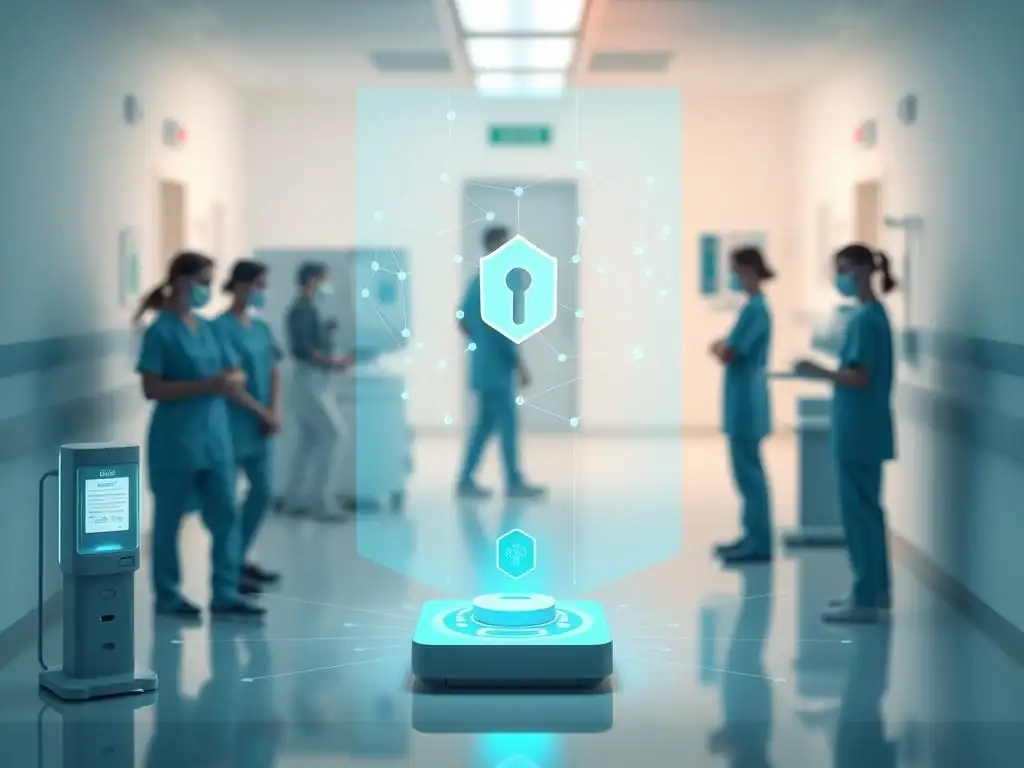
Blockchain for Securely Sharing Patient Data Across Government Agencies
Patient data security and interoperability are critical challenges in healthcare systems. Blockchain technology offers a solution for securely sharing patient data across different government healthcare agencies while maintaining patient privacy and control. By using blockchain, patient data can be stored in a decentralized and encrypted manner, with patients having control over who can access their information. This enhances data security, improves data interoperability between different healthcare providers, and empowers patients with greater control over their health records.
For example, initiatives like the Estonian e-Health system demonstrate the potential of blockchain for secure healthcare data management. While currently not heavily reliant on IoT, integrating IoT devices for remote patient monitoring could further enhance the system. Imagine a scenario where patient data, collected from wearable IoT devices monitoring vital signs, is securely stored and shared across different government healthcare agencies using blockchain. This enables seamless access to patient information for authorized healthcare professionals, improving care coordination and outcomes while maintaining patient data privacy and security.
IoT-Enabled Remote Patient Monitoring and Blockchain Verification
Remote patient monitoring using IoT devices offers significant benefits for improving healthcare accessibility and reducing costs, particularly for elderly or chronically ill patients. Integrating blockchain with IoT-based remote patient monitoring adds an extra layer of security and trust to the collected data. Data from wearable sensors monitoring vital signs or medication adherence can be securely recorded on a blockchain, ensuring its integrity and providing verifiable evidence for healthcare providers and patients.
Consider the management of chronic conditions like diabetes. IoT-enabled glucose monitors can continuously track blood sugar levels, transmitting this data securely to a blockchain. Healthcare providers can access this verified data to remotely monitor patients, provide timely interventions, and adjust treatment plans. Patients benefit from improved monitoring and personalized care, while healthcare systems can reduce hospital readmissions and improve resource allocation. Blockchain ensures the integrity of the data and builds trust in remote patient monitoring systems, making them a more viable and secure option for government healthcare services.
Land Registry: Secure and Transparent Property Records
Blockchain for Immutable and Accessible Land Ownership Data
Traditional land registry systems are often paper-based, inefficient, and vulnerable to fraud and disputes. Blockchain technology offers a solution for creating secure, transparent, and immutable land ownership records. By recording land titles and ownership information on a blockchain, governments can create a tamper-proof and publicly accessible land registry. This reduces the risk of land fraud, simplifies property transactions, and enhances transparency in land administration.
Countries like Georgia and Sweden have been exploring blockchain for land registry, demonstrating its potential for improving land administration. While not yet widely integrated with IoT, the combination offers further possibilities. Imagine a future where land ownership records are stored on a blockchain, accessible to authorized parties, and verified by IoT-based boundary monitoring. This creates a highly secure and transparent land registry system, reducing disputes and fostering greater trust in property rights.
Reducing Land Disputes with IoT-Based Verification of Boundaries
Land disputes are a significant source of conflict and legal battles in many regions. Integrating IoT with blockchain-based land registries can help reduce land disputes by providing verifiable and accurate boundary information. IoT sensors, such as GPS devices and boundary markers, can be used to digitally map and monitor land boundaries. This data, recorded on a blockchain alongside land ownership records, provides irrefutable evidence of property boundaries, minimizing ambiguity and reducing the potential for disputes.
Consider the challenge of resolving boundary disputes in rural areas where traditional land surveys may be outdated or inaccurate. IoT-enabled boundary markers and drone-based land surveying can provide precise and verifiable boundary data. Recording this data on a blockchain alongside land ownership records creates a comprehensive and tamper-proof land registry system. This not only reduces land disputes but also streamlines land transactions and enhances the overall efficiency and transparency of land administration within government.
Overcoming Challenges in Blockchain and IoT Government Implementation
Addressing Security Concerns and Data Privacy
While blockchain and IoT offer enhanced security features, their implementation in government must carefully address security concerns and data privacy. Ensuring the security of IoT devices themselves is crucial, as they can be vulnerable to hacking and manipulation. Robust security protocols, device authentication, and regular security audits are necessary to mitigate these risks. Furthermore, data privacy must be a central consideration, particularly when dealing with sensitive citizen data.
Implementing privacy-preserving techniques, such as data anonymization and encryption, is essential. Governments must also comply with relevant data protection regulations, such as GDPR, when deploying blockchain and IoT solutions. A well-defined data governance framework, outlining data access controls, data retention policies, and data breach response procedures, is critical for responsible and secure implementation of blockchain and IoT in government. Balancing the benefits of these technologies with robust security and data privacy measures is paramount for successful and trustworthy adoption.
The regulatory landscape for blockchain and IoT is still evolving, and governments must navigate various legal and compliance hurdles when implementing these technologies. Existing regulations may not be fully adapted to the decentralized and data-intensive nature of blockchain and IoT systems. Governments need to proactively engage with regulatory bodies to clarify legal frameworks and ensure compliance. This may involve developing new regulations or adapting existing ones to address the specific challenges and opportunities presented by blockchain and IoT.
Furthermore, interoperability standards and data sharing agreements need to be established to facilitate seamless integration of blockchain and IoT systems across different government agencies and jurisdictions. Collaboration between government agencies, technology providers, and legal experts is crucial for navigating the regulatory landscape and establishing clear guidelines for responsible and compliant implementation of blockchain and IoT in the public sector. Addressing these regulatory hurdles proactively will pave the way for wider and more effective adoption of these transformative technologies.
Ensuring Interoperability and Scalability of Blockchain and IoT Systems
Interoperability and scalability are critical considerations for successful large-scale government implementation of blockchain and IoT. Different blockchain platforms and IoT devices may use varying protocols and standards, hindering seamless integration and data exchange. Ensuring interoperability requires adopting open standards and protocols that facilitate communication and data sharing between different systems. This may involve developing common APIs and data formats to enable different blockchain and IoT platforms to work together effectively.
Scalability is also crucial, especially for government applications that need to handle large volumes of data and transactions. Blockchain networks need to be designed to scale to meet the demands of government operations, ensuring that transaction speeds and throughput are sufficient. Exploring different blockchain architectures, such as layer-2 solutions and sharding, can help improve scalability. Furthermore, optimizing IoT network infrastructure and data management strategies is essential for handling the massive data streams generated by IoT devices. Addressing interoperability and scalability challenges is crucial for realizing the full potential of blockchain and IoT in transforming government services at scale.
The Future of Blockchain and IoT in the Public Sector
Emerging Trends and Innovations in Government Blockchain and IoT
The future of blockchain and IoT in the public sector is ripe with emerging trends and innovations that promise to further revolutionize government operations. One key trend is the increasing use of Artificial Intelligence (AI) in conjunction with blockchain and IoT. AI can analyze the vast datasets generated by IoT devices and secured by blockchain to provide insights and automate decision-making in various government applications. For instance, AI algorithms can analyze traffic data from IoT sensors to optimize traffic flow or predict infrastructure maintenance needs.
Another emerging trend is the development of decentralized autonomous organizations (DAOs) for public service delivery. DAOs, governed by smart contracts on a blockchain, can automate the delivery of public services in a transparent and efficient manner. Combining DAOs with IoT can create self-governing systems that autonomously manage public infrastructure or deliver social benefits based on real-time data from IoT sensors. These innovations point towards a future where government services are more intelligent, automated, and citizen-centric, powered by the convergence of blockchain, IoT, and AI.
Policy Recommendations for Fostering Blockchain and IoT Adoption
To fully realize the transformative potential of blockchain and IoT in the public sector, governments need to implement proactive policies that foster adoption and innovation. One key policy recommendation is to invest in research and development of blockchain and IoT technologies for public sector applications. This includes funding pilot projects, supporting academic research, and creating innovation hubs that foster collaboration between government, industry, and academia. Governments should also develop clear regulatory frameworks that provide legal certainty and encourage responsible innovation in the blockchain and IoT space.
Furthermore, investing in digital literacy and skills development is crucial for successful adoption. Training government employees in blockchain and IoT technologies, as well as educating citizens about the benefits and risks, is essential for building a digitally literate society that can effectively utilize these technologies. Promoting open data policies and data sharing frameworks can also facilitate innovation and collaboration in the blockchain and IoT ecosystem. By implementing these policy recommendations, governments can create an enabling environment for widespread and beneficial adoption of blockchain and IoT in the public sector.
Decentralized Autonomous Organizations (DAOs) for Public Service Delivery
Decentralized Autonomous Organizations (DAOs) represent a novel approach to public service delivery, leveraging blockchain technology to create transparent, efficient, and citizen-centric organizations. DAOs are governed by smart contracts on a blockchain, automating decision-making and resource allocation based on pre-defined rules and community consensus. This decentralized governance model can enhance transparency, reduce bureaucracy, and improve accountability in public service delivery.
Imagine a DAO managing a public park, with smart contracts automating maintenance schedules based on data from IoT sensors monitoring park usage and environmental conditions. Citizens could participate in the DAO's governance through tokenized voting, influencing park policies and resource allocation. DAOs can be particularly beneficial for delivering services that require community participation and transparency, such as local infrastructure management, community resource allocation, or participatory budgeting initiatives. Exploring the potential of DAOs for public service delivery represents a significant step towards more decentralized and citizen-empowered governance models.
Conclusion: Embracing the Potential of Blockchain and IoT for a Smarter Government
The Transformative Power of Blockchain and IoT for Public Services
The convergence of blockchain and IoT holds immense transformative power for public services, offering unprecedented opportunities to enhance efficiency, security, transparency, and citizen engagement. From streamlining supply chains and securing digital identities to optimizing smart cities and improving healthcare, the use cases for blockchain and IoT in government are vast and varied. These technologies are not merely incremental improvements; they represent a fundamental shift towards a more data-driven, responsive, and accountable public sector.
By embracing blockchain and IoT, governments can build more resilient and trustworthy systems, reduce bureaucratic inefficiencies, and deliver public services that are better aligned with the needs and expectations of citizens in the digital age. The integration of these technologies is not just a technological upgrade; it is a strategic imperative for governments seeking to modernize their operations and build a smarter, more citizen-centric future.
Call to Action: Encouraging Government Innovation with Blockchain and IoT
The time for governments to embrace the potential of blockchain and IoT is now. Proactive experimentation, strategic investments, and supportive policy frameworks are essential to unlock the full benefits of these transformative technologies for the public sector. Governments should encourage innovation by funding pilot projects, fostering collaboration between public and private sectors, and developing clear regulatory guidelines that promote responsible adoption.
By taking decisive action to explore and implement blockchain and IoT solutions, governments can pave the way for a new era of public service delivery, characterized by enhanced efficiency, transparency, security, and citizen empowerment. Embracing these technologies is not just about keeping pace with technological advancements; it is about building a smarter, more responsive, and ultimately, more effective government for the benefit of all citizens.
Frequently Asked Questions
What are some potential use cases for blockchain and IoT integration in government?
Blockchain and IoT can be used for secure data management in areas like supply chain tracking, identity verification, and smart city infrastructure. This improves transparency and reduces fraud.
How can blockchain enhance the security of IoT devices in government applications?
Blockchain provides a decentralized and immutable ledger, making it difficult for hackers to tamper with IoT device data or control the devices themselves. This ensures data integrity and device security.
What are the main challenges hindering the adoption of blockchain and IoT in government sectors?
Challenges include regulatory uncertainty, a lack of skilled personnel with expertise in both technologies, and the need for interoperability between different government systems.
What opportunities exist for businesses in facilitating blockchain government IoT integration?
Businesses can provide consulting services, develop custom blockchain-based solutions, and offer secure IoT device management platforms tailored to the specific needs of government agencies.
What role does regulation play in the future of blockchain government IoT integration opportunities?
Clear and supportive regulations are crucial for fostering trust and adoption. They should address data privacy concerns, security standards, and the legal status of blockchain-based transactions.
Final Reflection: Embracing the Future of Governance
The exploration of blockchain and IoT integration within the public sector reveals not just technological advancements, but a fundamental shift in how governments can operate. The potential for increased transparency, efficiency, and citizen engagement is undeniable, offering a pathway towards a more accountable and responsive governance model. This is not merely a futuristic concept; the seeds of this transformation are already being sown, demanding careful consideration and proactive planning from policymakers and technologists alike.
The convergence of blockchain and IoT is poised to reshape the cultural landscape of public service, fostering a new era of trust and collaboration. Personally, I find the prospect of verifiable data and automated processes incredibly compelling, offering a tangible solution to long-standing issues of bureaucratic inefficiency and corruption. The best way to predict the future is to create it.
- Peter Drucker. This quote encapsulates the spirit of innovation that must drive the adoption of these technologies, ensuring they are implemented ethically and effectively to serve the best interests of the public.
As we stand at the cusp of this technological revolution, I urge you, the reader, to consider the implications of blockchain and IoT for your own community and nation. Reflect on how these technologies can be harnessed to address pressing challenges, from streamlining public services to enhancing cybersecurity. Embrace the opportunity to become an informed and engaged citizen, advocating for responsible innovation and shaping a future where technology empowers governments to better serve the people.
Reimagine Governance: Embrace Blockchain & IoT's Potential!
Thank you for exploring the transformative potential of blockchain and IoT within the public sector. We hope you’ve gained valuable insights into how these technologies can reshape governance for the better. Now, let's put that knowledge into action!
Here are a few ways you can champion this innovative shift:
- Identify a specific inefficiency within your local government where blockchain or IoT could provide a solution. Think creatively! What processes are overly complex, lack transparency, or could benefit from enhanced security?
- Share this article with your network—policymakers, tech enthusiasts, and community leaders—to spark conversations and encourage further exploration.
- Explore other articles on government innovation and contribute to the discussions in the comments section. Let's build a collective understanding of how to leverage these technologies responsibly.
What's one concrete step you can take this week to advocate for the responsible implementation of blockchain or IoT solutions within your local government? Share your ideas below!
Leave a Reply