
Healthcare Hurdles: Overcoming Data Silos in BlockchainPowered IoT Medical Systems


Welcome to Blockchain Trends, where we delve into the revolutionary applications of blockchain beyond the hype. Are you ready to uncover the hidden potential of blockchain in transforming industries? This week, we're tackling a critical challenge: how can blockchain break down healthcare data silos? Join us as we explore the future of decentralized systems and the innovative solutions emerging in Blockchain-powered IoT medical systems, promising a more efficient and secure healthcare landscape. Discover how blockchain can revolutionize data management and patient care - the answer might surprise you!
Healthcare Hurdles: Overcoming Data Silos in Blockchain-Powered IoT Medical Systems
- Introduction: The Promise and Peril of IoT in Healthcare
- Understanding Healthcare Data Silos
- Blockchain's Role in Breaking Down Data Silos in Healthcare
- Benefits of Blockchain-Enabled Data Sharing in Healthcare
- Use Cases: Blockchain Solving Data Silos in Healthcare IoT
- Overcoming the Challenges of Implementing Blockchain in Healthcare
- Strategies for Successful Implementation of Blockchain in Healthcare IoT
- The Future of Blockchain and IoT in Healthcare: A Connected Ecosystem
- Conclusion: Embracing Blockchain for a Data-Driven Healthcare Future
-
Frequently Asked Questions
- How can blockchain technology help address healthcare data silos?
- What are the key benefits of using blockchain in IoT medical systems for managing healthcare data?
- What regulatory challenges exist regarding the use of blockchain for healthcare data, especially concerning patient privacy?
- Beyond data security, what other applications of blockchain are being explored in healthcare IoT?
- What is the future outlook for blockchain adoption in healthcare, particularly in overcoming data silos within IoT medical systems?
- Final Reflection: Bridging the Gaps in Healthcare's Future
- Unleash the Power: Become a Data-Sharing Champion!
Introduction: The Promise and Peril of IoT in Healthcare
The Revolution of IoT Devices in Medicine
The Internet of Things (IoT) has ushered in a transformative era for medicine, promising to revolutionize patient care, enhance diagnostic accuracy, and streamline healthcare operations. From wearable fitness trackers that monitor vital signs to sophisticated implantable devices and smart hospital beds, IoT devices are generating an unprecedented volume of healthcare data. This surge in data production offers immense potential for personalized medicine, predictive analytics, and proactive healthcare management.
Consider, for instance, continuous glucose monitors (CGMs) for diabetic patients, which provide real-time blood sugar levels, enabling immediate adjustments to insulin dosages and lifestyle choices. Similarly, smart inhalers can track medication usage and environmental factors, helping asthma patients manage their condition more effectively. The proliferation of these devices signifies a paradigm shift towards data-driven healthcare.
The integration of IoT in healthcare is not merely about collecting data; it is about creating a connected ecosystem that fosters proactive and preventative care. Imagine a scenario where a patient's wearable device detects early signs of cardiac distress, automatically alerting both the patient and their physician, potentially preventing a serious medical event. Remote patient monitoring (RPM) enabled by IoT devices is already reducing hospital readmission rates and improving outcomes for chronic conditions like heart failure and COPD.
Furthermore, smart sensors embedded in medical equipment can predict maintenance needs, minimizing downtime and ensuring optimal performance. This interconnectedness promises to move healthcare from a reactive, episodic model to a proactive, continuous, and patient-centric approach, driven by the insights gleaned from IoT data.
The Challenge of Data Silos in Healthcare IoT
Despite the revolutionary potential, the current landscape of healthcare IoT is plagued by a significant obstacle: data silos. These silos, characterized by fragmented and isolated data repositories, hinder the seamless flow of information across different healthcare providers, systems, and devices. In a typical healthcare setting, data from wearable devices, electronic health records (EHRs), lab systems, and imaging departments often reside in disparate databases with limited interoperability.
This lack of integration prevents a holistic view of patient health, limiting the ability to derive meaningful insights and deliver coordinated care. For example, data collected by a patient's fitness tracker might not be readily accessible to their primary care physician through the EHR system, hindering a complete understanding of the patient's lifestyle and health trends.
The challenge of healthcare data silos is exacerbated by the rapid expansion of the IoT ecosystem. As more devices and platforms enter the market, the complexity of data management and integration increases exponentially. Each device and system often comes with its proprietary data format and communication protocols, making it difficult to aggregate and analyze data across different sources.
This fragmentation not only limits the potential of IoT in healthcare but also poses risks to patient safety and operational efficiency. The inability to effectively share and analyze data across the healthcare continuum represents a critical bottleneck in realizing the full promise of blockchain-powered IoT medical systems and necessitates urgent attention to interoperability and data integration solutions.
Understanding Healthcare Data Silos
Defining Healthcare Data Silos: What Are They?
Healthcare data silos are essentially fragmented repositories of patient information that are isolated and inaccessible to different stakeholders within the healthcare ecosystem. These silos exist when patient data is stored in separate systems or departments, unable to communicate or share information effectively. Imagine a hospital where the radiology department uses a different system than the cardiology department, and neither system is integrated with the hospital's main EHR.
In this scenario, a cardiologist might not have immediate access to a patient's recent X-ray results, leading to delays in diagnosis or treatment decisions. This lack of data flow creates inefficiencies and can compromise the quality of care.
Data silos are not just limited to departmental divisions within hospitals. They also extend across different healthcare organizations, such as primary care clinics, specialist practices, and laboratories. For instance, a patient's medical history at their primary care physician's office may not be readily available to a specialist they consult at a different clinic.
This fragmentation is further compounded by the increasing use of personal health devices and apps, which often operate independently from formal healthcare systems. The result is a fractured and incomplete view of the patient’s health journey, hindering comprehensive care coordination and informed decision-making. Effectively, blockchain healthcare data silos represent a significant impediment to achieving truly patient-centric and efficient healthcare delivery.
The Root Causes of Data Silos in Medical IoT Systems
Several factors contribute to the formation of data silos in medical IoT systems. One primary cause is the lack of interoperability standards and protocols across different device manufacturers and software vendors. Each vendor may develop systems that are optimized for their specific products, often using proprietary data formats and communication methods that are incompatible with others.
This vendor lock-in makes it challenging and costly to integrate data from diverse IoT devices and platforms into a unified system. For example, a hospital might use patient monitoring devices from multiple vendors, each with its own data management software, creating islands of information that are difficult to consolidate.
Another significant root cause is the historical evolution of healthcare IT infrastructure. Many healthcare organizations have implemented systems incrementally over time, often adopting point solutions to address specific needs without a comprehensive data integration strategy. This piecemeal approach has resulted in a patchwork of legacy systems that are not designed to communicate with each other.
Furthermore, organizational structures and departmental silos within healthcare institutions often mirror and reinforce data silos. Departments may operate independently, with limited incentives or mechanisms for data sharing and collaboration. Addressing blockchain healthcare data silos requires a multifaceted approach that tackles both technological and organizational barriers to interoperability and data integration.
Impact of Data Silos on Patient Care and Research
The consequences of data silos in healthcare are far-reaching and significantly impact both patient care and medical research. For patients, data silos can lead to fragmented and uncoordinated care, increasing the risk of medical errors and adverse events. When healthcare providers lack a complete view of a patient's medical history, they may make suboptimal decisions, order redundant tests, or prescribe medications that interact negatively with existing conditions.
Consider a patient with a complex medical history who sees multiple specialists at different hospitals. If their medical records are not seamlessly shared, each specialist may only have a partial understanding of their overall health status, potentially leading to misdiagnosis or ineffective treatment plans.
Moreover, data silos hinder medical research and innovation. Large-scale data analysis is crucial for identifying disease patterns, developing new treatments, and improving public health outcomes. However, when patient data is fragmented and inaccessible, researchers face significant challenges in obtaining the comprehensive datasets needed for meaningful analysis.
For instance, researchers studying the effectiveness of a new cancer therapy might struggle to gather data from multiple hospitals due to data silo issues, slowing down the pace of discovery and hindering advancements in cancer care. Overcoming blockchain healthcare data silos is therefore not just about improving individual patient care but also about accelerating medical progress and improving population health on a broader scale.
The Need for Interoperability in Healthcare Data Management
Interoperability is the key to breaking down healthcare data silos and realizing the full potential of blockchain-powered IoT medical systems. Interoperability refers to the ability of different information systems, devices, and applications to access, exchange, and use data in a coordinated manner within and across organizational boundaries. In healthcare, this means ensuring that data generated by IoT devices, EHRs, lab systems, and other sources can be seamlessly integrated and shared among authorized stakeholders, including patients, providers, and researchers. Achieving interoperability requires the adoption of standardized data formats, communication protocols, and application programming interfaces (APIs).
The benefits of interoperable healthcare data management are substantial. For patients, it means more coordinated and personalized care, reduced medical errors, and greater control over their health information. For providers, it means improved access to comprehensive patient data, enhanced clinical decision support, and streamlined workflows.
For researchers, it means access to larger and more diverse datasets, accelerating medical discoveries and innovation. Various initiatives, such as HL7 FHIR (Fast Healthcare Interoperability Resources), are promoting interoperability standards in healthcare. Blockchain technology, with its inherent capabilities for secure and transparent data sharing, offers a promising approach to further enhance interoperability and overcome the challenges of blockchain healthcare data silos in the IoT era.
Blockchain's Role in Breaking Down Data Silos in Healthcare
How Blockchain Technology Addresses Data Silos
Blockchain technology offers a unique and powerful solution to address the pervasive problem of data silos in healthcare, particularly within IoT medical systems. At its core, blockchain is a decentralized, distributed ledger that records transactions across many computers. In the context of healthcare data, blockchain can create a shared, immutable, and auditable record of patient information, accessible to authorized participants across different healthcare entities.
Unlike traditional centralized databases, blockchain eliminates the single point of failure and control, fostering trust and transparency among stakeholders. This decentralized nature is crucial for breaking down silos because it enables data sharing without requiring a central authority to manage and control all information.
Blockchain achieves this by using cryptographic techniques to secure data and ensure its integrity. Each block in the chain contains a set of transactions, and once a block is added to the chain, it cannot be altered or deleted, creating an immutable audit trail.
Smart contracts, self-executing agreements written in code and stored on the blockchain, can automate data access and sharing permissions, ensuring that only authorized parties can access specific patient information. By leveraging these features, blockchain can establish a secure and transparent infrastructure for sharing healthcare data across disparate systems and organizations, effectively dismantling blockchain healthcare data silos and promoting seamless information flow.
Enhanced Data Security and Privacy with Blockchain
Data security and patient privacy are paramount concerns in healthcare, and blockchain technology offers significant enhancements in these areas compared to traditional systems. Blockchain's inherent security features, such as cryptography and decentralization, make it highly resistant to data breaches and unauthorized access. Each transaction on the blockchain is cryptographically secured, making it extremely difficult for malicious actors to tamper with or alter data. Furthermore, the distributed nature of blockchain reduces the risk of a single point of failure, as data is replicated across multiple nodes, making it more resilient to cyberattacks.
Beyond security, blockchain can also enhance patient privacy through features like pseudonymization and granular access control. Patient identities can be pseudonymized on the blockchain, protecting sensitive personal information while still allowing for data analysis and sharing for legitimate purposes. Smart contracts can enforce fine-grained access control policies, ensuring that patients have greater control over who can access their data and for what purpose.
For instance, a patient could grant temporary access to their medical records to a specialist for a specific consultation and revoke access afterward. This combination of enhanced security and privacy features makes blockchain a compelling technology for building trust and confidence in healthcare data sharing ecosystems, essential for overcoming blockchain healthcare data silos.
Improved Data Interoperability and Accessibility
Blockchain technology is instrumental in improving data interoperability and accessibility in healthcare, two critical factors in dismantling data silos. By providing a shared and standardized platform for data exchange, blockchain can bridge the gaps between disparate healthcare systems and devices. The use of open standards and APIs in blockchain solutions can facilitate seamless integration with existing EHR systems, IoT devices, and other healthcare applications. This interoperability allows for a more holistic view of patient data, regardless of where it originates, enabling better-informed clinical decisions and more coordinated care delivery.
Moreover, blockchain can enhance data accessibility for authorized stakeholders, including patients, providers, and researchers. Patients can have greater access to their own medical records, empowering them to actively participate in their care and manage their health information. Healthcare providers can gain access to a more complete and longitudinal patient record, improving diagnostic accuracy and treatment effectiveness.
Researchers can leverage aggregated and anonymized data from blockchain networks to conduct large-scale studies and accelerate medical discoveries. By fostering interoperability and accessibility, blockchain technology paves the way for a more connected and data-driven healthcare ecosystem, effectively addressing the challenges posed by blockchain healthcare data silos.
Real-Time Data Sharing and Collaboration Enabled by Blockchain
One of the most transformative aspects of blockchain in healthcare is its ability to enable real-time data sharing and collaboration among healthcare professionals and patients. Traditional healthcare data exchange methods often involve delays and cumbersome processes, hindering timely access to critical information. Blockchain, with its distributed and synchronized ledger, facilitates near real-time updates and data sharing across the network. This real-time capability is particularly valuable in emergency situations or when coordinating care for patients with complex conditions requiring input from multiple specialists.
Furthermore, blockchain can foster enhanced collaboration among healthcare providers by providing a secure and transparent platform for communication and data exchange. Smart contracts can automate workflows and streamline processes, such as referrals, consultations, and care coordination. For example, a blockchain-based system could automatically route patient referrals to specialists based on pre-defined criteria and ensure that all relevant medical information is securely shared with the specialist in real-time.
This improved collaboration and real-time data access can lead to faster diagnoses, more efficient treatment plans, and ultimately, better patient outcomes. The ability to break down blockchain healthcare data silos and enable seamless real-time data sharing represents a significant leap forward in healthcare delivery.
Benefits of Blockchain-Enabled Data Sharing in Healthcare
Enhanced Patient Empowerment and Control Over Data
Blockchain technology in healthcare fundamentally shifts the power dynamic regarding patient data, moving towards greater patient empowerment and control. In traditional healthcare systems, patients often have limited access to and control over their own medical records, which are typically managed and stored by healthcare providers. Blockchain, with its decentralized and patient-centric approach, can give patients greater ownership and agency over their health information. Patients can use blockchain-based platforms to securely access, manage, and share their medical data with whomever they choose, granting or revoking access permissions as needed.
This enhanced control empowers patients to become active participants in their healthcare journey. They can share their data with different providers without fear of fragmentation or loss of information, ensuring a more complete and consistent medical history across all care settings. Patients can also choose to selectively share their data for research purposes, contributing to medical advancements while maintaining control over their privacy.
This shift towards patient-centric data management, facilitated by blockchain, can foster greater trust in the healthcare system and encourage patients to be more proactive in managing their own health. Overcoming blockchain healthcare data silos is crucial for realizing this vision of patient-empowered healthcare.
Improved Clinical Decision-Making and Treatment Outcomes
Access to comprehensive and integrated patient data is paramount for effective clinical decision-making, and blockchain-enabled data sharing directly contributes to improved treatment outcomes. When healthcare providers have a holistic view of a patient's medical history, including data from various sources like IoT devices, EHRs, and labs, they can make more informed diagnoses, develop more personalized treatment plans, and monitor patient progress more effectively. By breaking down blockchain healthcare data silos, blockchain facilitates the aggregation of patient data from disparate systems, providing clinicians with a richer and more complete picture of the patient's health status.
For instance, in chronic disease management, real-time data from wearable devices combined with EHR data can provide clinicians with valuable insights into patient adherence to treatment plans, lifestyle factors, and early warning signs of complications. This comprehensive data can enable proactive interventions and timely adjustments to treatment, leading to improved patient outcomes and reduced hospitalizations.
Furthermore, blockchain's ability to ensure data integrity and provenance enhances the reliability of clinical data, giving clinicians greater confidence in their decision-making. Ultimately, blockchain-enabled data sharing empowers healthcare providers to deliver more precise, personalized, and effective care, leading to better patient outcomes and a more efficient healthcare system.
Streamlined Healthcare Operations and Reduced Costs
Beyond improving patient care, blockchain technology also offers significant potential to streamline healthcare operations and reduce costs. Data silos often lead to inefficiencies, redundancies, and increased administrative burden in healthcare organizations. For example, lack of interoperability can result in duplicated data entry, redundant testing, and delays in information retrieval, all of which contribute to higher operational costs. Blockchain-enabled data sharing can eliminate many of these inefficiencies by creating a more streamlined and integrated healthcare ecosystem.
By automating data exchange and streamlining administrative processes through smart contracts, blockchain can reduce manual paperwork, minimize errors, and accelerate workflows. For instance, blockchain can automate insurance claims processing, reducing administrative overhead and speeding up reimbursements. Supply chain management in pharmaceuticals can also be optimized using blockchain to track drug provenance and prevent counterfeit medications, reducing losses and ensuring patient safety.
Furthermore, by improving data accuracy and reducing redundancies, blockchain can contribute to cost savings in areas such as medical testing and administrative overhead. Overcoming blockchain healthcare data silos is therefore not only beneficial for patient care but also for the financial sustainability of the healthcare system.
Acceleration of Medical Research and Innovation
The availability of large, high-quality datasets is crucial for medical research and innovation, and blockchain-enabled data sharing can significantly accelerate progress in this domain. Data silos currently limit researchers' access to comprehensive patient data, hindering large-scale studies and slowing down the pace of discovery. Blockchain can overcome these limitations by creating secure and privacy-preserving platforms for researchers to access aggregated and anonymized patient data from multiple sources. This access to larger and more diverse datasets can empower researchers to identify disease patterns, develop new treatments, and improve public health outcomes more effectively.
Blockchain can also facilitate data sharing and collaboration among researchers across different institutions and countries, fostering global scientific collaboration and accelerating the translation of research findings into clinical practice. Furthermore, blockchain can enhance the transparency and reproducibility of research findings by providing an immutable audit trail of data provenance and analysis methods. By breaking down blockchain healthcare data silos and enabling secure and ethical data sharing for research purposes, blockchain technology can unlock new frontiers in medical innovation and contribute to a healthier future for all.
Use Cases: Blockchain Solving Data Silos in Healthcare IoT
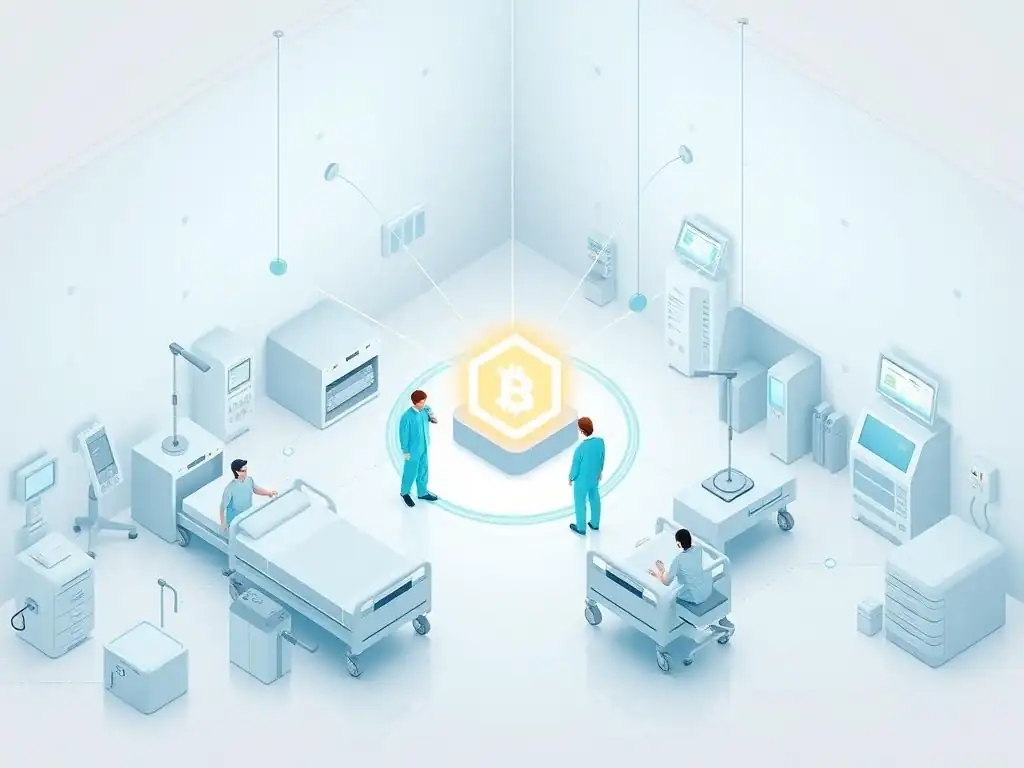
Use Case 1: Remote Patient Monitoring for Chronic Disease Management
Remote patient monitoring (RPM) is transforming chronic disease management, and blockchain can significantly enhance its effectiveness by addressing data silo challenges. Consider a patient with diabetes who uses a continuous glucose monitor (CGM), a smart insulin pen, and a wearable activity tracker.
Currently, data from these devices may be stored in separate apps or platforms, making it difficult for the patient and their care team to get a unified view of their condition. Blockchain can create a secure and interoperable platform to aggregate data from these disparate IoT devices, providing a holistic view of the patient's health status in real-time.
Using blockchain, data from the CGM, insulin pen, and activity tracker can be securely recorded and shared with the patient's physician and other authorized caregivers. Smart contracts can be used to trigger alerts based on predefined thresholds, such as abnormal glucose levels or inactivity patterns, enabling timely interventions.
This real-time and integrated data can empower physicians to make more informed decisions about medication adjustments, lifestyle recommendations, and preventative care strategies for diabetic patients. Blockchain-enabled RPM systems can also improve patient engagement by providing them with a centralized platform to track their progress, communicate with their care team, and actively manage their chronic condition, effectively addressing blockchain healthcare data silos in RPM.
Use Case 2: Secure Medical Record Sharing Across Healthcare Providers
Seamless and secure medical record sharing across healthcare providers is essential for coordinated and patient-centric care, and blockchain offers a robust solution to overcome data silos in this context. Imagine a patient who visits their primary care physician, a specialist, and a physical therapist, all within different healthcare organizations.
Currently, sharing medical records between these providers can be cumbersome, time-consuming, and prone to errors, often relying on faxing or manual transfer of documents. Blockchain can create a secure and interoperable platform for sharing medical records electronically across different healthcare entities, ensuring that authorized providers have timely access to complete and up-to-date patient information.
With a blockchain-based system, patient medical records can be stored in a decentralized and encrypted manner, with patients controlling access permissions. When a patient visits a new provider, they can grant temporary access to their medical records on the blockchain, allowing the provider to securely view their medical history, medications, allergies, and test results.
This streamlined and secure data sharing can eliminate redundant paperwork, reduce medical errors, and improve care coordination, particularly for patients with complex medical needs or those seeking care from multiple providers. Blockchain’s ability to break down blockchain healthcare data silos makes it ideal for creating a truly interconnected and patient-centric healthcare record system.
Use Case 3: Pharmaceutical Supply Chain Transparency and Traceability
The pharmaceutical supply chain is complex and vulnerable to counterfeiting, posing significant risks to patient safety. Data silos within the pharmaceutical supply chain hinder transparency and traceability, making it difficult to verify the authenticity and provenance of medications. Blockchain technology can address these challenges by creating a transparent and immutable ledger of pharmaceutical products throughout the supply chain, from manufacturing to dispensing. This blockchain-based system can track the movement of drugs, verify their authenticity, and prevent counterfeit medications from entering the market.
By recording each step in the supply chain on the blockchain, including manufacturing details, batch numbers, and location changes, stakeholders can easily verify the provenance and authenticity of a drug at any point in its journey. This enhanced transparency can help combat counterfeit drugs, improve patient safety, and build trust in the pharmaceutical industry. Furthermore, blockchain can streamline supply chain operations, reduce inefficiencies, and improve inventory management.
For instance, smart contracts can automate payments and track shipments, reducing administrative overhead and improving supply chain efficiency. By addressing blockchain healthcare data silos in the pharmaceutical supply chain, blockchain contributes to a safer and more efficient drug distribution system.
Overcoming the Challenges of Implementing Blockchain in Healthcare
Scalability Issues in Blockchain Healthcare Solutions
While blockchain offers significant benefits for healthcare, scalability remains a key challenge for widespread implementation. Traditional blockchain networks, like Bitcoin and Ethereum, can face limitations in transaction throughput and processing speed, especially when dealing with large volumes of data. In healthcare, where massive amounts of patient data are generated daily, scalability is critical to ensure efficient and timely data processing and exchange. Implementing blockchain solutions that can handle the scale and demands of healthcare systems is essential for realizing its full potential.
Various approaches are being explored to address blockchain scalability issues in healthcare. These include the use of permissioned blockchains, which are designed for enterprise applications and offer higher transaction throughput compared to public blockchains. Layer-2 scaling solutions, such as sidechains and state channels, are also being developed to offload transactions from the main blockchain, improving scalability.
Furthermore, ongoing research and development efforts are focused on optimizing blockchain protocols and architectures to enhance their scalability and performance. Overcoming scalability challenges is crucial for ensuring that blockchain healthcare solutions can effectively handle the demands of real-world healthcare environments and deliver on their promise of breaking down blockchain healthcare data silos.
Regulatory Compliance and Data Governance
Healthcare is a highly regulated industry, and ensuring regulatory compliance and robust data governance is paramount for implementing blockchain solutions. Regulations like HIPAA (Health Insurance Portability and Accountability Act) in the United States and GDPR (General Data Protection Regulation) in Europe impose stringent requirements on the privacy, security, and management of patient health information. Blockchain healthcare solutions must be designed and implemented in a way that adheres to these regulatory frameworks and protects patient rights. Navigating the complex regulatory landscape and establishing clear data governance policies are critical challenges for blockchain adoption in healthcare.
Addressing regulatory compliance requires careful consideration of data privacy, security, and consent management within blockchain systems. Solutions must incorporate mechanisms for pseudonymization, encryption, and access control to protect patient data privacy. Robust consent management systems are needed to ensure that patients have control over how their data is used and shared.
Furthermore, clear data governance policies and frameworks are essential to define roles and responsibilities, establish data sharing protocols, and ensure accountability within blockchain healthcare networks. Collaboration between technology developers, healthcare providers, and regulatory bodies is crucial to establish clear guidelines and standards for blockchain implementation in healthcare and overcome regulatory hurdles.
Interoperability with Existing Healthcare Systems
Integrating blockchain solutions with existing healthcare systems, particularly legacy EHR systems, presents a significant interoperability challenge. Many healthcare organizations have invested heavily in EHR systems that are not designed to easily integrate with blockchain networks. Ensuring seamless interoperability between blockchain platforms and these legacy systems is crucial for enabling data exchange and avoiding further data fragmentation. Overcoming this interoperability hurdle is essential for the successful adoption of blockchain in healthcare and for effectively addressing blockchain healthcare data silos.
Adopting interoperability standards, such as HL7 FHIR, is crucial for facilitating integration between blockchain solutions and existing healthcare systems. Developing APIs and middleware solutions that can bridge the gap between blockchain networks and legacy systems is also essential. Furthermore, a phased approach to implementation, starting with pilot projects and incremental integration, can help minimize disruption and ensure smooth transitions. Collaboration and standardization efforts across the healthcare industry are needed to promote interoperability and enable the seamless integration of blockchain solutions with the existing healthcare IT infrastructure.
Addressing Trust and Adoption Barriers
Building trust and overcoming adoption barriers are crucial for the widespread implementation of blockchain in healthcare. Blockchain is a relatively new technology in healthcare, and skepticism and resistance to change are natural barriers to adoption. Healthcare providers, patients, and other stakeholders need to be educated about the benefits of blockchain and its potential to improve healthcare delivery. Building trust in the security, privacy, and reliability of blockchain systems is essential for fostering widespread adoption.
Addressing trust and adoption barriers requires clear communication, education, and demonstration of the value proposition of blockchain in healthcare. Pilot projects and real-world use cases that showcase the benefits of blockchain in solving specific healthcare challenges can help build confidence and encourage adoption. Transparency in the development and implementation of blockchain solutions is also crucial for fostering trust.
Furthermore, engaging healthcare providers, patients, and other stakeholders in the design and development process can help ensure that blockchain solutions are user-friendly, meet their needs, and address their concerns. Overcoming trust and adoption barriers is a gradual process that requires ongoing education, collaboration, and demonstration of the tangible benefits of blockchain in healthcare.
Strategies for Successful Implementation of Blockchain in Healthcare IoT
Developing Clear Data Governance Policies
Successful implementation of blockchain in healthcare IoT hinges on establishing clear and comprehensive data governance policies. These policies are essential to define roles and responsibilities, establish data sharing protocols, and ensure accountability within blockchain healthcare networks. Data governance policies should address key aspects such as data ownership, access control, consent management, data privacy, security, and compliance with relevant regulations like HIPAA and GDPR. Developing these policies requires collaboration among stakeholders, including healthcare providers, patients, technology developers, and legal experts.
Clear data governance policies should specify who has access to what data, under what circumstances, and for what purposes. They should outline procedures for obtaining patient consent for data sharing and ensure that patients have control over their data. Data security and privacy measures, such as encryption and pseudonymization, should be clearly defined and enforced through governance policies. Regular audits and compliance checks should be conducted to ensure adherence to data governance policies and regulatory requirements. Establishing robust data governance frameworks is crucial for building trust and ensuring the ethical and responsible use of blockchain technology in healthcare IoT.
Focusing on Interoperability Standards and Protocols
To realize the full potential of blockchain in healthcare IoT, a strong focus on interoperability standards and protocols is essential. Adopting open and widely recognized standards, such as HL7 FHIR, is crucial for ensuring seamless integration between blockchain solutions and existing healthcare systems, including EHRs and IoT devices. Promoting the use of standardized APIs and data formats can facilitate data exchange and interoperability across different blockchain platforms and healthcare applications. Collaborating with industry organizations and standards bodies to develop and promote interoperability standards for blockchain in healthcare is vital.
Focusing on interoperability from the outset of blockchain implementation projects can prevent the creation of new data silos and ensure that blockchain solutions seamlessly integrate with the broader healthcare ecosystem. Investing in interoperability testing and validation is also crucial to ensure that different systems and platforms can effectively communicate and exchange data.
Interoperability is not just a technical challenge but also a collaborative effort that requires commitment from all stakeholders to adopt and adhere to common standards and protocols. By prioritizing interoperability, blockchain can effectively break down blockchain healthcare data silos and create a more connected and efficient healthcare landscape.
Addressing Security and Privacy Concerns Proactively
Proactive measures to address security and privacy concerns are paramount for building trust and ensuring the successful implementation of blockchain in healthcare IoT. Security and privacy should be considered from the design phase of blockchain solutions and integrated throughout the development and implementation process. Employing robust encryption techniques, secure authentication mechanisms, and access control policies is crucial for protecting patient data on blockchain networks. Regular security audits and vulnerability assessments should be conducted to identify and address potential security risks.
Privacy-enhancing technologies, such as pseudonymization and differential privacy, can be incorporated into blockchain solutions to further protect patient privacy. Implementing robust consent management systems that give patients control over their data is also essential. Transparency in data handling practices and clear communication with patients about how their data is secured and used can build trust and confidence in blockchain healthcare systems. Addressing security and privacy concerns proactively, rather than reactively, is crucial for fostering widespread adoption and ensuring the ethical and responsible use of blockchain in healthcare IoT.
Fostering Collaboration and Education
Collaboration and education are key enablers for successful implementation of blockchain in healthcare IoT. Collaboration among stakeholders, including healthcare providers, patients, technology developers, researchers, and policymakers, is essential to address the complex challenges and opportunities of blockchain adoption in healthcare. Fostering open communication and knowledge sharing among these stakeholders can accelerate innovation and ensure that blockchain solutions are aligned with the needs of the healthcare community. Education and training programs are needed to raise awareness about blockchain technology, its benefits, and its potential applications in healthcare among healthcare professionals, patients, and the general public.
Educating healthcare providers about the technical aspects of blockchain, its security and privacy features, and its potential impact on clinical practice can help overcome adoption barriers and encourage experimentation with blockchain solutions. Patient education is also crucial to empower them to understand the benefits of blockchain and actively participate in blockchain-enabled healthcare systems.
Furthermore, fostering collaboration between academia, industry, and government can drive research and development in blockchain healthcare, promote standardization, and create a supportive ecosystem for innovation. By prioritizing collaboration and education, the healthcare industry can collectively harness the transformative potential of blockchain to overcome blockchain healthcare data silos and improve patient care.
The Future of Blockchain and IoT in Healthcare: A Connected Ecosystem
The Potential for AI and Blockchain Integration in Healthcare
The future of healthcare is increasingly envisioned as a convergence of Artificial Intelligence (AI) and blockchain technologies, creating a powerful synergy for data-driven and personalized medicine. AI algorithms require vast amounts of high-quality data to train effectively and deliver accurate predictions and insights. Blockchain, with its ability to securely aggregate and share healthcare data from disparate sources, can provide the data infrastructure needed to fuel AI innovation in healthcare. Integrating AI and blockchain can unlock new possibilities for disease diagnosis, treatment optimization, and preventative care.
For example, AI algorithms can be applied to blockchain-aggregated patient data to identify patterns, predict disease risks, and personalize treatment plans. Blockchain can ensure the security and provenance of AI training data, enhancing the reliability and trustworthiness of AI-driven healthcare applications. Smart contracts on blockchain can automate AI-powered clinical decision support systems, ensuring that recommendations are delivered securely and transparently to healthcare providers. The integration of AI and blockchain holds immense potential to transform healthcare from a reactive, episodic model to a proactive, continuous, and personalized approach, powered by secure and intelligent data management and analysis.
Decentralized Healthcare Data Marketplaces
Blockchain technology can facilitate the emergence of decentralized healthcare data marketplaces, empowering patients to control and monetize their health data while fostering medical research and innovation. In a decentralized data marketplace, patients can securely share their anonymized health data with researchers and pharmaceutical companies in exchange for compensation or other benefits. Blockchain can ensure transparency and traceability in data transactions, protecting patient privacy and preventing unauthorized data access or misuse. These marketplaces can incentivize patients to contribute their data to research, accelerating medical discoveries and improving public health outcomes.
Decentralized data marketplaces can also address ethical concerns surrounding data privacy and ownership in healthcare. Patients retain ownership and control over their data and can decide who can access it and for what purpose. Smart contracts can automate data access permissions and ensure that data is used ethically and in accordance with patient preferences. These marketplaces can create a more equitable and sustainable ecosystem for healthcare data sharing, benefiting both patients and researchers while overcoming blockchain healthcare data silos and promoting data accessibility.
The Role of Blockchain in Personalized Medicine
Personalized medicine, which tailors treatment to individual patient characteristics, relies heavily on access to comprehensive and integrated patient data. Blockchain technology can play a crucial role in enabling personalized medicine by breaking down data silos and creating a secure and interoperable platform for sharing patient data across different healthcare settings. By aggregating data from EHRs, IoT devices, genomics, and other sources on a blockchain, clinicians can gain a holistic view of each patient's unique health profile, facilitating more personalized diagnoses and treatment plans.
Blockchain can also enhance patient engagement in personalized medicine by giving them greater control over their data and enabling them to actively participate in treatment decisions. Patients can securely share their genomic data and lifestyle information with researchers and clinicians through blockchain-based platforms, contributing to the development of personalized therapies and preventative strategies. Furthermore, blockchain can ensure the security and privacy of sensitive genomic data, fostering trust and encouraging patient participation in personalized medicine initiatives. The role of blockchain in breaking down blockchain healthcare data silos is fundamental to realizing the promise of personalized and patient-centric healthcare.
The Evolution of Healthcare with Secure and Seamless Data Sharing
The convergence of blockchain and IoT technologies is poised to drive a profound evolution in healthcare, characterized by secure and seamless data sharing, enhanced patient empowerment, and improved clinical outcomes. Blockchain-powered IoT medical systems can create a connected healthcare ecosystem where data flows freely and securely across different devices, systems, and organizations. This interconnectedness will enable real-time monitoring of patient health, proactive interventions, and more coordinated and efficient care delivery. The evolution of healthcare towards a data-driven and patient-centric model is being significantly shaped by the capabilities of blockchain to overcome blockchain healthcare data silos.
In this future healthcare landscape, patients will have greater control over their health data and actively participate in their care decisions. Healthcare providers will have access to comprehensive and integrated patient data, enabling more informed diagnoses, personalized treatment plans, and improved clinical decision-making.
Medical research and innovation will be accelerated by the availability of larger and more diverse datasets, leading to new discoveries and improved therapies. Blockchain and IoT are not just technological advancements; they are catalysts for a fundamental transformation of healthcare towards a more connected, efficient, and patient-centered system, effectively addressing the challenges of blockchain healthcare data silos.
Conclusion: Embracing Blockchain for a Data-Driven Healthcare Future
Key Takeaways: Blockchain's Impact on Healthcare Data Silos
Blockchain technology presents a compelling solution to the persistent problem of blockchain healthcare data silos, which hinder effective care coordination, medical research, and patient empowerment. By providing a decentralized, secure, and interoperable platform for data sharing, blockchain can break down these silos and create a more connected and efficient healthcare ecosystem. Key takeaways include:
- Decentralization: Blockchain eliminates the need for central authorities, fostering trust and enabling data sharing across disparate organizations.
- Security and Privacy: Cryptographic security and granular access control enhance data protection and patient privacy.
- Interoperability: Blockchain facilitates seamless data exchange between different systems and devices, overcoming fragmentation.
- Real-Time Data Sharing: Blockchain enables near real-time data updates and collaboration among healthcare stakeholders.
- Patient Empowerment: Blockchain empowers patients with greater control over their health data.
- Improved Outcomes: Enhanced data sharing leads to better clinical decision-making, streamlined operations, and accelerated research.
Embracing blockchain for its ability to address blockchain healthcare data silos is crucial for unlocking the full potential of IoT in medicine and building a truly data-driven healthcare future.
The Path Forward: Collaboration and Innovation
The path forward for realizing the transformative potential of blockchain in healthcare IoT requires continued collaboration and innovation across various sectors. Collaboration among technology developers, healthcare providers, regulatory bodies, and patients is essential to address the challenges and opportunities of blockchain adoption. Further innovation is needed in areas such as scalability, interoperability, regulatory compliance, and user-friendly blockchain solutions for healthcare applications. Investing in research and development, pilot projects, and education initiatives is crucial to accelerate the adoption of blockchain and overcome blockchain healthcare data silos.
The healthcare industry must embrace a proactive and collaborative approach to explore and implement blockchain solutions, working together to establish standards, best practices, and governance frameworks. By fostering a culture of innovation and collaboration, the healthcare community can harness the power of blockchain to create a more connected, efficient, and patient-centered healthcare system, ultimately improving the health and well-being of individuals and populations worldwide. The journey towards a data-driven healthcare future powered by blockchain requires a collective commitment to overcoming blockchain healthcare data silos and embracing the transformative potential of this technology.
Frequently Asked Questions
How can blockchain technology help address healthcare data silos?
Blockchain creates a shared, immutable ledger allowing secure data exchange. This helps break down existing silos by providing a single source of truth accessible to authorized parties.
What are the key benefits of using blockchain in IoT medical systems for managing healthcare data?
Blockchain enhances data security and integrity through its cryptographic nature. It also improves interoperability between different IoT devices and healthcare providers, fostering better care coordination.
What regulatory challenges exist regarding the use of blockchain for healthcare data, especially concerning patient privacy?
Compliance with regulations like HIPAA and GDPR is crucial. Ensuring patient data privacy and security on a decentralized ledger requires careful planning and implementation of access controls and encryption strategies.
Beyond data security, what other applications of blockchain are being explored in healthcare IoT?
Blockchain is being explored for supply chain management of pharmaceuticals, verifying medical device authenticity, and facilitating secure patient identity management across different healthcare networks.
What is the future outlook for blockchain adoption in healthcare, particularly in overcoming data silos within IoT medical systems?
Increased adoption depends on addressing scalability and regulatory concerns. The focus will likely shift towards interoperable blockchain solutions that seamlessly integrate with existing healthcare infrastructure to securely share data.
Final Reflection: Bridging the Gaps in Healthcare's Future
The journey through the intricacies of blockchain-powered IoT medical systems reveals a critical truth: overcoming data silos is paramount to realizing the full potential of this transformative technology. The promise of secure, interoperable, and patient-centric healthcare hinges on our ability to break down the walls that currently isolate vital medical information. Without addressing these hurdles, the advancements we strive for will remain fragmented and ultimately, less impactful.
This issue extends far beyond technical challenges; it touches upon the very core of how we value and manage patient data. The ability to seamlessly share and access information, while maintaining privacy and security, is not just a technological imperative, but a moral one. It's about empowering patients, enabling more informed clinical decisions, and fostering a more collaborative healthcare ecosystem. The greatest obstacle to discovery is not ignorance – it is the illusion of knowledge.
- Daniel J. Boorstin. This quote resonates deeply, reminding us that we must constantly challenge existing paradigms and embrace innovative solutions to truly unlock the potential of blockchain in healthcare.
As we stand at the cusp of a new era in healthcare, let us not be deterred by the complexities of integrating blockchain and IoT. Instead, let us embrace the challenge with a spirit of collaboration and innovation. Consider how you, whether as a healthcare professional, a technology developer, or simply a concerned citizen, can contribute to dismantling these data silos. Let's work together to build a future where healthcare is more connected, more efficient, and ultimately, more human.
Unleash the Power: Become a Data-Sharing Champion!
Thanks for delving into the world of overcoming data silos in blockchain-powered IoT medical systems! You've now got insights into how to break down these barriers and unlock the full potential of this transformative technology. Ready to put that knowledge into action?
Here's how you can make a difference today:
- Become a vocal advocate for interoperability standards! Demand better data sharing practices from your healthcare providers and tech companies.
- Explore the open-source blockchain projects dedicated to secure medical data sharing. Contributing to these initiatives can accelerate progress!
- Share this article with your network! Spark a conversation about the importance of data integration and patient empowerment in healthcare.
What small step will you take today to help build a more connected and patient-centered healthcare future?
Leave a Reply