
Is Your IoT Data Vulnerable? Blockchain's Immutable Solution


Welcome to Blockchain Trends, your guide to understanding the revolutionary force of blockchain beyond the hype.
Ever wondered how to truly secure the vast and vulnerable landscape of IoT devices? This week, we delve into the critical intersection of blockchain and the Internet of Things, exploring how its immutable nature offers a powerful solution to Blockchain IoT data security. Discover how this synergy is forging a new era of trust and integrity in the digital world and why it's crucial to understand its implications. Ready to unlock the potential?
Is Your IoT Data Vulnerable? Blockchain's Immutable Solution
- The Growing Threat to IoT Data Security
- Blockchain IoT Data Security: An Overview
- How Blockchain Enhances IoT Data Security: A Deep Dive
- Use Cases: Blockchain Securing IoT Data in Action
- Benefits of Implementing Blockchain for IoT Data Management
- Challenges and Considerations for Blockchain IoT Data Security
- Implementing Blockchain IoT Data Security: A Step-by-Step Guide
- The Future of Blockchain and IoT Data Security
- Conclusion: Securing Your IoT Future with Blockchain
-
Frequently Asked Questions
- How does blockchain enhance IoT data security?
- What are the key benefits of using blockchain for IoT data management?
- How can blockchain address the scalability challenges of IoT networks?
- What role does smart contracts play in securing IoT devices and data?
- What are the regulatory considerations for implementing blockchain in IoT applications, particularly concerning data privacy?
- Final Reflection: Securing Tomorrow's Connected World
- Secure Your Connected World: Embrace Blockchain Now!
The Growing Threat to IoT Data Security
Understanding IoT Data Vulnerabilities: A Landscape of Risks
The Internet of Things (IoT) has exploded in recent years, connecting billions of devices from smart refrigerators to industrial sensors. This interconnectedness, while offering unprecedented convenience and efficiency, has also created a vast and complex landscape of security vulnerabilities. IoT devices, often designed with cost and speed to market in mind, frequently lack robust security features. Weak default passwords, outdated firmware, and unencrypted communication protocols are commonplace, making them easy targets for malicious actors. Furthermore, the sheer volume and diversity of IoT devices, coupled with their often-distributed and unsupervised deployment, significantly expands the attack surface for cybercriminals.
Consider a typical smart home. It might include a Wi-Fi router, smart thermostat, security cameras, and voice assistants. Each of these devices is a potential entry point. A compromised router can expose all connected devices, while vulnerabilities in a smart camera could allow unauthorized access to video feeds.
In industrial settings, the stakes are even higher. Connected sensors and actuators in manufacturing plants, energy grids, and transportation systems are critical infrastructure components. Exploiting vulnerabilities in these systems could lead to significant disruptions, financial losses, and even physical harm. The lack of standardized security protocols across the diverse IoT ecosystem further exacerbates these challenges, creating a fragmented and often insecure environment ripe for exploitation.
The High Cost of IoT Data Breaches: Mirai Botnet Attack, Jeep Hack
The consequences of neglecting IoT data security are not theoretical; history is replete with costly and impactful breaches. One of the most infamous examples is the Mirai botnet attack in 2016. This massive Distributed Denial of Service (DDoS) attack leveraged hundreds of thousands of compromised IoT devices, primarily unsecured cameras and DVRs, to overwhelm and cripple major internet services, including Dyn, a DNS provider.
The attack resulted in widespread internet outages, impacting websites like Twitter, Netflix, and PayPal, and causing significant economic disruption. The Mirai botnet demonstrated the power of even simple IoT devices when weaponized en masse due to poor security practices.
Another stark example is the 2015 Jeep Cherokee hack. Researchers remotely exploited a vulnerability in the vehicle's Uconnect infotainment system, gaining control of critical functions like steering, brakes, and transmission. This incident, while conducted for research purposes, highlighted the terrifying potential for malicious actors to compromise connected vehicles and endanger lives.
Fiat Chrysler Automobiles recalled 1.4 million vehicles as a result, incurring substantial financial and reputational damage. These real-world cases underscore the high cost of IoT data breaches, which extends beyond financial losses to include reputational damage, regulatory fines, and, in critical infrastructure and automotive contexts, even safety risks and potential loss of life. The need for robust security measures for IoT data is not just a matter of best practice; it is a critical imperative in today's interconnected world.
Blockchain IoT Data Security: An Overview
What is Blockchain and How Does it Work?
Blockchain, at its core, is a revolutionary technology that provides a secure, transparent, and decentralized way to record and share information. Imagine a digital ledger that is duplicated and distributed across a network of computers. This ledger, the blockchain, records transactions in "blocks" that are cryptographically linked together in a chronological "chain." Each block contains a set of validated transactions, and once added to the chain, it becomes virtually immutable, meaning it cannot be altered or deleted.
The security and integrity of a blockchain are maintained through several key mechanisms. Cryptography ensures that transactions are securely encrypted and authenticated. Decentralization eliminates the need for a central authority, making the system resistant to single points of failure and censorship.
Consensus mechanisms, such as Proof-of-Work or Proof-of-Stake, ensure that all participants in the network agree on the validity of transactions before they are added to the blockchain. This distributed consensus process makes it extremely difficult for any single entity to manipulate the blockchain or tamper with the recorded data. This inherent security and transparency make blockchain a compelling technology for addressing the growing challenges of IoT data security.
Key Blockchain Features for IoT Data Protection: Immutability, Transparency, and Security
Blockchain's inherent characteristics are uniquely suited to address the vulnerabilities prevalent in IoT ecosystems. Immutability is a cornerstone feature; once data is recorded on a blockchain, it cannot be altered retroactively. This is crucial for ensuring the integrity of IoT data, preventing tampering and providing a reliable record of events. For example, in a supply chain context, sensor data tracking temperature and location can be permanently recorded, providing verifiable proof of product handling and preventing fraudulent claims.
Transparency, while sometimes perceived as a privacy concern, is a strength in data security when managed appropriately. Blockchain allows for selective transparency, meaning that while the data itself is auditable and verifiable, access to specific information can be controlled through permissions and encryption. This transparency fosters trust and accountability, as all participants can verify the integrity of the data and track its provenance. In IoT, this can be used to create auditable logs of device activity, making it easier to detect and investigate security breaches.
Finally, the security of blockchain is fundamentally robust due to its cryptographic underpinnings and decentralized nature. The use of cryptographic hash functions and digital signatures ensures data integrity and authenticity. Decentralization eliminates single points of failure, making the system more resilient to attacks. These combined features of immutability, transparency, and security make blockchain a powerful tool for bolstering the security of IoT data, offering solutions to many of the inherent vulnerabilities of connected devices.
How Blockchain Enhances IoT Data Security: A Deep Dive
Secure Data Transmission with Blockchain-Based Authentication
One of the critical areas where blockchain significantly enhances IoT data security is in securing data transmission through robust authentication mechanisms. Traditional IoT authentication often relies on centralized systems, which can be single points of failure and are vulnerable to attacks. Blockchain offers a decentralized and more secure alternative. By leveraging blockchain-based identity management, each IoT device can be assigned a unique digital identity securely stored on the blockchain. This identity acts as a cryptographic key, enabling secure authentication and authorization for data transmission.
Imagine a network of smart sensors in a factory. Using blockchain-based authentication, each sensor can cryptographically prove its identity before transmitting data to a central system. This eliminates the risk of unauthorized devices injecting malicious data or eavesdropping on communications.
Furthermore, blockchain can facilitate mutual authentication, where both the device and the receiving system verify each other's identities, creating a more secure and trustworthy communication channel. This decentralized approach reduces reliance on vulnerable centralized servers, making the entire IoT ecosystem more resilient to authentication-based attacks such as man-in-the-middle attacks or credential theft. Blockchain-based authentication provides a more secure and scalable solution for managing the identities and access of numerous IoT devices.
Decentralized Data Storage for Enhanced IoT Security
Centralized data storage is a major security risk in IoT systems. Storing all IoT data in a single location creates a honeypot for attackers and a single point of failure. If the central server is compromised, vast amounts of sensitive IoT data can be exposed or manipulated. Blockchain offers a decentralized approach to data storage that significantly enhances security. By distributing IoT data across a blockchain network, the risk of a single point of failure is mitigated. Data is fragmented and replicated across multiple nodes, making it far more resilient to attacks and data loss.
Consider a smart city deploying thousands of sensors to monitor traffic, air quality, and energy consumption. Instead of storing all this data in a centralized database, a blockchain-based decentralized storage solution can be implemented. Data from each sensor can be securely recorded on the blockchain, distributed across numerous nodes within the network. This decentralized architecture makes it exponentially harder for attackers to compromise the entire data set.
Even if some nodes are attacked, the majority of the data remains secure and accessible from other nodes in the network. Moreover, blockchain can be combined with encryption to further protect the confidentiality of stored data. Decentralized data storage using blockchain provides a more secure, resilient, and scalable solution for managing the massive data volumes generated by IoT devices.
Immutable Audit Trails for IoT Data Integrity
Data integrity is paramount in IoT applications, especially in critical sectors like healthcare, supply chain, and industrial automation. Ensuring that IoT data is accurate, reliable, and has not been tampered with is crucial for making informed decisions and maintaining operational efficiency. Blockchain's immutable audit trail capability provides a powerful mechanism for guaranteeing IoT data integrity. Every data transaction recorded on a blockchain is timestamped and cryptographically linked to the previous transaction, creating an unalterable and transparent record of data provenance and changes.
Imagine a pharmaceutical supply chain using IoT sensors to monitor temperature-sensitive drugs. As the drugs move through the supply chain, sensor data on temperature, humidity, and location is recorded on a blockchain. This creates an immutable audit trail that verifies the conditions under which the drugs were transported.
If a temperature excursion occurs, it is permanently recorded on the blockchain, providing irrefutable evidence for quality control and regulatory compliance. Similarly, in industrial IoT, sensor data monitoring critical equipment can be recorded on a blockchain, providing an auditable history of equipment performance and maintenance. This immutable audit trail not only ensures data integrity but also enhances accountability and trust in IoT data, making it invaluable for applications where data reliability is paramount.
Use Cases: Blockchain Securing IoT Data in Action
Blockchain for Supply Chain IoT Data Tracking
The complexities of modern supply chains, often spanning continents and involving numerous stakeholders, create significant challenges in tracking goods and ensuring product authenticity and quality. Integrating blockchain with IoT devices offers a powerful solution to enhance supply chain visibility and security. IoT sensors, attached to products or shipping containers, can collect real-time data on location, temperature, humidity, and other critical parameters. This data is then securely recorded on a blockchain, creating an immutable and transparent record of the product's journey from origin to consumer.
For example, consider the pharmaceutical industry, where maintaining the cold chain for temperature-sensitive drugs is crucial. IoT sensors monitoring temperature can record data on a blockchain throughout the supply chain, from manufacturing to delivery. This provides verifiable proof of cold chain integrity, preventing counterfeit drugs from entering the market and ensuring patient safety.
Similarly, in the food industry, blockchain and IoT can track the origin and journey of food products, enhancing food safety and traceability. Walmart, for instance, has implemented blockchain-based systems to track mangoes and pork, significantly reducing the time required to trace foodborne illness outbreaks from weeks to seconds. This use case demonstrates how blockchain and IoT together can revolutionize supply chain management, enhancing transparency, security, and efficiency.
Securing Smart City IoT Data with Blockchain
Smart cities rely heavily on a vast network of IoT devices to manage infrastructure, optimize resource utilization, and improve citizen services. However, the massive amounts of data generated by smart city sensors, from traffic cameras to environmental monitors, create significant security and privacy concerns. Blockchain offers a robust platform to secure smart city IoT data, ensuring data integrity, privacy, and trust. By leveraging blockchain's decentralized and secure nature, smart cities can build more resilient and trustworthy infrastructure.
Consider a smart city's transportation system. Traffic sensors, smart traffic lights, and connected vehicles generate vast amounts of data. Using blockchain, this data can be securely collected, stored, and shared among authorized stakeholders, such as traffic management agencies and emergency services. Blockchain can also be used to secure smart city energy grids, protecting critical infrastructure from cyberattacks and ensuring reliable energy distribution.
Furthermore, blockchain can enhance citizen privacy in smart cities by enabling secure and transparent data management practices. For example, citizen data collected by smart city sensors can be anonymized and securely stored on a blockchain, giving citizens more control over their data and enhancing trust in smart city initiatives. Dubai, for example, has been actively exploring blockchain applications for various smart city initiatives, including land registry, healthcare, and business registration.
Healthcare IoT Data Security: Protecting Patient Information with Blockchain
The healthcare industry is increasingly adopting IoT devices, from wearable fitness trackers to implantable medical devices, to improve patient care and enhance healthcare delivery. However, the sensitive nature of patient data and the stringent regulatory requirements surrounding healthcare data privacy make security paramount. Blockchain provides a secure and compliant framework for managing healthcare IoT data, protecting patient information and ensuring data integrity.
Wearable devices generate a wealth of personal health data, including heart rate, sleep patterns, and activity levels. Blockchain can be used to securely collect and store this data, giving patients greater control over their health information. Patients can grant permission to healthcare providers to access their data for diagnosis and treatment while maintaining ownership and control. Furthermore, blockchain can enhance the security of medical devices, protecting them from cyberattacks and ensuring the integrity of device data.
For example, blockchain can be used to secure data from insulin pumps or pacemakers, preventing malicious actors from tampering with device settings or accessing sensitive patient data. Companies like Guardtime are utilizing blockchain technology to secure healthcare data, ensuring data integrity and compliance with regulations like HIPAA. Blockchain's security and privacy features make it a valuable tool for securing the growing ecosystem of healthcare IoT devices and protecting sensitive patient information.
Benefits of Implementing Blockchain for IoT Data Management
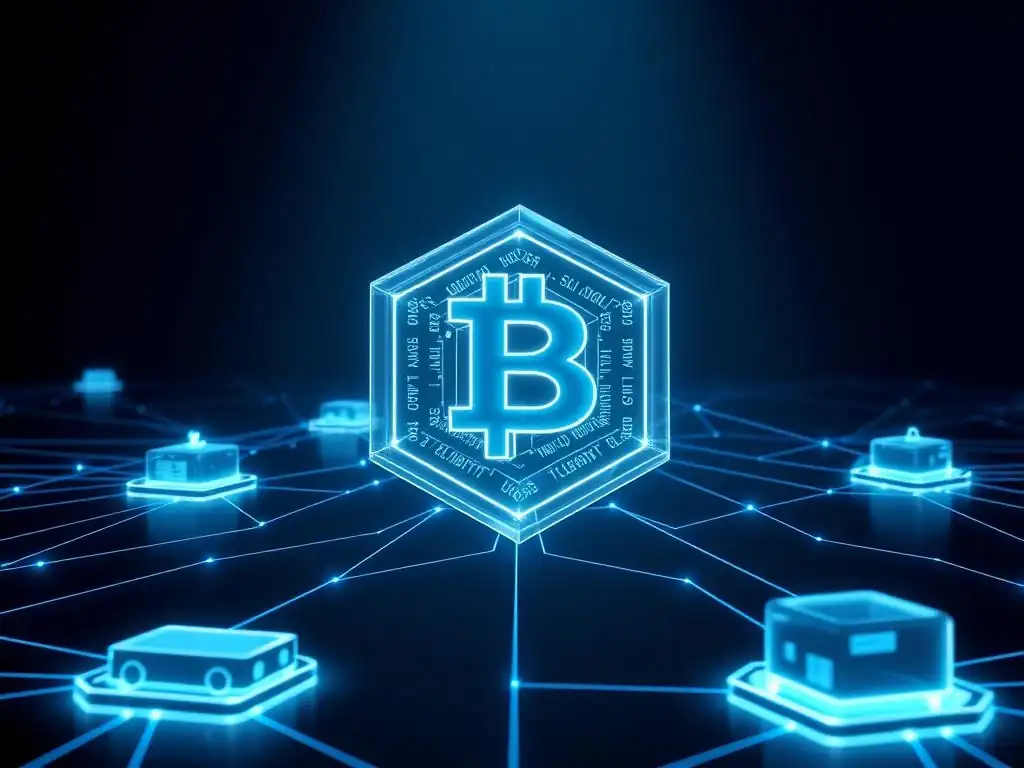
Enhanced Data Integrity and Trust
Implementing blockchain for IoT data management offers significant benefits, primarily centered around enhanced data integrity and trust. In traditional IoT systems, data is often vulnerable to tampering, manipulation, or loss, undermining the reliability of the entire system. Blockchain's inherent immutability ensures that once IoT data is recorded, it cannot be altered, providing a tamper-proof record of events. This immutability establishes a strong foundation of data integrity, crucial for applications where data accuracy and reliability are paramount, such as supply chain tracking, industrial automation, and healthcare.
Furthermore, blockchain fosters trust among stakeholders in IoT ecosystems. The transparent and auditable nature of blockchain allows all authorized participants to verify the integrity and provenance of IoT data. This transparency builds trust in the data itself and in the systems that rely on it.
In supply chains, for example, blockchain-based data tracking can build trust between manufacturers, distributors, and consumers by providing verifiable proof of product authenticity and origin. In smart cities, blockchain can enhance citizen trust in smart city initiatives by providing transparent and accountable data management practices. The enhanced data integrity and trust provided by blockchain are fundamental benefits that underpin the reliability and effectiveness of IoT solutions.
Improved Security and Privacy
Beyond data integrity, blockchain significantly improves the security and privacy of IoT data. Traditional centralized IoT systems are often vulnerable to single points of failure and cyberattacks, potentially exposing vast amounts of sensitive data. Blockchain's decentralized architecture eliminates single points of failure, making the system more resilient to attacks. Data is distributed across multiple nodes, making it exponentially harder for attackers to compromise the entire system.
Moreover, blockchain can enhance data privacy through various mechanisms. While blockchain is inherently transparent, access to specific data can be controlled through permissions and encryption. Zero-knowledge proofs and other privacy-enhancing technologies can be integrated with blockchain to further protect sensitive data. For example, in healthcare IoT, blockchain can be used to securely manage patient data while ensuring compliance with privacy regulations like GDPR and HIPAA. By combining decentralization, cryptography, and privacy-enhancing technologies, blockchain provides a more secure and privacy-preserving framework for managing IoT data compared to traditional centralized approaches.
Reduced Operational Costs: Automated Contract Enforcement
Implementing blockchain for IoT data management can also lead to reduced operational costs through automated contract enforcement using smart contracts. Smart contracts are self-executing agreements written in code and stored on a blockchain. They automatically execute predefined actions when specific conditions are met, eliminating the need for manual intervention and reducing administrative overhead. In IoT ecosystems, smart contracts can automate various processes, such as data sharing agreements, service level agreements, and payments.
For example, in a smart city context, smart contracts can automate payments for energy consumption based on data from smart meters. When energy usage reaches a certain threshold, the smart contract automatically triggers a payment from the consumer to the energy provider, eliminating manual billing and payment processes. In supply chains, smart contracts can automate payments upon verification of product delivery and condition based on IoT sensor data.
This automation reduces administrative costs, minimizes disputes, and improves operational efficiency. While initial implementation may involve upfront costs, the long-term benefits of automated contract enforcement and streamlined processes can lead to significant cost savings and improved operational efficiency in blockchain-based IoT solutions.
Challenges and Considerations for Blockchain IoT Data Security
Scalability Issues in Blockchain IoT Solutions
Despite its numerous benefits, implementing blockchain for IoT data security also presents challenges and considerations, particularly concerning scalability. IoT networks often involve a massive number of devices generating vast amounts of data at high frequencies. Traditional blockchain platforms, especially public blockchains like Bitcoin and Ethereum, can face scalability limitations in handling the transaction throughput required by large-scale IoT deployments. The transaction processing capacity of some blockchains may not be sufficient to keep pace with the real-time data streams from millions or billions of IoT devices.
While advancements are being made in blockchain scalability, such as layer-2 solutions and sharding, scalability remains a key consideration for blockchain IoT solutions. Private or permissioned blockchains, like Hyperledger Fabric, often offer better scalability compared to public blockchains, but they may still require careful design and optimization to handle massive IoT data volumes.
Choosing the right blockchain platform and architecture, optimizing data storage and transaction processing, and exploring scalability solutions are crucial considerations for successful implementation of blockchain IoT data security in large-scale deployments. The scalability challenge requires ongoing research and development to ensure that blockchain can effectively support the growing demands of the IoT ecosystem.
Interoperability Challenges Between Blockchain and IoT Devices
Another significant challenge is interoperability between diverse IoT devices and different blockchain platforms. The IoT landscape is characterized by a wide variety of devices, communication protocols, and data formats. Integrating these heterogeneous IoT devices with blockchain networks can be complex and require significant effort. Different blockchain platforms may also have varying standards and protocols, creating interoperability challenges between different blockchain-based IoT solutions.
Ensuring seamless communication and data exchange between diverse IoT devices and blockchain networks requires standardized interfaces and protocols. Developing middleware solutions and interoperability layers can help bridge the gap between different IoT devices and blockchain platforms. Industry collaborations and standardization efforts are crucial to address interoperability challenges and facilitate wider adoption of blockchain IoT data security solutions. The lack of universal standards and the fragmented nature of both the IoT and blockchain ecosystems pose significant interoperability hurdles that need to be overcome for seamless integration and widespread adoption.
Regulatory Compliance and Data Privacy Laws: GDPR, CCPA
Regulatory compliance and data privacy laws, such as GDPR (General Data Protection Regulation) in Europe and CCPA (California Consumer Privacy Act) in the United States, pose significant considerations for blockchain IoT data security. While blockchain offers enhanced security and transparency, it also presents unique challenges for compliance with data privacy regulations. GDPR and CCPA grant individuals rights over their personal data, including the right to access, rectify, and erase their data. The immutability of blockchain, while beneficial for data integrity, can make it challenging to comply with data erasure requests.
Furthermore, the transparent nature of blockchain may raise concerns about data privacy if sensitive personal data is stored on a public or permissioned blockchain. Implementing blockchain IoT solutions requires careful consideration of data privacy regulations and the development of compliance strategies. Techniques such as data anonymization, pseudonymization, and encryption can be used to protect personal data on blockchain.
Permissioned blockchains and private blockchains may offer better control over data access and privacy compared to public blockchains. Organizations implementing blockchain IoT solutions must carefully navigate the complex landscape of data privacy regulations and ensure compliance to avoid legal and reputational risks.
Implementing Blockchain IoT Data Security: A Step-by-Step Guide
Assessing Your IoT Security Needs and Vulnerabilities
Implementing blockchain for IoT data security is not a one-size-fits-all solution. The first critical step is to thoroughly assess your specific IoT security needs and vulnerabilities. This involves identifying the types of IoT devices deployed, the sensitivity of the data they generate, the potential threats they face, and the existing security measures in place. A comprehensive risk assessment should be conducted to identify vulnerabilities in the current IoT infrastructure and prioritize security gaps that need to be addressed.
This assessment should include analyzing the potential impact of data breaches, considering regulatory compliance requirements, and defining clear security objectives. Understanding the specific use cases and security requirements of your IoT application is crucial for determining whether blockchain is the right solution and how it should be implemented. For example, an IoT deployment in a critical infrastructure sector like energy grids will have significantly higher security requirements compared to a smart home application. A detailed assessment of security needs and vulnerabilities provides the foundation for developing a targeted and effective blockchain IoT security strategy.
Choosing the Right Blockchain Platform for Your IoT Application: Ethereum, Hyperledger Fabric
Once security needs are assessed, the next step is to choose the right blockchain platform for your IoT application. Several blockchain platforms are available, each with its own strengths and weaknesses. Two prominent platforms often considered for IoT applications are Ethereum and Hyperledger Fabric. Ethereum is a public blockchain platform known for its smart contract capabilities and large community. It is suitable for applications requiring transparency and decentralization, but it may face scalability limitations for large-scale IoT deployments.
Hyperledger Fabric, on the other hand, is a permissioned blockchain platform designed for enterprise applications. It offers better scalability and privacy controls compared to public blockchains, making it suitable for applications where data confidentiality and performance are critical. Other blockchain platforms, such as Corda and IOTA, may also be considered depending on the specific requirements of the IoT application. Factors to consider when choosing a blockchain platform include scalability, security, privacy, cost, development tools, and community support. The choice of platform should align with the identified security needs, scalability requirements, and overall objectives of the blockchain IoT solution.
Integrating Blockchain with Existing IoT Infrastructure
Integrating blockchain with existing IoT infrastructure is a crucial step in implementing blockchain IoT data security. This integration typically involves connecting IoT devices, data gateways, and existing backend systems with the chosen blockchain platform. APIs (Application Programming Interfaces) play a vital role in facilitating communication and data exchange between IoT devices and the blockchain network. Middleware solutions can be used to bridge the gap between different IoT protocols and blockchain platforms, simplifying integration and data management.
The integration process may involve developing custom software components, modifying existing IoT device firmware, and deploying blockchain nodes or clients within the IoT infrastructure. A phased approach to integration is often recommended, starting with pilot projects and gradually expanding blockchain integration across the IoT ecosystem. Consideration should be given to data storage, transaction processing, and network bandwidth requirements when integrating blockchain with IoT infrastructure.
Secure key management and identity management are also crucial aspects of integration to ensure the security and integrity of the blockchain IoT solution. Successful integration requires careful planning, technical expertise, and a thorough understanding of both IoT and blockchain technologies.
The Future of Blockchain and IoT Data Security
Emerging Trends in Blockchain IoT Security
The future of blockchain and IoT data security is dynamic and promising, with several emerging trends shaping the landscape. One key trend is the development of layer-2 scaling solutions for blockchain, such as state channels and rollups. These solutions aim to improve the scalability of blockchain networks, making them more suitable for handling the high transaction throughput of large-scale IoT deployments.
Confidential computing technologies, such as trusted execution environments (TEEs) and secure multi-party computation (MPC), are also gaining traction in blockchain IoT security. These technologies enhance data privacy by enabling secure computation on encrypted data, addressing concerns about data confidentiality on blockchain networks.
Another emerging trend is the integration of decentralized identity solutions with blockchain IoT security. Decentralized identity (DID) empowers individuals and devices to control their digital identities, enhancing privacy and security in IoT ecosystems. Furthermore, the convergence of blockchain with other emerging technologies, such as AI and edge computing, is expected to drive innovation in blockchain IoT security. These emerging trends point towards a future where blockchain plays an increasingly vital role in securing the expanding and interconnected world of IoT devices.
The Role of AI in Enhancing Blockchain IoT Security
Artificial intelligence (AI) is poised to play a significant role in enhancing blockchain IoT security. AI algorithms can be used to analyze vast amounts of IoT data recorded on blockchain to detect anomalies, identify security threats, and predict potential vulnerabilities. Machine learning models can be trained to recognize patterns of malicious activity in IoT networks, enabling proactive threat detection and response. AI can also automate security monitoring and incident response in blockchain IoT systems, reducing the need for manual intervention and improving security efficiency.
For example, AI-powered intrusion detection systems can analyze blockchain-recorded IoT data to identify suspicious network traffic or device behavior. AI can also be used to optimize blockchain security protocols and improve the efficiency of consensus mechanisms in blockchain IoT networks. The synergy between AI and blockchain offers powerful capabilities for enhancing the security, resilience, and intelligence of IoT systems. As AI technologies continue to advance, their integration with blockchain will become increasingly crucial for securing the complex and evolving landscape of IoT.
Predictions for the Growth of Blockchain-Based IoT Solutions
Predictions for the growth of blockchain-based IoT solutions are overwhelmingly positive, with market analysts forecasting significant expansion in the coming years. The increasing awareness of IoT security vulnerabilities and the growing demand for secure and reliable IoT solutions are driving adoption of blockchain technology in various industries. Industries such as supply chain management, healthcare, manufacturing, and smart cities are expected to be early adopters of blockchain IoT security solutions.
Market research reports project substantial growth in the blockchain IoT market, with estimates reaching billions of dollars in the next five years. Factors driving this growth include the increasing number of connected devices, the rising cost of IoT data breaches, and the growing maturity of blockchain technology. As blockchain platforms become more scalable, interoperable, and user-friendly, adoption in the IoT space is expected to accelerate. The future of blockchain and IoT is intertwined, with blockchain positioned to become a foundational technology for securing and enabling the full potential of the Internet of Things.
Conclusion: Securing Your IoT Future with Blockchain
The escalating threat landscape facing IoT data security demands robust and innovative solutions. Blockchain technology, with its inherent immutability, transparency, and security features, emerges as a powerful tool to address these challenges. By leveraging blockchain for secure data transmission, decentralized storage, and immutable audit trails, organizations can significantly enhance the security and integrity of their IoT ecosystems.
While challenges such as scalability, interoperability, and regulatory compliance exist, ongoing advancements and strategic implementation approaches are paving the way for wider adoption. From securing supply chains and smart cities to protecting sensitive healthcare data, blockchain is demonstrating its transformative potential in various IoT use cases.
As the number of connected devices continues to surge, and the reliance on IoT data grows, embracing blockchain-based security solutions is not just an option, but a strategic imperative for securing our interconnected future. By proactively addressing IoT vulnerabilities with blockchain's immutable solution, we can unlock the full potential of the Internet of Things while safeguarding data and building a more secure and trustworthy digital world.
Frequently Asked Questions
How does blockchain enhance IoT data security?
Blockchain provides a decentralized and immutable ledger, making it extremely difficult for hackers to tamper with or alter IoT data records. This ensures data integrity and trustworthiness.
What are the key benefits of using blockchain for IoT data management?
The main advantages include enhanced security, improved data transparency, and reduced risk of data breaches. Blockchain also facilitates secure device communication and data sharing.
How can blockchain address the scalability challenges of IoT networks?
While blockchain itself can face scalability issues, solutions like sidechains and sharding are being explored to enable efficient data processing and management in large-scale IoT deployments.
What role does smart contracts play in securing IoT devices and data?
Smart contracts automate access control and data sharing policies, ensuring only authorized parties can access or modify IoT data. This reduces the risk of unauthorized access and data manipulation.
What are the regulatory considerations for implementing blockchain in IoT applications, particularly concerning data privacy?
Compliance with regulations like GDPR is crucial. Blockchain solutions need to incorporate data anonymization and encryption techniques to protect user privacy and ensure regulatory compliance when handling sensitive IoT data.
Final Reflection: Securing Tomorrow's Connected World
The proliferation of IoT devices has ushered in an era of unprecedented connectivity, yet this interconnectedness comes at a cost: vulnerability to data breaches and manipulation. As we've explored, the inherent security limitations of many IoT devices, coupled with centralized data storage, create a fertile ground for malicious actors. The urgent need for robust security solutions is undeniable, and blockchain technology offers a compelling path forward.
The potential of blockchain to revolutionize IoT data security is not merely theoretical; it's a paradigm shift that's already beginning to reshape industries. Witnessing the growing adoption of blockchain-based solutions in supply chain management, healthcare, and smart cities underscores the profound impact this technology can have on safeguarding sensitive data. Security is always seen as too expensive until you need it.
This quote perfectly encapsulates the current state of IoT security, where proactive measures are often overlooked until a devastating breach occurs.
As we navigate the increasingly complex landscape of the Internet of Things, let us not be complacent in the face of potential threats. Consider the implications of unsecured IoT data in your own life, your own business, and your own community. Embrace the potential of blockchain and other innovative security measures to build a future where our connected world is also a secure world. The time to act is now, to protect the integrity of our data and ensure a future where the benefits of IoT are not overshadowed by its vulnerabilities.
Secure Your Connected World: Embrace Blockchain Now!
Thank you for exploring how blockchain can help protect your IoT data. Now that you understand the risks and the innovative solutions blockchain provides, it’s time to take action and strengthen your digital defenses.
Here are some steps you can take today:
- Identify the most vulnerable points in your IoT infrastructure and start researching ways to integrate blockchain technology. This is a vital first step toward creating a more secure environment.
- Investigate blockchain protocols that are well-suited for your IoT devices. Consider platforms known for facilitating microtransactions and ensuring data integrity in machine-to-machine communication.
- Surprise your team by organizing an internal brainstorming session to explore creative applications of blockchain that could transform your existing IoT deployments.
What specific vulnerabilities are keeping you awake at night, and how might blockchain provide a tailored solution for your unique IoT challenges? Share your thoughts below!
Leave a Reply