
Pharmaceutical Supply Chain Security: Blockchain & IoT for Authenticity and Traceability

Welcome to Blockchain Trends, your compass in the rapidly evolving world of decentralized technologies!
Are you ready to delve into how blockchain supply chain authentication security is revolutionizing industries beyond finance? Discover how the convergence of blockchain and IoT is transforming pharmaceutical supply chains, ensuring unprecedented levels of authenticity and traceability. Explore the challenges, opportunities, and the future of securing sensitive data in a connected world. Curious to know how it all works? Keep reading to unlock the potential!
- Introduction: The Urgent Need for Secure Pharmaceutical Supply Chains
- Current Challenges in Pharmaceutical Supply Chain Authentication
- Blockchain Technology for Pharmaceutical Supply Chain Security
- IoT Integration for Real-Time Pharmaceutical Tracking
- Blockchain & IoT: A Synergistic Approach to Pharmaceutical Security
- Key Use Cases of Blockchain & IoT in Pharmaceutical Supply Chains
- Implementing Blockchain and IoT for Pharmaceutical Traceability: A Step-by-Step Guide
- Benefits of Blockchain-Based Pharmaceutical Supply Chain Authentication Security
- Challenges and Considerations for Blockchain & IoT Adoption
- The Future of Pharmaceutical Supply Chains: Blockchain, IoT, and Beyond
- Conclusion: Securing the Pharmaceutical Supply Chain with Blockchain and IoT
-
Frequently Asked Questions
- How does blockchain enhance pharmaceutical supply chain authentication?
- What role does IoT play in conjunction with blockchain in securing the pharmaceutical supply chain?
- What are the key benefits of using blockchain for pharmaceutical supply chain security compared to traditional methods?
- What are the regulatory challenges associated with implementing blockchain in the pharmaceutical supply chain?
- How can blockchain and IoT contribute to preventing counterfeit drugs from entering the supply chain?
- Final Reflection: Securing Trust in Every Pill
- Secure the Chain: Empower Trust in Healthcare!
Introduction: The Urgent Need for Secure Pharmaceutical Supply Chains
The Growing Threat of Counterfeit Drugs
The global pharmaceutical supply chain is a complex and intricate network, responsible for delivering life-saving medications to patients worldwide. However, this complexity also makes it vulnerable to illicit activities, most notably the proliferation of counterfeit drugs. The World Health Organization (WHO) estimates that counterfeit drugs constitute a staggering \$30 billion industry, representing approximately 10% of the global pharmaceutical market, with figures reaching up to 30% in developing countries.
These fake medications range from substandard versions of genuine drugs to completely fraudulent products containing no active ingredients or, even worse, harmful substances. The consequences are dire: ineffective treatments, adverse health reactions, increased drug resistance, and, tragically, preventable deaths.
The rise of online pharmacies and globalized trade has further exacerbated the problem. The anonymity afforded by the internet and the intricate web of international shipping routes make it easier for counterfeiters to operate and distribute their products across borders. Interpol's Operation Pangea, a global initiative targeting the online sale of counterfeit and illicit medicines and healthcare products, consistently seizes millions of fake and unauthorized medical products annually, highlighting the scale and persistence of this criminal enterprise. This escalating threat underscores the critical need for robust and innovative solutions to safeguard the pharmaceutical supply chain and protect patient health.
Why Pharmaceutical Supply Chain Security Matters
Pharmaceutical supply chain security is not merely a matter of protecting profits for pharmaceutical companies; it is fundamentally about safeguarding public health and patient well-being. A compromised supply chain directly translates into compromised medication quality and safety, eroding patient trust and undermining healthcare systems. When patients unknowingly consume counterfeit drugs, they are not only denied effective treatment for their conditions but are also exposed to potential health risks from unknown and unregulated ingredients. This can lead to treatment failure, prolonged illness, increased morbidity, and mortality, especially for vulnerable populations reliant on essential medications.
Beyond the immediate health consequences, the infiltration of counterfeit drugs into the legitimate supply chain has far-reaching economic and social implications. It undermines the pharmaceutical industry's innovation and research by eroding market share and damaging brand reputation. Governments face increased healthcare costs to manage the consequences of ineffective or harmful counterfeit treatments.
Furthermore, the lack of trust in the pharmaceutical supply chain can erode public confidence in healthcare systems as a whole. Therefore, ensuring pharmaceutical supply chain security is a critical imperative for governments, healthcare providers, pharmaceutical manufacturers, and, most importantly, patients. It is an investment in public health, economic stability, and societal well-being.
How Blockchain and IoT Can Revolutionize Drug Traceability
Traditional pharmaceutical supply chains often rely on fragmented and paper-based systems, creating vulnerabilities at every stage, from manufacturing to dispensing. However, the convergence of Blockchain and the Internet of Things (IoT) offers a transformative approach to enhance drug traceability and authentication security. Blockchain, with its inherent characteristics of immutability, transparency, and decentralization, provides a secure and auditable ledger for tracking pharmaceutical products throughout the supply chain. Every transaction, from raw material sourcing to final dispensing, can be recorded on the blockchain, creating an unalterable record of the drug's journey.
Complementing blockchain, IoT devices, such as sensors and RFID tags, can be integrated at various points in the supply chain to capture real-time data on product location, temperature, humidity, and other critical parameters. This data, automatically recorded on the blockchain, provides unprecedented visibility and accountability. Imagine a scenario where a temperature-sensitive vaccine is equipped with an IoT sensor.
Any deviation from the required temperature range during transit is immediately detected and recorded on the blockchain, triggering alerts and preventing the compromised batch from reaching patients. By combining the strengths of blockchain's secure data storage and IoT's real-time monitoring capabilities, a robust and transparent pharmaceutical supply chain can be established, drastically reducing the risks associated with counterfeit drugs and ensuring medication integrity.
Current Challenges in Pharmaceutical Supply Chain Authentication
Lack of Transparency and Visibility
One of the most significant challenges plaguing the current pharmaceutical supply chain is the pervasive lack of transparency and visibility. Traditional systems often involve multiple intermediaries – manufacturers, distributors, wholesalers, pharmacies – each operating in silos with limited information sharing. This fragmented structure creates blind spots and opportunities for illicit actors to introduce counterfeit or diverted products into the legitimate flow. For instance, a batch of drugs might change hands several times across different geographical locations, making it exceedingly difficult to track its origin, journey, and handling conditions.
This opacity hinders effective authentication and verification processes. Without a clear and comprehensive view of the supply chain, it becomes challenging to identify and isolate compromised products quickly. According to a report by the Pharmaceutical Security Institute (PSI), product diversion, where legitimate drugs are redirected from their intended market to unauthorized channels, is a significant concern, often exploiting these transparency gaps.
This lack of end-to-end visibility not only increases the risk of counterfeit drugs reaching patients but also impedes efficient recall processes and supply chain optimization. A transparent and visible supply chain, where information is readily accessible and auditable by authorized stakeholders, is crucial for bolstering pharmaceutical authentication security.
Vulnerabilities to Counterfeiting and Diversion
The pharmaceutical supply chain's complexity and opacity create numerous vulnerabilities that are exploited by counterfeiters and diverters. Counterfeiters are becoming increasingly sophisticated, employing advanced packaging and printing technologies to create fake drugs that are visually indistinguishable from genuine products. They target not only lifestyle drugs but also critical medications for serious conditions, maximizing their illicit profits at the expense of patient health.
Diversion, on the other hand, involves the illegal redirection of legitimate drugs. This can occur through various means, including theft, fraud, and manipulation of distribution channels. Diverted drugs may be sold in unauthorized markets, repackaged, or relabeled, making them difficult to trace and control.
These vulnerabilities are further amplified by the global nature of the pharmaceutical industry. Raw materials, active pharmaceutical ingredients (APIs), and finished products often cross multiple international borders, navigating complex regulatory landscapes and customs procedures. Each point of transit presents an opportunity for counterfeiting or diversion. The economic incentives driving these illicit activities are substantial, making pharmaceutical counterfeiting and diversion highly lucrative criminal enterprises. Addressing these vulnerabilities requires a multi-faceted approach that strengthens authentication measures, enhances supply chain visibility, and fosters collaboration among stakeholders across the entire pharmaceutical ecosystem.
Inefficient Tracking and Verification Processes
Traditional pharmaceutical tracking and verification processes are often inefficient, paper-based, and prone to human error. Relying on manual data entry, disparate databases, and physical documentation makes it difficult to maintain accurate and real-time records of drug movements and authenticity. Verification often involves cumbersome procedures, such as calling manufacturers or manually checking serial numbers, which are time-consuming and resource-intensive. These inefficiencies not only delay product verification but also create bottlenecks in the supply chain, impacting delivery times and increasing operational costs.
Furthermore, the lack of interoperability between different tracking systems used by various stakeholders within the supply chain further complicates verification efforts. Information silos prevent seamless data exchange and hinder comprehensive tracking. For instance, a pharmacist attempting to verify the authenticity of a drug may face challenges accessing relevant information from the manufacturer or distributor due to incompatible systems or restricted access.
These inefficient processes not only weaken authentication security but also impede rapid response to potential crises, such as drug recalls or contamination incidents. Modernizing tracking and verification processes with technologies like blockchain and IoT is essential to create a more efficient, secure, and responsive pharmaceutical supply chain.
Blockchain Technology for Pharmaceutical Supply Chain Security
Blockchain's Immutable Ledger: Enhancing Trust and Transparency
Blockchain technology offers a paradigm shift in enhancing trust and transparency within the pharmaceutical supply chain through its core feature: the immutable ledger. Unlike traditional databases that are centralized and can be altered, a blockchain is a decentralized, distributed, and append-only record of transactions. Once data is recorded on the blockchain, it cannot be tampered with or deleted, creating a permanent and auditable history.
This immutability is achieved through cryptographic hashing and consensus mechanisms, ensuring data integrity and preventing unauthorized modifications. Every participant in the blockchain network holds a copy of the ledger, making it transparent and verifiable by all authorized parties.
In the context of pharmaceutical supply chain authentication security, this immutability is transformative. Every step in a drug's journey, from manufacturing to dispensing, can be recorded as a transaction on the blockchain. This includes details such as batch numbers, manufacturing dates, expiration dates, and custody transfers.
Because this information is permanently recorded and verifiable, it becomes exceedingly difficult for counterfeiters to introduce fake products or alter existing records. The inherent transparency of blockchain also fosters greater trust among stakeholders, including manufacturers, distributors, regulators, and patients, as everyone can access and verify the drug's provenance and authenticity. This enhanced trust and transparency are foundational to building a more secure and resilient pharmaceutical supply chain.
How Blockchain Enables End-to-End Traceability
Blockchain's ability to create an immutable and transparent record of transactions makes it ideally suited for establishing end-to-end traceability in the pharmaceutical supply chain. By recording each transfer of custody and key events on the blockchain, a comprehensive and auditable trail is created for every drug product.
This traceability extends from the origin of raw materials to the point of dispensing to the patient, providing complete visibility throughout the entire supply chain journey. Imagine tracking a specific batch of medication: with blockchain, authorized stakeholders can trace its origin, the manufacturing facility, the distributors it passed through, the storage conditions it was subjected to, and ultimately, the pharmacy where it was dispensed.
This level of traceability empowers stakeholders to quickly identify and isolate counterfeit or diverted products. If a suspicious product is detected, its entire history on the blockchain can be examined to pinpoint the point of origin and identify potential vulnerabilities in the supply chain. Furthermore, end-to-end traceability facilitates efficient recall processes.
In the event of a product recall, manufacturers can quickly identify all affected batches and their locations, enabling targeted and efficient recalls, minimizing risks to patients and reducing the economic impact of recalls. Blockchain-enabled traceability provides an unprecedented level of control and accountability, strengthening pharmaceutical supply chain authentication security and safeguarding patient safety.
Smart Contracts for Automated Verification and Compliance
Smart contracts, self-executing contracts with the terms of the agreement directly written into code, further enhance pharmaceutical supply chain security by automating verification processes and ensuring compliance. These contracts are stored on the blockchain and automatically execute when predefined conditions are met, eliminating the need for manual intervention and reducing the risk of human error. In the pharmaceutical context, smart contracts can be programmed to automatically verify product authenticity, track expiry dates, and enforce regulatory compliance at each stage of the supply chain.
For example, a smart contract can be designed to automatically verify a drug's serial number against the manufacturer's records when it reaches a pharmacy. If the serial number is invalid or flagged as counterfeit, the smart contract can automatically trigger an alert and prevent the dispensing of the product. Similarly, smart contracts can be used to enforce temperature control requirements for temperature-sensitive medications.
If IoT sensors detect a temperature breach during transit, a smart contract can automatically flag the batch as compromised and initiate corrective actions. By automating these verification and compliance processes, smart contracts significantly reduce the reliance on manual checks, improve efficiency, and enhance the overall security and integrity of the pharmaceutical supply chain.
IoT Integration for Real-Time Pharmaceutical Tracking
IoT Sensors for Monitoring Temperature, Humidity, and Location
The integration of Internet of Things (IoT) sensors into the pharmaceutical supply chain revolutionizes real-time tracking and monitoring of critical parameters like temperature, humidity, and location. These sensors, attached to drug packaging, containers, or transport vehicles, continuously collect data on environmental conditions and product location throughout the supply chain journey. For temperature-sensitive medications, such as vaccines and biologics, maintaining the cold chain is paramount to ensure efficacy and safety. IoT temperature sensors can monitor and record temperature fluctuations, alerting stakeholders to any deviations from the required temperature range.
Similarly, humidity sensors are crucial for maintaining the integrity of drugs susceptible to moisture damage. Location tracking through GPS-enabled IoT devices provides real-time visibility into the whereabouts of pharmaceutical products, enabling efficient logistics management and preventing diversion or theft. These IoT sensors generate a continuous stream of data, providing granular insights into the environmental conditions and location of pharmaceutical products, far exceeding the capabilities of traditional manual monitoring methods. This real-time data is critical for ensuring product quality, preventing spoilage, and enhancing supply chain security.
Real-Time Data Collection and Transmission
The power of IoT in pharmaceutical supply chain security lies not only in data collection but also in the real-time transmission of this data. IoT sensors are connected to networks, often using cellular or satellite communication, enabling them to transmit collected data wirelessly and in real-time to a central platform. This real-time data transmission allows for immediate visibility into the conditions and location of pharmaceutical products, regardless of their geographical location. Stakeholders can access dashboards and alerts to monitor key parameters and receive notifications of any deviations or anomalies in real-time.
This real-time data stream enables proactive intervention and corrective actions. For example, if a temperature sensor detects a temperature breach in a shipment of vaccines, alerts can be immediately sent to logistics personnel, allowing them to reroute the shipment, implement cooling measures, or quarantine the affected batch before it reaches its destination. Real-time data collection and transmission empower stakeholders to make informed decisions quickly, minimizing the risk of product damage, spoilage, or compromise. This responsiveness is crucial for maintaining the integrity of temperature-sensitive medications and ensuring patient safety.
Combining IoT Data with Blockchain for Enhanced Security
The true synergy and enhanced security in pharmaceutical supply chain authentication security emerge when IoT data is seamlessly integrated with blockchain technology. IoT sensors provide the real-time data on product conditions and location, while blockchain provides the secure and immutable platform for recording and verifying this data. When IoT data is transmitted, it can be automatically recorded as transactions on the blockchain, creating an auditable and tamper-proof record of the drug's environmental history and location throughout its journey. This combination eliminates the risk of data manipulation or alteration, as the blockchain ensures data integrity.
This integration creates a powerful and comprehensive security solution. The real-time IoT data provides immediate insights and alerts, while the blockchain provides the verifiable and immutable record for audit trails and compliance purposes. For instance, if a temperature deviation is detected by an IoT sensor, this event is recorded on the blockchain, along with the time, location, and extent of the deviation.
This blockchain record serves as irrefutable evidence for quality control and regulatory compliance. By combining the real-time monitoring capabilities of IoT with the secure data integrity of blockchain, a significantly enhanced level of pharmaceutical supply chain security and authentication is achieved, building trust and ensuring patient safety.
Blockchain & IoT: A Synergistic Approach to Pharmaceutical Security
Case Study: Pfizer's Use of Blockchain for Supply Chain Visibility
While specific details of Pfizer's blockchain initiatives may be proprietary, publicly available information and industry reports indicate their exploration and implementation of blockchain technology to enhance supply chain visibility. Pfizer, like many large pharmaceutical companies, recognizes the critical need for robust supply chain security and has been actively investigating innovative solutions. Reports suggest Pfizer has explored using blockchain to track and trace vaccines and other pharmaceutical products throughout their complex supply chain, aiming to combat counterfeiting and ensure product integrity.
Although concrete, publicly available case studies with detailed metrics are limited due to the competitive nature of the industry and ongoing developments, the direction is clear. Pharmaceutical giants like Pfizer are recognizing the potential of blockchain to provide enhanced transparency and security. Industry collaborations and pilot projects are underway across the sector, focusing on leveraging blockchain and IoT to create more resilient and secure pharmaceutical supply chains.
These initiatives, though often confidential in their specifics, signal a growing industry trend towards adopting these technologies to address the challenges of counterfeit drugs and supply chain vulnerabilities. The increasing adoption by major players like Pfizer underscores the recognized value and potential of blockchain in revolutionizing pharmaceutical supply chain authentication security.
Benefits of Integrated Blockchain-IoT Solutions
The integration of blockchain and IoT technologies offers a multitude of synergistic benefits that significantly enhance pharmaceutical supply chain security and efficiency. Firstly, it provides enhanced traceability and transparency. Blockchain creates an immutable record of product journey and IoT provides real-time location and condition data, offering unprecedented visibility from origin to patient. Secondly, improved authentication and reduced counterfeiting are achieved. Blockchain's secure ledger verifies product authenticity, while IoT sensors can detect tampering and ensure product integrity throughout the supply chain, making it harder for counterfeit drugs to penetrate the legitimate system.
Thirdly, integrated solutions lead to increased efficiency and reduced costs. Automated data collection and verification through IoT and smart contracts streamline processes, reduce manual errors, and optimize logistics. Fourthly, improved regulatory compliance is facilitated. The immutable blockchain record provides auditable evidence of compliance with regulations, such as temperature control requirements and track-and-trace mandates.
Finally, faster and more effective recall management is enabled. End-to-end traceability allows for quick identification of affected batches and their locations, enabling targeted and efficient recalls, minimizing patient risk and economic losses. These combined benefits demonstrate the transformative potential of integrated blockchain-IoT solutions in creating a more secure, efficient, and patient-centric pharmaceutical supply chain.
Addressing the "Last Mile" Challenge with IoT and Blockchain
The "last mile" in the pharmaceutical supply chain, the final leg from pharmacy to patient, often presents unique challenges in maintaining product integrity and traceability. Traditional tracking systems often lose visibility at this stage, creating vulnerabilities for mishandling, diversion, or dispensing errors. However, the integration of IoT and blockchain offers innovative solutions to address this "last mile" challenge and extend security to the point of patient consumption. IoT sensors can be incorporated into dispensing packaging or medication delivery devices to continue monitoring temperature, humidity, and location even after products leave the pharmacy.
Blockchain can be used to record the dispensing event and link it to the patient (in a privacy-preserving manner), creating a complete chain of custody. Furthermore, blockchain-based mobile applications can empower patients to verify the authenticity of their medication at the point of dispensing.
By scanning a QR code or NFC tag on the packaging, patients can access the drug's history on the blockchain and verify its authenticity before consumption, adding an extra layer of security and empowering patients to actively participate in ensuring medication safety. Extending blockchain and IoT solutions to the "last mile" ensures end-to-end security and builds patient confidence in the integrity of the pharmaceutical supply chain.
Key Use Cases of Blockchain & IoT in Pharmaceutical Supply Chains
Drug Origin Verification and Authentication
One of the primary use cases for blockchain and IoT in pharmaceutical supply chains is drug origin verification and authentication. By recording the origin of raw materials, manufacturing processes, and custody transfers on the blockchain, a verifiable and immutable record of a drug's provenance is created. IoT sensors can be used to track raw materials and APIs from their source to the manufacturing facility, ensuring authenticity and preventing the introduction of substandard or counterfeit ingredients. Upon completion of manufacturing, unique identifiers, such as serial numbers or QR codes, linked to blockchain records, can be assigned to each drug product.
This allows for verification of authenticity at any point in the supply chain. Pharmacists, healthcare providers, and even patients can scan these identifiers to access the drug's history on the blockchain and verify its origin and authenticity. This robust origin verification system significantly reduces the risk of counterfeit drugs entering the supply chain, enhancing patient safety and protecting the integrity of pharmaceutical brands. Blockchain-based drug origin verification provides a powerful tool in the fight against counterfeit pharmaceuticals, ensuring that patients receive genuine and safe medications.
Temperature Monitoring and Cold Chain Integrity
Maintaining cold chain integrity is critical for the efficacy and safety of many pharmaceutical products, particularly vaccines, biologics, and certain medications. Blockchain and IoT provide a powerful solution for ensuring continuous temperature monitoring and cold chain integrity throughout the pharmaceutical supply chain. IoT temperature sensors can be integrated into packaging, containers, and transport vehicles to continuously monitor and record temperature conditions. This data is transmitted in real-time and recorded on the blockchain, creating an immutable and auditable record of temperature history.
Predefined temperature thresholds can be programmed into smart contracts on the blockchain. If IoT sensors detect a temperature deviation outside the acceptable range, smart contracts can automatically trigger alerts, flag the affected batch as potentially compromised, and initiate corrective actions. This proactive temperature monitoring system ensures that temperature-sensitive medications are maintained within the required temperature range throughout their journey, preserving their efficacy and safety. Blockchain and IoT-enabled cold chain monitoring provides a robust and reliable solution for maintaining the integrity of temperature-sensitive pharmaceuticals, reducing spoilage and ensuring patient access to effective medications.
Preventing Diversion and Theft
Pharmaceutical product diversion and theft are significant challenges that compromise supply chain security and can lead to the introduction of illicit products into the market. Blockchain and IoT technologies offer effective tools to prevent diversion and theft by enhancing traceability and accountability. IoT location sensors, such as GPS trackers, can be attached to shipments and vehicles to provide real-time visibility into product location throughout the supply chain. Geofencing, using GPS data to create virtual boundaries, can be implemented to trigger alerts if shipments deviate from预定 routes or enter unauthorized areas.
Blockchain can record custody transfers and location data, creating an auditable trail of product movement. Any unauthorized deviations or discrepancies can be quickly identified and investigated. Furthermore, blockchain-based digital identities and access control mechanisms can be used to restrict access to pharmaceutical products to authorized personnel at each stage of the supply chain. This combination of real-time location tracking, blockchain-based audit trails, and access control mechanisms significantly reduces the opportunities for diversion and theft, enhancing pharmaceutical supply chain security and protecting product integrity.
Streamlining Recall Processes
In the unfortunate event of a product recall, efficient and rapid recall processes are crucial to minimize patient risk and limit the economic impact. Blockchain and IoT-enabled traceability significantly streamline and accelerate pharmaceutical recall processes. With end-to-end traceability provided by blockchain, manufacturers can quickly identify all affected batches of a recalled product and pinpoint their exact locations throughout the supply chain. This eliminates the need for time-consuming and often inaccurate manual tracing efforts.
Real-time location data from IoT sensors further enhances recall efficiency by providing up-to-the-minute information on product locations. Smart contracts on the blockchain can automate recall notifications and track the progress of recall activities. Authorized stakeholders, including distributors, pharmacies, and regulators, can access the blockchain to receive recall information and report recall completion.
This streamlined and transparent recall process reduces the time required to remove recalled products from the market, minimizing patient exposure to potentially harmful medications and reducing the financial burden associated with recalls. Blockchain and IoT-enabled recall management provides a significant improvement over traditional recall processes, enhancing patient safety and supply chain resilience.
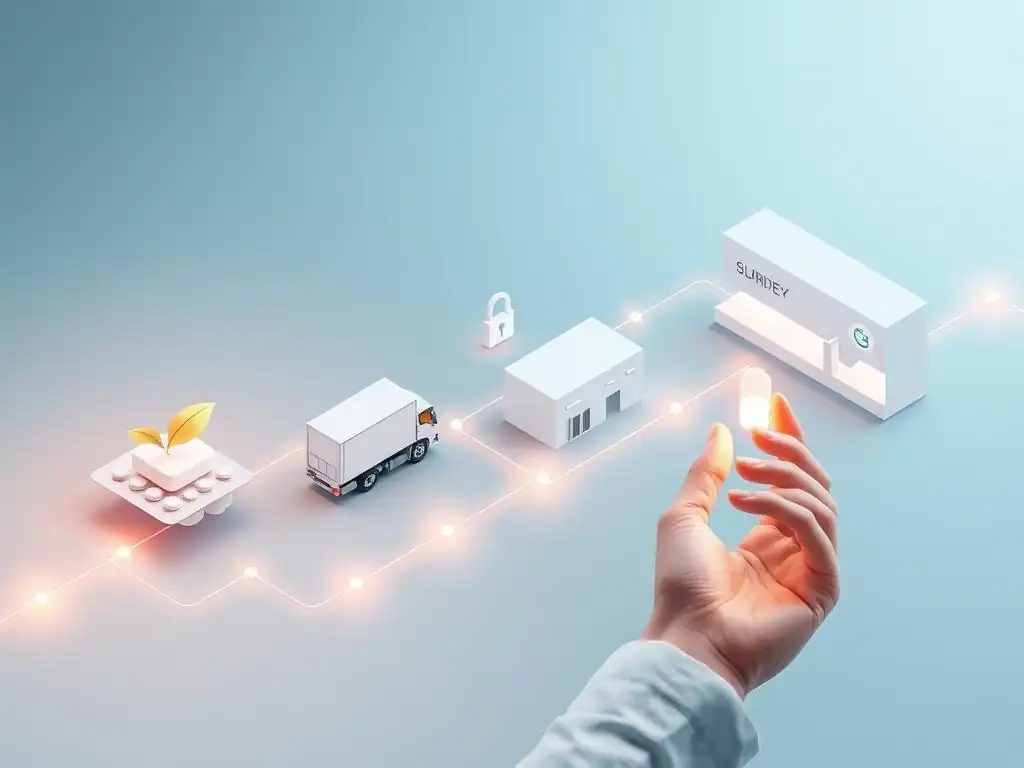
Implementing Blockchain and IoT for Pharmaceutical Traceability: A Step-by-Step Guide
Step 1: Assessing Current Supply Chain Vulnerabilities
The first crucial step in implementing blockchain and IoT for pharmaceutical traceability is a thorough assessment of current supply chain vulnerabilities. This involves identifying pain points, weaknesses, and areas where counterfeiting, diversion, or inefficiencies are most likely to occur. This assessment should encompass all stages of the supply chain, from raw material sourcing and manufacturing to distribution, warehousing, and dispensing. Analyzing existing processes, data flows, and security measures is essential to pinpoint specific vulnerabilities.
This assessment should involve key stakeholders across the supply chain, including manufacturers, distributors, wholesalers, pharmacies, and logistics providers. Gathering insights from different perspectives will provide a comprehensive understanding of the challenges and risks. For example, understanding current temperature monitoring practices, batch tracking systems, and verification procedures is critical. Identifying areas where data is manually entered, where information silos exist, or where security protocols are weak will highlight areas where blockchain and IoT solutions can provide the greatest impact. A comprehensive vulnerability assessment forms the foundation for designing and implementing an effective and targeted blockchain and IoT traceability solution.
Step 2: Selecting the Right Blockchain Platform
Choosing the appropriate blockchain platform is a critical decision that will significantly impact the success of a pharmaceutical traceability solution. Several blockchain platforms are available, each with its own characteristics, strengths, and weaknesses. Considerations for platform selection include permissioned vs. permissionless blockchains, scalability, security features, interoperability, and cost. For pharmaceutical supply chains, permissioned blockchains, where access is controlled and restricted to authorized participants, are generally preferred due to data privacy and regulatory requirements.
Scalability is crucial to handle the large volumes of transactions and data generated in a global pharmaceutical supply chain. Security features, such as robust encryption and consensus mechanisms, are paramount to ensure data integrity and prevent unauthorized access. Interoperability with existing systems and other blockchain networks may be necessary for seamless integration and data exchange. Cost considerations include platform fees, development costs, and operational expenses. Evaluating different blockchain platforms, such as Hyperledger Fabric, Ethereum (private/consortium versions), or Corda, based on these criteria and aligning platform selection with specific business needs and regulatory requirements is essential for a successful implementation.
Step 3: Integrating IoT Sensors and Devices
The successful implementation of blockchain-based pharmaceutical traceability relies heavily on the effective integration of IoT sensors and devices. This step involves selecting the appropriate types of sensors for monitoring relevant parameters, such as temperature, humidity, location, and tamper evidence. Sensor selection should consider factors like accuracy, reliability, battery life, communication protocols, and cost-effectiveness. Integration involves strategically placing sensors at critical points throughout the supply chain, such as manufacturing facilities, packaging, storage facilities, and transportation vehicles.
Ensuring seamless data transmission from IoT devices to the blockchain platform is crucial. This may involve establishing secure communication channels, utilizing appropriate network protocols (e.g., cellular, LoRaWAN, Bluetooth), and developing data aggregation and processing mechanisms. Considerations for IoT integration also include device management, security of IoT devices themselves, and data privacy implications of sensor data. Proper planning and execution of IoT sensor integration are vital for capturing accurate and real-time data that fuels the blockchain-based traceability system and enhances pharmaceutical supply chain security.
Step 4: Developing Smart Contracts for Verification
Smart contracts are the engines of automation and verification within a blockchain-based pharmaceutical traceability system. Developing robust and well-defined smart contracts is essential for automating key processes, such as product verification, compliance checks, and alert triggers. Smart contracts should be designed to enforce pre-defined rules and conditions based on data received from the blockchain and IoT sensors. For example, smart contracts can be developed to automatically verify product serial numbers against manufacturer records, check for temperature excursions based on IoT sensor data, or trigger alerts for deviations from authorized routes.
The development of smart contracts requires careful planning and programming. Clear specifications of contract logic, conditions, and actions are crucial. Testing and validation of smart contracts are essential to ensure they function correctly and securely. Considerations for smart contract development include gas costs (for platforms like Ethereum), security vulnerabilities in smart contract code, and the need for flexibility and adaptability to evolving business needs and regulatory requirements. Well-designed and rigorously tested smart contracts are fundamental to realizing the full potential of blockchain in automating verification and compliance within the pharmaceutical supply chain.
Step 5: Pilot Testing and Scaling the Solution
Before full-scale deployment, pilot testing is a critical step in implementing blockchain and IoT for pharmaceutical traceability. Pilot projects allow for testing the solution in a controlled environment, identifying and resolving any technical issues, and validating the system's effectiveness in real-world scenarios. Pilot tests should involve representative segments of the supply chain and include key stakeholders to gather feedback and refine the solution. Metrics for evaluating pilot project success should be defined, such as improved traceability, reduced counterfeiting incidents, faster verification times, and enhanced efficiency.
Based on the results of pilot testing, adjustments and improvements to the solution may be necessary. Once pilot testing is successful and the system is validated, scaling the solution to encompass the entire supply chain can begin. Scaling involves onboarding all relevant stakeholders, integrating with existing systems, and ensuring the infrastructure can handle increased data volumes and transaction loads. A phased rollout approach may be beneficial for managing complexity and minimizing disruption. Continuous monitoring, maintenance, and updates are essential to ensure the long-term success and effectiveness of the blockchain and IoT-based pharmaceutical traceability solution.
Benefits of Blockchain-Based Pharmaceutical Supply Chain Authentication Security
Improved Patient Safety and Reduced Counterfeit Drug Risks
The paramount benefit of implementing blockchain-based pharmaceutical supply chain authentication security is the significant improvement in patient safety and the substantial reduction in risks associated with counterfeit drugs. By enhancing traceability and authentication, blockchain and IoT solutions make it significantly harder for counterfeit medications to infiltrate the legitimate supply chain. Patients are assured that the medications they receive are genuine, safe, and effective, reducing the likelihood of adverse health outcomes, treatment failures, and exposure to harmful substances found in counterfeit drugs.
The enhanced transparency and visibility provided by blockchain allow for quicker detection and removal of counterfeit products should they enter the supply chain. This rapid response capability minimizes the potential harm to patients. Furthermore, empowering patients with tools to verify medication authenticity at the point of dispensing, through blockchain-based applications, further strengthens patient safety and builds trust in the pharmaceutical system. Ultimately, blockchain-based authentication security contributes directly to improved public health outcomes by safeguarding patients from the dangers of counterfeit pharmaceuticals.
Enhanced Supply Chain Efficiency and Transparency
Beyond security benefits, blockchain and IoT implementation also significantly enhances pharmaceutical supply chain efficiency and transparency. Automated data collection through IoT sensors and streamlined verification processes through smart contracts reduce manual efforts, minimize errors, and accelerate operations. Real-time visibility into product location, conditions, and custody transfers optimizes logistics, reduces delays, and improves inventory management. The transparency inherent in blockchain fosters greater trust and collaboration among stakeholders across the supply chain.
Sharing verifiable and auditable information on the blockchain eliminates information silos and improves communication. This enhanced transparency and efficiency translate into reduced operational costs, faster delivery times, and improved responsiveness to market demands. Furthermore, the increased efficiency can lead to lower drug prices over time, making essential medications more accessible to patients. Blockchain and IoT not only secure the supply chain but also optimize its performance, creating a more efficient and cost-effective pharmaceutical ecosystem.
Reduced Costs Associated with Counterfeiting and Diversion
Counterfeiting and diversion impose significant financial burdens on the pharmaceutical industry, healthcare systems, and ultimately, patients. Blockchain-based pharmaceutical supply chain authentication security directly addresses these costs by significantly reducing the incidence of counterfeiting and diversion. By making it more difficult for counterfeit drugs to enter the supply chain and easier to detect and remove them, blockchain solutions protect pharmaceutical companies from revenue losses and brand damage associated with counterfeit products.
Reduced diversion, enabled by enhanced traceability and accountability, minimizes the loss of legitimate drugs to unauthorized channels and the associated financial losses. Furthermore, the increased efficiency and streamlined processes facilitated by blockchain and IoT can lead to overall cost reductions in supply chain operations. Lower costs associated with counterfeiting and diversion can translate into more affordable medications for patients and reduced healthcare expenditures for governments and insurance providers. Investing in blockchain-based authentication security is a proactive measure to mitigate the significant financial costs associated with illicit pharmaceutical activities.
Increased Regulatory Compliance
The pharmaceutical industry is highly regulated, with stringent requirements for drug safety, traceability, and supply chain security. Blockchain and IoT technologies facilitate and enhance regulatory compliance by providing auditable and verifiable records of product journey, conditions, and compliance activities. The immutable nature of blockchain ensures data integrity and provides regulators with confidence in the accuracy and reliability of supply chain information. Real-time data from IoT sensors and automated verification through smart contracts provide evidence of compliance with temperature control, track-and-trace, and other regulatory mandates.
Blockchain-based systems can generate compliance reports automatically, reducing the administrative burden associated with regulatory reporting. Furthermore, blockchain can facilitate seamless data sharing with regulatory authorities, streamlining audits and inspections. By enhancing transparency and providing verifiable compliance records, blockchain and IoT solutions simplify regulatory compliance, reduce the risk of penalties, and foster a more collaborative relationship between pharmaceutical companies and regulatory agencies. Increased regulatory compliance ultimately contributes to a safer and more trustworthy pharmaceutical ecosystem.
Challenges and Considerations for Blockchain & IoT Adoption
Data Privacy and Security Concerns
While blockchain inherently enhances data security and integrity, data privacy and security concerns remain crucial considerations for blockchain and IoT adoption in pharmaceutical supply chains. The sensitive nature of pharmaceutical data, including patient information, product formulations, and supply chain details, necessitates robust data privacy measures. Compliance with regulations like GDPR and HIPAA is paramount. Careful consideration must be given to what data is stored on the blockchain, how data is accessed, and who has access permissions.
Permissioned blockchains, with controlled access and data encryption, are generally preferred for pharmaceutical applications to address privacy concerns. Data minimization principles should be applied, storing only essential data on the blockchain and avoiding the storage of sensitive personal information directly on the ledger. Secure data sharing mechanisms and access control policies must be implemented to protect data confidentiality and prevent unauthorized access.
Furthermore, the security of IoT devices themselves and the communication channels used to transmit data must be rigorously addressed to prevent data breaches and maintain data integrity. A comprehensive data privacy and security strategy is essential for responsible and compliant blockchain and IoT adoption in the pharmaceutical sector.
Interoperability with Existing Systems
Integrating blockchain and IoT solutions with existing pharmaceutical supply chain systems presents a significant interoperability challenge. Many pharmaceutical companies and supply chain partners rely on legacy systems and disparate databases that may not be easily compatible with blockchain technology. Ensuring seamless data exchange and system integration is crucial for realizing the full benefits of blockchain and IoT. Interoperability challenges can arise at various levels, including data formats, communication protocols, and system architectures.
Developing standardized APIs and data exchange protocols is essential to facilitate interoperability between blockchain platforms and existing systems. Middleware solutions and integration layers may be necessary to bridge the gap between legacy systems and blockchain networks. Collaboration and standardization efforts within the pharmaceutical industry are needed to promote interoperability and avoid creating fragmented and isolated blockchain solutions. Addressing interoperability challenges is critical for enabling seamless data flow, avoiding data silos, and maximizing the efficiency and effectiveness of blockchain and IoT adoption in pharmaceutical supply chains.
Scalability and Performance Issues
Scalability and performance are critical considerations for blockchain and IoT solutions in the pharmaceutical industry, given the massive scale and high transaction volumes of global supply chains. Blockchain networks must be able to handle a large number of transactions per second and store vast amounts of data without compromising performance or security. Traditional blockchain platforms, particularly permissionless blockchains, can face scalability limitations. Permissioned blockchains offer better scalability potential but still require careful design and optimization to meet the demands of pharmaceutical supply chains.
IoT devices generate a continuous stream of data, which needs to be efficiently processed and recorded on the blockchain. High data volumes and real-time data processing requirements can strain blockchain network performance. Addressing scalability and performance issues requires selecting blockchain platforms with high throughput and low latency, optimizing smart contract code, and implementing efficient data storage and retrieval mechanisms. Consideration of layer-2 scaling solutions and other performance optimization techniques may be necessary to ensure blockchain and IoT solutions can handle the scale and performance demands of the pharmaceutical industry.
Regulatory Hurdles and Compliance Requirements
The regulatory landscape for blockchain and IoT in the pharmaceutical industry is still evolving. While regulatory agencies recognize the potential of these technologies, clear guidelines and specific regulations for their implementation in pharmaceutical supply chains are still under development in many jurisdictions. Navigating these regulatory hurdles and ensuring compliance with evolving requirements is a significant challenge for blockchain and IoT adoption. Pharmaceutical companies must engage with regulatory agencies, participate in industry working groups, and stay abreast of regulatory developments.
Compliance with existing regulations, such as track-and-trace mandates, data privacy regulations, and GMP requirements, must be integrated into the design and implementation of blockchain and IoT solutions. Demonstrating compliance to regulatory authorities and building trust in the security and integrity of blockchain-based systems are essential for gaining regulatory approval and widespread adoption. Proactive engagement with regulators and a commitment to compliance are crucial for navigating the regulatory landscape and realizing the full potential of blockchain and IoT in pharmaceutical supply chains.
The Future of Pharmaceutical Supply Chains: Blockchain, IoT, and Beyond
Emerging Technologies and Innovations
The future of pharmaceutical supply chains is poised for further transformation with the continued evolution of blockchain and IoT, coupled with the emergence of other innovative technologies. Beyond basic traceability, blockchain is evolving to support more complex functionalities, such as tokenization of pharmaceutical products, decentralized clinical trials, and patient-centric data management. Advancements in IoT are leading to smaller, more energy-efficient, and smarter sensors with enhanced sensing capabilities, enabling more granular and comprehensive monitoring of pharmaceutical products and supply chain conditions.
Other emerging technologies, such as artificial intelligence (AI), machine learning (ML), and 5G connectivity, are poised to further enhance pharmaceutical supply chain security and efficiency. AI and ML can be integrated with blockchain and IoT to analyze vast amounts of supply chain data, detect anomalies, predict potential disruptions, and optimize logistics. 5G connectivity will enable faster and more reliable data transmission from IoT devices, supporting real-time monitoring and control across geographically dispersed supply chains. The convergence of these emerging technologies promises to create even more resilient, secure, and efficient pharmaceutical supply chains in the future.
The Role of AI and Machine Learning
Artificial intelligence (AI) and machine learning (ML) are set to play an increasingly significant role in shaping the future of pharmaceutical supply chains, particularly when integrated with blockchain and IoT. AI and ML algorithms can analyze the vast datasets generated by blockchain and IoT systems to gain deeper insights, automate decision-making, and enhance supply chain performance. For example, AI can be used for predictive analytics to forecast demand, optimize inventory levels, and predict potential supply chain disruptions based on real-time data from IoT sensors and blockchain records.
ML algorithms can be trained to detect anomalies and patterns indicative of counterfeit drugs or diversion activities, enhancing security and enabling proactive intervention. AI-powered chatbots and virtual assistants can streamline communication and information sharing across the supply chain, improving efficiency and responsiveness. Furthermore, AI can automate quality control processes, optimize logistics routes, and personalize patient experiences. The integration of AI and ML with blockchain and IoT will unlock new levels of intelligence, automation, and optimization in pharmaceutical supply chains, driving greater efficiency, security, and patient-centricity.
The Evolution of Regulatory Frameworks
Regulatory frameworks governing pharmaceutical supply chains are expected to evolve to embrace and accommodate the transformative potential of blockchain and IoT technologies. Regulators are increasingly recognizing the benefits of these technologies in enhancing supply chain security, improving traceability, and combating counterfeit drugs. Future regulatory frameworks are likely to incorporate blockchain and IoT standards and guidelines, promoting their adoption and ensuring interoperability and data security. Regulatory agencies may leverage blockchain for regulatory reporting, auditing, and data sharing, streamlining compliance processes and enhancing regulatory oversight.
The evolution of regulatory frameworks will likely involve collaboration between regulatory agencies, industry stakeholders, and technology providers to develop best practices, standards, and certifications for blockchain and IoT in the pharmaceutical sector. Harmonization of regulatory requirements across different jurisdictions will be crucial to facilitate global adoption and avoid creating fragmented regulatory landscapes. A proactive and forward-looking approach to regulatory evolution will be essential to unlock the full potential of blockchain and IoT in creating safer, more efficient, and more transparent pharmaceutical supply chains globally.
Conclusion: Securing the Pharmaceutical Supply Chain with Blockchain and IoT
The Transformative Potential of Decentralized Technologies
Blockchain and IoT represent a paradigm shift in how pharmaceutical supply chains are managed and secured. These decentralized technologies offer transformative potential to address the persistent challenges of counterfeit drugs, supply chain inefficiencies, and lack of transparency. Blockchain's immutable ledger provides a foundation of trust and transparency, while IoT enables real-time visibility and monitoring. The synergistic combination of these technologies creates a robust and resilient framework for pharmaceutical supply chain authentication security, enhancing patient safety, improving efficiency, and reducing costs.
The decentralized nature of blockchain promotes collaboration and data sharing among stakeholders, breaking down information silos and fostering a more connected and transparent pharmaceutical ecosystem. The automation capabilities of smart contracts streamline processes, reduce manual errors, and improve responsiveness. As these technologies mature and regulatory frameworks evolve, their adoption in the pharmaceutical industry is poised to accelerate, ushering in a new era of supply chain security and efficiency. Embracing the transformative potential of blockchain and IoT is crucial for building a safer and more trustworthy pharmaceutical future.
Call to Action: Embracing Innovation for a Safer Future
The urgent need for secure pharmaceutical supply chains demands a proactive and innovative approach. Embracing blockchain and IoT technologies is not merely an option but a necessity for safeguarding patient health and ensuring the integrity of the pharmaceutical industry. Pharmaceutical manufacturers, distributors, pharmacies, technology providers, and regulatory agencies must collaborate to accelerate the adoption and implementation of these transformative solutions. Investing in research, development, and pilot projects is crucial to validate and refine blockchain and IoT applications in pharmaceutical supply chains.
Education and awareness initiatives are needed to promote understanding and acceptance of these technologies among stakeholders and the public. Collaboration on standardization efforts and interoperability initiatives is essential to create a seamless and interconnected pharmaceutical ecosystem. By embracing innovation, fostering collaboration, and prioritizing patient safety, the pharmaceutical industry can leverage the power of blockchain and IoT to build a safer, more secure, and more efficient supply chain for a healthier future. The time to act is now, to embrace innovation and build a pharmaceutical supply chain that patients can trust, ensuring access to safe and authentic medications worldwide.
Frequently Asked Questions
How does blockchain enhance pharmaceutical supply chain authentication?
Blockchain provides a secure and immutable ledger, making it difficult to counterfeit or tamper with records. Each transaction, representing a stage in the supply chain, is recorded and linked, ensuring data integrity and product authenticity. This provides an auditable trail from manufacturer to consumer.
What role does IoT play in conjunction with blockchain in securing the pharmaceutical supply chain?
IoT devices, such as sensors and trackers, collect real-time data about product location, temperature, and handling conditions. This data is then recorded on the blockchain, creating a verifiable and tamper-proof record. This combination improves traceability and transparency throughout the supply chain.
What are the key benefits of using blockchain for pharmaceutical supply chain security compared to traditional methods?
Traditional methods often rely on centralized databases and manual processes, which are vulnerable to fraud and errors. Blockchain offers decentralization, immutability, and transparency, making it significantly more secure. This leads to improved trust and reduced counterfeiting.
What are the regulatory challenges associated with implementing blockchain in the pharmaceutical supply chain?
Regulations surrounding data privacy, security, and interoperability vary globally. Ensuring compliance with these regulations, such as HIPAA and GDPR, can be complex. Establishing industry standards for blockchain implementation is also crucial.
How can blockchain and IoT contribute to preventing counterfeit drugs from entering the supply chain?
By providing a transparent and auditable record of each product's journey, blockchain and IoT make it easier to identify and prevent counterfeit drugs. Real-time tracking and verification reduce the risk of fake pharmaceuticals reaching consumers, improving patient safety.
Final Reflection: Securing Trust in Every Pill
The preceding exploration of blockchain and IoT's potential in pharmaceutical supply chain security underscores a critical truth: the integrity of our medication supply is paramount to public health and safety. The vulnerabilities inherent in traditional systems, from counterfeiting to diversion, demand innovative solutions, and the convergence of these technologies offers a powerful path forward.
The impact of compromised medication extends far beyond financial losses; it erodes public trust in healthcare systems and can have devastating consequences for individual patients. Witnessing the potential of blockchain and IoT to combat these threats has reinforced the urgency of widespread adoption. The best way to predict the future is to create it.
- Peter Drucker. This quote resonates deeply, urging us to actively shape a future where medication authenticity is guaranteed, and patients can confidently rely on the treatments they receive.
Now, consider the implications of this technology on a personal level. How can you, as a consumer, advocate for greater transparency and security in the pharmaceutical supply chain? How can you, as a professional, contribute to the development and implementation of these transformative solutions? The future of pharmaceutical security rests not only on technological advancements but also on our collective commitment to ensuring the safety and well-being of all. Let us embrace this opportunity to build a more secure and trustworthy healthcare landscape, one verified pill at a time.
Secure the Chain: Empower Trust in Healthcare!
Thank you for exploring how blockchain and IoT are revolutionizing the security of the pharmaceutical supply chain. With these technologies playing a vital role in preventing counterfeit drugs and protecting patient safety, now is the time to take action.
You can help build a more secure and trustworthy healthcare system by:
- Advocating for Change: Encourage the adoption of blockchain and IoT solutions within your professional or community networks.
- Learning More: Investigate successful case studies of blockchain implementation in pharmaceutical supply chains to inspire innovative ideas.
- Sharing Knowledge: Help raise awareness about the importance of supply chain security by sharing this article and engaging others in meaningful conversations.
What creative strategies are you considering to use blockchain and IoT for improving pharmaceutical supply chain security in your area? We invite you to share your thoughts below!
Leave a Reply