
The Price of Security: Evaluating the CostEffectiveness of Blockchain for IoT

Welcome to Blockchain Trends, your guide to navigating the ever-evolving world of decentralized technologies!
Intrigued by the potential of blockchain beyond cryptocurrencies? We are too. This week, we delve into a critical aspect of integrating blockchain with the Internet of Things: Blockchain IoT security cost. Is the enhanced security worth the investment? Explore our in-depth analysis of "The Price of Security: Evaluating the Cost-Effectiveness of Blockchain for IoT" and discover how this powerful combination can reshape industries... or break the bank. Read on to uncover the realities of securing your IoT devices with blockchain!
Securing Smart Homes: A Cost-Benefit Analysis of Blockchain IoT Security
- Introduction: Smart Home Security and Blockchain's Role
-
Frequently Asked Questions
- How does blockchain enhance the security of IoT devices?
- What are the initial costs associated with implementing blockchain for IoT security?
- Can blockchain improve the cost-effectiveness of IoT security in the long run?
- What are the key considerations for regulators when evaluating blockchain applications for IoT?
- How does blockchain help with IoT device identity management and why is this important?
- Final Reflection: Balancing Innovation and Investment
- Unlock Your IoT Potential: Dive Deeper into Blockchain Security!
Introduction: Smart Home Security and Blockchain's Role
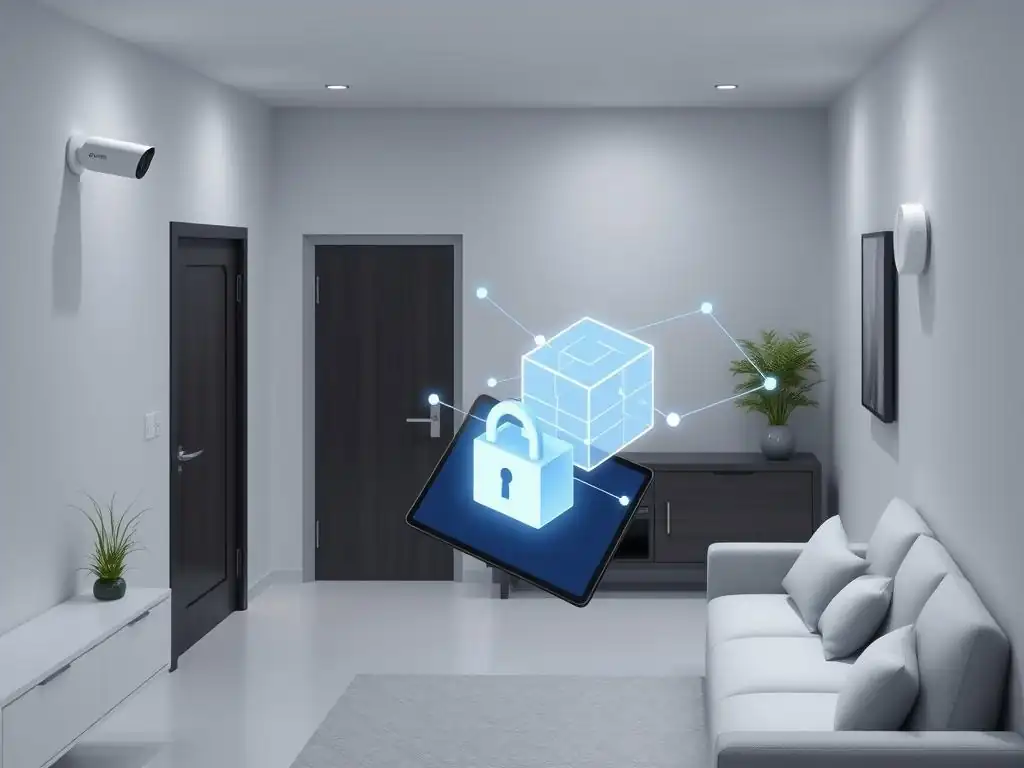
The Increasing Vulnerabilities of Smart Home Devices
The proliferation of smart home devices, from smart locks and thermostats to security cameras and voice assistants, has undeniably enhanced convenience and efficiency in our daily lives. However, this interconnected ecosystem presents a significantly expanded attack surface for cybercriminals. A 2023 report by Statista estimates that the average smart home in North America contains more than 25 connected devices, each potentially vulnerable to exploitation.
These vulnerabilities range from weak default passwords and outdated firmware to inherent flaws in device software and communication protocols. The consequences of exploiting these weaknesses can be severe, including unauthorized access to personal data, manipulation of home systems, and even physical security breaches.
The lack of standardized security protocols across different smart home device manufacturers exacerbates these vulnerabilities. Many devices are designed with minimal security considerations to reduce production costs and time to market. Furthermore, the long lifespan of many smart home devices means they may outlive manufacturer support, leaving them susceptible to newly discovered vulnerabilities without receiving necessary security updates. This creates a patchwork of security risks within the average smart home, making it a prime target for malicious actors seeking to compromise personal privacy and security.
Blockchain as a Potential Solution for Smart Home Data Protection
Blockchain technology, originally conceived as the foundation for cryptocurrencies, offers a compelling alternative paradigm for securing smart home environments. Its inherent characteristics of decentralization, immutability, and transparency address many of the security shortcomings prevalent in current smart home systems. By leveraging a distributed ledger, blockchain can create a tamper-proof record of device interactions, data transmissions, and access logs, making it significantly harder for attackers to manipulate or erase critical security information. This intrinsic security feature is a stark contrast to centralized cloud-based systems that are often single points of failure and attractive targets for large-scale data breaches.
Moreover, blockchain's cryptographic mechanisms, such as digital signatures and hash functions, can be employed to authenticate devices, encrypt communication channels, and ensure data integrity. Imagine a scenario where every smart device in a home is registered on a private blockchain network. Any attempt to tamper with device settings, intercept data, or introduce malicious code would be immediately detectable due to the consensus mechanism inherent in blockchain. This provides a robust layer of security that can significantly enhance the resilience of smart homes against cyber threats, offering a more secure and trustworthy environment for users.
Understanding the Financial Implications of Blockchain-Enhanced Smart Home Security
While the security benefits of blockchain for smart homes are increasingly recognized, the financial implications of its implementation are a crucial consideration. Deploying and maintaining a blockchain-based security system is not without cost, and a thorough cost-benefit analysis is essential to determine its practicality. Initial investments might include setting up the blockchain infrastructure, developing smart contracts for device management, and integrating blockchain functionalities into existing smart home devices or gateways. Ongoing operational expenses would encompass transaction fees (depending on the blockchain platform), energy consumption for network participation, and the costs associated with maintaining and updating the blockchain system.
Furthermore, the complexity of blockchain technology might necessitate specialized expertise for development, deployment, and ongoing management, potentially increasing labor costs. It is important to consider both direct costs, such as infrastructure and development expenses, and indirect costs, including potential performance overhead due to blockchain processing and the learning curve for users and administrators. A comprehensive understanding of these financial aspects is paramount to evaluating the true cost-effectiveness of blockchain for smart home security compared to traditional security approaches.
Frequently Asked Questions
How does blockchain enhance the security of IoT devices?
Blockchain provides a decentralized and immutable ledger, making it difficult for hackers to tamper with data. This enhanced security stems from its ability to offer tamper-proof transaction records and secure identities, improving overall IoT security. This helps with data integrity and device authentication.
What are the initial costs associated with implementing blockchain for IoT security?
Implementing blockchain involves costs related to infrastructure setup, software development, and integration with existing IoT systems. There will also be training costs for personnel to learn how to manage and maintain the blockchain solution, which can be significant.
Can blockchain improve the cost-effectiveness of IoT security in the long run?
Yes, while initial costs may be high, blockchain can reduce costs by automating security processes and eliminating intermediaries. This can lead to lower operational expenses and reduced reliance on traditional, expensive security solutions.
What are the key considerations for regulators when evaluating blockchain applications for IoT?
Regulators need to consider data privacy, security standards, and interoperability issues when evaluating blockchain in IoT. They must balance the benefits of blockchain with the need to protect consumer data and ensure responsible technology adoption.
How does blockchain help with IoT device identity management and why is this important?
Blockchain enables secure and verifiable identities for IoT devices, preventing spoofing and unauthorized access. This is crucial for ensuring data integrity and mitigating the risk of malicious actors compromising the IoT network.
Final Reflection: Balancing Innovation and Investment
The exploration of blockchain's role in IoT security, while promising, ultimately hinges on a pragmatic understanding of its cost-effectiveness. The true value of any security solution lies not just in its technological prowess, but in its ability to deliver tangible benefits that outweigh the financial investment. Ignoring this fundamental principle risks deploying solutions that are technically impressive but economically unsustainable, hindering the widespread adoption of secure IoT ecosystems.
The promise of immutable data and decentralized trust offered by blockchain continues to captivate the imagination, influencing the development of countless IoT applications. However, the real-world implementation often reveals a complex interplay of factors, from energy consumption to scalability limitations, that directly impact the bottom line. As we navigate this evolving landscape, it's crucial to remember that security is not an end in itself, but a means to protect valuable assets and enable innovation. Security is always excessive until it's not enough.
This quote perfectly encapsulates the challenge of finding the right balance between robust protection and reasonable expenditure.
Now, as you consider the future of IoT security, I urge you to reflect on the insights presented here. Don't be swayed solely by the allure of cutting-edge technology. Instead, critically evaluate the true cost-benefit ratio of blockchain solutions in your specific context. By prioritizing pragmatic assessment and informed decision-making, you can pave the way for a future where IoT devices are not only secure but also economically viable, unlocking their full potential to transform our world.
Unlock Your IoT Potential: Dive Deeper into Blockchain Security!
Thank you for exploring the intricate world of blockchain and IoT security. We hope you've gained valuable insights into evaluating the cost-effectiveness of this powerful combination. Now, let's put that knowledge into action!
Here are a few ways to continue your journey:
- Start small: Identify one critical IoT device or system in your business and brainstorm how blockchain could enhance its security protocols.: This is your chance to get practical.
- Explore the blockchain trends community forum and share your initial ideas and challenges with other professionals.
- Dive into the documentation for several open-source blockchain projects and try to see if they can fit your needs.
Ready to revolutionize your IoT security strategy? Share in the comments which IoT device or process you're considering securing with blockchain, and what are the biggest roadblocks you anticipate?
Leave a Reply