
Remote Monitoring Revolution: Empowering Industries with Blockchain & IoT Solutions


Welcome to Blockchain Trends, your guide to the evolving world of decentralized technologies!
Imagine a future where remote monitoring is not only more efficient but also inherently secure and transparent. Our latest deep dive into Blockchain IoT remote monitoring systems reveals how this powerful synergy is revolutionizing industries. Intrigued? Discover how blockchain's immutable ledger and IoT's pervasive sensors are creating unprecedented opportunities for enhanced data integrity and real-time insights. The possibilities are truly transformative. Let's explore!
Remote Monitoring Revolution: Empowering Industries with Secure and Transparent Data
- Introduction: The Synergy of Blockchain and IoT in Remote Monitoring
- Understanding Blockchain IoT Remote Monitoring Systems
- Benefits of Implementing Blockchain IoT Remote Monitoring Systems
-
Use Cases: Blockchain IoT Remote Monitoring in Action
- Pharmaceutical Supply Chain: Ensuring Drug Integrity and Authenticity
- Precision Agriculture: Optimizing Irrigation and Resource Allocation
- Smart Grids: Enhancing Energy Distribution and Reducing Losses
- Cold Chain Monitoring: Maintaining Temperature-Sensitive Product Integrity
- Infrastructure Monitoring: Detecting Structural Weaknesses and Preventing Failures
- Overcoming Challenges in Blockchain IoT Remote Monitoring Implementation
- The Future of Blockchain and IoT in Remote Monitoring
- Conclusion: Embracing the Revolution of Blockchain IoT in Remote Monitoring
-
Frequently Asked Questions
- How can blockchain enhance the security of IoT remote monitoring systems?
- What are the key benefits of using blockchain in IoT remote monitoring for supply chain management?
- How does blockchain facilitate better data management in IoT remote monitoring applications?
- What regulatory challenges might arise when implementing blockchain-based IoT remote monitoring systems?
- What are some real-world examples of industries benefiting from Blockchain IoT remote monitoring systems?
- Final Reflection: Embracing the Transparent Future of Remote Monitoring
- Ignite Your Industry: Embrace the Blockchain-IoT Revolution!
Introduction: The Synergy of Blockchain and IoT in Remote Monitoring
The Growing Need for Secure and Transparent Remote Monitoring Solutions
In today's interconnected world, the demand for effective remote monitoring solutions is surging across diverse industries. Businesses are increasingly relying on remote operations to optimize efficiency, reduce downtime, and enhance decision-making. Traditional remote monitoring systems, however, often face challenges related to data security, transparency, and trust. Centralized systems are vulnerable to cyberattacks and data manipulation, while lack of transparency can hinder collaboration and accountability, particularly in complex supply chains or distributed operations.
Consider the global supply chain, where monitoring the condition of goods in transit is crucial. Without a secure and transparent system, disputes over product quality or liability can be costly and time-consuming. This necessitates a paradigm shift towards more robust and reliable remote monitoring technologies.
The escalating adoption of the Internet of Things (IoT) is generating vast amounts of data from remote locations. This data, if properly harnessed, can provide invaluable insights for process optimization, predictive maintenance, and improved service delivery. However, the sheer volume of data and the distributed nature of IoT devices also amplify security and transparency concerns.
For instance, in critical infrastructure like power grids, the integrity of sensor data is paramount for grid stability and preventing outages. Compromised data or a lack of transparency in data management can lead to catastrophic failures. Therefore, the need for secure and transparent remote monitoring solutions is not just a matter of operational efficiency, but also of security, reliability, and trust in an increasingly data-driven world.
Blockchain & IoT: A Powerful Combination for Industrial Applications
The convergence of blockchain and IoT presents a transformative solution to address the challenges of traditional remote monitoring systems. Blockchain, with its inherent security, immutability, and transparency, perfectly complements the data generation capabilities of IoT. IoT devices can act as data sources, feeding real-time information into a blockchain network, creating a secure and auditable record of events. This combination enables the development of robust blockchain IoT remote monitoring systems that enhance data integrity, improve transparency, and foster trust among stakeholders.
Imagine a pharmaceutical company needing to track the temperature of vaccines during shipment. Integrating IoT sensors with a blockchain platform allows for continuous temperature monitoring, with data immutably recorded on the blockchain. This ensures that all parties involved, from manufacturers to distributors and healthcare providers, have access to a tamper-proof record of the vaccine's condition throughout its journey.
This synergy between blockchain and IoT not only strengthens security but also enhances operational efficiency and builds trust in the data being collected and used for remote monitoring applications across various industrial sectors. The combined power of blockchain IoT remote monitoring systems is poised to revolutionize how industries operate and manage their remote assets and processes.
Understanding Blockchain IoT Remote Monitoring Systems
What is Blockchain-Based Remote Monitoring?
Blockchain-based remote monitoring leverages the core principles of blockchain technology – decentralization, immutability, and transparency – to enhance the security and reliability of remote monitoring systems. Instead of relying on centralized servers, data collected from remote IoT devices is recorded on a distributed ledger, the blockchain. This distributed nature makes the system inherently more resilient to single points of failure and cyberattacks.
Furthermore, the cryptographic hashing and consensus mechanisms inherent in blockchain ensure data immutability, meaning that once data is recorded, it cannot be altered or tampered with retroactively. This is crucial for applications requiring high levels of data integrity and auditability.
In essence, blockchain IoT remote monitoring systems create a secure and transparent audit trail of data generated by remote devices. Every data point, such as sensor readings, device status updates, or location information, is timestamped and cryptographically secured on the blockchain. This creates an indisputable record of events, enhancing trust and accountability among stakeholders.
Consider a logistics company tracking high-value goods. By implementing blockchain IoT remote monitoring systems, they can ensure that the location and condition of the goods are recorded on a tamper-proof ledger, minimizing the risk of theft or fraud and providing verifiable proof of delivery and product integrity.
How IoT Devices Integrate with Blockchain Technology
The integration of IoT devices with blockchain technology typically involves several key steps and architectural considerations. Firstly, IoT devices, equipped with sensors and communication modules, collect data from the physical environment. This data can range from temperature and humidity readings to location coordinates and equipment performance metrics. Secondly, this data is pre-processed and formatted for blockchain integration. This may involve data aggregation, filtering, and encryption to optimize data transmission and ensure data privacy.
Next, a secure communication channel is established between the IoT devices and the blockchain network. This often involves gateway devices or edge computing platforms that act as intermediaries, translating IoT protocols and facilitating secure data transmission to the blockchain. The data is then packaged into transactions and submitted to the blockchain network for validation and recording.
Smart contracts, self-executing agreements encoded on the blockchain, can be used to automate data processing, access control, and trigger actions based on predefined conditions. For example, a smart contract could automatically notify maintenance personnel if sensor data from a remote wind turbine indicates a potential fault. This seamless integration of IoT devices and blockchain creates a powerful ecosystem for secure and transparent blockchain IoT remote monitoring systems.
Key Components of a Blockchain IoT Remote Monitoring Architecture
A typical blockchain IoT remote monitoring system architecture comprises several essential components working in concert. At the edge are the IoT devices themselves, equipped with sensors to collect data and communication modules to transmit it. These devices might range from simple temperature sensors to sophisticated industrial robots, depending on the specific application. Next, gateway devices or edge computing platforms play a crucial role in aggregating and pre-processing data from multiple IoT devices. These gateways often provide local processing capabilities, reducing latency and bandwidth requirements for blockchain transactions.
The core of the architecture is the blockchain network itself. This could be a public, private, or consortium blockchain, depending on the specific security and access control requirements of the application. The blockchain network is responsible for securely storing and managing the data received from IoT devices, ensuring data integrity and immutability.
Smart contracts residing on the blockchain automate various processes, such as data validation, access control, and automated responses to events detected by IoT devices. Finally, user interfaces and applications provide stakeholders with access to the data stored on the blockchain, enabling them to visualize data, generate reports, and interact with the system. These components, working together, form a robust and secure framework for blockchain IoT remote monitoring systems, enabling efficient and transparent management of remote assets and operations.
Benefits of Implementing Blockchain IoT Remote Monitoring Systems
Enhanced Security and Data Integrity in Remote Operations
One of the most significant advantages of implementing blockchain IoT remote monitoring systems is the enhanced security and data integrity they provide for remote operations. Traditional centralized systems are vulnerable to single points of failure and cyberattacks, where a breach in the central server can compromise the entire system. Blockchain's decentralized nature, however, distributes data across multiple nodes, making it significantly more resilient to attacks.
Tampering with data on a blockchain requires compromising a majority of the network, which is computationally infeasible in practice. This inherent security is crucial for protecting sensitive data collected from remote locations, especially in critical infrastructure or high-value asset monitoring.
Furthermore, blockchain's cryptographic hashing ensures data immutability. Once data is recorded on the blockchain, it cannot be altered or deleted retroactively. This immutability provides a tamper-proof audit trail, guaranteeing the integrity of the data collected by IoT devices.
Consider the oil and gas industry, where remote monitoring of pipelines is essential for safety and environmental protection. Implementing blockchain IoT remote monitoring systems ensures that sensor data indicating pressure levels, leaks, or other anomalies cannot be manipulated, providing verifiable and trustworthy information for timely intervention and preventing potential disasters. This enhanced security and data integrity are paramount for building trust and reliability in remote operations.
Improved Transparency and Traceability in Supply Chains
Blockchain IoT remote monitoring systems offer unparalleled transparency and traceability, particularly beneficial for complex supply chains. By recording data from IoT sensors at each stage of the supply chain onto a blockchain, a complete and immutable record of a product's journey is created. This record can include information such as location, temperature, humidity, and handling conditions, providing end-to-end visibility and traceability. This enhanced transparency builds trust among stakeholders and reduces disputes related to product quality, origin, or liability.
For example, in the food and beverage industry, tracking perishable goods like seafood is critical to ensure freshness and safety. Using blockchain IoT remote monitoring systems, consumers can scan a QR code on a product to access its entire journey, from the fishing vessel to the store shelf, verifying its origin, temperature history, and handling conditions. This level of transparency not only enhances consumer trust but also enables businesses to optimize their supply chains, identify bottlenecks, and improve efficiency. The improved traceability offered by blockchain and IoT empowers businesses to build more resilient and transparent supply chains.
Reduced Operational Costs Through Automation and Optimization
The implementation of blockchain IoT remote monitoring systems can lead to significant reductions in operational costs through automation and optimization. Smart contracts on the blockchain can automate various processes, eliminating the need for manual intervention and reducing administrative overhead. For instance, automated alerts can be triggered based on sensor data, notifying maintenance personnel of potential equipment failures before they escalate into costly breakdowns. This proactive approach to maintenance, enabled by real-time data and automated workflows, minimizes downtime and extends the lifespan of assets.
Furthermore, the data collected by blockchain IoT remote monitoring systems provides valuable insights for process optimization. Analyzing sensor data from remote equipment can reveal inefficiencies, identify areas for improvement, and optimize resource allocation. Consider a large-scale agricultural operation using precision agriculture techniques. By monitoring soil conditions, weather patterns, and crop health with IoT sensors and recording this data on a blockchain, farmers can optimize irrigation, fertilization, and pesticide application, reducing waste and maximizing yields. These optimizations, driven by data-driven insights and automated processes, contribute to substantial cost savings and improved operational efficiency.
Real-time Data Analytics and Predictive Maintenance Capabilities
Blockchain IoT remote monitoring systems empower businesses with real-time data analytics and predictive maintenance capabilities, transforming reactive maintenance approaches into proactive and predictive strategies. The continuous stream of data from IoT sensors, securely recorded on the blockchain, provides a rich dataset for real-time analysis. This data can be analyzed using advanced analytics techniques, including machine learning and artificial intelligence, to identify patterns, anomalies, and predict potential equipment failures or system disruptions.
Predictive maintenance, enabled by blockchain IoT remote monitoring systems, allows businesses to anticipate equipment failures and schedule maintenance proactively, minimizing downtime and reducing maintenance costs. For example, in the manufacturing sector, monitoring the vibration and temperature of critical machinery with IoT sensors and analyzing this data in real-time can predict bearing failures or motor malfunctions.
By addressing these issues proactively, manufacturers can avoid unexpected breakdowns, optimize maintenance schedules, and extend the lifespan of their equipment. The real-time data analytics and predictive maintenance capabilities of blockchain IoT remote monitoring systems are crucial for enhancing operational efficiency and reducing downtime in remote industrial settings.
Use Cases: Blockchain IoT Remote Monitoring in Action
Pharmaceutical Supply Chain: Ensuring Drug Integrity and Authenticity
The pharmaceutical industry is highly regulated and demands stringent control over the supply chain to ensure drug integrity and authenticity. Blockchain IoT remote monitoring systems offer a powerful solution to address these challenges. Imagine temperature-sensitive vaccines needing to be transported across vast distances. By embedding IoT temperature sensors in vaccine shipments and recording temperature data on a blockchain, pharmaceutical companies can maintain a continuous and immutable record of temperature conditions throughout the supply chain. If temperature deviations occur, alerts can be automatically triggered, and stakeholders can instantly verify if the vaccines have been compromised.
This system not only ensures drug integrity but also combats counterfeiting. Blockchain's immutability makes it virtually impossible to tamper with the recorded data, providing verifiable proof of authenticity and origin. Real-world examples are emerging, with companies like Chronicled partnering with pharmaceutical giants to implement blockchain-based solutions for supply chain traceability and temperature monitoring.
These blockchain IoT remote monitoring systems are revolutionizing the pharmaceutical supply chain, enhancing patient safety and building trust in the integrity of medications. It is estimated that counterfeit drugs cost the pharmaceutical industry billions annually, and blockchain IoT remote monitoring systems offer a tangible solution to mitigate this issue.
Precision Agriculture: Optimizing Irrigation and Resource Allocation
Precision agriculture is transforming farming practices by leveraging technology to optimize resource utilization and improve crop yields. Blockchain IoT remote monitoring systems are playing a crucial role in this revolution. Consider a large vineyard implementing smart agriculture techniques. By deploying IoT sensors across the vineyard to monitor soil moisture, temperature, humidity, and sunlight, farmers can gather granular data about environmental conditions in real-time. This data can then be recorded on a blockchain, creating a secure and auditable record of growing conditions.
Analyzing this data allows farmers to optimize irrigation schedules, precisely apply fertilizers and pesticides, and make data-driven decisions to improve crop health and yields. For instance, if soil moisture sensors indicate dryness in a specific section of the vineyard, the irrigation system can be automatically adjusted to deliver water only where needed, minimizing water waste and maximizing efficiency. Companies like AgriDigital are exploring blockchain solutions in agriculture to enhance supply chain transparency and traceability.
Blockchain IoT remote monitoring systems in precision agriculture are not only increasing efficiency but also promoting sustainable farming practices by reducing resource consumption and environmental impact. Studies have shown that precision agriculture techniques, enhanced by blockchain IoT remote monitoring systems, can increase crop yields by up to 15% while reducing water usage by as much as 30%.
Smart Grids: Enhancing Energy Distribution and Reducing Losses
Smart grids are the future of energy distribution, aiming to create more efficient, reliable, and resilient energy networks. Blockchain IoT remote monitoring systems are essential components of smart grids, enabling real-time monitoring and control of energy flow across the grid. Imagine a city implementing a smart grid to optimize energy distribution and reduce energy losses. By deploying smart meters equipped with IoT communication capabilities and integrating them with a blockchain platform, energy providers can gain real-time visibility into energy consumption patterns across the grid.
This data can be used to optimize energy distribution, balance supply and demand, and detect and respond to grid anomalies or outages more effectively. Furthermore, blockchain can facilitate peer-to-peer energy trading, allowing consumers with solar panels to sell excess energy directly to their neighbors, creating a more decentralized and efficient energy market. Projects like the Brooklyn Microgrid are pioneering blockchain-based peer-to-peer energy trading systems.
Blockchain IoT remote monitoring systems in smart grids are not only improving grid efficiency and reliability but also paving the way for a more sustainable and decentralized energy future. It is estimated that smart grids, leveraging blockchain IoT remote monitoring systems, can reduce energy losses by up to 10-15%.
Cold Chain Monitoring: Maintaining Temperature-Sensitive Product Integrity
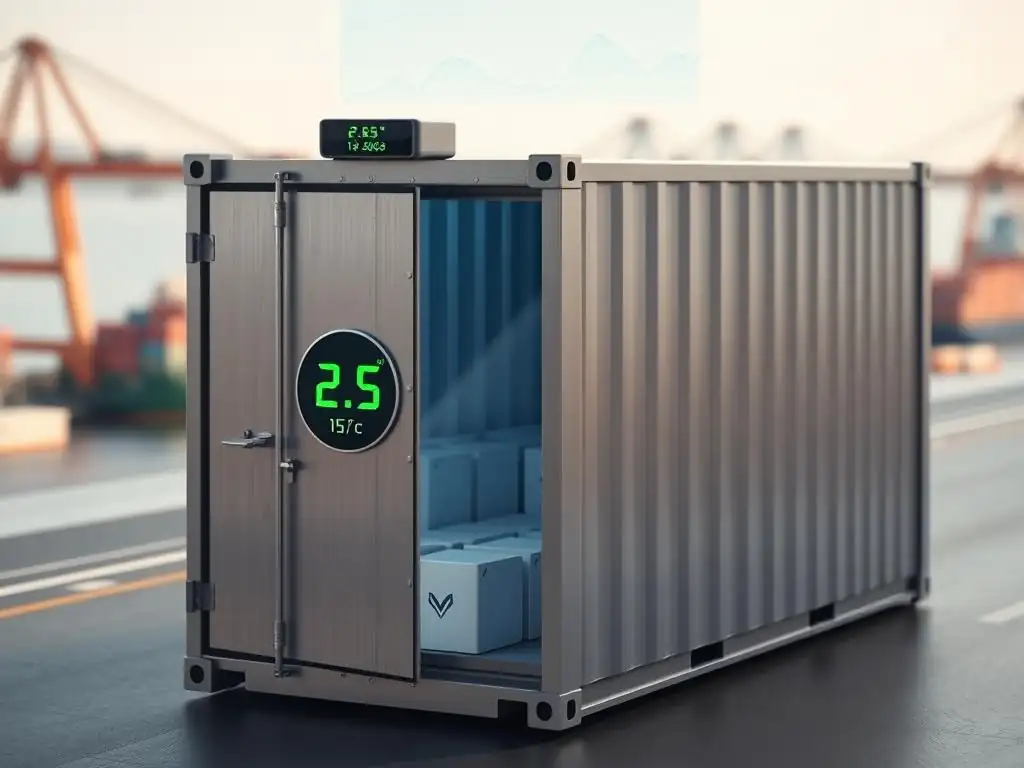
Maintaining the integrity of temperature-sensitive products, such as pharmaceuticals, food, and chemicals, throughout the cold chain is crucial to prevent spoilage and ensure product safety. Blockchain IoT remote monitoring systems offer a robust solution for cold chain monitoring, providing real-time visibility and traceability of temperature conditions. Consider a global food distribution company transporting perishable goods across continents. By embedding IoT temperature sensors in refrigerated containers and recording temperature data on a blockchain, the company can continuously monitor the temperature of the goods throughout their journey.
If temperature excursions occur, alerts can be automatically triggered, enabling timely intervention and preventing potential spoilage. Blockchain's immutable ledger provides verifiable proof of temperature history, ensuring accountability and reducing disputes related to product quality. Companies like IBM and Maersk have collaborated on TradeLens, a blockchain-based platform for supply chain digitization, including cold chain monitoring.
Blockchain IoT remote monitoring systems are transforming cold chain logistics, minimizing product losses, enhancing product safety, and improving operational efficiency. It is estimated that up to 20% of temperature-sensitive products are wasted annually due to cold chain failures, and blockchain IoT remote monitoring systems offer a significant reduction in these losses.
Infrastructure Monitoring: Detecting Structural Weaknesses and Preventing Failures
Monitoring critical infrastructure, such as bridges, pipelines, and buildings, is essential for ensuring public safety and preventing catastrophic failures. Blockchain IoT remote monitoring systems offer a proactive approach to infrastructure monitoring, enabling early detection of structural weaknesses and preventing potential disasters. Imagine a city implementing a system to monitor the structural health of its bridges. By deploying IoT sensors on bridges to measure strain, vibration, and corrosion, and recording this data on a blockchain, city authorities can gain real-time insights into the structural integrity of their infrastructure.
Analyzing this data can help identify potential structural weaknesses or anomalies before they escalate into major failures. Automated alerts can be triggered if sensor readings exceed predefined thresholds, prompting timely inspections and maintenance interventions. Blockchain's immutable ledger provides a verifiable record of infrastructure condition over time, facilitating long-term monitoring and maintenance planning. Projects are underway to explore the use of blockchain IoT remote monitoring systems for infrastructure monitoring, particularly in earthquake-prone regions. These systems have the potential to significantly enhance infrastructure safety, extend the lifespan of critical assets, and reduce the risk of catastrophic failures.
Overcoming Challenges in Blockchain IoT Remote Monitoring Implementation
Addressing Scalability Issues in Blockchain Networks
One of the primary challenges in implementing blockchain IoT remote monitoring systems is addressing the scalability limitations of some blockchain networks. IoT devices often generate vast amounts of data at high frequencies. Public blockchains, while offering decentralization and security, may struggle to handle the transaction throughput required for large-scale IoT deployments. For example, a city-wide smart city deployment with millions of IoT sensors generating data continuously could overwhelm the transaction processing capacity of certain public blockchains.
Solutions to address scalability include exploring layer-2 scaling solutions, such as state channels or rollups, which offload transaction processing from the main blockchain. Private or consortium blockchains, with their permissioned nature and optimized consensus mechanisms, can also offer higher throughput for specific use cases. Furthermore, advancements in blockchain technology, such as sharding and improved consensus algorithms, are continuously improving the scalability of blockchain networks.
Choosing the appropriate blockchain platform and scaling solutions is crucial for ensuring that blockchain IoT remote monitoring systems can handle the data volume and transaction frequency requirements of specific applications. Research and development efforts are ongoing to create highly scalable blockchain solutions suitable for massive IoT deployments.
Ensuring Interoperability Between IoT Devices and Blockchain Platforms
Ensuring interoperability between diverse IoT devices and various blockchain platforms is another significant challenge in blockchain IoT remote monitoring systems implementation. The IoT landscape is characterized by a wide range of devices, communication protocols, and data formats. Similarly, there are numerous blockchain platforms with different architectures, APIs, and smart contract languages. Achieving seamless communication and data exchange between these heterogeneous systems requires addressing interoperability challenges at multiple levels.
Standardization efforts are crucial for promoting interoperability. Developing common data formats, communication protocols, and APIs for IoT devices and blockchain platforms can facilitate smoother integration. Middleware solutions and gateway devices can also play a role in bridging the gap between different protocols and platforms. Furthermore, cross-chain interoperability solutions, which enable communication and data transfer between different blockchains, can enhance the flexibility and scalability of blockchain IoT remote monitoring systems. Addressing interoperability challenges is essential for realizing the full potential of integrated blockchain and IoT solutions and enabling widespread adoption across diverse industries.
Managing Data Privacy and Compliance with Regulations
Data privacy and compliance with regulations, such as GDPR and CCPA, are critical considerations in the implementation of blockchain IoT remote monitoring systems. IoT devices often collect personal data, such as location information or usage patterns. Storing this data on a blockchain, even in an anonymized or encrypted form, raises privacy concerns. Balancing the transparency and immutability of blockchain with data privacy requirements is a key challenge.
Solutions to address data privacy include implementing privacy-preserving technologies, such as zero-knowledge proofs or homomorphic encryption, which allow data to be processed and verified on the blockchain without revealing the underlying sensitive information. Data minimization techniques, collecting only the necessary data, and data anonymization or pseudonymization can also enhance privacy. Furthermore, compliance with data privacy regulations requires careful consideration of data governance policies, access control mechanisms, and data retention policies within blockchain IoT remote monitoring systems. Striking the right balance between data transparency, security, and privacy is crucial for responsible and ethical implementation of these systems.
The Importance of Secure Device Management and Firmware Updates
Secure device management and firmware updates are paramount for maintaining the security and reliability of blockchain IoT remote monitoring systems over their lifecycle. IoT devices, often deployed in remote and unattended locations, are vulnerable to physical tampering and cyberattacks. Compromised devices can inject malicious data into the blockchain, undermining the integrity of the entire system. Therefore, robust device management and security protocols are essential.
Secure device onboarding, authentication, and authorization mechanisms are crucial to prevent unauthorized devices from joining the network. Regular firmware updates are necessary to patch security vulnerabilities and ensure devices are running the latest secure software. Over-the-air (OTA) firmware update mechanisms, secured by cryptographic signatures, enable remote updates and minimize the need for physical access to devices. Device monitoring and anomaly detection systems can help identify compromised devices and trigger alerts for remediation. Implementing comprehensive secure device management and firmware update strategies is crucial for ensuring the long-term security and trustworthiness of blockchain IoT remote monitoring systems.
The Future of Blockchain and IoT in Remote Monitoring
Advancements in Edge Computing and Artificial Intelligence
Advancements in edge computing and artificial intelligence (AI) are poised to further enhance the capabilities of blockchain IoT remote monitoring systems. Edge computing brings data processing and analytics closer to the data source, i.e., the IoT devices, reducing latency and bandwidth requirements. Integrating AI algorithms at the edge enables real-time data analysis, anomaly detection, and predictive modeling directly on edge devices or gateway platforms.
This combination of edge computing and AI enhances the responsiveness and intelligence of blockchain IoT remote monitoring systems. For example, edge AI can pre-process sensor data, identify anomalies, and trigger smart contract execution on the blockchain only when necessary, optimizing blockchain transaction volume and reducing latency. Furthermore, edge AI can enable more sophisticated predictive maintenance capabilities, analyzing sensor data locally to predict equipment failures with greater accuracy and speed. The synergy of edge computing, AI, and blockchain is driving the evolution of more intelligent and efficient blockchain IoT remote monitoring systems.
The Role of 5G in Enhancing Remote Monitoring Capabilities
The rollout of 5G networks is expected to significantly enhance the capabilities of blockchain IoT remote monitoring systems. 5G offers higher bandwidth, lower latency, and greater network capacity compared to previous generations of mobile networks. These improvements enable the deployment of more sophisticated IoT devices, the transmission of larger volumes of data, and real-time communication with remote devices.
5G facilitates the deployment of blockchain IoT remote monitoring systems in remote and challenging environments, such as remote industrial sites or offshore platforms, where reliable and high-bandwidth connectivity is essential. The low latency of 5G enables real-time control and automation of remote operations, enhancing the responsiveness of remote monitoring systems.
Furthermore, 5G's massive machine-type communication (mMTC) capabilities can support the deployment of massive numbers of IoT devices, enabling large-scale blockchain IoT remote monitoring systems for smart cities and industrial IoT applications. The widespread adoption of 5G is a key enabler for the future growth and expansion of blockchain IoT remote monitoring systems.
Decentralized Autonomous Organizations (DAOs) for Remote Management
Decentralized Autonomous Organizations (DAOs) offer a novel approach to managing and governing blockchain IoT remote monitoring systems, particularly for large-scale and distributed deployments. DAOs are organizations governed by rules encoded in smart contracts on a blockchain, eliminating the need for traditional hierarchical management structures. In the context of remote monitoring, DAOs can automate decision-making, access control, and resource allocation based on data collected from IoT devices and rules defined in smart contracts.
For example, a DAO could manage a distributed network of smart sensors monitoring environmental conditions across a vast geographical area. The DAO could automatically allocate resources for sensor maintenance, trigger alerts based on predefined environmental thresholds, and reward participants who contribute to the network's operation, all governed by transparent and immutable rules encoded in smart contracts. DAOs can enhance the autonomy, transparency, and efficiency of managing complex blockchain IoT remote monitoring systems, particularly in decentralized and collaborative environments. The application of DAOs in blockchain IoT remote monitoring systems is an emerging trend with significant potential.
Predictions for the Growth of the Blockchain IoT Remote Monitoring Market
The market for blockchain IoT remote monitoring systems is poised for significant growth in the coming years. Market research reports project substantial growth in the IoT market and the blockchain market, and the convergence of these technologies is expected to drive significant demand for integrated solutions. Factors driving this growth include the increasing adoption of IoT across industries, the growing need for secure and transparent remote monitoring solutions, and the increasing maturity of blockchain technology.
Industries such as manufacturing, logistics, healthcare, agriculture, and energy are expected to be early adopters of blockchain IoT remote monitoring systems. The increasing focus on supply chain transparency, predictive maintenance, and remote asset management is further accelerating market growth. While the market is still in its early stages, pilot projects and proof-of-concepts are demonstrating the value proposition of blockchain IoT remote monitoring systems across various use cases.
As technology matures, standards emerge, and interoperability improves, the adoption of blockchain IoT remote monitoring systems is expected to accelerate rapidly, transforming industries and enabling new business models. Analysts predict a multi-billion dollar market for blockchain IoT remote monitoring systems within the next five to ten years.
Conclusion: Embracing the Revolution of Blockchain IoT in Remote Monitoring
Key Takeaways: The Transformative Power of Integrated Systems
Blockchain IoT remote monitoring systems represent a transformative convergence of two powerful technologies, offering enhanced security, transparency, and efficiency for remote operations across diverse industries. By leveraging the strengths of blockchain and IoT, these integrated systems address the limitations of traditional remote monitoring solutions, providing tamper-proof data integrity, improved traceability, and reduced operational costs. From securing pharmaceutical supply chains to optimizing precision agriculture and enhancing smart grids, blockchain IoT remote monitoring systems are demonstrating their potential to revolutionize how industries operate and manage their remote assets and processes.
The key takeaways are clear: blockchain IoT remote monitoring systems enhance security and data integrity, improve transparency and traceability, reduce operational costs through automation and optimization, and enable real-time data analytics and predictive maintenance capabilities. While challenges related to scalability, interoperability, privacy, and device management need to be addressed, ongoing advancements in technology and standardization efforts are paving the way for wider adoption. The synergy of blockchain and IoT is not just an incremental improvement; it is a fundamental shift towards more secure, transparent, and efficient remote monitoring paradigms.
Call to Action: Exploring Opportunities and Investing in Blockchain IoT Solutions
The revolution in remote monitoring powered by blockchain and IoT is underway. Businesses across industries should actively explore the opportunities presented by blockchain IoT remote monitoring systems to enhance their operations, improve efficiency, and gain a competitive edge. Investing in research, development, and pilot projects to evaluate and implement these solutions is crucial for staying ahead of the curve and capitalizing on the transformative potential of this technology.
From enhancing supply chain visibility to enabling predictive maintenance and building trust in remote operations, the benefits of blockchain IoT remote monitoring systems are compelling. Embracing this technological convergence is not just about adopting new tools; it is about embracing a new paradigm of secure, transparent, and data-driven remote management. The time to explore opportunities and invest in blockchain IoT remote monitoring systems is now, to unlock the full potential of this revolutionary technology and shape the future of remote operations.
Frequently Asked Questions
How can blockchain enhance the security of IoT remote monitoring systems?
Blockchain provides immutable records of data, making it tamper-proof. This enhances security by preventing unauthorized access and ensuring the integrity of sensor data transmitted from IoT devices in remote locations. The decentralized nature also reduces single points of failure.
What are the key benefits of using blockchain in IoT remote monitoring for supply chain management?
Blockchain's transparency and traceability enable real-time tracking of goods throughout the supply chain. This improves accountability, reduces fraud, and enhances overall efficiency by providing a single, shared source of truth for all stakeholders.
How does blockchain facilitate better data management in IoT remote monitoring applications?
Blockchain creates a distributed ledger where data is securely stored and shared. This improves data management by providing a single source of truth, enhancing data integrity, and enabling secure access control for authorized parties.
What regulatory challenges might arise when implementing blockchain-based IoT remote monitoring systems?
Regulations regarding data privacy, security, and cross-border data transfer can pose challenges. Compliance with existing regulations like GDPR and emerging blockchain-specific legislation is crucial for the legal and ethical implementation of these systems.
What are some real-world examples of industries benefiting from Blockchain IoT remote monitoring systems?
Industries such as agriculture, healthcare, and energy are leveraging these systems. In agriculture, it helps monitor crop conditions; in healthcare, it secures patient data; and in energy, it optimizes resource management through real-time data analysis and secure transactions.
Okay, here's a final reflection crafted to fit your article "Remote Monitoring Revolution: Empowering Industries with Blockchain & IoT Solutions," optimized for the keyword "Blockchain IoT remote monitoring systems," and following the structure you outlined:
Final Reflection: Embracing the Transparent Future of Remote Monitoring
The journey we've explored through the convergence of Blockchain and IoT for remote monitoring culminates in a powerful realization: real-time, immutable data is no longer a futuristic fantasy, but a tangible reality transforming industries today. The potential for increased efficiency, enhanced security, and unprecedented transparency offered by these systems is not just theoretical; it's actively reshaping how we manage assets, optimize processes, and build trust in a connected world.
This revolution is more than just technological advancement; it's a fundamental shift in how we perceive and interact with the data that governs our lives. The ability to verify the integrity of information, from the temperature of a vaccine shipment to the performance of a remote wind turbine, has profound implications for accountability and reliability. Data is the new oil; it's valuable, but if unrefined it cannot really be used. It has to be changed into gas, plastic, chemicals, etc. to create a valuable entity that drives profit; so must data be broken down, analyzed for understanding.
- Clive Humby. This quote underscores the importance of secure and reliable data, which Blockchain IoT remote monitoring systems provide.
Now, as we stand at the precipice of this new era, consider the possibilities. How can you leverage the power of Blockchain IoT remote monitoring systems to enhance your own operations, build trust with your stakeholders, and contribute to a more transparent and efficient future? The tools are available, the technology is proven, and the potential is limitless. Embrace the challenge, explore the opportunities, and become a part of the revolution that is reshaping industries, one secure data point at a time.
Ignite Your Industry: Embrace the Blockchain-IoT Revolution!
Thank you for exploring how remote monitoring, combined with blockchain and IoT technologies, is transforming industries. You now have valuable insights into the potential these innovations hold. Are you ready to take the next step?
Here are some actions you can consider right now:
- Start planning: Identify a specific area within your current operations where you can pilot a remote monitoring project utilizing blockchain and IoT. Focus on a manageable scope that offers significant potential benefits.
- Explore: Dive into case studies and expert interviews related to your industry to see how others are successfully implementing these technologies.
- Share and Discuss: Send this article to a colleague or initiate a discussion with your team about the possibilities. Encourage brainstorming and collaborative planning.
What small step will you take this week to explore the application of blockchain and IoT in your industry?
Leave a Reply