
The Role of Blockchain in Enhancing Smart Contract Functionality for IoT


Welcome to Blockchain Trends, your guide to the evolving landscape of decentralized innovation! Intrigued by how blockchain is revolutionizing more than just cryptocurrencies? Dive into our exploration of the transformative potential of blockchain in the Internet of Things. Specifically, we're unraveling the critical role of blockchain in enhancing Blockchain Smart Contract IoT Security, a topic that promises to reshape the future of connected devices. What security benefits does blockchain bring to IoT? Let's find out!
The Role of Blockchain in Enhancing Smart Contract Functionality for IoT
- Introduction: Blockchain, IoT, and the Promise of Secure Automation
- Understanding Blockchain Smart Contracts for IoT
- Enhancing Smart Contract Functionality for IoT with Blockchain
-
Use Cases: Blockchain Smart Contracts for IoT in Action
- Smart Supply Chain Management: Tracking and Verifying Goods with Blockchain IoT
- Smart Energy Grids: Decentralized Energy Management with Smart Contracts
- Healthcare IoT: Secure and Private Data Sharing with Blockchain
- Smart Agriculture: Optimizing Crop Yield and Resource Management with Blockchain IoT
- Addressing the Limitations of Traditional Smart Contracts in IoT
- Blockchain Smart Contract IoT Security: Best Practices
- The Future of Blockchain and Smart Contracts in IoT
- Conclusion: Blockchain as a Catalyst for Secure and Efficient IoT Automation
-
Frequently Asked Questions
- How can blockchain technology improve the security of smart contracts used in IoT devices?
- What are the main benefits of using blockchain for smart contract execution in IoT ecosystems?
- What role does blockchain play in addressing the scalability challenges associated with deploying smart contracts across numerous IoT devices?
- How does blockchain help ensure data integrity when IoT devices interact with smart contracts?
- What are some of the regulatory considerations surrounding the use of blockchain-based smart contracts in IoT applications?
- Final Reflection: Securing the Future with Blockchain, Smart Contracts, and IoT
- Unlock the Potential: Implement Blockchain in Your IoT Projects!
Introduction: Blockchain, IoT, and the Promise of Secure Automation
The Convergence of Blockchain and IoT: A New Era of Connectivity
The Internet of Things (IoT) has ushered in an era of unprecedented connectivity, linking billions of devices to collect and exchange data across various sectors, from homes and cities to industries and healthcare. This interconnected ecosystem, however, faces significant challenges, particularly in terms of security and trust.
Enter blockchain technology, a revolutionary innovation initially known for cryptocurrencies but now recognized for its potential to address these very challenges within the IoT landscape. The convergence of blockchain and IoT promises to create a more secure, transparent, and efficient environment for device communication and data management, paving the way for truly automated and trustworthy systems.
This synergy is not merely theoretical; it represents a practical evolution towards enhancing the functionality and security of IoT deployments. Imagine smart devices not just communicating, but doing so in a verifiable and tamper-proof manner. This is the vision that the integration of blockchain and IoT brings to the forefront. By leveraging blockchain's inherent security features and smart contract capabilities, we can overcome many of the limitations currently hindering the full potential of IoT, fostering a new era of secure and decentralized connectivity.
The Challenge: IoT Security Vulnerabilities and the Need for Enhanced Smart Contracts
The rapid expansion of IoT devices has unfortunately been accompanied by a surge in security vulnerabilities. Traditional centralized IoT systems are often susceptible to single points of failure and cyberattacks, as evidenced by numerous large-scale botnet attacks leveraging compromised IoT devices, such as the Mirai botnet in 2016 which crippled major websites. These vulnerabilities stem from factors like weak device security, lack of robust authentication mechanisms, and centralized data storage, making IoT networks attractive targets for malicious actors seeking to disrupt services, steal data, or launch broader cyber campaigns.
Smart contracts, self-executing agreements with the terms of the contract directly written into code, offer a potential solution to automate and secure interactions within IoT ecosystems. However, traditional smart contract platforms, while offering automation, often lack the inherent security and scalability required to handle the vast and diverse landscape of IoT. Therefore, enhancing smart contract functionality with blockchain technology becomes crucial. Blockchain's decentralized nature, cryptographic security, and consensus mechanisms provide a robust foundation for building more resilient and trustworthy smart contracts specifically tailored for the unique challenges of IoT security.
Understanding Blockchain Smart Contracts for IoT
What are Smart Contracts? Definition and Core Functionalities
Smart contracts are essentially digital agreements stored on a blockchain that automatically execute when predefined conditions are met. Think of them as self-enforcing programs that remove the need for intermediaries, ensuring that transactions and agreements are carried out in a transparent and autonomous manner. A simple example in an IoT context could be a smart contract that automatically orders more supplies for a smart factory machine when its inventory sensor detects levels falling below a certain threshold. This process, once programmed, is executed automatically without manual intervention, reducing delays and improving efficiency.
The core functionalities of smart contracts include automated execution, transparency, and immutability. Because the terms of the agreement are coded and stored on the blockchain, every party involved can verify the contract's logic and execution. Furthermore, once deployed, smart contracts are immutable, meaning they cannot be altered, ensuring that the agreed-upon terms are enforced as written. This inherent transparency and immutability are particularly valuable in IoT environments where trust and secure data exchange are paramount for reliable automation.
How Blockchain Technology Secures Smart Contract Execution in IoT Networks
Blockchain technology provides the essential security infrastructure for smart contract execution in IoT networks through several key features. Decentralization is paramount; instead of relying on a single vulnerable server, blockchain distributes data and processing across a network of nodes. This distributed ledger system makes it extremely difficult for attackers to tamper with smart contracts or the data they manage because they would need to compromise a majority of the network, a computationally infeasible task in most established blockchains.
Cryptographic hashing and encryption further secure smart contracts and data within the blockchain. Hashing ensures data integrity by creating a unique fingerprint of each transaction, making any unauthorized alteration immediately detectable. Encryption protects sensitive data stored within smart contracts and exchanged across the IoT network, ensuring confidentiality.
Consensus mechanisms, like Proof-of-Work or Proof-of-Stake, ensure that all participants in the network agree on the validity of transactions before they are added to the blockchain, preventing fraudulent or invalid executions of smart contracts. These combined security features of blockchain provide a robust and trustworthy platform for deploying and executing smart contracts within complex and potentially vulnerable IoT ecosystems, enhancing overall blockchain smart contract IoT security.
Key Advantages of Blockchain-Based Smart Contracts in IoT
Integrating blockchain with smart contracts in IoT environments offers a multitude of advantages. Enhanced security is a primary benefit, as discussed, stemming from blockchain's inherent features. Beyond security, automation is significantly improved. Smart contracts automate processes that would traditionally require manual intervention, reducing errors and increasing efficiency in IoT operations. For instance, in supply chain management, smart contracts can automatically trigger payments when a shipment reaches a specific location, as verified by IoT sensors, streamlining logistics and reducing administrative overhead.
Transparency is another crucial advantage. All transactions and contract executions are recorded on the blockchain, creating an auditable and transparent history of interactions within the IoT network. This transparency builds trust among participants as all actions are verifiable and traceable.
Furthermore, increased efficiency is achieved through the elimination of intermediaries and the automation of processes, leading to reduced operational costs and faster transaction times. Finally, data integrity is assured through blockchain's immutability. Data recorded on the blockchain cannot be altered, providing a reliable and trustworthy record of IoT device data and smart contract executions, essential for applications requiring high levels of data accuracy and security.
Enhancing Smart Contract Functionality for IoT with Blockchain
Improved Security and Trust: Blockchain's Role in IoT Device Authentication
Blockchain drastically improves security and trust in IoT device authentication through decentralized identity management and secure data exchange. Traditional IoT systems often rely on centralized authentication servers, which can become bottlenecks and single points of failure. Blockchain-based solutions offer a decentralized approach where each device or participant can have a unique digital identity securely stored on the blockchain. This decentralized identity system eliminates the need for a central authority, making the system more resilient to attacks and single points of failure.
Smart contracts play a crucial role in managing these digital identities and controlling access to IoT devices and data. For example, a smart contract can be designed to verify the identity of a device attempting to join the network or access sensitive data. This verification process can be automated and transparently recorded on the blockchain, creating an immutable audit trail of device authentication events.
Furthermore, blockchain facilitates secure data exchange between devices and systems. Data can be encrypted and access permissions managed through smart contracts, ensuring that only authorized parties can access specific information. This combination of decentralized identity and secure data exchange significantly enhances the overall blockchain smart contract IoT security posture of the system.
Automation and Efficiency: Streamlining IoT Processes with Smart Contracts
Smart contracts are instrumental in automating and streamlining various IoT processes, leading to significant efficiency gains. Consider a smart agriculture scenario where sensors monitor soil conditions, weather patterns, and crop health. Smart contracts can be programmed to automatically trigger irrigation systems or fertilizer distribution based on real-time data from these sensors. This automation eliminates the need for manual monitoring and intervention, optimizing resource utilization and improving crop yields. Studies have shown that precision agriculture, enabled by IoT and smart contracts, can reduce water usage by up to 30% and increase crop yields by 15-20%.
Beyond agriculture, smart contracts can automate numerous other IoT processes across industries. In smart manufacturing, they can manage supply chains, automate equipment maintenance schedules based on sensor data, and trigger automatic reordering of parts when inventory levels are low. In smart homes, smart contracts can control energy consumption, manage security systems, and automate appliance operations based on predefined user preferences and sensor inputs. This automation not only improves efficiency and reduces operational costs but also enhances responsiveness and adaptability in IoT systems, making them more intelligent and self-managing.
Data Integrity and Transparency: Immutable Records on the Blockchain for IoT Data
Data integrity and transparency are paramount in IoT applications, especially in sectors like healthcare and supply chain management. Blockchain's inherent immutability provides a robust solution for ensuring data integrity in IoT systems. When IoT sensor data is recorded on a blockchain, it becomes tamper-proof and auditable. Any attempt to alter or manipulate the data would be immediately detectable due to blockchain's cryptographic hashing and distributed ledger. This immutability is crucial for building trust in IoT data and ensuring its reliability for critical decision-making processes.
Smart contracts further enhance data transparency by codifying the rules and conditions under which data is collected, processed, and shared. These rules are transparently defined within the smart contract and automatically enforced by the blockchain network. For instance, in healthcare IoT, smart contracts can manage patient data access permissions, ensuring that only authorized healthcare providers can access specific patient information.
The entire history of data access and modifications is recorded on the blockchain, creating a transparent and auditable log. This combination of data immutability and transparent data management through blockchain smart contract IoT security measures is essential for building trustworthy and reliable IoT systems, particularly in sensitive applications.
Use Cases: Blockchain Smart Contracts for IoT in Action
Smart Supply Chain Management: Tracking and Verifying Goods with Blockchain IoT
Smart supply chain management is a compelling use case for blockchain and IoT integration. Imagine tracking goods from origin to consumer using IoT sensors and recording each step on a blockchain. Smart contracts can automate various processes within this supply chain, such as verifying the authenticity of goods, triggering payments upon delivery confirmation, and managing inventory levels. For example, pharmaceutical companies are exploring blockchain to track medications, ensuring provenance and combating counterfeit drugs, a market estimated to be worth over $200 billion globally.
IoT devices, such as RFID tags and GPS sensors attached to shipments, provide real-time data on location, temperature, and handling conditions. This data is then recorded on a blockchain, creating an immutable and transparent record of the entire supply chain journey. Smart contracts can automatically verify these data points and trigger actions based on predefined conditions.
For instance, a smart contract can automatically reject a shipment of temperature-sensitive goods if IoT sensors detect that temperature thresholds were breached during transit. This enhanced transparency and automation through blockchain and IoT significantly improves supply chain efficiency, reduces fraud, and builds trust among stakeholders.
Smart Energy Grids: Decentralized Energy Management with Smart Contracts
Smart energy grids are another promising area where blockchain and IoT can revolutionize current systems. Traditional energy grids are often centralized and vulnerable to disruptions. Decentralized energy grids, leveraging blockchain and IoT, can enhance resilience, improve efficiency, and empower consumers. Smart meters equipped with IoT capabilities can collect real-time data on energy consumption and production. This data, recorded on a blockchain, can facilitate peer-to-peer energy trading and optimize energy distribution across the grid. Several pilot projects are underway globally, exploring blockchain-based energy marketplaces, aiming to reduce energy costs and promote renewable energy adoption.
Smart contracts can automate energy transactions and grid management processes. For example, smart contracts can automatically adjust energy prices based on supply and demand, incentivizing efficient energy consumption. They can also facilitate microgrids and distributed energy generation, allowing individuals with solar panels to sell excess energy directly to their neighbors through blockchain-based platforms. This decentralized approach to energy management enhances grid resilience, reduces reliance on centralized infrastructure, and fosters a more sustainable and efficient energy ecosystem by leveraging blockchain smart contract IoT security.
Healthcare IoT: Secure and Private Data Sharing with Blockchain
Healthcare IoT generates vast amounts of sensitive patient data from wearable devices, medical sensors, and connected medical equipment. Ensuring the security and privacy of this data is paramount. Blockchain offers a secure and transparent platform for managing healthcare IoT data. Smart contracts can enforce strict access control policies, ensuring that only authorized healthcare professionals and patients can access specific data. Furthermore, blockchain's audit trail capabilities provide a transparent record of data access and modifications, enhancing accountability and patient trust.
Consider remote patient monitoring systems using wearable IoT devices. Data collected from these devices, such as heart rate, blood pressure, and activity levels, can be securely recorded on a blockchain. Smart contracts can be programmed to automatically alert healthcare providers if critical health parameters are detected, enabling timely interventions.
Patient consent for data sharing can also be managed through smart contracts, giving patients greater control over their health information. This application of blockchain smart contract IoT security in healthcare not only enhances data security and privacy but also improves patient care through real-time monitoring and automated alerts, leading to more proactive and personalized healthcare services.
Smart Agriculture: Optimizing Crop Yield and Resource Management with Blockchain IoT
Smart agriculture, or precision agriculture, can significantly benefit from the integration of blockchain and IoT. IoT sensors deployed in fields can collect data on soil moisture, temperature, nutrient levels, and weather conditions. This data, combined with smart contracts, can optimize irrigation, fertilization, and pest control, leading to increased crop yields and reduced resource consumption. Studies have shown that smart agriculture techniques can improve crop yields by up to 20% and reduce water usage by 30%.
Smart contracts can automate various agricultural processes based on real-time data from IoT sensors. For instance, a smart contract can automatically trigger irrigation systems when soil moisture levels fall below a certain threshold. Similarly, smart contracts can manage the distribution of fertilizers and pesticides based on sensor data and predefined thresholds, optimizing resource utilization and minimizing environmental impact.
Blockchain can also enhance traceability in the agricultural supply chain, allowing consumers to verify the origin and quality of food products. This combination of IoT data and blockchain smart contract IoT security empowers farmers with data-driven insights and automated processes, leading to more efficient and sustainable agricultural practices.
Addressing the Limitations of Traditional Smart Contracts in IoT
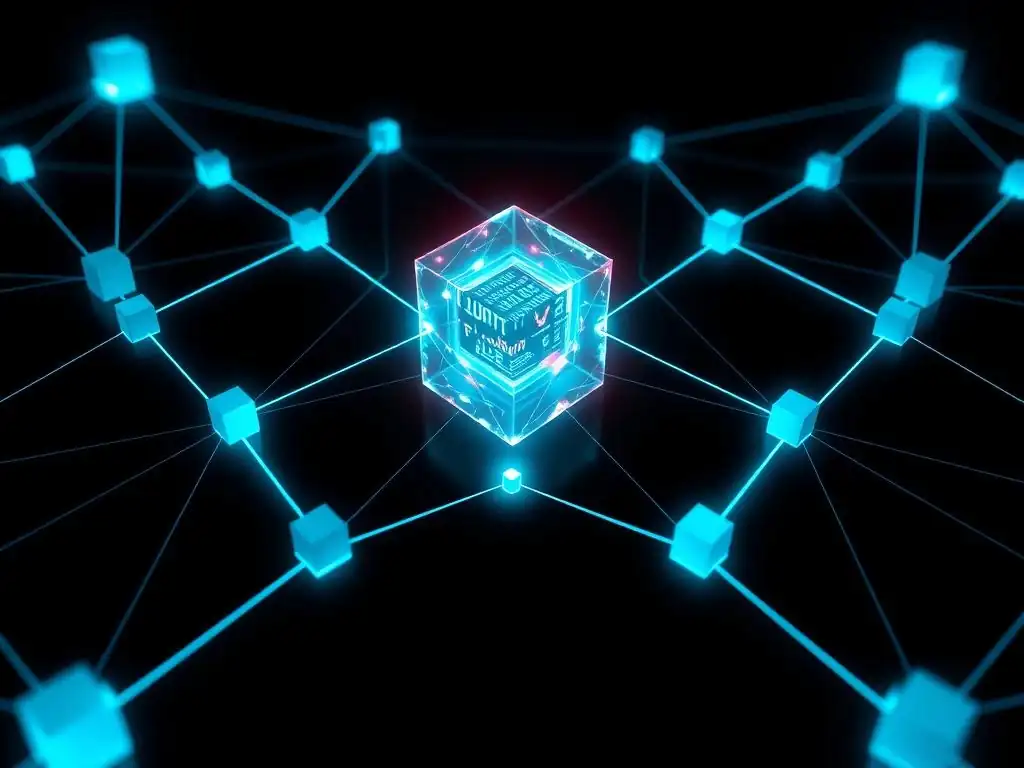
Scalability Challenges: Optimizing Blockchain for High-Volume IoT Data
Scalability is a significant challenge when deploying blockchain-based smart contracts for IoT applications that generate massive volumes of data. Traditional blockchain networks, like Bitcoin and Ethereum, were not designed to handle the high transaction throughput and data volumes characteristic of large-scale IoT deployments. For example, a smart city with millions of sensors generating data continuously would overwhelm the transaction processing capacity of many existing blockchains. Optimizing blockchain technology for scalability is crucial to effectively support high-volume IoT data.
Solutions to scalability challenges include layer-2 scaling solutions, such as state channels and sidechains, which enable off-chain transaction processing, reducing the load on the main blockchain. Sharding, a technique that divides the blockchain into smaller, manageable shards, also improves transaction throughput.
Furthermore, the development of more scalable blockchain platforms specifically designed for IoT, such as those employing Directed Acyclic Graph (DAG) architectures, is underway. These platforms are engineered to handle high transaction volumes and low latency requirements of IoT networks, addressing the limitations of traditional blockchains in high-volume IoT data scenarios and enhancing overall blockchain smart contract IoT security infrastructure.
Interoperability Issues: Connecting Different IoT Devices and Blockchain Platforms
Interoperability poses another significant challenge in realizing the full potential of blockchain smart contracts for IoT. The IoT landscape is characterized by a diverse range of devices, communication protocols, and data formats. Similarly, various blockchain platforms exist, each with its own standards and functionalities. Connecting these disparate IoT devices and blockchain platforms seamlessly is crucial for building truly integrated and interoperable IoT ecosystems.
Addressing interoperability requires developing standardized protocols and interfaces that enable different IoT devices and blockchain platforms to communicate and exchange data effectively. Initiatives such as the Interchain Foundation's Cosmos project and Polkadot aim to create interoperable blockchain networks, facilitating cross-chain communication and data exchange. Furthermore, industry collaborations and standardization efforts are needed to establish common protocols and data formats for IoT devices and blockchain platforms. Overcoming interoperability hurdles is essential for enabling seamless data flow and smart contract execution across diverse IoT environments, enhancing the overall effectiveness and reach of blockchain smart contract IoT security solutions.
Smart Contract Vulnerabilities: Mitigation Strategies for IoT Security Risks
While blockchain enhances security, smart contracts themselves are not immune to vulnerabilities. Coding errors or design flaws in smart contracts can be exploited by attackers, leading to security breaches and financial losses. The infamous DAO hack in 2016, which resulted in the theft of millions of dollars in cryptocurrency, highlighted the risks associated with smart contract vulnerabilities. In the context of IoT, compromised smart contracts could have severe consequences, potentially affecting critical infrastructure and sensitive data.
Mitigation strategies for smart contract vulnerabilities are crucial for ensuring blockchain smart contract IoT security. Secure coding practices are paramount, including thorough testing, code audits by independent security experts, and formal verification methods to identify and eliminate potential vulnerabilities before deployment. Developing and utilizing secure smart contract development frameworks and tools can also reduce the risk of coding errors.
Furthermore, implementing robust access control mechanisms and employing techniques like circuit breakers and emergency stop functions within smart contracts can mitigate the impact of potential vulnerabilities and provide safeguards against exploitation. Continuous monitoring and auditing of deployed smart contracts are essential for detecting and responding to any emerging security threats or vulnerabilities in the evolving IoT landscape.
Blockchain Smart Contract IoT Security: Best Practices
Secure Coding Practices for Developing Smart Contracts
Secure coding practices are fundamental to building robust and secure smart contracts for IoT applications. Developers must adhere to established security principles throughout the smart contract development lifecycle. This includes writing clean, well-documented code, avoiding common coding pitfalls, and implementing thorough input validation to prevent injection attacks. Using established and audited smart contract libraries and frameworks can also reduce the risk of introducing vulnerabilities. Regularly updating dependencies and libraries to patch known security flaws is crucial for maintaining a secure codebase.
Rigorous testing is essential. Smart contracts should undergo comprehensive testing, including unit tests, integration tests, and penetration testing, to identify and address potential vulnerabilities. Code audits by independent security experts are highly recommended to provide an unbiased assessment of the smart contract's security posture. Formal verification, which uses mathematical methods to prove the correctness and security of smart contracts, can provide an even higher level of assurance, particularly for critical IoT applications requiring the highest levels of blockchain smart contract IoT security.
Implementing Robust Access Control Mechanisms for IoT Devices
Robust access control mechanisms are critical for securing IoT devices and data within a blockchain-based smart contract environment. Access control should be implemented at multiple levels, including device authentication, data access permissions, and smart contract execution authorization. Decentralized identity management systems, leveraging blockchain, can provide secure and scalable device authentication, as previously discussed. Role-based access control (RBAC) can be implemented within smart contracts to define different levels of access for various users and devices based on their roles and responsibilities.
Attribute-based access control (ABAC) provides a more granular and flexible approach, allowing access control policies to be defined based on various attributes of users, devices, and data. Smart contracts can enforce these access control policies automatically, ensuring that only authorized entities can access specific IoT devices, data, and functionalities. Regularly reviewing and updating access control policies is essential to adapt to evolving security needs and ensure ongoing blockchain smart contract IoT security. Implementing multi-factor authentication and encryption for sensitive data further strengthens access control and overall security.
Continuous Monitoring and Auditing of Blockchain-Based IoT Systems
Continuous monitoring and auditing are essential for maintaining the security and integrity of blockchain-based IoT systems over time. Real-time monitoring of network activity, device behavior, and smart contract executions can help detect anomalies and potential security threats early on. Security Information and Event Management (SIEM) systems can be used to aggregate and analyze security logs from various components of the IoT system, providing a centralized view of security events and facilitating threat detection and response.
Regular security audits, both automated and manual, should be conducted to assess the ongoing security posture of the system. Vulnerability scanning and penetration testing should be performed periodically to identify and address any newly discovered vulnerabilities. Smart contract audits should be repeated whenever changes are made to the smart contract code. Maintaining a comprehensive audit trail of all system activities, including device access, data modifications, and smart contract executions, is crucial for forensic analysis and incident response. Proactive and continuous monitoring and auditing are vital for ensuring the long-term blockchain smart contract IoT security and resilience of IoT systems.
The Future of Blockchain and Smart Contracts in IoT
Emerging Trends: Decentralized IoT Platforms and Edge Computing
Decentralized IoT platforms and edge computing are emerging trends that will significantly shape the future of blockchain and smart contracts in IoT. Traditional centralized IoT platforms face scalability and security limitations. Decentralized IoT platforms, leveraging blockchain, aim to address these limitations by distributing control and data management across a network of nodes, enhancing resilience and security. These platforms often utilize blockchain for device identity management, secure data exchange, and smart contract execution, creating more robust and trustworthy IoT ecosystems.
Edge computing, which involves processing data closer to the source at the edge of the network, is also gaining momentum in IoT. Combining edge computing with blockchain and smart contracts can further enhance efficiency and scalability. Edge devices can perform local data processing and execute smart contracts at the edge, reducing latency and bandwidth requirements.
Blockchain can then be used to securely record and verify the results of edge computations and facilitate secure data exchange between edge devices and the cloud. The synergy between decentralized IoT platforms and edge computing, powered by blockchain smart contract IoT security, promises to unlock new possibilities for scalable and secure IoT deployments.
The Role of Oracles in Bridging the Gap Between Blockchain and the Real World
Oracles play a crucial role in bridging the gap between blockchain-based smart contracts and the real-world data required for many IoT applications. Smart contracts, by design, operate within the deterministic environment of the blockchain and cannot directly access external data sources. Oracles are trusted third-party services that provide external data to smart contracts in a secure and reliable manner. In IoT, oracles can provide real-world data from sensors, APIs, and other external sources to trigger smart contract executions based on real-world events.
For example, in a smart supply chain application, an oracle can provide data on shipment location from a GPS sensor, triggering a smart contract to automatically release payment upon delivery confirmation. The reliability and security of oracles are critical for ensuring the trustworthiness of smart contracts that rely on external data. Decentralized oracle networks, which utilize multiple oracles and consensus mechanisms, are emerging to enhance the reliability and security of oracle services. The development of robust and trustworthy oracle solutions is essential for enabling the full potential of blockchain smart contract IoT security in real-world IoT applications.
Predictions for the Future of Blockchain Smart Contracts in IoT: Focus on AI Integration
The future of blockchain smart contracts in IoT is likely to be heavily influenced by the integration of Artificial Intelligence (AI). AI can enhance the intelligence and automation capabilities of smart contracts in IoT environments. AI algorithms can analyze vast amounts of IoT data to identify patterns, predict anomalies, and optimize smart contract execution. For example, AI-powered smart contracts can dynamically adjust energy prices in a smart grid based on real-time demand predictions or proactively trigger maintenance schedules for industrial equipment based on predictive maintenance algorithms analyzing sensor data.
AI can also enhance the security of blockchain-based IoT systems. AI-powered security systems can detect and respond to cyber threats in real-time, improving the overall blockchain smart contract IoT security posture. Furthermore, AI can be used to automate smart contract audits and identify potential vulnerabilities. The convergence of AI, blockchain, and IoT promises to create highly intelligent, secure, and automated IoT ecosystems, unlocking new levels of efficiency, resilience, and innovation across various industries. As AI and blockchain technologies continue to evolve, their synergistic integration in IoT will drive significant advancements in the coming years.
Conclusion: Blockchain as a Catalyst for Secure and Efficient IoT Automation
The Transformative Potential of Blockchain-Enhanced Smart Contracts for IoT
The integration of blockchain technology with smart contracts holds transformative potential for the Internet of Things. By addressing critical security vulnerabilities and enhancing trust, blockchain enables the development of more robust, secure, and efficient IoT systems. Blockchain-enhanced smart contracts automate processes, ensure data integrity, and improve transparency across various IoT applications, from supply chain management and smart energy grids to healthcare and agriculture. This transformative potential extends beyond individual applications, paving the way for a more interconnected, automated, and trustworthy digital future powered by blockchain smart contract IoT security.
The benefits of this convergence are multifaceted, ranging from reduced operational costs and increased efficiency to enhanced security and improved data integrity. As the IoT continues to expand and permeate every aspect of our lives, the role of blockchain in securing and enhancing its functionality will become increasingly critical. The development and adoption of blockchain-based smart contract solutions for IoT are not merely technological advancements; they represent a paradigm shift towards a more secure, transparent, and efficient digital infrastructure for the interconnected world.
Call to Action: Embracing Blockchain for a More Secure and Connected Future
Embracing blockchain technology for IoT is no longer just an option, but a strategic imperative for organizations and individuals seeking to leverage the full potential of connected devices in a secure and trustworthy manner. Businesses across industries should explore and invest in blockchain-based solutions to enhance the security, efficiency, and transparency of their IoT deployments.
Developers should focus on building secure and scalable smart contracts for IoT applications, adhering to best practices and leveraging emerging technologies. Policymakers and regulators should foster an enabling environment for the responsible innovation and adoption of blockchain in the IoT space, promoting standardization and interoperability.
The future of the Internet of Things is inextricably linked to the secure and efficient management of data and interactions. Blockchain technology, coupled with smart contracts, provides a powerful toolkit to address the inherent challenges of IoT security and unlock its full potential. By embracing blockchain and prioritizing blockchain smart contract IoT security, we can collectively build a more secure, connected, and trustworthy future for the Internet of Things, fostering innovation and unlocking unprecedented opportunities across industries and society as a whole.
Frequently Asked Questions
How can blockchain technology improve the security of smart contracts used in IoT devices?
Blockchain provides a decentralized and immutable ledger, making it significantly harder for attackers to tamper with or alter smart contract code. This enhanced security is crucial for protecting the vast network of IoT devices reliant on these contracts.
What are the main benefits of using blockchain for smart contract execution in IoT ecosystems?
Blockchain offers transparency, auditability, and automation for smart contract execution. This leads to increased trust, reduced operational costs, and improved efficiency in IoT environments.
What role does blockchain play in addressing the scalability challenges associated with deploying smart contracts across numerous IoT devices?
While traditional blockchains may face scalability limitations, solutions like layer-2 scaling solutions and sharding are being explored to handle the high transaction volumes generated by IoT devices interacting with smart contracts.
How does blockchain help ensure data integrity when IoT devices interact with smart contracts?
Blockchain's cryptographic hashing and immutability guarantee that data transmitted between IoT devices and smart contracts remains unaltered and verifiable. This ensures data integrity and prevents malicious manipulation.
What are some of the regulatory considerations surrounding the use of blockchain-based smart contracts in IoT applications?
Regulatory frameworks are still evolving, but concerns around data privacy, security, and liability are central. Compliance with regulations like GDPR and industry-specific standards is essential when implementing blockchain solutions in IoT.
Final Reflection: Securing the Future with Blockchain, Smart Contracts, and IoT
The convergence of Blockchain, Smart Contracts, and the Internet of Things (IoT) is no longer a futuristic fantasy, but a rapidly evolving reality. The potential of this synergy to revolutionize industries, enhance security, and streamline processes is immense, yet the challenges surrounding security and scalability remain paramount. Understanding the intricacies of how blockchain enhances smart contract functionality within the IoT ecosystem is crucial for navigating this technological frontier and realizing its full potential.
This exploration into the intersection of blockchain, smart contracts, and IoT has underscored the profound impact these technologies are having on our world. The ability to create secure, transparent, and automated systems through this combination is not just a technological advancement, but a paradigm shift in how we interact with the digital and physical realms. As we move towards a more interconnected future, ensuring the integrity and security of IoT devices becomes increasingly vital. The future of IoT is not just about connecting devices, but about connecting them securely and intelligently.
This quote encapsulates the core challenge and opportunity that blockchain-enhanced smart contracts address.
Now, as you consider the implications of blockchain's role in securing the IoT landscape, I urge you to reflect on your own role in this technological evolution. How can you contribute to the development and implementation of secure, scalable, and ethical IoT solutions?
The future of this technology rests not only on the shoulders of developers and engineers, but on the collective understanding and responsible application of these powerful tools by each and every one of us. Embrace the potential, address the challenges, and let us build a future where the Internet of Things is not only connected, but also secure and trustworthy.
Unlock the Potential: Implement Blockchain in Your IoT Projects!
Thank you for exploring the intersection of blockchain technology and IoT smart contracts. We hope this article has highlighted the exciting possibilities and advantages that blockchain can bring to your projects. Now, it's time to take action and envision the future of connected devices.
Here are some ways to get started:
- Explore a specific IoT use case and prototype a smart contract integration on a test network. This is your primary step!
- Share this article with colleagues and your network to promote awareness of blockchain's role in IoT.
- Research blockchain platforms optimized for IoT, such as IOTA or Streamr, and share your insights in the comments!
What is the first IoT challenge you plan to address with a blockchain-enabled smart contract? Share your ideas below!
Leave a Reply