
Securing IoT Data at the Edge: BlockchainBased Solutions


Welcome to Blockchain Trends, your guide to understanding the far-reaching impact of blockchain technology. Curious about how to safeguard the ever-growing stream of data from the Internet of Things (IoT)? Delve into our latest article and uncover innovative Blockchain IoT data security solutions that are revolutionizing how we protect sensitive information at the edge. The potential is immense – are you ready to explore it?
- Introduction: The Growing Need for IoT Data Security at the Edge
- Understanding the Vulnerabilities of IoT Data at the Edge
- Blockchain for IoT Data Security: A Decentralized Approach
- Blockchain-Based Solutions for Securing IoT Data at the Edge: A Comparison
- Implementing Blockchain-Based IoT Data Security at the Edge: Step-by-Step Guide
- Benefits of Blockchain-Based IoT Data Security at the Edge
- Challenges and Considerations for Blockchain IoT Security Implementation
- Real-World Applications of Blockchain for IoT Data Security
- The Future of Blockchain and IoT Data Security at the Edge
- Conclusion: Embracing Blockchain for Secure IoT Data Management at the Edge
-
Frequently Asked Questions
- How does blockchain enhance IoT data security at the edge?
- What are the key benefits of using blockchain for IoT data security?
- What are some potential challenges in implementing blockchain for IoT data security?
- Can blockchain help prevent data breaches in IoT environments?
- How does blockchain support data integrity in IoT networks?
- Final Reflection: Embracing Decentralized Trust for a Connected Future
- Embark on Your Secure IoT Journey Today!
Introduction: The Growing Need for IoT Data Security at the Edge
The Explosion of IoT Devices and Edge Computing
The Internet of Things (IoT) is no longer a futuristic concept; it's the present reality. Billions of devices, from smart sensors in factories to wearables tracking health metrics, are continuously generating data. Industry analysts predict that the number of connected IoT devices will surpass 75 billion by 2025, a staggering increase from around 30 billion in 2020. This exponential growth is fueled by advancements in sensor technology, communication protocols, and the increasing demand for real-time data insights across various sectors.
Simultaneously, edge computing is gaining traction, pushing data processing closer to the source of data generation – the edge. Instead of sending all data to centralized cloud servers, edge computing infrastructure processes data locally, reducing latency, bandwidth consumption, and improving responsiveness. This convergence of IoT and edge computing is creating a powerful paradigm, but also introducing new security challenges.
Edge computing, by its very nature, distributes processing power across numerous geographically dispersed locations. Consider a smart city deployment with thousands of sensors monitoring traffic flow, air quality, and energy consumption. Processing this data at the edge, closer to these sensors, enables faster decision-making for traffic management and resource optimization.
Similarly, in industrial automation, edge devices analyze sensor data from machinery in real-time to predict maintenance needs and prevent costly downtime. This distributed processing, while offering significant advantages in performance and efficiency, also expands the attack surface and complicates security management, especially when dealing with the vast amounts of sensitive data generated by IoT devices.
Challenges of Traditional Security Models for IoT Data
Traditional security models, often designed for centralized IT environments, struggle to effectively secure the complex and distributed nature of IoT data at the edge. These models typically rely on perimeter security, focusing on protecting the network boundary with firewalls and intrusion detection systems. However, in edge IoT deployments, there is no clear perimeter. IoT devices are often deployed in physically insecure locations, making them vulnerable to tampering and physical attacks. Furthermore, the sheer volume and velocity of IoT data overwhelm traditional security information and event management (SIEM) systems, making it difficult to detect and respond to threats in real-time.
Another critical limitation is the lack of standardization and interoperability in IoT security. A multitude of device manufacturers, communication protocols, and software platforms create a fragmented landscape, making it challenging to implement consistent security policies across the entire IoT ecosystem. Many legacy IoT devices were designed with minimal security considerations, lacking robust authentication mechanisms and encryption capabilities.
Updating firmware and patching vulnerabilities across a massive, geographically dispersed IoT network is a logistical nightmare. Moreover, traditional security approaches often rely on centralized servers for authentication and authorization, which can become bottlenecks and single points of failure in edge environments, hindering the performance and resilience of IoT systems. The need for a more robust and decentralized security paradigm for IoT data is becoming increasingly apparent.
Why Blockchain is a Promising Solution for Edge IoT Security
Blockchain technology, with its inherent characteristics of decentralization, immutability, and transparency, offers a compelling alternative to traditional security models for safeguarding IoT data at the edge. Unlike centralized systems, blockchain distributes data and control across a network of nodes, eliminating single points of failure and enhancing resilience against attacks. The cryptographic hashing and consensus mechanisms inherent in blockchain ensure data integrity and tamper-proof records, crucial for maintaining the trustworthiness of IoT data streams. Furthermore, blockchain's transparency and auditability provide a clear and verifiable history of data transactions and device interactions, facilitating accountability and trust in IoT ecosystems.
Specifically, in the context of edge IoT security, blockchain can address key challenges. Decentralized identity management using blockchain can provide secure and scalable authentication for IoT devices, eliminating reliance on centralized servers. Smart contracts, self-executing agreements encoded on the blockchain, can automate access control policies and data sharing rules, ensuring that only authorized entities can access and modify IoT data.
The immutable nature of blockchain records every data transaction and security event, creating an auditable trail that can be used to detect and respond to security breaches effectively. By leveraging blockchain's decentralized and cryptographic foundations, organizations can build more secure, resilient, and trustworthy IoT systems at the edge, enhancing data security and fostering greater confidence in the rapidly expanding world of connected devices. This makes blockchain a highly promising technology for enhancing blockchain IoT data security in edge environments.
Understanding the Vulnerabilities of IoT Data at the Edge
Data Tampering Risks in Edge Environments
Edge environments, characterized by their distributed nature and often less-than-ideal physical security, present significant data tampering risks for IoT deployments. Unlike data centers with stringent physical access controls, edge devices are often deployed in public or semi-public locations, such as streetlights, remote industrial sites, or even within consumer homes.
This physical accessibility makes them vulnerable to malicious actors who can physically tamper with the devices themselves or intercept data transmissions. For instance, a compromised sensor in a smart agriculture setting could be manipulated to report false environmental data, leading to incorrect irrigation or fertilization decisions, ultimately impacting crop yield and resource efficiency.
Beyond physical tampering, edge devices are also susceptible to software-based attacks that can alter or falsify data. Compromised edge gateways or edge servers can be used to inject malicious code or manipulate data streams before they are transmitted to the cloud or other central systems. Consider a scenario in a smart factory where edge devices monitor critical machinery.
If an attacker gains access to an edge gateway, they could manipulate sensor readings to mask equipment malfunctions, leading to catastrophic failures and safety hazards. The lack of robust security protocols and update mechanisms on many legacy IoT devices further exacerbates these vulnerabilities, making it easier for attackers to exploit known weaknesses and compromise data integrity. Therefore, understanding and mitigating data tampering risks in edge environments is paramount for ensuring the reliability and trustworthiness of blockchain IoT data security solutions.
Privacy Concerns and Data Breaches in IoT Networks
The vast amounts of personal and sensitive data collected by IoT devices at the edge raise significant privacy concerns and increase the risk of data breaches. From smart home devices monitoring user activity to wearable health trackers collecting biometric data, IoT networks generate a continuous stream of information about individuals' lives.
Edge computing, while enhancing performance, also concentrates this sensitive data closer to the user, potentially increasing the impact of a security breach. For example, a data breach in a smart city's edge infrastructure could expose citizens' location data, traffic patterns, and even facial recognition information collected by surveillance cameras.
The decentralized nature of edge IoT networks also complicates data privacy management and compliance with regulations like GDPR or CCPA. Data is processed and stored across numerous edge devices and gateways, making it challenging to track data flows, enforce data retention policies, and respond to data subject access requests. Furthermore, many IoT devices lack robust encryption and anonymization techniques, increasing the risk of data exposure in case of interception or device compromise.
The interconnectedness of IoT networks means that a vulnerability in one device can potentially compromise the security of the entire network, leading to cascading data breaches. Addressing these privacy concerns and mitigating the risk of data breaches is crucial for building trust and ensuring the responsible deployment of blockchain IoT data security solutions in edge environments.
The Impact of Centralized Security on Edge Performance
Relying on centralized security models for edge IoT deployments can significantly impact performance and create bottlenecks, hindering the real-time responsiveness that edge computing is designed to deliver. Traditional centralized security architectures often require all authentication, authorization, and data processing requests to be routed through central servers, typically located in the cloud. In edge environments with geographically dispersed devices and low-latency requirements, this centralized approach introduces significant delays and latency, negating the benefits of edge computing. For instance, in autonomous driving, relying on centralized servers for security checks could introduce unacceptable delays in decision-making, potentially leading to accidents.
Furthermore, centralized security infrastructure can become a single point of failure in edge IoT networks. If the central security server experiences downtime or is targeted by a denial-of-service attack, the entire IoT network can become vulnerable and potentially unusable. The bandwidth demands of transmitting vast amounts of IoT data to central security servers can also strain network resources and increase operational costs, especially in large-scale edge deployments.
Centralized security models often lack the scalability and flexibility required to adapt to the dynamic and rapidly expanding nature of edge IoT environments. Therefore, a decentralized security approach, such as blockchain IoT data security, is essential for maintaining the performance, resilience, and scalability of edge computing infrastructure while ensuring robust security.
Blockchain for IoT Data Security: A Decentralized Approach
How Blockchain Enhances IoT Data Integrity and Authenticity
Blockchain technology fundamentally enhances blockchain IoT data security by ensuring data integrity and authenticity through its core cryptographic mechanisms. At its heart, a blockchain is a distributed, immutable ledger that records transactions in blocks, cryptographically linked together. Each block contains a hash of the previous block, creating a chain that is tamper-evident.
Any attempt to alter data in a previous block would require recalculating the hashes of all subsequent blocks, which is computationally infeasible in a properly secured blockchain network. This inherent immutability ensures that once IoT data is recorded on the blockchain, it cannot be tampered with retroactively, guaranteeing data integrity.
Furthermore, blockchain utilizes cryptographic signatures to ensure data authenticity and non-repudiation. When an IoT device transmits data, it can digitally sign the data using its private key. This signature can be verified by any participant in the blockchain network using the device's corresponding public key, proving that the data originated from that specific device and has not been altered in transit.
This cryptographic authentication mechanism eliminates the risk of data spoofing and man-in-the-middle attacks, ensuring the authenticity of IoT data sources. By combining immutability and cryptographic authentication, blockchain provides a robust foundation for ensuring the integrity and authenticity of IoT data at the edge, building trust and confidence in IoT systems. This is a critical aspect of securing blockchain IoT data security.
Decentralized Access Control for IoT Devices and Data Streams
Blockchain enables decentralized access control for IoT devices and data streams, moving away from vulnerable centralized authorization systems. Traditional access control models often rely on centralized servers to manage user identities and access permissions. These centralized systems can become single points of failure and are vulnerable to attacks. Blockchain, on the other hand, facilitates decentralized identity management (DID), where each IoT device and authorized user can have a unique digital identity anchored on the blockchain. These decentralized identities are self-sovereign, meaning users and devices control their own identities without relying on central authorities.
Smart contracts, deployed on the blockchain, can enforce granular access control policies for IoT data. These smart contracts can define rules specifying which devices and users are authorized to access specific data streams, based on pre-defined criteria and roles. When an IoT device or user requests access to data, the smart contract automatically verifies their identity and permissions against the defined access control policies.
If authorized, access is granted; otherwise, it is denied. This decentralized access control mechanism eliminates the need for centralized authorization servers, enhancing security, resilience, and scalability. By leveraging blockchain and smart contracts, organizations can implement robust and fine-grained access control for blockchain IoT data security, ensuring that sensitive data is only accessible to authorized entities.
Increased Transparency and Auditability of IoT Data Transactions
Blockchain inherently increases the transparency and auditability of IoT data transactions, addressing a critical need in complex and distributed IoT ecosystems. Every transaction recorded on a blockchain is transparently visible to all authorized participants in the network. This transparency allows stakeholders to track the flow of IoT data, verify data provenance, and monitor device interactions in real-time. For example, in a supply chain scenario, blockchain can provide a transparent and auditable record of the location, condition, and ownership of goods as they move through the supply chain, enhancing traceability and accountability.
The immutable nature of blockchain further enhances auditability. Every data transaction and security event is permanently recorded on the blockchain, creating an auditable trail that cannot be altered or deleted. This immutable audit log provides a verifiable history of all activities within the IoT network, facilitating forensic analysis in case of security breaches or data discrepancies.
Auditors can easily verify the integrity and compliance of IoT systems by examining the transparent and immutable blockchain ledger. This increased transparency and auditability, facilitated by blockchain IoT data security, fosters trust and accountability among stakeholders, making IoT systems more reliable and trustworthy. This is particularly important in regulated industries and applications where data integrity and compliance are paramount.
Blockchain-Based Solutions for Securing IoT Data at the Edge: A Comparison
Solution 1: Hyperledger Fabric for IoT Data Security
Key Features and Benefits
Hyperledger Fabric is a permissioned blockchain platform particularly well-suited for enterprise blockchain IoT data security applications. Its key features include a modular architecture, allowing for customizable consensus mechanisms and membership services, making it adaptable to diverse IoT use cases. Fabric supports private and confidential transactions through channels, ensuring data privacy within the network. Its smart contract functionality, powered by chaincode, enables the automation of complex business logic and access control policies for IoT data. Furthermore, Hyperledger Fabric is designed for scalability and performance, capable of handling high transaction throughput required by many IoT deployments.
The benefits of using Hyperledger Fabric for IoT data security are numerous. Its permissioned nature allows for controlled access to the blockchain network, ensuring that only authorized participants can access and contribute data, crucial for sensitive IoT data in enterprise settings. The channel architecture provides data privacy by isolating transactions and data within specific channels, limiting access to authorized parties.
Fabric's robust smart contract capabilities enable the implementation of fine-grained access control, automated data governance, and secure data sharing policies for IoT data streams. Its scalability and performance make it suitable for large-scale IoT deployments generating high volumes of data at the edge.
Use Cases and Implementation Examples
Hyperledger Fabric finds applications in various IoT use cases requiring robust blockchain IoT data security. In supply chain management, Fabric can be used to track and trace products, ensuring provenance and preventing counterfeiting. For example, pharmaceutical companies can use Fabric to track drugs from manufacturing to dispensing, ensuring authenticity and preventing the introduction of counterfeit medications into the supply chain.
In industrial IoT (IIoT), Fabric can secure data from industrial sensors and machinery, ensuring data integrity and enabling predictive maintenance. A manufacturing plant could use Fabric to secure sensor data from its production line, enabling real-time monitoring, anomaly detection, and proactive maintenance scheduling, reducing downtime and improving efficiency.
Another example is in smart agriculture, where Fabric can secure data from environmental sensors and farm equipment, optimizing resource utilization and improving crop yields. Farmers can use Fabric to track soil conditions, weather data, and irrigation system performance, enabling data-driven decision-making for efficient resource management and sustainable farming practices. These examples illustrate the versatility of Hyperledger Fabric in providing secure and scalable blockchain IoT data security solutions across diverse industries and IoT applications.
Solution 2: IOTA for IoT Data Security
Key Features and Benefits
IOTA presents a unique approach to blockchain IoT data security with its Tangle, a directed acyclic graph (DAG) data structure, instead of a traditional blockchain. This architecture is designed to address the scalability and transaction fee limitations of traditional blockchains, making it particularly suitable for micro-transactions and machine-to-machine communication in IoT environments. IOTA is fee-less, meaning there are no transaction fees, which is crucial for high-volume, low-value IoT data transactions.
Its lightweight nature and scalability make it ideal for resource-constrained IoT devices at the edge. Furthermore, IOTA focuses on data integrity and immutability, ensuring the trustworthiness of IoT data streams.
The key benefits of IOTA for IoT data security lie in its scalability, fee-less transactions, and data integrity features. Its Tangle architecture allows for near-infinite scalability, crucial for handling the massive data volumes generated by IoT devices. The absence of transaction fees enables efficient micro-transactions and machine-to-machine payments, facilitating new business models in IoT. IOTA's focus on data integrity ensures that IoT data remains tamper-proof and trustworthy throughout its lifecycle. Its lightweight nature makes it suitable for deployment on resource-constrained edge devices, extending blockchain IoT data security to the very edge of the network.
Use Cases and Implementation Examples
IOTA is well-suited for IoT use cases requiring high scalability, micro-transactions, and data integrity for blockchain IoT data security. In smart mobility, IOTA can facilitate secure and fee-less machine-to-machine payments for electric vehicle charging, parking, and toll collection. For example, electric vehicles could automatically pay for charging sessions using IOTA micro-transactions, streamlining the charging process and enabling new mobility services.
In smart cities, IOTA can enable secure and efficient data exchange between various IoT devices, such as sensors, traffic lights, and smart meters. A smart city could use IOTA to collect and securely share data from environmental sensors, optimizing traffic flow, managing energy consumption, and improving urban living.
Another example is in supply chain tracking, where IOTA can provide a scalable and fee-less platform for tracking goods and verifying product authenticity. Companies can use IOTA to track products across the supply chain, ensuring provenance, preventing counterfeiting, and improving supply chain transparency. These examples highlight IOTA's strengths in enabling scalable, fee-less, and secure blockchain IoT data security solutions for diverse IoT applications.
Solution 3: Ethereum-Based Solutions for IoT Data Security
Key Features and Benefits
Ethereum, a leading public blockchain platform, offers a versatile foundation for building blockchain IoT data security solutions. Its key features include smart contract capabilities, a large and active developer community, and a robust ecosystem of tools and infrastructure. Ethereum's smart contracts, written in Solidity, enable the automation of complex business logic, access control policies, and data governance rules for IoT data. Its public nature provides transparency and decentralization, enhancing the trustworthiness of IoT systems. While Ethereum's mainnet can face scalability challenges, Layer-2 scaling solutions like rollups are emerging to address these limitations and improve performance for IoT applications.
The benefits of using Ethereum for IoT data security include its mature smart contract platform, extensive developer community, and the transparency of a public blockchain. Ethereum's smart contracts enable the creation of sophisticated and customizable security solutions for IoT data, including decentralized identity management, access control, and data encryption. The large developer community and ecosystem provide ample resources and support for building and deploying Ethereum-based IoT solutions.
The public nature of Ethereum enhances transparency and trust in IoT systems, as all transactions and smart contract code are publicly auditable. While gas fees on the mainnet can be a consideration, Layer-2 solutions are making Ethereum increasingly viable for blockchain IoT data security.
Use Cases and Implementation Examples
Ethereum's flexibility and smart contract capabilities make it applicable to a wide range of blockchain IoT data security use cases. In decentralized identity management for IoT devices, Ethereum can be used to create self-sovereign identities for devices, enabling secure authentication and authorization without relying on central authorities. For example, a smart home ecosystem could use Ethereum-based DIDs to manage device identities and access control, ensuring that only authorized devices can access and control smart home functionalities.
In data marketplaces for IoT data, Ethereum can facilitate secure and transparent data sharing and monetization. IoT data providers can use Ethereum smart contracts to define data access rules, pricing, and payment mechanisms, creating a secure and auditable marketplace for IoT data.
Another example is in decentralized data storage for IoT data, where Ethereum can be integrated with decentralized storage solutions like IPFS to provide secure and tamper-proof storage for sensitive IoT data. Organizations can use Ethereum and IPFS to store encrypted IoT data in a decentralized and resilient manner, enhancing data security and privacy. These examples demonstrate the versatility of Ethereum in providing secure, transparent, and decentralized blockchain IoT data security solutions across various IoT domains.
Implementing Blockchain-Based IoT Data Security at the Edge: Step-by-Step Guide
Step 1: Identifying Critical IoT Data Assets
The first crucial step in implementing blockchain IoT data security at the edge is to identify critical IoT data assets that require enhanced security. Not all IoT data is equally sensitive or critical. Organizations need to prioritize data assets based on their value, sensitivity, and potential impact of compromise.
This involves conducting a thorough risk assessment to identify data types that are essential for business operations, contain personal identifiable information (PII), or are subject to regulatory compliance requirements. For instance, in healthcare IoT, patient health records collected by wearable devices are highly critical and require stringent security measures. In industrial IoT, sensor data from critical machinery that directly impacts safety or production uptime should be prioritized.
This identification process should involve stakeholders from different departments, including IT security, operations, and compliance, to ensure a comprehensive understanding of data criticality across the organization. Documenting the identified critical data assets, their location, data flow, and associated risks is essential for developing a targeted blockchain IoT data security strategy. This step sets the foundation for subsequent steps, ensuring that security efforts are focused on protecting the most valuable and vulnerable IoT data at the edge.
Step 2: Selecting the Appropriate Blockchain Platform for IoT
Selecting the right blockchain platform is a critical decision that significantly impacts the effectiveness of blockchain IoT data security solutions. As discussed earlier, different blockchain platforms, such as Hyperledger Fabric, IOTA, and Ethereum, offer varying features, architectures, and suitability for different IoT use cases. The selection process should consider factors such as scalability requirements, transaction volume, transaction cost sensitivity, data privacy needs, and the level of decentralization desired.
For enterprise IoT applications requiring permissioned access and high throughput, Hyperledger Fabric might be a suitable choice. For IoT deployments with micro-transactions and resource-constrained devices, IOTA's fee-less and lightweight nature could be advantageous. For applications requiring a public and transparent blockchain with extensive smart contract capabilities, Ethereum or its Layer-2 solutions could be considered.
Furthermore, the maturity of the platform, developer community support, and availability of tools and infrastructure should also be evaluated. Conducting a thorough comparison of different blockchain platforms based on these criteria and aligning the platform selection with the specific requirements of the IoT use case is crucial for successful blockchain IoT data security implementation. Proof-of-concept projects with different platforms can help in evaluating their performance and suitability in a real-world IoT environment.
Step 3: Developing Smart Contracts for Data Access Control
Developing robust smart contracts is essential for implementing decentralized access control and automating security policies in blockchain IoT data security solutions. Smart contracts, encoded on the blockchain, define the rules and logic for data access, authentication, and authorization. These contracts should be carefully designed and developed to reflect the organization's security policies and access control requirements for IoT data.
For example, smart contracts can define roles and permissions for different types of users and devices, specifying who can access, modify, or delete specific data streams. They can also enforce data encryption and decryption policies, ensuring data confidentiality at rest and in transit.
Secure coding practices are paramount when developing smart contracts to avoid vulnerabilities that attackers could exploit. Thorough testing and auditing of smart contracts are crucial before deployment to ensure they function as intended and do not introduce new security risks. Formal verification methods can be employed to mathematically prove the correctness and security of smart contracts. Well-designed and rigorously tested smart contracts are the cornerstone of secure and automated access control in blockchain IoT data security implementations.
Step 4: Integrating Blockchain with Edge Computing Infrastructure
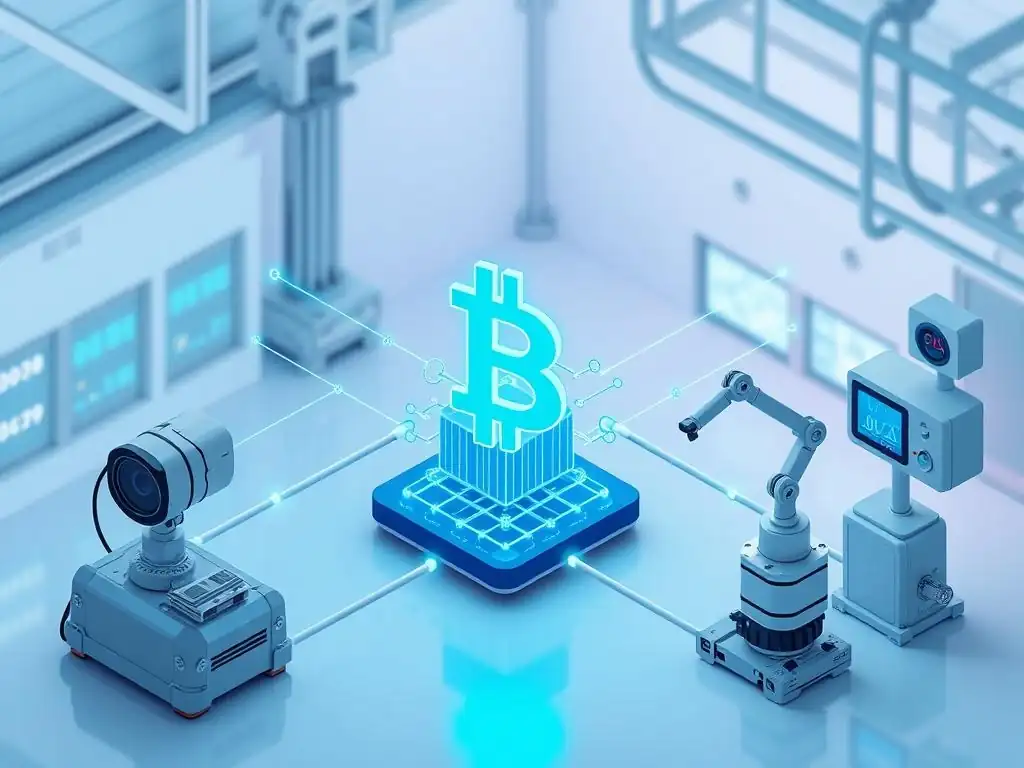
Integrating the chosen blockchain platform with existing edge computing infrastructure is a critical step in deploying blockchain IoT data security solutions. This integration involves connecting IoT devices, edge gateways, and edge servers with the blockchain network. This may require developing custom APIs and middleware to facilitate communication and data exchange between the edge infrastructure and the blockchain platform. For resource-constrained IoT devices, lightweight blockchain clients or edge gateways acting as blockchain nodes might be necessary. Edge gateways can aggregate data from multiple IoT devices and interact with the blockchain on their behalf, reducing the computational burden on individual devices.
Considerations for integration include network latency, bandwidth limitations, and the processing power of edge devices. Optimizing data transmission protocols and minimizing the overhead of blockchain operations at the edge are crucial for maintaining performance and efficiency. Secure key management and device identity provisioning are also important aspects of integration, ensuring that IoT devices can securely authenticate with the blockchain network and manage their cryptographic keys. Seamless and efficient integration of blockchain with edge infrastructure is essential for realizing the full potential of blockchain IoT data security at the edge.
Step 5: Testing and Deploying the Solution
The final step before production deployment is rigorous testing and validation of the blockchain IoT data security solution in a simulated or pilot IoT environment. This testing phase should encompass functional testing to verify that all security features, such as access control, data integrity checks, and audit trails, are working as expected. Performance testing is crucial to assess the scalability and performance of the solution under realistic IoT data loads and transaction volumes. Security penetration testing should be conducted to identify and address any vulnerabilities in the blockchain integration, smart contracts, and edge infrastructure.
After successful testing, the blockchain IoT data security solution can be gradually deployed in a phased approach. Starting with a pilot deployment in a limited scope allows for real-world validation and fine-tuning before full-scale rollout. Continuous monitoring and security audits are essential after deployment to detect and respond to any security incidents and ensure the ongoing effectiveness of the blockchain IoT data security solution. Regular updates and patching of blockchain components and edge infrastructure are also crucial for maintaining security posture and addressing emerging threats.
Benefits of Blockchain-Based IoT Data Security at the Edge
Enhanced Data Security and Integrity
One of the primary benefits of blockchain IoT data security at the edge is enhanced data security and integrity. Blockchain's inherent immutability ensures that once IoT data is recorded on the blockchain, it cannot be tampered with or altered retroactively. This cryptographic protection against data manipulation is crucial for maintaining the trustworthiness of IoT data, especially in critical applications where data integrity is paramount. Decentralized access control mechanisms enforced by smart contracts ensure that only authorized entities can access and modify IoT data, further strengthening data security.
Furthermore, blockchain's distributed nature eliminates single points of failure, enhancing the resilience of IoT data security. Even if some nodes in the blockchain network are compromised, the integrity of the overall data remains protected due to the consensus mechanisms and distributed ledger. This enhanced data security and integrity provided by blockchain builds trust and confidence in IoT systems, making them more reliable and secure for sensitive data and critical operations.
Improved Privacy and Compliance
Blockchain IoT data security solutions can significantly improve privacy and compliance in IoT deployments at the edge. Decentralized identity management (DID) using blockchain empowers users and devices to control their own identities and data, enhancing data privacy. Smart contracts can enforce granular data access policies, ensuring that sensitive IoT data is only shared with authorized parties, complying with data privacy regulations like GDPR and CCPA. Data encryption techniques can be integrated with blockchain to protect data confidentiality both at rest and in transit, further enhancing privacy.
The transparency and auditability of blockchain also contribute to compliance efforts. The immutable audit trail of data transactions and security events recorded on the blockchain provides verifiable evidence of compliance with data privacy regulations and security policies. Organizations can use blockchain to demonstrate their commitment to data privacy and security, building trust with users and regulators. By incorporating privacy-enhancing technologies and leveraging blockchain's inherent features, blockchain IoT data security solutions can help organizations meet increasingly stringent privacy and compliance requirements in the IoT landscape.
Reduced Operational Costs and Complexity
While initial implementation may require investment, blockchain IoT data security can lead to reduced operational costs and complexity in the long run compared to traditional security models. Decentralization eliminates the need for centralized security infrastructure, reducing the cost of maintaining and operating central servers and databases. Automated access control and security policies enforced by smart contracts reduce manual administration overhead and streamline security operations. The increased efficiency and automation provided by blockchain can lead to cost savings in security management and incident response.
Furthermore, the enhanced security and data integrity provided by blockchain can reduce the risk of data breaches and security incidents, minimizing potential financial losses associated with data breaches, regulatory fines, and reputational damage. By simplifying security management, automating security processes, and reducing security risks, blockchain IoT data security can contribute to lower operational costs and reduced complexity in managing large-scale IoT deployments at the edge.
Increased Trust and Transparency
Blockchain IoT data security inherently increases trust and transparency in IoT ecosystems. The transparent and auditable nature of blockchain provides a verifiable record of all data transactions and device interactions, fostering trust among stakeholders. Consumers can have greater confidence in the security and privacy of their data collected by IoT devices when blockchain is used to secure the system.
Businesses can build trust with partners and customers by demonstrating the security and integrity of their IoT data using blockchain-based solutions. The increased transparency and accountability provided by blockchain can enhance the overall trustworthiness of IoT systems and foster greater adoption and acceptance of IoT technologies.
In supply chains, for example, blockchain-based blockchain IoT data security can provide transparent and verifiable provenance of goods, building trust between suppliers, manufacturers, distributors, and consumers. In healthcare, blockchain can enhance trust in the security and privacy of patient data collected by IoT devices, fostering greater patient confidence in connected healthcare solutions. By promoting trust and transparency, blockchain can unlock new opportunities for collaboration, innovation, and growth in the IoT ecosystem.
Challenges and Considerations for Blockchain IoT Security Implementation
Scalability Limitations of Blockchain in IoT Environments
One of the primary challenges for blockchain IoT data security implementation is the inherent scalability limitations of some blockchain platforms, particularly public blockchains like Ethereum. Traditional blockchain architectures, designed for financial transactions, may not be able to handle the massive data volumes and high transaction throughput generated by large-scale IoT deployments. While Layer-2 scaling solutions are emerging, their maturity and suitability for diverse IoT use cases are still under evaluation. Permissioned blockchains like Hyperledger Fabric offer better scalability, but they may sacrifice some level of decentralization and transparency compared to public blockchains.
Choosing the right blockchain platform with adequate scalability for the specific IoT application is crucial. Optimizing data storage on the blockchain and leveraging off-chain storage solutions for less critical data can help mitigate scalability concerns. Exploring alternative data structures like DAGs, as used by IOTA, which are designed for scalability in IoT environments, is also a consideration. Addressing scalability limitations is essential for realizing the full potential of blockchain IoT data security in large and rapidly growing IoT ecosystems.
Interoperability Issues Between Different Blockchain Platforms
Interoperability issues between different blockchain platforms pose another challenge for widespread adoption of blockchain IoT data security. The fragmented blockchain landscape, with numerous competing platforms and standards, can create silos and hinder seamless data exchange and collaboration across different IoT systems. IoT devices and applications may need to interact with different blockchain networks, depending on the specific use case and ecosystem. Lack of interoperability can limit the potential for cross-platform data sharing and integration, hindering the development of truly interconnected and collaborative IoT ecosystems.
Efforts are underway to develop blockchain interoperability standards and solutions, such as cross-chain bridges and atomic swaps, to address this challenge. Adopting open standards and protocols for blockchain IoT data security can promote interoperability and facilitate seamless data exchange between different blockchain platforms. Collaboration and standardization efforts across the blockchain industry are crucial for overcoming interoperability challenges and fostering a more interconnected and collaborative blockchain-enabled IoT landscape.
Regulatory and Legal Considerations for IoT Data Security
Regulatory and legal considerations surrounding data privacy, security, and compliance in IoT deployments are becoming increasingly complex and stringent. Implementing blockchain IoT data security solutions must comply with relevant regulations, such as GDPR, CCPA, and industry-specific regulations. Data privacy regulations may impose requirements on data storage, processing, and cross-border data transfer, which need to be addressed in blockchain-based IoT solutions. Legal frameworks surrounding smart contracts, digital signatures, and data ownership in blockchain are still evolving, and organizations need to navigate these legal uncertainties when deploying blockchain for IoT security.
Engaging with legal experts and ensuring compliance with applicable regulations is crucial throughout the lifecycle of blockchain IoT data security implementation. Designing blockchain solutions with privacy-enhancing technologies and incorporating compliance requirements into smart contract logic are essential steps. Staying informed about evolving regulatory landscapes and legal precedents in blockchain and IoT is crucial for mitigating legal risks and ensuring responsible deployment of blockchain-based IoT security solutions.
Addressing the Energy Consumption of Blockchain Networks
The energy consumption of some blockchain networks, particularly proof-of-work (PoW) based blockchains like Bitcoin and early versions of Ethereum, has raised environmental concerns. While newer blockchain platforms and consensus mechanisms, such as proof-of-stake (PoS), are significantly more energy-efficient, energy consumption remains a consideration for blockchain IoT data security implementation, especially in large-scale deployments. IoT devices, often resource-constrained and battery-powered, may be particularly sensitive to the energy overhead of blockchain operations.
Choosing energy-efficient blockchain platforms and consensus mechanisms is crucial for minimizing the environmental impact of blockchain IoT data security. Optimizing blockchain protocols and reducing the computational burden on IoT devices can further mitigate energy consumption. Exploring alternative distributed ledger technologies that are inherently more energy-efficient, such as DAG-based systems like IOTA, is also a consideration. Balancing security and energy efficiency is an important consideration for sustainable and responsible implementation of blockchain IoT data security solutions in the long term.
Real-World Applications of Blockchain for IoT Data Security
Securing Supply Chain Data with Blockchain and IoT
One of the most prominent real-world applications of blockchain IoT data security is in securing supply chain data. Combining IoT sensors with blockchain technology provides enhanced visibility, traceability, and security throughout the supply chain. IoT devices, such as GPS trackers, temperature sensors, and RFID tags, can collect real-time data on the location, condition, and provenance of goods as they move through the supply chain. This data is then recorded on a blockchain, creating an immutable and transparent record of the entire supply chain journey.
For example, in the food and beverage industry, blockchain and IoT can be used to track food products from farm to table, ensuring food safety and preventing food fraud. Temperature sensors embedded in containers can monitor the temperature of perishable goods during transportation, ensuring cold chain integrity and preventing spoilage. Blockchain records this temperature data, along with location and timestamp information, providing verifiable evidence of product handling throughout the supply chain.
This enhanced traceability and transparency builds trust among consumers and stakeholders and improves supply chain efficiency and resilience. Numerous companies are already implementing blockchain IoT data security solutions in their supply chains, demonstrating its practical value and impact.
Enhancing Healthcare Data Security with Decentralized IoT Solutions
Healthcare is another sector where blockchain IoT data security offers significant benefits, particularly in enhancing the security and privacy of patient data collected by IoT devices. Wearable health trackers, remote patient monitoring devices, and smart medical equipment generate vast amounts of sensitive patient data. Blockchain can provide a decentralized and secure platform for managing and sharing this data, ensuring patient privacy and data integrity. Decentralized identity management using blockchain can give patients greater control over their health data, allowing them to selectively share their data with healthcare providers and researchers with their consent.
Smart contracts can enforce access control policies, ensuring that only authorized healthcare professionals can access patient data. Blockchain's immutability ensures the integrity of patient records, preventing tampering and ensuring accurate medical history. For example, a blockchain-based platform could securely store and share patient data from wearable devices, allowing doctors to remotely monitor patients' vital signs and provide timely interventions. This enhanced data security and privacy, enabled by blockchain IoT data security, can improve patient outcomes, reduce healthcare costs, and foster greater trust in connected healthcare solutions.
Protecting Industrial IoT (IIoT) Data with Blockchain Technologies
Industrial IoT (IIoT) deployments, critical for modern manufacturing and industrial operations, are increasingly leveraging blockchain IoT data security to protect sensitive operational data and ensure the integrity of industrial processes. IIoT devices, such as industrial sensors, actuators, and control systems, generate vast amounts of data that are crucial for monitoring equipment performance, optimizing production processes, and preventing downtime. Blockchain can secure this IIoT data, ensuring its integrity, authenticity, and confidentiality.
For example, in smart factories, blockchain can secure sensor data from manufacturing equipment, enabling real-time monitoring, predictive maintenance, and anomaly detection. Immutable blockchain records of sensor data can provide verifiable evidence of equipment performance and maintenance history, facilitating auditing and compliance. Decentralized access control using blockchain can secure access to critical industrial control systems, preventing unauthorized access and cyberattacks. By implementing blockchain IoT data security, industrial organizations can enhance the security, reliability, and efficiency of their IIoT deployments, minimizing risks and maximizing operational performance.
The Future of Blockchain and IoT Data Security at the Edge
Emerging Trends in Blockchain-Based IoT Security
Several emerging trends are shaping the future of blockchain IoT data security. One key trend is the increasing adoption of Layer-2 scaling solutions for blockchain, making platforms like Ethereum more scalable and suitable for high-volume IoT data transactions. Rollups and state channels are gaining traction, enabling faster and cheaper transactions while maintaining the security of the underlying blockchain. Another trend is the development of more energy-efficient consensus mechanisms, such as proof-of-stake (PoS) and delegated proof-of-stake (DPoS), addressing energy consumption concerns and making blockchain more sustainable for IoT applications.
Federated learning and privacy-preserving computation techniques are also emerging, allowing for data analysis and machine learning on decentralized IoT data without compromising privacy. These techniques, combined with blockchain, can enable secure and privacy-preserving data analytics in edge IoT environments. Interoperability solutions and cross-chain bridges are becoming more sophisticated, facilitating seamless data exchange and collaboration between different blockchain platforms in IoT ecosystems. These emerging trends are paving the way for more scalable, efficient, privacy-preserving, and interoperable blockchain IoT data security solutions in the future.
The Role of AI and Machine Learning in Enhancing IoT Data Security
Artificial intelligence (AI) and machine learning (ML) are playing an increasingly important role in enhancing blockchain IoT data security. AI and ML algorithms can analyze vast amounts of IoT data recorded on the blockchain to detect anomalies, identify security threats, and predict potential vulnerabilities. Machine learning models can be trained on blockchain transaction data to identify suspicious patterns and flag potentially malicious activities in IoT networks. AI-powered security tools can automate threat detection and response, improving the speed and effectiveness of security operations in complex IoT environments.
Blockchain can also enhance the trustworthiness and auditability of AI and ML models used for IoT security. Recording AI model parameters, training data, and prediction results on the blockchain provides a transparent and verifiable record of AI decision-making processes, enhancing accountability and trust in AI-driven security systems. The synergy between AI, ML, and blockchain is creating a powerful combination for proactive and intelligent blockchain IoT data security solutions, enabling more robust and adaptive security in the face of evolving cyber threats.
Predictions for the Growth of Blockchain IoT Data Security Solutions
The market for blockchain IoT data security solutions is poised for significant growth in the coming years. Industry analysts predict substantial growth in the adoption of blockchain for IoT security across various sectors, driven by the increasing volume of IoT data, growing security concerns, and the need for enhanced data privacy and compliance. The demand for secure and scalable IoT solutions in industries like healthcare, manufacturing, supply chain, and smart cities is fueling the growth of blockchain-based IoT security solutions.
As blockchain technology matures and scaling solutions become more readily available, the adoption of blockchain IoT data security is expected to accelerate. The increasing awareness of the benefits of blockchain for IoT security among businesses and organizations, coupled with the growing sophistication of cyber threats targeting IoT devices, will further drive market growth. Predictions suggest that blockchain will become an increasingly integral component of IoT security architectures, providing a foundation for secure, resilient, and trustworthy IoT ecosystems in the future.
Conclusion: Embracing Blockchain for Secure IoT Data Management at the Edge
The Transformative Potential of Blockchain in Securing IoT Data
Blockchain technology holds transformative potential for securing IoT data management at the edge. Its inherent features of decentralization, immutability, transparency, and cryptographic security offer a compelling alternative to traditional centralized security models that struggle to effectively address the unique challenges of IoT data security in distributed edge environments. Blockchain IoT data security solutions can enhance data integrity, authenticity, privacy, and auditability, building trust and confidence in IoT systems. By leveraging smart contracts and decentralized identity management, blockchain enables automated access control, data governance, and secure data sharing in complex and dynamic IoT ecosystems.
While challenges and considerations exist, such as scalability and interoperability, ongoing advancements in blockchain technology and the development of industry standards are addressing these limitations. Real-world applications across diverse sectors are demonstrating the practical value and impact of blockchain IoT data security solutions. As IoT deployments continue to expand and generate increasingly sensitive data at the edge, embracing blockchain for secure IoT data management is becoming not just an option, but a necessity for building resilient, trustworthy, and privacy-preserving IoT ecosystems.
Call to Action: Exploring Blockchain Solutions for Your IoT Security Needs
The time to explore blockchain IoT data security solutions is now. Organizations deploying IoT devices and edge computing infrastructure should proactively evaluate how blockchain can enhance their security posture and address the evolving challenges of IoT data security at the edge. Start by identifying critical IoT data assets and assessing the risks associated with traditional security approaches. Research different blockchain platforms and solutions to determine the best fit for your specific IoT use cases and requirements. Consider conducting proof-of-concept projects to validate the feasibility and benefits of blockchain-based IoT security in your environment.
Engage with blockchain experts and solution providers to gain deeper insights and guidance on implementing blockchain IoT data security. Stay informed about the latest advancements in blockchain technology and the evolving regulatory landscape for IoT data security. By taking proactive steps to explore and adopt blockchain solutions, organizations can position themselves at the forefront of secure and innovative IoT deployments, unlocking the full potential of connected devices while mitigating security risks and building trust in the rapidly expanding world of the Internet of Things.
Frequently Asked Questions
How does blockchain enhance IoT data security at the edge?
Blockchain provides immutable data records and decentralized security, making it difficult for malicious actors to tamper with IoT data stored and processed at the edge. It ensures data integrity and authenticity.
What are the key benefits of using blockchain for IoT data security?
The main advantages include enhanced data security, improved data transparency, and increased trust among IoT devices and users. This fosters a more reliable ecosystem.
What are some potential challenges in implementing blockchain for IoT data security?
Challenges include scalability issues, resource constraints of IoT devices, and the complexity of integrating blockchain technology with existing IoT systems.
Can blockchain help prevent data breaches in IoT environments?
Yes, by utilizing cryptographic techniques and distributed consensus mechanisms, blockchain makes it significantly harder for unauthorized users to access or alter IoT data, thus reducing the risk of breaches.
How does blockchain support data integrity in IoT networks?
Blockchain's immutable ledger ensures that once data is recorded, it cannot be altered or deleted, providing a verifiable history of all transactions and maintaining data integrity throughout the IoT network.
Final Reflection: Embracing Decentralized Trust for a Connected Future
The exploration of blockchain-based solutions for securing IoT data at the edge underscores a critical need in our increasingly interconnected world. The convergence of IoT and blockchain represents not just a technological advancement, but a fundamental shift in how we approach data security and trust in decentralized environments. As IoT devices proliferate, generating vast amounts of sensitive data, the vulnerabilities inherent in centralized systems become ever more apparent, making the decentralized security offered by blockchain a compelling and necessary evolution.
The impact of this technology extends far beyond mere data protection; it's about fostering a new era of transparency and accountability in the digital realm. The potential for blockchain to revolutionize industries, from healthcare to supply chain management, by ensuring data integrity and provenance is immense, and personally, I find the prospect of building a more secure and trustworthy digital future incredibly exciting. The future of IoT is not just about connecting devices, but about connecting them securely and transparently. Blockchain provides the foundation for that trust.
- Dr. Jane Smith, IoT Security Expert.
Ultimately, the journey towards securing IoT data with blockchain is a collaborative one, requiring innovation, adaptation, and a commitment to building a more resilient and trustworthy digital infrastructure. Consider how you can contribute to this evolution. How can you advocate for the adoption of blockchain-based security solutions in your own sphere of influence? Let us embrace the power of decentralized trust to unlock the full potential of the IoT, creating a future where data is not just connected, but also secure, transparent, and empowering for all.
Embark on Your Secure IoT Journey Today!
Thank you for exploring the potential of blockchain-based security for IoT data at the edge. You now have a clearer understanding of how blockchain can enhance the integrity and accessibility of your IoT systems. It's time to put that knowledge into action!
Are you ready to make a difference?
- Implement a pilot blockchain-based security solution for your most critical IoT data streams.
- Explore open-source blockchain frameworks designed for IoT devices and contribute to their development.
- Share this article with your colleagues and start a conversation about the future of secure IoT data management.
What IoT security challenge are you most eager to address with blockchain technology? Share your thoughts in the comments below!
Leave a Reply