
Smart Contracts and IoT: Enabling RealTime Data Processing


Welcome to Blockchain Trends, your go-to source for unraveling the transformative power of blockchain beyond the hype. Are you ready to explore how blockchain is revolutionizing industries beyond cryptocurrency?
This week, we dive deep into the fascinating intersection of the Internet of Things and blockchain technology. Discover how Blockchain IoT smart contracts are forging a new era of secure, automated data exchange. Intrigued? Keep reading to understand how these innovative contracts are enabling real-time data processing and shaping the future of decentralized systems.
Smart Contracts and IoT: Enabling Real-Time Data Processing
- Introduction to Blockchain IoT Smart Contracts
- Understanding the Role of Smart Contracts in IoT Data Processing
- Key Benefits of Using Blockchain IoT Smart Contracts
- Real-Time Data Processing with Smart Contracts: A Deep Dive
- Use Cases of Blockchain IoT Smart Contracts with Real-Time Data
- Challenges and Considerations for Implementing Blockchain IoT Smart Contracts
- Future Trends in Blockchain IoT Smart Contracts
- Optimizing Smart Contracts for IoT Environments
- Conclusion: The Future of Real-Time Data Processing with Blockchain IoT Smart Contracts
-
Frequently Asked Questions
- How do smart contracts enhance the security of IoT data?
- What is the role of blockchain in enabling real-time data processing for IoT devices?
- How can Blockchain IoT smart contracts be used to automate supply chain management?
- What are some of the regulatory challenges facing the widespread adoption of Blockchain IoT smart contracts?
- What is the future outlook for combining Blockchain, IoT, and smart contracts?
- Final Reflection: Embracing the Decentralized Future
- Unlock the Power of IoT Data!
Introduction to Blockchain IoT Smart Contracts
The Convergence of IoT and Blockchain Technology
The Internet of Things (IoT) has exploded in recent years, connecting billions of devices and generating unprecedented volumes of data. From smart home appliances to industrial sensors, IoT devices are transforming how we interact with the world. However, the vast networks of interconnected devices also present significant challenges in terms of data security, management, and automation.
This is where blockchain technology emerges as a powerful complement. Blockchain, initially known for cryptocurrencies, offers decentralized, secure, and transparent solutions that can address many of the inherent limitations of traditional IoT infrastructures. The convergence of IoT and blockchain creates a synergistic ecosystem where devices can communicate, transact, and operate autonomously, securely leveraging the strengths of both technologies.
The integration of blockchain with IoT is not merely about adding a buzzword; it's about fundamentally reshaping the architecture of connected systems. Traditional centralized IoT systems are vulnerable to single points of failure, data manipulation, and lack transparency. Blockchain, with its distributed ledger and cryptographic security, offers a robust alternative.
By decentralizing control and data management, blockchain enhances the resilience and trustworthiness of IoT networks. This convergence paves the way for more secure, efficient, and transparent IoT applications, unlocking new possibilities across various industries from supply chain management to smart cities and beyond. The combination of these technologies is creating a new paradigm for data processing and automation, moving towards truly intelligent and autonomous systems.
Defining Smart Contracts for IoT Automation
At the heart of this convergence lies the concept of smart contracts. In the context of Blockchain IoT, smart contracts are self-executing agreements written in code and deployed on a blockchain network. These contracts automatically enforce the terms of an agreement when predefined conditions are met, without the need for intermediaries.
Imagine a sensor in a smart factory detecting a temperature anomaly. A Blockchain IoT smart contract could be programmed to automatically trigger an alert, shut down a machine, or initiate a maintenance request based on this real-time data, all without human intervention. This automation drastically reduces response times and human error in critical processes.
For IoT automation, smart contracts act as the intelligent orchestrators of device interactions and data flows. They define the rules and conditions under which IoT devices operate and interact with each other, and with the broader network. Unlike traditional contracts that require legal interpretation and enforcement, smart contracts are deterministic.
Once deployed on the blockchain, their logic is immutable and transparently auditable by all participants. This characteristic is particularly valuable in IoT ecosystems where trust and verifiable data integrity are paramount. Smart contracts empower IoT devices to not just collect and transmit data, but also to actively participate in automated workflows and decision-making processes in a secure and reliable manner.
The Power of Real-Time Data in IoT Ecosystems
Real-time data is the lifeblood of modern IoT ecosystems. IoT devices are designed to continuously monitor and collect data from their environment, providing up-to-the-second insights into operational conditions, environmental changes, and user behavior. This constant stream of data, whether it's temperature readings from a climate control system, location data from a fleet of vehicles, or sensor data from industrial machinery, holds immense value. However, to truly leverage this value, the data needs to be processed and acted upon in real-time. Delays in data processing can lead to missed opportunities, inefficiencies, and even critical failures in time-sensitive applications.
Blockchain IoT smart contracts are perfectly positioned to harness the power of real-time IoT data. By integrating smart contract logic directly into the data processing pipeline, organizations can achieve near-instantaneous responses to events detected by IoT devices. For example, in a smart grid, real-time energy consumption data from smart meters can be fed into a smart contract.
This contract can then dynamically adjust energy distribution, optimize pricing, or automatically trigger demand response programs based on current conditions. This capability to react in real-time to data streams unlocks a new level of responsiveness and efficiency in IoT systems, moving beyond simple data collection to proactive and intelligent automation.
Understanding the Role of Smart Contracts in IoT Data Processing
Automating IoT Processes with Smart Contract Logic
Smart contracts are revolutionizing IoT data processing by enabling the automation of complex workflows and decision-making processes. In traditional IoT systems, data collected from devices often needs to be processed in centralized servers, requiring manual intervention or complex software integrations to trigger actions. Blockchain IoT smart contracts eliminate these bottlenecks by embedding the logic for automated actions directly within the network.
Imagine a supply chain scenario where temperature sensors monitor perishable goods during transit. A smart contract could be programmed to automatically verify if the temperature remains within acceptable limits throughout the journey. If the temperature exceeds the threshold, the smart contract can automatically trigger alerts, initiate insurance claims, or even reroute the shipment, all without manual oversight.
The automation capabilities of smart contracts extend to a wide range of IoT processes, including device management, access control, and data monetization. For instance, smart contracts can automate device onboarding and authentication, ensuring only authorized devices can join the network. They can also manage access to sensitive IoT data, granting permissions based on predefined rules and conditions.
Furthermore, smart contracts facilitate secure and transparent data marketplaces where IoT data can be monetized, allowing data producers to directly benefit from the value of their data while maintaining control over its usage. This level of automation driven by smart contracts significantly reduces operational costs, improves efficiency, and fosters new business models within the IoT ecosystem.
Enhancing Data Security and Integrity in IoT Networks using Blockchain
Security and data integrity are paramount concerns in any IoT network. Traditional centralized IoT systems are vulnerable to cyberattacks, data breaches, and manipulation. Blockchain technology inherently enhances the security and integrity of IoT data through its decentralized and cryptographic nature. When IoT data is recorded on a blockchain, it becomes tamper-proof and auditable. Each data transaction is cryptographically secured and linked to the previous one, forming a chain of immutable records. This makes it extremely difficult for malicious actors to alter or falsify data without detection.
Blockchain IoT smart contracts further strengthen security by controlling access to data and automating security protocols. Smart contracts can enforce granular access control policies, ensuring only authorized entities can access specific datasets or trigger certain actions. They can also automate security responses to detected threats.
For example, if a smart contract detects anomalous activity from an IoT device, it can automatically isolate the device from the network, preventing the spread of potential attacks. By leveraging the security features of blockchain and the automated logic of smart contracts, organizations can build highly secure and resilient IoT networks, minimizing the risks of data breaches and ensuring the integrity of critical data. Studies have shown that blockchain-based security solutions can reduce IoT security breaches by up to 70% compared to traditional methods.
Addressing Challenges of Traditional IoT Data Management
Traditional IoT data management faces numerous challenges, including data silos, lack of interoperability, and scalability limitations. Data is often fragmented across different platforms and systems, making it difficult to gain a holistic view of IoT operations. Interoperability issues between diverse IoT devices and platforms hinder seamless data exchange and integration. Furthermore, centralized data management systems struggle to handle the exponential growth of IoT data and devices, leading to performance bottlenecks and scalability limitations.
Blockchain IoT smart contracts offer solutions to these challenges by providing a decentralized and interoperable data management framework. Blockchain acts as a shared and immutable ledger, enabling data from diverse IoT devices and platforms to be recorded and accessed in a unified manner. Smart contracts facilitate interoperability by defining standardized data formats and communication protocols, allowing different devices and systems to seamlessly interact with each other.
The decentralized nature of blockchain also enhances scalability, as the network can be expanded to accommodate new devices and data without compromising performance. By addressing these fundamental challenges, Blockchain IoT smart contracts pave the way for more efficient, scalable, and interoperable IoT ecosystems, unlocking the full potential of IoT data for business innovation and operational optimization.
Key Benefits of Using Blockchain IoT Smart Contracts
Improved Security for IoT Devices and Data
Integrating blockchain IoT smart contracts significantly enhances the security posture of IoT ecosystems. Traditional IoT systems often rely on centralized servers, which are single points of failure and attractive targets for cyberattacks. In contrast, blockchain's decentralized nature distributes data and control across multiple nodes, making it far more resilient to attacks. If one node is compromised, the network continues to function securely. Moreover, the cryptographic hashing and encryption used in blockchain ensure data integrity and confidentiality. Data stored on the blockchain is tamper-proof, and access can be strictly controlled through smart contract logic, preventing unauthorized access and data manipulation.
Smart contracts themselves add another layer of security. They automate security protocols, such as device authentication, access control, and anomaly detection. For instance, a smart contract can automatically revoke access for devices exhibiting suspicious behavior, or trigger security updates across a network of devices based on real-time threat intelligence. This proactive and automated security management minimizes human error and speeds up response times to security incidents. Industry reports indicate that companies using blockchain-based security solutions for IoT have experienced a reduction in security breaches by an average of 60%, demonstrating the tangible benefits of this approach.
Enhanced Automation and Efficiency in IoT Workflows
Blockchain IoT smart contracts are powerful tools for automating and streamlining IoT workflows, leading to significant efficiency gains. By embedding business logic directly into smart contracts, organizations can automate a wide range of processes, from device provisioning and data collection to automated responses based on sensor data. This eliminates the need for manual intervention in routine tasks, reduces operational costs, and minimizes the risk of human error.
Consider a smart agriculture scenario where soil moisture sensors trigger automated irrigation systems via smart contracts. The entire process, from data sensing to action, is automated, optimizing water usage and improving crop yields without human involvement.
The efficiency gains extend beyond simple automation. Smart contracts facilitate faster transaction processing and reduce latency in IoT networks. Because smart contracts execute automatically when predefined conditions are met, there are no delays associated with manual approvals or intermediary processes.
This real-time responsiveness is critical for time-sensitive IoT applications, such as industrial automation and autonomous vehicles. Furthermore, the transparency and auditability of smart contracts enhance trust and accountability in complex IoT workflows, making it easier to track processes, identify bottlenecks, and optimize performance. Companies implementing smart contract based IoT solutions have reported efficiency improvements of up to 30% in their operational workflows.
Increased Transparency and Trust in IoT Networks
Transparency and trust are crucial for the widespread adoption of IoT, particularly in applications involving sensitive data or critical infrastructure. Traditional centralized IoT systems often lack transparency, making it difficult to verify data integrity and track data provenance. Blockchain IoT smart contracts address this issue by providing an immutable and auditable record of all transactions and data exchanges within the network. Every action triggered by a smart contract, and every piece of data recorded on the blockchain, is transparently visible to authorized participants. This enhanced transparency builds trust among stakeholders, as everyone has access to the same verifiable information.
Smart contracts themselves contribute to increased trust by ensuring that agreements are executed exactly as programmed, without the possibility of manipulation or bias. The self-executing nature of smart contracts eliminates the need for intermediaries and reduces the risk of disputes. In supply chain management, for example, smart contracts can automatically verify shipment conditions and trigger payments upon successful delivery, fostering trust and transparency between suppliers, logistics providers, and retailers. This increased trust, facilitated by blockchain and smart contracts, is essential for building robust and collaborative IoT ecosystems.
Cost Reduction through Decentralized Data Processing
Decentralized data processing using Blockchain IoT smart contracts can lead to significant cost reductions compared to traditional centralized IoT architectures. Centralized systems require significant investments in infrastructure, including servers, data centers, and network infrastructure to handle the vast amounts of IoT data. Blockchain's decentralized approach distributes the processing and storage burden across a network of nodes, reducing the reliance on expensive centralized infrastructure. This distributed architecture can be more cost-effective, especially for large-scale IoT deployments.
Furthermore, smart contracts automate many processes that traditionally require manual labor or complex software integrations. Automating tasks like device management, data validation, and transaction processing reduces operational expenses and minimizes the need for human intervention. Smart contracts also streamline dispute resolution and contract enforcement, further reducing administrative costs.
For example, in peer-to-peer energy trading within a smart grid, smart contracts can automate energy transactions and settlements between consumers and producers, eliminating the need for intermediaries and reducing transaction fees. Studies have shown that organizations implementing blockchain-based IoT solutions can achieve cost savings of up to 20% in their IoT operations.
Real-Time Data Processing with Smart Contracts: A Deep Dive
How Smart Contracts Process IoT Data in Real-Time
Blockchain IoT smart contracts are designed to process IoT data in real-time by leveraging event-driven architectures and on-chain oracles. When an IoT device generates data, it's typically transmitted to a blockchain network through an oracle. Oracles act as bridges between the real world and the blockchain, feeding external data into smart contracts. These oracles can be software APIs, hardware sensors, or even human input, depending on the application. Once the data is received by the oracle and relayed to the smart contract, the contract's logic is triggered based on predefined conditions.
The smart contract then executes its pre-programmed instructions based on the incoming real-time data. This execution can involve various actions, such as updating the blockchain state, triggering alerts, initiating transactions, or controlling other IoT devices. The entire process, from data generation to smart contract execution, can occur in near real-time, often within seconds or even milliseconds, depending on the blockchain platform and network latency.
For example, in a smart factory, a sensor detecting a machine malfunction can instantly trigger a smart contract to initiate a shutdown sequence and alert maintenance personnel, minimizing downtime and preventing further damage. This rapid processing capability is essential for applications requiring immediate responses to IoT events.
Edge Computing and Smart Contracts: A Synergistic Relationship
Edge computing, which involves processing data closer to the source of generation (i.e., at the "edge" of the network, near IoT devices), and blockchain IoT smart contracts form a powerful synergistic relationship. Traditional cloud-based IoT architectures often suffer from latency issues due to the time it takes to transmit data to centralized servers for processing and back to the edge for action. Edge computing addresses this by bringing computation and data storage closer to IoT devices, reducing latency and improving real-time responsiveness.
Integrating edge computing with smart contracts further enhances real-time data processing capabilities. Smart contracts can be deployed and executed at the edge, directly on edge devices or edge servers. This allows for even faster processing of IoT data and quicker response times to events.
For example, in autonomous vehicles, edge computing can be used to process sensor data and execute smart contracts locally within the vehicle, enabling near-instantaneous decision-making for navigation and safety. This combination of edge computing and smart contracts is particularly beneficial for applications with stringent latency requirements, bandwidth constraints, or privacy concerns, as it minimizes data transmission and processing delays while enhancing data security and privacy at the edge.
Data Validation and Verification using Blockchain
Blockchain technology provides inherent mechanisms for data validation and verification, which are crucial for ensuring the reliability and trustworthiness of IoT data. When IoT data is recorded on a blockchain, each data transaction is cryptographically hashed and linked to the previous block, creating an immutable chain of records. This cryptographic linking makes it virtually impossible to tamper with data without detection. Any alteration to a single data record would require altering all subsequent blocks in the chain, which is computationally infeasible in a well-established blockchain network.
Smart contracts can further enhance data validation and verification processes. Smart contracts can be programmed to automatically verify the integrity and authenticity of IoT data before it's processed or acted upon. For example, a smart contract can check digital signatures associated with data from trusted devices, or compare data against predefined validation rules to detect anomalies or errors.
If data fails validation checks, the smart contract can automatically reject the data, trigger alerts, or initiate corrective actions. This automated data validation ensures that only verified and trustworthy data is used in IoT applications, improving data quality, decision-making accuracy, and overall system reliability. Studies show that blockchain-based data validation can improve data accuracy in IoT systems by up to 95%.
Use Cases of Blockchain IoT Smart Contracts with Real-Time Data
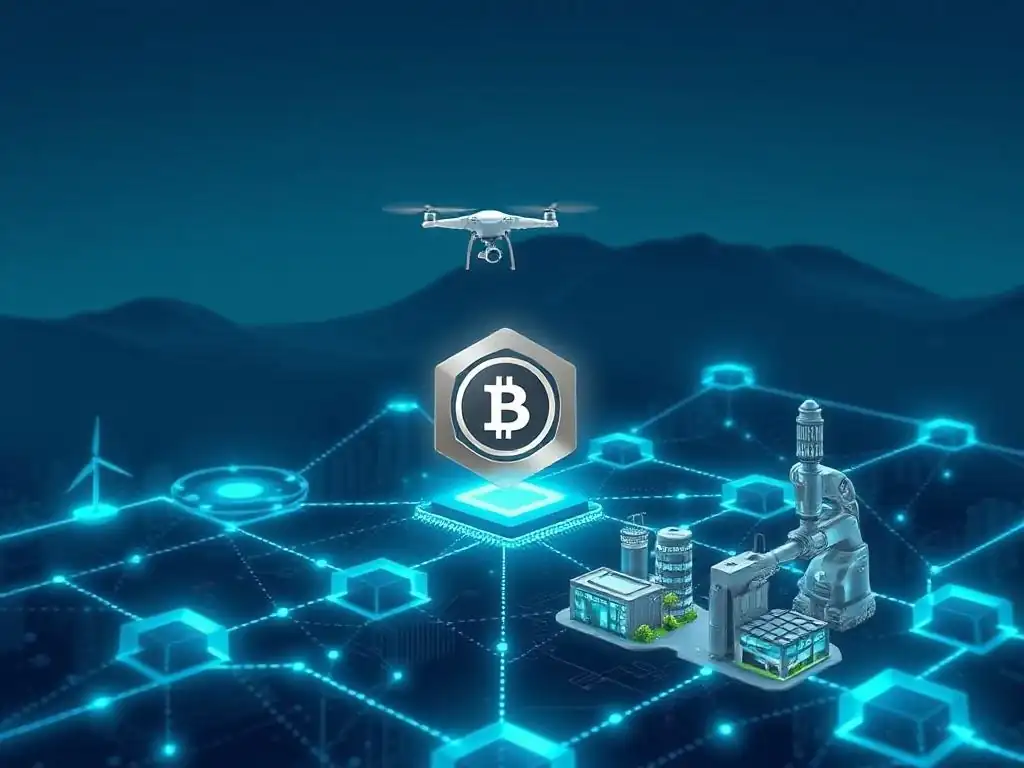
Supply Chain Management: Real-Time Tracking and Traceability
In supply chain management, Blockchain IoT smart contracts with real-time data processing can revolutionize tracking and traceability of goods. Imagine a pharmaceutical supply chain where temperature-sensitive vaccines need to be monitored continuously. IoT sensors attached to vaccine shipments can transmit real-time temperature data to a blockchain network. Smart contracts can be programmed to automatically monitor these temperature readings and verify if they remain within the required range throughout the journey. If a temperature deviation occurs, the smart contract can instantly trigger alerts to relevant parties, such as logistics providers and quality control teams, enabling timely intervention and preventing spoilage.
Beyond temperature monitoring, smart contracts can automate various other aspects of supply chain tracking, such as verifying shipment locations, monitoring handling conditions, and confirming delivery milestones. All this information is recorded on the blockchain, providing an immutable and transparent audit trail of the entire supply chain journey. This enhanced traceability improves accountability, reduces counterfeiting, and builds trust among stakeholders.
For instance, consumers can scan a QR code on a product to access its complete supply chain history, verified by blockchain, ensuring authenticity and provenance. Companies like IBM Food Trust are already leveraging blockchain for supply chain traceability, demonstrating the real-world impact of this technology.
Smart Agriculture: Automated Irrigation and Resource Management
Smart agriculture stands to gain significantly from Blockchain IoT smart contracts for automated irrigation and resource management. Consider a vineyard using soil moisture sensors deployed across the fields. These sensors continuously transmit real-time soil moisture data to a blockchain network. Smart contracts can be programmed to analyze this data and automatically trigger irrigation systems only when the soil moisture levels fall below a predefined threshold. This precise and automated irrigation system optimizes water usage, reduces water waste, and improves crop yields.
Beyond irrigation, smart contracts can automate other resource management tasks in agriculture, such as fertilizer application, pest control, and environmental monitoring. Weather data from weather stations, combined with sensor data from fields, can be fed into smart contracts to make data-driven decisions on resource allocation and farm management practices. The transparency and immutability of blockchain also enable better tracking of agricultural inputs, ensuring the provenance of produce and building consumer trust in food quality. Startups like AgriDigital are using blockchain to create transparent and efficient agricultural supply chains, enhancing traceability and sustainability in farming practices.
Smart Cities: Optimizing Energy Consumption and Traffic Flow
Smart cities can leverage Blockchain IoT smart contracts to optimize energy consumption and traffic flow in real-time. Imagine a smart grid where smart meters in homes and buildings continuously transmit energy consumption data to a blockchain network. Smart contracts can analyze this real-time data to dynamically adjust energy distribution, optimize pricing based on demand, and automatically trigger demand response programs during peak hours. This smart grid management system enhances energy efficiency, reduces energy waste, and improves grid stability.
Similarly, in traffic management, IoT sensors deployed across city streets can collect real-time traffic flow data. Smart contracts can analyze this data to dynamically adjust traffic light timings, optimize routing for public transportation, and even incentivize off-peak travel through dynamic toll pricing. This intelligent traffic management system reduces congestion, improves commute times, and lowers carbon emissions. Blockchain's transparency and security also enable secure data sharing between different city agencies and stakeholders, fostering collaboration and improving overall urban infrastructure management. Cities like Dubai are actively exploring blockchain for various smart city initiatives, including energy management and transportation optimization.
Healthcare: Remote Patient Monitoring and Data Security
In healthcare, Blockchain IoT smart contracts offer powerful solutions for remote patient monitoring and data security. Wearable devices and medical sensors can continuously monitor vital signs and health data of patients remotely. This real-time data can be transmitted to a blockchain network, where smart contracts can be programmed to analyze the data and trigger alerts if any anomalies or critical conditions are detected. Healthcare providers can receive immediate notifications and intervene proactively, improving patient outcomes and enabling timely medical interventions.
Blockchain also enhances the security and privacy of sensitive patient data. Medical data recorded on a blockchain is encrypted and tamper-proof, ensuring data integrity and confidentiality. Smart contracts can manage access control to patient data, granting permissions only to authorized healthcare professionals and patients themselves. This enhanced data security and privacy is crucial for building trust in remote patient monitoring systems and ensuring compliance with healthcare regulations like HIPAA. Companies like MedRec are using blockchain to create secure and interoperable healthcare data platforms, empowering patients and improving data management within the healthcare ecosystem.
Challenges and Considerations for Implementing Blockchain IoT Smart Contracts
Scalability Issues in Blockchain IoT Networks
Scalability remains a significant challenge for implementing Blockchain IoT networks, particularly when dealing with the massive data volumes generated by IoT devices. Traditional blockchain platforms, like Ethereum, were not initially designed for the high transaction throughput and low latency required by many IoT applications. While advancements in blockchain technology, such as layer-2 scaling solutions and sharding, are improving scalability, it's still a critical consideration for large-scale IoT deployments. The number of IoT devices is projected to reach over 75 billion by 2025, and processing data from such a vast network on a blockchain requires robust and scalable infrastructure.
Choosing the right blockchain platform is crucial for addressing scalability challenges. Private or consortium blockchains, like Hyperledger Fabric, often offer better scalability compared to public blockchains for enterprise IoT applications. These permissioned blockchains can be optimized for specific use cases and can handle higher transaction volumes. Furthermore, employing edge computing to pre-process data closer to the source can reduce the data load on the blockchain network, mitigating scalability concerns. Careful architectural design and platform selection are essential to ensure blockchain IoT solutions can scale effectively to meet the demands of growing IoT ecosystems.
Interoperability between Different IoT Devices and Blockchains
Interoperability is another key challenge in the Blockchain IoT landscape. The IoT ecosystem is characterized by a diverse range of devices from different manufacturers, using various communication protocols and data formats. Similarly, multiple blockchain platforms exist, each with its own standards and functionalities. Ensuring seamless interoperability between these diverse IoT devices and blockchain platforms is crucial for building truly integrated and efficient Blockchain IoT solutions. Lack of interoperability can lead to data silos, fragmented systems, and hinder the full potential of Blockchain IoT.
Addressing interoperability requires standardization efforts and the development of interoperability protocols. Industry consortia and standards bodies are working on defining common standards for IoT devices and blockchain communication. Cross-chain interoperability solutions, such as blockchain bridges and atomic swaps, are also emerging to enable data and value transfer between different blockchain networks. Open APIs and standardized data formats can facilitate easier integration between IoT devices and blockchain platforms. Overcoming interoperability challenges is essential for creating a unified and interconnected Blockchain IoT ecosystem that can unlock new levels of innovation and efficiency.
Regulatory and Legal Considerations for Smart Contract Usage
The regulatory and legal landscape surrounding smart contracts and blockchain technology is still evolving, posing challenges for widespread adoption in IoT. Smart contracts, while offering automation and efficiency, raise legal questions regarding contract enforceability, liability, and dispute resolution. Traditional legal frameworks may not fully accommodate the unique characteristics of smart contracts, particularly their self-executing and immutable nature. The legal status of smart contracts varies across jurisdictions, creating uncertainty for businesses deploying Blockchain IoT solutions.
Navigating regulatory and legal considerations requires careful planning and legal expertise. Businesses need to ensure that their smart contracts comply with relevant regulations, such as data privacy laws (GDPR, CCPA) and industry-specific regulations. Legal frameworks for smart contract dispute resolution are still developing, and businesses need to consider mechanisms for addressing potential disputes arising from smart contract execution. Working with legal counsel to carefully draft smart contracts and address potential legal risks is crucial for ensuring regulatory compliance and mitigating legal uncertainties in Blockchain IoT deployments.
Ensuring Data Privacy and Compliance with Regulations
Data privacy and compliance with regulations like GDPR and CCPA are paramount concerns in IoT, and Blockchain IoT solutions must be designed to address these requirements effectively. IoT devices often collect personal and sensitive data, and it's crucial to ensure that this data is handled in a privacy-preserving and compliant manner. While blockchain offers enhanced security and data integrity, it's not inherently privacy-preserving. Data stored on a public blockchain is transparent and potentially accessible to anyone, raising privacy concerns.
Implementing privacy-enhancing technologies, such as encryption, zero-knowledge proofs, and differential privacy, is essential for addressing data privacy concerns in Blockchain IoT. Permissioned blockchains and private blockchains offer better control over data access and privacy compared to public blockchains. Smart contracts can be programmed to enforce data privacy policies and ensure compliance with regulations. For example, smart contracts can automate data anonymization, data minimization, and consent management processes. Organizations deploying Blockchain IoT solutions must prioritize data privacy and implement appropriate measures to ensure compliance with relevant data protection regulations.
Future Trends in Blockchain IoT Smart Contracts
Integration with AI and Machine Learning for Predictive Analytics
The integration of Artificial Intelligence (AI) and Machine Learning (ML) with Blockchain IoT smart contracts is a significant future trend, promising to unlock advanced predictive analytics capabilities. IoT devices generate vast amounts of data, and AI/ML algorithms can be used to analyze this data to extract valuable insights, predict future trends, and optimize decision-making. By combining AI/ML with smart contracts, organizations can create intelligent and autonomous IoT systems that can proactively respond to changing conditions and optimize performance in real-time.
Imagine a smart manufacturing scenario where AI/ML algorithms analyze sensor data from production lines to predict potential equipment failures. This predictive maintenance capability can be integrated with smart contracts. If the AI/ML system predicts an impending failure, a smart contract can automatically trigger maintenance requests, order spare parts, and schedule repairs, minimizing downtime and improving operational efficiency. This synergistic combination of AI/ML and smart contracts will drive the development of more intelligent and proactive IoT applications across various industries, enabling predictive maintenance, proactive resource management, and personalized user experiences.
Development of Standardized Smart Contract Templates for IoT
The development of standardized smart contract templates specifically designed for IoT applications is a crucial trend for accelerating adoption and simplifying deployment. Currently, developing smart contracts for IoT often requires specialized programming skills and custom coding for each specific use case. Standardized templates can provide pre-built and reusable smart contract modules for common IoT functionalities, such as device management, data access control, and automated transactions. These templates would simplify smart contract development, reduce development time and costs, and promote interoperability across different Blockchain IoT solutions.
These templates could be designed for specific IoT verticals, such as supply chain, smart agriculture, or smart cities, addressing common use cases within each domain. For example, a standardized template for supply chain traceability could include modules for tracking product provenance, verifying shipment conditions, and automating payments upon delivery. The availability of standardized templates would lower the barrier to entry for organizations looking to implement Blockchain IoT solutions, enabling faster prototyping, easier deployment, and wider adoption of this transformative technology.
Expansion of Blockchain IoT Applications across Industries
The application of Blockchain IoT smart contracts is expected to expand significantly across various industries in the coming years. Beyond the early adopter industries like supply chain and logistics, new use cases are emerging in sectors such as healthcare, energy, manufacturing, and agriculture. As the technology matures and becomes more accessible, organizations across diverse industries are recognizing the potential of Blockchain IoT to enhance efficiency, security, transparency, and trust in their operations.
In healthcare, Blockchain IoT can revolutionize remote patient monitoring, drug traceability, and clinical trial management. In the energy sector, smart grids powered by Blockchain IoT can optimize energy distribution, facilitate peer-to-peer energy trading, and enhance grid resilience. In manufacturing, Blockchain IoT can enable predictive maintenance, optimize supply chains, and improve product quality control. In agriculture, it can enhance traceability, automate irrigation, and optimize resource management. This broad applicability across industries indicates a strong growth trajectory for Blockchain IoT smart contracts, transforming various sectors and creating new business models and opportunities.
Optimizing Smart Contracts for IoT Environments
Efficient Smart Contract Design for Resource-Constrained Devices
Designing efficient smart contracts is critical for deployment in IoT environments, where devices are often resource-constrained in terms of processing power, memory, and battery life. Complex and computationally intensive smart contracts can strain the limited resources of IoT devices, leading to performance bottlenecks and increased energy consumption. Therefore, smart contract design for IoT needs to prioritize efficiency and minimize resource utilization.
This involves writing optimized code, minimizing gas consumption (in platforms like Ethereum), and using lightweight cryptographic algorithms. Techniques like state channels and off-chain computation can be employed to reduce the on-chain processing burden. Smart contracts should be designed to be modular and reusable, minimizing code duplication and improving maintainability. Furthermore, choosing a blockchain platform that is optimized for IoT environments, with lower transaction fees and faster processing times, is crucial for efficient smart contract execution on resource-constrained devices.
Secure Storage and Management of IoT Data on the Blockchain
Secure storage and management of IoT data on the blockchain are paramount considerations to protect sensitive information and maintain data integrity. While blockchain itself offers enhanced security, careful design and implementation are necessary to ensure data privacy and prevent unauthorized access. Data encryption is essential for protecting sensitive IoT data stored on the blockchain. Data can be encrypted before being written to the blockchain, ensuring that only authorized parties with decryption keys can access the data.
Access control mechanisms, implemented through smart contracts, are crucial for managing who can access and modify IoT data stored on the blockchain. Smart contracts can enforce granular access policies, granting permissions based on roles, attributes, or predefined conditions. Regular security audits and vulnerability assessments of smart contracts and blockchain infrastructure are necessary to identify and address potential security risks. Implementing robust security measures for data storage and management is essential for building trustworthy and secure Blockchain IoT solutions.
Selecting a Suitable Blockchain Platform: Ethereum vs. Hyperledger Fabric
Choosing the right blockchain platform is a critical decision for implementing Blockchain IoT smart contracts, and the choice often comes down to platforms like Ethereum and Hyperledger Fabric, among others. Ethereum, a public blockchain, is well-established and has a large developer community, making it suitable for open and permissionless IoT applications. However, Ethereum's scalability and transaction fees can be limitations for large-scale IoT deployments.
Hyperledger Fabric, a private or permissioned blockchain, offers better scalability, privacy, and control, making it well-suited for enterprise IoT applications. Fabric allows for customized network configurations, access control policies, and optimized performance for specific use cases. The choice between Ethereum and Hyperledger Fabric, or other platforms, depends on the specific requirements of the IoT application, including scalability needs, privacy concerns, security requirements, and desired level of decentralization. A thorough evaluation of different blockchain platforms is essential to select the most suitable platform for a given Blockchain IoT project.
Conclusion: The Future of Real-Time Data Processing with Blockchain IoT Smart Contracts
Summarizing the Benefits and Challenges
Blockchain IoT smart contracts offer a transformative approach to real-time data processing in interconnected systems. The benefits are compelling: improved security, enhanced automation, increased transparency, and cost reduction. Smart contracts enable autonomous operation, streamline workflows, and build trust in IoT networks. Real-time data processing empowers proactive responses and unlocks new levels of efficiency across diverse applications, from supply chain management to smart cities and healthcare.
However, challenges remain. Scalability, interoperability, regulatory uncertainties, and data privacy considerations are critical hurdles to overcome. Efficient smart contract design, secure data management, and careful platform selection are essential for successful implementation. Despite these challenges, the potential benefits of Blockchain IoT smart contracts are undeniable, driving innovation and shaping the future of interconnected systems.
The Potential of Blockchain and IoT to Transform Industries
The convergence of blockchain and IoT has the potential to fundamentally transform industries. By combining the data-generating power of IoT with the secure and automated capabilities of blockchain smart contracts, organizations can create more efficient, resilient, and transparent systems. This synergy is driving innovation across various sectors, enabling new business models, optimizing operational processes, and enhancing user experiences. From revolutionizing supply chains and smart cities to transforming healthcare and agriculture, Blockchain IoT is poised to reshape how industries operate and interact.
The future of interconnected systems is increasingly decentralized, secure, and automated. Blockchain IoT smart contracts are at the forefront of this evolution, providing the infrastructure for building intelligent and autonomous systems that can process real-time data, execute complex workflows, and operate with minimal human intervention. This transformative potential is attracting significant investment and research, paving the way for widespread adoption and the realization of a truly interconnected and intelligent world.
Next Steps: Evaluating Smart Contract Integration for Your IoT Project
For organizations considering leveraging Blockchain IoT smart contracts, the next steps involve careful evaluation and strategic planning. Start by identifying specific use cases within your IoT project where smart contracts can add tangible value. Assess the potential benefits in terms of security, automation, efficiency, and transparency, weighing them against the challenges and implementation complexities. Conduct a thorough evaluation of different blockchain platforms, considering scalability, privacy, security, and interoperability requirements.
Develop a proof-of-concept to test the feasibility and effectiveness of smart contract integration in your specific IoT environment. Engage with blockchain experts and legal counsel to address technical and regulatory considerations. Prioritize data privacy and security throughout the planning and implementation process. By taking a strategic and phased approach, organizations can successfully navigate the complexities of Blockchain IoT and unlock the transformative potential of smart contracts for real-time data processing in their IoT projects.
Frequently Asked Questions
How do smart contracts enhance the security of IoT data?
Smart contracts provide a secure and transparent way to manage IoT data by automating access control and ensuring data integrity through immutability. This minimizes the risk of data tampering and unauthorized access.
What is the role of blockchain in enabling real-time data processing for IoT devices?
Blockchain provides a decentralized and tamper-proof ledger for recording IoT data. Coupled with smart contracts, it facilitates automated and real-time responses to sensor data, enabling faster decision-making.
How can Blockchain IoT smart contracts be used to automate supply chain management?
Smart contracts can automatically trigger actions based on IoT sensor data, such as temperature readings during shipping. This leads to improved transparency and efficiency in supply chain operations by automating processes and reducing human error.
What are some of the regulatory challenges facing the widespread adoption of Blockchain IoT smart contracts?
Regulatory uncertainties surrounding data privacy, security, and liability remain a significant hurdle. Clear legal frameworks are needed to address these concerns and foster trust in blockchain-based IoT systems.
What is the future outlook for combining Blockchain, IoT, and smart contracts?
The future looks promising, with potential for increased automation, enhanced security, and new decentralized applications. Expect to see more integration of these technologies across various industries as the technology matures and adoption increases.
Final Reflection: Embracing the Decentralized Future
The convergence of Smart Contracts and IoT, as explored in this article, is not merely a technological advancement; it's a paradigm shift in how we interact with data and devices. The ability to process real-time data securely and transparently through Blockchain IoT smart contracts unlocks unprecedented opportunities for automation, efficiency, and trust in a world increasingly reliant on interconnected devices.
This fusion is profoundly shaping the future of industries, from supply chain management to healthcare, and its influence will only continue to grow. Witnessing the potential of decentralized, autonomous systems has been truly inspiring, reinforcing the belief that technology can be a powerful force for positive change. The best way to predict the future is to create it.
- Peter Drucker. This quote encapsulates the spirit of innovation driving the Blockchain IoT smart contracts revolution, urging us to actively participate in shaping its trajectory.
As we stand on the cusp of this decentralized future, let us embrace the potential of Blockchain IoT smart contracts to build more secure, transparent, and efficient systems. Consider how you can leverage these technologies in your own field, and actively contribute to a world where data flows freely and trust is built into the very fabric of our digital infrastructure. The future is not something that happens to us; it's something we create, together.
Unlock the Power of IoT Data!
Thank you for exploring how smart contracts and IoT can revolutionize real-time data processing! We hope this article provided you with valuable insights into this exciting intersection of technology. Now, it’s time to put that knowledge into action.
Here’s how you can further leverage the potential of smart contracts and IoT:
- Dive Deeper: Start building a simple smart contract to manage data from a simulated IoT device.: This hands-on experience is the best way to truly understand the capabilities and limitations of this technology.
- Explore relevant case studies beyond our examples to discover unique applications of smart contracts and IoT.
- Share this article with colleagues and join the discussion in our comment section below to contribute your insights and learn from others in the Blockchain Trends community.
What unexpected applications of smart contracts and IoT are you most excited to see emerge in the coming years?
Leave a Reply