
Smart Contracts in Retail: Automating IoT Inventory Management


Welcome to Blockchain Trends, your guide to understanding the real-world applications of blockchain technology.
Imagine a world where retail inventory management is seamless, efficient, and transparent. Our latest article dives deep into how smart contracts retail inventory automation, powered by the synergy of blockchain and IoT, is revolutionizing the industry. Intrigued? Discover how this innovative approach is optimizing supply chains, reducing costs, and creating unprecedented levels of accuracy. Read on to uncover the transformative power of decentralized solutions in retail.
Smart Contracts in Retail: Automating IoT Inventory Management
- Introduction: Revolutionizing Retail with Smart Contracts and IoT
- The Problem: Current Challenges in Retail Inventory Tracking
- Smart Contracts: The Key to Automated Retail Inventory
- IoT-Enabled Inventory Management: A Detailed Overview
- Implementing Smart Contracts for Retail Inventory Automation: A Step-by-Step Guide
- Use Cases: Smart Contracts and IoT Transforming Retail Inventory
- Advantages of Smart Contract-Based IoT Inventory Management in Retail
- Challenges and Considerations for Smart Contract Implementation in Retail
- The Future of Smart Contracts and IoT in Retail Inventory
- Conclusion: Embracing Smart Contracts for a Smarter Retail Future
-
Frequently Asked Questions
- How can smart contracts automate retail inventory management?
- What are the key benefits of using blockchain for IoT inventory tracking in retail?
- How do smart contracts improve efficiency in retail supply chain operations?
- What role does regulation play in the adoption of smart contracts for retail inventory?
- What are some potential challenges to implementing smart contracts for retail inventory automation?
- Final Reflection: The Dawn of Autonomous Commerce
- Unleash the Power of Smart Contracts in Your Retail Strategy!
Introduction: Revolutionizing Retail with Smart Contracts and IoT
The Convergence of Blockchain, IoT, and Retail: A New Era of Efficiency
The retail industry, a cornerstone of global commerce, is constantly seeking innovative solutions to optimize operations, enhance customer experiences, and maintain a competitive edge. The convergence of blockchain technology and the Internet of Things (IoT) is presenting a paradigm shift in how retail businesses manage their inventory and supply chains.
This synergy promises to usher in a new era of efficiency, transparency, and automation, particularly through the application of smart contracts. By leveraging the decentralized and secure nature of blockchain with the real-time data collection capabilities of IoT devices, retailers can unlock unprecedented levels of control and visibility over their inventory, streamlining processes from procurement to point-of-sale.
This technological convergence offers a powerful toolkit for addressing long-standing challenges in the retail sector. Imagine a world where inventory levels are automatically adjusted based on real-time sales data, where replenishment orders are triggered autonomously when stock reaches critical thresholds, and where the entire journey of goods from manufacturer to consumer is immutably recorded and readily accessible. This is the potential unlocked by combining blockchain, IoT, and smart contracts – a future where retail operations are characterized by seamless automation and minimized human intervention, leading to significant cost savings and improved customer satisfaction.
Understanding the Need for Automation in Retail Inventory Management
Effective inventory management is the lifeblood of any successful retail operation. It directly impacts profitability, customer satisfaction, and overall operational efficiency. However, traditional methods of inventory tracking and management are often plagued by inefficiencies, inaccuracies, and high labor costs. In today's fast-paced and competitive retail landscape, the need for automation is not just desirable, it's essential for survival and growth. Automation in inventory management offers the promise of reducing human error, accelerating processes, and providing real-time insights into stock levels, demand fluctuations, and supply chain bottlenecks.
Consider the sheer scale of modern retail operations. Large retailers manage thousands, if not millions, of SKUs across multiple locations, warehouses, and distribution centers. Manually tracking and reconciling this vast amount of inventory is a monumental task, prone to errors and delays. Automation through technologies like IoT and smart contracts offers a scalable and reliable solution to this challenge. By automating key inventory management processes, retailers can free up valuable human resources to focus on strategic initiatives, improve decision-making based on accurate data, and ultimately deliver a better experience to their customers.
The Problem: Current Challenges in Retail Inventory Tracking
Inefficiencies and Inaccuracies in Traditional Inventory Systems
Traditional retail inventory systems often rely on manual processes, spreadsheets, and legacy software, leading to a plethora of inefficiencies and inaccuracies. Manual data entry is error-prone, and physical inventory counts are time-consuming and disruptive to operations. These systems often lack real-time visibility, resulting in delayed information and reactive decision-making. For example, a study by IHL Group estimated that retail overstocks and out-of-stocks cost retailers nearly \$1.1 trillion globally in 2020. A significant portion of these losses can be attributed to inaccurate inventory data stemming from inefficient tracking methods.
Furthermore, traditional systems often operate in silos, lacking seamless integration across different departments and supply chain partners. This lack of integration hinders information flow and creates bottlenecks. Imagine a scenario where a retailer relies on weekly manual inventory counts. By the time the count is completed and data is processed, the inventory situation may have already changed significantly due to ongoing sales and shipments. This lag in information can lead to stockouts, lost sales, and dissatisfied customers. The reliance on outdated or disconnected systems creates a significant impediment to agile and responsive inventory management.
The High Costs of Manual Inventory Management in Retail
Manual inventory management is not only inefficient and inaccurate but also incredibly costly. It involves significant labor expenses for tasks such as physical counts, data entry, and reconciliation. These labor costs are compounded by the indirect costs associated with errors, such as overstocking, stockouts, and expedited shipping to fulfill orders when inventory discrepancies are discovered late in the process. According to a report by Zebra Technologies, inaccurate inventory data can account for up to 50% of retail stockouts, directly impacting revenue and customer satisfaction.
Beyond direct labor costs, manual inventory management also incurs opportunity costs. Employees engaged in repetitive manual tasks are not available for more strategic and value-added activities, such as customer service, sales, or business development. Furthermore, the time lag inherent in manual processes delays decision-making and prevents retailers from responding quickly to changing market conditions or customer demands. The cumulative effect of these direct and indirect costs highlights the significant financial burden of relying on traditional, manual inventory management methods in the retail sector.
Supply Chain Visibility Issues and Their Impact on Retailers
Lack of supply chain visibility is a major challenge for retailers, especially in today's complex and globalized supply networks. Traditional systems often provide limited insight into the location and status of goods as they move through the supply chain, from manufacturers to distribution centers and finally to stores.
This lack of visibility makes it difficult to proactively address potential disruptions, optimize logistics, and ensure timely delivery of products. For instance, if a shipment is delayed due to unforeseen circumstances, retailers relying on traditional systems may not become aware of the delay until it's too late to mitigate the impact on inventory levels and customer orders.
The consequences of poor supply chain visibility can be significant, ranging from stockouts and delayed deliveries to increased transportation costs and damaged customer relationships. Imagine a retailer launching a promotional campaign for a specific product line. If they lack real-time visibility into the location and availability of that product across their supply chain, they risk running out of stock during the promotion period, leading to lost sales and customer disappointment. Improving supply chain visibility is crucial for retailers to enhance responsiveness, reduce risks, and optimize their overall supply chain operations.
Smart Contracts: The Key to Automated Retail Inventory
What are Smart Contracts and How Do They Work?
Smart contracts are self-executing contracts with the terms of the agreement directly written into code. They operate on a blockchain, a decentralized and distributed ledger that ensures transparency, security, and immutability. Once a smart contract is deployed on the blockchain, it automatically executes the predefined actions when specific conditions are met, without the need for intermediaries. Think of them as automated digital agreements that are triggered by data and events. This automation and transparency are particularly relevant to retail inventory management.
The functionality of a smart contract is based on "if-then" logic. For example, a smart contract for inventory reordering could be programmed to automatically trigger a purchase order "if" the inventory level of a specific product falls below a predefined threshold "then" initiate an order for a specific quantity from a pre-approved supplier. Because the terms of the contract are encoded and executed on the blockchain, all parties involved have a shared and verifiable record of the agreement and its execution, eliminating disputes and enhancing trust.
The Role of Smart Contracts in Enabling IoT Device Interaction
Smart contracts act as the intelligent engine that drives automated actions based on data collected by IoT devices. IoT devices, such as RFID tags, sensors, and barcode scanners, continuously collect real-time data about inventory levels, location, and environmental conditions. Smart contracts can be programmed to receive and interpret this data, triggering automated responses based on predefined rules. This seamless interaction between IoT devices and smart contracts is crucial for achieving true automation in retail inventory management.
Imagine a scenario where RFID tags are attached to product pallets in a warehouse. IoT readers strategically placed throughout the warehouse can continuously track the location and movement of these pallets. This data is then fed into a smart contract that is programmed to monitor inventory levels. When the smart contract detects that the inventory of a particular product is running low, based on the data from the RFID readers, it can automatically initiate a reorder process, send notifications to relevant stakeholders, or even trigger automated payments to suppliers, all without manual intervention.
Benefits of Using Smart Contracts for Inventory Automation
The adoption of smart contracts for inventory automation in retail offers a multitude of benefits. Firstly, it significantly reduces manual effort and human error, leading to improved accuracy in inventory tracking and management. Secondly, it accelerates inventory processes, such as reordering and reconciliation, enabling retailers to respond more quickly to changing market demands and minimize stockouts. Thirdly, smart contracts enhance transparency and traceability across the supply chain, providing a clear and auditable record of inventory movements and transactions.
Furthermore, smart contracts can lead to significant cost savings by reducing labor expenses, minimizing errors, and optimizing inventory levels. By automating processes and improving efficiency, retailers can free up resources to focus on other critical areas of their business. For example, automated reconciliation through smart contracts can drastically reduce the time and resources spent on resolving discrepancies between physical inventory and recorded data. These benefits collectively contribute to a more efficient, resilient, and profitable retail operation.
IoT-Enabled Inventory Management: A Detailed Overview
How IoT Sensors Enhance Inventory Tracking in Retail
IoT sensors are the eyes and ears of an automated inventory management system, providing real-time visibility into the location, condition, and movement of goods. Various types of IoT sensors are employed in retail, including RFID tags, barcode scanners, environmental sensors (temperature, humidity), and GPS trackers. RFID tags, for instance, enable item-level tracking, allowing retailers to monitor the movement of individual products within stores and warehouses. Barcode scanners, while a more established technology, can be integrated into IoT systems for efficient data capture at various points in the supply chain.
Environmental sensors play a crucial role in monitoring perishable goods, ensuring that temperature and humidity levels are maintained within acceptable ranges to prevent spoilage and maintain product quality. GPS trackers, embedded in delivery vehicles or shipping containers, provide real-time location data, enhancing supply chain visibility and enabling accurate delivery time estimations. These IoT sensors, working in concert, provide a comprehensive and granular view of inventory, far exceeding the capabilities of traditional manual tracking methods.
Real-Time Inventory Monitoring with IoT Devices
Real-time inventory monitoring is a game-changer for retail operations, enabling proactive decision-making and minimizing disruptions. IoT devices continuously collect and transmit data, providing an up-to-the-minute view of inventory levels across all locations. This real-time visibility allows retailers to identify potential stockouts or overstocks before they escalate into significant problems. For example, if sales of a particular product suddenly surge, real-time monitoring can alert inventory managers to the increased demand, enabling them to quickly replenish stock and avoid lost sales.
Furthermore, real-time monitoring facilitates dynamic inventory optimization. Retailers can adjust pricing, promotions, and inventory allocation based on real-time demand signals and stock levels. Imagine a scenario where a retailer is running a flash sale on a specific product. Real-time monitoring of inventory levels during the sale allows them to dynamically adjust the sale duration or promotion intensity based on stock availability, maximizing revenue and minimizing the risk of stockouts. This level of responsiveness is simply not achievable with traditional, periodic inventory counts.
Integrating IoT Data with Smart Contract Logic
The true power of IoT-enabled inventory management is unlocked when IoT data is seamlessly integrated with smart contract logic. IoT devices provide the data inputs, while smart contracts provide the automated decision-making and execution capabilities. This integration creates a closed-loop system where inventory processes are autonomously managed based on real-time data. The integration typically involves APIs (Application Programming Interfaces) that enable communication between IoT platforms and blockchain networks hosting the smart contracts.
For example, consider a smart contract designed to automate reordering. IoT sensors continuously monitor inventory levels. When the inventory level of a specific product, as reported by IoT sensors, falls below a predefined threshold, the smart contract automatically triggers a purchase order to a pre-approved supplier. The supplier is notified via a blockchain transaction, and the order details are immutably recorded on the blockchain. Upon delivery of the goods, IoT devices can verify the shipment, and the smart contract can automatically process payment to the supplier, completing the entire reordering cycle without manual intervention.
Implementing Smart Contracts for Retail Inventory Automation: A Step-by-Step Guide
Step 1: Connecting IoT Devices to the Blockchain Network (Ethereum)
The first step in implementing smart contracts for retail inventory automation is establishing a secure and reliable connection between IoT devices and the chosen blockchain network. Ethereum is a popular platform for smart contract development and deployment due to its robust ecosystem and mature tooling. Connecting IoT devices to Ethereum typically involves using middleware platforms or IoT gateways that can translate data from IoT protocols (e.g., MQTT, CoAP) into blockchain-compatible formats and interact with Ethereum smart contracts through APIs like Web3.js or Ethers.js.
Consider a retail warehouse deploying RFID readers for inventory tracking. These RFID readers would transmit data to an IoT gateway, which acts as an intermediary. The gateway would then format this data and use a library like Web3.js to communicate with a smart contract deployed on the Ethereum network. This communication would involve sending transactions to the smart contract, containing inventory data updates or triggering specific functions within the smart contract based on predefined events. Security is paramount in this connection, requiring encryption and authentication mechanisms to protect data integrity and prevent unauthorized access.
Step 2: Defining Smart Contract Terms for Inventory Thresholds and Reordering
Once the IoT-blockchain connection is established, the next crucial step is defining the terms and conditions within the smart contract that govern inventory automation. This involves programming the smart contract with specific rules for inventory thresholds, reordering triggers, and supplier selection. For example, a smart contract might be programmed to automatically initiate a reorder when the inventory level of a specific SKU falls below a predetermined minimum stock quantity, say 50 units. This threshold would be defined as a variable within the smart contract code.
Furthermore, the smart contract needs to incorporate logic for supplier selection and order quantity. It could be programmed to select a pre-approved supplier based on factors like price, lead time, or historical performance. The order quantity could be dynamically calculated based on factors like historical sales data, lead time, and desired safety stock levels. These parameters and rules are hardcoded into the smart contract at the time of deployment and can be updated through secure smart contract upgrade mechanisms if necessary, ensuring flexibility and adaptability to changing business needs.
Step 3: Automating Purchase Orders with Smart Contract Triggers
A key application of smart contracts in retail inventory automation is the automated generation and execution of purchase orders. When inventory levels, as monitored by IoT devices and processed by the smart contract, reach predefined reorder thresholds, the smart contract automatically triggers the creation and sending of purchase orders to selected suppliers. This eliminates the need for manual purchase order processing, reducing delays and human error. The smart contract can generate purchase orders in a standardized electronic format and transmit them to suppliers via blockchain-based messaging or traditional EDI (Electronic Data Interchange) systems.
The automation of purchase orders extends beyond just triggering the order. Smart contracts can also manage the entire order lifecycle, including tracking order status, verifying shipment confirmations, and processing payments upon delivery. For example, once a purchase order is triggered, the smart contract can monitor for updates from the supplier regarding order fulfillment and shipment. Upon receiving confirmation of shipment, the smart contract can update the expected delivery date and prepare for automated payment upon successful delivery verification, streamlining the entire procurement process.
Step 4: Tracking Inventory Flow and Verifying Delivery with IoT and Smart Contracts
The final step in the automated inventory management process involves tracking the flow of goods throughout the supply chain and verifying delivery using the combined capabilities of IoT and smart contracts. IoT devices, such as GPS trackers on delivery vehicles and RFID readers at receiving docks, provide real-time visibility into the location and status of shipments. This data is fed back into the smart contract, which can automatically verify delivery upon arrival at the designated location. Delivery verification can be based on GPS location data, RFID scans at the receiving dock, or a combination of factors.
Upon successful delivery verification, the smart contract can automatically update inventory levels in the system and trigger payment to the supplier. This end-to-end automation, from reordering to delivery verification and payment, creates a seamless and efficient inventory management process. Furthermore, the blockchain provides an immutable record of all inventory transactions, including purchase orders, shipments, and deliveries, enhancing transparency and auditability across the entire supply chain. This verifiable and automated process significantly reduces the risk of disputes and ensures accurate inventory tracking throughout the product lifecycle.
Use Cases: Smart Contracts and IoT Transforming Retail Inventory
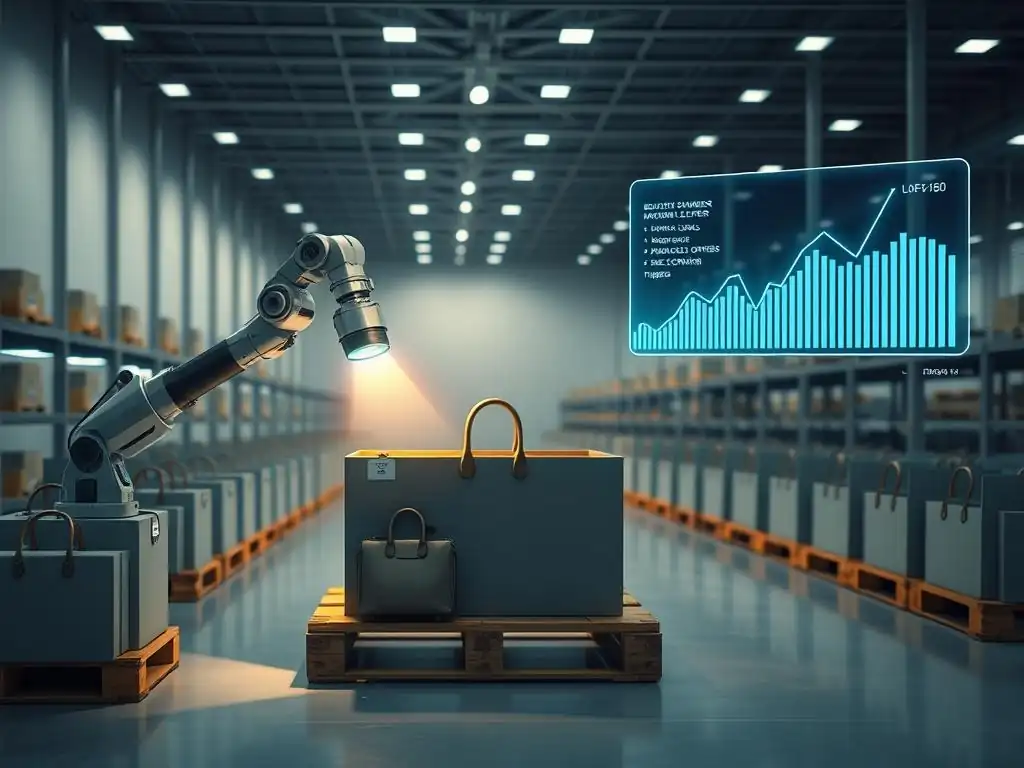
Case Study 1: Automated Reordering Systems for Optimal Stock Levels (Walmart)
Walmart, a global retail giant, is continuously exploring innovative technologies to optimize its vast and complex supply chain. Imagine Walmart implementing a smart contract-based automated reordering system leveraging IoT sensors in its stores and warehouses. Sensors, such as RFID readers and point-of-sale (POS) data integrated with IoT platforms, would provide real-time inventory levels for millions of products across thousands of locations. Smart contracts would be programmed to monitor these inventory levels continuously.
When the inventory of a specific product at a particular store reaches a predefined reorder point, the smart contract would automatically trigger a purchase order to Walmart's distribution centers or directly to suppliers. This automated reordering system would ensure optimal stock levels, minimizing both stockouts and overstocking, which are critical for Walmart's high-volume, low-margin business model. By automating reordering, Walmart could significantly reduce manual effort, improve inventory accuracy, and enhance responsiveness to fluctuating customer demand, leading to improved profitability and customer satisfaction. While publicly documented large-scale implementations are still emerging, this scenario illustrates the potential for companies like Walmart.
Case Study 2: Preventing Stockouts with Real-Time Inventory Monitoring (Perishable Goods)
Retailers dealing with perishable goods, such as supermarkets and grocery stores, face unique challenges in inventory management due to the limited shelf life of their products. Stockouts of perishable goods can lead to significant revenue losses and customer dissatisfaction, while overstocking results in spoilage and waste. Smart contracts and IoT offer a powerful solution for real-time inventory monitoring and proactive stock management for perishable items. Imagine a grocery store using IoT sensors to monitor the temperature and inventory levels of refrigerated produce.
Temperature sensors embedded in refrigerators and RFID tags on produce items could continuously transmit data to a blockchain-based platform. Smart contracts would be programmed to monitor both inventory levels and temperature conditions. If the inventory of a specific perishable item falls below a critical threshold, or if the temperature deviates from the optimal range, the smart contract could automatically trigger alerts to store staff.
These alerts would enable staff to proactively replenish stock or address temperature control issues, minimizing spoilage and preventing stockouts of fresh produce, thereby reducing waste and maximizing the sale of perishable goods. This real-time monitoring and alert system is crucial for maintaining the quality and availability of perishable goods.
Case Study 3: Enhancing Supply Chain Transparency and Traceability (Pharmaceuticals)
The pharmaceutical industry places paramount importance on supply chain transparency and traceability to ensure product authenticity, prevent counterfeiting, and comply with stringent regulatory requirements. Smart contracts and IoT can provide an immutable and auditable record of the entire pharmaceutical supply chain, from manufacturing to dispensing. Consider a pharmaceutical company implementing a blockchain-based system using IoT sensors to track drug shipments.
Each batch of pharmaceuticals could be assigned a unique identifier and tracked using RFID tags or sensors embedded in packaging. Throughout the supply chain, from manufacturing facilities to distribution centers, pharmacies, and hospitals, IoT readers would record the location and environmental conditions of the drug shipments. This data would be recorded on a blockchain, with smart contracts governing the transfer of custody and verification of product authenticity at each stage.
Consumers and regulators could potentially access this blockchain data to verify the provenance and authenticity of medications, enhancing patient safety and combating counterfeit drugs. This enhanced transparency and traceability are critical in the highly regulated pharmaceutical industry.
Advantages of Smart Contract-Based IoT Inventory Management in Retail
Improved Accuracy and Reduced Inventory Errors
One of the most significant advantages of smart contract-based IoT inventory management is the dramatic improvement in accuracy and reduction in inventory errors. Traditional manual inventory methods are prone to human error, leading to discrepancies between physical inventory and recorded data. By automating data collection with IoT sensors and data processing with smart contracts, the system minimizes manual intervention and eliminates many sources of error. For instance, RFID technology can achieve inventory accuracy rates of over 95%, compared to the often lower accuracy rates of manual scanning or visual counts.
This increased accuracy translates directly to reduced stockouts, overstocking, and lost sales. With precise real-time inventory data, retailers can make more informed decisions about replenishment, promotions, and inventory allocation. The elimination of manual data entry and reconciliation also frees up staff time to focus on more strategic tasks. The improved accuracy and reduced errors contribute directly to improved operational efficiency and profitability.
Increased Efficiency and Lower Operational Costs
Smart contract and IoT-based inventory automation significantly increases efficiency and lowers operational costs across various aspects of retail inventory management. Automating tasks such as inventory counts, reordering, and reconciliation eliminates labor-intensive manual processes, freeing up staff for higher-value activities. According to a McKinsey report, automation in supply chain management, which includes inventory management, can reduce operational costs by up to 20%. This cost reduction stems from lower labor expenses, reduced errors, and optimized inventory levels.
Furthermore, automated processes are faster and more efficient than manual ones. Reordering cycles are accelerated, reducing lead times and minimizing the risk of stockouts. Automated reconciliation of inventory data eliminates the time-consuming process of manually investigating and resolving discrepancies. The increased efficiency translates to faster inventory turnover, reduced holding costs, and improved responsiveness to customer demand, ultimately leading to lower operational costs and improved profitability.
Enhanced Transparency and Traceability Across the Supply Chain
Smart contracts and blockchain technology inherently enhance transparency and traceability throughout the retail supply chain. Every inventory transaction, from receiving goods to sales and shipments, is recorded on the blockchain, creating an immutable and auditable record. This transparency benefits all stakeholders in the supply chain, including retailers, suppliers, and even consumers. Retailers gain complete visibility into the movement of goods, enabling them to track products from origin to destination and identify potential bottlenecks or delays.
Suppliers benefit from improved order accuracy and faster payment processing, facilitated by smart contract automation. Consumers may eventually benefit from increased product provenance information, particularly in industries like food and pharmaceuticals, where transparency is crucial for safety and trust. The enhanced transparency and traceability fostered by blockchain and smart contracts build trust among supply chain partners, reduce disputes, and improve overall supply chain resilience and efficiency.
Streamlined Payment Processes and Automated Reconciliation
Smart contracts can streamline payment processes and automate reconciliation in retail inventory management. Traditionally, payment reconciliation is a manual and time-consuming process, often involving paper invoices and manual matching of purchase orders and receipts. Smart contracts can automate this process by triggering payments automatically upon verification of delivery or completion of predefined milestones. When integrated with IoT-based delivery verification systems, smart contracts can release payments to suppliers as soon as delivery is confirmed by IoT sensors at the receiving dock.
This automated payment process reduces manual effort, minimizes payment delays, and eliminates the need for manual reconciliation. The blockchain provides an immutable record of all payment transactions, further enhancing transparency and reducing the risk of disputes. Streamlined payment processes improve cash flow management, reduce administrative costs, and strengthen relationships with suppliers by ensuring timely and accurate payments.
Challenges and Considerations for Smart Contract Implementation in Retail
Scalability Issues with Blockchain and IoT Integration
Scalability is a significant challenge for the widespread adoption of blockchain and IoT integration in retail inventory management. Blockchain networks, particularly public blockchains like Ethereum, can face limitations in transaction throughput and processing speed, especially when dealing with the high volume of data generated by large-scale IoT deployments in retail. Consider a large retailer with thousands of stores and millions of transactions per day. Processing all inventory updates and transactions on a public blockchain in real-time can strain the network and lead to delays and increased transaction costs.
While Layer-2 scaling solutions for blockchains are emerging, scalability remains a key consideration. Private or consortium blockchains offer higher throughput and lower transaction costs but may sacrifice some of the decentralization benefits of public blockchains. Retailers need to carefully evaluate their transaction volume and scalability requirements when choosing a blockchain platform for IoT integration. Optimizing smart contract code and network infrastructure is also crucial for achieving scalability and ensuring efficient performance in high-volume retail environments.
Security Vulnerabilities and Smart Contract Audits
Security is paramount in any blockchain-based system, and smart contracts are no exception. Smart contracts, once deployed, are immutable, meaning that vulnerabilities or errors in the code cannot be easily fixed. Security vulnerabilities in smart contracts can be exploited by malicious actors, potentially leading to financial losses or data breaches. Therefore, rigorous security audits are essential before deploying smart contracts for retail inventory management. These audits should be conducted by experienced blockchain security experts to identify and mitigate potential vulnerabilities.
Common smart contract vulnerabilities include reentrancy attacks, overflow/underflow errors, and access control issues. Developers must follow secure coding practices and employ formal verification methods to minimize the risk of vulnerabilities. Regular security audits and penetration testing should be conducted throughout the lifecycle of smart contracts to ensure ongoing security and protect against evolving threats. The security of the entire IoT-blockchain ecosystem, including IoT devices, communication channels, and blockchain infrastructure, must be carefully considered and addressed.
Regulatory Compliance and Data Privacy Concerns (GDPR/CCPA)
Retailers operating globally must navigate a complex landscape of regulatory compliance and data privacy regulations, such as GDPR (General Data Protection Regulation) in Europe and CCPA (California Consumer Privacy Act) in the United States. Blockchain and IoT systems must be designed and implemented in a way that complies with these regulations. Data privacy is a key concern, particularly when dealing with customer data or sensitive inventory information. Storing personal data on a public blockchain may raise GDPR compliance issues due to the immutability and transparency of blockchain data.
Retailers need to carefully consider data minimization principles and explore privacy-enhancing technologies, such as encryption and zero-knowledge proofs, to protect sensitive data. Compliance with regulations like GDPR and CCPA requires careful consideration of data storage, data access, and data deletion policies within the blockchain and IoT ecosystem. Legal and regulatory expertise is crucial to ensure that smart contract-based inventory management systems are compliant with relevant data privacy laws and regulations in all jurisdictions where the retailer operates.
Interoperability Between Different IoT Devices and Blockchain Platforms
Interoperability is another significant challenge in the fragmented landscape of IoT devices and blockchain platforms. Numerous IoT device manufacturers and blockchain platforms exist, each with their own protocols, standards, and APIs. Achieving seamless interoperability between different IoT devices and blockchain platforms is crucial for building robust and scalable retail inventory management solutions. Lack of interoperability can lead to vendor lock-in, increased integration costs, and limitations in system flexibility.
Standardization efforts are underway in both the IoT and blockchain spaces to address interoperability challenges. Adopting open standards and protocols can facilitate communication and data exchange between different devices and platforms. Middleware platforms and API gateways can also play a role in bridging the gap between disparate systems. Retailers should prioritize interoperability when selecting IoT devices and blockchain platforms to ensure flexibility, scalability, and long-term viability of their smart contract-based inventory management solutions.
The Future of Smart Contracts and IoT in Retail Inventory
Emerging Trends in Blockchain-Based Inventory Solutions
Several emerging trends are shaping the future of blockchain-based inventory solutions in retail. One prominent trend is the increasing adoption of enterprise-grade blockchain platforms, such as Hyperledger Fabric and R3 Corda, which offer improved scalability, privacy features, and permissioned access control suitable for enterprise deployments. These platforms address some of the limitations of public blockchains like Ethereum for large-scale retail applications. Another trend is the development of more sophisticated smart contract functionalities, including advanced data analytics, machine learning integration, and cross-chain interoperability.
The integration of decentralized identity solutions with blockchain-based inventory systems is also gaining traction, enabling secure and verifiable identification of products and supply chain actors. Furthermore, the focus is shifting towards building more user-friendly and easily deployable blockchain-based inventory management platforms, making the technology more accessible to retailers of all sizes. These emerging trends indicate a maturing ecosystem for blockchain-based inventory solutions, paving the way for wider adoption in the retail industry.
The Potential for AI and Machine Learning Integration
The integration of Artificial Intelligence (AI) and Machine Learning (ML) with smart contract-based IoT inventory management holds immense potential for further optimization and automation. AI and ML algorithms can analyze vast amounts of IoT data to predict demand fluctuations, optimize inventory levels dynamically, and proactively identify potential supply chain disruptions. For example, ML models can be trained on historical sales data, seasonal trends, and external factors like weather patterns to forecast demand more accurately than traditional forecasting methods.
This demand forecasting can be integrated with smart contracts to automatically adjust reorder points and safety stock levels, optimizing inventory management in real-time. AI-powered anomaly detection can also be used to identify unusual inventory patterns or potential fraud, triggering alerts and automated investigations through smart contracts. The synergy between AI/ML and smart contracts can create a highly intelligent and adaptive inventory management system, capable of self-optimization and proactive problem-solving, further enhancing efficiency and reducing costs.
The Evolution of Decentralized Supply Chain Management
The combination of smart contracts, IoT, and blockchain is driving the evolution of decentralized supply chain management in retail. Traditional supply chains are often characterized by centralized control, limited transparency, and information silos. Decentralized supply chains, enabled by blockchain, distribute control across multiple stakeholders, enhance transparency through shared ledger technology, and improve information flow through real-time data sharing. Smart contracts automate processes and enforce agreements between supply chain partners in a decentralized manner, reducing reliance on intermediaries and building trust.
This evolution towards decentralized supply chain management promises to create more resilient, efficient, and transparent retail ecosystems. Retailers can collaborate more effectively with suppliers, logistics providers, and other partners through blockchain-based platforms, sharing data securely and streamlining processes across the entire supply chain. Decentralization can also empower smaller retailers and suppliers by providing them with access to technologies and supply chain networks that were previously only accessible to large corporations, fostering a more equitable and competitive retail landscape.
Conclusion: Embracing Smart Contracts for a Smarter Retail Future
Key Takeaways: The Power of Smart Contracts in Automating Retail Inventory
Smart contracts, in conjunction with IoT, are poised to revolutionize retail inventory management by offering unprecedented levels of automation, accuracy, and transparency. By automating key processes like reordering, reconciliation, and payment, smart contracts reduce manual effort, minimize errors, and lower operational costs. Real-time inventory monitoring through IoT devices provides valuable data inputs for smart contracts, enabling proactive decision-making and dynamic inventory optimization. The enhanced transparency and traceability offered by blockchain build trust among supply chain partners and improve overall supply chain resilience.
While challenges such as scalability, security, and regulatory compliance exist, the benefits of smart contract-based IoT inventory management are compelling. Retailers who embrace these technologies stand to gain a significant competitive advantage by improving efficiency, reducing costs, enhancing customer satisfaction, and building more resilient and transparent supply chains. The key takeaway is that smart contracts are not just a technological novelty but a powerful tool for creating a smarter and more efficient retail future.
The Future of Blockchain and IoT in the Retail Industry
The future of blockchain and IoT in the retail industry is bright and full of potential. As blockchain technology matures and scalability solutions emerge, wider adoption of smart contract-based inventory management is expected. The integration of AI and ML will further enhance the intelligence and automation capabilities of these systems, driving even greater efficiency and optimization. Decentralized supply chain management, enabled by blockchain and IoT, will transform the way retail supply chains operate, fostering collaboration, transparency, and resilience.
Retailers who proactively explore and implement blockchain and IoT solutions will be well-positioned to thrive in the increasingly competitive and rapidly evolving retail landscape. The journey towards a smarter retail future powered by smart contracts and IoT is underway, and its transformative impact on the industry is only just beginning to be realized.
Frequently Asked Questions
How can smart contracts automate retail inventory management?
Smart contracts enable automatic execution of inventory-related actions based on predefined conditions, such as IoT sensor data triggering reorders when stock levels are low. This automation reduces manual intervention and errors.
What are the key benefits of using blockchain for IoT inventory tracking in retail?
Blockchain offers enhanced transparency and traceability of inventory across the supply chain. It also provides immutable records, reducing the risk of fraud and disputes.
How do smart contracts improve efficiency in retail supply chain operations?
Smart contracts streamline processes like order placement, payment processing, and delivery confirmation, significantly reducing delays and improving overall efficiency. The automation provided is key.
What role does regulation play in the adoption of smart contracts for retail inventory?
Regulatory clarity around data privacy, contract enforceability, and liability is crucial for the widespread adoption of smart contracts in retail inventory management. Ambiguity can hinder investment.
What are some potential challenges to implementing smart contracts for retail inventory automation?
Challenges include integration with existing systems, scalability concerns, and the high initial costs associated with developing and deploying blockchain solutions. Data security is another critical aspect.
Final Reflection: The Dawn of Autonomous Commerce
The promise of smart contracts revolutionizing retail inventory automation is no longer a futuristic fantasy; it's a tangible reality reshaping how businesses operate and consumers interact with products. The ability to seamlessly integrate IoT devices with blockchain technology, creating self-executing agreements, is poised to eliminate inefficiencies, reduce costs, and enhance transparency across the entire supply chain. This shift represents a fundamental change in how we perceive and manage retail operations, moving towards a more agile and responsive ecosystem.
The impact of smart contracts on retail extends far beyond simple inventory tracking. It's about building trust and accountability into every transaction, fostering a more connected and efficient marketplace. This transformation resonates deeply because it empowers both retailers and consumers with unprecedented control and visibility. The future of retail is not just about selling products; it's about building relationships and creating experiences. Smart contracts provide the foundation for a more transparent and trustworthy retail environment, where consumers can be confident in the authenticity and provenance of the goods they purchase.
As we stand on the cusp of this technological revolution, it's crucial to embrace the potential of smart contracts to create a more sustainable and equitable retail landscape. Consider how you can leverage these innovative tools to optimize your own processes, enhance your customer experience, and contribute to a future where commerce is not only efficient but also ethical and transparent. Let us all strive to build a future where smart contracts retail inventory automation is not just a buzzword, but a powerful force for positive change.
Unleash the Power of Smart Contracts in Your Retail Strategy!
Thank you for exploring how smart contracts can transform inventory management in retail. You've seen how automation and transparency can significantly improve efficiency and cut costs. Now, it's time to put that knowledge into action!
Here are some steps to get started:
- Develop a preliminary smart contract plan tailored to your specific retail challenges. Consider beginning with a small pilot focused on a particular product line. This is the first step toward realizing the benefits.
- Discover new possibilities: Think creatively about how blockchain and IoT can be applied beyond inventory management. Could smart contracts help streamline loyalty programs, verify product authenticity, or improve supply chain transparency?
- Share your insights! Spread this knowledge by sharing this article with colleagues or starting a discussion within your professional community. Let’s learn and grow together!
What is one small but impactful process in your retail operation where a smart contract could make an immediate difference? Share your ideas below!
Leave a Reply