
Supply Chain Transparency: A Deep Dive into Blockchain & IoT Solutions for EndtoEnd Visibility

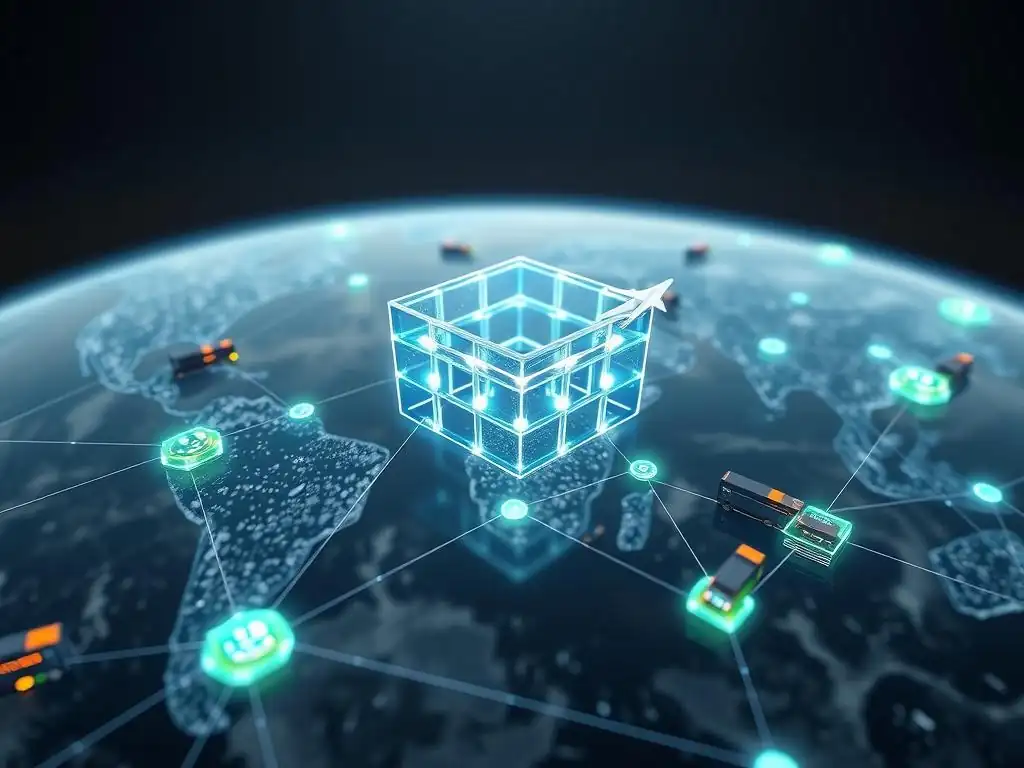
Welcome to Blockchain Trends, your definitive source for understanding the revolutionary impact of blockchain technology.
Imagine a world where every product's journey, from origin to consumer, is transparent and immutable. Our in-depth exploration of blockchain supply chain visibility solutions unlocks the potential of this future, revealing how blockchain and IoT converge to create unprecedented end-to-end transparency. Curious how this technology is reshaping industries and building consumer trust? Dive in to discover the power of decentralized systems in action.
- Introduction: The Imperative of Supply Chain Transparency in the Modern Era
- Understanding Blockchain Technology for Supply Chain Solutions
- Integrating IoT Devices for Real-Time Supply Chain Monitoring
- Blockchain Supply Chain Visibility Solutions: A Detailed Exploration
-
Use Cases: Real-World Applications of Blockchain & IoT in Supply Chains
- Case Study 1: Improving Pharmaceutical Supply Chain Integrity [Pfizer's Use of Blockchain for Tracking Vaccines]
- Case Study 2: Enhancing Transparency in the Agricultural Sector [Tracking Coffee Beans from Farm to Cup with Blockchain]
- Case Study 3: Tracking Luxury Goods and Preventing Counterfeiting [LVMH's Aura Blockchain Consortium]
- Benefits of Implementing Blockchain-Based Supply Chain Visibility Solutions
- Overcoming the Challenges of Blockchain and IoT Implementation in Supply Chains
- The Future of Supply Chain Transparency: Trends and Predictions
- Conclusion: Embracing Blockchain and IoT for a More Transparent and Efficient Supply Chain
-
Frequently Asked Questions
- How does blockchain enhance supply chain visibility?
- What role does IoT play in blockchain-based supply chains?
- What are the key benefits of using blockchain supply chain visibility solutions?
- Are there any challenges in implementing blockchain for supply chain visibility?
- How is blockchain impacting the future of supply chain management?
- Final Reflection: Embracing Radical Transparency in Supply Chains
- Ignite Your Supply Chain: Embrace Transparency Today!
Introduction: The Imperative of Supply Chain Transparency in the Modern Era
Why End-to-End Visibility is Crucial for Modern Supply Chains
In today's interconnected global economy, supply chains have evolved into intricate networks spanning continents, involving numerous stakeholders, and handling vast quantities of goods. This complexity, while facilitating global trade, introduces significant challenges in maintaining oversight and control. End-to-end visibility, the ability to track products and information across every stage of the supply chain, from origin to the end consumer, is no longer a luxury but a crucial imperative for modern businesses. Consider the automotive industry, for example.
A single vehicle can contain thousands of components sourced from hundreds of suppliers across the globe. Without end-to-end visibility, manufacturers struggle to quickly identify the source of defective parts, leading to costly recalls and potential damage to brand reputation. Furthermore, increasing consumer demand for ethically sourced and sustainable products necessitates transparency.
Consumers want to know the origins of their food, the labor conditions in factories producing their clothing, and the environmental impact of the goods they purchase. This demand is driving companies to adopt systems that can provide verifiable proof of product journeys and characteristics. In essence, end-to-end visibility empowers businesses to operate more efficiently, respond proactively to disruptions, build stronger customer trust, and meet evolving regulatory requirements and ethical standards.
The criticality of end-to-end visibility is further amplified by the increasing frequency and impact of global disruptions. From geopolitical instability and natural disasters to pandemics and trade wars, supply chains are constantly exposed to unforeseen events that can cause significant delays, shortages, and financial losses. For instance, the COVID-19 pandemic exposed vulnerabilities across numerous supply chains, highlighting the lack of real-time information and the inability to quickly adapt to changing circumstances.
Companies lacking robust visibility struggled to reroute shipments, identify alternative suppliers, or even understand the extent of the disruption affecting their operations. Those with superior visibility, however, were better positioned to navigate the crisis, minimize disruptions, and maintain business continuity.
A study by McKinsey in 2020 found that companies with high supply chain visibility were able to recover from disruptions up to twice as fast as those with low visibility. This resilience, coupled with the operational efficiencies and enhanced customer trust, underscores why end-to-end visibility is not just beneficial but fundamentally essential for navigating the complexities and uncertainties of the modern business landscape.
The Challenges of Traditional Supply Chain Management
Traditional supply chain management, often characterized by fragmented systems, manual processes, and a lack of real-time data sharing, faces significant challenges in achieving true end-to-end visibility. Many organizations still rely on siloed systems, where each stakeholder – from suppliers to manufacturers, distributors, and retailers – operates with limited information about other parts of the chain. This lack of interconnectedness leads to information gaps, delays in communication, and an inability to gain a holistic view of the entire supply chain.
For example, consider a shipment of perishable goods traveling across multiple borders. In a traditional system, information about the shipment's location, temperature, and condition might be recorded in separate, incompatible systems by different logistics providers. This fragmented data makes it difficult to proactively manage potential issues like temperature excursions that could compromise product quality and safety.
Furthermore, manual processes, such as paper-based documentation and manual data entry, are prone to errors, inefficiencies, and delays. These inefficiencies not only increase operational costs but also hinder the ability to react quickly to disruptions or changing market demands.
Another significant challenge in traditional supply chain management is the lack of trust and transparency among stakeholders. Information asymmetry, where some parties have more information than others, can lead to disputes, delays, and inefficiencies. For instance, in complex global supply chains, verifying the authenticity of products and the ethical sourcing of materials can be incredibly difficult.
Without a shared, transparent system, it is challenging to track products back to their origin and ensure compliance with labor standards, environmental regulations, or quality certifications. The reliance on intermediaries and the lack of direct communication between different tiers of suppliers further exacerbate these challenges.
A report by the World Economic Forum in 2020 highlighted that inefficiencies and lack of transparency in global supply chains contribute to an estimated \$3 trillion in lost economic value annually. This figure underscores the urgent need for innovative solutions that can overcome the limitations of traditional systems and establish truly transparent and efficient supply chains.
How Blockchain and IoT are Revolutionizing Supply Chain Tracking
Blockchain and the Internet of Things (IoT) are emerging as transformative technologies poised to revolutionize supply chain tracking and overcome the limitations of traditional systems. Blockchain, with its decentralized, immutable, and transparent ledger, provides a secure and shared platform for recording and verifying information across the entire supply chain.
Unlike traditional centralized databases, blockchain eliminates single points of failure and enhances trust among stakeholders by ensuring that all participants have access to a verifiable and auditable record of transactions and product journeys. For example, imagine tracking a shipment of organic coffee beans from a farm in Colombia to a café in New York.
Using blockchain, each step in the journey – from harvesting and processing to transportation and roasting – can be recorded as a transaction on the blockchain, creating an immutable and transparent record accessible to all authorized participants. This enhanced transparency not only builds trust but also enables faster dispute resolution and more efficient collaboration.
Complementing blockchain, IoT devices, such as sensors, GPS trackers, and RFID tags, provide real-time data about the physical conditions and location of goods as they move through the supply chain. These devices can monitor temperature, humidity, shock, and other critical parameters, providing granular visibility into the condition of products and their environment.
When integrated with blockchain, IoT data can be automatically recorded and verified on the ledger, creating a tamper-proof and auditable record of the entire product journey. For instance, temperature sensors embedded in refrigerated containers transporting pharmaceuticals can continuously monitor temperature and automatically trigger alerts if deviations occur.
This data, recorded on a blockchain, provides irrefutable evidence of temperature control throughout the cold chain, enhancing product safety and regulatory compliance. The combination of blockchain's secure and transparent data management with IoT's real-time data capture capabilities creates a powerful synergy that enables unprecedented end-to-end supply chain visibility, paving the way for more efficient, resilient, and trustworthy supply chains.
Understanding Blockchain Technology for Supply Chain Solutions
Blockchain Fundamentals: A Decentralized Ledger for Supply Chains
At its core, blockchain technology is a decentralized, distributed, and immutable ledger that records transactions in a secure and transparent manner. In the context of supply chains, blockchain serves as a shared digital record of all activities and events related to a product's journey, from its origin to its final destination. Decentralization is a key characteristic of blockchain, meaning that the ledger is not controlled by a single entity but rather distributed across a network of participants.
This distributed nature eliminates single points of failure and reduces the risk of manipulation or fraud. Imagine a consortium of suppliers, manufacturers, distributors, and retailers participating in a blockchain network for a specific supply chain.
Each participant operates a node in the network, maintaining a copy of the blockchain ledger. When a transaction occurs, such as a shipment handover or a quality inspection, it is verified by multiple nodes in the network through a consensus mechanism before being added as a new "block" to the chain.
Immutability, another fundamental aspect of blockchain, ensures that once a transaction is recorded on the ledger, it cannot be altered or deleted. Each block in the chain contains a cryptographic hash of the previous block, creating a chronological and tamper-proof record of all transactions. This immutability is crucial for building trust and accountability in supply chains, as it provides irrefutable proof of product provenance, ownership, and condition.
Transparency is also inherent in many blockchain implementations, particularly permissioned blockchains used in supply chains. While not all data may be publicly accessible, authorized participants in the network can view the shared ledger and track the history of products within the supply chain.
This enhanced transparency fosters collaboration, reduces information asymmetry, and enables faster resolution of disputes. By providing a decentralized, immutable, and transparent platform, blockchain establishes a robust foundation for building secure and efficient blockchain supply chain visibility solutions that address the challenges of traditional systems.
Smart Contracts: Automating Processes and Ensuring Compliance
Smart contracts are self-executing contracts with the terms of the agreement directly written into code. Stored on the blockchain, these contracts automatically execute predefined actions when specific conditions are met, eliminating the need for intermediaries and reducing the risk of human error or manipulation. In supply chain applications, smart contracts can automate various processes, from payment settlements and shipment tracking to quality control and compliance verification.
Consider a smart contract designed to automate payments in a supply chain. When a shipment reaches a specific milestone, as verified by IoT sensor data and recorded on the blockchain, the smart contract automatically triggers payment to the supplier. This automated process eliminates manual invoicing, reduces payment delays, and ensures that suppliers are paid promptly upon fulfillment of their obligations.
Beyond automating processes, smart contracts play a crucial role in ensuring compliance and enforcing agreements within supply chains. For example, smart contracts can be used to verify compliance with quality standards, regulatory requirements, or ethical sourcing certifications. Imagine a smart contract governing the transportation of temperature-sensitive pharmaceuticals.
The contract could stipulate that the temperature must remain within a specific range throughout the journey, as monitored by IoT sensors. If the temperature deviates outside the acceptable range, the smart contract could automatically trigger alerts, halt the shipment, or even invalidate the delivery, ensuring compliance with cold chain protocols and preventing the distribution of compromised products. By automating processes, enforcing compliance, and reducing reliance on manual interventions, smart contracts significantly enhance the efficiency, transparency, and reliability of blockchain supply chain visibility solutions, contributing to more streamlined and trustworthy operations.
The Role of Immutable Data in Enhancing Supply Chain Security
The immutability of data stored on a blockchain is a cornerstone of enhanced supply chain security. In traditional systems, data is often stored in centralized databases, which are vulnerable to cyberattacks, data breaches, and internal manipulation. Once data is altered or compromised, it can be difficult, if not impossible, to detect the tampering and restore data integrity.
Blockchain's immutable nature addresses this vulnerability by ensuring that once data is recorded on the ledger, it cannot be retroactively altered or deleted. This characteristic is particularly crucial in supply chains, where data integrity is paramount for verifying product authenticity, tracking ownership, and ensuring accountability. Consider the challenge of counterfeit goods in global supply chains.
Counterfeit products cost businesses billions of dollars annually and pose significant risks to consumer safety. By recording product information, such as serial numbers, manufacturing dates, and provenance details, on an immutable blockchain, companies can create a verifiable record of authenticity that is extremely difficult to tamper with.
Furthermore, the cryptographic security mechanisms inherent in blockchain technology further enhance data security. Transactions on a blockchain are cryptographically signed and verified, ensuring that only authorized participants can add or modify data. This cryptographic protection, combined with the distributed nature of the ledger, makes blockchain networks highly resistant to cyberattacks and data breaches.
For instance, in the food industry, where food fraud and safety are major concerns, blockchain can provide an immutable record of the entire food journey, from farm to consumer. This record can include information about farming practices, processing methods, and transportation conditions, all securely stored on the blockchain.
In the event of a food safety incident, authorities and consumers can trace the product back to its origin with confidence, knowing that the data has not been tampered with. The immutable nature of blockchain data, coupled with its robust security features, significantly strengthens supply chain security, builds trust, and mitigates the risks associated with data manipulation and fraud.
Integrating IoT Devices for Real-Time Supply Chain Monitoring
The Power of IoT Sensors in Tracking Goods
The Internet of Things (IoT) has emerged as a powerful enabler of real-time supply chain monitoring, providing granular visibility into the location, condition, and environment of goods as they move through the supply chain. IoT sensors, embedded in products, packaging, or transportation vehicles, can collect a wide range of data, including location (using GPS), temperature, humidity, shock, light exposure, and other critical parameters. This data is transmitted wirelessly and can be integrated with blockchain platforms to provide a comprehensive and real-time view of supply chain operations.
Imagine tracking a shipment of temperature-sensitive vaccines. IoT temperature sensors, attached to the vaccine packaging, continuously monitor the temperature throughout the journey. This data is transmitted wirelessly to a central platform and can be visualized in real-time, allowing stakeholders to track the temperature history and ensure that the vaccines remain within the required temperature range.
The power of IoT sensors lies in their ability to provide continuous, automated, and highly accurate data collection, eliminating the limitations of manual tracking methods. Traditional supply chain tracking often relies on manual scans at checkpoints, which are infrequent, prone to errors, and provide only intermittent visibility. IoT sensors, on the other hand, provide a constant stream of data, enabling proactive monitoring and immediate alerts in case of deviations or anomalies.
For example, if a shipment of fragile goods experiences excessive shock during transportation, an IoT shock sensor can immediately detect the event and trigger an alert, allowing for timely intervention and preventing potential damage. This real-time visibility and proactive monitoring, enabled by IoT sensors, significantly enhances supply chain efficiency, reduces risks, and improves product quality and safety.
Data Collection and Analysis: Leveraging IoT Data for Supply Chain Optimization
The vast amounts of data generated by IoT sensors in supply chains are not just for real-time monitoring; they are also a valuable asset for data analysis and supply chain optimization. By collecting and analyzing IoT data, businesses can gain deep insights into supply chain performance, identify bottlenecks, optimize routes, improve inventory management, and enhance overall efficiency. For example, analyzing historical temperature data from IoT sensors in refrigerated trucks can reveal patterns of temperature fluctuations along specific routes or during certain times of day.
This information can be used to optimize routing, adjust temperature control settings, or even redesign packaging to better protect temperature-sensitive goods. Similarly, analyzing data from GPS trackers can identify areas of congestion or delays in transportation networks, allowing for route optimization and improved delivery times.
Furthermore, IoT data can be combined with other supply chain data, such as order information, inventory levels, and demand forecasts, to create a holistic view of supply chain operations. This integrated data analysis can enable predictive analytics, allowing businesses to anticipate potential disruptions, optimize inventory levels based on real-time demand, and make data-driven decisions to improve efficiency and reduce costs.
For instance, by analyzing IoT data on shipment locations and delivery times in conjunction with demand forecasts, companies can optimize inventory placement across their distribution network, ensuring that products are available where and when they are needed, minimizing stockouts and reducing holding costs. The ability to collect, analyze, and leverage IoT data for supply chain optimization transforms raw data into actionable intelligence, empowering businesses to create more agile, efficient, and resilient supply chains.
IoT Security Considerations in Blockchain-Based Supply Chain Networks
While IoT devices offer significant benefits for supply chain visibility, their integration into blockchain-based networks also introduces important security considerations. IoT devices, often designed to be low-cost and low-power, may have limited processing capabilities and security features, making them potentially vulnerable to cyberattacks. Compromised IoT devices can be used to inject false data into the blockchain, disrupt operations, or even gain access to sensitive supply chain information. Therefore, securing IoT devices and their communication channels is crucial for maintaining the integrity and security of blockchain supply chain visibility solutions.
One key security consideration is device authentication and authorization. It is essential to ensure that only authorized IoT devices can connect to the blockchain network and transmit data. Strong authentication mechanisms, such as digital certificates and device-specific keys, can be used to verify the identity of IoT devices and prevent unauthorized access.
Another important aspect is data encryption. Data transmitted from IoT devices should be encrypted to protect it from eavesdropping and tampering during transit. End-to-end encryption, from the device to the blockchain platform, ensures that data remains confidential and secure throughout the communication chain.
Furthermore, regular security updates and vulnerability patching for IoT devices are essential to address newly discovered security threats and maintain device security over time. Implementing robust device management and monitoring systems can also help detect and respond to security incidents involving IoT devices. By addressing these IoT security considerations proactively, businesses can mitigate the risks associated with IoT device vulnerabilities and ensure the overall security and trustworthiness of blockchain-based supply chain visibility solutions.
Blockchain Supply Chain Visibility Solutions: A Detailed Exploration
Tracking and Tracing Products: From Origin to Consumer
Blockchain supply chain visibility solutions excel at tracking and tracing products throughout their entire journey, from the point of origin to the end consumer. This capability is achieved by recording each significant event or transaction related to a product's lifecycle on the blockchain as it moves through the supply chain network. This creates a comprehensive, immutable, and auditable record of the product's provenance, ownership, and transformations. Consider the journey of a garment, from raw cotton to a finished shirt on a retail shelf. Using blockchain, the origin of the cotton, the spinning mill, the fabric manufacturer, the garment factory, the logistics providers, and the retailer can all be recorded as distinct entities and events on the blockchain. Each step in the process, such as cotton harvest, fabric weaving, garment manufacturing, quality checks, and shipment handovers, is documented as a transaction on the blockchain, creating a detailed and transparent product history.
This granular tracking and tracing capability provides unprecedented visibility into the entire supply chain, enabling businesses to answer critical questions about product origin, authenticity, and journey. For consumers, this transparency translates to increased trust and confidence in the products they purchase, as they can verify the origin and journey of goods, ensuring ethical sourcing and product integrity. For businesses, enhanced tracking and tracing capabilities facilitate faster recall management in case of product defects or safety issues.
By quickly identifying the exact location and distribution of affected products, companies can minimize the impact of recalls, reduce costs, and protect brand reputation. Furthermore, detailed product tracking data can be used to optimize supply chain operations, identify areas for improvement, and enhance overall efficiency. Blockchain-based tracking and tracing solutions empower businesses to move beyond basic product tracking and achieve true end-to-end supply chain visibility, fostering transparency, accountability, and trust throughout the ecosystem.
Improving Product Authenticity and Reducing Counterfeiting
Counterfeiting poses a significant threat to businesses across various industries, leading to substantial financial losses, brand damage, and potential risks to consumer safety. Blockchain supply chain visibility solutions offer powerful tools to combat counterfeiting and improve product authenticity by providing a verifiable and immutable record of product provenance and ownership. By recording unique product identifiers, such as serial numbers, QR codes, or RFID tags, on the blockchain at the point of origin, companies can create a digital identity for each product that can be tracked and verified throughout the supply chain.
Imagine a luxury handbag manufacturer using blockchain to combat counterfeiting. Each handbag is assigned a unique digital identity, recorded on the blockchain, at the factory.
This digital identity is linked to detailed product information, such as materials used, manufacturing date, and quality certifications. Consumers can then verify the authenticity of the handbag by scanning a QR code or NFC tag embedded in the product, accessing the blockchain record and confirming its provenance and authenticity.
The immutable nature of blockchain ensures that the product's digital identity cannot be tampered with or duplicated, making it extremely difficult for counterfeiters to create fake products that can pass as genuine. Furthermore, blockchain-based authentication solutions can be integrated with IoT devices to provide additional layers of security. For example, tamper-evident seals with embedded RFID tags can be used to track product packaging integrity throughout the supply chain.
Any attempt to tamper with the packaging would be recorded on the blockchain, alerting stakeholders to potential counterfeiting attempts. By leveraging blockchain's security and transparency, businesses can create robust product authentication systems, significantly reduce counterfeiting, protect their brand reputation, and ensure that consumers receive genuine and safe products.
Enhancing Food Safety and Traceability with Blockchain and IoT
In the food industry, ensuring food safety and traceability is paramount for protecting consumer health, building trust, and complying with stringent regulations. Blockchain and IoT technologies offer transformative solutions for enhancing food safety and traceability throughout the complex food supply chain, from farm to fork. By recording key data points related to food production, processing, transportation, and distribution on a blockchain, companies can create a transparent and auditable record of the entire food journey.
Imagine tracking a batch of organic mangoes from a farm in Peru to a supermarket in Europe. Using blockchain and IoT, data on farming practices, harvest date, processing details, transportation conditions (temperature, humidity), and quality inspections can be recorded at each stage of the supply chain.
IoT sensors can monitor temperature and humidity during transportation, ensuring that the mangoes are kept fresh and safe. This data, recorded on the blockchain, provides a comprehensive and verifiable record of the mangoes' journey.
In the event of a food safety incident, such as a contamination outbreak, blockchain-based traceability systems enable rapid and efficient recall management. By quickly tracing the affected batch of mangoes back to its origin, authorities and businesses can identify the source of contamination, isolate affected products, and minimize the scope and impact of the recall.
Consumers can also benefit from enhanced food traceability by scanning QR codes on food packaging to access information about the product's origin, ingredients, and certifications, making informed purchasing decisions and building trust in the food supply chain. Blockchain and IoT technologies empower the food industry to move beyond basic traceability to achieve true transparency and accountability, enhancing food safety, building consumer trust, and streamlining regulatory compliance.
Streamlining Logistics and Reducing Delays
Inefficiencies and delays in logistics are major pain points in traditional supply chains, leading to increased costs, longer lead times, and reduced customer satisfaction. Blockchain and IoT technologies offer powerful tools to streamline logistics operations, reduce delays, and improve overall supply chain efficiency. By providing real-time visibility into shipment locations, conditions, and status, blockchain and IoT enable proactive management of logistics processes, faster decision-making, and improved coordination among stakeholders.
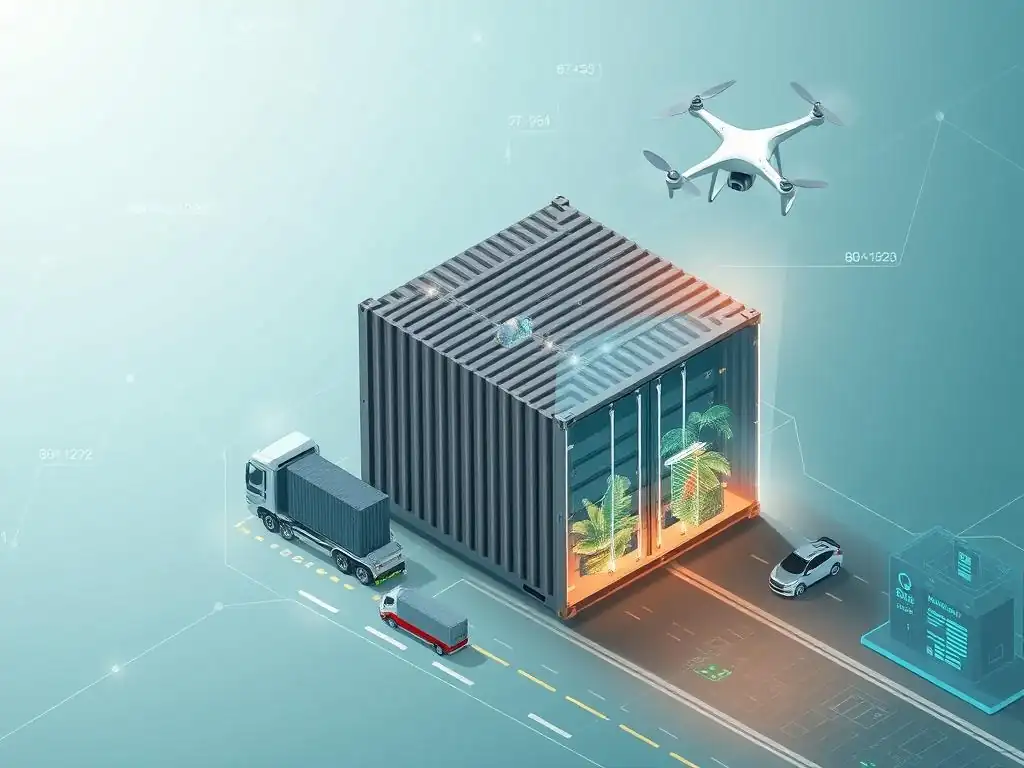
Imagine tracking a container shipment across multiple modes of transport – from ship to rail to truck. Using IoT GPS trackers and blockchain, the container's location, estimated time of arrival (ETA), and any delays or disruptions can be monitored in real-time. This information is shared with all relevant stakeholders, including logistics providers, shippers, and receivers, enabling proactive management of potential issues.
Smart contracts, integrated with blockchain-based logistics platforms, can automate various logistics processes, such as documentation processing, customs clearance, and payment settlements. For example, a smart contract can automatically trigger customs clearance procedures when a shipment reaches a border, based on pre-approved documentation stored on the blockchain. This automation reduces manual paperwork, minimizes delays, and accelerates the customs clearance process.
Furthermore, blockchain-based logistics platforms can facilitate better collaboration and communication among logistics providers, shippers, and receivers, improving coordination and reducing communication bottlenecks. By streamlining logistics processes, reducing delays, and enhancing visibility, blockchain and IoT technologies contribute to more efficient, responsive, and cost-effective supply chain operations, ultimately improving customer satisfaction and business competitiveness.
Use Cases: Real-World Applications of Blockchain & IoT in Supply Chains
Case Study 1: Improving Pharmaceutical Supply Chain Integrity [Pfizer's Use of Blockchain for Tracking Vaccines]
The pharmaceutical industry faces significant challenges in maintaining supply chain integrity, particularly for temperature-sensitive products like vaccines. Counterfeiting, diversion, and improper handling can compromise product safety and efficacy, posing serious risks to public health. Pfizer, a leading pharmaceutical company, has explored the use of blockchain technology to enhance the traceability and security of its vaccine supply chain. While specific details of Pfizer's blockchain implementation are proprietary, the general approach involves utilizing blockchain to track vaccines from manufacturing to administration, ensuring end-to-end visibility and temperature control.
Imagine a scenario where Pfizer uses blockchain to track COVID-19 vaccines. Each vial of vaccine is assigned a unique digital identity on the blockchain, linked to its batch number, manufacturing date, and temperature requirements. IoT temperature sensors, integrated with the vaccine packaging, continuously monitor temperature during transportation and storage.
This temperature data, along with location information, is recorded on the blockchain, providing a verifiable and immutable record of the vaccine's journey and condition. Healthcare providers administering the vaccines can scan a QR code on the vial to verify its authenticity and temperature history, ensuring that they are administering genuine and properly stored vaccines. This blockchain-based system enhances transparency and trust throughout the vaccine supply chain, reducing the risk of counterfeiting and ensuring that vaccines reach patients in optimal condition.
While specific implementation details may vary, the example illustrates the potential of blockchain and IoT to improve pharmaceutical supply chain integrity, enhance patient safety, and build public confidence in vaccine distribution networks. Other pharmaceutical companies are also exploring blockchain-based solutions for drug traceability and combating counterfeit medications, indicating a growing trend towards adopting these technologies to strengthen pharmaceutical supply chains.
Case Study 2: Enhancing Transparency in the Agricultural Sector [Tracking Coffee Beans from Farm to Cup with Blockchain]
The agricultural sector, particularly for commodities like coffee, often faces challenges in transparency and traceability, hindering efforts to ensure fair trade practices and sustainable sourcing. Consumers are increasingly demanding ethically sourced and sustainably produced coffee, but verifying these claims in complex global supply chains can be difficult. Several initiatives are leveraging blockchain technology to enhance transparency in the coffee supply chain, tracking coffee beans from farm to cup and providing consumers with verifiable information about their coffee's origin and journey.
Imagine a blockchain platform used to track specialty coffee beans from a cooperative of farmers in Colombia. Each batch of coffee beans is registered on the blockchain at the farm level, with information about the farm, farmer, harvest date, and certifications (e.g., organic, fair trade). As the coffee beans move through processing, roasting, and distribution, each step is recorded as a transaction on the blockchain.
Consumers purchasing coffee beans or brewed coffee can scan a QR code on the packaging to access the blockchain record, verifying the coffee's origin, certifications, and journey. This enhanced transparency builds trust between consumers and coffee producers, enabling consumers to make informed purchasing decisions that support ethical and sustainable practices. For coffee farmers, blockchain can provide a more direct connection to consumers and potentially improve their share of the coffee value chain by reducing reliance on intermediaries.
For roasters and retailers, blockchain-based traceability enhances brand reputation and differentiates their products by providing verifiable proof of ethical sourcing and sustainability claims. Examples like Farmer Connect, a platform utilizing IBM Food Trust blockchain, are demonstrating the practical application of blockchain in enhancing transparency and traceability in the coffee supply chain, paving the way for more ethical and sustainable agricultural practices.
Case Study 3: Tracking Luxury Goods and Preventing Counterfeiting [LVMH's Aura Blockchain Consortium]
The luxury goods industry is heavily impacted by counterfeiting, estimated to cost billions of dollars annually. Luxury brands are increasingly turning to blockchain technology to combat counterfeiting and protect brand value by providing verifiable proof of product authenticity and provenance. LVMH, a leading luxury conglomerate, has spearheaded the Aura Blockchain Consortium, a private blockchain platform designed specifically for the luxury industry. Aura allows luxury brands to track their products throughout their lifecycle, from raw materials to point of sale, providing consumers with verifiable proof of authenticity and ownership.
Imagine a luxury watch manufacturer using the Aura blockchain. Each watch is assigned a unique digital identity on the blockchain at the manufacturing stage, linked to its serial number, materials, and craftsmanship details. This digital identity is permanently embedded in the watch, often through a tamper-proof chip or laser engraving.
Consumers purchasing the watch can use a dedicated app to scan the watch and access its digital certificate on the Aura blockchain, verifying its authenticity and provenance. This digital certificate serves as a tamper-proof proof of ownership and can be transferred when the watch is resold in the secondary market, enhancing the value and traceability of luxury goods.
The Aura Blockchain Consortium is being adopted by several prominent luxury brands, including Cartier, Prada, and Bulgari, demonstrating the industry's commitment to leveraging blockchain to combat counterfeiting and enhance customer trust. By providing verifiable proof of authenticity and provenance, blockchain-based solutions like Aura are empowering luxury brands to protect their intellectual property, enhance brand reputation, and provide consumers with greater confidence in the authenticity of their luxury purchases.
Benefits of Implementing Blockchain-Based Supply Chain Visibility Solutions
Increased Efficiency and Reduced Costs
Implementing blockchain-based supply chain visibility solutions offers significant opportunities to increase efficiency and reduce costs across various aspects of supply chain operations. Automation of processes through smart contracts, such as automated payments and documentation processing, eliminates manual tasks, reduces administrative overhead, and minimizes the risk of human error. For example, automated payment settlements upon shipment delivery, triggered by smart contracts, can significantly reduce the time and resources spent on manual invoicing and reconciliation processes.
Improved visibility into inventory levels and product locations, enabled by blockchain and IoT, allows for optimized inventory management, reducing holding costs and minimizing stockouts. Real-time tracking of shipments and proactive alerts in case of delays enable faster response times to disruptions, minimizing delays and associated costs.
Furthermore, enhanced transparency and trust fostered by blockchain can streamline collaboration among supply chain partners, reducing friction and improving overall efficiency. For instance, shared access to a transparent blockchain ledger eliminates the need for time-consuming and costly reconciliation processes between different stakeholders. Reduced counterfeiting and improved product authenticity, achieved through blockchain-based authentication solutions, protect brand value and prevent financial losses associated with counterfeit goods.
While initial implementation costs may be involved, the long-term benefits of increased efficiency, reduced operational costs, and minimized losses from inefficiencies and counterfeiting often outweigh the initial investment, making blockchain supply chain visibility solutions a cost-effective strategy for improving overall supply chain performance. Industry analysts estimate that blockchain adoption in supply chains could lead to cost reductions of up to 10-20% in areas such as logistics and administrative overhead.
Enhanced Transparency and Trust Among Stakeholders
Blockchain-based supply chain visibility solutions fundamentally enhance transparency and trust among all stakeholders in the supply chain ecosystem. The shared, immutable, and auditable nature of the blockchain ledger provides a single source of truth for all supply chain data, eliminating information silos and reducing information asymmetry. All authorized participants in the blockchain network have access to the same verifiable information about product journeys, ownership, and conditions, fostering trust and collaboration.
This enhanced transparency is particularly valuable in complex global supply chains involving numerous stakeholders and tiers of suppliers. For consumers, blockchain-enabled transparency translates to greater confidence in product authenticity, ethical sourcing, and sustainability claims. Consumers can verify product origins, certifications, and journey details, empowering them to make informed purchasing decisions and build trust in brands that prioritize transparency.
For businesses, enhanced transparency builds trust with customers, partners, and regulators. Verifiable proof of ethical sourcing, fair labor practices, and environmental sustainability can enhance brand reputation and attract socially conscious consumers. Improved transparency also facilitates better collaboration and communication among supply chain partners, reducing disputes and fostering stronger relationships.
In industries with stringent regulatory requirements, such as pharmaceuticals and food, blockchain-enabled transparency simplifies compliance and provides auditable proof of adherence to regulations. The enhanced transparency and trust fostered by blockchain supply chain visibility solutions create a more collaborative, accountable, and efficient supply chain ecosystem, benefiting all stakeholders and building stronger, more resilient supply chains.
Improved Compliance and Regulatory Adherence
Blockchain technology offers significant advantages in improving compliance and regulatory adherence across various industries and supply chain operations. The immutable and auditable nature of blockchain records provides verifiable proof of compliance with regulations, standards, and contractual agreements. Smart contracts can automate compliance checks and enforce regulatory requirements, reducing the risk of non-compliance and associated penalties.
In industries with strict regulatory frameworks, such as pharmaceuticals, food, and aerospace, blockchain can streamline compliance processes and simplify audits. For example, in the pharmaceutical industry, blockchain can be used to track drug provenance, temperature control, and adherence to Good Manufacturing Practices (GMP), providing regulators with auditable proof of compliance throughout the supply chain. In the food industry, blockchain can facilitate compliance with food safety regulations, traceability requirements, and labeling standards.
Furthermore, blockchain can enhance transparency and accountability in supply chains, making it easier to verify compliance with ethical sourcing guidelines, fair labor practices, and environmental regulations. Companies can use blockchain to demonstrate their commitment to responsible sourcing and sustainability, building trust with consumers and regulators.
The use of blockchain for compliance and regulatory adherence can reduce the administrative burden associated with audits and reporting, streamline regulatory interactions, and minimize the risk of fines and penalties for non-compliance. By providing a secure, transparent, and auditable platform for managing compliance data and processes, blockchain technology empowers businesses to improve regulatory adherence, reduce compliance costs, and build stronger relationships with regulatory bodies.
Better Risk Management and Mitigation
Blockchain supply chain visibility solutions contribute to better risk management and mitigation by providing real-time visibility, enhanced transparency, and improved data integrity. Real-time visibility into shipment locations, conditions, and potential disruptions, enabled by blockchain and IoT, allows for proactive risk identification and mitigation. For example, early detection of shipment delays or temperature excursions allows for timely intervention, minimizing the impact of disruptions and preventing potential product damage or spoilage.
Enhanced transparency across the supply chain enables better risk assessment and management by providing a holistic view of potential vulnerabilities and dependencies. Companies can identify critical points in the supply chain, assess risks associated with specific suppliers or routes, and develop mitigation strategies proactively.
The immutable and tamper-proof nature of blockchain data enhances data integrity and reduces the risk of fraud and data manipulation, which can undermine risk management efforts. Blockchain-based track and trace capabilities facilitate faster and more efficient recall management in case of product defects or safety issues. By quickly identifying the location and distribution of affected products, companies can minimize the scope and impact of recalls, reduce costs, and protect brand reputation.
Furthermore, blockchain can improve supply chain resilience by promoting diversification and redundancy. By providing a transparent and secure platform for sharing information and collaborating with multiple suppliers, companies can build more resilient supply chains that are less vulnerable to single points of failure or disruptions. The improved risk management and mitigation capabilities offered by blockchain supply chain visibility solutions contribute to more stable, resilient, and predictable supply chain operations, reducing potential losses and enhancing overall business continuity.
Overcoming the Challenges of Blockchain and IoT Implementation in Supply Chains
Scalability Issues and Potential Solutions
Scalability is a significant challenge for blockchain technology, particularly in the context of large and complex supply chains that involve high transaction volumes and numerous participants. Traditional blockchain networks, such as Bitcoin and Ethereum, can experience limitations in transaction throughput and processing speed, potentially hindering their ability to handle the demands of global supply chains. However, various scalability solutions are being developed and implemented to address these challenges and enhance the scalability of blockchain for supply chain applications.
One approach is layer-2 scaling solutions, which process transactions off-chain while leveraging the security and immutability of the main blockchain for settlement and data anchoring. Examples include sidechains, state channels, and rollups, which can significantly increase transaction throughput and reduce transaction costs.
Another approach is the use of permissioned or consortium blockchains, which are designed for enterprise applications and offer improved scalability compared to public blockchains. Permissioned blockchains restrict network participation to authorized entities, allowing for faster consensus mechanisms and higher transaction throughput. Consortium blockchains, governed by a group of organizations, provide a balance between decentralization and scalability, making them well-suited for supply chain consortia.
Furthermore, advancements in blockchain technology itself, such as sharding and improved consensus algorithms, are continuously improving the scalability of blockchain networks. For IoT data integration, efficient data aggregation and filtering techniques are crucial to manage the massive data streams generated by IoT devices and prevent network congestion. By adopting appropriate scalability solutions and optimizing blockchain network design, businesses can overcome scalability challenges and deploy blockchain-based supply chain visibility solutions that can handle the demands of large-scale, global supply chains.
Interoperability Challenges and Standards
Interoperability is another key challenge in blockchain adoption for supply chains, as different blockchain platforms and systems may not be compatible with each other. Lack of interoperability can create data silos, hinder data sharing, and limit the seamless flow of information across different parts of the supply chain. Addressing interoperability challenges is crucial for realizing the full potential of blockchain in creating truly interconnected and transparent supply chain networks.
One approach to enhancing interoperability is the development and adoption of industry standards for blockchain in supply chains. Standards can define common data formats, protocols, and interfaces, facilitating communication and data exchange between different blockchain platforms and systems. Organizations like GS1 and ISO are working on developing standards for blockchain in supply chains, aiming to promote interoperability and facilitate wider adoption.
Another approach is the use of interoperability protocols and technologies that enable cross-chain communication and data exchange between different blockchains. These technologies, often referred to as blockchain bridges or cross-chain protocols, allow for the transfer of assets and data between different blockchain networks, enabling interoperability even between heterogeneous blockchain platforms. Furthermore, collaboration and partnerships among blockchain platform providers, technology vendors, and industry stakeholders are essential to promote interoperability and develop common solutions.
Open-source initiatives and collaborative projects can also contribute to building interoperable blockchain ecosystems for supply chains. By addressing interoperability challenges through standards development, technology innovation, and industry collaboration, businesses can create more seamlessly integrated and efficient blockchain-based supply chain visibility solutions.
Data Privacy and Security Concerns
Data privacy and security are paramount concerns in implementing blockchain and IoT solutions in supply chains, as these technologies involve the collection, storage, and sharing of sensitive business and product data. While blockchain offers inherent security features, such as immutability and cryptography, careful consideration must be given to data privacy and security aspects to ensure compliance with regulations like GDPR and protect sensitive information. One key aspect is data access control and permission management.
Blockchain-based supply chain solutions should implement robust access control mechanisms to ensure that only authorized participants have access to specific data. Permissioned blockchains, by their nature, offer more granular control over data access compared to public blockchains. Data encryption is another crucial security measure.
Sensitive data stored on the blockchain or transmitted by IoT devices should be encrypted to protect it from unauthorized access and breaches. End-to-end encryption, from data collection to data storage and access, is essential to maintain data confidentiality.
Furthermore, data minimization and anonymization techniques can be employed to reduce the amount of sensitive data stored on the blockchain and protect privacy. For example, instead of storing detailed product information directly on the blockchain, only hashes or aggregated data can be recorded, preserving data integrity while minimizing privacy risks. Regular security audits and vulnerability assessments of blockchain and IoT systems are also essential to identify and address potential security weaknesses.
Compliance with data privacy regulations, such as GDPR and CCPA, is crucial for businesses implementing blockchain-based supply chain solutions. By addressing data privacy and security concerns proactively through robust security measures, data governance policies, and compliance frameworks, businesses can build trustworthy and secure blockchain-based supply chain visibility solutions that protect sensitive data and comply with regulatory requirements.
The Importance of Collaboration and Partnerships
Successful implementation of blockchain and IoT in supply chains requires strong collaboration and partnerships among various stakeholders across the supply chain ecosystem. Blockchain is inherently a collaborative technology, and its benefits are maximized when implemented in a collaborative and inclusive manner. Collaboration is essential to establish common standards, protocols, and data formats for blockchain-based supply chain solutions, promoting interoperability and data exchange.
Partnerships between technology providers, blockchain platform vendors, IoT device manufacturers, and supply chain stakeholders are crucial for developing and deploying integrated solutions that meet specific industry needs. Collaboration among competitors within an industry, through industry consortia or working groups, can facilitate the development of shared blockchain platforms and solutions that benefit the entire industry.
Furthermore, collaboration with regulatory bodies and government agencies is important to address regulatory challenges and ensure compliance with relevant regulations. Pilot projects and proof-of-concepts involving multiple stakeholders are valuable for testing and validating blockchain and IoT solutions in real-world supply chain scenarios and identifying best practices and lessons learned.
Education and training programs are also essential to build awareness and expertise in blockchain and IoT technologies among supply chain professionals and promote wider adoption. By fostering strong collaboration and partnerships across the supply chain ecosystem, businesses can overcome implementation challenges, accelerate adoption, and realize the full potential of blockchain and IoT in creating more transparent, efficient, and resilient supply chains.
The Future of Supply Chain Transparency: Trends and Predictions
The Convergence of Blockchain, IoT, and AI in Supply Chain Management
The future of supply chain transparency is increasingly shaped by the convergence of blockchain, IoT, and Artificial Intelligence (AI). These three technologies are synergistic and when combined, create even more powerful and transformative solutions for supply chain management. Blockchain provides the secure and transparent data infrastructure, IoT provides the real-time data streams from the physical world, and AI provides the intelligent analytics and decision-making capabilities.
Imagine a future supply chain where IoT sensors continuously monitor product conditions and environmental factors, transmitting data to a blockchain platform. AI algorithms analyze this data in real-time to predict potential disruptions, optimize routes, and automate decision-making. For example, AI-powered predictive analytics can analyze IoT data on weather patterns, traffic conditions, and historical shipment data to proactively reroute shipments and mitigate potential delays.
AI can also enhance the security and efficiency of blockchain networks. AI algorithms can be used to detect anomalies and suspicious activities on the blockchain, strengthening security and preventing fraud. AI-powered machine learning can optimize blockchain network performance, improving transaction throughput and scalability.
Furthermore, AI can leverage the vast amounts of data collected through blockchain and IoT to provide deeper insights into supply chain operations, enabling continuous improvement and optimization. For instance, AI can analyze historical supply chain data to identify bottlenecks, optimize inventory levels, and predict future demand. The convergence of blockchain, IoT, and AI is creating a new era of intelligent and autonomous supply chains, characterized by unprecedented levels of transparency, efficiency, and resilience.
The Rise of Decentralized Supply Chain Networks
The future of supply chain transparency is also trending towards the rise of decentralized supply chain networks, enabled by blockchain technology. Traditional supply chains are often characterized by centralized control and hierarchical structures, which can create vulnerabilities and inefficiencies. Decentralized supply chain networks, powered by blockchain, distribute control and decision-making across a network of participants, creating more resilient, transparent, and equitable ecosystems.
In a decentralized supply chain network, each participant, from suppliers to manufacturers to retailers, operates as a node in the network, with equal access to information and decision-making power. Blockchain provides the shared and secure platform for coordinating activities, sharing data, and executing transactions in a decentralized manner. This decentralization reduces reliance on intermediaries, eliminates single points of failure, and enhances transparency and trust among all participants.
Decentralized supply chain networks can empower smaller businesses and producers by providing them with greater access to markets and fairer terms of trade. For example, in agricultural supply chains, decentralized platforms can connect farmers directly to consumers, reducing reliance on intermediaries and improving farmer incomes. Decentralized supply chain networks can also enhance supply chain resilience by distributing risk and reducing vulnerability to disruptions.
If one part of the network is disrupted, other parts can continue to operate independently, ensuring business continuity. The trend towards decentralized supply chain networks is driven by the desire for greater transparency, efficiency, resilience, and equity in global trade, and blockchain technology is a key enabler of this transformation.
The Impact of Blockchain on Sustainable Supply Chain Practices
Blockchain technology is poised to play a significant role in promoting sustainable supply chain practices and driving greater environmental and social responsibility in global trade. Blockchain's transparency and traceability capabilities can be leveraged to verify and track sustainable sourcing, ethical labor practices, and environmental compliance throughout the supply chain. Consumers are increasingly demanding sustainable and ethically sourced products, and blockchain can provide verifiable proof of sustainability claims, building trust and enabling informed purchasing decisions.
For example, blockchain can be used to track the origin of sustainably harvested timber, ensuring that it comes from responsibly managed forests and is not illegally logged. Blockchain can also be used to verify fair labor practices in garment factories, ensuring that workers are paid fair wages and work in safe conditions.
Furthermore, blockchain can facilitate the creation of circular economy supply chains by tracking product lifecycles and enabling efficient reuse, recycling, and waste management. Blockchain can be used to track materials and components throughout their lifecycle, enabling businesses to recover and reuse valuable resources, reducing waste and promoting resource efficiency. Blockchain can also be used to incentivize sustainable practices by rewarding companies that demonstrate verifiable sustainability performance.
For example, blockchain-based carbon credits can be used to incentivize companies to reduce their carbon footprint and contribute to climate change mitigation. The impact of blockchain on sustainable supply chain practices is expected to grow significantly in the future, as businesses and consumers increasingly prioritize environmental and social responsibility in global trade.
Conclusion: Embracing Blockchain and IoT for a More Transparent and Efficient Supply Chain
Key Takeaways: The Value Proposition of Blockchain Supply Chain Visibility Solutions
Blockchain supply chain visibility solutions offer a compelling value proposition for modern businesses seeking to enhance transparency, efficiency, and resilience in their supply chain operations. By combining the strengths of blockchain and IoT technologies, these solutions provide unprecedented end-to-end visibility, improved data integrity, enhanced security, and streamlined processes. Key takeaways regarding the value proposition include:
- Enhanced Transparency: Blockchain provides a shared, immutable, and auditable ledger, creating a single source of truth for supply chain data and fostering trust among stakeholders.
- Improved Efficiency: Automation through smart contracts, real-time tracking with IoT, and streamlined processes reduce manual tasks, minimize delays, and improve overall efficiency.
- Increased Security: Blockchain's cryptographic security and immutability protect data from tampering and fraud, enhancing supply chain security and product authenticity.
- Better Risk Management: Real-time visibility and proactive alerts enable faster response times to disruptions, facilitating better risk management and mitigation.
- Enhanced Compliance: Blockchain simplifies compliance with regulations and standards by providing verifiable proof of adherence and automating compliance checks.
- Reduced Costs: Increased efficiency, reduced counterfeiting, and minimized losses from disruptions contribute to significant cost savings in supply chain operations.
- Improved Sustainability: Blockchain enables verification of sustainable practices, promoting ethical sourcing and environmental responsibility in supply chains.
These key benefits demonstrate that blockchain supply chain visibility solutions are not just a technological innovation but a strategic imperative for businesses seeking to thrive in the increasingly complex and demanding global marketplace.
The Path Forward: Implementing Blockchain and IoT for Long-Term Supply Chain Success.
The path forward for businesses seeking to implement blockchain and IoT for long-term supply chain success involves a strategic and phased approach, focusing on collaboration, innovation, and continuous improvement. Key steps for successful implementation include:
- Strategic Assessment: Conduct a thorough assessment of current supply chain challenges and identify specific areas where blockchain and IoT can deliver the greatest value.
- Pilot Projects: Start with pilot projects and proof-of-concepts to test and validate blockchain and IoT solutions in specific use cases and learn from early implementations.
- Collaboration and Partnerships: Build strong collaborations and partnerships with technology providers, blockchain platform vendors, IoT device manufacturers, and supply chain stakeholders.
- Interoperability Focus: Prioritize interoperability and adopt industry standards to ensure seamless data exchange and integration with existing systems.
- Data Privacy and Security: Implement robust data privacy and security measures to protect sensitive data and comply with relevant regulations.
- Scalability Planning: Address scalability challenges proactively and choose blockchain platforms and solutions that can scale to meet future demands.
- Continuous Improvement: Embrace a culture of continuous improvement and adapt blockchain and IoT solutions based on ongoing monitoring, data analysis, and feedback.
- Education and Training: Invest in education and training programs to build internal expertise in blockchain and IoT technologies and promote wider adoption within the organization.
By following a strategic and phased approach, prioritizing collaboration and innovation, and addressing key challenges proactively, businesses can successfully implement blockchain and IoT technologies to build more transparent, efficient, resilient, and sustainable supply chains, paving the way for long-term success in the evolving landscape of global trade.
Frequently Asked Questions
How does blockchain enhance supply chain visibility?
Blockchain creates an immutable and transparent ledger accessible to authorized parties, ensuring data integrity and enabling real-time tracking of goods throughout the supply chain.
What role does IoT play in blockchain-based supply chains?
IoT devices like sensors and RFID tags provide real-time data on product location, condition, and handling, which is then securely recorded on the blockchain, enhancing visibility and traceability.
What are the key benefits of using blockchain supply chain visibility solutions?
These solutions offer improved transparency, enhanced traceability, reduced counterfeiting, and increased efficiency in supply chain operations.
Are there any challenges in implementing blockchain for supply chain visibility?
Challenges include integration with existing systems, scalability concerns, data privacy issues, and the need for industry-wide collaboration and standardization.
How is blockchain impacting the future of supply chain management?
Blockchain is revolutionizing supply chain management by fostering greater trust, enabling smart contracts for automated processes, and creating more resilient and efficient global supply chains.
Final Reflection: Embracing Radical Transparency in Supply Chains
The exploration of blockchain and IoT solutions for supply chain visibility reveals a crucial truth: radical transparency is no longer a futuristic ideal, but a present-day necessity. The complexities and vulnerabilities exposed in recent global events have underscored the urgent need for verifiable, end-to-end tracking of goods, ensuring ethical sourcing, product authenticity, and consumer trust in an increasingly interconnected world.
This journey into blockchain supply chain visibility solutions has profoundly influenced how we perceive the flow of goods and information. It highlights the power of technology to not only optimize efficiency but also to foster accountability and build a more sustainable and equitable global marketplace. As the digital and physical worlds continue to converge, the ability to trace a product's journey from origin to consumer becomes paramount. The supply chain is the new battleground for competitive advantage.
- Thomas Friedman. This quote encapsulates the shift towards viewing supply chains not just as logistical networks, but as strategic assets that can be leveraged for differentiation and resilience.
Now, consider the implications of this newfound transparency in your own life. How can you, as a consumer, a business leader, or a global citizen, demand and contribute to more ethical and transparent supply chains? Let us all strive to support initiatives that prioritize visibility, accountability, and sustainability, building a future where every product tells a story of integrity and responsible production.
Ignite Your Supply Chain: Embrace Transparency Today!
Thank you for exploring the importance of supply chain transparency and learning how Blockchain and IoT can transform visibility and efficiency. Now that you understand their potential, you're ready to take action.
Here’s how you can move forward:
- Launch a pilot project using blockchain to track a key product in your supply chain. Start with a manageable scope, gather insights quickly, and showcase the benefits of verifiable tracking.
- Share this article with your colleagues and initiate a discussion about how blockchain and IoT can address your specific supply chain challenges. Collaboration drives innovation.
- Investigate innovative applications of IoT, such as remote temperature monitoring and inventory control, to prevent spoilage. Identify a use case tailored to your industry’s needs.
What is the first, most impactful step you will take to enhance transparency in your supply chain, and how will you evaluate its success? Share your ideas in the comments below!
Leave a Reply