
The Synergy of AI and Blockchain & IoT: Intelligent and Secure Connected Systems


Welcome to Blockchain Trends, your go-to source for understanding how blockchain is revolutionizing industries beyond just cryptocurrency. Dive into the fascinating world where decentralized finance, enterprise solutions, and evolving regulations converge.
But what happens when you fuse blockchain with the power of Artificial Intelligence and the vast network of the Internet of Things? Prepare to explore the game-changing synergy of AI blockchain IoT security, where intelligent and secure connected systems are reshaping our future. Intrigued? Discover how this powerful combination is creating unprecedented levels of trust, efficiency, and innovation. Keep reading to unlock the potential!
The Synergy of AI and Blockchain & IoT: Intelligent and Secure Connected Systems
- Introduction: Unleashing the Potential of AI, Blockchain, and IoT Integration
- Understanding the Core Technologies
- The Synergy: How AI, Blockchain, and IoT Work Together
- Use Cases: AI, Blockchain, and IoT in Action
- Overcoming the Challenges of AI Blockchain IoT Integration
- The Future of Intelligent and Secure Connected Systems
- Conclusion: Embracing the Power of AI, Blockchain, and IoT for a More Secure and Efficient Future
-
Frequently Asked Questions
- How can AI enhance the security of blockchain and IoT systems?
- What are some examples of enterprise applications that leverage the synergy of AI, blockchain, and IoT?
- What role does blockchain play in ensuring data integrity within AI-driven IoT networks?
- How are regulations evolving to address the unique challenges posed by AI, blockchain, and IoT convergence?
- What is the future outlook for decentralized systems powered by AI, blockchain, and IoT?
- Final Reflection: Embracing the Intelligent Future
- Unleash the Future: Start Building Intelligent Systems Today!
Introduction: Unleashing the Potential of AI, Blockchain, and IoT Integration
The Convergence of Disruptive Technologies: AI, Blockchain, and IoT
The modern technological landscape is being reshaped by the powerful convergence of three disruptive forces: Artificial Intelligence (AI), Blockchain, and the Internet of Things (IoT). Each of these technologies, independently, holds immense potential to revolutionize industries and daily life. However, when strategically combined, their synergistic effects amplify their individual strengths, creating entirely new paradigms for intelligent and secure connected systems.
This convergence is not merely a trend but a fundamental shift towards building more efficient, transparent, and resilient infrastructures across various sectors, from supply chain management and healthcare to smart cities and industrial automation. Understanding this intersection is crucial for businesses and individuals alike, as it represents the next wave of technological innovation.
This integration addresses critical challenges in data management, security, and operational efficiency. AI brings intelligence and automation to analyze the vast amounts of data generated by IoT devices, enabling proactive decision-making and predictive capabilities. Blockchain provides a secure and transparent infrastructure for managing and verifying data, ensuring data integrity and provenance within IoT networks.
The combination of these technologies overcomes limitations inherent in each when used in isolation, paving the way for truly intelligent and secure connected systems that are greater than the sum of their parts. The resulting ecosystem is poised to drive unprecedented levels of automation, trust, and efficiency across diverse applications.
Why AI, Blockchain, and IoT Security Matters in Connected Systems
In an increasingly interconnected world, the security of connected systems is paramount. The proliferation of IoT devices, estimated to reach over 50 billion by 2030, according to Statista, dramatically expands the attack surface for cyber threats. These devices, often resource-constrained and deployed in unsecured environments, become vulnerable entry points into wider networks.
Simultaneously, the increasing reliance on AI for automation and decision-making necessitates robust security measures to prevent manipulation and ensure the integrity of AI algorithms and data. Compromising these systems can lead to severe consequences, ranging from data breaches and financial losses to disruptions of critical infrastructure and even threats to human safety.
The integration of blockchain technology into AI and IoT ecosystems offers a powerful solution to these security concerns. Blockchain's inherent security features, such as decentralization, cryptography, and immutability, provide a robust foundation for securing IoT data and AI operations. By leveraging blockchain, we can establish trust and transparency in data provenance, device identity management, and communication protocols within connected systems.
Furthermore, AI itself can be employed to enhance blockchain and IoT security by detecting anomalies, predicting threats, and automating security responses. This multi-layered security approach, leveraging the strengths of AI, blockchain, and IoT in synergy, is essential for building resilient and trustworthy connected systems that can withstand the evolving landscape of cyber threats and ensure the safe and reliable operation of critical infrastructures and services.
Understanding the Core Technologies
Artificial Intelligence (AI): Enhancing Decision-Making in IoT Networks
Artificial Intelligence (AI) serves as the brain of intelligent IoT networks, providing the analytical and decision-making capabilities needed to process the massive volumes of data generated by connected devices. Within the context of IoT, AI algorithms, particularly machine learning, are employed to extract meaningful insights from sensor data, identify patterns, and automate responses.
This enhances the efficiency and effectiveness of IoT systems by enabling them to proactively adapt to changing conditions, optimize performance, and predict potential issues before they escalate. AI empowers IoT networks to move beyond simple data collection to become truly intelligent and autonomous systems capable of self-optimization and proactive problem-solving.
The application of AI in IoT spans a wide range of functionalities, from predictive maintenance and anomaly detection to resource optimization and personalized experiences. For instance, in smart manufacturing, AI algorithms analyze sensor data from industrial equipment to predict potential failures, enabling proactive maintenance scheduling and minimizing downtime. In smart homes, AI algorithms learn user preferences and automate lighting, heating, and security systems for enhanced comfort and energy efficiency. The integration of AI into IoT networks transforms them from passive data collectors into active decision-making entities, driving significant improvements in efficiency, security, and user experience across diverse applications.
Machine Learning for Predictive Maintenance in IoT Devices
Machine learning (ML), a subset of AI, plays a crucial role in predictive maintenance within IoT deployments. By analyzing historical and real-time data from sensors embedded in machinery and equipment, ML algorithms can identify subtle patterns and anomalies that precede equipment failures. This predictive capability allows for maintenance to be scheduled proactively, replacing components or performing repairs before a breakdown occurs, minimizing downtime and reducing operational costs.
Traditional maintenance schedules are often based on fixed intervals or reactive responses to failures, leading to either unnecessary maintenance or costly unplanned downtime. Predictive maintenance, powered by machine learning, offers a more efficient and cost-effective approach.
Consider the example of General Electric (GE) and their Predix platform. GE leverages machine learning algorithms to analyze sensor data from aircraft engines, power turbines, and other industrial equipment. By monitoring parameters such as temperature, vibration, and pressure, their system can predict potential failures with remarkable accuracy, sometimes weeks or months in advance.
This allows airlines and power plants to schedule maintenance during planned downtime, avoiding costly disruptions and extending the lifespan of their equipment. Studies have shown that predictive maintenance can reduce maintenance costs by up to 30% and decrease downtime by up to 70% in industrial settings, demonstrating the significant economic and operational benefits of this AI-powered approach in IoT environments.
AI-Powered Data Analytics for IoT Security Threats
The vast amount of data generated by IoT devices is not only valuable for operational insights but also crucial for enhancing security. AI-powered data analytics can be applied to this data stream to detect and respond to security threats in real-time. Traditional security systems often rely on signature-based detection, which is ineffective against novel or zero-day attacks. AI, particularly anomaly detection algorithms, can learn the normal behavior patterns of IoT devices and networks, identifying deviations that may indicate malicious activity. This proactive approach to threat detection is essential in the complex and dynamic landscape of IoT security.
Companies like Darktrace utilize AI-powered security solutions for IoT environments. Their "Enterprise Immune System" uses unsupervised machine learning to establish a "pattern of life" for every device and user on a network. By continuously analyzing network traffic and device behavior, it can identify subtle anomalies that might be indicative of cyberattacks, insider threats, or system malfunctions.
For example, if an IoT sensor starts sending data to an unusual IP address or exhibits a sudden increase in data transmission, the AI system can flag this as a potential security incident for further investigation and automated response. This AI-driven approach offers a significant advantage over traditional security methods in protecting complex and distributed IoT ecosystems from evolving cyber threats.
Blockchain Technology: Ensuring Data Integrity and Security in IoT
Blockchain technology provides a robust and secure foundation for managing data integrity and security in IoT networks. Its decentralized and cryptographic nature makes it exceptionally well-suited for addressing the inherent security challenges of distributed IoT systems. In traditional centralized IoT architectures, data is often stored in a single point of failure, making it vulnerable to manipulation and breaches. Blockchain, with its distributed ledger and consensus mechanisms, eliminates this single point of failure and ensures data immutability and transparency. This makes blockchain a compelling technology for securing IoT data and building trust in connected systems.
The core principles of blockchain – decentralization, immutability, and transparency – directly address key security concerns in IoT. Decentralization distributes data across multiple nodes, making it incredibly difficult for attackers to compromise the entire system. Immutability ensures that once data is recorded on the blockchain, it cannot be altered or tampered with, guaranteeing data integrity.
Transparency, while controlled through cryptographic mechanisms, allows authorized participants to verify the authenticity and provenance of data. These features combined make blockchain a powerful tool for enhancing the security and trustworthiness of IoT networks, particularly in applications where data integrity and provenance are critical, such as supply chain tracking and healthcare data management.
Decentralized Ledger Technology (DLT) for IoT Data Management
Decentralized Ledger Technology (DLT), of which blockchain is a type, provides a distributed and tamper-proof system for managing IoT data. In a DLT-based IoT system, data generated by devices is recorded on a shared, distributed ledger rather than a central server. This eliminates the risks associated with centralized data storage, such as single points of failure and vulnerability to cyberattacks.
Each transaction or data record on the DLT is cryptographically secured and linked to the previous record, forming a chain of blocks that is virtually impossible to alter. This ensures the integrity and provenance of IoT data, making it auditable and trustworthy.
Various blockchain platforms are being explored and adopted for IoT data management. Hyperledger Fabric, for example, is a permissioned blockchain framework suitable for enterprise IoT applications. It allows for the creation of private and consortium blockchains where access to the ledger is controlled, ensuring data privacy and confidentiality while still benefiting from the security and integrity of DLT.
Another example is IOTA, a DLT specifically designed for IoT, using a directed acyclic graph (DAG) instead of a traditional blockchain to achieve scalability and zero-fee transactions, which are crucial for resource-constrained IoT devices. These DLT solutions offer robust and scalable infrastructure for managing the massive data streams generated by IoT networks, enhancing data integrity and security.
Smart Contracts for Automated IoT Device Management
Smart contracts, self-executing contracts with the terms of the agreement directly written into code, can automate various aspects of IoT device management and interaction on a blockchain. When deployed on a blockchain, smart contracts execute automatically when predefined conditions are met, without the need for intermediaries. In the context of IoT, smart contracts can be used to automate device provisioning, access control, data sharing, and even device-to-device communication in a secure and transparent manner. This automation reduces the need for manual intervention, minimizes errors, and enhances the efficiency and security of IoT operations.
Consider a scenario in smart agriculture where IoT sensors monitor soil conditions and trigger automated irrigation systems. A smart contract can be programmed to automatically initiate watering when soil moisture levels fall below a certain threshold, as reported by the sensors and recorded on the blockchain. Payment for water usage could also be automatically executed through the smart contract upon successful irrigation, ensuring transparent and efficient resource management.
Furthermore, smart contracts can manage device identities and access permissions. For example, only authorized devices with valid smart contracts can access and contribute data to the blockchain network, enhancing the security of the IoT ecosystem by preventing unauthorized access and data manipulation.
Internet of Things (IoT): Connecting the Physical and Digital Worlds
The Internet of Things (IoT) represents a vast network of physical devices embedded with sensors, software, and network connectivity, enabling them to collect and exchange data. These devices range from simple sensors and actuators to complex machines and vehicles, bridging the gap between the physical and digital worlds.
The proliferation of IoT devices is transforming industries and daily life by providing real-time data insights, enabling automation, and creating new opportunities for efficiency and innovation. The IoT is the foundation upon which intelligent and connected systems are built, generating the data that fuels AI and leveraging the secure infrastructure provided by blockchain.
The impact of IoT is felt across numerous sectors, including smart homes, smart cities, healthcare, manufacturing, agriculture, and logistics. In smart homes, IoT devices automate lighting, heating, security, and entertainment systems, enhancing comfort and convenience. In smart cities, IoT sensors monitor traffic flow, air quality, and energy consumption, enabling optimized resource management and improved urban living. In healthcare, wearable IoT devices monitor patient vital signs, enabling remote patient monitoring and personalized care. The versatility and pervasiveness of IoT devices are driving a fundamental shift towards data-driven decision-making and automation across all aspects of society.
The Expanding Landscape of IoT Devices and Applications
The landscape of IoT devices is rapidly expanding, encompassing a diverse range of technologies and applications. From smartwatches and fitness trackers to industrial sensors and connected vehicles, the number and types of IoT devices are continuously increasing. This expansion is driven by advancements in sensor technology, wireless communication, and embedded computing, making it increasingly affordable and feasible to connect everyday objects to the internet. The growth of the IoT device market is predicted to continue exponentially, with billions more devices expected to come online in the coming years, further amplifying the potential and challenges of IoT deployments.
According to a report by IoT Analytics, the global number of connected IoT devices reached 14.4 billion active endpoints in 2022 and is projected to reach 30.9 billion by 2025. This massive growth is fueled by increasing adoption across various sectors. Consumer IoT devices, such as smart home appliances and wearables, are becoming increasingly popular.
Industrial IoT (IIoT) is experiencing significant growth in manufacturing, energy, and logistics, driven by the need for increased efficiency and automation. The automotive industry is rapidly integrating IoT with connected and autonomous vehicles. This diverse and expanding landscape of IoT devices and applications highlights the transformative potential of this technology and the growing need for robust security and management solutions.
Challenges in Securing IoT Networks
Securing IoT networks presents significant challenges due to the inherent characteristics of IoT devices and deployments. Many IoT devices are resource-constrained, with limited processing power, memory, and battery life, making it difficult to implement complex security measures. The sheer scale and distribution of IoT deployments, often spanning vast geographical areas and involving thousands or even millions of devices, make centralized security management impractical. Furthermore, many IoT devices are deployed in unsecured environments, making them physically accessible and vulnerable to tampering. These factors, combined with the increasing sophistication of cyber threats, create a complex and challenging security landscape for IoT.
One of the major security challenges is the lack of standardization in IoT security protocols and device manufacturing. Many low-cost IoT devices are manufactured with minimal security considerations, often using default passwords and lacking robust encryption. This creates vulnerabilities that attackers can exploit to gain access to devices and networks.
Another challenge is the long lifecycle of many IoT devices, which may remain in operation for years or even decades. Maintaining security updates and patching vulnerabilities over such extended periods can be difficult and costly. Addressing these challenges requires a multi-faceted approach, including secure device design, robust security protocols, proactive threat detection, and effective security management solutions tailored to the unique characteristics of IoT environments.
The Synergy: How AI, Blockchain, and IoT Work Together
Enhanced Security through AI-Driven Blockchain IoT Security
The true power of AI, blockchain, and IoT emerges when these technologies are combined to create synergistic solutions, particularly in the realm of security. AI enhances the security of blockchain-secured IoT networks by providing intelligent threat detection and response capabilities. Blockchain, in turn, strengthens the security foundation of IoT systems by ensuring data integrity and provenance. This integrated approach creates a more robust and resilient security posture than any of these technologies could achieve in isolation, forming a powerful defense against evolving cyber threats in connected environments.
This synergy addresses the limitations of traditional security approaches in IoT. Signature-based security systems are ineffective against novel attacks, and centralized security architectures are vulnerable to single points of failure. By combining AI's anomaly detection capabilities with blockchain's decentralized and immutable ledger, a more proactive and resilient security framework is established.
AI algorithms can analyze real-time data streams from IoT devices, identifying deviations from normal behavior that may indicate security breaches. Blockchain provides a secure and auditable record of these events and responses, ensuring transparency and accountability in security operations. This integrated approach enables a more intelligent, adaptive, and trustworthy security posture for complex IoT ecosystems.
AI for Anomaly Detection in Blockchain-Secured IoT Networks
In blockchain-secured IoT networks, AI plays a crucial role in enhancing security through anomaly detection. AI algorithms, particularly machine learning models, are trained on vast datasets of IoT device behavior to establish a baseline of "normal" operation. By continuously monitoring real-time data streams from IoT devices recorded on the blockchain, AI can identify deviations from this baseline that may indicate malicious activity, system malfunctions, or security breaches. This proactive anomaly detection capability allows for early identification and mitigation of potential threats, significantly improving the security posture of the IoT network.
For example, consider an IoT-based smart grid where blockchain is used to secure energy transactions and data from smart meters. AI algorithms can analyze energy consumption patterns recorded on the blockchain, identifying unusual spikes or drops in energy usage that may indicate energy theft or grid anomalies. Similarly, AI can monitor communication patterns between smart meters and grid infrastructure, detecting unauthorized access or data manipulation attempts.
When an anomaly is detected, the AI system can trigger automated alerts and security responses, such as isolating compromised devices or initiating further investigation. This AI-powered anomaly detection layer adds an intelligent security dimension to blockchain-secured IoT networks, enhancing their resilience and trustworthiness.
Real-time Threat Response with AI and Blockchain Integration
The integration of AI and blockchain enables real-time threat response capabilities in IoT ecosystems. When AI detects a security anomaly in an IoT network, blockchain can be used to securely record the event, trigger automated responses through smart contracts, and ensure accountability in the response process. This combination allows for faster and more effective threat mitigation compared to traditional security systems that rely on manual intervention and centralized response mechanisms. The real-time nature of this integrated approach is critical in minimizing the impact of security breaches and maintaining the operational integrity of IoT systems.
Imagine a scenario in a connected vehicle fleet where AI detects a potential cyberattack on one of the vehicles. Upon detection, the AI system can automatically trigger a smart contract on a blockchain network. This smart contract can initiate a series of automated responses, such as isolating the compromised vehicle from the network, alerting fleet management, and deploying security patches over-the-air.
The blockchain ledger provides an immutable record of the security event and the response actions taken, ensuring transparency and auditability. This real-time threat response mechanism, powered by AI and blockchain, minimizes the window of vulnerability and reduces the potential damage from cyberattacks in dynamic IoT environments.
Improved Data Management and Transparency
The synergy of AI, blockchain, and IoT extends beyond security to significantly enhance data management and transparency in connected systems. Blockchain provides a secure and transparent infrastructure for managing the vast amounts of data generated by IoT devices, ensuring data integrity and provenance. AI leverages this trusted data foundation to improve data analytics, machine learning model training, and overall data-driven decision-making. This combination fosters greater trust and efficiency in data management within complex IoT ecosystems.
Traditional IoT data management often suffers from data silos, lack of transparency, and concerns about data integrity. Data is typically stored in centralized databases, making it difficult to share securely and verify its provenance. By leveraging blockchain, IoT data can be recorded on a distributed ledger, providing a single source of truth that is accessible and verifiable by authorized participants.
AI algorithms can then be applied to this trusted data to extract valuable insights, train more accurate machine learning models, and enable more informed decision-making. This enhanced data management and transparency are particularly valuable in applications requiring data provenance and auditability, such as supply chain tracking and healthcare data sharing.
Blockchain-Based Data Provenance for AI Training Datasets
Ensuring the provenance and integrity of data used to train AI models is crucial for building trustworthy and reliable AI systems. In IoT environments, where data is collected from numerous distributed devices, data provenance becomes particularly important. Blockchain technology can be used to create a transparent and immutable record of the origin and chain of custody of IoT data, providing verifiable data provenance for AI training datasets. This ensures that AI models are trained on high-quality, trustworthy data, enhancing their accuracy and reliability.
For example, in precision agriculture, IoT sensors collect data on soil conditions, weather patterns, and crop health. This data can be recorded on a blockchain, along with metadata about the sensor location, calibration, and data collection time. This blockchain-based data provenance system provides a verifiable audit trail for the data used to train AI models for crop yield prediction or automated irrigation.
Researchers and farmers can be confident in the integrity of the data used to train these AI models, leading to more reliable and effective agricultural practices. Blockchain-based data provenance for AI training datasets enhances trust and transparency in AI-powered IoT applications.
Secure and Transparent Data Sharing in IoT Ecosystems
Blockchain facilitates secure and transparent data sharing within IoT ecosystems, addressing concerns about data privacy and control. In traditional IoT systems, data sharing is often limited due to security concerns and lack of trust between different stakeholders. Blockchain's permissioned and cryptographic nature allows for controlled and secure data sharing, enabling collaboration and innovation while maintaining data privacy and ownership. This is particularly valuable in complex IoT ecosystems involving multiple organizations and devices, such as supply chains and smart cities.
Consider a supply chain scenario where multiple stakeholders, including manufacturers, distributors, retailers, and consumers, need to share data about product provenance and logistics. Blockchain can provide a secure and transparent platform for data sharing, allowing each stakeholder to access relevant information while maintaining control over their own data. Smart contracts can be used to define data access permissions and ensure that data is shared only with authorized parties. This secure and transparent data sharing enabled by blockchain fosters collaboration and efficiency in IoT ecosystems, unlocking new opportunities for innovation and value creation.
Optimized Operations and Efficiency
The synergy of AI, blockchain, and IoT also drives significant improvements in operational efficiency and optimization within connected systems. AI algorithms can analyze real-time data from IoT devices recorded on the blockchain to optimize resource allocation, automate processes, and predict future needs. Blockchain ensures the transparency and accountability of these optimized operations, providing a trusted platform for automation and efficiency gains. This combination leads to more streamlined and cost-effective operations across various IoT applications.
Traditional IoT deployments often suffer from inefficiencies due to manual processes, lack of real-time insights, and limited automation. By integrating AI and blockchain, IoT systems can become more intelligent and self-optimizing. AI can analyze data from IoT devices to identify patterns and predict future demand, enabling proactive resource allocation and optimized scheduling. Blockchain can automate processes through smart contracts, reducing the need for manual intervention and minimizing errors. This synergy drives significant improvements in operational efficiency, reducing costs, and enhancing productivity in IoT deployments.
AI-Powered IoT Device Management on Blockchain Networks
AI can enhance IoT device management on blockchain networks by automating device provisioning, configuration, and monitoring. In large-scale IoT deployments, managing thousands or millions of devices can be a complex and time-consuming task. AI algorithms can analyze device performance data recorded on the blockchain to proactively identify devices requiring maintenance, updates, or reconfiguration. Smart contracts can then automate these management tasks, ensuring efficient and scalable device management in blockchain-based IoT ecosystems.
For instance, in a smart city deployment with thousands of IoT sensors monitoring traffic and environmental conditions, AI can analyze sensor data and identify malfunctioning or underperforming sensors. Smart contracts can then automatically initiate device diagnostics, trigger remote firmware updates, or even dispatch maintenance crews to replace faulty sensors. This AI-powered automated device management reduces operational overhead, ensures device reliability, and enhances the overall efficiency of the IoT network. Blockchain provides a secure and auditable platform for managing device identities and configurations, while AI adds intelligence and automation to device management processes.
Predictive Analytics for Supply Chain Optimization using Blockchain and IoT
Predictive analytics, powered by AI, can be applied to supply chain data collected from IoT devices and recorded on the blockchain to optimize logistics, inventory management, and demand forecasting. Blockchain provides a transparent and immutable record of supply chain events, while IoT devices provide real-time data on product location, condition, and movement. AI algorithms can analyze this rich dataset to predict potential disruptions, optimize delivery routes, and forecast future demand, leading to more efficient and resilient supply chains.
Consider a pharmaceutical supply chain where temperature-sensitive drugs are tracked using IoT sensors throughout their journey. Blockchain records the location and temperature data, ensuring provenance and integrity. AI algorithms can analyze this data to predict potential temperature excursions, optimize delivery routes to minimize transit time, and forecast demand based on real-time inventory levels. This predictive analytics capability enables proactive supply chain management, reducing spoilage, minimizing delays, and improving overall efficiency. The combination of AI, blockchain, and IoT empowers businesses to build more agile, transparent, and optimized supply chains.
Use Cases: AI, Blockchain, and IoT in Action
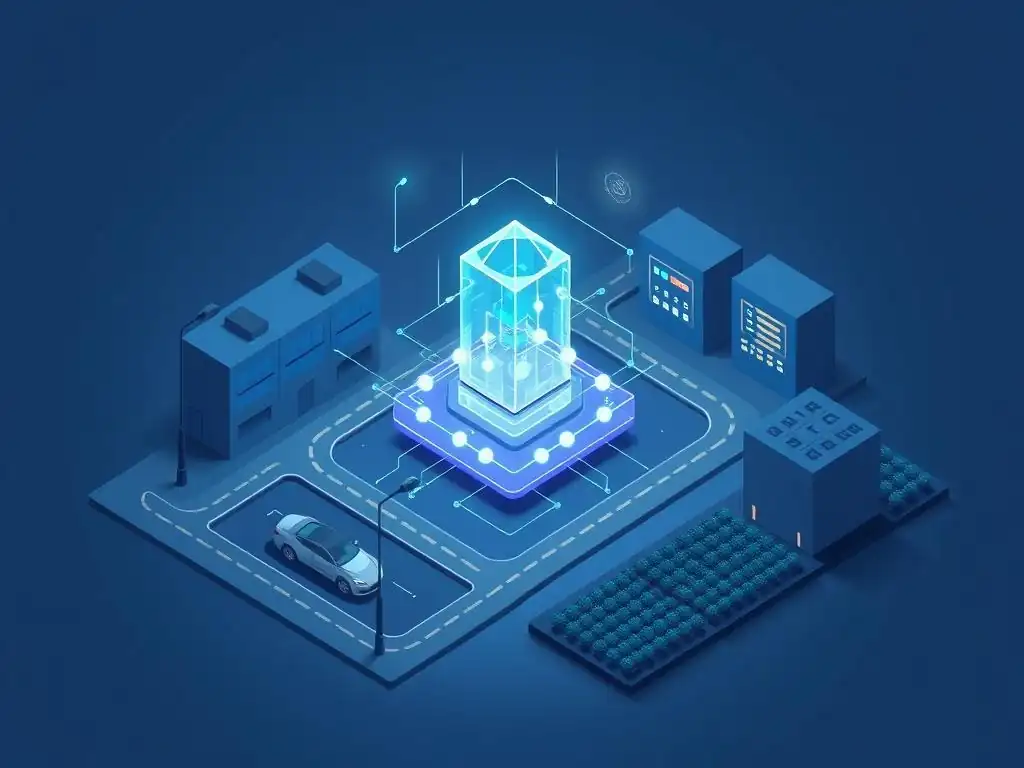
Smart Cities: Enhancing Security and Efficiency with AI, Blockchain, and IoT
Smart cities represent a compelling use case for the synergy of AI, blockchain, and IoT. By integrating these technologies, cities can enhance public safety, optimize resource management, improve traffic flow, and create more sustainable and livable urban environments. IoT sensors collect data from various city infrastructure elements, such as traffic lights, streetlights, and environmental sensors. Blockchain provides a secure and transparent platform for managing this data and enabling secure city services. AI algorithms analyze this data to optimize city operations, predict potential issues, and enhance the quality of life for citizens.
The challenges facing modern cities, such as traffic congestion, pollution, and public safety concerns, can be effectively addressed through the intelligent integration of AI, blockchain, and IoT. Real-time data from IoT sensors provides insights into city operations, enabling data-driven decision-making. Blockchain ensures the security and integrity of city data and services, fostering trust and transparency. AI algorithms optimize resource allocation, automate city operations, and predict potential problems, leading to more efficient, sustainable, and citizen-centric smart cities. This integrated approach transforms urban environments into intelligent and responsive ecosystems.
Secure and Efficient Traffic Management Systems
AI, blockchain, and IoT can revolutionize traffic management systems in smart cities, making them more secure and efficient. IoT sensors embedded in roads and vehicles collect real-time traffic data, including vehicle speed, density, and congestion levels. Blockchain can secure this data and enable secure communication between vehicles and traffic infrastructure. AI algorithms analyze this data to optimize traffic light timings, predict traffic congestion, and reroute traffic flow in real-time, reducing congestion, improving travel times, and enhancing road safety.
For example, companies like NoTraffic are deploying AI-powered traffic management systems that utilize sensors and AI algorithms to dynamically adjust traffic light timings based on real-time traffic conditions. Integrating blockchain into such systems can enhance security and transparency by securing traffic data and enabling secure communication between traffic lights and connected vehicles. Smart contracts can automate traffic rule enforcement and even facilitate secure and efficient toll collection. This integrated approach creates a more responsive and intelligent traffic management system, improving urban mobility and reducing traffic-related inefficiencies.
AI-Powered Public Safety and Surveillance
Smart cities can leverage the synergy of AI, blockchain, and IoT to enhance public safety and surveillance systems. IoT-enabled surveillance cameras and sensors collect real-time data from public spaces. Blockchain can secure this data and ensure its integrity, preventing tampering and unauthorized access. AI algorithms analyze video and sensor data to detect anomalies, identify potential security threats, and automate emergency responses, improving public safety and security in urban environments.
For instance, AI-powered video analytics can automatically detect suspicious activities, such as unattended bags, crowd anomalies, or traffic accidents. When an incident is detected, the AI system can alert law enforcement agencies in real-time, providing valuable information and enabling faster response times. Blockchain can secure the video footage and sensor data, ensuring its admissibility as evidence and preventing tampering. Integrating these technologies creates a more proactive and efficient public safety and surveillance system, enhancing security and citizen safety in smart cities.
Supply Chain Management: Ensuring Transparency and Traceability
Supply chain management is another domain where the integration of AI, blockchain, and IoT offers significant benefits. These technologies can enhance transparency, traceability, and efficiency across the entire supply chain, from raw material sourcing to final product delivery. IoT sensors track goods and materials throughout the supply chain, providing real-time visibility into their location, condition, and movement. Blockchain secures this data and ensures its immutability, creating a transparent and auditable record of product provenance. AI algorithms analyze supply chain data to optimize logistics, predict disruptions, and improve overall supply chain performance.
Traditional supply chains often suffer from opacity, inefficiencies, and vulnerabilities to fraud and counterfeiting. By leveraging AI, blockchain, and IoT, businesses can build more transparent, resilient, and efficient supply chains. Blockchain provides a single source of truth for supply chain data, enabling all stakeholders to track goods and materials in real-time and verify their authenticity. AI algorithms optimize logistics, predict potential disruptions, and automate supply chain processes, reducing costs and improving efficiency. This integrated approach transforms supply chain management, creating more agile, trustworthy, and responsive networks.
Blockchain-Based Tracking of Goods and Materials
Blockchain provides a robust and transparent platform for tracking goods and materials throughout the supply chain. IoT sensors attached to products or shipping containers collect data on location, temperature, humidity, and other relevant parameters. This data is recorded on a blockchain, creating an immutable and auditable record of the product's journey from origin to destination. This blockchain-based tracking system enhances transparency, reduces counterfeiting, and improves supply chain visibility for all stakeholders.
Companies like IBM and Maersk have collaborated on TradeLens, a blockchain-based platform for global supply chain tracking. TradeLens uses blockchain to track shipping containers and cargo across the ocean, providing real-time visibility to shippers, carriers, and customs authorities. This platform improves transparency, reduces paperwork, and accelerates customs clearance processes. In the food industry, blockchain is being used to track food products from farm to table, ensuring food safety and provenance. These examples demonstrate the power of blockchain in enhancing transparency and traceability in supply chain management.
AI-Driven Optimization of Logistics and Inventory Management
AI algorithms can analyze supply chain data collected from IoT devices and recorded on the blockchain to optimize logistics and inventory management. Predictive analytics can forecast demand, optimize delivery routes, and predict potential disruptions, enabling proactive supply chain management. AI-powered inventory management systems can optimize stock levels, reduce waste, and improve order fulfillment rates. This AI-driven optimization enhances efficiency, reduces costs, and improves customer satisfaction in supply chain operations.
For example, companies like DHL are using AI and IoT to optimize their logistics operations. AI algorithms analyze historical shipping data, real-time traffic conditions, and weather patterns to optimize delivery routes and schedules. IoT sensors track packages and vehicles, providing real-time visibility into shipment status. AI-powered warehouse management systems optimize inventory levels and automate order fulfillment processes. These AI-driven solutions significantly improve logistics efficiency, reduce transportation costs, and enhance supply chain responsiveness.
Healthcare: Secure and Intelligent Patient Monitoring
Healthcare is another critical sector benefiting from the synergy of AI, blockchain, and IoT. These technologies can revolutionize patient monitoring, improve diagnostics, enhance drug development, and create more personalized and efficient healthcare systems. IoT-enabled wearable devices and medical sensors collect patient data, such as vital signs, activity levels, and medication adherence. Blockchain can secure this sensitive patient data and enable secure data sharing for research and collaboration. AI algorithms analyze patient data to provide personalized insights, predict health risks, and improve treatment outcomes.
The healthcare industry faces challenges related to data security, interoperability, and efficiency. AI, blockchain, and IoT offer solutions to these challenges. Blockchain enhances data security and privacy, ensuring patient data confidentiality and control. IoT enables remote patient monitoring and personalized care, improving patient outcomes and reducing healthcare costs. AI algorithms analyze patient data to provide valuable insights for diagnosis, treatment, and preventative care. This integrated approach transforms healthcare, creating more patient-centric, efficient, and secure systems.
Remote Patient Monitoring with Blockchain and AI-Powered Devices
Remote patient monitoring (RPM) is significantly enhanced by the integration of blockchain and AI-powered IoT devices. Wearable IoT devices and medical sensors continuously collect patient vital signs and health data at home. This data is securely transmitted and recorded on a blockchain, ensuring data integrity and patient privacy. AI algorithms analyze this data to detect anomalies, predict health risks, and provide real-time alerts to patients and healthcare providers, enabling proactive and personalized care management.
Companies like Philips Healthcare are developing RPM solutions that leverage IoT devices and AI analytics. Integrating blockchain into these systems can further enhance data security and patient privacy. Blockchain can also facilitate secure data sharing between patients, doctors, and other healthcare providers, enabling seamless care coordination. AI algorithms can personalize RPM programs based on individual patient needs and risk profiles, optimizing treatment plans and improving patient outcomes. This synergy of blockchain and AI-powered IoT devices is transforming remote patient monitoring, making healthcare more accessible, efficient, and patient-centric.
Secure and Private Data Sharing for Medical Research
Blockchain can address the critical need for secure and private data sharing for medical research. Medical research often requires access to large datasets of patient data, but concerns about patient privacy and data security can hinder data sharing. Blockchain's privacy-preserving features, such as anonymization and permissioned access, enable secure and controlled data sharing for research purposes. AI algorithms can analyze this aggregated and anonymized data to accelerate medical discoveries, improve diagnostics, and develop new treatments.
Platforms like Nebula Genomics are using blockchain to create secure and private data marketplaces for genomic data sharing. Patients can securely share their genomic data with researchers and pharmaceutical companies while maintaining control over their data and receiving compensation for data usage. Blockchain ensures data provenance and auditability, while AI algorithms analyze the aggregated genomic data to accelerate drug discovery and personalized medicine research. This blockchain-enabled secure and private data sharing fosters collaboration and innovation in medical research, leading to faster advancements in healthcare.
Industrial IoT (IIoT): Enhancing Security and Automation in Manufacturing
Industrial IoT (IIoT) represents a significant application area for the synergy of AI, blockchain, and IoT, particularly in enhancing security and automation in manufacturing. IIoT devices, such as industrial sensors and robots, collect real-time data from manufacturing processes. Blockchain can secure this data and enable secure communication between industrial equipment. AI algorithms analyze IIoT data to optimize production processes, predict equipment failures, and automate manufacturing operations, improving efficiency, productivity, and safety in industrial environments.
The manufacturing industry is undergoing a digital transformation driven by IIoT and Industry 4.0 initiatives. AI, blockchain, and IoT are key enablers of this transformation. IIoT devices provide real-time data from the factory floor, enabling data-driven decision-making. Blockchain enhances security and trust in industrial networks, protecting sensitive manufacturing data and processes. AI algorithms optimize production processes, automate tasks, and predict equipment failures, leading to increased efficiency, reduced downtime, and improved product quality in manufacturing.
Predictive Maintenance of Industrial Equipment with AI and IoT
Predictive maintenance of industrial equipment is significantly enhanced by the integration of AI and IoT. IoT sensors embedded in industrial machinery collect data on vibration, temperature, pressure, and other performance parameters. AI algorithms analyze this data to detect anomalies, predict potential equipment failures, and schedule maintenance proactively, minimizing downtime and reducing maintenance costs. This predictive maintenance capability improves equipment reliability and operational efficiency in industrial settings.
Companies like Siemens and Bosch are offering IIoT solutions for predictive maintenance in manufacturing. Their systems utilize IoT sensors to collect data from industrial equipment and AI algorithms to analyze this data and predict potential failures. Integrating blockchain into these systems can further enhance data security and provenance, ensuring the integrity of maintenance records and improving trust in predictive maintenance systems. Predictive maintenance powered by AI and IoT is transforming industrial maintenance practices, moving from reactive and preventative approaches to proactive and predictive strategies.
Secure and Automated Production Processes with Blockchain
Blockchain can enable secure and automated production processes in IIoT environments. Smart contracts deployed on a blockchain can automate various aspects of manufacturing operations, such as supply chain integration, quality control, and production scheduling. Blockchain ensures the transparency and immutability of production data and processes, enhancing trust and accountability in manufacturing operations. This secure and automated production environment improves efficiency, reduces errors, and enhances product quality in industrial manufacturing.
For example, blockchain can be used to track materials and components throughout the manufacturing process, ensuring provenance and preventing counterfeiting. Smart contracts can automate quality control checks at various stages of production, triggering automated alerts and corrective actions when defects are detected. Blockchain can also facilitate secure and transparent communication between different machines and systems in a factory, enabling automated workflows and optimized production scheduling. This blockchain-enabled secure and automated production environment is driving the next wave of innovation in industrial manufacturing.
Overcoming the Challenges of AI Blockchain IoT Integration
Addressing Scalability Issues in Blockchain-Based IoT Systems
Scalability remains a significant challenge for blockchain-based IoT systems. Traditional blockchain architectures, like Bitcoin and Ethereum, have limited transaction throughput and can struggle to handle the massive data volumes generated by large-scale IoT deployments. Processing every IoT data point on a blockchain can be computationally expensive and time-consuming, hindering real-time applications and scalability. Addressing these scalability issues is crucial for the widespread adoption of blockchain in IoT.
Various approaches are being explored to improve the scalability of blockchain for IoT. Layer-2 scaling solutions, such as state channels and sidechains, can offload transaction processing from the main blockchain, improving throughput and reducing latency. Sharding, a technique that divides the blockchain into smaller, parallel shards, can also enhance scalability.
Alternative DLTs, like IOTA, are specifically designed for IoT scalability, using DAG architectures instead of traditional blockchains. Hybrid approaches that combine on-chain and off-chain data storage and processing are also being developed to optimize scalability and cost-effectiveness for IoT applications. Overcoming these scalability challenges is essential for realizing the full potential of blockchain in large-scale IoT deployments.
Ensuring Interoperability Between Different IoT Devices and Blockchain Platforms
Interoperability is another critical challenge in AI, blockchain, and IoT integration. The IoT landscape is fragmented, with a wide variety of devices, protocols, and data formats. Different blockchain platforms also have varying functionalities and standards. Ensuring seamless interoperability between diverse IoT devices and blockchain platforms is essential for building cohesive and scalable integrated systems. Lack of interoperability can create data silos, hinder data sharing, and limit the potential for synergistic applications.
Standardization efforts are crucial for addressing interoperability challenges. Organizations like the IEEE and the IETF are working on developing standards for IoT communication protocols and data formats. Initiatives like the Blockchain Interoperability Alliance are promoting standards for blockchain interoperability. Developing open APIs and common data exchange formats can facilitate communication and data sharing between different IoT devices and blockchain platforms. Cross-chain technologies, such as atomic swaps and bridges, can enable interoperability between different blockchain networks. Addressing interoperability challenges through standardization and technological solutions is vital for fostering a more unified and interconnected AI, blockchain, and IoT ecosystem.
Mitigating Security Risks Associated with AI-Powered Systems
While AI enhances security in IoT and blockchain systems, it also introduces new security risks. AI algorithms, particularly machine learning models, can be vulnerable to adversarial attacks, where malicious actors intentionally manipulate input data to mislead the AI system. Data poisoning attacks can corrupt AI training datasets, leading to biased or inaccurate models. AI systems can also be exploited for privacy violations if not designed and deployed with proper privacy safeguards. Mitigating these security risks associated with AI-powered systems is crucial for building trustworthy and reliable integrated solutions.
Robust security measures are needed to protect AI systems from adversarial attacks and data poisoning. Adversarial training techniques can make AI models more resilient to malicious inputs. Data validation and cleaning processes can help prevent data poisoning attacks. Privacy-preserving AI techniques, such as federated learning and differential privacy, can protect sensitive data during AI model training and deployment. Regular security audits and vulnerability assessments are essential to identify and mitigate potential security risks in AI-powered systems. A proactive and comprehensive security approach is needed to ensure the trustworthiness and reliability of AI in integrated AI, blockchain, and IoT solutions.
Regulatory hurdles and compliance requirements pose another set of challenges for AI, blockchain, and IoT integration. The legal and regulatory landscape for these technologies is still evolving, and uncertainties exist regarding data privacy, security, and liability. Data privacy regulations, such as GDPR and CCPA, impose strict requirements on the collection, processing, and storage of personal data, which are relevant to many IoT applications.
Industry-specific regulations, such as HIPAA in healthcare and PCI DSS in finance, also need to be considered. Navigating these regulatory hurdles and ensuring compliance are essential for the responsible and ethical deployment of integrated AI, blockchain, and IoT systems.
Businesses need to stay informed about evolving regulations and compliance requirements related to AI, blockchain, and IoT. Implementing robust data privacy and security measures is crucial for complying with data protection regulations. Working with legal experts and regulatory bodies can help navigate the complex regulatory landscape. Adopting industry best practices and standards for data security and privacy can also facilitate compliance. A proactive and responsible approach to regulatory compliance is essential for fostering trust and enabling the sustainable growth of AI, blockchain, and IoT integration.
The Future of Intelligent and Secure Connected Systems
The Evolution of AI, Blockchain, and IoT Technologies
The future of intelligent and secure connected systems is bright, driven by the continued evolution of AI, blockchain, and IoT technologies. AI is becoming more sophisticated, with advancements in deep learning, natural language processing, and computer vision. Blockchain technology is evolving beyond cryptocurrencies, with the development of more scalable, interoperable, and privacy-preserving platforms. IoT devices are becoming more powerful, affordable, and energy-efficient, expanding their reach and capabilities. These technological advancements are paving the way for more intelligent, secure, and pervasive connected systems.
We can expect to see further convergence and integration of AI, blockchain, and IoT technologies in the future. AI will become increasingly embedded in IoT devices, enabling edge intelligence and real-time decision-making. Blockchain will provide the secure and transparent infrastructure for managing the vast amounts of data generated by IoT devices and powering decentralized AI applications. The combination of these technologies will drive innovation across various sectors, creating new applications and business models. The future of connected systems will be characterized by greater intelligence, security, and autonomy, transforming industries and daily life.
The Impact of 5G and Edge Computing on AI Blockchain IoT Integration
5G and edge computing are key enablers for the widespread adoption of AI, blockchain, and IoT integration. 5G networks provide faster speeds, lower latency, and greater bandwidth, enabling seamless communication and data transfer for massive IoT deployments. Edge computing brings computation and data storage closer to the edge of the network, reducing latency, improving real-time responsiveness, and enhancing data privacy. These technologies address key limitations of traditional network infrastructures and pave the way for more powerful and efficient AI, blockchain, and IoT solutions.
5G and edge computing will accelerate the development and deployment of various AI, blockchain, and IoT applications. In autonomous vehicles, 5G's low latency is critical for real-time communication and decision-making. Edge computing enables on-device AI processing, reducing reliance on cloud connectivity and enhancing privacy. In smart manufacturing, 5G and edge computing facilitate real-time data analysis and control of industrial equipment. Blockchain can leverage 5G and edge computing to enhance scalability and efficiency in IoT data management. The synergy of 5G, edge computing, AI, blockchain, and IoT will unlock new possibilities for intelligent and secure connected systems.
The Role of Standardization in Promoting Widespread Adoption
Standardization plays a crucial role in promoting the widespread adoption of AI, blockchain, and IoT integration. Standards for communication protocols, data formats, security protocols, and interoperability are essential for creating a cohesive and interoperable ecosystem. Standardization reduces fragmentation, facilitates interoperability, and fosters trust and confidence in these technologies. Industry consortia, standards organizations, and government initiatives are working to develop and promote standards for AI, blockchain, and IoT.
Standardization efforts will accelerate innovation and adoption by reducing development costs, improving interoperability, and fostering competition. Standards for security and privacy are particularly important for building trustworthy and responsible AI, blockchain, and IoT systems. Open standards and open-source initiatives can promote wider participation and collaboration in the development and adoption of these technologies. The continued development and adoption of standards will be crucial for realizing the full potential of AI, blockchain, and IoT integration and driving their widespread adoption across industries and society.
Conclusion: Embracing the Power of AI, Blockchain, and IoT for a More Secure and Efficient Future
The Transformative Potential of Integrated Systems
The synergy of AI, blockchain, and IoT holds transformative potential for creating a more secure and efficient future. These integrated systems are not merely incremental improvements but represent a paradigm shift in how we interact with technology and the physical world. They offer solutions to critical challenges in security, data management, and operational efficiency across diverse sectors. Embracing this synergy is essential for businesses, governments, and individuals to unlock new opportunities for innovation, growth, and societal benefit.
The convergence of AI, blockchain, and IoT is driving a new era of intelligent and connected systems. These systems are characterized by enhanced security, transparency, automation, and efficiency. They are transforming industries, improving quality of life, and creating new possibilities for a more sustainable and prosperous future. Recognizing and embracing the transformative potential of these integrated systems is crucial for staying ahead in the rapidly evolving technological landscape and shaping a more intelligent and connected world.
The Importance of Collaboration and Innovation in Driving Adoption
Realizing the full potential of AI, blockchain, and IoT integration requires collaboration and innovation across various stakeholders. Businesses, researchers, policymakers, and standards organizations need to work together to address the challenges and unlock the opportunities of these technologies. Collaboration is essential for developing interoperable standards, addressing security and privacy concerns, and fostering innovation. Innovation is needed to create new applications, business models, and technological solutions that leverage the synergy of AI, blockchain, and IoT.
Driving adoption requires a collaborative and innovative ecosystem. Governments can play a role in fostering innovation through research funding, supportive policies, and regulatory frameworks. Businesses need to invest in research and development, explore new use cases, and adopt integrated solutions. Researchers need to push the boundaries of these technologies and address the remaining challenges. By working together and fostering innovation, we can accelerate the adoption of AI, blockchain, and IoT integration and realize their transformative potential for a more secure, efficient, and intelligent future.
Frequently Asked Questions
How can AI enhance the security of blockchain and IoT systems?
AI can be used for anomaly detection and threat prediction, significantly improving the security of blockchain and IoT networks by identifying and responding to potential vulnerabilities in real-time. This provides a more proactive defense.
What are some examples of enterprise applications that leverage the synergy of AI, blockchain, and IoT?
Supply chain management is a prime example. AI-powered analytics combined with blockchain's transparency and immutability, and IoT's real-time data collection, can optimize logistics and reduce fraud.
What role does blockchain play in ensuring data integrity within AI-driven IoT networks?
Blockchain provides a tamper-proof ledger for storing and verifying data generated by IoT devices. This ensures that the data used by AI algorithms is reliable and trustworthy, preventing biased or inaccurate outputs.
How are regulations evolving to address the unique challenges posed by AI, blockchain, and IoT convergence?
Regulatory bodies are actively exploring frameworks to address data privacy, security, and ethical concerns. Compliance with regulations is crucial for responsible innovation in this space.
What is the future outlook for decentralized systems powered by AI, blockchain, and IoT?
The future holds immense potential for intelligent and autonomous systems. We can expect increased automation, improved security, and greater efficiency across various industries, driven by the synergistic integration of these technologies.
Final Reflection: Embracing the Intelligent Future
The convergence of AI, Blockchain, and IoT, as explored throughout this article, isn't merely a technological trend; it's a fundamental shift in how we interact with the world around us. The promise of intelligent, secure, and connected systems is no longer a distant dream but a rapidly approaching reality, poised to reshape industries and redefine our daily lives.
This synergy has already begun to subtly influence the cultural and social landscape, from the secure tracking of supply chains to the personalized experiences offered by smart homes. The potential for increased efficiency, transparency, and security is immense, but it also demands careful consideration of ethical implications and responsible development. The future is already here – it's just not evenly distributed.
- William Gibson. This quote resonates deeply as we navigate the complexities of integrating these powerful technologies, ensuring that the benefits are shared equitably and that security remains paramount.
As you reflect on the possibilities presented by the synergy of AI, Blockchain, and IoT, consider the role you can play in shaping this intelligent future. How can you contribute to the development of secure, ethical, and beneficial applications of these technologies? Embrace the challenge, explore the opportunities, and let us collectively build a future where innovation serves humanity with intelligence and integrity.
Unleash the Future: Start Building Intelligent Systems Today!
Thanks for exploring the powerful synergy of AI, Blockchain, and IoT with us! We hope you've gained valuable insights into creating intelligent and secure connected systems. Now, it's time to put that knowledge into action and become a builder of the future.
Here's how you can get started right now:
- Dive deeper by starting a small, personal project using a low-cost IoT device and a blockchain testnet. Experiment with integrating AI-powered data analysis to unlock insights you never thought possible! This is your chance to experience the convergence firsthand.
- Explore open-source AI and blockchain libraries. Share your discoveries and code snippets on developer forums to contribute to the community and accelerate collective learning.
- Brainstorm unique applications of this convergence to solve problems in your daily life. Think beyond the obvious! Maybe there's an untapped opportunity in your neighborhood waiting to be unveiled.
Ready to start building and exploring the endless possibilities of this technology convergence? What innovative project will you tackle first? Let us know in the comments!
Leave a Reply