
Technological Thresholds: Are Current Technologies Ready for BlockchainIoT Fusion?


Welcome to Blockchain Trends, your compass in the rapidly evolving world of decentralized technologies!
Are you ready to unlock the true potential of blockchain beyond cryptocurrencies? This week, we delve into a fascinating intersection: the fusion of Blockchain and the Internet of Things. Explore the innovative possibilities, and the significant Blockchain IoT integration challenges that stand between concept and reality. Discover if current technologies are truly ready for this transformative leap and join the conversation shaping the future of decentralized systems.
Technological Thresholds: Are Current Technologies Ready for Blockchain IoT Fusion?
- Introduction: The Promise and Peril of Blockchain IoT Integration
- Understanding the Technological Thresholds for Blockchain IoT
- Analyzing the Key Blockchain IoT Integration Challenges
- Evaluating Current Technologies for Blockchain IoT Solutions
- Overcoming Blockchain IoT Integration Challenges: Potential Solutions
- Real-World Applications and Case Studies of Blockchain IoT
- The Future of Blockchain and IoT: Trends and Predictions
- Conclusion: Navigating the Technological Thresholds for Successful Blockchain IoT Fusion
-
Frequently Asked Questions
- What are the primary technical hurdles preventing widespread Blockchain IoT integration?
- Why is security a major concern when combining Blockchain and IoT?
- How does scalability limit the adoption of Blockchain IoT integration in large-scale deployments?
- What role does regulation play in the future of Blockchain IoT integration?
- Beyond technical challenges, what are some non-technical barriers to Blockchain IoT integration?
- Final Reflection: Navigating the BlockchainIoT Frontier
- Unveil the Future: Your Blockchain and IoT Journey Starts Now!
Introduction: The Promise and Peril of Blockchain IoT Integration
Exploring the Synergies: Blockchain and IoT – A Perfect Match?
The convergence of Blockchain and the Internet of Things (IoT) presents a compelling vision of interconnected devices operating with enhanced security, transparency, and efficiency. IoT networks, characterized by billions of sensors and actuators generating vast amounts of data, often struggle with data integrity, security vulnerabilities, and centralized control.
Blockchain, with its decentralized, immutable, and transparent nature, offers a potential solution to these inherent limitations of IoT ecosystems. Imagine a world where supply chains are fully traceable and auditable, smart cities operate with seamless and secure data exchange, and personal devices manage data privacy autonomously, all underpinned by the fusion of these transformative technologies.
The theoretical benefits of combining Blockchain and IoT are substantial and widely discussed. Blockchain can provide a robust and secure infrastructure for managing IoT device identities, securing data transmission, and enabling trusted data sharing. For instance, in supply chain management, integrating IoT sensors with blockchain can create an immutable record of product journey, from origin to consumer, enhancing transparency and combating counterfeiting.
Similarly, in smart homes, blockchain can secure communication between devices and prevent unauthorized access, bolstering user privacy. However, the practical realization of this synergy is not without significant hurdles. The current technological landscape may not be fully equipped to handle the complexities and demands of a truly integrated Blockchain IoT environment.
The Current State of Blockchain and IoT Technologies
Both Blockchain and IoT are evolving at a rapid pace, yet they exist in relatively distinct spheres of development. Blockchain technology, while gaining mainstream recognition, is still navigating scalability issues and regulatory uncertainties. Public blockchains like Ethereum and Bitcoin, although secure, often face limitations in transaction throughput and energy consumption, hindering their direct applicability to large-scale IoT deployments.
Private or permissioned blockchains offer improvements in speed and efficiency but may compromise the decentralization aspect that is central to blockchain's appeal. As of 2023, Ethereum, for example, is processing around 15-30 transactions per second, which might be insufficient for the real-time data streams generated by millions of IoT devices.
On the IoT front, the market is characterized by fragmented protocols, diverse hardware capabilities, and varying security standards. While the number of connected IoT devices is projected to reach over 50 billion by 2030, according to Statista, the infrastructure to manage and secure these devices is still under development.
Many IoT devices, especially low-power sensors, are resource-constrained, lacking the computational power and memory required for complex cryptographic operations inherent in blockchain technology. Furthermore, interoperability remains a major challenge in the IoT landscape, with devices from different manufacturers often struggling to communicate seamlessly, creating silos of data and hindering the potential for unified, blockchain-secured ecosystems.
Understanding the Technological Thresholds for Blockchain IoT
Scalability Challenges in Blockchain IoT Networks
Scalability represents a significant technological threshold for the widespread adoption of Blockchain IoT. Traditional blockchain networks, particularly proof-of-work based systems like Bitcoin, were not designed to handle the high transaction volumes and low latency requirements of massive IoT deployments. Imagine a smart city network with millions of sensors monitoring traffic flow, air quality, and energy consumption, all attempting to record data on a blockchain simultaneously. The sheer volume of data and transactions could quickly overwhelm the network, leading to delays, increased transaction fees, and potentially network congestion.
Consider a scenario in a large-scale industrial IoT deployment in a manufacturing plant. Hundreds or thousands of sensors on the production line might generate data points every second. If each data point needs to be recorded on a blockchain to ensure data integrity and provenance, the blockchain network must be able to process thousands of transactions per second with minimal delay.
Public blockchains currently struggle to achieve this throughput, and even permissioned blockchains, while offering improvements, may still face limitations when dealing with extremely high data volumes from dense IoT networks. Finding scalable blockchain solutions that can accommodate the demands of massive IoT ecosystems is a critical challenge.
Security Considerations for Integrated Blockchain and IoT Systems
While blockchain is renowned for its security features, integrating it with IoT introduces a new set of security considerations. IoT devices, especially low-cost sensors, are often designed with minimal security features due to resource constraints and cost optimization. These devices can become vulnerable entry points for attackers to compromise the entire Blockchain IoT system. If an attacker gains control of a single compromised IoT device, they could potentially inject malicious data into the blockchain, disrupting operations or even manipulating data for fraudulent purposes.
Furthermore, the cryptographic operations required for blockchain security, such as hashing and digital signatures, can be computationally intensive and energy-consuming for resource-constrained IoT devices. Implementing robust security protocols on these devices without significantly increasing their cost and energy footprint presents a considerable challenge. Lightweight cryptography and optimized blockchain protocols are being explored to address these limitations, but widespread deployment and proven security in real-world Blockchain IoT environments are still areas of active research and development. The security of the weakest link, often the IoT device itself, needs to be strengthened to realize the full security potential of Blockchain IoT.
Interoperability Hurdles in Blockchain and IoT Fusion
Interoperability is another critical technological threshold for successful Blockchain IoT integration. Both the blockchain and IoT landscapes are characterized by a lack of standardization and a proliferation of proprietary technologies. Different blockchain platforms, such as Ethereum, Hyperledger Fabric, and Corda, operate with different protocols and data structures, making it challenging for them to seamlessly interact. Similarly, the IoT ecosystem is fragmented, with various communication protocols (e.g., MQTT, CoAP, Zigbee) and data formats used by different device manufacturers.
Integrating a blockchain solution with a diverse IoT ecosystem requires bridging these interoperability gaps. For instance, if a supply chain involves IoT devices using different communication protocols and a blockchain platform designed for a specific industry, ensuring seamless data flow and interoperability between these disparate systems becomes a complex task. Standardization efforts are underway in both the blockchain and IoT domains to address these challenges, but achieving widespread adoption of interoperable protocols and standards is essential for unlocking the full potential of Blockchain IoT and avoiding vendor lock-in and fragmented solutions.
Analyzing the Key Blockchain IoT Integration Challenges
Data Integrity and Trust in Blockchain-Enabled IoT
One of the primary promises of Blockchain IoT is enhanced data integrity and trust. By recording IoT data on an immutable blockchain ledger, the system aims to ensure that data cannot be tampered with or altered without detection. This is particularly crucial in applications where data reliability is paramount, such as in healthcare, supply chain management, and environmental monitoring. Imagine pharmaceutical supply chains where temperature sensors record data on a blockchain, guaranteeing the integrity of temperature-sensitive medications throughout their journey.
However, ensuring true data integrity in Blockchain IoT is not solely about the blockchain itself. The integrity of the data initially captured by IoT devices is equally important. If a sensor malfunctions or is compromised, it could feed inaccurate or malicious data into the blockchain, undermining the entire system's trustworthiness.
Therefore, data validation mechanisms and secure sensor deployment practices are crucial complements to blockchain's immutability. Furthermore, the "oracle problem" in blockchain, which refers to the challenge of reliably feeding external, real-world data onto a blockchain, needs to be addressed in the context of IoT. Ensuring that the data recorded on the blockchain accurately reflects the real-world conditions monitored by IoT devices is a critical challenge for achieving true data integrity and trust in Blockchain IoT systems.
Bandwidth Limitations and IoT Device Constraints
Bandwidth limitations and the resource-constrained nature of many IoT devices pose significant integration challenges. Blockchain operations, particularly those involving consensus mechanisms and cryptographic computations, can be bandwidth-intensive and require significant processing power and memory. Many IoT devices, especially low-power sensors and actuators, are designed to operate with minimal energy consumption and limited computational resources. Forcing these devices to perform complex blockchain operations directly can be impractical and energy-inefficient.
Consider battery-powered sensors deployed in remote locations for environmental monitoring. These devices typically operate on low-bandwidth networks and have limited battery life. Transmitting large amounts of blockchain data or performing computationally intensive cryptographic operations could quickly deplete their batteries and overwhelm the network. Therefore, efficient data compression techniques, lightweight blockchain protocols, and edge computing solutions are necessary to address these bandwidth and resource constraints. Optimizing blockchain operations for resource-constrained IoT devices and minimizing bandwidth consumption are crucial for enabling practical Blockchain IoT deployments, especially in remote and low-power scenarios.
Computational Power Requirements for Blockchain on IoT Devices
The computational power required for blockchain operations presents a significant hurdle for direct integration with many IoT devices. Cryptographic hashing algorithms, digital signature generation and verification, and participation in blockchain consensus mechanisms can be computationally demanding tasks. Many IoT devices, especially low-cost sensors and actuators, are equipped with microcontrollers that have limited processing capabilities and memory. Directly embedding full blockchain functionality onto these devices can be computationally prohibitive and significantly increase their cost and energy consumption.
For example, consider a low-power temperature sensor designed for smart agriculture. If this sensor is required to directly participate in a blockchain network, it would need to perform cryptographic operations to sign transactions and potentially participate in consensus. These operations could strain the sensor's limited processing power and drain its battery quickly, rendering it impractical for long-term deployments.
Solutions such as offloading computationally intensive tasks to edge devices or using lightweight cryptographic algorithms are being explored to address these limitations. Finding a balance between security, computational efficiency, and cost-effectiveness is crucial for making blockchain integration feasible for a wide range of IoT devices.
Evaluating Current Technologies for Blockchain IoT Solutions
Examining Blockchain Platforms Suitable for IoT Deployments
Several blockchain platforms are emerging as potentially suitable for IoT deployments, each with its own strengths and weaknesses. Public blockchains like Ethereum, while facing scalability limitations in their main layer, are actively developing Layer 2 scaling solutions like rollups and state channels, which could significantly improve transaction throughput and reduce costs for IoT applications. Ethereum's extensive developer community and smart contract capabilities also make it attractive for complex IoT use cases requiring programmable logic.
Permissioned blockchains, such as Hyperledger Fabric and Corda, offer advantages in terms of scalability, privacy, and control, making them well-suited for enterprise-grade IoT deployments. Hyperledger Fabric, for instance, is designed for modularity and allows for customizable consensus mechanisms and permissioned access control, which can be tailored to the specific needs of IoT networks. Corda focuses on privacy and transaction confidentiality, which can be crucial in applications involving sensitive IoT data.
Furthermore, specialized IoT-focused blockchains like IOTA, with its tangle technology, and Helium, with its focus on decentralized wireless networks, are designed from the ground up to address the specific challenges of IoT integration, offering alternative architectures and consensus mechanisms optimized for IoT data streams and device interactions. The choice of blockchain platform depends heavily on the specific requirements of the IoT application, including scalability, security, privacy, and cost considerations.
Assessing IoT Hardware Capabilities for Blockchain Integration
The capabilities of IoT hardware are rapidly evolving, with advancements in processing power, memory, and energy efficiency. Modern microcontrollers and microprocessors are becoming increasingly powerful while maintaining low power consumption, making them more capable of handling cryptographic operations and blockchain functionalities. For example, ARM-based processors, widely used in IoT devices, are now available with hardware security extensions that accelerate cryptographic operations, improving performance and reducing energy consumption for blockchain-related tasks.
Furthermore, the development of specialized hardware security modules (HSMs) and secure elements for IoT devices is enhancing their ability to securely store cryptographic keys and perform sensitive operations. These hardware-based security solutions provide a more robust defense against attacks compared to purely software-based security implementations.
However, the cost and complexity of integrating advanced hardware security features into low-cost IoT devices remain considerations. As IoT hardware continues to evolve, with increased processing power, memory, and security capabilities, the feasibility of direct blockchain integration into a wider range of IoT devices will improve, paving the way for more decentralized and secure IoT ecosystems.
Exploring Edge Computing Solutions for Blockchain IoT
Edge computing offers a promising approach to address the computational and bandwidth limitations of Blockchain IoT integration. Edge computing involves processing data closer to the source, at the edge of the network, rather than relying solely on centralized cloud infrastructure. In the context of Blockchain IoT, edge devices, such as gateways or edge servers, can perform computationally intensive blockchain operations on behalf of resource-constrained IoT devices. This offloads the burden from the IoT devices themselves, allowing them to focus on their primary sensing and actuation tasks.
Edge computing can also reduce bandwidth requirements by pre-processing and aggregating IoT data at the edge before transmitting it to the blockchain. For instance, an edge gateway can collect data from multiple sensors, perform data filtering and aggregation, and then record only relevant summary data onto the blockchain, reducing the volume of data transmitted and stored on the blockchain.
Furthermore, edge computing can enable faster response times and reduced latency for IoT applications by processing data locally and making real-time decisions at the edge. By distributing processing power closer to IoT devices and reducing reliance on centralized cloud infrastructure, edge computing can play a crucial role in enabling scalable, efficient, and responsive Blockchain IoT solutions.
Overcoming Blockchain IoT Integration Challenges: Potential Solutions
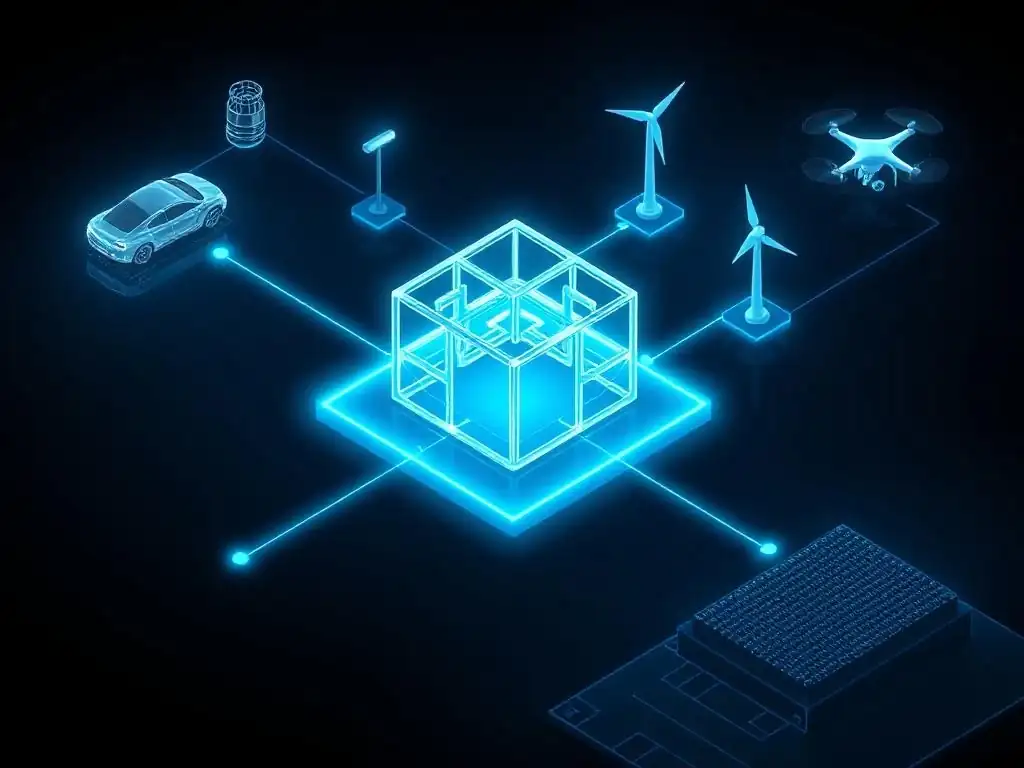
Layer 2 Solutions for Scalable Blockchain IoT
Layer 2 solutions offer a path to overcome the scalability challenges of integrating blockchain with large-scale IoT networks. Layer 2 technologies, such as state channels, rollups, and sidechains, operate on top of a main blockchain (Layer 1) to handle a significant portion of transactions off-chain, thereby reducing congestion and improving throughput on the main chain. For Blockchain IoT, Layer 2 solutions can enable high-volume, low-latency data processing for IoT devices without overwhelming the underlying blockchain network.
State channels, for example, allow for direct, off-chain communication and transaction processing between IoT devices and other participants. Only the opening and closing states of the channel need to be recorded on the main blockchain, significantly reducing the number of on-chain transactions. Rollups, another Layer 2 scaling solution, bundle multiple transactions into a single on-chain transaction, improving transaction throughput and reducing gas fees on platforms like Ethereum.
Sidechains are independent blockchains that run parallel to the main chain and can handle specific types of transactions or applications, providing scalability and customization for IoT use cases. By leveraging Layer 2 scaling solutions, Blockchain IoT systems can achieve the necessary scalability to support massive IoT deployments while retaining the security and transparency benefits of blockchain technology.
Lightweight Cryptography for Resource-Constrained IoT Devices
Lightweight cryptography is essential for enabling secure blockchain integration with resource-constrained IoT devices. Traditional cryptographic algorithms, such as AES and RSA, can be computationally intensive and energy-consuming for low-power IoT devices. Lightweight cryptography focuses on designing cryptographic algorithms that are optimized for resource-constrained environments, offering comparable security levels with significantly reduced computational overhead and energy consumption.
Algorithms like ChaCha20-Poly1305 for encryption and authentication, and EdDSA for digital signatures, are examples of lightweight cryptographic algorithms that are well-suited for IoT devices. These algorithms are designed to be efficient in terms of processing power, memory footprint, and energy consumption, making them more practical for implementation on resource-constrained sensors and actuators.
Furthermore, research is ongoing in the development of even more lightweight cryptographic primitives specifically tailored for the unique constraints of IoT devices, such as block ciphers with smaller block sizes and hash functions with reduced computational complexity. Adopting lightweight cryptography is crucial for enabling secure communication and blockchain integration in a wide range of IoT devices without compromising their performance or battery life.
Standardized Protocols for Interoperable Blockchain IoT Systems
Standardized protocols are critical for addressing the interoperability hurdles in Blockchain IoT fusion. The lack of common communication protocols and data formats in both the blockchain and IoT domains hinders seamless integration and data exchange between different systems and devices. Standardization efforts are needed to establish common frameworks and protocols that enable interoperability across different blockchain platforms and IoT device ecosystems.
Organizations like the IEEE, IETF, and ISO are working on developing standards for blockchain and IoT interoperability. These standards aim to define common data formats, communication protocols, and APIs that facilitate seamless communication and data exchange between different Blockchain IoT components. For example, standards for blockchain-based identity management for IoT devices and standardized APIs for accessing and managing IoT data on blockchains are being developed.
Adopting standardized protocols will promote interoperability, reduce vendor lock-in, and foster the development of open and scalable Blockchain IoT ecosystems. Widespread adoption of these standards is essential for realizing the full potential of Blockchain IoT and enabling seamless integration across diverse applications and industries.
Real-World Applications and Case Studies of Blockchain IoT
Provenance Tracking in Food Supply Chains
Blockchain IoT is transforming food supply chain management by providing enhanced provenance tracking and transparency. Integrating IoT sensors with blockchain technology allows for real-time monitoring of food products throughout the supply chain, from farm to consumer. Temperature sensors, humidity sensors, and GPS trackers attached to food shipments can record data onto a blockchain, creating an immutable record of the product's journey and environmental conditions.
For example, consider the tracking of perishable goods like seafood. IoT sensors can monitor the temperature of seafood shipments throughout their journey, ensuring that they are maintained within safe temperature ranges. This data is recorded on a blockchain, providing verifiable proof of temperature control and reducing the risk of spoilage and foodborne illnesses.
Consumers can scan a QR code on the product packaging to access the blockchain-verified provenance information, including origin, processing details, and temperature history, building trust and confidence in the food they consume. Real-world deployments in companies like IBM Food Trust and Provenance are demonstrating the practical benefits of Blockchain IoT in enhancing food supply chain transparency and traceability.
Secure Data Management in Smart Grid Infrastructure
Smart grid infrastructure, with its vast network of interconnected devices and sensors, is another promising area for Blockchain IoT applications. Blockchain can provide a secure and decentralized platform for managing data from smart meters, sensors, and grid devices, enhancing data integrity and security in the energy sector. IoT devices in the smart grid, such as smart meters and distribution automation equipment, can record energy consumption data and grid status information onto a blockchain, creating a tamper-proof record of grid operations.
For instance, blockchain can be used to securely manage and verify data from smart meters, preventing meter tampering and ensuring accurate billing. Furthermore, blockchain can facilitate peer-to-peer energy trading in microgrids, enabling secure and transparent transactions between energy producers and consumers. Companies like LO3 Energy are pioneering blockchain-based microgrids, demonstrating the potential of Blockchain IoT to revolutionize energy distribution and management. By enhancing data security, transparency, and efficiency, Blockchain IoT can contribute to the development of more resilient and sustainable smart grid infrastructure.
Enhanced Data Privacy in Remote Patient Monitoring
Remote patient monitoring (RPM) systems, utilizing IoT devices to collect patient health data remotely, can benefit significantly from Blockchain IoT integration, particularly in enhancing data privacy and security. Blockchain can provide a secure and patient-centric platform for managing and sharing sensitive patient data collected by IoT devices. Wearable sensors, medical devices, and home monitoring systems can collect patient data and record it onto a blockchain, giving patients greater control over their health information and ensuring data privacy.
For example, blockchain can be used to create a secure and auditable record of patient health data collected by wearable sensors, enabling patients to control who has access to their data and for what purpose. Patients can grant permission to healthcare providers to access their blockchain-verified health data, facilitating personalized and coordinated care while maintaining patient privacy.
Furthermore, blockchain can enhance the security of data transmission and storage in RPM systems, reducing the risk of data breaches and unauthorized access. Projects exploring blockchain-based electronic health records and patient data management are demonstrating the potential of Blockchain IoT to transform remote patient monitoring and empower patients with greater control over their health data.
The Future of Blockchain and IoT: Trends and Predictions
Decentralized IoT Marketplaces and Data Monetization
The future of Blockchain IoT points towards the emergence of decentralized IoT marketplaces and novel data monetization models. Blockchain can enable the creation of decentralized platforms where IoT device owners can securely share and monetize their data directly with consumers or businesses, without relying on centralized intermediaries. IoT devices, acting as data producers, can autonomously sell their data on blockchain-based marketplaces, earning revenue and creating new economic opportunities.
Imagine a decentralized marketplace for environmental sensor data. Owners of air quality sensors deployed across a city could sell their data directly to researchers, urban planners, or individuals interested in air quality information, with transactions secured and transparently recorded on a blockchain. This decentralized approach can foster a more competitive and efficient data market, empowering IoT device owners and unlocking the value of IoT data. Projects exploring decentralized data marketplaces and data tokens are paving the way for a future where IoT data is a valuable asset that can be securely and transparently traded and monetized through blockchain-based platforms.
Autonomous IoT Devices with Blockchain-Secured Identities
Autonomous IoT devices with blockchain-secured identities represent a future trend in Blockchain IoT. Blockchain can provide a decentralized and secure identity management system for IoT devices, enabling them to operate autonomously and securely in decentralized ecosystems. Each IoT device can have a unique digital identity recorded on a blockchain, allowing it to authenticate itself, securely communicate with other devices, and participate in decentralized applications without relying on centralized authority.
Consider a network of autonomous vehicles communicating and transacting with each other in a smart city. Each vehicle could have a blockchain-secured identity, enabling it to securely identify itself, verify the identities of other vehicles, and participate in decentralized traffic management systems or peer-to-peer charging networks. This decentralized identity management can enhance the security and autonomy of IoT devices, enabling them to operate more effectively and securely in complex, interconnected environments. Research and development in decentralized identity solutions for IoT devices are crucial for realizing the vision of truly autonomous and secure IoT ecosystems.
Regulatory Landscape and the Evolution of Blockchain IoT Standards
The regulatory landscape and the evolution of Blockchain IoT standards will significantly shape the future of this technology. As Blockchain IoT applications become more prevalent, regulatory bodies are increasingly focusing on addressing the legal and ethical implications of this convergence, particularly in areas such as data privacy, security, and liability. Regulations like GDPR and CCPA, focusing on data privacy, have significant implications for Blockchain IoT deployments, requiring careful consideration of data processing and storage practices.
Furthermore, the development and adoption of industry standards for Blockchain IoT are crucial for promoting interoperability, security, and scalability. Standardization efforts are needed to define common protocols, data formats, and security frameworks for Blockchain IoT systems, fostering wider adoption and reducing fragmentation.
Collaboration between industry stakeholders, standards organizations, and regulatory bodies is essential to create a supportive and well-defined regulatory and standards environment for the responsible and sustainable development of Blockchain IoT. The evolving regulatory landscape and the progress in standardization will play a critical role in shaping the trajectory and widespread adoption of Blockchain IoT in the years to come.
Addressing the Remaining Blockchain IoT Integration Challenges
While the potential of Blockchain IoT is immense, several technological thresholds and integration challenges remain to be fully addressed for its widespread and successful deployment. Scalability remains a primary concern, requiring further advancements in Layer 2 solutions and blockchain architectures optimized for high-volume IoT data streams. Security, particularly at the IoT device level, needs continuous improvement, with a focus on lightweight cryptography and robust hardware security measures. Interoperability across diverse blockchain platforms and IoT ecosystems requires further standardization and the adoption of common protocols.
Data integrity and trust in Blockchain IoT systems depend not only on the blockchain itself but also on the reliability and security of IoT devices and data acquisition processes. Bandwidth limitations and the resource constraints of IoT devices necessitate efficient data processing techniques and optimized blockchain protocols. Computational power requirements for blockchain operations on IoT devices call for lightweight cryptographic algorithms and edge computing solutions. Addressing these remaining challenges through ongoing research, development, and standardization efforts is crucial for unlocking the full potential of Blockchain IoT and paving the way for its widespread adoption across various industries and applications.
The Path Forward: Collaborative Innovation in Blockchain and IoT
The path forward for successful Blockchain IoT fusion lies in collaborative innovation across the blockchain and IoT communities. Close collaboration between blockchain developers, IoT device manufacturers, security experts, and industry stakeholders is essential to address the remaining technological challenges and develop practical and scalable Blockchain IoT solutions. Open-source initiatives, industry consortia, and research collaborations can accelerate the development of standardized protocols, interoperable platforms, and secure and efficient Blockchain IoT technologies.
Furthermore, fostering a deeper understanding of the specific needs and requirements of different IoT applications is crucial for tailoring Blockchain IoT solutions to meet real-world challenges. Industry-specific use cases, pilot projects, and real-world deployments are essential for validating the benefits of Blockchain IoT and identifying areas for further improvement and innovation. By fostering collaborative innovation and focusing on practical applications, the blockchain and IoT communities can collectively navigate the technological thresholds and unlock the transformative potential of Blockchain IoT fusion, creating a future of secure, transparent, and interconnected systems that benefit businesses and society as a whole.
Frequently Asked Questions
What are the primary technical hurdles preventing widespread Blockchain IoT integration?
Current infrastructure struggles with the scalability needed for massive IoT device networks. Data interoperability between different IoT devices and blockchain platforms is also a major issue. Finally, ensuring security and privacy across the entire integrated ecosystem is paramount.
Why is security a major concern when combining Blockchain and IoT?
IoT devices are often vulnerable to attacks due to limited processing power and security measures. Integrating them with blockchain introduces new attack vectors, demanding robust end-to-end security solutions. Securing the private keys used by IoT devices is also critical.
How does scalability limit the adoption of Blockchain IoT integration in large-scale deployments?
Blockchain's inherent design can lead to transaction bottlenecks, slowing down data processing from numerous IoT devices. Traditional blockchains struggle to handle the high data throughput generated by many IoT sensors. Layer-2 solutions and alternative consensus mechanisms are being explored to address this.
What role does regulation play in the future of Blockchain IoT integration?
Lack of clear regulatory frameworks creates uncertainty for businesses considering adoption. Regulations are needed to address data privacy concerns and ensure compliance with existing laws. Harmonized international standards will be crucial for cross-border IoT deployments.
Beyond technical challenges, what are some non-technical barriers to Blockchain IoT integration?
A lack of awareness and understanding of both blockchain and IoT among businesses is a significant hurdle. The cost of implementation and the need for specialized expertise can also deter adoption. Interoperability standards are crucial for widespread deployment and are still developing.
The exploration of BlockchainIoT integration challenges reveals a landscape ripe with potential, yet fraught with obstacles. The convergence of these technologies promises unprecedented levels of security, transparency, and efficiency across various sectors. However, as we've seen, significant hurdles remain in terms of scalability, interoperability, and security vulnerabilities, demanding innovative solutions and collaborative efforts to unlock the full transformative power of this fusion.
The ongoing evolution of BlockchainIoT is not merely a technological advancement; it's a reshaping of trust and data ownership in our increasingly interconnected world. Witnessing this evolution firsthand underscores the profound impact it will have on industries and individuals alike, demanding a proactive approach to understanding and adapting to its implications. The best way to predict the future is to create it.
- Peter Drucker. This quote resonates deeply as we consider the active role we must play in shaping the future of BlockchainIoT, ensuring its responsible and beneficial deployment.
As we stand at this technological threshold, I invite you to reflect on the potential of BlockchainIoT to revolutionize your own field or industry. Consider the challenges we've discussed and ask yourself: How can I contribute to overcoming these obstacles and fostering a future where the benefits of this powerful fusion are accessible to all? The future of BlockchainIoT is not predetermined; it is a future we are actively building, together.
Unveil the Future: Your Blockchain and IoT Journey Starts Now!
Thank you for exploring the potential of blockchain and IoT integration with us. You've gained a deeper understanding of the technological thresholds we face. Now, let's turn that knowledge into action. Here’s how you can be part of shaping this exciting future:
- Explore Further: Consider initiating a pilot project in your organization or community. Even a small proof-of-concept can provide valuable insights and pave the way for larger implementations.
- Share Your Insights: Contribute to the conversation by sharing this article with your network on LinkedIn, Twitter, or your preferred platforms.
- Join the Community: Engage in discussions on industry forums or social media about the challenges and opportunities in blockchain and IoT integration.
What specific use case in blockchain and IoT excites you the most, and what is one obstacle that needs to be addressed to turn it into reality? Share your thoughts below!
Leave a Reply