
Untangling the Web: Interoperability Nightmares in BlockchainSecured IoT Networks


Welcome to Blockchain Trends, your compass in the rapidly evolving world of decentralized technologies!
Ever wondered how to seamlessly connect the seemingly disparate worlds of blockchain and the Internet of Things (IoT)? Dive into our latest article, "Untangling the Web: Interoperability Nightmares in Blockchain-Secured IoT Networks," where we dissect the crucial Blockchain IoT interoperability challenges that stand between us and a truly interconnected future. Discover the hidden complexities and potential solutions as we explore this fascinating intersection of innovation, security, and the decentralized revolution. Ready to unravel the knots? Let's begin...
Untangling the Web: Interoperability Nightmares in Blockchain-Secured IoT Networks
- Introduction: The Promise and Peril of Blockchain IoT Integration
- Understanding the Blockchain IoT Interoperability Challenge
-
Technical Challenges in Blockchain IoT Interoperability
- Diverse Blockchain Protocols and Consensus Mechanisms: A Barrier to Communication
- Data Format and Standardization Issues in Blockchain IoT Environments
- Scalability Limitations of Blockchains and their Impact on IoT Interoperability
- Security Vulnerabilities Arising from Poorly Integrated Blockchain IoT Systems
- The Importance of Shared Ontologies and Vocabularies for Meaningful Data Exchange
- Resolving Data Interpretation Conflicts Between Different IoT Devices and Blockchains
- Achieving Consistent Data Semantics Across Heterogeneous Blockchain IoT Platforms
- Governance and Regulatory Challenges in Blockchain IoT Interoperability
-
Exploring Solutions for Blockchain IoT Interoperability
- Cross-Chain Technologies and Atomic Swaps for Interoperable Transactions
- Developing Standardized APIs and Protocols for Blockchain IoT Communication
- Implementing Data Mediation and Translation Services for Semantic Interoperability
- Blockchain Bridges for Asset Transfer and Data Sharing
- Interledger Protocol (ILP) for Universal Payment Connectivity
- Case Studies: Real-World Examples of Blockchain IoT Interoperability Issues
- Future Trends and Opportunities in Blockchain IoT Interoperability
- Conclusion: Towards a More Interoperable and Secure Blockchain IoT Future
-
Frequently Asked Questions
- How does blockchain technology enhance security in IoT networks?
- What are the main interoperability challenges hindering the integration of blockchain and IoT?
- Beyond security, what benefits can blockchain bring to IoT networks?
- What regulatory hurdles need to be addressed to promote wider adoption of blockchain-secured IoT solutions?
- How can the scalability of blockchain networks be improved to handle the demands of large-scale IoT deployments?
- Final Reflection: Bridging the Divide in a Connected World
- Empower Your IoT: Build a More Connected Future!
Introduction: The Promise and Peril of Blockchain IoT Integration
Blockchain and IoT: A Synergistic Vision for Secure and Decentralized Systems
The convergence of Blockchain and the Internet of Things (IoT) presents a compelling vision for the future of interconnected devices and data management. Blockchain technology, with its inherent security, transparency, and decentralization, offers a robust foundation for addressing the vulnerabilities prevalent in traditional IoT ecosystems. Imagine a world where smart devices communicate and transact autonomously, secured by cryptographic principles and operating within a trustless environment. This synergy promises to enhance data integrity, improve operational efficiency, and foster new paradigms in automation and control across various industries, from supply chain management to smart cities.
The potential benefits are immense. Blockchain can mitigate IoT's susceptibility to centralized points of failure and data manipulation by distributing data and control across a network. Smart contracts can automate interactions between IoT devices, enabling autonomous operations and reducing reliance on intermediaries. Furthermore, the immutable nature of blockchain records provides an auditable trail for device activities and data provenance, crucial for accountability and compliance in increasingly regulated environments. This powerful combination aims to create a more secure, efficient, and transparent IoT landscape, unlocking unprecedented opportunities for innovation and growth.
Highlighting the Critical Need for Interoperability in Blockchain-Based IoT
While the fusion of blockchain and IoT holds immense promise, realizing its full potential hinges critically on interoperability. In the envisioned landscape, countless IoT devices, each potentially operating on different blockchain platforms, need to seamlessly interact and exchange data. Consider a smart city scenario where traffic sensors, smart streetlights, and autonomous vehicles, each managed by different entities and possibly utilizing distinct blockchain solutions, must communicate effectively to optimize traffic flow and energy consumption. Without interoperability, these isolated blockchain-secured IoT systems become fragmented silos, limiting their collective intelligence and hindering the realization of a truly interconnected and efficient ecosystem.
The lack of interoperability in blockchain-based IoT environments creates significant barriers to widespread adoption and innovation. Imagine the complexities arising when a logistics company attempts to track goods across a supply chain involving multiple stakeholders using disparate blockchain platforms for their IoT devices.
Data silos, incompatible communication protocols, and semantic discrepancies impede the flow of information, negating the very benefits that blockchain and IoT integration aim to deliver. Therefore, addressing the blockchain IoT interoperability challenges is not merely a technical hurdle but a fundamental prerequisite for unlocking the transformative potential of this technological convergence and building truly interconnected and collaborative IoT networks.
Understanding the Blockchain IoT Interoperability Challenge
Defining Interoperability in the Context of Blockchain IoT Networks
In the context of blockchain IoT networks, interoperability refers to the ability of different blockchain platforms and IoT devices to seamlessly interact, exchange data, and perform transactions regardless of their underlying technologies, protocols, or data formats. This encompasses not just technical connectivity but also semantic and organizational interoperability. Technical interoperability ensures that systems can physically connect and communicate data.
Semantic interoperability ensures that exchanged data is understood and interpreted consistently across different systems, resolving ambiguities and variations in meaning. Organizational interoperability, often overlooked, addresses the alignment of business processes, governance models, and regulatory frameworks across different entities operating within the interoperable ecosystem.
Achieving true interoperability in blockchain IoT is a multifaceted challenge that goes beyond simply enabling data transfer between systems. It requires establishing common standards, protocols, and data models that allow for seamless communication and understanding across heterogeneous environments. For instance, consider a scenario where temperature sensors in a cold storage facility are managed by a blockchain using Proof-of-Stake consensus, while humidity sensors are on a blockchain using Proof-of-Work.
Interoperability means these sensors, despite being on different blockchains, can contribute their data to a unified system that monitors and controls the environment effectively. Ultimately, blockchain IoT interoperability aims to create a cohesive and collaborative ecosystem where diverse components can work together harmoniously, maximizing the collective value of the integrated system.
Key Obstacles to Seamless Blockchain IoT Interoperability
Several key obstacles impede the path to seamless blockchain IoT interoperability. Firstly, the sheer diversity of blockchain protocols and platforms presents a significant hurdle. From public blockchains like Ethereum and Bitcoin to permissioned blockchains like Hyperledger Fabric and Corda, each platform operates with distinct architectures, consensus mechanisms, and data structures.
This heterogeneity makes direct communication and data exchange inherently complex. Secondly, the lack of standardized data formats and communication protocols within the IoT domain exacerbates the interoperability challenge. IoT devices from different manufacturers often utilize proprietary protocols and data formats, making it difficult to aggregate and process data consistently across various sources, even before considering blockchain integration.
Furthermore, the nascent stage of both blockchain and IoT technologies contributes to the problem. Standardization efforts are still evolving, and best practices for integrating these technologies are not yet fully established. The rapid pace of innovation in both domains leads to constant emergence of new platforms and protocols, further fragmenting the landscape and making interoperability a moving target.
Finally, governance and regulatory uncertainties add another layer of complexity. Lack of clear legal frameworks and agreed-upon governance models for cross-blockchain and cross-device interactions can hinder the development and deployment of interoperable solutions, particularly in regulated industries like healthcare and finance. Overcoming these multifaceted obstacles is crucial to realize the full potential of blockchain IoT interoperability and build truly connected and efficient ecosystems.
Technical Challenges in Blockchain IoT Interoperability
Diverse Blockchain Protocols and Consensus Mechanisms: A Barrier to Communication
The landscape of blockchain technology is characterized by a multitude of protocols, each designed with specific functionalities and trade-offs. Public blockchains like Ethereum and Bitcoin rely on permissionless, open-source architectures and consensus mechanisms like Proof-of-Work or Proof-of-Stake. In contrast, permissioned blockchains like Hyperledger Fabric and Corda operate in closed, consortium-based environments and often employ more efficient consensus mechanisms like Practical Byzantine Fault Tolerance (pBFT) or Raft. This fundamental divergence in architectural design and operational principles creates significant barriers to direct communication and interoperability between different blockchain networks within an IoT ecosystem.
For example, consider an IoT application that utilizes Ethereum for its smart contracts and Hyperledger Fabric for managing supply chain data. Directly transferring data or triggering actions between these two blockchains is not inherently possible due to their differing consensus mechanisms, transaction processing methods, and data structures. While Ethereum uses a global, computationally intensive Proof-of-Work system, Hyperledger Fabric employs a more localized and efficient endorsement-based consensus.
Bridging these disparate systems requires complex intermediary solutions like cross-chain bridges or relay networks, adding layers of complexity and potential vulnerabilities. The lack of native blockchain IoT interoperability due to protocol diversity remains a significant technical hurdle to overcome for seamless integration.
Data Format and Standardization Issues in Blockchain IoT Environments
Within the realm of IoT, a significant challenge lies in the lack of universally adopted data formats and communication standards. IoT devices from different manufacturers often generate data in proprietary formats, utilizing diverse communication protocols like MQTT, CoAP, or Zigbee. When integrating these devices with blockchain platforms, this heterogeneity in data representation and communication methods becomes a major obstacle to interoperability. Blockchain, by its nature, requires structured and standardized data for efficient processing and verification. The raw, unstructured, and often inconsistent data streams from diverse IoT devices present a significant integration challenge.
Consider a smart agriculture scenario where soil sensors from one vendor report moisture levels in one format, while temperature sensors from another vendor use a different format. If both sets of sensors need to record data on a blockchain for provenance and analysis, a significant data transformation and standardization effort is required.
Without common data formats and protocols, blockchain applications struggle to effectively interpret and utilize the diverse data streams from IoT devices, hindering the realization of seamless blockchain IoT interoperability. This necessitates the development and adoption of industry-wide standards for IoT data representation and communication to facilitate smoother integration with blockchain technologies.
Scalability Limitations of Blockchains and their Impact on IoT Interoperability
Scalability remains a critical limitation for many blockchain platforms, particularly public blockchains like Ethereum and Bitcoin. IoT networks, in contrast, are characterized by massive scale, often involving millions or even billions of devices generating vast amounts of data. The inherent throughput limitations of many current blockchain platforms can become a bottleneck when attempting to process the high volume and velocity of data generated by large-scale IoT deployments. This scalability mismatch directly impacts blockchain IoT interoperability because it restricts the ability to efficiently integrate and manage data from massive IoT networks on blockchain.
For example, if a smart city deploys millions of sensors monitoring traffic, pollution, and energy consumption and attempts to record all sensor data transactions on a public blockchain, the network could quickly become congested and transaction processing times could become unacceptably slow. While layer-2 scaling solutions and newer blockchain architectures are emerging to address scalability limitations, the fundamental challenge of handling the massive data volumes of IoT remains a significant hurdle for achieving truly scalable and interoperable blockchain IoT systems.
Finding solutions to bridge this scalability gap is crucial for enabling the seamless integration of blockchain and large-scale IoT deployments.
Security Vulnerabilities Arising from Poorly Integrated Blockchain IoT Systems
While blockchain is inherently secure, poorly designed and implemented blockchain IoT interoperability solutions can introduce new security vulnerabilities. Interoperability often necessitates the creation of bridges or gateways between different blockchain platforms and IoT networks. These intermediary components can become potential attack vectors if not properly secured. Furthermore, the increased complexity of interoperable systems can make them more challenging to secure and audit comprehensively. Vulnerabilities in one component of the interoperable system could potentially be exploited to compromise the security of the entire network.
Consider a scenario where a blockchain bridge is used to transfer data between a permissioned blockchain managing industrial IoT devices and a public blockchain for data sharing. If the bridge itself is poorly secured or contains vulnerabilities, attackers could potentially compromise the integrity of data transferred across the bridge, manipulate transactions, or even gain access to sensitive data on either blockchain network.
Therefore, security must be a paramount consideration in the design and implementation of blockchain IoT interoperability solutions. Robust security protocols, rigorous testing, and continuous monitoring are essential to mitigate the risks associated with integrating inherently secure blockchain technologies with potentially vulnerable IoT environments.
Achieving true blockchain IoT interoperability extends beyond mere technical connectivity; it necessitates semantic interoperability, ensuring that exchanged data is understood and interpreted consistently across different systems. This requires the establishment of shared ontologies and vocabularies within the blockchain IoT ecosystem. Ontologies define the concepts and relationships within a domain, providing a structured framework for understanding data. Vocabularies provide a standardized set of terms for describing data, ensuring consistent meaning across different applications and platforms. Without shared ontologies and vocabularies, data exchanged between different blockchain IoT systems may be misinterpreted or rendered meaningless, hindering effective collaboration and data utilization.
Imagine a scenario where smart home devices from different manufacturers, each using its own blockchain platform, need to communicate to create a unified smart home experience. If one device uses the term "temperature" to refer to Celsius while another uses it for Fahrenheit, and these differences are not semantically reconciled through a shared ontology, the system will malfunction. Establishing common ontologies and vocabularies for key IoT domains like smart cities, healthcare, and supply chain management is crucial for enabling meaningful data exchange and ensuring that different blockchain IoT systems can effectively understand and utilize each other's data.
Resolving Data Interpretation Conflicts Between Different IoT Devices and Blockchains
Data interpretation conflicts are a significant hurdle in achieving semantic blockchain IoT interoperability. Different IoT devices, even within the same domain, might measure and report data with varying degrees of precision, using different units, or with different contextual interpretations. Similarly, different blockchain platforms may have their own data models and conventions for representing information. Reconciling these data interpretation conflicts is essential to ensure that data exchanged between different blockchain IoT systems is consistently understood and processed correctly.
For example, consider two different types of air quality sensors deployed in a smart city, each connected to a different blockchain platform. One sensor might report particulate matter (PM2.5) levels in micrograms per cubic meter (µg/m³), while another reports it on a different scale or with different averaging periods.
To effectively aggregate and analyze air quality data from these diverse sensors on a unified blockchain platform, data interpretation conflicts must be resolved through data normalization, unit conversion, and clear semantic mappings. Developing robust mechanisms for resolving data interpretation conflicts is critical for achieving semantic blockchain IoT interoperability and ensuring data consistency across heterogeneous systems.
Achieving Consistent Data Semantics Across Heterogeneous Blockchain IoT Platforms
Consistent data semantics across heterogeneous blockchain IoT platforms is the ultimate goal of semantic interoperability. This means ensuring that the meaning and interpretation of data remain consistent regardless of the specific blockchain platform, IoT device, or application involved. Achieving this level of consistency requires a multi-faceted approach encompassing standardized ontologies, data vocabularies, data validation mechanisms, and semantic mediation services. Semantic mediation services play a crucial role in bridging semantic gaps between different systems by translating data representations and resolving semantic conflicts dynamically.
For instance, in a global supply chain scenario involving multiple blockchain platforms tracking goods across different regions, ensuring consistent data semantics is paramount. Terms like "shipment status," "location," and "product ID" must have consistent meanings across all participating blockchain platforms to enable seamless information sharing and tracking. Achieving consistent data semantics across such complex and heterogeneous environments requires collaborative efforts to develop and adopt industry-wide semantic standards and deploy effective semantic mediation technologies. This consistent understanding of data is the cornerstone of truly interoperable and collaborative blockchain IoT ecosystems.
Governance and Regulatory Challenges in Blockchain IoT Interoperability
Lack of Clear Governance Frameworks for Interoperable Blockchain IoT Networks
The absence of clear governance frameworks poses a significant challenge to the development and deployment of interoperable blockchain IoT networks. Governance frameworks define the rules, policies, and decision-making processes that govern the operation of a system. In the context of interoperable blockchain IoT, governance frameworks are needed to address issues such as data ownership, access control, dispute resolution, and protocol upgrades across interconnected blockchain platforms and IoT devices. The lack of such frameworks creates uncertainty and hinders collaboration among different stakeholders, impeding the progress of interoperability initiatives.
Consider a consortium of companies collaborating to build an interoperable blockchain IoT platform for supply chain management. Without a clear governance framework, disagreements may arise regarding data sharing policies, responsibility for data quality, or the process for resolving disputes related to transactions on the interoperable network. Establishing robust governance frameworks that clearly define roles, responsibilities, and decision-making processes is essential to foster trust, collaboration, and sustainable development of interoperable blockchain IoT ecosystems. These frameworks should address both on-chain governance mechanisms within individual blockchains and off-chain governance processes for managing the interoperable network as a whole.
Regulatory Uncertainty and Compliance Requirements for Cross-Border Blockchain IoT Deployments
Regulatory uncertainty and varying compliance requirements across different jurisdictions further complicate the landscape of blockchain IoT interoperability, particularly for cross-border deployments. Blockchain and IoT technologies are still relatively new, and regulatory frameworks are evolving at different paces in different countries and regions. This regulatory fragmentation creates challenges for organizations seeking to deploy interoperable blockchain IoT solutions that span multiple jurisdictions. Compliance with diverse data privacy regulations, cybersecurity standards, and industry-specific regulations becomes a complex and costly undertaking.
For example, a multinational corporation deploying an interoperable blockchain IoT system for tracking pharmaceuticals across Europe and Asia must navigate diverse regulatory landscapes, including GDPR in Europe, data localization requirements in some Asian countries, and varying pharmaceutical regulations in different regions. Ensuring compliance with these disparate regulations while maintaining interoperability across the entire system requires careful planning, robust compliance mechanisms, and potentially the adoption of regionalized or jurisdiction-specific interoperability solutions. Addressing regulatory uncertainty and harmonizing compliance requirements are crucial steps towards facilitating the widespread adoption of cross-border blockchain IoT interoperability.
Establishing Trust and Accountability in Decentralized Blockchain IoT Ecosystems
Building trust and accountability in decentralized blockchain IoT ecosystems is paramount for their long-term success and widespread adoption. In traditional centralized systems, trust is often placed in a central authority or intermediary. Decentralized blockchain systems aim to distribute trust across a network of participants. However, establishing trust in interoperable environments, where multiple blockchain platforms and diverse IoT devices interact, presents unique challenges. Mechanisms for ensuring data integrity, verifying identities, and establishing accountability for actions taken within the interoperable ecosystem are crucial for fostering user confidence and driving adoption.
Consider a decentralized smart grid powered by interoperable blockchain IoT networks. Ensuring trust in the data reported by smart meters, verifying the identities of energy consumers and producers, and establishing accountability for energy transactions are essential for the reliable and secure operation of the grid.
Technologies like Decentralized Identifiers (DIDs) and verifiable credentials can play a crucial role in establishing digital identities and enabling verifiable data exchange in interoperable blockchain IoT ecosystems. Furthermore, robust audit trails, transparent governance mechanisms, and dispute resolution processes are necessary to build trust and accountability in these decentralized and interconnected environments, fostering the growth of reliable and user-centric blockchain IoT interoperability.
Exploring Solutions for Blockchain IoT Interoperability
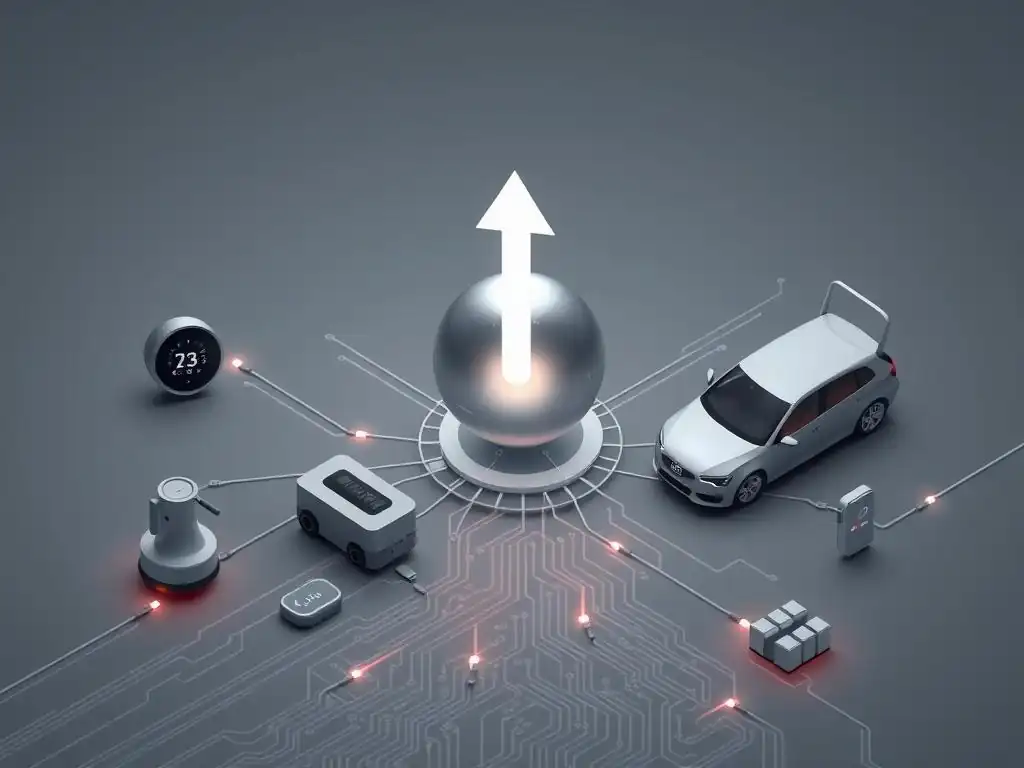
Cross-Chain Technologies and Atomic Swaps for Interoperable Transactions
Cross-chain technologies and atomic swaps are emerging as promising solutions for enabling interoperable transactions between different blockchain platforms within an IoT ecosystem. Cross-chain technologies aim to bridge the gap between disparate blockchains, allowing for the transfer of assets and data across different networks. Atomic swaps enable the exchange of cryptocurrencies or other digital assets between different blockchains without the need for intermediaries, ensuring secure and trustless transactions. These technologies offer potential pathways for achieving transactional blockchain IoT interoperability by facilitating seamless value exchange and data transfer across heterogeneous blockchain environments.
For example, consider an IoT-enabled supply chain where different stakeholders use different blockchain platforms for tracking goods and managing payments. Cross-chain technologies could be used to enable seamless transfer of digital assets representing goods or payments between these different blockchains, facilitating efficient and transparent supply chain operations. Atomic swaps could be employed to enable direct peer-to-peer exchange of value between different blockchain platforms without relying on centralized exchanges, enhancing security and reducing transaction costs. While still under development, cross-chain technologies and atomic swaps hold significant potential for addressing transactional interoperability challenges in blockchain IoT systems.
Developing Standardized APIs and Protocols for Blockchain IoT Communication
Developing standardized APIs (Application Programming Interfaces) and communication protocols is crucial for fostering technical blockchain IoT interoperability. Standardized APIs provide a common interface for different blockchain platforms and IoT devices to interact and exchange data. Standardized communication protocols define the rules and formats for data exchange, ensuring consistent communication between different systems. The adoption of open and widely accepted standards can significantly reduce the complexity of integrating heterogeneous blockchain and IoT technologies, paving the way for smoother interoperability.
Organizations like the IEEE and the W3C are actively working on developing standards for blockchain and IoT technologies. For instance, standardized APIs for accessing blockchain data or triggering smart contracts would simplify the integration of IoT devices with different blockchain platforms. Standardized communication protocols for IoT data exchange, such as MQTT or CoAP profiles tailored for blockchain integration, would facilitate consistent data flow across interoperable systems. Promoting the development and adoption of these standardized APIs and protocols is essential to create a more interoperable and collaborative blockchain IoT ecosystem, reducing fragmentation and fostering innovation.
Implementing Data Mediation and Translation Services for Semantic Interoperability
Data mediation and translation services are vital for achieving semantic blockchain IoT interoperability, addressing the challenges of data interpretation conflicts and inconsistent data semantics. These services act as intermediaries, bridging semantic gaps between different blockchain platforms and IoT devices by translating data representations and resolving semantic ambiguities. Data mediation services can normalize data formats, convert units, and map different vocabularies to a common ontology, ensuring consistent data interpretation across heterogeneous systems.
For example, in a smart city environment, data mediation services could be used to reconcile data from different air quality sensors reporting in different formats and using different units. The mediation service would normalize the data to a common format and unit, ensuring that all air quality data is consistently interpreted regardless of the sensor type or vendor.
Similarly, data translation services can map different data vocabularies to a shared ontology, enabling semantic understanding across different blockchain platforms. Implementing robust data mediation and translation services is crucial for overcoming semantic challenges and achieving true blockchain IoT interoperability, enabling meaningful data exchange and collaborative applications.
Blockchain Bridges for Asset Transfer and Data Sharing
Blockchain bridges serve as critical infrastructure for enabling asset transfer and data sharing between different blockchain networks, addressing a core aspect of blockchain IoT interoperability. These bridges essentially create a communication pathway between two or more blockchains, allowing for the transfer of tokens, data, or even smart contract state across network boundaries. Different types of blockchain bridges exist, ranging from simple relay bridges to more complex atomic swap bridges and hash-locking mechanisms. Choosing the appropriate bridge technology depends on the specific interoperability requirements and security considerations of the application.
For instance, in a cross-border supply chain scenario, a blockchain bridge could be used to transfer digital representations of goods between a permissioned blockchain used by a manufacturer and a public blockchain used by a logistics provider. This would allow for seamless tracking of goods across different organizational boundaries and blockchain platforms.
Similarly, blockchain bridges could facilitate the sharing of sensor data between different blockchain networks, enabling collaborative data analysis and insights. The development and deployment of secure and efficient blockchain bridges are essential for enabling seamless asset transfer and data sharing, key components of achieving comprehensive blockchain IoT interoperability.
Interledger Protocol (ILP) for Universal Payment Connectivity
The Interledger Protocol (ILP) offers a promising approach to achieving universal payment connectivity across diverse payment systems, including blockchain networks, contributing to transactional blockchain IoT interoperability. ILP is an open protocol designed to route payments across different ledgers or payment networks, regardless of their underlying technologies or currencies. It acts as a neutral intermediary, enabling interoperability between disparate payment systems through a standardized routing and settlement mechanism. In the context of blockchain IoT, ILP can facilitate seamless micropayments and value exchange between devices and services operating on different blockchain platforms.
Imagine a smart city scenario where electric vehicle charging stations, parking meters, and public transportation systems are all powered by different blockchain networks. ILP could enable seamless micropayments for these services, allowing users to pay for services regardless of the underlying blockchain platform or payment method supported by each service provider. ILP's ability to connect diverse payment systems and facilitate interoperable transactions makes it a valuable tool for enabling transactional interoperability in blockchain IoT ecosystems, particularly in scenarios involving micropayments and machine-to-machine transactions.
Case Studies: Real-World Examples of Blockchain IoT Interoperability Issues
Incompatible Data Formats in Smart Agriculture Sensors Leading to Data Silos
In the burgeoning field of smart agriculture, the promise of IoT sensors and blockchain for enhanced efficiency and traceability is often hampered by blockchain IoT interoperability challenges, specifically related to incompatible data formats. Consider a real-world example where a large agricultural cooperative deployed soil moisture sensors from Vendor A and weather stations from Vendor B across its farmlands. Vendor A's sensors output data in a proprietary JSON format, while Vendor B's weather stations utilized a CSV format. Both datasets were intended to be recorded on a permissioned blockchain for provenance and analysis to optimize irrigation and fertilization strategies.
However, the lack of standardized data formats and the absence of a data mediation layer resulted in significant data silos. The blockchain platform, initially envisioned as a unified data repository, struggled to ingest and process data from both vendors seamlessly. Data scientists had to manually develop custom scripts to parse and transform data from each vendor into a compatible format before it could be stored and analyzed on the blockchain.
This manual intervention not only increased operational costs but also introduced delays and potential errors in data processing, hindering the real-time insights needed for efficient agricultural management. This case highlights the critical need for addressing data format incompatibility to achieve effective blockchain IoT interoperability in practical applications.
Successful Integration of a Healthcare IoT System Using Hyperledger Fabric and Corda
Conversely, a successful example demonstrating effective blockchain IoT interoperability, albeit within a controlled environment, can be found in a healthcare IoT system integrating Hyperledger Fabric and Corda. A consortium of hospitals and pharmaceutical companies collaborated to build a system for tracking the provenance and temperature control of sensitive medications during transportation. They chose Hyperledger Fabric, a permissioned blockchain, for managing patient data and internal hospital operations due to its robust access control and scalability features. For supply chain tracking and inter-organizational transactions, they opted for Corda, another permissioned blockchain known for its focus on privacy and contract management.
To achieve interoperability, the consortium implemented a custom-built blockchain bridge that facilitated secure data exchange between the Hyperledger Fabric and Corda networks. This bridge allowed for the seamless transfer of medication tracking data from IoT sensors in transport vehicles (managed on Corda) to patient records and hospital inventory systems (managed on Hyperledger Fabric).
Furthermore, they adopted standardized data formats and APIs for IoT sensor data and blockchain transactions, ensuring semantic interoperability. This case study showcases that while blockchain IoT interoperability challenges are real, they can be overcome through careful planning, the use of appropriate bridging technologies, and adherence to data standardization principles, leading to successful integration and tangible benefits in real-world applications.
Future Trends and Opportunities in Blockchain IoT Interoperability
The Role of Decentralized Identifiers (DIDs) in Enabling Secure Interoperability
Decentralized Identifiers (DIDs) are poised to play a pivotal role in enabling secure and privacy-preserving blockchain IoT interoperability in the future. DIDs are a new type of identifier that enables verifiable, decentralized digital identity. They allow entities (individuals, organizations, or devices) to control their own identities without relying on central authorities. In the context of blockchain IoT, DIDs can provide a standardized and interoperable way to identify and authenticate IoT devices and participants across different blockchain platforms. This decentralized identity layer can enhance security, privacy, and trust in interoperable IoT ecosystems.
Imagine a scenario where smart devices from different manufacturers need to securely communicate and exchange data on a blockchain network. By assigning DIDs to each device, a decentralized and verifiable identity framework can be established. This framework can be used to authenticate devices, control access to data, and ensure secure communication across different blockchain platforms.
DIDs can also empower users with greater control over their data and privacy by enabling selective disclosure of information and consent-based data sharing. The adoption of DIDs is expected to be a key enabler for building more secure, privacy-preserving, and interoperable blockchain IoT solutions in the coming years.
The Potential of Interoperable Blockchain IoT for Supply Chain Management
Interoperable blockchain IoT holds immense potential to revolutionize supply chain management, creating more transparent, efficient, and resilient global supply chains. Currently, supply chains are often fragmented, opaque, and prone to inefficiencies due to a lack of seamless information sharing and interoperability between different stakeholders and systems. By integrating blockchain and IoT technologies in an interoperable manner, supply chains can become more interconnected, transparent, and traceable from origin to consumption.
For example, consider a global food supply chain involving farmers, processors, distributors, and retailers, each potentially using different blockchain platforms for tracking goods and managing transactions. Interoperable blockchain IoT solutions can enable seamless data exchange between these different blockchain platforms, providing end-to-end visibility of product provenance, temperature control, and handling conditions. This enhanced transparency and traceability can improve food safety, reduce fraud, optimize logistics, and build greater trust among consumers. The development and deployment of interoperable blockchain IoT solutions are expected to be a major driver of innovation and efficiency gains in supply chain management across various industries.
Exploring the Use of Interoperable Blockchain IoT in Smart Cities
Smart cities represent another promising domain for leveraging the benefits of interoperable blockchain IoT solutions. Smart cities are complex ecosystems comprising diverse IoT devices and systems managing various urban services, such as transportation, energy, waste management, and public safety. Achieving seamless interoperability between these diverse systems is crucial for realizing the full potential of smart city initiatives, enabling data-driven decision-making, optimized resource allocation, and improved citizen services.
Imagine a smart city where traffic sensors, smart streetlights, air quality monitors, and autonomous vehicles are all connected to different blockchain platforms managed by different city departments or private entities. Interoperable blockchain IoT solutions can enable seamless data exchange and coordination between these disparate systems, optimizing traffic flow, reducing energy consumption, improving air quality monitoring, and enhancing public safety.
For instance, real-time traffic data from sensors on one blockchain could be used to dynamically adjust streetlight intensity on another blockchain, optimizing energy consumption and improving visibility. Exploring and implementing interoperable blockchain IoT solutions are crucial for building truly intelligent and efficient smart cities that enhance the quality of life for citizens.
Conclusion: Towards a More Interoperable and Secure Blockchain IoT Future
Overcoming the Interoperability Hurdles for Widespread Blockchain IoT Adoption
Overcoming the blockchain IoT interoperability challenges is paramount for realizing the widespread adoption and transformative potential of this technological convergence. As explored throughout this article, these challenges are multifaceted, encompassing technical, semantic, governance, and regulatory dimensions. Addressing technical hurdles requires the development and adoption of standardized APIs, communication protocols, and cross-chain technologies to bridge the gaps between disparate blockchain platforms and IoT devices. Semantic interoperability necessitates the establishment of shared ontologies, data vocabularies, and data mediation services to ensure consistent data interpretation across heterogeneous systems.
Governance and regulatory challenges demand the creation of clear governance frameworks, harmonization of regulatory requirements, and the development of mechanisms for establishing trust and accountability in decentralized interoperable ecosystems. While these challenges are significant, ongoing research, standardization efforts, and collaborative initiatives are making progress towards overcoming them. Continued innovation in cross-chain technologies, semantic web technologies, and decentralized identity solutions, coupled with proactive engagement from industry, government, and standards bodies, are crucial for paving the way for a more interoperable and secure blockchain IoT future.
The Importance of Collaboration and Standardization for a Thriving Blockchain IoT Ecosystem
Collaboration and standardization are not merely desirable but essential for fostering a thriving blockchain IoT ecosystem. The inherent complexity of integrating blockchain and IoT technologies, coupled with the diverse landscape of platforms and protocols, necessitates collaborative efforts across industry, academia, and government. Industry consortia, open-source initiatives, and standardization organizations play a crucial role in driving interoperability by developing common standards, best practices, and reference architectures. Collaboration among different stakeholders is needed to define shared ontologies, data vocabularies, and governance frameworks that facilitate seamless interoperability.
Furthermore, standardization is critical for reducing fragmentation, promoting compatibility, and lowering the barriers to entry for developers and organizations seeking to build and deploy blockchain IoT solutions. Adopting open and widely accepted standards for APIs, communication protocols, data formats, and security mechanisms is essential to create a more interoperable, scalable, and sustainable blockchain IoT ecosystem. By fostering collaboration and prioritizing standardization, we can unlock the full potential of blockchain and IoT convergence, building a future where interconnected devices and decentralized systems work together seamlessly to create a more efficient, secure, and intelligent world.
Frequently Asked Questions
How does blockchain technology enhance security in IoT networks?
Blockchain introduces immutable ledgers for data integrity, utilizes cryptographic keys for secure device authentication, and creates a decentralized environment mitigating single points of failure, enhancing the overall security posture of IoT devices.
What are the main interoperability challenges hindering the integration of blockchain and IoT?
Key challenges include varying data standards across devices, the scalability limitations of blockchain networks when dealing with massive IoT data volumes, and the lack of standardized protocols for communication between different blockchain platforms and IoT systems.
Beyond security, what benefits can blockchain bring to IoT networks?
Blockchain facilitates improved data provenance and auditability, enables smart contracts for automated device interactions, and fosters a more transparent and trustworthy ecosystem for data sharing and collaboration among IoT devices.
What regulatory hurdles need to be addressed to promote wider adoption of blockchain-secured IoT solutions?
Clarity is needed regarding data privacy regulations and how they apply to blockchain-based IoT systems, along with establishing clear legal frameworks for smart contracts and the liability associated with autonomous IoT devices. There must also be industry standardization to ensure compliance.
How can the scalability of blockchain networks be improved to handle the demands of large-scale IoT deployments?
Solutions include exploring Layer 2 scaling solutions like state channels and rollups, adopting sharding techniques to partition the blockchain network, and implementing off-chain data storage solutions while maintaining blockchain integrity.
Final Reflection: Bridging the Divide in a Connected World
The complexities we've explored in achieving seamless Blockchain IoT interoperability are not merely academic exercises; they represent a critical bottleneck in realizing the full potential of a truly connected world. The challenges outlined – from disparate protocols to security vulnerabilities – are actively hindering the widespread adoption of secure and efficient IoT solutions, impacting everything from smart cities to personalized healthcare. Addressing these issues is no longer a technological luxury, but a fundamental necessity for a future where data flows freely and securely between devices and networks.
The ongoing struggle for interoperability has profoundly shaped the landscape of both blockchain and IoT, forcing developers and policymakers alike to confront the limitations of siloed systems. This journey, though fraught with obstacles, underscores the vital importance of collaboration and standardization in fostering innovation. As we navigate this intricate web, it's crucial to remember that the ultimate goal is not just technological advancement, but the creation of a more equitable and secure digital ecosystem. The strength of the chain lies in its weakest link,
a sentiment that resonates deeply when considering the interconnectedness of Blockchain IoT networks and the potential vulnerabilities that arise from a lack of interoperability.
Now, consider the implications of these challenges in your own life. How might improved Blockchain IoT interoperability impact your daily routines, your access to information, or the security of your personal data? The solutions we develop today will shape the future of connectivity for generations to come. Let us all strive to be informed participants in this evolution, advocating for open standards, robust security measures, and a collaborative spirit that will ultimately untangle the web and unlock the transformative power of a truly interconnected world.
Okay, here's a CTA for the article "Untangling the Web: Interoperability Nightmares in Blockchain-Secured IoT Networks" for Blockchain Trends:
Empower Your IoT: Build a More Connected Future!
Thank you for delving into the complexities of interoperability in blockchain-secured IoT networks. We hope you've gained valuable insights into the challenges and opportunities ahead. Now, it's time to translate knowledge into action and contribute to a more seamless and secure IoT landscape.
Here's how you can make a difference:
- Take the first step: Advocate for open standards within your organization.: Influence internal discussions and decisions to prioritize interoperable solutions.
- Share this article with your network and spark a wider conversation about the importance of addressing interoperability challenges in blockchain-secured IoT. Let's build momentum together!
- Participate in the next Blockchain Trends Open Forum to connect with experts, share your perspective, and contribute to the development of innovative interoperability solutions. Sign-up details will be sent to our newsletter subscribers.
What concrete steps will you take this week to promote interoperability within your sphere of influence? Share your ideas in the comments below!
Leave a Reply