
Use Case: Agricultural IoT: Blockchain for Secure and Traceable Food Production


Welcome to Blockchain Trends, your compass in the rapidly evolving world of decentralized technologies. Ever wondered how blockchain can revolutionize industries beyond just digital currencies? Our latest exploration delves into the fascinating intersection of IoT and blockchain, specifically examining the transformative power of blockchain secure food traceability. But how exactly can this technology guarantee the safety and origin of your food? Dive in to uncover the innovative applications and future potential that are reshaping the agricultural landscape.
Use Case: Agricultural IoT: Blockchain for Secure and Traceable Food Production
- Introduction: Blockchain's Role in Revolutionizing Food Supply Chains
- The Problem: Challenges in Traditional Food Traceability Systems
- The Solution: Implementing Blockchain for Secure Food Traceability in Agriculture
- A Practical Use Case: Blockchain-Based Food Tracking in Coffee Production
- Benefits of Blockchain Secure Food Traceability in Agriculture
- Technical Implementation Details: Building a Blockchain-Based Food Tracking System
- Challenges and Considerations for Blockchain Adoption in Agriculture
- The Future of Blockchain and IoT in Food Traceability
- Conclusion: Blockchain as a Catalyst for Secure and Sustainable Food Production
-
Frequently Asked Questions
- How does blockchain enhance secure food traceability in agriculture?
- What role does IoT (Internet of Things) play in blockchain-based food traceability?
- Beyond security, what are the other benefits of using blockchain for agricultural supply chains?
- What are some of the challenges in implementing blockchain for food traceability in agriculture?
- How does blockchain help with regulatory compliance in the food industry?
- Final Reflection: Cultivating Trust Through Blockchain
- Rediscover Food Security: Take Control Now!
Introduction: Blockchain's Role in Revolutionizing Food Supply Chains
The Growing Need for Secure Food Traceability in Agriculture
The modern agricultural landscape faces increasing pressure to ensure the safety and quality of food products. Consumers are more aware than ever of food origins, production methods, and potential risks associated with contaminated or mislabeled goods. Recent global events, such as outbreaks of foodborne illnesses linked to spinach and romaine lettuce in the US, and scandals involving horse meat being sold as beef in Europe, have highlighted the vulnerabilities within existing food supply chains.
These incidents erode consumer trust and underscore the urgent need for robust and transparent traceability systems. Demand for organic and sustainably sourced foods is also rising, further emphasizing the need for reliable verification of product claims throughout the supply chain.
Furthermore, globalized food systems have lengthened and complicated supply chains, making it more challenging to track products from farm to consumer. A single food item can traverse multiple countries and involve numerous intermediaries, each adding complexity and potential points of failure in traceability. This complexity is exacerbated by the increasing sophistication of food fraud, which can range from simple mislabeling to complex schemes involving counterfeit products.
The Food and Agriculture Organization of the United Nations (FAO) estimates that the annual cost of food fraud is in the tens of billions of dollars globally, impacting both consumer health and economic stability. Therefore, implementing effective and secure food traceability systems is not just a matter of consumer preference, but a critical imperative for public health and economic security.
How Blockchain and IoT Converge to Enhance Food Safety
The convergence of Blockchain and the Internet of Things (IoT) offers a powerful solution to address the challenges of food traceability in agriculture. IoT devices, such as sensors and GPS trackers, can collect real-time data at every stage of the food supply chain, from farm to processing facilities, transportation, and retail. These devices can monitor crucial parameters like temperature, humidity, location, and even the condition of produce during transit. This data, when integrated with a blockchain platform, creates an immutable and transparent record of the food product's journey.
Blockchain technology provides the secure and transparent infrastructure needed to manage and share the data collected by IoT devices. Each piece of information, whether it's the temperature reading of a refrigerated truck or the date of harvest, can be recorded as a transaction on the blockchain, forming a chronological and tamper-proof history of the food product.
This distributed ledger system ensures that data is not controlled by a single entity, reducing the risk of manipulation and enhancing trust among all stakeholders in the supply chain. The combination of IoT’s data collection capabilities and blockchain’s secure data management creates a synergistic effect, resulting in a food traceability system that is more efficient, reliable, and transparent than traditional methods.
The Problem: Challenges in Traditional Food Traceability Systems
Lack of Transparency and Data Silos in Existing Systems
Traditional food traceability systems often rely on paper-based records or disparate digital databases that are not interoperable. This fragmented approach leads to data silos, where information is isolated within individual organizations or stages of the supply chain. For example, a farmer might maintain records of planting and harvesting, while a processor has separate systems for tracking processing and packaging, and distributors utilize their own logistics management software. This lack of integration makes it difficult, if not impossible, to gain a holistic view of the entire food journey.
Furthermore, the lack of transparency in these systems can hinder effective traceability. Information is often not readily shared between stakeholders, creating opacity and distrust. In the event of a food safety issue or recall, tracing the origin and path of contaminated products can be a slow, cumbersome, and error-prone process. This delay can exacerbate the problem, leading to wider spread of contamination and increased health risks for consumers. The inability to quickly and accurately track food products in traditional systems highlights a significant weakness that undermines food safety and consumer confidence.
Vulnerability to Fraud and Counterfeiting in the Food Industry
The food industry is unfortunately susceptible to various forms of fraud and counterfeiting, ranging from mislabeling products to substituting inferior ingredients. Traditional traceability systems, with their reliance on paper records and centralized databases, are vulnerable to manipulation and alteration. Paper documents can be easily forged or tampered with, and centralized digital systems are susceptible to hacking or insider threats. This vulnerability creates opportunities for fraudulent activities that can have serious consequences for consumers and businesses alike.
Examples of food fraud are widespread. The aforementioned horse meat scandal in Europe involved the deliberate mislabeling of horse meat as beef, a practice that went undetected for a considerable period within the traditional supply chain. Another common example is the adulteration of honey with cheaper syrups, which is difficult to detect using traditional methods.
These instances demonstrate the inadequacy of current systems to prevent and detect food fraud effectively. The lack of an immutable and transparent record makes it easier for fraudulent actors to operate and harder for authorities and consumers to verify the authenticity and integrity of food products.
Inefficiencies in Tracking Food Products from Farm to Table
Traditional food traceability systems often involve manual data entry and paper-based processes, leading to inefficiencies and delays in tracking food products from farm to table. Information is often recorded manually at each stage of the supply chain, increasing the risk of human error and slowing down the overall process. For instance, tracking batch numbers, expiration dates, and origin information manually can be time-consuming and prone to inaccuracies. This inefficiency is further compounded by the lack of real-time visibility in many traditional systems.
The time lag in information flow can be particularly problematic in time-sensitive food supply chains, such as fresh produce or seafood. Delays in identifying and responding to quality issues or potential contamination can lead to spoilage, waste, and increased risks to consumer health. Furthermore, the lack of real-time tracking makes it difficult to optimize logistics and inventory management, leading to increased costs and reduced efficiency throughout the supply chain. The inefficiencies inherent in traditional systems not only increase operational costs but also hinder the ability to ensure food safety and quality effectively.
The Solution: Implementing Blockchain for Secure Food Traceability in Agriculture
Leveraging Blockchain Technology to Create an Immutable Food Ledger
Blockchain technology provides a robust solution to the shortcomings of traditional food traceability systems by creating an immutable and transparent ledger for tracking food products. Imagine a digital record book that is shared across all participants in the food supply chain, from farmers to consumers. Every transaction or event related to a food product, such as harvesting, processing, transportation, and storage, is recorded as a "block" and added to this chain. Once a block is added, it cannot be altered or deleted, ensuring the integrity and permanence of the data.
This immutability is achieved through cryptographic hashing, which links each block to the previous one, creating a tamper-proof chain of records. The distributed nature of blockchain, where data is replicated across multiple computers or "nodes", further enhances security and resilience. This decentralized architecture eliminates the single point of failure associated with centralized databases and makes it extremely difficult for malicious actors to manipulate the data. By leveraging blockchain, we can establish a secure and auditable history of food products, building trust and transparency throughout the supply chain.
Integrating IoT Devices for Real-Time Data Collection and Monitoring
Integrating IoT devices with blockchain technology enables real-time data collection and monitoring throughout the agricultural food supply chain, significantly enhancing traceability and food safety. IoT sensors can be deployed at various points in the supply chain to capture crucial data points automatically. For example, temperature sensors in refrigerated trucks can constantly monitor and record temperature conditions during transportation, ensuring that perishable goods are kept within safe temperature ranges. GPS trackers can provide real-time location data, allowing for precise tracking of shipments and preventing delays or diversions.
Furthermore, sensors can monitor environmental conditions in fields and storage facilities, providing valuable insights into factors affecting food quality and safety. For instance, humidity sensors in storage facilities can detect conditions that might promote mold growth, enabling proactive intervention to prevent spoilage. Data from these IoT devices is automatically recorded on the blockchain, providing an objective and verifiable record of the product's journey and environmental conditions it has been exposed to. This real-time data stream, coupled with blockchain's immutability, provides an unprecedented level of visibility and control over the food supply chain.
Enhancing Supply Chain Visibility with Blockchain-Enabled Tracking
Blockchain-enabled tracking significantly enhances supply chain visibility, allowing all stakeholders to access and share information about food products in a secure and transparent manner. Imagine a consumer scanning a QR code on a package of coffee beans with their smartphone. This simple scan can provide them with access to a wealth of information stored on the blockchain, including the origin of the beans, the farmer who grew them, the date of harvest, processing details, transportation history, and even quality certifications.
This level of transparency extends to all participants in the supply chain. Farmers can track their produce as it moves through the supply chain, processors can verify the origin and quality of raw materials, distributors can monitor the location and condition of shipments, and retailers can provide consumers with detailed product information. This enhanced visibility fosters greater trust and accountability among all stakeholders. Furthermore, in the event of a food safety issue, blockchain-enabled tracking allows for rapid identification and isolation of affected products, minimizing the impact of recalls and protecting consumers.
A Practical Use Case: Blockchain-Based Food Tracking in Coffee Production
Case Study Overview: A Coffee Cooperative in Colombia Implements Blockchain and IoT
In the mountainous regions of Colombia, a coffee cooperative comprised of smallholder farmers has implemented a blockchain and IoT-based system to enhance the traceability and transparency of their Arabica coffee beans. This cooperative, representing over 500 families, sought to differentiate their high-quality coffee in the global market and build stronger relationships with roasters and consumers. They faced challenges common to many agricultural supply chains in developing countries, including lack of transparency, difficulties in verifying origin and quality, and limited access to premium markets.
To address these challenges, the cooperative partnered with a technology provider to develop a customized blockchain solution integrated with IoT sensors. The goal was to create a secure and transparent system that would track coffee beans from the farm to the roaster, providing verifiable information about origin, processing, and quality. This initiative aimed to empower farmers by giving them greater control over their product's journey and enabling them to capture a larger share of the value chain.
Implementing a Blockchain Solution for Arabica Coffee Beans
The implementation of the blockchain solution began with the registration of each farmer and their coffee farm on the blockchain platform. This established a digital identity for each producer and linked them to their specific coffee lots. At the farm level, farmers were provided with simple mobile applications to record key data points, such as the date of harvest, coffee variety, and farm location. This data was then securely recorded on the blockchain, creating the initial point of origin and traceability for the coffee beans.
As the coffee beans moved through the cooperative's processing facilities, further data was added to the blockchain. This included information about the washing, drying, and sorting processes, as well as quality assessments based on cupping scores. Each batch of coffee beans was assigned a unique QR code linked to its blockchain record. This QR code served as a digital passport, allowing anyone in the supply chain to access the complete history and provenance of the coffee beans by simply scanning it with a smartphone.
Key Features of the Blockchain-Based Food Traceability System
Sensor Data Integration for Temperature and Humidity Monitoring During Transportation
To ensure the quality of the Arabica coffee beans during transportation, the blockchain system integrated IoT sensors to monitor temperature and humidity within trucks and storage facilities. These sensors, placed within sealed containers of coffee beans, continuously recorded environmental conditions and transmitted data wirelessly to the blockchain platform. If temperature or humidity levels deviated from pre-defined optimal ranges, alerts were automatically triggered, notifying logistics personnel and quality control managers.
This real-time monitoring allowed for proactive intervention to prevent spoilage or quality degradation during transit. For instance, if a refrigerated truck experienced a malfunction and temperature began to rise, the system would immediately flag the issue, enabling corrective actions to be taken, such as transferring the coffee beans to another refrigerated vehicle. The sensor data, securely recorded on the blockchain, provided verifiable evidence of the environmental conditions the coffee beans were exposed to throughout their journey, further enhancing transparency and accountability.
Smart Contracts for Automated Payment to Farmers Based on Quality
The blockchain solution incorporated smart contracts to automate payments to farmers based on the quality of their coffee beans. Smart contracts are self-executing agreements written in code and stored on the blockchain. In this case, smart contracts were programmed to trigger payments to farmers automatically once their coffee beans met pre-defined quality standards, as determined by independent quality assessments at the cooperative's processing facility.
Upon completion of the quality assessment and recording of the cupping score on the blockchain, the smart contract would automatically verify if the coffee beans met the criteria for premium grade. If the quality threshold was met, the smart contract would execute the payment transaction, transferring funds directly from the cooperative's account to the farmer's mobile wallet. This automated payment system eliminated delays and disputes associated with traditional payment processes, ensuring fair and timely compensation for farmers based on the quality of their produce.
Secure Data Sharing with Roasters, Distributors, and Consumers
The blockchain platform facilitated secure data sharing with all stakeholders in the coffee supply chain, including roasters, distributors, and consumers. Authorized roasters and distributors were granted access to a web-based portal where they could view detailed information about the coffee beans they were purchasing, including origin, processing methods, quality scores, and transportation history. This transparency allowed them to make informed sourcing decisions and build trust with the cooperative.
Consumers, through the QR codes on coffee packaging, could also access a subset of this information, verifying the authenticity and origin of their coffee. This direct access to product information empowered consumers to make conscious purchasing choices and connect with the farmers who grew their coffee. The secure and controlled data sharing capabilities of the blockchain platform fostered a more transparent and collaborative coffee supply chain, benefiting all participants from farm to cup.
Benefits of Blockchain Secure Food Traceability in Agriculture
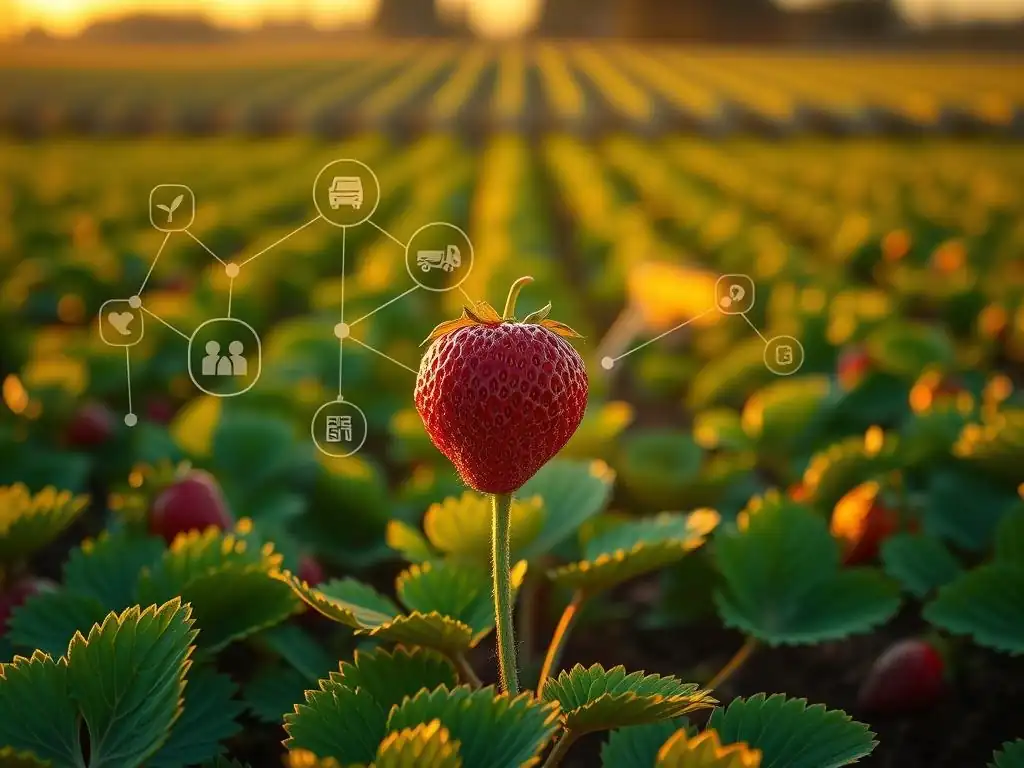
Enhanced Food Safety and Reduced Contamination Risks
Blockchain secure food traceability significantly enhances food safety by providing rapid and accurate tracking of products in the event of a contamination outbreak. In traditional systems, tracing the source of contamination can be a slow and laborious process, often involving manual record reviews and delays. With blockchain, the immutable record of each product's journey allows for near-instantaneous identification of potentially affected batches.
For example, if a batch of spinach is found to be contaminated with E. coli, authorities can quickly query the blockchain to determine the farm of origin, processing facilities, and distribution channels involved. This speed and accuracy in tracing contamination sources enables faster and more targeted recalls, minimizing the spread of illness and protecting public health. Furthermore, the real-time monitoring capabilities of IoT devices integrated with blockchain can proactively detect and prevent potential contamination risks before they escalate.
Increased Transparency and Consumer Trust
Blockchain technology inherently increases transparency in the food supply chain, building greater consumer trust in food products. Consumers are increasingly demanding to know where their food comes from, how it is produced, and whether it meets certain ethical or sustainability standards. Blockchain-based traceability systems provide consumers with verifiable information about these aspects, empowering them to make informed purchasing decisions.
The ability to scan a QR code and access the complete history of a food product, from farm to shelf, fosters a sense of confidence and trust. This transparency is particularly valuable for premium or specialty food products, such as organic, fair-trade, or geographically protected foods, where consumers are willing to pay a premium for assurance of authenticity and provenance. By providing verifiable proof of origin and quality, blockchain helps brands build stronger relationships with consumers and differentiate themselves in the marketplace.
Improved Supply Chain Efficiency and Reduced Waste
Implementing blockchain for secure food traceability can lead to improved supply chain efficiency and reduced food waste. The real-time visibility and data insights provided by blockchain and IoT enable better inventory management, optimized logistics, and reduced delays. For instance, real-time tracking of perishable goods allows for proactive management of storage and transportation conditions, minimizing spoilage and extending shelf life.
Furthermore, blockchain can streamline processes such as quality control, certification, and regulatory compliance, reducing paperwork and administrative overhead. Smart contracts can automate transactions and payments, speeding up processes and reducing the risk of errors. By improving efficiency and reducing waste throughout the supply chain, blockchain contributes to both cost savings and environmental sustainability. The FAO estimates that roughly one-third of food produced for human consumption is lost or wasted globally, and blockchain-based traceability can play a significant role in mitigating this issue.
Streamlined Regulatory Compliance and Auditing Processes
Blockchain technology simplifies regulatory compliance and auditing processes in the food industry. The immutable and auditable nature of blockchain records provides regulators with a transparent and reliable source of information for verifying compliance with food safety standards and regulations. Instead of relying on manual audits and paper-based documentation, regulators can access real-time data on the blockchain to monitor compliance and identify potential issues.
This streamlined approach reduces the burden of audits for businesses and improves the efficiency of regulatory oversight. For example, in the European Union, regulations regarding food origin labeling and traceability are becoming increasingly stringent. Blockchain-based systems can provide the necessary infrastructure to meet these requirements efficiently and transparently. The enhanced transparency and auditability offered by blockchain can foster greater trust between businesses, regulators, and consumers, ultimately leading to a safer and more reliable food system.
Technical Implementation Details: Building a Blockchain-Based Food Tracking System
Choosing the Right Blockchain Platform: Hyperledger Fabric
For building a blockchain-based food tracking system, choosing the right blockchain platform is crucial. Hyperledger Fabric emerges as a strong contender due to its permissioned nature, scalability, and modular architecture, making it well-suited for enterprise applications like supply chain traceability. Unlike public blockchains like Bitcoin or Ethereum, Hyperledger Fabric is a private, permissioned blockchain, meaning that access to the network and data is controlled and restricted to authorized participants. This is essential for food supply chains where sensitive business information needs to be protected.
Hyperledger Fabric offers high scalability and performance, capable of handling the high transaction volumes and data throughput required for complex food supply chains. Its modular design allows for customization and integration with existing enterprise systems. Furthermore, Hyperledger Fabric supports smart contracts (called chaincode), which are essential for automating business logic and processes within the traceability system, such as quality checks and automated payments. Its robust security features and enterprise-grade capabilities make Hyperledger Fabric a preferred choice for building secure and scalable blockchain solutions for food traceability.
Selecting Appropriate IoT Devices for Data Collection
Selecting appropriate IoT devices is critical for effective data collection in a blockchain-based food tracking system. The choice of devices will depend on the specific needs of the food product and the stage of the supply chain. For temperature monitoring during transportation, robust and reliable temperature sensors with wireless communication capabilities are essential. Examples include wireless temperature data loggers that can transmit data via cellular or satellite networks. For location tracking, GPS trackers with long battery life and accurate positioning are needed.
Beyond temperature and location, other types of sensors can be incorporated depending on the food product. For example, humidity sensors are crucial for monitoring storage conditions for grains and coffee beans. Environmental sensors can track soil conditions, water usage, and pesticide application at the farm level. Image sensors and RFID tags can be used for product identification and tracking through processing and packaging facilities. The selected IoT devices should be durable, reliable, and capable of operating in the relevant environmental conditions. They should also be cost-effective and easily integrated with the chosen blockchain platform.
Developing Smart Contracts for Data Validation and Authentication
Developing smart contracts is a key step in building a blockchain-based food tracking system, particularly for data validation and authentication. Smart contracts can be programmed to automatically verify the integrity and authenticity of data recorded on the blockchain. For example, a smart contract can validate that temperature readings from IoT sensors are within acceptable ranges, ensuring that temperature-sensitive products are transported and stored under proper conditions.
Smart contracts can also be used to authenticate the origin and provenance of food products. For instance, a smart contract can verify that coffee beans labeled as "organic" have been certified by a recognized organic certification body and that this certification is recorded on the blockchain. Furthermore, smart contracts can automate access control to data, ensuring that only authorized participants can view or modify specific information on the blockchain. By automating data validation and authentication processes, smart contracts enhance the security and reliability of the food traceability system and reduce the need for manual verification.
Ensuring Data Security and Privacy on the Blockchain
Ensuring data security and privacy is paramount when implementing blockchain in agricultural food traceability. While blockchain inherently provides a secure and tamper-proof record, additional measures are needed to protect sensitive data and comply with privacy regulations. Permissioned blockchains like Hyperledger Fabric offer built-in access control mechanisms, allowing organizations to define who can access and transact on the network. Data encryption is crucial for protecting confidential information stored on the blockchain.
Techniques like attribute-based access control (ABAC) can be implemented to granularly control access to data based on user roles and attributes. For sensitive data, zero-knowledge proofs or other privacy-enhancing technologies can be explored to allow for data verification without revealing the underlying data itself. Compliance with data privacy regulations, such as GDPR or CCPA, must be a central consideration in the design and implementation of the blockchain system.
This includes ensuring data minimization, purpose limitation, and user consent mechanisms are in place. A robust security and privacy framework is essential for building trust and ensuring the long-term viability of blockchain-based food traceability solutions.
Challenges and Considerations for Blockchain Adoption in Agriculture
Scalability and Interoperability of Blockchain Solutions
Scalability and interoperability remain significant challenges for widespread blockchain adoption in agriculture. While blockchain technology has advanced significantly, handling the massive data volumes and transaction speeds required for large-scale agricultural supply chains can still be demanding. As the number of participants and data points in a food traceability system grows, the blockchain platform must be able to scale efficiently without compromising performance.
Interoperability is another critical consideration. Different blockchain platforms and traceability systems may emerge within the agricultural sector, potentially leading to data silos and hindering seamless information exchange across the entire food ecosystem. Standards for data formats, protocols, and APIs are needed to ensure interoperability between different blockchain solutions. Collaboration and standardization efforts are essential to overcome these scalability and interoperability challenges and realize the full potential of blockchain for agricultural traceability.
Cost of Implementation and Maintenance
The cost of implementation and maintenance can be a barrier to entry for blockchain adoption in agriculture, particularly for smallholder farmers and smaller food businesses. Developing and deploying a blockchain-based traceability system involves upfront costs for software development, hardware infrastructure (including IoT devices), and integration with existing systems. Ongoing maintenance costs include platform fees, data storage, and technical support.
While the long-term benefits of blockchain, such as improved efficiency and reduced fraud, can outweigh the initial investment, the upfront costs can be a hurdle for resource-constrained organizations. Exploring cost-effective blockchain solutions, such as cloud-based platforms and open-source technologies, can help reduce implementation costs. Furthermore, collaborative models where costs are shared among multiple stakeholders in the supply chain can make blockchain adoption more financially viable for smaller players in the agricultural sector.
Addressing Data Privacy Concerns
Addressing data privacy concerns is crucial for building trust and ensuring responsible blockchain adoption in agriculture. While blockchain enhances transparency, it also raises questions about the privacy of sensitive data, such as farm locations, production practices, and business information. Balancing the need for transparency with the need for data privacy requires careful consideration and implementation of appropriate privacy-preserving techniques.
Farmers may be hesitant to share sensitive data on a public or semi-public blockchain if they fear it could be used against them or give competitors an advantage. Permissioned blockchains and data encryption techniques can help address these concerns by controlling access to data and protecting confidentiality. Clear data governance policies and user consent mechanisms are essential to ensure that data privacy is respected and that individuals have control over their personal information. Open communication and education about data privacy best practices are crucial for fostering trust and promoting responsible blockchain adoption in agriculture.
Overcoming Resistance to Change Among Farmers and Stakeholders
Overcoming resistance to change among farmers and stakeholders is a significant hurdle for the successful adoption of blockchain in agriculture. Implementing new technologies like blockchain and IoT requires changes to existing workflows, processes, and potentially business models. Farmers, particularly in developing countries or with limited digital literacy, may be hesitant to adopt new technologies due to lack of awareness, perceived complexity, or concerns about cost and effort.
Resistance to change can also come from other stakeholders in the supply chain, such as processors, distributors, or retailers, who may be comfortable with existing systems or perceive blockchain as disruptive. Effective change management strategies are essential to overcome this resistance. This includes providing education and training to farmers and stakeholders, demonstrating the benefits of blockchain in practical terms, and offering technical support and assistance during the implementation process. Building trust, fostering collaboration, and showcasing successful use cases are key to encouraging wider adoption of blockchain in agriculture.
The Future of Blockchain and IoT in Food Traceability
Emerging Trends in Blockchain-Based Agricultural Solutions
Several emerging trends are shaping the future of blockchain-based agricultural solutions, particularly in food traceability. One trend is the increasing adoption of hybrid blockchain solutions that combine the benefits of public and private blockchains. These hybrid approaches can offer greater transparency and public verifiability for certain data points while maintaining privacy and control over sensitive business information on a permissioned layer.
Another trend is the integration of blockchain with other emerging technologies, such as Artificial Intelligence (AI) and Machine Learning (ML), to enhance traceability and predictive capabilities. The use of Non-Fungible Tokens (NFTs) for representing agricultural products and their provenance is also gaining traction, offering unique digital identities and ownership tracking. Furthermore, the focus is expanding beyond basic traceability to encompass broader sustainability and ethical considerations, with blockchain being used to track and verify fair trade practices, carbon footprints, and other sustainability metrics in agricultural supply chains.
The Role of AI and Machine Learning in Enhancing Food Traceability
AI and Machine Learning are poised to play a significant role in enhancing food traceability systems built on blockchain and IoT. AI algorithms can analyze the vast amounts of data generated by IoT sensors and recorded on the blockchain to provide valuable insights and predictive capabilities. For example, AI can be used to predict potential food safety risks based on real-time sensor data, such as temperature fluctuations or humidity spikes during transportation.
Machine learning models can analyze historical data to identify patterns and anomalies that could indicate fraud or inefficiencies in the supply chain. AI-powered image recognition can be used to automate quality assessments of produce or verify product authenticity. Furthermore, AI can optimize logistics and supply chain operations by predicting demand, optimizing routes, and reducing waste. The combination of blockchain's secure and transparent data infrastructure with AI's analytical and predictive power will create more intelligent and efficient food traceability systems.
Predicting Coffee Bean Quality Based on Environmental Data Using Blockchain and AI
A compelling application of blockchain and AI in food traceability is predicting coffee bean quality based on environmental data. By integrating IoT sensors to collect data on temperature, humidity, rainfall, and sunlight exposure in coffee-growing regions and recording this data on the blockchain, AI and machine learning algorithms can be trained to predict the quality and characteristics of coffee beans even before they are harvested.
For instance, machine learning models can analyze historical data correlating environmental factors with coffee bean cupping scores to identify patterns and predict future quality. This predictive capability can be valuable for farmers, roasters, and traders. Farmers can use these insights to optimize their farming practices and improve bean quality.
Roasters can use predictive quality assessments to make informed sourcing decisions and plan their roasting profiles. Traders can use these predictions to manage inventory and pricing more effectively. The combination of blockchain's secure data storage and AI's predictive analytics can revolutionize quality control and supply chain management in the coffee industry and other agricultural sectors.
Conclusion: Blockchain as a Catalyst for Secure and Sustainable Food Production
The Transformative Potential of Blockchain Secure Food Traceability
Blockchain secure food traceability holds transformative potential for revolutionizing food production and supply chains. By providing an immutable and transparent record of food products from farm to table, blockchain enhances food safety, builds consumer trust, improves supply chain efficiency, and streamlines regulatory compliance. The integration of IoT devices further strengthens traceability by enabling real-time data collection and monitoring throughout the supply chain.
The use case of coffee production in Colombia demonstrates the practical benefits of blockchain and IoT in creating a more transparent and equitable food system. While challenges remain in terms of scalability, cost, and data privacy, ongoing technological advancements and collaborative efforts are addressing these hurdles. As blockchain technology matures and adoption expands, its transformative potential to create more secure, sustainable, and efficient food supply chains will become increasingly evident.
Call to Action: Embracing Blockchain for a More Transparent and Efficient Food Supply Chain
The time is ripe for stakeholders across the agricultural and food industries to embrace blockchain technology and explore its potential for creating a more transparent and efficient food supply chain. Farmers, processors, distributors, retailers, technology providers, and regulators all have a role to play in driving blockchain adoption. Pilot projects and collaborations are essential to demonstrate the practical benefits and address implementation challenges.
Investing in education and training to build blockchain literacy within the agricultural sector is crucial. Supporting standardization efforts to ensure interoperability between different blockchain solutions is also vital. By working together and embracing innovation, we can leverage blockchain to build a food system that is safer, more sustainable, and more trustworthy for consumers and businesses alike. Blockchain secure food traceability is not just a technological advancement; it is a pathway towards a more resilient and responsible future for food production.
Frequently Asked Questions
How does blockchain enhance secure food traceability in agriculture?
Blockchain provides an immutable ledger that records every step of the food supply chain. This enhanced transparency allows consumers and regulators to trace the origin and journey of food products.
What role does IoT (Internet of Things) play in blockchain-based food traceability?
IoT devices, such as sensors and GPS trackers, collect real-time data on food production and transportation conditions. This data is then recorded on the blockchain, providing accurate and verifiable information.
Beyond security, what are the other benefits of using blockchain for agricultural supply chains?
Besides improved traceability, blockchain can increase efficiency by automating processes and reducing paperwork. It also fosters greater trust among stakeholders in the supply chain.
What are some of the challenges in implementing blockchain for food traceability in agriculture?
Challenges include the cost of implementation, the complexity of integrating blockchain with existing systems, and the need for industry-wide standardization of data.
How does blockchain help with regulatory compliance in the food industry?
The transparent and auditable nature of blockchain simplifies regulatory compliance. Authorities can easily verify the authenticity and safety of food products through the immutable records stored on the blockchain.
Final Reflection: Cultivating Trust Through Blockchain
The promise of Blockchain secure food traceability is no longer a futuristic concept, but a vital necessity in today's increasingly complex and interconnected food supply chains. The vulnerabilities exposed by recent global events have underscored the urgent need for transparent and verifiable systems that can rebuild consumer trust and ensure food safety from farm to fork.
The implementation of agricultural IoT integrated with blockchain technology is not merely a technological advancement; it's a fundamental shift in how we perceive and interact with our food systems. This shift towards greater transparency and accountability resonates deeply, as it empowers consumers to make informed choices and holds producers accountable for the quality and safety of their products. The future of food is traceability. Consumers want to know where their food comes from, how it was produced, and that it is safe.
- Dan Glickman, Former U.S. Secretary of Agriculture.
As we move forward, let us embrace the potential of Blockchain secure food traceability to cultivate a more sustainable, equitable, and trustworthy food future. Consider how you, as a consumer, producer, or policymaker, can champion the adoption of these technologies and contribute to a world where the origins and integrity of our food are never in doubt. Let's work together to build a food system that nourishes both our bodies and our peace of mind.
Here's a Call to Action (CTA) for the end of a web article about using blockchain for secure and traceable food production in agricultural IoT, tailored for Blockchain Trends:
Rediscover Food Security: Take Control Now!
Thank you for exploring how blockchain is revolutionizing agricultural IoT and enhancing food traceability. You've gained valuable insights into creating a more transparent and secure food supply chain. Now, let's put that knowledge into action!
Here are a few steps you can take right now:
- Champion Blockchain Adoption: Advocate for blockchain solutions in your local farming community or food supply networks. This is where you can make a real impact on transparency.
- Explore the potential of citizen science and contribute to crowdsourced blockchain-based food monitoring initiatives to enhance data quality and trustworthiness.
- Share this article with your network and start a conversation about the importance of blockchain in securing our food supply. Let's educate others!
What innovative ways can YOU envision blockchain transforming your local food ecosystem? Share your ideas in the comments below!
Leave a Reply