
Use Case: Blockchain Securing Smart Home IoT Devices from Cyber Threats

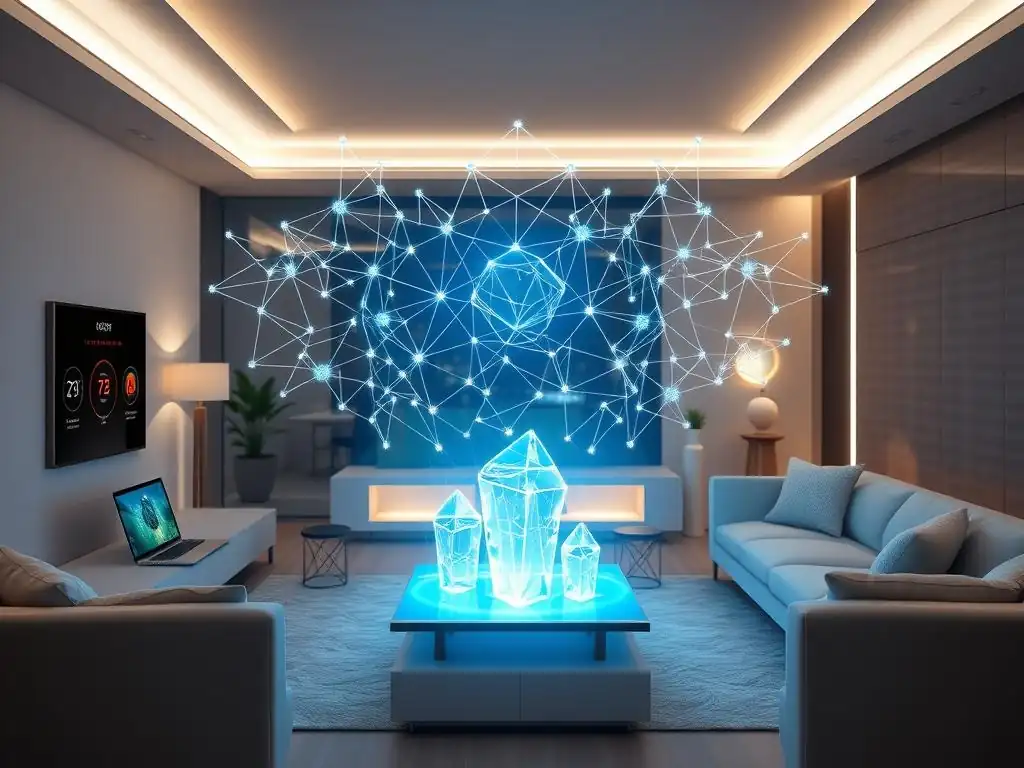
Welcome to Blockchain Trends, your go-to source for understanding the revolutionary power of blockchain! Beyond the buzz of cryptocurrencies, discover how this technology is reshaping industries. Today, we delve into a fascinating real-world application: how blockchain secures smart home IoT devices from ever-present cyber threats. Imagine a future where your smart home is impenetrable... Intrigued? Keep reading to learn how blockchain is making that a reality.
Use Case: Blockchain Securing Smart Home IoT Devices from Cyber Threats
- Introduction: The Growing Need for IoT Security in Smart Homes
- Understanding the Threat Landscape for Smart Home IoT
- Blockchain Technology: A Decentralized Security Solution for Smart Homes
- Use Case: Blockchain Securing Smart Home IoT Devices
- Blockchain-Based Security Mechanisms for Smart Homes: A Detailed Look
- Benefits of Using Blockchain to Secure Smart Home IoT
- Implementing Blockchain for Smart Home Security: A Practical Approach
- Case Study: Filament Using Blockchain to Secure Industrial IoT
- The Future of Blockchain and IoT Security in Smart Homes
- Conclusion: Blockchain's Potential to Revolutionize Smart Home Security
-
Frequently Asked Questions
- How can blockchain technology enhance the security of smart home IoT devices?
- What are the main vulnerabilities of traditional smart home IoT systems that blockchain aims to address?
- What is the role of smart contracts in securing smart home IoT devices using blockchain?
- How can blockchain help in managing and updating the firmware of smart home IoT devices securely?
- What are some potential challenges in implementing blockchain-based security solutions for smart home IoT devices?
- Final Reflection: Securing Our Connected Future
- Secure Your Smart Home Future: Take Action Now!
Introduction: The Growing Need for IoT Security in Smart Homes
The Vulnerability of Smart Home Devices to Cyberattacks
The proliferation of smart home devices has undeniably enhanced convenience and efficiency in our daily lives. From smart thermostats and lighting systems to security cameras and door locks, these interconnected devices promise a seamless and automated living experience. However, this interconnectedness also introduces a significant and often underestimated vulnerability: cyberattacks.
Many smart home devices are designed with minimal built-in security measures, often prioritizing ease of use and affordability over robust protection. This lack of security makes them easy targets for malicious actors seeking to exploit weaknesses in home networks. For example, numerous smart devices operate on default passwords, utilize outdated software, and lack proper encryption, creating easily exploitable entry points into a user's digital life.
Furthermore, the sheer volume of IoT devices in a typical smart home amplifies the attack surface. A study by Statista in 2023 estimated that the average US household has more than 25 connected devices, a number projected to grow significantly in the coming years.
Each device represents a potential point of failure, and a single compromised device can serve as a gateway to the entire home network, allowing hackers to access sensitive data, disrupt services, or even gain physical access through compromised smart locks or security systems. The complexity of managing security across this diverse ecosystem of devices presents a significant challenge for the average user, who may lack the technical expertise to properly configure and maintain the security of each individual device.
Why Traditional Security Measures Fall Short for IoT Devices
Traditional security measures, such as firewalls and antivirus software, primarily focus on protecting computers and servers. While these are essential components of network security, they are often inadequate for the unique challenges posed by IoT devices in smart homes. Firewalls, for instance, are designed to protect network perimeters, but many smart home devices communicate directly with cloud services, bypassing the traditional network perimeter. This direct communication can leave them vulnerable to attacks that originate outside the home network but target the device directly.
Antivirus software, typically installed on computers, is not designed to run on the resource-constrained operating systems of many IoT devices. Smart devices often have limited processing power and memory, making it impractical to install and run traditional antivirus solutions. Moreover, the diverse range of manufacturers and software platforms in the IoT ecosystem makes it difficult to develop and deploy universal security solutions.
Many IoT devices also lack regular security updates, leaving known vulnerabilities unpatched for extended periods. This is compounded by the fact that manufacturers may discontinue support for older devices, leaving them permanently vulnerable. The rapid pace of IoT innovation and the fragmented nature of the market necessitate a more adaptable and robust security approach than traditional methods can offer.
Understanding the Threat Landscape for Smart Home IoT
Common Cyber Threats Targeting Smart Home Devices
Smart home devices face a wide array of cyber threats, ranging from relatively simple attacks to sophisticated, targeted campaigns. One common threat is DDoS (Distributed Denial of Service) attacks, where compromised IoT devices are used to flood a target server or network with traffic, disrupting services. The Mirai botnet, which infamously used compromised IoT devices like security cameras to launch massive DDoS attacks in 2016, demonstrated the potential scale and impact of this type of threat.
Another prevalent threat is eavesdropping and data interception. Many smart devices transmit data wirelessly, and if this communication is not properly encrypted, attackers can intercept sensitive information, such as voice recordings from smart speakers or video feeds from security cameras.
Ransomware attacks, which encrypt data and demand a ransom for its release, are also emerging as a threat to smart homes. While less common than DDoS or eavesdropping, ransomware could potentially target critical smart home functions, such as smart locks or heating systems, causing significant disruption and distress to homeowners. Furthermore, botnets are frequently constructed using compromised IoT devices.
These botnets can then be used for a variety of malicious activities, including cryptocurrency mining, spam distribution, and further attacks on other networks. Finally, physical access vulnerability should not be overlooked. Weakly secured smart locks or garage door openers can be exploited to gain physical access to a home, blurring the lines between cyber and physical security threats in the smart home context.
Impact of Successful Attacks on Smart Home Ecosystems
The impact of successful cyberattacks on smart home ecosystems can range from minor inconveniences to serious security breaches and privacy violations. A compromised smart speaker, for instance, could be used to eavesdrop on conversations, collect personal data, or even place unauthorized orders. A compromised smart security camera could expose live video feeds of the home's interior to attackers, leading to severe privacy breaches and potential stalking or burglary. In a more serious scenario, attackers could gain control of smart locks or garage door openers, compromising the physical security of the home and potentially leading to theft or property damage.
Beyond privacy and security, successful attacks can also lead to significant financial losses. For example, if an attacker gains access to a smart thermostat, they could manipulate energy consumption, leading to inflated utility bills. Ransomware attacks could result in direct financial demands for data recovery or system restoration.
Furthermore, the reputational damage to smart home device manufacturers and service providers following a major security breach can be substantial, eroding consumer trust and hindering adoption. The interconnected nature of smart home ecosystems means that a single point of failure can have cascading effects, impacting multiple devices and services throughout the home.
The Rising Cost of IoT Security Breaches
The financial consequences of IoT security breaches are escalating rapidly. According to a report by IBM and Ponemon Institute in 2023, the average cost of a data breach globally reached \$4.45 million, and incidents involving IoT devices are often more expensive to remediate due to the complexity of these ecosystems and the lack of dedicated security expertise in many organizations and households.
Gartner predicts that by 2025, cyberattacks on IoT devices will have cost businesses and individuals billions of dollars annually. This figure encompasses direct financial losses from theft, fraud, and ransom payments, as well as indirect costs associated with incident response, system downtime, legal fees, and reputational damage.
The increasing reliance on IoT devices in critical infrastructure, such as smart grids and transportation systems, further amplifies the potential financial impact of security breaches. A successful attack on a smart grid, for example, could lead to widespread power outages and significant economic disruption. Similarly, vulnerabilities in connected vehicles could result in accidents and liabilities.
The cost of neglecting IoT security extends beyond immediate financial losses. It encompasses long-term damage to consumer trust, brand reputation, and the overall viability of the smart home and IoT markets. Investing in robust security measures is therefore not just a matter of risk mitigation but a crucial factor in ensuring the sustainable growth and societal benefit of IoT technologies.
Blockchain Technology: A Decentralized Security Solution for Smart Homes
How Blockchain Enhances Security in IoT Networks
Blockchain technology, originally popularized by cryptocurrencies like Bitcoin, offers a fundamentally different approach to security that is particularly well-suited to address the vulnerabilities of IoT networks in smart homes. Unlike traditional centralized security models, blockchain operates on a decentralized, distributed ledger system. This means that data is not stored in a single, vulnerable location but is instead replicated across a network of nodes. This decentralization inherently makes the system more resilient to attacks, as there is no single point of failure that an attacker can target to compromise the entire system.
Furthermore, blockchain leverages strong cryptographic techniques to secure data and transactions. Each block of data in the blockchain is cryptographically linked to the previous block, creating an immutable chain of records. Any attempt to tamper with data in a block would require altering all subsequent blocks, which is computationally infeasible in a well-established blockchain network. This immutability ensures the integrity of data transmitted and stored within the IoT network. Blockchain also facilitates secure authentication and authorization through cryptographic keys and digital signatures, providing a robust mechanism for verifying device identities and controlling access to resources.
Key Features of Blockchain for IoT Security: Immutability and Transparency
Immutability and transparency are two core features of blockchain that are particularly beneficial for enhancing IoT security in smart homes. Immutability means that once data is recorded on the blockchain, it cannot be altered or deleted. This is crucial for ensuring the integrity of sensor data collected by smart home devices, audit trails of device activity, and records of software updates.
For example, if a smart thermostat records temperature data on a blockchain, this data is tamper-proof and can be reliably used for energy management and analysis. Similarly, immutable logs of device access and control actions can provide valuable evidence in case of security incidents.
Transparency in blockchain refers to the fact that all transactions and data stored on the blockchain are typically visible to all participants in the network. While this might raise privacy concerns in some contexts, in the context of IoT security, selective transparency can be a powerful tool. For example, public blockchains can be used to verify the authenticity of software updates for smart devices.
Manufacturers can digitally sign software updates and record the hash of the update on the blockchain. Users can then independently verify that the update they are installing is genuine and has not been tampered with by comparing the hash of the downloaded update with the hash recorded on the blockchain. This transparency builds trust and reduces the risk of malicious software being installed on devices.
Decentralized Authentication and Access Control Using Blockchain
Traditional authentication and access control systems often rely on centralized servers, which can become single points of failure and attractive targets for attackers. Blockchain offers a decentralized alternative that eliminates the need for central authorities and enhances security. Using blockchain, each smart home device can be assigned a unique digital identity stored on the distributed ledger. This identity is cryptographically secured and cannot be easily spoofed. Authentication can be performed using cryptographic key pairs, where devices prove their identity by demonstrating ownership of the private key associated with their public blockchain identity.
Access control can be managed using smart contracts, which are self-executing agreements written in code and stored on the blockchain. Smart contracts can define rules for access control, specifying which devices or users are authorized to access specific resources or perform certain actions. For example, a smart contract could define that only authorized family members can unlock a smart door lock or control the security camera system.
Because smart contracts are executed automatically by the blockchain network, access control policies are enforced consistently and transparently, without relying on a central authority. This decentralized approach reduces the risk of single points of failure and enhances the overall security and resilience of the smart home ecosystem.
Use Case: Blockchain Securing Smart Home IoT Devices
Scenario: Securing a Smart Home Network with Blockchain
Imagine a modern smart home equipped with a variety of IoT devices: smart lighting, a smart thermostat, smart security cameras, smart door locks, and various sensors monitoring environmental conditions. These devices are interconnected and managed through a central smart home hub or a cloud-based platform. In a traditional setup, the security of this smart home network relies heavily on the security of the central hub and the cloud platform, both of which represent potential single points of failure. If the hub or cloud platform is compromised, all connected devices become vulnerable.
Now consider securing this smart home network using blockchain technology. Instead of relying on a centralized authority, a private or consortium blockchain can be deployed to manage device identities, secure data communication, and enforce access control policies. Each smart home device is registered on the blockchain and assigned a unique, cryptographically secured identity.
Communication between devices and with external services is encrypted and authenticated using blockchain-based protocols. Smart contracts are used to define and enforce access control rules, ensuring that only authorized users and devices can interact with specific smart home functions. This decentralized approach distributes security responsibilities across the network, making it significantly more resilient to attacks.
Problem: Existing Vulnerabilities in Smart Cameras
Smart cameras are a popular component of smart home security systems, providing remote monitoring and surveillance capabilities. However, they are also a common target for cyberattacks due to several inherent vulnerabilities. Many smart cameras have weak default passwords that users often fail to change, making them easily accessible to attackers using readily available hacking tools. Furthermore, some smart cameras utilize outdated firmware and software with known security flaws, which manufacturers may not consistently patch. This lack of updates leaves cameras vulnerable to exploitation by attackers who are aware of these vulnerabilities.
Another significant vulnerability lies in the centralized cloud platforms that many smart cameras rely on for video storage and remote access. If these cloud platforms are compromised, attackers could gain access to live video feeds and stored recordings from numerous cameras simultaneously. This poses a serious privacy risk and can also be exploited for malicious purposes, such as stalking or extortion.
Traditional security measures, like firewalls, may not effectively protect smart cameras because they often communicate directly with cloud services outside the home network, bypassing the firewall's perimeter protection. These vulnerabilities highlight the need for a more robust and decentralized security approach for smart cameras.
Solution: Implementing Blockchain-Based Security Protocols
Blockchain technology offers a compelling solution to address the vulnerabilities of smart cameras and enhance their security within a smart home ecosystem. By implementing blockchain-based security protocols, smart camera manufacturers and users can significantly strengthen their defenses against cyber threats. One key application is secure firmware updates.
Blockchain can be used to ensure the authenticity and integrity of firmware updates. Manufacturers can digitally sign firmware updates and record the cryptographic hash of the update on a blockchain. Smart cameras can then verify the signature and hash against the blockchain record before installing the update, ensuring that they are installing genuine, untampered firmware.
Decentralized access control is another crucial benefit. Instead of relying on centralized cloud platforms for access management, blockchain can enable peer-to-peer access control. Smart cameras can be configured to grant access only to authorized users based on blockchain-verified identities. Smart contracts can define access policies, specifying who can view live feeds, access recordings, or control camera settings. This decentralized approach eliminates the single point of failure associated with centralized cloud platforms and enhances user privacy by giving them greater control over who can access their camera feeds. Furthermore, encrypted video streaming and storage can be implemented using blockchain-based protocols. Video data can be encrypted end-to-end, from the camera to authorized viewers, ensuring confidentiality even if the communication channel is intercepted. Blockchain can also provide a secure and tamper-proof audit trail of camera activity, recording access attempts, configuration changes, and other relevant events for forensic analysis in case of security incidents.
Blockchain-Based Security Mechanisms for Smart Homes: A Detailed Look
Device Identity Management with Blockchain
Device identity management is a cornerstone of secure IoT ecosystems, and blockchain provides a robust and decentralized solution for this critical function. In a blockchain-based system, each smart home device is assigned a unique digital identity that is immutably recorded on the distributed ledger.
This identity typically consists of a cryptographic key pair: a public key that serves as the device's identifier and a private key that is securely stored within the device and used for authentication and digital signatures. The process of assigning and registering device identities on the blockchain can be automated during the device manufacturing or initial setup phase.
This blockchain-based identity management system offers several advantages over traditional centralized approaches. It eliminates the reliance on central identity providers, reducing the risk of single points of failure and enhancing system resilience. The cryptographic nature of blockchain identities makes them highly resistant to spoofing and forgery. Attackers cannot easily impersonate legitimate devices or inject unauthorized devices into the network because they would need to possess the private key associated with a valid blockchain identity.
Furthermore, blockchain enables decentralized identity verification. Devices and users can independently verify the identity of other participants in the network by checking their public keys against the blockchain ledger, without needing to rely on a central authority. This creates a more secure and trustworthy environment for communication and interaction within the smart home ecosystem.
Secure Data Transmission and Storage using Distributed Ledgers
Blockchain's distributed ledger technology provides a secure and tamper-proof foundation for data transmission and storage in smart home networks. Data transmitted between smart devices, or between devices and external services, can be encrypted and digitally signed using blockchain-based protocols. Encryption ensures the confidentiality of data in transit, protecting it from eavesdropping and interception. Digital signatures, generated using the private key associated with a device's blockchain identity, provide authentication and integrity, verifying the source of the data and ensuring that it has not been tampered with during transmission.
For data storage, blockchain can be used to create immutable and auditable records of sensor readings, device activity logs, and other critical information. Instead of storing data in centralized databases that are vulnerable to single points of failure and data breaches, data can be distributed across the blockchain network. Each block in the blockchain contains a batch of data records, cryptographically linked to the previous block, creating a chain of tamper-proof records.
This distributed and immutable storage mechanism ensures the integrity and availability of data even in the face of network disruptions or malicious attacks. Furthermore, blockchain's transparency features can be leveraged to provide audit trails of data access and modifications, enhancing accountability and facilitating forensic analysis in case of security incidents.
Smart contracts, self-executing agreements encoded on the blockchain, offer a powerful and automated mechanism for access control and authorization in smart home environments. Smart contracts can be programmed to define granular access control policies, specifying who or what devices are authorized to access specific resources or perform certain actions within the smart home network.
These policies can be based on various criteria, such as user roles, device types, time of day, or even environmental conditions. For example, a smart contract could be configured to allow only authorized family members to unlock the smart door lock, or to automatically adjust the smart thermostat settings based on pre-defined schedules and occupancy sensors.
Once deployed on the blockchain, smart contracts are executed automatically and transparently by the network nodes. When a device or user requests access to a resource or attempts to perform an action, the smart contract automatically verifies whether the request is authorized according to the defined policies. If authorized, access is granted; otherwise, it is denied.
This automated enforcement of access control policies eliminates the need for manual intervention and reduces the risk of human error or malicious manipulation. Because smart contracts are immutable and auditable, access control policies are consistently enforced and can be easily verified, enhancing trust and security within the smart home ecosystem. Furthermore, smart contracts can be updated to adapt to changing security requirements or user preferences, providing flexibility and adaptability in access control management.
Benefits of Using Blockchain to Secure Smart Home IoT
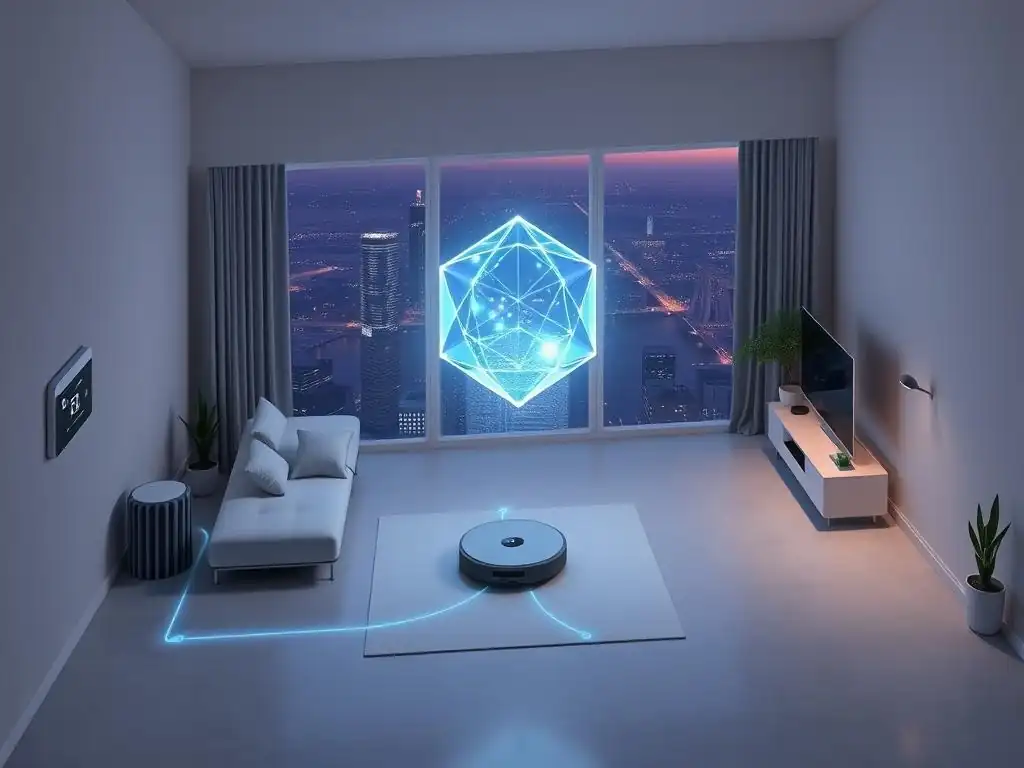
Enhanced Security and Reduced Risk of Cyberattacks
The primary benefit of utilizing blockchain for smart home IoT security is a significant enhancement in overall security posture and a substantial reduction in the risk of cyberattacks. Blockchain's decentralized and distributed nature eliminates single points of failure, making the system more resilient to attacks compared to traditional centralized architectures. The cryptographic security features of blockchain, including encryption, digital signatures, and hashing, provide robust protection against data breaches, tampering, and unauthorized access. Immutability ensures the integrity of data and audit trails, making it difficult for attackers to alter or erase evidence of malicious activity.
Decentralized identity management and access control, enabled by blockchain, strengthen authentication and authorization mechanisms, preventing unauthorized devices and users from gaining access to the smart home network and its resources. Smart contracts automate the enforcement of security policies, reducing the risk of human error and ensuring consistent application of security rules. By addressing key vulnerabilities inherent in traditional IoT security approaches, blockchain significantly minimizes the attack surface and reduces the likelihood of successful cyberattacks on smart home ecosystems. This enhanced security translates to greater peace of mind for homeowners and increased trust in smart home technologies.
Improved Data Privacy and User Control
Blockchain technology also offers significant benefits in terms of data privacy and user control within smart home environments. Traditional smart home systems often rely on centralized cloud platforms that collect and store vast amounts of user data, raising privacy concerns about data breaches, unauthorized access, and misuse of personal information. Blockchain, with its decentralized and privacy-preserving features, can empower users with greater control over their data and enhance data privacy.
Decentralized data storage, enabled by blockchain, reduces reliance on centralized data repositories, minimizing the risk of large-scale data breaches. Users can have greater control over who can access their data and for what purposes, through blockchain-based access control mechanisms and smart contracts. Privacy-enhancing technologies, such as zero-knowledge proofs and secure multi-party computation, can be integrated with blockchain to further enhance data privacy in smart home applications.
For example, users could selectively share data with service providers without revealing the underlying sensitive information. By shifting control from centralized platforms to individual users and devices, blockchain fosters a more privacy-centric and user-empowering approach to smart home data management.
Increased Trust and Transparency in the Smart Home Ecosystem
Blockchain can foster increased trust and transparency among users, device manufacturers, and service providers within the smart home ecosystem. Transparency, a core feature of many blockchain platforms, allows for auditable and verifiable records of device activity, data transactions, and security events. This transparency builds trust by making it easier to verify the integrity and security of the system and to identify and address any anomalies or security breaches. For example, users can verify the authenticity of software updates for their smart devices by checking the blockchain record, increasing confidence in the security of their devices.
Immutability of blockchain records ensures that data cannot be tampered with retroactively, further enhancing trust in the system's integrity. Smart contracts, with their transparent and automated execution, provide verifiable and predictable enforcement of agreements and policies, reducing the need for trust in intermediaries.
By fostering transparency and verifiability, blockchain can help to overcome trust deficits that may exist in the current smart home landscape and encourage greater adoption and utilization of smart home technologies. This increased trust can benefit all stakeholders, from users who feel more secure and in control to manufacturers and service providers who can build stronger relationships with their customers based on transparency and accountability.
Implementing Blockchain for Smart Home Security: A Practical Approach
Selecting the Right Blockchain Platform for IoT Security
Choosing the appropriate blockchain platform is crucial for successfully implementing blockchain-based security solutions in smart homes. Several blockchain platforms are available, each with its own characteristics and suitability for different IoT applications. Considerations for selecting the right platform include scalability, performance, cost, security features, privacy features, and interoperability.
For smart home applications, private or consortium blockchains are often preferred over public blockchains due to privacy concerns and the need for controlled access. Private blockchains offer greater control over network participants and data visibility, while consortium blockchains are governed by a group of organizations, providing a balance between decentralization and control.
Scalability is a critical factor, as smart home networks can involve a large number of devices generating significant volumes of data. The chosen blockchain platform should be able to handle the expected transaction throughput and data storage requirements. Performance, in terms of transaction latency and processing speed, is also important for real-time applications in smart homes, such as security monitoring and access control.
Cost considerations include the cost of deploying and operating the blockchain network, as well as transaction fees. Security features of the blockchain platform itself are paramount, ensuring the robustness and resilience of the underlying security infrastructure. Privacy features, such as support for confidential transactions and data encryption, are essential for protecting user privacy in smart home applications.
Finally, interoperability with existing smart home protocols and infrastructure is important for seamless integration and adoption. Examples of blockchain platforms often considered for IoT applications include Hyperledger Fabric, Ethereum (private deployments), and Corda.
Integrating Blockchain with Existing Smart Home Infrastructure
Integrating blockchain technology into existing smart home infrastructure requires a carefully planned and phased approach. Retrofitting blockchain security into legacy devices and systems can be challenging, but a gradual integration strategy can minimize disruption and maximize effectiveness. One approach is to focus on securing new devices and services with blockchain from the outset, while gradually phasing out or upgrading older, less secure components.
Gateway devices or smart home hubs can play a crucial role in bridging the gap between blockchain-enabled devices and legacy infrastructure. These gateways can act as intermediaries, translating between different communication protocols and managing blockchain interactions on behalf of legacy devices.
APIs (Application Programming Interfaces) and SDKs (Software Development Kits) are essential for facilitating the integration of blockchain functionality into smart home devices and applications. Manufacturers can develop blockchain-enabled devices with built-in support for blockchain protocols and APIs, making it easier for developers to build secure and interoperable smart home solutions. Standardized protocols and data formats for blockchain-based IoT security are also crucial for promoting interoperability and reducing fragmentation in the market. Collaboration between blockchain developers, IoT device manufacturers, and smart home platform providers is essential to establish industry standards and best practices for blockchain integration in smart homes.
Challenges and Considerations for Blockchain Implementation
While blockchain offers significant potential for enhancing smart home security, several challenges and considerations need to be addressed for successful implementation. Scalability remains a major challenge for many blockchain platforms, especially when dealing with the massive scale and data volumes of IoT networks. Further research and development are needed to improve the scalability of blockchain solutions for IoT applications. Interoperability between different blockchain platforms and with existing IoT protocols is another significant challenge. Lack of standardization and fragmented ecosystems can hinder widespread adoption and limit the benefits of blockchain in smart homes.
Complexity of blockchain technology can be a barrier to entry for both developers and users. Developing and deploying blockchain-based smart home solutions requires specialized expertise in cryptography, distributed systems, and smart contract programming. User-friendly interfaces and simplified deployment tools are needed to make blockchain accessible to a wider audience. Regulatory and compliance considerations are also important, particularly in areas related to data privacy and security.
Blockchain-based solutions must comply with relevant regulations, such as GDPR and CCPA, and address potential legal and ethical implications. Energy consumption of some blockchain platforms, particularly proof-of-work based systems, can be a concern for resource-constrained IoT devices. Energy-efficient consensus mechanisms and optimized blockchain implementations are needed to minimize energy footprint. Addressing these challenges and considerations through ongoing research, development, and standardization efforts is crucial for realizing the full potential of blockchain to revolutionize smart home security.
Case Study: Filament Using Blockchain to Secure Industrial IoT
Overview of Filament and its Approach to Industrial IoT Security
Filament is a real-world company that exemplifies the application of blockchain technology to secure Industrial IoT (IIoT) deployments. While focused on industrial settings, Filament's approach and technologies are highly relevant to understanding blockchain's potential for securing smart homes, which share similar security challenges with IIoT, albeit on a different scale. Filament provides a comprehensive platform that leverages blockchain to establish secure and trusted connections between industrial devices, edge computing resources, and cloud platforms. Their solution addresses key IIoT security concerns, such as device identity management, data integrity, and secure communication in often harsh and remote industrial environments.
Filament's core technology revolves around their Blocklet platform, which provides a decentralized and secure operating environment for IoT devices. Blocklets are essentially secure hardware modules that can be integrated into industrial devices, providing them with blockchain connectivity and security capabilities. These Blocklets act as secure enclaves, isolating sensitive data and cryptographic keys from the device's main operating system and protecting them from tampering.
Filament's approach emphasizes edge computing and decentralized intelligence, enabling devices to operate autonomously and securely even in environments with limited or intermittent network connectivity. Their focus on industrial applications, where security and reliability are paramount, demonstrates the robustness and practicality of blockchain-based security solutions for IoT.
Implementation Details and Technologies Used
Filament's solution utilizes a private blockchain network to manage device identities, secure data communication, and enforce access control policies in IIoT deployments. Their Blocklet hardware modules incorporate secure elements for storing cryptographic keys and performing cryptographic operations, ensuring the integrity and confidentiality of device identities and data. The blockchain network is typically permissioned, meaning that only authorized devices and participants can join the network and interact with the ledger. This controlled access enhances security and privacy in industrial settings.
Filament employs a combination of blockchain technology, cryptography, and secure hardware to achieve its security goals. They utilize cryptographic protocols for secure device authentication, data encryption, and digital signatures. Their Blocklet modules incorporate tamper-resistant hardware to protect cryptographic keys and prevent physical attacks. The blockchain network provides a distributed and immutable ledger for recording device identities, configuration data, and audit trails. Smart contracts are used to automate access control policies and manage device permissions. Filament's technology stack is designed for scalability and reliability in demanding industrial environments, addressing challenges such as intermittent connectivity, resource constraints, and harsh operating conditions.
Results and Impact on IoT Security Post-Implementation
While specific quantifiable results from Filament's deployments are often proprietary and client-specific, the general impact of implementing their blockchain-based security solution in industrial IoT environments is well-documented and aligns with the anticipated benefits of blockchain for IoT security. By deploying Filament's Blocklet platform, industrial organizations have achieved enhanced security and reduced risk of cyberattacks on their IIoT infrastructure. The decentralized and cryptographic security features of blockchain provide robust protection against data breaches, device hijacking, and malicious manipulation.
Improved data integrity and auditability are another key benefit. Blockchain's immutable ledger ensures the accuracy and trustworthiness of data collected from industrial devices, providing reliable information for operational decision-making and regulatory compliance.
Streamlined device management and provisioning are also facilitated by Filament's solution. Blockchain-based device identity management simplifies the process of onboarding and managing large numbers of industrial devices, reducing administrative overhead and improving operational efficiency. Increased trust and transparency within the industrial ecosystem are fostered by blockchain's transparent and auditable nature.
Stakeholders can have greater confidence in the security and integrity of data and processes within the IIoT network. Filament's case study demonstrates the practical viability and tangible benefits of applying blockchain technology to address real-world security challenges in complex IoT environments, providing valuable insights applicable to smart home security as well.
The Future of Blockchain and IoT Security in Smart Homes
Emerging Trends in Blockchain-Based IoT Security Solutions
The field of blockchain-based IoT security is rapidly evolving, with several emerging trends poised to shape the future of smart home security. Zero-knowledge proofs (ZKPs) are gaining traction as a privacy-enhancing technology that can be integrated with blockchain to enable secure data sharing and verification without revealing sensitive information. ZKPs could be used in smart homes to allow users to prove ownership or control of devices without exposing their private keys or other sensitive data to service providers or other parties.
Decentralized identity (DID) solutions built on blockchain are becoming increasingly important for providing users with self-sovereign control over their digital identities and data. DIDs can empower smart home users to manage their identities and control access to their devices and data in a more privacy-preserving and user-centric manner.
Confidential computing technologies, such as trusted execution environments (TEEs), are being combined with blockchain to create secure and private computing platforms for IoT data processing. TEEs can protect sensitive data and code from unauthorized access even within the device itself, enhancing the security and privacy of data processing at the edge. Interoperable blockchain frameworks and standards are emerging to address the fragmentation of the blockchain landscape and promote seamless integration between different blockchain platforms and IoT ecosystems.
These frameworks will be crucial for enabling wider adoption and maximizing the benefits of blockchain for smart home security. AI and machine learning integration with blockchain-based IoT security is another promising trend. AI algorithms can be used to analyze blockchain data and identify security threats, anomalies, and vulnerabilities in smart home networks, enabling proactive security measures and automated threat response.
The Role of Blockchain in Building More Secure and Resilient Smart Homes
Blockchain technology is poised to play a transformative role in building more secure and resilient smart homes in the future. By addressing fundamental security vulnerabilities inherent in traditional IoT architectures, blockchain can create a more trustworthy and robust foundation for smart home ecosystems. Blockchain's decentralized nature will enhance the resilience of smart homes to single points of failure and distributed attacks. Cryptographic security features will provide robust protection against data breaches, unauthorized access, and tampering. Decentralized identity management will empower users with greater control over their identities and data, enhancing privacy and security.
Smart contracts will automate the enforcement of security policies and enable more granular and dynamic access control. The transparency and auditability of blockchain will foster increased trust and accountability within the smart home ecosystem, encouraging wider adoption and utilization of smart home technologies. As blockchain technology matures and becomes more widely adopted, it is expected to become an increasingly integral component of smart home security architectures.
Blockchain will not be a silver bullet solution, but rather a key enabler of a more secure, private, and user-centric smart home future. Its integration with other security technologies, such as AI, confidential computing, and zero-knowledge proofs, will further enhance the security and resilience of smart homes against evolving cyber threats.
Addressing Scalability and Interoperability Challenges in Blockchain IoT
While blockchain offers significant promise for smart home IoT security, addressing scalability and interoperability challenges is crucial for realizing its full potential. Scalability limitations of some blockchain platforms can hinder their ability to handle the massive scale and data volumes of smart home networks. Research and development efforts are focused on improving blockchain scalability through techniques such as sharding, layer-2 solutions, and optimized consensus mechanisms.
Interoperability issues between different blockchain platforms and with existing IoT protocols can create silos and limit the benefits of blockchain in fragmented smart home ecosystems. Standardization initiatives and interoperability frameworks are needed to promote seamless integration and communication between different blockchain-based IoT solutions.
Lightweight blockchain implementations specifically designed for resource-constrained IoT devices are also being developed to address scalability and performance challenges. These lightweight blockchains aim to reduce the computational and storage overhead of blockchain nodes, making them suitable for deployment on low-power smart devices. Hybrid blockchain architectures, combining public and private blockchain components, are being explored to balance transparency, security, and scalability requirements in smart home applications.
Cross-chain communication protocols and bridges are being developed to enable interoperability between different blockchain platforms, facilitating data sharing and value transfer across diverse IoT ecosystems. Overcoming these scalability and interoperability challenges through ongoing innovation and collaboration is essential for unlocking the full potential of blockchain to secure and transform the future of smart homes.
Conclusion: Blockchain's Potential to Revolutionize Smart Home Security
Blockchain technology presents a compelling and transformative solution for securing smart home IoT devices against the ever-growing threat of cyberattacks. By leveraging its decentralized, cryptographic, and immutable nature, blockchain addresses critical vulnerabilities inherent in traditional centralized security models and offers a more robust, resilient, and privacy-preserving approach to smart home security. From enhancing device identity management and securing data transmission to enabling decentralized access control and fostering increased trust and transparency, blockchain's potential to revolutionize smart home security is undeniable.
While challenges related to scalability, interoperability, and complexity remain, ongoing innovation and industry collaboration are actively addressing these hurdles. Emerging trends such as zero-knowledge proofs, decentralized identities, and confidential computing further amplify blockchain's capabilities in securing and enhancing privacy in smart home environments.
As blockchain technology matures and becomes more widely adopted, it is poised to become a cornerstone of next-generation smart home security architectures, paving the way for more secure, user-centric, and trustworthy smart living experiences. The use case of blockchain securing smart home IoT is not just a theoretical possibility but a rapidly evolving reality with the potential to fundamentally reshape how we protect our homes and digital lives in the increasingly interconnected world.
Frequently Asked Questions
How can blockchain technology enhance the security of smart home IoT devices?
Blockchain provides a decentralized and immutable ledger that can be used to authenticate devices and record data, making it much harder for hackers to compromise the entire system. This reduces the risk of unauthorized access and control.
What are the main vulnerabilities of traditional smart home IoT systems that blockchain aims to address?
Traditional systems often rely on centralized servers, creating a single point of failure. Blockchain addresses this by distributing trust and securing communication through cryptographic methods, mitigating risks like man-in-the-middle attacks.
What is the role of smart contracts in securing smart home IoT devices using blockchain?
Smart contracts can automate security protocols by enforcing pre-defined rules for device behavior and data access. They ensure that devices operate within specified parameters and can automatically respond to security breaches.
How can blockchain help in managing and updating the firmware of smart home IoT devices securely?
Blockchain can provide a secure and transparent audit trail for firmware updates, ensuring that only authorized updates are installed. This prevents malicious actors from injecting compromised firmware, which could take control of the devices.
What are some potential challenges in implementing blockchain-based security solutions for smart home IoT devices?
Challenges include the computational overhead of blockchain, which can be resource-intensive for low-powered devices. Scalability and interoperability with existing IoT infrastructure are also key considerations.
Final Reflection: Securing Our Connected Future
The proliferation of smart home IoT devices has brought unprecedented convenience, but it has also opened a Pandora's Box of security vulnerabilities. The urgent need for robust security solutions, like blockchain, is now undeniable. The potential for malicious actors to exploit these devices, gaining access to personal data and even controlling physical aspects of our homes, demands immediate and innovative action.
The promise of blockchain in securing these devices lies not just in its technological capabilities, but in its potential to reshape our understanding of trust and security in the digital age. This exploration has reinforced my belief that decentralized technologies are crucial for building a more secure and resilient future for our homes and families. Security is always seen as too expensive until you aren't secure anymore.
- Unknown. This quote perfectly encapsulates the proactive approach we must adopt when it comes to securing our smart homes.
As we move forward, let us not simply be passive consumers of technology, but active participants in shaping its future. Consider the security implications of every smart device you bring into your home. Research and demand solutions that prioritize your privacy and security. Embrace the potential of blockchain and other innovative technologies to build a truly secure and connected future for ourselves and generations to come.
Secure Your Smart Home Future: Take Action Now!
Thank you for exploring how blockchain can help protect your smart home from cyber threats. You've gained valuable insights into safeguarding your connected devices and data. Now, it's time to put that knowledge into practice.
Here’s how you can enhance your smart home security:
- Immediately review your smart home devices for vulnerabilities and update their firmware to ensure they have the latest security patches.
- Consider exploring open-source blockchain projects dedicated to IoT security and see how their solutions can be integrated into your home setup.
- Share this information with friends and family who own smart devices and encourage them to prioritize cybersecurity, helping to build a safer connected community.
What security measure will you implement first to safeguard your smart home? Share your thoughts and experiences in the comments below!
Leave a Reply