
Decentralized Identity Security for Remote Workforces: Secure Access Anywhere

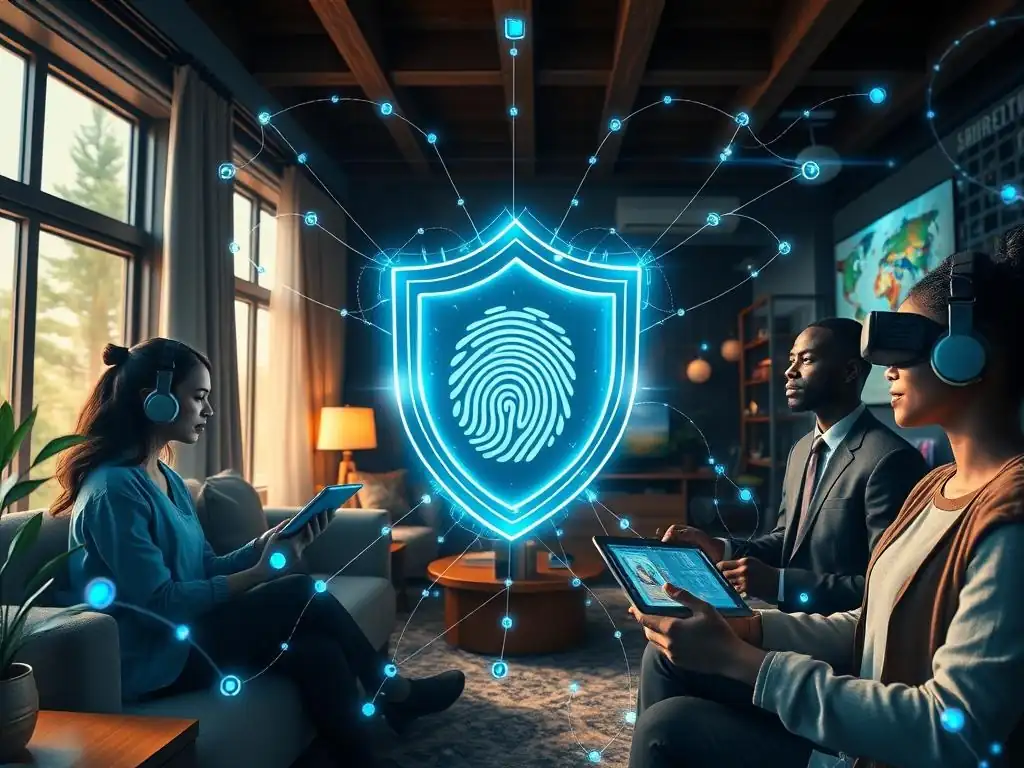
Welcome to Blockchain Trends, your source for in-depth analysis of blockchain's evolving landscape.
Are you ready to unlock the key to a secure remote workforce? In today's interconnected world, ensuring robust and decentralized identity security is paramount. Explore how blockchain technology is revolutionizing access control and safeguarding sensitive data in our main article, "Decentralized Identity Security for Remote Workforces: Secure Access Anywhere." Discover the cutting-edge solutions that are reshaping cybersecurity in the age of remote work – and how you can leverage them. Intrigued? Let's dive in.
Decentralized Identity Security for Remote Workforces: Secure Access Anywhere
- The Rise of Remote Work and the Need for Enhanced Identity Security
-
Frequently Asked Questions
- How can blockchain technology enhance secure remote workforce identity management?
- What are the primary benefits of using a decentralized identity solution for a remote workforce?
- How does a blockchain-based identity system address the challenges of secure remote workforce identity authentication?
- What are the key regulatory considerations when implementing a decentralized identity solution for a remote workforce?
- How can businesses get started with implementing a secure remote workforce identity solution using blockchain?
- Final Reflection: Embracing Secure Remote Workforce Identity
- Unleash the Power of Secure Access: Start Protecting Your Remote Team Today!
The Rise of Remote Work and the Need for Enhanced Identity Security

Understanding the Challenges of Traditional Identity Management in Remote Work Environments
Traditional identity management systems, often relying on centralized directories and password-based authentication, face significant challenges in the remote work era. These systems were primarily designed for office-centric environments, where network perimeters were more clearly defined, and employees accessed resources from within a controlled infrastructure. In remote work settings, this perimeter dissolves, and employees connect from diverse and often unsecured networks, utilizing personal devices alongside company-issued ones. This expanded attack surface strains traditional identity solutions, making them vulnerable to breaches and unauthorized access.
One major challenge is the reliance on passwords, which are notoriously weak and easily compromised, especially when employees are working outside the secure confines of the office network. Phishing attacks, for example, have seen a dramatic increase since the shift to remote work, with the FBI reporting a 300% increase in reported cybercrimes in 2020 alone, a significant portion targeting remote workers.
Furthermore, managing access across various cloud applications and services, which are essential for remote collaboration, becomes complex and fragmented with traditional identity solutions. IT departments struggle to maintain visibility and control over who is accessing what, creating security gaps and increasing the risk of data leaks and unauthorized system intrusions.
The Growing Threat Landscape: Why Remote Workforces Need Robust Security
The shift to remote work has coincided with a significant escalation in the sophistication and frequency of cyberattacks. Cybercriminals are keenly aware of the vulnerabilities inherent in remote work environments and are actively exploiting them. Ransomware attacks, for instance, have become a pervasive threat, with remote workers often serving as entry points into corporate networks. According to a report by Verizon, ransomware attacks increased by 13% in 2023, and a substantial portion of these incidents began with compromised credentials, often obtained through phishing or malware targeting remote employees.
Beyond ransomware, data breaches and insider threats also pose significant risks to remote workforces. Employees working from home may be less diligent about security protocols, potentially using unsecured Wi-Fi networks or failing to update their devices promptly, creating vulnerabilities that attackers can exploit. The lack of physical oversight in remote environments also increases the risk of insider threats, whether malicious or unintentional. A robust security strategy is no longer optional; it's a critical necessity for organizations to protect sensitive data, maintain business continuity, and ensure the security of their remote workforce in this evolving threat landscape.
Frequently Asked Questions
How can blockchain technology enhance secure remote workforce identity management?
Blockchain offers immutable record-keeping and decentralized control, allowing for verifiable credentials and eliminating single points of failure, thus boosting security for remote access.
What are the primary benefits of using a decentralized identity solution for a remote workforce?
Decentralized identity provides enhanced security, improved user privacy, and reduced reliance on centralized authorities, mitigating risks associated with data breaches and unauthorized access.
How does a blockchain-based identity system address the challenges of secure remote workforce identity authentication?
It leverages cryptographic verification and distributed ledgers to ensure that users are who they claim to be, replacing vulnerable password-based systems with more secure methods.
What are the key regulatory considerations when implementing a decentralized identity solution for a remote workforce?
Compliance with data privacy regulations like GDPR and CCPA is crucial, as well as adherence to industry-specific standards for data security and identity management.
How can businesses get started with implementing a secure remote workforce identity solution using blockchain?
Begin with a proof-of-concept project, focusing on a specific use case, and then gradually scale the solution while ensuring integration with existing IT infrastructure and compliance with relevant regulations.
Final Reflection: Embracing Secure Remote Workforce Identity
The shift to remote work has irrevocably changed the landscape of business, and with it, the paramount importance of secure remote workforce identity has become undeniably clear. No longer can we rely on traditional, centralized security models; the perimeter has dissolved, and identity is now the new battleground. The strategies and technologies discussed throughout this article are not merely theoretical exercises, but rather essential tools for navigating this evolving digital frontier and safeguarding sensitive data in a world where "anywhere" is the new office.
The ongoing influence of decentralized identity solutions is undeniable, shaping how organizations approach security and empowering individuals with greater control over their digital lives. This paradigm shift, moving from centralized control to user-centric ownership, is not just a technological advancement, but a fundamental change in how we perceive and manage identity in the digital age. Identity is not just a set of attributes; it's the essence of who we are in the digital world.
This quote underscores the profound responsibility we have to protect and empower individuals in this new era of remote work and decentralized identity.
As you navigate the complexities of managing a remote workforce, remember the core principles outlined in this article. Embrace the power of decentralized identity, prioritize user empowerment, and continuously adapt your security strategies to meet the ever-evolving threat landscape. The future of work is decentralized, and the future of security must be as well. Let us all strive to build a more secure and trustworthy digital world, one identity at a time.
Unleash the Power of Secure Access: Start Protecting Your Remote Team Today!
Thank you for exploring the world of decentralized identity and its essential role in securing remote workforces. We hope you've gained a clear understanding of how blockchain technology can transform your security strategies. Now, it's time to take proactive steps to protect your team and data.
Here are some actions you can start implementing right now:
- Launch a Pilot Program: Begin with a small team or department to test and deploy a decentralized identity solution. Document your experiences and share insights to build internal expertise.
- Evaluate DID Providers: Research and compare various decentralized identity solution providers, considering factors like scalability, ease of integration, and security features.
- Share This Article: Help raise awareness about decentralized identity by sharing this article with your network, encouraging collaboration and broader adoption.
What decentralized identity solution are you most interested in exploring for your remote workforce, and what challenges do you foresee during implementation? Share your thoughts in the comments below!
Leave a Reply