
Decentralized Identity Use Cases: RealWorld Security Applications

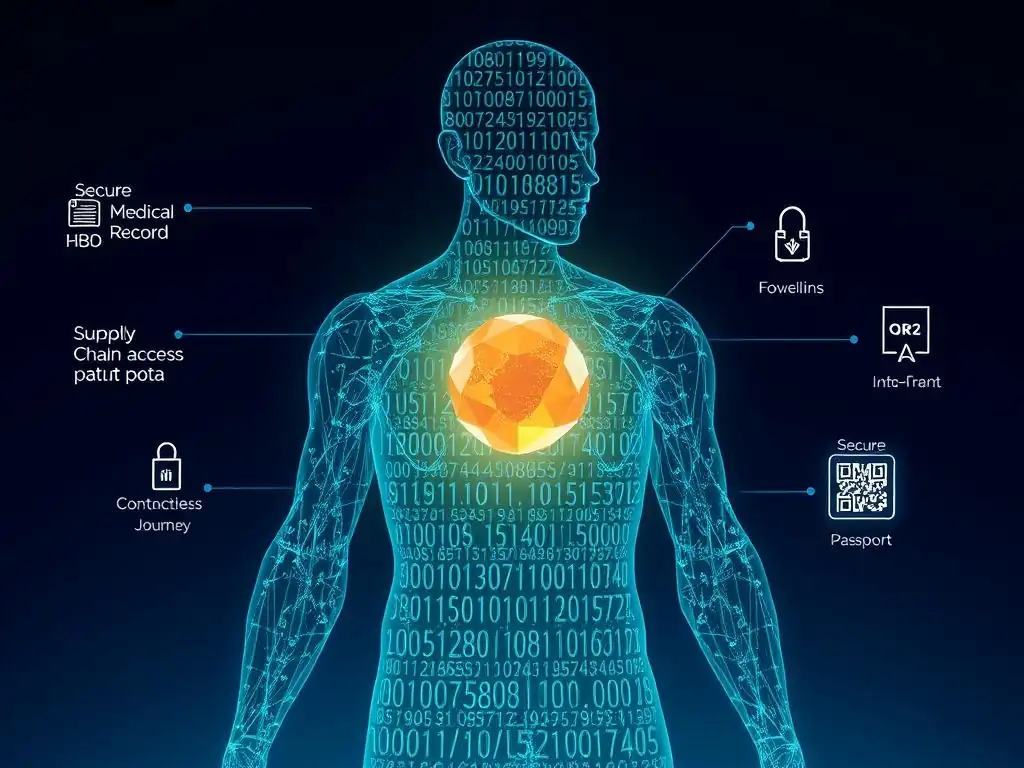
Welcome to Blockchain Trends, your compass in the rapidly evolving world of decentralized technologies! Beyond the buzz of cryptocurrencies, blockchain is reshaping industries, from finance to supply chains. Curious about how this innovation is being used to secure your digital life? Dive in as we explore the exciting world of blockchain identity security applications and uncover how they are being implemented to create a safer and more trustworthy digital future. Discover real-world use cases and unlock the potential of decentralized security – the future is here, and it's secured by blockchain.
Decentralized Identity Use Cases: Real-World Security Applications
- Introduction to Decentralized Identity
- Decentralized Identity Applications: A Deep Dive
-
Real-World Use Cases of Decentralized Identity (DID)
- Decentralized Identity in Healthcare: Patient Empowerment & Interoperability
- Decentralized Identity in Supply Chain Management: Counterfeit Prevention & Ethical Sourcing
- Decentralized Identity in Financial Services: Streamlining KYC & Secure Payments
- Decentralized Identity in Government: Citizen Empowerment & Efficient Services
- Decentralized Identity in Education: Lifelong Learning & Skill Verification
- Benefits of Decentralized Identity Applications
- Challenges and Considerations for Implementing Decentralized Identity
- The Future of Decentralized Identity Applications
- Conclusion: Embracing Decentralized Identity for a More Secure Future
-
Frequently Asked Questions
- What are some real-world blockchain identity security applications?
- How does blockchain enhance identity security compared to traditional methods?
- What role does decentralization play in blockchain-based identity solutions?
- How is blockchain identity security being used in the context of DeFi (Decentralized Finance)?
- What are some of the challenges facing the widespread adoption of blockchain identity security applications?
- Final Reflection: Embracing the Future of Secure Identity
- Unlock Your Secure Future with Decentralized Identity!
Introduction to Decentralized Identity
The Growing Need for User-Centric Identity Solutions
In our increasingly digital world, the management of digital identities has become paramount. Traditional identity systems are often centralized, meaning a single entity controls and stores user data. This model presents several vulnerabilities, including single points of failure susceptible to large-scale data breaches. For example, the Equifax breach in 2017 compromised the sensitive data of approximately 147 million individuals due to a centralized database vulnerability.
Furthermore, users have limited control over their personal information, often unaware of how their data is being used or shared. This lack of transparency and user agency fuels a growing demand for user-centric identity solutions that prioritize security, privacy, and individual empowerment. The current landscape necessitates a shift towards models where individuals have greater ownership and control over their digital identities.
The rise of online services and the Internet of Things (IoT) further exacerbates the challenges of centralized identity management. Each online platform and connected device often requires users to create and manage separate accounts, leading to password fatigue, fragmented digital footprints, and increased security risks. A study by Verizon in 2020 revealed that weak or stolen passwords were the primary cause of data breaches in 80% of hacking-related breaches.
This complex web of identities not only inconveniences users but also creates numerous opportunities for cybercriminals to exploit vulnerabilities across different platforms. The need for a unified, secure, and user-controlled identity system is therefore not just desirable, but essential for navigating the complexities of the modern digital ecosystem.
Understanding Decentralized Identity (DID) and its Core Principles
Decentralized Identity (DID) offers a paradigm shift in how we manage digital identities by placing individuals at the center of their identity ecosystem. Unlike traditional centralized systems, DID leverages blockchain technology and cryptographic techniques to enable self-sovereign identity. At its core, DID empowers users to create and control their own digital identities without relying on intermediaries or central authorities. This control is achieved through unique identifiers registered on a decentralized ledger, such as a blockchain, and associated with cryptographic keys that only the identity owner possesses.
The core principles of DID revolve around user control, privacy, and security. Self-sovereignty is a cornerstone, granting individuals complete autonomy over their identity data. Users decide what information to share, with whom, and for how long. Privacy is enhanced through selective disclosure, allowing users to share only the necessary information required for a specific interaction, minimizing data exposure.
Security is strengthened through the use of cryptographic keys, making DIDs resistant to unauthorized access and manipulation. Furthermore, the decentralized nature of the underlying infrastructure reduces the risk of single points of failure and enhances resilience against large-scale breaches. This shift towards decentralized identity represents a fundamental change in the power dynamic of digital identity management, placing control back in the hands of individuals.
Decentralized Identity Applications: A Deep Dive
Securing Digital Interactions with Decentralized Technology
Decentralized technology, particularly blockchain, provides a robust foundation for securing digital interactions through Decentralized Identity. By leveraging the immutable and transparent nature of blockchain, DID offers enhanced security compared to traditional centralized systems. When a DID is created, it is anchored to a blockchain, creating a verifiable and tamper-proof record of its existence. This immutability ensures that the identity cannot be altered or deleted without the owner's cryptographic keys, providing a strong layer of security against identity theft and manipulation.
Furthermore, decentralized identity security applications benefit from the cryptographic mechanisms inherent in blockchain technology. Digital signatures and zero-knowledge proofs can be seamlessly integrated with DIDs to authenticate users and verify credentials securely and privately. For instance, when logging into a service using DID, a user can cryptographically prove their identity without revealing sensitive personal information to the service provider. This minimizes the risk of data breaches and enhances user privacy. The combination of blockchain's security features and cryptographic protocols makes DID a powerful tool for securing digital interactions across various applications, ranging from online authentication to secure data sharing.
Enhancing Data Privacy and Control Through Self-Sovereign Identity
Self-Sovereign Identity (SSI), enabled by Decentralized Identity, fundamentally enhances data privacy and user control. In traditional identity models, users often relinquish control of their personal data to service providers, who may collect, store, and use this data without explicit user consent or transparency. SSI reverses this paradigm by empowering individuals to own and manage their identity data directly. With SSI, users store their identity information in a secure digital wallet under their control, choosing what data to share and with whom.
This user-centric approach to data management significantly improves privacy. Instead of providing copies of personal documents or filling out lengthy forms each time they interact with a new service, users can selectively share verifiable credentials issued by trusted authorities. For example, a university can issue a verifiable credential attesting to a graduate's degree, which the graduate can then present to potential employers without revealing other personal details.
This selective disclosure minimizes data exposure and reduces the risk of privacy violations. Moreover, the decentralized nature of DID eliminates central repositories of sensitive data, further mitigating the risk of large-scale data breaches and enhancing overall data privacy.
Real-World Use Cases of Decentralized Identity (DID)
Decentralized Identity in Healthcare: Patient Empowerment & Interoperability
Patient-Controlled Access to Medical Records
Decentralized Identity holds immense potential to revolutionize healthcare by empowering patients with control over their medical records and improving interoperability between healthcare providers. Currently, medical records are often siloed within individual hospitals or clinics, making it challenging for patients and healthcare professionals to access a complete medical history. DID can provide patients with a unified, portable digital identity that allows them to aggregate their medical records from various sources into a single, secure digital wallet. Patients can then control who has access to their records, granting permissions to doctors, specialists, or researchers as needed.
This patient-centric model of medical record management offers significant advantages. Patients gain greater agency over their healthcare journey, ensuring that their medical information is readily available when and where it is needed. For example, a patient visiting a new specialist can instantly grant access to their relevant medical history, facilitating faster and more informed diagnoses.
Moreover, DID enhances data security and privacy in healthcare. By controlling access permissions, patients can prevent unauthorized access to their sensitive medical data, mitigating the risk of data breaches and privacy violations, which are increasingly prevalent in the healthcare sector. Industry reports suggest that healthcare data breaches have been rising by an average of 15% annually over the past five years, highlighting the urgent need for enhanced security measures like DID.
Secure Data Sharing for Research and Collaboration
Beyond patient empowerment, Decentralized Identity can also facilitate secure and privacy-preserving data sharing for medical research and collaboration. Medical research often relies on access to large datasets of patient information to identify trends, develop new treatments, and improve healthcare outcomes. However, sharing sensitive patient data raises significant privacy concerns and regulatory hurdles, such as HIPAA in the United States and GDPR in Europe. DID can address these challenges by enabling researchers to access anonymized or pseudonymized patient data with patient consent, while ensuring compliance with privacy regulations.
Using DID, patients can grant researchers permission to access specific portions of their medical records for research purposes, while maintaining control over their identity and personal information. Verifiable credentials can be used to attest to a patient's consent and data access permissions, ensuring transparency and accountability in data sharing. Furthermore, techniques like differential privacy and zero-knowledge proofs can be integrated with DID to enable researchers to analyze aggregated data without revealing individual patient identities.
This approach allows for valuable medical research to be conducted while upholding patient privacy and fostering greater collaboration among researchers and healthcare institutions globally. The ability to securely and privately share medical data can accelerate medical breakthroughs and improve public health outcomes.
Decentralized Identity in Supply Chain Management: Counterfeit Prevention & Ethical Sourcing
Verifying Origin and Authenticity of Goods
Decentralized Identity presents a powerful solution for enhancing supply chain transparency and combating counterfeiting by verifying the origin and authenticity of goods. Counterfeit products cost businesses billions of dollars annually and can pose significant risks to consumers, particularly in sectors like pharmaceuticals and luxury goods. DID can be used to create digital twins of physical products, assigning each product a unique decentralized identifier linked to its provenance and journey through the supply chain. This allows consumers and businesses to verify the authenticity of a product by tracing its history back to its source.
For example, in the luxury goods industry, DID can be embedded into product packaging or directly into the product itself, providing a tamper-proof digital certificate of authenticity. Consumers can then scan a QR code or use a mobile app to verify the product's origin, materials, and manufacturing process, ensuring they are purchasing genuine goods.
This not only protects consumers from counterfeit products but also enhances brand reputation and trust. According to a report by the Organisation for Economic Co-operation and Development (OECD), international trade in counterfeit and pirated goods amounted to as much as USD 500 billion in 2016, highlighting the massive scale of the problem and the need for robust solutions like DID.
Ensuring Compliance with Labor and Environmental Standards
Beyond authenticity, Decentralized Identity can also play a crucial role in promoting ethical sourcing and ensuring compliance with labor and environmental standards throughout the supply chain. Consumers and businesses are increasingly concerned about the ethical and environmental impact of their purchasing decisions. DID can be used to track and verify compliance with fair labor practices, environmental sustainability certifications, and other ethical sourcing standards. Suppliers and manufacturers can issue verifiable credentials attesting to their adherence to these standards, which can be transparently recorded on a blockchain and easily verified by stakeholders.
For instance, in the fashion industry, DID can be used to track the cotton used in clothing from farm to finished garment, verifying that it was sourced from suppliers who comply with fair labor practices and sustainable farming methods. Consumers can then access this information through the product's DID, making informed purchasing decisions that align with their values.
This enhanced transparency and accountability can drive positive change in supply chains, promoting ethical and sustainable practices. A 2020 study by Nielsen found that 73% of global consumers say they would definitely or probably change their consumption habits to reduce their impact on the environment, indicating a growing demand for ethical and sustainable products and the solutions like DID that can verify their provenance.
Decentralized Identity in Financial Services: Streamlining KYC & Secure Payments
Reducing Onboarding Friction with Verified Credentials
In the financial services industry, Decentralized Identity offers a significant opportunity to streamline Know Your Customer (KYC) processes and reduce onboarding friction for new customers. KYC compliance is a critical but often cumbersome and costly requirement for financial institutions. DID and verifiable credentials can simplify KYC by allowing customers to present reusable digital identities and verified credentials issued by trusted authorities, such as government agencies or accredited KYC providers.
Instead of repeatedly providing personal information and documents to each financial institution, customers can create a DID and obtain verifiable credentials attesting to their identity, address, and other KYC requirements. These credentials can then be selectively shared with financial institutions, reducing the need for redundant data collection and verification processes.
This not only speeds up customer onboarding but also reduces operational costs for financial institutions and enhances customer experience. According to a report by Thomson Reuters, financial institutions spend an estimated USD 500 billion annually on KYC compliance, indicating the potential for significant cost savings through the adoption of DID-based KYC solutions.
Enabling Secure and Private Transactions
Decentralized Identity can also enhance the security and privacy of financial transactions. Traditional payment systems often rely on centralized intermediaries and involve the sharing of sensitive financial information, increasing the risk of fraud and data breaches. DID can enable more secure and private transactions by allowing users to authenticate themselves and authorize payments using their decentralized identities and cryptographic keys, without revealing sensitive personal or financial data to intermediaries.
For example, DID can be integrated with digital wallets and payment platforms to enable peer-to-peer transactions that are verified on a blockchain, providing a secure and transparent record of the transaction. Zero-knowledge proofs can be used to further enhance privacy by allowing users to prove they have sufficient funds for a transaction without revealing their account balance.
This approach reduces reliance on centralized intermediaries and minimizes the risk of data breaches and fraud in financial transactions. The rise of decentralized finance (DeFi) and the increasing demand for privacy-preserving financial solutions are driving the adoption of DID in the financial services sector.
Decentralized Identity in Government: Citizen Empowerment & Efficient Services
Secure Digital Identity for Voting and Public Services
Governments worldwide are exploring the potential of Decentralized Identity to provide citizens with secure digital identities for voting and accessing public services. Traditional government identity systems can be vulnerable to fraud and identity theft, and often lack user control and transparency. DID can offer a more secure and citizen-centric approach to digital identity, empowering individuals to manage their government-issued identities and access public services more efficiently and securely.
For example, DID can be used to create secure digital identities for online voting, ensuring voter authentication and preventing voter fraud. Citizens can use their DIDs to securely log in to online voting platforms and cast their ballots, knowing that their votes are securely recorded and cannot be tampered with.
Similarly, DID can streamline access to various public services, such as tax filing, social security benefits, and driver's license renewals, by providing a single, secure digital identity for citizens to interact with government agencies online. Estonia, a leader in digital governance, has already implemented aspects of digital identity for citizen services, and DID can further enhance the security and user control of such systems.
Streamlining Access to Government Benefits
Decentralized Identity can also simplify and streamline the process of accessing government benefits and social programs. Currently, citizens often face complex bureaucratic processes and lengthy waiting times to access benefits such as unemployment insurance, housing assistance, or food stamps. DID can simplify these processes by providing citizens with a verifiable digital identity that can be used to quickly and securely apply for and access benefits.
Government agencies can issue verifiable credentials to eligible citizens, attesting to their eligibility for specific benefits. Citizens can then present these credentials to access services without needing to repeatedly provide personal information and documentation. This reduces administrative overhead for government agencies, speeds up benefit delivery to citizens, and reduces the risk of fraud and errors in benefit distribution.
Furthermore, DID can enhance transparency and accountability in government benefit programs by providing a secure and auditable record of benefit distribution. Pilot projects in countries like Canada and the Netherlands are exploring the use of DID for social benefit programs to improve efficiency and citizen access.
Decentralized Identity in Education: Lifelong Learning & Skill Verification
Portable and Verifiable Academic Credentials
Decentralized Identity offers a transformative solution for creating portable and verifiable academic credentials, revolutionizing how educational qualifications are managed and recognized. Traditional paper-based diplomas and transcripts are susceptible to fraud, are difficult to verify, and are not easily portable across different institutions or countries. DID and verifiable credentials can digitize academic credentials, making them tamper-proof, easily verifiable, and universally portable.
Educational institutions can issue verifiable credentials to graduates, attesting to their degrees, diplomas, and certifications. These credentials can be stored in a student's digital wallet and shared with employers, other educational institutions, or credential verification services as needed. Employers can instantly verify the authenticity of academic credentials, reducing the time and cost associated with traditional credential verification processes.
Furthermore, students gain greater control over their academic records and can easily showcase their qualifications throughout their lifelong learning journey. MIT and other leading universities have already experimented with issuing blockchain-based diplomas, paving the way for wider adoption of DID in education.
Securely Sharing Professional Development Records
Beyond academic degrees, Decentralized Identity can also facilitate the secure and verifiable sharing of professional development records and skills certifications. In today's rapidly evolving job market, continuous learning and skill development are essential. DID can provide a platform for individuals to aggregate and manage their professional development records, skills certifications, and micro-credentials in a secure and verifiable manner.
Organizations and training providers can issue verifiable credentials attesting to an individual's skills and competencies. These credentials can be added to a professional's digital wallet and shared with potential employers or professional networks to showcase their skills and career progression. This creates a more transparent and verifiable record of professional development, benefiting both individuals and employers.
For individuals, it provides a portable and verifiable record of their skills and accomplishments. For employers, it simplifies the process of verifying candidate qualifications and identifying individuals with the right skills for specific roles. The use of DID for professional development records can foster a more dynamic and skills-based labor market.
Benefits of Decentralized Identity Applications

Increased Security and Reduced Identity Theft
Decentralized Identity applications inherently offer increased security and a significant reduction in identity theft compared to traditional centralized systems. By distributing identity control to individuals and leveraging blockchain's security features, DID minimizes the vulnerabilities associated with central points of failure. The cryptographic keys used to manage DIDs provide strong authentication and protection against unauthorized access. Furthermore, the immutable nature of blockchain records makes it extremely difficult to alter or tamper with identity information, reducing the risk of identity manipulation and fraud.
The shift from centralized databases to user-controlled digital wallets also significantly reduces the attack surface for cybercriminals. Instead of targeting massive centralized databases containing millions of user records, attackers would need to compromise individual user wallets, making large-scale data breaches far less likely. This inherent security advantage of DID architecture contributes to a substantial reduction in identity theft and related cybercrimes. Reports from cybersecurity firms indicate that identity theft remains a leading form of cybercrime, costing billions of dollars annually, underscoring the importance of enhanced security measures offered by DID.
Enhanced Privacy and User Control Over Data
A core benefit of Decentralized Identity is the enhanced privacy and user control over personal data it provides. SSI, the foundation of DID, empowers individuals to own and manage their identity information directly, reversing the traditional model where service providers control user data. Users decide what information to share, with whom, and for how long, exercising granular control over their data footprint. Selective disclosure, a key feature of DID, allows users to share only the necessary information for a specific interaction, minimizing data exposure and enhancing privacy.
This user-centric approach to data management contrasts sharply with centralized systems where users often have limited transparency and control over how their data is collected, used, and shared. DID aligns with growing global privacy concerns and regulations like GDPR and CCPA, which emphasize user rights and data minimization.
By giving individuals greater control over their data, DID fosters a more privacy-respecting digital ecosystem, reducing the risk of privacy violations and enhancing user trust in online services. Consumer surveys consistently show increasing concerns about online privacy and a desire for greater control over personal data, highlighting the relevance of DID's privacy-enhancing features.
Improved Efficiency and Reduced Operational Costs
Decentralized Identity applications can lead to improved efficiency and significant reductions in operational costs across various sectors. Streamlined KYC processes in financial services, simplified credential verification in education and employment, and efficient access to government services all contribute to operational efficiencies. By eliminating redundant data collection and verification processes, DID reduces administrative overhead and speeds up transactions. The automation and digitization of identity management through DID also minimize manual processes, reducing errors and improving overall efficiency.
For businesses and organizations, reduced operational costs translate to financial savings and improved resource allocation. For individuals, increased efficiency means faster access to services and reduced administrative burdens. The interoperability of DID systems also contributes to efficiency by allowing seamless data exchange and interaction across different platforms and organizations. Industry analysts predict substantial cost savings and efficiency gains for organizations that adopt DID solutions, particularly in sectors with high identity management overhead, such as financial services, healthcare, and government.
Greater Transparency and Accountability in Transactions
Decentralized Identity, particularly when implemented on blockchain, enhances transparency and accountability in transactions. Blockchain's inherent transparency allows for auditable records of identity-related transactions and credential verifications. This transparency can improve trust and accountability in various applications, from supply chain tracking to financial transactions and government services. The immutable nature of blockchain records ensures that transactions are permanently recorded and cannot be tampered with, further enhancing accountability.
In supply chains, DID can provide a transparent and verifiable record of product provenance and ethical sourcing practices, increasing accountability for businesses and suppliers. In financial transactions, blockchain-based DID can create a transparent audit trail, reducing fraud and enhancing trust in payment systems. In government services, DID can improve transparency in benefit distribution and voting processes, increasing citizen trust and accountability. This increased transparency and accountability fostered by DID can contribute to a more trustworthy and efficient digital ecosystem.
Challenges and Considerations for Implementing Decentralized Identity
Scalability and Performance of DID Networks
One of the key challenges for implementing Decentralized Identity is ensuring the scalability and performance of DID networks. As DID adoption grows, the underlying blockchain or distributed ledger technology must be able to handle a large volume of transactions and data while maintaining performance and speed. Some blockchain platforms may face scalability limitations, potentially leading to transaction delays and increased costs as network usage increases.
Addressing scalability requires ongoing research and development in blockchain technologies and DID infrastructure. Solutions like layer-2 scaling solutions, sharding, and optimized consensus mechanisms are being explored to improve the scalability of DID networks. Furthermore, efficient data storage and retrieval mechanisms are needed to handle the growing volume of identity data associated with DIDs. Ensuring scalability and performance is crucial for the widespread adoption of DID and its ability to support real-world applications with large user bases and transaction volumes.
Interoperability and Standardization Across Platforms
Interoperability and standardization are critical considerations for the successful implementation of Decentralized Identity. For DID to be truly effective, different DID systems and platforms need to be interoperable, allowing users to seamlessly use their DIDs across various applications and services. Lack of interoperability can lead to fragmented identity ecosystems and limit the usability and adoption of DID.
Standardization efforts are crucial to address interoperability challenges. Organizations like the Decentralized Identity Foundation (DIF) and the World Wide Web Consortium (W3C) are working on developing open standards for DID and verifiable credentials to promote interoperability across different platforms and implementations. Adherence to these standards is essential to ensure that DID systems can communicate and interact with each other, creating a more unified and user-friendly decentralized identity ecosystem. Achieving broad interoperability through standardization is key to realizing the full potential of DID.
User Adoption and Education on Self-Sovereign Identity
User adoption and education are significant hurdles for the widespread implementation of Self-Sovereign Identity. The concept of self-sovereign identity and the technologies underpinning DID can be complex for average users to understand. User education and intuitive user interfaces are needed to make DID accessible and user-friendly for a broad audience. Many users are accustomed to centralized identity systems and may require education on the benefits and mechanics of SSI and DID.
Overcoming user adoption challenges requires simplifying the user experience and providing clear and accessible educational resources. User-friendly digital wallets and identity management tools are needed to make DID easy to use. Furthermore, public awareness campaigns and educational initiatives can help users understand the benefits of SSI and how to manage their decentralized identities effectively. Building user trust and confidence in DID systems is essential for driving widespread adoption and realizing the transformative potential of self-sovereign identity.
Regulatory Landscape and Compliance with Data Privacy Laws
The regulatory landscape for Decentralized Identity is still evolving, and compliance with data privacy laws is a critical consideration. While DID offers enhanced privacy features, organizations implementing DID solutions must ensure compliance with relevant data privacy regulations like GDPR, CCPA, and others. Regulations regarding data storage, data sharing, and user consent need to be carefully considered in the design and implementation of DID systems.
Navigating the evolving regulatory landscape requires ongoing monitoring of regulatory developments and proactive engagement with policymakers. Organizations implementing DID solutions need to establish clear data privacy policies and procedures that align with relevant regulations. Furthermore, industry collaboration and dialogue with regulators are essential to clarify regulatory requirements and promote a regulatory environment that supports the responsible development and deployment of Decentralized Identity technologies. Striking a balance between innovation and regulatory compliance is crucial for the long-term success of DID.
The Future of Decentralized Identity Applications
Emerging Trends in Verifiable Credentials and Zero-Knowledge Proofs
The future of Decentralized Identity applications is closely tied to emerging trends in verifiable credentials and zero-knowledge proofs. Verifiable Credentials (VCs) are becoming increasingly important as a standardized way to represent and exchange digital credentials in a secure and privacy-preserving manner. VCs enable selective disclosure and allow users to share only specific attributes of their identity, enhancing privacy and control. The adoption of W3C standards for VCs is driving interoperability and wider adoption of verifiable credentials across various applications.
Zero-Knowledge Proofs (ZKPs) are another emerging technology that complements DID and enhances privacy. ZKPs allow users to prove something is true without revealing any additional information. In the context of DID, ZKPs can be used to verify credentials or authenticate users without disclosing sensitive personal data. The combination of VCs and ZKPs is enabling increasingly sophisticated and privacy-preserving DID applications, particularly in areas like secure authentication, data sharing, and compliance. Ongoing research and development in these technologies are expected to further enhance the capabilities and privacy features of DID in the future.
The Role of DIDs in Web3 and Decentralized Autonomous Organizations (DAOs)
Decentralized Identity is poised to play a crucial role in the development of Web3 and Decentralized Autonomous Organizations (DAOs). Web3, the vision for a decentralized internet, emphasizes user ownership and control over data and digital assets. DID aligns perfectly with this vision by providing users with self-sovereign identities that are portable and interoperable across Web3 applications. DID can enable users to control their data, authenticate themselves to decentralized services, and participate in decentralized governance within the Web3 ecosystem.
DAOs, which are organizations governed by code and community, also benefit from DID. DID can provide members of DAOs with verifiable digital identities for voting, governance, and access control within the DAO. DID can enhance transparency and accountability in DAO operations and facilitate decentralized governance. As Web3 and DAOs continue to evolve, DID is expected to become a foundational technology for establishing user identity and enabling decentralized interactions within these ecosystems. The synergy between DID, Web3, and DAOs is driving innovation and shaping the future of decentralized technologies.
Predictions for the Future of Digital Identity Standards
The future of digital identity standards is likely to be shaped by the continued development and adoption of Decentralized Identity principles and technologies. Open standards for DID and verifiable credentials, such as those being developed by W3C and DIF, are expected to gain wider adoption, promoting interoperability and ecosystem growth. We can anticipate increased convergence and harmonization of digital identity standards globally, facilitating cross-border identity verification and data exchange.
Furthermore, we can expect to see the integration of DID principles into existing identity frameworks and protocols. Hybrid approaches that combine decentralized and centralized identity elements may emerge, leveraging the strengths of both models. The focus on user-centricity, privacy, and security will continue to drive the evolution of digital identity standards. Standardization efforts will also address emerging challenges like scalability, security, and regulatory compliance, paving the way for the mainstream adoption of Decentralized Identity and its transformative applications.
Conclusion: Embracing Decentralized Identity for a More Secure Future
The Transformative Potential of Self-Sovereign Identity
Self-Sovereign Identity, enabled by Decentralized Identity technologies, holds transformative potential for creating a more secure, private, and user-centric digital future. By empowering individuals with control over their digital identities and data, SSI addresses fundamental challenges in current identity systems, including security vulnerabilities, privacy violations, and lack of user agency. The real-world use cases explored in this article demonstrate the broad applicability of DID across diverse sectors, from healthcare and supply chain management to finance, government, and education.
The benefits of DID applications, including increased security, enhanced privacy, improved efficiency, and greater transparency, are compelling. While challenges related to scalability, interoperability, user adoption, and regulation remain, ongoing innovation and collaboration are addressing these hurdles. The shift towards self-sovereign identity represents a fundamental paradigm shift in digital identity management, promising to reshape how we interact and transact in the digital world. Embracing DID is not just about adopting new technology; it is about embracing a new vision for digital identity that prioritizes user empowerment and trust.
Call to Action: Fostering Collaboration and Innovation in Decentralized Identity
Realizing the full potential of Decentralized Identity requires fostering collaboration and innovation across various stakeholders, including technology developers, businesses, governments, and standards organizations. Continued investment in research and development is crucial to address technical challenges and enhance the capabilities of DID technologies. Industry collaboration is essential to promote interoperability, standardization, and best practices in DID implementation. Governments and regulators play a vital role in creating a supportive regulatory environment that fosters innovation while ensuring data privacy and security.
User education and awareness campaigns are needed to drive user adoption and build trust in DID systems. Open dialogue and collaboration among stakeholders are essential to navigate the challenges and opportunities of Decentralized Identity and to collectively build a more secure, private, and user-centric digital future. By working together, we can unlock the transformative potential of Decentralized Identity and create a digital world where individuals are truly in control of their identities and data.
Frequently Asked Questions
What are some real-world blockchain identity security applications?
Several industries are exploring blockchain for identity. Examples include securing digital identities for KYC/AML compliance in finance, and verifying credentials in healthcare for enhanced data privacy.
How does blockchain enhance identity security compared to traditional methods?
Blockchain offers improved data immutability and transparency. This reduces the risk of fraud and identity theft by making it harder to alter or forge identity information.
What role does decentralization play in blockchain-based identity solutions?
Decentralization removes reliance on central authorities, distributing identity control to the individual. This reduces the risk of single points of failure and data breaches.
How is blockchain identity security being used in the context of DeFi (Decentralized Finance)?
In DeFi, blockchain identity helps address regulatory concerns and mitigates risks associated with anonymous transactions. It enables compliant and secure access to DeFi platforms.
What are some of the challenges facing the widespread adoption of blockchain identity security applications?
Challenges include scalability issues, regulatory uncertainty surrounding digital identity standards, and the need for user-friendly interfaces to encourage mass adoption.
Final Reflection: Embracing the Future of Secure Identity
The exploration of decentralized identity use cases has revealed the transformative potential of blockchain identity security applications in our increasingly digital world. From streamlining KYC processes to securing supply chains, the real-world examples discussed highlight a paradigm shift towards user-centric control and enhanced security, demonstrating that the future of identity management is undeniably decentralized.
The impact of this technology extends far beyond mere convenience; it touches upon fundamental rights and freedoms. The ability to own and control our digital identities, free from centralized control, is crucial for fostering trust and security in online interactions. Identity is the new perimeter of security,
as Jeremy Grant aptly stated, underscoring the critical need for robust and user-controlled identity solutions in today's threat landscape. This shift empowers individuals and organizations alike, creating a more equitable and secure digital ecosystem.
As we stand on the cusp of widespread adoption, let us all consider the implications of decentralized identity and its potential to reshape our interactions with the digital world. Embrace the power of self-sovereign identity, advocate for its implementation, and contribute to building a future where identity is not a vulnerability, but a source of strength and security for all.
Unlock Your Secure Future with Decentralized Identity!
Thank you for exploring the innovative world of Decentralized Identity and its practical security applications. We hope you've gained valuable insights into how DIDs are transforming data ownership and enhancing security. Now, it's time to take action!
Here are some ways to further explore the potential of DIDs:
- Research and identify a real-world problem you want to solve using a DID solution. This should be your primary step. Consider inefficiencies in existing systems and how improved identity verification could make a difference.
- Explore existing DID frameworks such as Sovrin or Hyperledger Indy to understand their functionalities and select one for experimentation.
- Share this article with three colleagues or friends interested in blockchain security and initiate a discussion on potential DID applications within your industry.
What specific security challenge do you believe Decentralized Identity can address in the coming year? Share your thoughts in the comments below!
Leave a Reply