
MultiFactor Authentication in a Decentralized Identity World


Welcome to Blockchain Trends, your go-to source for understanding the revolutionary power of blockchain beyond the hype!
Intrigued by how blockchain is reshaping cybersecurity? Delve into our exploration of Decentralized Identity MFA Security and discover how this cutting-edge approach is poised to redefine digital trust. Is this the key to a more secure and user-centric future? Let's unlock the possibilities together.
Multi-Factor Authentication in a Decentralized Identity World
- Understanding Decentralized Identity (DID) and Its Significance
- The Need for Multi-Factor Authentication (MFA) in Decentralized Identity Systems
- Integrating MFA with Decentralized Identity: Key Considerations
- Decentralized Identity MFA Security Solutions: A Comparative Analysis
- Use Cases: Decentralized Identity MFA Security in Action
- The Future of Decentralized Identity Authentication: Trends and Predictions
- Best Practices for Implementing Decentralized Identity MFA Security
- Conclusion: Embracing Decentralized Identity MFA
-
Frequently Asked Questions
- What is the core problem that Decentralized Identity (DID) aims to solve in the context of Multi-Factor Authentication (MFA)?
- How does blockchain technology specifically contribute to enhanced security in Decentralized Identity MFA systems?
- What are some potential real-world applications of Decentralized Identity MFA beyond typical online logins?
- What are the main regulatory challenges currently facing the widespread adoption of Decentralized Identity MFA?
- What are some future trends to watch out for in the evolution of Decentralized Identity MFA security?
- Final Reflection: Embracing Secure Decentralization
- Unlock Your Digital Future: Embrace Decentralized Security!
Understanding Decentralized Identity (DID) and Its Significance
What is Decentralized Identity (DID)?
Decentralized Identity (DID) represents a paradigm shift in how individuals and entities manage and control their digital identities. Unlike traditional centralized identity systems where a third party, such as a government or a corporation, controls and verifies identity information, DID empowers users with self-sovereignty over their identity data. In essence, a DID is a portable, user-controlled identifier that enables verifiable, decentralized digital identity. These identifiers are cryptographically secured and resolvable to Decentralized Identifier Documents (DIDs docs) which contain public keys, service endpoints, and other metadata.
The core concept behind DID is to give individuals control over their identity data and how it is shared. Think of it as owning your digital ID card, where you decide what information to reveal and to whom, without relying on intermediaries for every transaction. This is achieved through blockchain or distributed ledger technology, which provides a tamper-proof and transparent infrastructure for registering and verifying DIDs. The World Wide Web Consortium (W3C) has standardized DID specifications, further solidifying its importance and promoting interoperability across different systems and platforms.
Benefits of Decentralized Identity
Decentralized Identity offers a multitude of benefits compared to traditional identity management systems, impacting both individuals and organizations. For individuals, DID enhances privacy by minimizing data sharing. Users can selectively disclose only the necessary information required for a specific interaction, reducing the risk of over-sharing and data breaches. This granular control over personal data is a cornerstone of digital self-sovereignty. Furthermore, DID promotes greater security by reducing reliance on centralized databases, which are prime targets for cyberattacks. With identity data distributed and cryptographically secured, the risk of large-scale identity theft significantly diminishes.
Organizations also benefit from DID adoption. Reduced reliance on centralized identity providers can lead to cost savings in infrastructure and maintenance. Streamlined identity verification processes can improve efficiency in various operations, from customer onboarding to supply chain management. For instance, in KYC (Know Your Customer) processes, DID can enable reusable and verifiable credentials, eliminating redundant verification steps across different service providers. Moreover, DID fosters trust and transparency in digital interactions. The verifiable nature of DIDs, anchored in blockchain technology, provides a higher level of assurance about the authenticity and integrity of digital identities.
Blockchain and Decentralized Identity Management
Blockchain technology is the foundational infrastructure that enables decentralized identity management. The immutable and transparent nature of blockchain provides a secure and auditable ledger for registering and verifying DIDs and their associated Decentralized Identifier Documents (DID docs). Various blockchain platforms, including public blockchains like Bitcoin and Ethereum, and permissioned blockchains like Hyperledger Fabric, are being utilized for DID implementations. Each blockchain offers different characteristics in terms of scalability, privacy, and consensus mechanisms, influencing the design and suitability for specific DID use cases.
The integration of blockchain with DID management involves using the blockchain as a distributed public key infrastructure (DPKI). When a DID is created, a cryptographic key pair is generated, and the public key is anchored on the blockchain. This anchoring process creates a verifiable link between the DID and its corresponding DID doc, which can be stored on or off-chain.
Any party can then resolve the DID using a DID resolver and retrieve the DID doc from the blockchain or linked storage, verifying the identity and accessing associated service endpoints. This combination of blockchain's security and DID's self-sovereignty creates a robust and trustworthy foundation for digital identity in the decentralized web.
The Need for Multi-Factor Authentication (MFA) in Decentralized Identity Systems
Limitations of Traditional Authentication in Decentralized Environments
Traditional authentication methods, primarily relying on passwords and usernames, are increasingly vulnerable and ill-suited for decentralized environments. Passwords, despite being widely used, are susceptible to phishing attacks, brute-force attempts, and credential stuffing. Centralized identity systems, even with password-based MFA, create single points of failure and are attractive targets for large-scale data breaches. In the context of decentralized identity, where self-sovereignty and user control are paramount, relying solely on traditional authentication methods undermines the core principles of decentralization and security.
Decentralized environments, by their nature, operate without central authorities. This means that traditional identity providers and their associated authentication infrastructure are often absent. Furthermore, the rise of decentralized applications (dApps) and Web3 necessitates authentication mechanisms that align with the decentralized ethos. Traditional authentication, often requiring users to trust centralized intermediaries, clashes with the decentralized paradigm where trust is distributed and verifiable. Therefore, relying solely on passwords or even password-based MFA in decentralized identity systems presents significant security weaknesses and philosophical inconsistencies.
Addressing Security Risks with MFA
Multi-Factor Authentication (MFA) significantly enhances security by adding layers of verification beyond just passwords. MFA requires users to provide multiple independent authentication factors, typically categorized as something you know (password/PIN), something you have (security token/mobile device), and something you are (biometrics). This multi-layered approach makes it considerably more difficult for attackers to gain unauthorized access, even if one factor is compromised. For example, even if a password is stolen through phishing, an attacker would still need to bypass a second factor, such as a one-time password sent to a mobile device or biometric verification.
In the context of decentralized identity MFA security, integrating MFA is crucial to mitigate risks associated with private key compromise and unauthorized access to DIDs. While DIDs provide a framework for self-sovereign identity, the security of the private keys controlling these DIDs is paramount. MFA acts as a vital safeguard, ensuring that even if a private key is somehow exposed, unauthorized access to the associated DID and its resources is still significantly hampered. By requiring multiple forms of verification, MFA strengthens the overall security posture of decentralized identity systems, making them more resilient against various attack vectors.
MFA: A Critical Layer of Protection
MFA is not merely an optional security enhancement but a critical layer of protection in today's digital landscape, especially within decentralized identity systems. The increasing sophistication of cyberattacks, including social engineering, malware, and advanced persistent threats, necessitates robust security measures beyond simple passwords. Data from Verizon's Data Breach Investigations Report consistently highlights compromised credentials as a leading cause of data breaches. Implementing MFA significantly reduces the risk of these breaches by making credential theft less impactful.
For decentralized identity specifically, MFA addresses unique security challenges. Since users are responsible for managing their own private keys and DIDs, the burden of security shifts from centralized providers to individual users. MFA provides users with the tools and mechanisms to effectively protect their decentralized identities. It acts as a safety net, minimizing the impact of human error, such as weak passwords or falling victim to phishing scams. In essence, MFA is not just about adding extra steps to login; it's about building a more secure and resilient decentralized identity ecosystem where user control and security are mutually reinforcing.
Integrating MFA with Decentralized Identity: Key Considerations
Choosing MFA Methods for DIDs
Selecting appropriate MFA methods for decentralized identity systems requires careful consideration of factors like security, usability, and the decentralized nature of the technology. While traditional MFA methods like SMS-based OTP (One-Time Passwords) are widely adopted, they are increasingly recognized as less secure due to SIM swapping attacks and interception risks. More robust options include authenticator apps (e.g., Google Authenticator, Authy) that generate time-based OTPs, hardware security keys (e.g., YubiKey, Ledger Nano S) that provide phishing-resistant authentication, and biometric authentication (fingerprint, facial recognition) integrated into devices.
For DIDs, the chosen MFA methods should ideally align with the principles of decentralization and user control. Methods that rely on centralized intermediaries or data collection should be approached cautiously. WebAuthn, a web standard for strong authentication, is emerging as a promising option for DID MFA due to its security and decentralized nature.
Social recovery mechanisms, where trusted contacts can assist in recovering access to a DID, also present a decentralized approach to MFA. The selection process should involve evaluating the security strengths and weaknesses of each method, their compatibility with DID frameworks, and their impact on user experience within decentralized applications.
Challenges of Implementing MFA
Implementing MFA in decentralized identity systems, while crucial, presents several challenges that need to be addressed effectively. One significant challenge is user adoption. MFA adds an extra step to the authentication process, which can sometimes be perceived as inconvenient by users. Educating users about the importance of MFA and providing a seamless user experience are critical for successful adoption. Complex or cumbersome MFA implementations can lead to user frustration and abandonment.
Another challenge lies in the decentralized nature of DIDs themselves. Unlike centralized systems where MFA can be centrally managed and enforced, DID MFA needs to be implemented in a way that respects user autonomy and control. This often involves relying on client-side implementations and decentralized protocols, which can be more complex to deploy and manage compared to server-side MFA in traditional systems. Furthermore, ensuring interoperability across different DID implementations and MFA methods is essential to avoid fragmentation and ensure a consistent user experience across the decentralized web.
Balancing Security and User Experience
Finding the right balance between robust security and a positive user experience is paramount when integrating MFA with decentralized identity. Overly complex or intrusive MFA methods can deter user adoption and hinder the usability of decentralized applications. Conversely, weak or poorly implemented MFA can provide a false sense of security without effectively mitigating real risks. The goal is to design MFA solutions that are both highly secure and user-friendly.
This balance can be achieved through several strategies. Offering a range of MFA options allows users to choose methods that best suit their needs and technical proficiency. Context-aware MFA, where the level of authentication required adapts to the risk level of the transaction or access attempt, can minimize friction for low-risk activities while providing strong protection for sensitive operations. User interface (UI) and user experience (UX) design play a crucial role in making MFA intuitive and seamless. Clear instructions, helpful prompts, and streamlined workflows can significantly improve user acceptance and adoption of DID MFA.
Decentralized Identity MFA Security Solutions: A Comparative Analysis
Approaches to DID MFA
Several approaches are emerging for implementing MFA within decentralized identity systems, each with its own set of features, advantages, and disadvantages. Broadly, these approaches can be categorized into: WebAuthn-based MFA, leveraging the browser-native Web Authentication API for strong, phishing-resistant authentication; Social Recovery MFA, distributing key management and recovery among trusted contacts; and potentially, in the future, decentralized authenticator apps that operate without reliance on centralized services.
Each approach aims to enhance the security of DIDs by adding layers of authentication beyond just private key management. The choice of approach often depends on the specific use case, the level of security required, and the desired user experience. For example, applications requiring high security, such as digital wallets holding significant assets, might prioritize WebAuthn or hardware security keys for MFA. Applications focusing on user-friendliness and accessibility might lean towards social recovery or user-friendly authenticator apps.
WebAuthn for DID MFA: Features, Advantages, and Disadvantages
WebAuthn (Web Authentication API) provides a standardized browser-based API for strong authentication using public-key cryptography. For DID MFA, WebAuthn allows users to register and authenticate their DIDs using platform authenticators (e.g., fingerprint sensors, facial recognition on devices) or roaming authenticators (e.g., security keys). When authenticating with WebAuthn, the cryptographic operations are performed securely within the authenticator, protecting private keys from phishing and malware attacks.
Advantages of WebAuthn for DID MFA include its phishing resistance, strong cryptographic security, and browser-native support, eliminating the need for users to install additional software in many cases. However, disadvantages include potential platform dependence, as WebAuthn relies on browser and device support, and the need for users to have compatible authenticators. Furthermore, while WebAuthn itself is decentralized in its design, the reliance on specific hardware or platform authenticators can introduce some degree of centralization in practice.
Social Recovery offers a decentralized approach to key management and MFA for DIDs. Instead of relying on a single point of failure for key recovery or MFA, social recovery distributes this responsibility among a user's trusted network of contacts. Typically, a user designates a set of guardians or recovery contacts. If the user loses access to their DID or private key, these guardians can collectively assist in recovering access through a multi-signature or threshold cryptography scheme.
Advantages of social recovery include its decentralized nature, enhanced resilience against key loss or device failure, and potential for improved user-friendliness compared to complex key management procedures. Disadvantages include the reliance on trusted contacts, the potential for social engineering attacks targeting guardians, and the complexity of setting up and managing social recovery mechanisms. Careful consideration is needed to select reliable guardians and implement robust social recovery protocols to mitigate these risks.
Comparing DID MFA Solutions
Comparing WebAuthn and social recovery for DID MFA highlights their different strengths and weaknesses. WebAuthn excels in providing strong, phishing-resistant authentication leveraging established standards and hardware security. It's well-suited for security-critical applications where robust authentication is paramount. However, it can be less user-friendly for users unfamiliar with security keys or biometric authentication and may have platform dependencies.
Social recovery, on the other hand, offers a more decentralized and potentially user-friendly approach to MFA and key recovery. It shifts trust from centralized authorities to a user's social network, enhancing resilience and control. However, it requires careful selection of guardians and robust social recovery protocols to mitigate risks associated with social engineering and guardian compromise. The optimal choice between WebAuthn, social recovery, or potentially hybrid approaches, depends on the specific use case, security requirements, and user experience considerations of the decentralized identity application.
Use Cases: Decentralized Identity MFA Security in Action
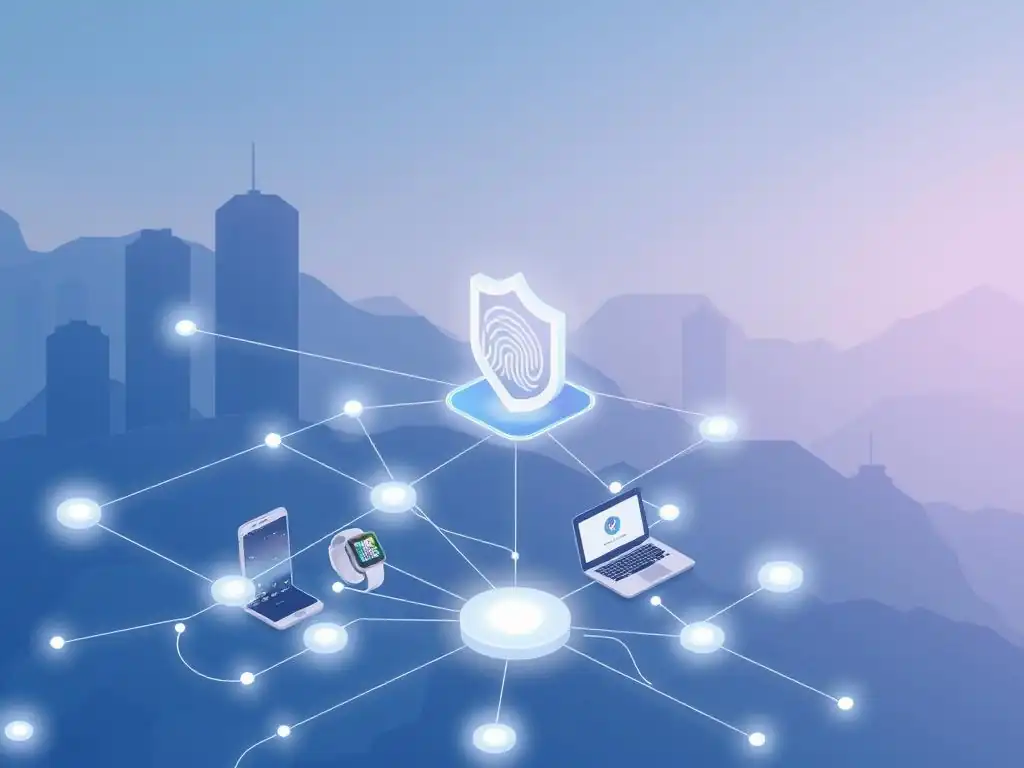
Securing Digital Wallets
Digital wallets, especially those holding cryptocurrencies and other digital assets, are prime targets for cyberattacks. Integrating decentralized identity MFA security is crucial for protecting these wallets from unauthorized access and theft. Consider a scenario where a user's private key for their cryptocurrency wallet is compromised, perhaps through malware or a phishing attack. Without MFA, the attacker could immediately access and drain the wallet. However, with MFA enabled, even with a compromised private key, the attacker would still need to bypass a second authentication factor, such as biometric verification or a hardware security key.
For digital wallets, WebAuthn-based MFA using hardware security keys provides a particularly strong level of protection. The phishing-resistant nature of hardware keys significantly mitigates the risk of attackers intercepting or stealing authentication credentials. Authenticator apps generating time-based OTPs offer a more user-friendly alternative, while social recovery mechanisms can provide a backup in case of key loss or device failure. Implementing robust DID MFA significantly enhances the security of digital wallets, safeguarding user assets in the decentralized finance (DeFi) space.
Protecting Data in Decentralized Applications (dApps)
Decentralized applications (dApps) are increasingly handling sensitive user data, ranging from personal information to financial transactions. Securing access to dApps and protecting user data within these applications is paramount. Decentralized identity MFA plays a critical role in ensuring that only authorized users can access dApps and their associated data. Imagine a decentralized healthcare application storing patient medical records. Without robust authentication, unauthorized individuals could potentially access and compromise sensitive patient data.
By integrating DID MFA, dApps can enforce multi-factor authentication for user login and critical operations. For instance, accessing sensitive medical records or initiating financial transactions within the dApp could require MFA verification. WebAuthn, authenticator apps, or social recovery mechanisms can be employed to provide these additional layers of security. Implementing DID MFA in dApps not only protects user data but also builds trust and confidence in the security and reliability of decentralized applications, fostering wider adoption.
Enhancing Identity Verification
Decentralized identity MFA security can significantly enhance identity verification processes in various contexts. Traditional identity verification often relies on centralized identity providers and cumbersome password-based authentication. DID-based identity verification, combined with MFA, offers a more secure, private, and user-centric approach. Consider online banking or e-commerce platforms that require robust identity verification for high-value transactions or access to sensitive account information.
By leveraging DIDs and MFA, these platforms can implement stronger and more reliable identity verification processes. Users can use their DIDs to prove their identity, and MFA adds an extra layer of assurance that the user is indeed who they claim to be. WebAuthn can provide a seamless and secure verification experience, while social recovery can offer a fallback mechanism for account recovery. This approach reduces reliance on passwords, minimizes the risk of identity theft, and streamlines identity verification processes, benefiting both users and service providers.
The Future of Decentralized Identity Authentication: Trends and Predictions
Evolution of MFA Technologies
MFA technologies are continuously evolving, driven by advancements in cryptography, biometrics, and user experience design. We are moving beyond traditional OTP-based MFA towards more secure and user-friendly methods. Passwordless authentication, leveraging biometrics and hardware security keys, is gaining momentum, offering a more seamless and secure login experience. Behavioral biometrics, analyzing user behavior patterns for continuous authentication, are also emerging as a promising trend.
For decentralized identity MFA security, we can expect to see further advancements in areas like decentralized authenticator apps, more robust social recovery mechanisms, and integration of emerging cryptographic techniques like zero-knowledge proofs for enhanced privacy in authentication processes. The focus will be on developing MFA solutions that are not only highly secure but also seamlessly integrated with decentralized workflows and user experiences, promoting wider adoption of DID technology.
Impact of Emerging Standards
Emerging standards play a crucial role in shaping the future of decentralized identity authentication. The W3C DID specification provides a foundational framework for interoperable decentralized identities. WebAuthn is becoming the standard for strong web authentication, and its adoption for DID MFA is expected to grow. Standards related to verifiable credentials and decentralized identifiers are continuously evolving, fostering interoperability and wider adoption of DID technologies.
These standards provide a common ground for developers and organizations to build and deploy decentralized identity solutions, including MFA mechanisms. Interoperability is key to realizing the full potential of decentralized identity, allowing users to seamlessly manage and use their DIDs across different platforms and applications. As these standards mature and gain wider adoption, they will pave the way for a more secure, private, and user-centric digital identity landscape.
Prediction: Increased Adoption of Passwordless MFA for DIDs
A key prediction for the future of decentralized identity authentication is the increased adoption of passwordless MFA solutions. Passwords are increasingly recognized as a weak link in security, and passwordless authentication offers a more secure and user-friendly alternative. For DIDs, passwordless MFA using biometrics, hardware security keys, and potentially decentralized authenticator apps will become increasingly prevalent.
This shift towards passwordless MFA will be driven by several factors. Growing awareness of password vulnerabilities, advancements in biometric and hardware authentication technologies, and the increasing demand for seamless user experiences will all contribute to this trend. Passwordless MFA aligns perfectly with the principles of decentralized identity, empowering users with greater control and security over their digital identities while simplifying the authentication process. In the coming years, we can expect to see passwordless MFA become the dominant approach for securing decentralized identities and accessing decentralized applications.
Best Practices for Implementing Decentralized Identity MFA Security
Secure Key Management
Secure key management is paramount for the overall security of decentralized identity MFA. Private keys, which control access to DIDs, must be protected with the utmost care. Best practices for secure key management include using hardware security modules (HSMs) or secure enclaves to store private keys, implementing strong key generation and rotation policies, and educating users about the importance of protecting their private keys.
For MFA, the security of the MFA factors themselves is equally crucial. For example, if using authenticator apps, users should ensure their devices are secured and protected with strong passcodes or biometrics. If using hardware security keys, users should store them securely and avoid sharing them. Robust key management practices are the foundation of a secure decentralized identity MFA system, ensuring that both the DID and the MFA factors are protected from compromise.
User Education
User education is a critical, often overlooked, aspect of implementing decentralized identity MFA security. Users need to understand the importance of MFA, how it works, and best practices for using it effectively. Educational materials should explain the benefits of MFA, the different MFA methods available, and step-by-step instructions for setting up and using MFA for their DIDs.
User education should also address common security threats, such as phishing attacks and social engineering, and how MFA helps mitigate these risks. Providing clear and concise information, using visual aids, and offering ongoing support can significantly improve user adoption and effective utilization of DID MFA. Investing in user education is essential for building a security-conscious user base and maximizing the benefits of decentralized identity MFA security.
Regular Security Audits
Regular security audits are essential for maintaining the integrity and effectiveness of decentralized identity MFA systems. Security audits should assess the implementation of MFA mechanisms, key management practices, and overall security posture of the system. These audits should be conducted by independent security experts and should cover both technical and procedural aspects of security.
Security audits can identify vulnerabilities, weaknesses, and areas for improvement in the DID MFA implementation. The findings of these audits should be used to enhance security measures, update security protocols, and ensure that the system remains resilient against evolving threats. Regular security audits are a proactive measure that helps organizations and users maintain a high level of security and trust in decentralized identity systems.
Conclusion: Embracing Decentralized Identity MFA
Decentralized Identity offers a transformative approach to digital identity, empowering individuals with self-sovereignty and enhanced privacy. However, robust security is paramount for realizing the full potential of DID. Multi-Factor Authentication is not just an optional add-on but a critical component for securing decentralized identities and mitigating risks associated with private key compromise and unauthorized access.
By strategically integrating MFA with DIDs, we can build a more secure, resilient, and user-centric digital identity ecosystem. Choosing appropriate MFA methods, addressing implementation challenges, and balancing security with user experience are key considerations. As MFA technologies evolve and standards mature, the future of decentralized identity authentication points towards increased adoption of passwordless MFA and more user-friendly security solutions. Embracing Decentralized Identity MFA is not merely a security best practice; it is a crucial step towards building a truly decentralized and secure digital future.
Frequently Asked Questions
What is the core problem that Decentralized Identity (DID) aims to solve in the context of Multi-Factor Authentication (MFA)?
DID seeks to eliminate centralized identity providers and the associated risks. This allows users to control their own data and credentials, enhancing privacy and security. It aims to make MFA more robust against single points of failure.
How does blockchain technology specifically contribute to enhanced security in Decentralized Identity MFA systems?
Blockchain provides a tamper-proof and transparent ledger for verifying identity claims. This enhances trust and security by making it difficult to forge or alter identity information. It also facilitates decentralized key management.
What are some potential real-world applications of Decentralized Identity MFA beyond typical online logins?
Potential applications include secure access to physical spaces, verifiable credentials for professional licenses, and streamlined KYC/AML processes in the financial sector. These benefit from the enhanced security and privacy.
What are the main regulatory challenges currently facing the widespread adoption of Decentralized Identity MFA?
Regulatory uncertainty surrounding data privacy and cross-border data transfers poses a significant hurdle. Establishing clear legal frameworks for self-sovereign identity is crucial for broader acceptance. Compliance with existing regulations like GDPR also needs to be addressed.
What are some future trends to watch out for in the evolution of Decentralized Identity MFA security?
Expect to see advancements in biometric authentication integrated with DIDs, more user-friendly interfaces for managing digital identities, and increased interoperability between different DID systems. Standardization efforts will play a key role in driving adoption.
Final Reflection: Embracing Secure Decentralization
The exploration of Multi-Factor Authentication (MFA) within the realm of Decentralized Identity (DID) reveals a critical intersection, highlighting that robust security is not just an option, but a necessity for the future of digital autonomy. As we increasingly entrust our identities to decentralized systems, the integration of MFA becomes paramount in safeguarding against unauthorized access and ensuring the integrity of our digital selves. The stakes are high, and the need for secure, user-centric solutions has never been more pressing.
The promise of DID lies in empowering individuals with control over their data, but this power comes with the responsibility of securing it. The journey towards widespread adoption of DID hinges on building trust, and MFA is a cornerstone of that trust. It's not merely about adding layers of security; it's about fostering a sense of ownership and control. As the saying goes: Security is always excessive until it's not enough.
This underscores the importance of proactively embracing MFA solutions that are both effective and user-friendly, ensuring that the benefits of decentralization are not undermined by security vulnerabilities.
As you navigate the evolving landscape of digital identity, consider the role you play in shaping a more secure and decentralized future. Reflect on the MFA solutions you currently use and explore how they can be adapted or enhanced within a DID framework. Embrace the opportunity to champion secure decentralization, advocating for solutions that prioritize both user empowerment and robust security. The future of digital identity is in our hands, and by prioritizing security, we can unlock the full potential of a truly decentralized world.
Unlock Your Digital Future: Embrace Decentralized Security!
Thanks for diving into the world of MultiFactor Authentication and Decentralized Identity! We hope you've gained valuable insights into how these technologies are shaping a more secure and user-centric online experience. Now, let's put that knowledge into action!
Here's how you can take control:
- Implement decentralized MFA into your next project. Start small, experiment, and secure yourself in the decentralized world.
- Share this article with your network on social media to spark a conversation about the importance of securing digital identities.
- Dive deeper! Research and implement a new type of MFA to use with your accounts.
What innovative MFA method are you most excited to explore in the realm of decentralized identity? Share your thoughts in the comments below!
Leave a Reply