
QuantumResistant Blockchain and Digital Identity: Securing Personal Data in the Future

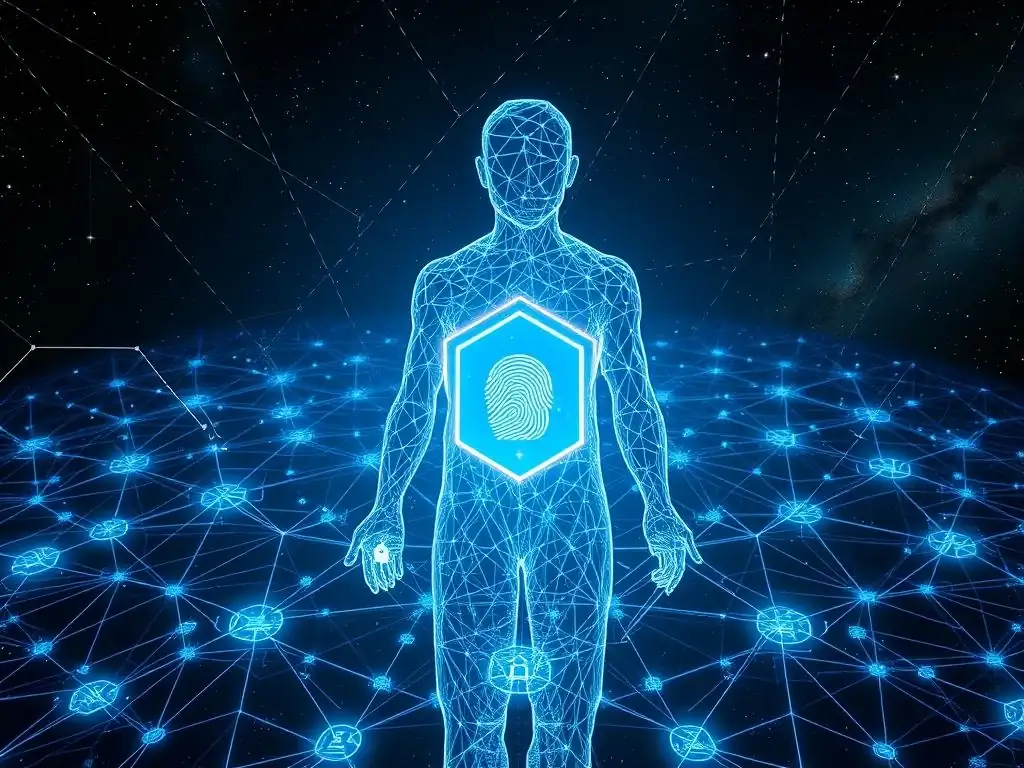
Welcome to Blockchain Trends, your guide to the evolving landscape of decentralized technologies.
Imagine a future where your digital identity is not only secure but also impervious to the threats posed by quantum computing. In this article, we delve into the cutting-edge realm of quantumresistant blockchain digital identity, exploring how this innovative approach is poised to revolutionize data security and privacy. Are you ready to discover how we can safeguard our information in the face of tomorrow's challenges? Read on to unlock the potential of a quantum-secured future.
Quantum-Resistant Blockchain and Digital Identity: Securing Personal Data in the Future
- Introduction: The Quantum Threat to Blockchain and Digital Identity
- Quantum-Resistant Cryptography: A Foundation for Secure Blockchain
- Quantum-Resistant Blockchain: Implementing Enhanced Security Measures
- Digital Identity in the Age of Quantum Computing: Protecting Personal Data
- Real-World Applications and Use Cases of Quantum-Resistant Blockchain and Digital Identity
- Challenges and Considerations for Quantum-Resistant Blockchain Adoption
- The Future of Quantum-Resistant Blockchain and Digital Identity
- Conclusion: Embracing Quantum-Resistant Solutions for a Secure Future
-
Frequently Asked Questions
- What is a quantum-resistant blockchain, and why is it important for digital identity?
- How does quantum computing threaten blockchain-based digital identities?
- What are some approaches being used to develop quantum-resistant blockchain solutions?
- What are the potential benefits of using a quantum-resistant blockchain for digital identity management?
- What are some of the challenges in implementing quantum-resistant blockchain digital identity solutions?
- Final Reflection: Navigating the Quantum Frontier of Trust
- Embrace Quantum-Safe Security: Start Protecting Your Identity Today!
Introduction: The Quantum Threat to Blockchain and Digital Identity
Understanding the Vulnerability: How Quantum Computing Impacts Blockchain Security
The advent of quantum computing presents a paradigm shift in computational power, bringing with it the potential to revolutionize numerous fields. However, this technological leap also casts a shadow over existing cybersecurity infrastructure, particularly blockchain technology and digital identity systems. Currently, many blockchain platforms and digital identity solutions rely on cryptographic algorithms like RSA and ECC (Elliptic Curve Cryptography) for security.
These algorithms, while robust against classical computers, are theoretically vulnerable to attacks from sufficiently powerful quantum computers. Shor's algorithm, a quantum algorithm, demonstrates the potential to break these widely used public-key cryptosystems in a feasible timeframe once quantum computers reach a critical scale. This vulnerability poses a significant threat to the confidentiality, integrity, and authenticity of blockchain transactions and digital identities secured by these cryptographic methods.
The implications of this vulnerability are far-reaching. For blockchain, the ability of a quantum computer to break the underlying cryptography could compromise the immutability and security that are fundamental to its value proposition. Transactions could be forged, past transactions could be altered, and the entire chain of trust could unravel.
In the realm of digital identity, quantum attacks could lead to identity theft on an unprecedented scale, as attackers could decrypt private keys used to control digital identities, accessing sensitive personal and financial information. The timeframe for this threat to materialize is still debated, but experts suggest that a cryptographically relevant quantum computer could emerge within the next decade, making proactive measures to transition to quantum-resistant solutions crucial.
The Need for Quantum-Resistant Solutions in Digital Identity Management
The urgency to adopt quantum-resistant solutions in digital identity management stems from the increasing reliance on digital identities for almost every aspect of modern life. From online banking and e-commerce to healthcare records and government services, digital identities are the keys to accessing critical services and personal data. If these digital identities become vulnerable to quantum attacks, the consequences could be catastrophic, leading to widespread fraud, privacy breaches, and a breakdown of trust in digital systems.
Consider the vast amount of sensitive data linked to digital identities – social security numbers, medical histories, financial records, and personal communications. The compromise of this information on a massive scale would not only cause individual harm but could also destabilize economies and societies.
Moreover, the transition to quantum-resistant cryptography is not an instantaneous process. It requires significant research, development, standardization, and implementation efforts across various industries and technologies. The cryptographic agility – the ability to quickly and efficiently switch cryptographic algorithms – is currently limited in many systems.
Therefore, starting the transition now is essential to ensure a smooth and secure migration before quantum computers pose a practical threat. Proactive development and deployment of quantum-resistant digital identity frameworks are not just about mitigating a future risk; they are about building a resilient and trustworthy digital infrastructure for the long term. This includes developing new cryptographic algorithms, updating existing protocols, and educating stakeholders about the quantum threat and the importance of quantum-resistant solutions for digital identity management.
Quantum-Resistant Cryptography: A Foundation for Secure Blockchain
Post-Quantum Cryptography (PQC): Algorithms Designed for Quantum Resistance
Post-Quantum Cryptography (PQC) represents a new generation of cryptographic algorithms specifically designed to withstand attacks from both classical and quantum computers. Unlike currently used algorithms such as RSA and ECC, which are vulnerable to Shor's algorithm, PQC algorithms are based on mathematical problems that are believed to be hard for quantum computers to solve. The National Institute of Standards and Technology (NIST) has been leading a global effort to standardize PQC algorithms through a multi-year competition. This process has involved rigorous scrutiny of candidate algorithms from cryptography experts worldwide, focusing on security, performance, and practicality.
The NIST standardization process has narrowed down the field to a set of promising PQC algorithms across different cryptographic primitives, including public-key encryption, digital signatures, and key exchange. These algorithms fall into several categories based on the mathematical problems they rely on, such as lattice-based cryptography, code-based cryptography, multivariate cryptography, and hash-based cryptography.
For example, CRYSTALS-Kyber and CRYSTALS-Dilithium, selected by NIST for standardization, are lattice-based algorithms offering strong security and relatively good performance. The standardization of PQC algorithms is a critical step towards ensuring that blockchain and digital identity systems can transition to quantum-resistant cryptography in a timely and standardized manner, fostering interoperability and reducing fragmentation in the adoption process.
Lattice-Based Cryptography: A Promising Approach for Blockchain Security
Lattice-based cryptography has emerged as a particularly promising approach for securing blockchain in the quantum era due to its strong security foundations and relatively efficient performance compared to other PQC candidates. Lattice problems, the mathematical basis of this cryptography, involve finding short vectors in high-dimensional lattices. These problems are believed to be computationally hard for both classical and quantum computers, making lattice-based cryptography a leading candidate for post-quantum security. Algorithms like CRYSTALS-Kyber (for key exchange) and CRYSTALS-Dilithium (for digital signatures), selected by NIST, are examples of lattice-based cryptographic schemes.
The advantages of lattice-based cryptography for blockchain extend beyond its quantum resistance. Lattice-based algorithms often exhibit good performance characteristics, particularly in terms of key sizes and signature sizes, which are crucial for efficient blockchain transactions. For example, CRYSTALS-Kyber offers relatively small key sizes compared to some other PQC candidates, which can be beneficial for bandwidth-constrained blockchain networks.
Furthermore, lattice-based cryptography has been studied extensively by the cryptographic community, and there is growing confidence in its security and practicality. The adoption of lattice-based cryptography in blockchain would represent a significant step forward in ensuring the long-term security and resilience of decentralized systems against future quantum threats.
Hash-Based Signatures: Ensuring Data Integrity in a Quantum Era
Hash-based signatures offer another robust and versatile approach to post-quantum cryptography, particularly for ensuring data integrity in blockchain and digital identity systems. Unlike public-key cryptosystems like RSA and ECC, hash-based signatures do not rely on number-theoretic assumptions that are vulnerable to Shor's algorithm. Instead, they are based on the security of cryptographic hash functions, which are believed to be resistant to quantum attacks. Hash functions are one-way functions that are easy to compute in one direction but computationally infeasible to invert.
The most prominent hash-based signature scheme is the Lamport signature scheme, and more advanced schemes like the Merkle signature scheme and the eXtended Merkle Signature Scheme (XMSS) build upon this foundation. Merkle signature schemes, for instance, use a tree of hash values (Merkle tree) to efficiently manage and verify signatures. These schemes are particularly well-suited for applications where long-term security and data integrity are paramount, such as blockchain and digital archives.
While hash-based signatures can have larger signature sizes compared to some other PQC schemes, they offer a high level of security and are relatively simple to understand and implement. Their resistance to quantum attacks and their reliance on well-established cryptographic hash functions make them a valuable tool in the post-quantum cryptographic toolkit for securing blockchain and digital identity.
Quantum-Resistant Blockchain: Implementing Enhanced Security Measures
Upgrading Consensus Mechanisms for Quantum Resistance
While quantum-resistant cryptography addresses the vulnerability of cryptographic algorithms, securing a blockchain against quantum threats also requires considering the consensus mechanisms that underpin blockchain operations. Consensus mechanisms, such as Proof-of-Work (PoW) and Proof-of-Stake (PoS), ensure agreement among nodes in a distributed network about the state of the blockchain. While these mechanisms themselves are not directly broken by quantum computers, their security assumptions and underlying cryptographic primitives need to be re-evaluated in the quantum context.
For instance, in Proof-of-Work, the hash functions used for mining are considered quantum-resistant. However, the overall security of PoW might be indirectly affected if quantum computers significantly accelerate the mining process, potentially leading to centralization risks. In Proof-of-Stake, the security often relies on digital signatures for staking and voting processes, which need to be replaced with quantum-resistant signature schemes.
Furthermore, research is exploring new consensus mechanisms that are inherently more resilient to quantum attacks. For example, some proposals involve incorporating verifiable delay functions (VDFs) based on lattice problems, which could provide stronger security guarantees in a post-quantum environment. Upgrading consensus mechanisms to incorporate quantum-resistant cryptography and explore new quantum-safe designs is crucial for ensuring the long-term security and decentralization of blockchain networks.
Quantum-Safe Key Exchange Protocols for Blockchain Transactions
Securing blockchain transactions in the quantum era necessitates the adoption of quantum-safe key exchange protocols. Key exchange protocols are used to establish shared secret keys between parties for secure communication. Traditional key exchange protocols like Diffie-Hellman and ECDH, which are widely used in blockchain and other internet protocols, are vulnerable to quantum attacks. Therefore, transitioning to quantum-resistant key exchange mechanisms is essential for protecting the confidentiality of blockchain transactions and communications.
Post-Quantum Cryptography offers several candidate algorithms for quantum-safe key exchange, including lattice-based key exchange (e.g., CRYSTALS-Kyber), code-based key exchange (e.g., McEliece), and isogeny-based key exchange (e.g., SIKE). Lattice-based key exchange, exemplified by CRYSTALS-Kyber, is gaining prominence due to its strong security properties and relatively efficient performance. These protocols allow parties to establish shared secret keys in a way that is resistant to attacks from both classical and quantum computers.
Integrating these quantum-safe key exchange protocols into blockchain platforms will ensure that transaction confidentiality and secure communication channels remain protected even in the presence of quantum adversaries. This includes updating blockchain protocols and libraries to support these new key exchange mechanisms and encouraging developers to adopt them in blockchain applications.
Hybrid Approaches: Combining Classical and Quantum-Resistant Security
Given the ongoing evolution of quantum computing and the potential uncertainties surrounding the long-term security of any single cryptographic approach, hybrid approaches that combine classical and quantum-resistant security are gaining traction in the blockchain space. Hybrid cryptography involves using a combination of traditional cryptographic algorithms and PQC algorithms to provide defense in depth. This strategy acknowledges that while PQC algorithms are designed to be quantum-resistant, they are relatively new and haven't been as extensively vetted as classical algorithms.
A common hybrid approach involves using both classical algorithms (like ECC) and PQC algorithms (like lattice-based cryptography) in parallel for encryption and digital signatures. For example, a blockchain transaction might be signed using both an ECDSA signature and a CRYSTALS-Dilithium signature. This ensures that even if one of the cryptographic schemes is compromised in the future, the transaction remains secure due to the other scheme.
Hybrid approaches offer a pragmatic way to enhance security during the transition to a fully quantum-resistant cryptographic landscape. They provide a layered security model that mitigates risks associated with potential vulnerabilities in either classical or PQC algorithms and offer a smoother migration path towards post-quantum security for blockchain systems.
Digital Identity in the Age of Quantum Computing: Protecting Personal Data
The Challenge: Securing Digital Identities from Quantum Attacks
Securing digital identities in the age of quantum computing presents a unique set of challenges, as digital identity systems often rely heavily on public-key cryptography, which is vulnerable to quantum attacks. Digital identities are not just about usernames and passwords; they encompass a broad range of personal data, credentials, and attributes that are used to authenticate and authorize access to services and resources online. The compromise of digital identities due to quantum attacks could lead to severe consequences, including identity theft, unauthorized access to sensitive information, and financial fraud.
The challenge lies in the fact that many existing digital identity frameworks, such as federated identity management systems and even some self-sovereign identity (SSI) implementations, rely on classical cryptographic algorithms for key management, authentication, and data encryption. If these cryptographic foundations are broken by quantum computers, the entire security of these digital identity systems could be undermined. For example, in federated identity systems that use OAuth 2.0 or OpenID Connect, the security of access tokens and identity tokens often depends on ECC or RSA.
Similarly, SSI frameworks that use cryptographic keys to control and manage digital identities are also susceptible to quantum threats if they rely solely on classical cryptography. Therefore, transitioning digital identity systems to quantum-resistant cryptography is paramount to ensure the continued security and trustworthiness of digital identities in the future.
Quantum-Resistant Digital Identity Frameworks: Self-Sovereign Identity (SSI) and Federated Identity Management with PQC
To address the quantum threat to digital identities, both Self-Sovereign Identity (SSI) and Federated Identity Management frameworks are evolving to incorporate Post-Quantum Cryptography (PQC). SSI, which empowers individuals with greater control over their digital identities, can be enhanced with PQC to ensure that user-controlled keys and credentials remain secure in the quantum era. Similarly, Federated Identity Management, which allows users to use a single set of credentials across multiple services, can also be strengthened by adopting PQC for secure authentication and authorization processes.
In the context of SSI, quantum-resistant key management is crucial. SSI solutions are increasingly adopting PQC algorithms for generating and managing private keys that control digital identities. For instance, SSI wallets and agents can be designed to use lattice-based cryptography for key generation and digital signatures, ensuring that user-controlled identities remain secure against quantum attacks.
For Federated Identity Management, integrating PQC into authentication protocols like OpenID Connect and SAML is essential. This includes replacing vulnerable cryptographic algorithms with PQC algorithms for signing tokens, encrypting data, and establishing secure communication channels between identity providers and service providers. The adoption of PQC in both SSI and Federated Identity Management frameworks is vital for building quantum-resistant digital identity ecosystems that protect personal data and maintain user trust in the digital age.
Decentralized Identity (DID) and Quantum Resistance: A Synergistic Approach
Decentralized Identity (DID) offers a synergistic approach to enhancing quantum resistance in digital identity systems. DIDs are identifiers that enable verifiable, decentralized digital identities. They are designed to be cryptographically verifiable, globally unique, and under the control of the DID subject. The inherent decentralized and cryptographic nature of DIDs makes them well-suited for incorporating quantum-resistant security measures.
DIDs can be anchored on blockchains, which, as discussed earlier, are also transitioning to quantum-resistant cryptography. By leveraging quantum-resistant blockchain platforms, DID systems can inherit the security benefits of PQC. Furthermore, the DID specification allows for flexible cryptographic agility, meaning that DID methods can be updated to support new cryptographic algorithms, including PQC, as they become standardized and widely adopted.
For example, a DID method could be designed to use lattice-based signatures for DID authentication and verification processes. The combination of DIDs and quantum-resistant blockchain creates a powerful foundation for building secure and privacy-preserving digital identity systems that are resilient to both classical and quantum threats. This synergy is crucial for ensuring that individuals can maintain control over their digital identities and personal data in the evolving landscape of quantum computing.
Real-World Applications and Use Cases of Quantum-Resistant Blockchain and Digital Identity

Securing Financial Transactions with Quantum-Safe Blockchain
The financial sector is a prime target for cyberattacks, and the advent of quantum computing amplifies these risks. Securing financial transactions with quantum-safe blockchain is becoming increasingly critical to protect trillions of dollars in assets and maintain the integrity of the global financial system. Blockchain technology is already being explored for various financial applications, including payments, securities settlement, and supply chain finance. Integrating quantum-resistant cryptography into these blockchain-based financial systems is essential to ensure their long-term security.
For example, central bank digital currencies (CBDCs), which are being explored by many countries, could leverage quantum-resistant blockchain to ensure the security and privacy of digital currency transactions. Imagine a future where all interbank settlements are processed on a quantum-safe blockchain, secured by lattice-based cryptography. This would significantly enhance the resilience of the financial infrastructure against quantum threats.
Furthermore, decentralized finance (DeFi) platforms, which operate on blockchain networks, also need to adopt quantum-resistant security measures to protect user funds and prevent market manipulation. For instance, decentralized exchanges (DEXs) could implement quantum-safe key exchange protocols to secure trading transactions and protect against front-running attacks enabled by quantum computers. The proactive adoption of quantum-safe blockchain in the financial sector is not just a technological upgrade; it's a strategic imperative to safeguard global financial stability in the quantum era.
Protecting Healthcare Data with Quantum-Resistant Digital Identities
Healthcare data is among the most sensitive personal information, and its protection is paramount. Quantum-resistant digital identities can play a crucial role in securing healthcare data and ensuring patient privacy in the face of quantum computing threats. Blockchain technology is being explored for various healthcare applications, including electronic health records (EHRs), supply chain management for pharmaceuticals, and clinical trial management. Integrating quantum-resistant digital identities with these blockchain-based healthcare systems can significantly enhance data security and patient trust.
Consider a scenario where patients control their EHRs using self-sovereign identities secured by quantum-resistant cryptography. This would empower patients to manage access to their medical records and ensure that only authorized healthcare providers can access their data. Furthermore, quantum-resistant digital identities can be used to secure the supply chain of pharmaceuticals, preventing counterfeit drugs from entering the market and ensuring the authenticity of medications.
Imagine a system where every drug package is tracked on a quantum-safe blockchain, and its authenticity is verified using quantum-resistant digital signatures. This would drastically reduce the risk of counterfeit drugs and improve patient safety. The application of quantum-resistant digital identities in healthcare is not just about complying with data privacy regulations; it's about safeguarding patient well-being and fostering trust in the healthcare system.
Government Applications: Securing Sensitive Information in a Quantum World
Governments handle vast amounts of sensitive information, ranging from national security secrets to citizen data. Securing government applications with quantum-resistant blockchain and digital identities is critical to protect national interests and maintain public trust in the digital age. Blockchain technology is being explored for various government applications, including secure voting systems, digital identity for citizens, and supply chain management for critical resources. Implementing quantum-resistant security measures in these applications is essential to safeguard sensitive government information from quantum threats.
For example, imagine a national digital identity system for citizens built on a quantum-resistant blockchain, using DIDs secured by lattice-based cryptography. This would provide citizens with secure and privacy-preserving digital identities for accessing government services and participating in civic processes. Furthermore, quantum-resistant blockchain can be used to secure government supply chains, ensuring the integrity and transparency of procurement processes and preventing fraud and corruption.
Consider a government procurement system for defense equipment tracked on a quantum-safe blockchain, with all transactions and contracts secured by quantum-resistant digital signatures. This would enhance accountability and reduce the risk of supply chain disruptions. The adoption of quantum-resistant blockchain and digital identities in government applications is not just about modernizing government operations; it's about ensuring national security and maintaining citizen confidence in government institutions in a quantum-computing future.
Challenges and Considerations for Quantum-Resistant Blockchain Adoption
The Complexity of Implementing Quantum-Resistant Algorithms
Implementing quantum-resistant algorithms in blockchain and digital identity systems presents significant technical complexities. PQC algorithms are often more computationally intensive and require different programming paradigms compared to classical algorithms. This complexity can pose challenges for developers and system integrators who are not familiar with PQC. Furthermore, the standardization process for PQC is still relatively recent, and practical implementation guidelines and best practices are still evolving.
Integrating PQC algorithms into existing blockchain platforms and digital identity frameworks requires significant code refactoring and system redesign. For example, replacing ECC-based signatures with lattice-based signatures in a blockchain protocol may necessitate changes to consensus mechanisms, transaction formats, and smart contract execution environments. Moreover, ensuring interoperability between different PQC implementations and across different blockchain platforms is crucial for seamless adoption. Addressing these complexities requires focused research and development efforts, along with training and education for developers and cybersecurity professionals to build expertise in PQC implementation and deployment within blockchain ecosystems.
Performance Overhead: Balancing Security and Efficiency
Quantum-resistant algorithms often come with a performance overhead compared to classical algorithms. PQC algorithms can have larger key sizes, longer signature lengths, and higher computational demands, which can impact the performance of blockchain and digital identity systems. This performance overhead needs to be carefully considered and balanced against the security benefits of quantum resistance, particularly in resource-constrained environments or high-throughput applications.
For instance, lattice-based cryptography, while offering strong security, can have higher computational costs for key generation and signature verification compared to ECC. This can translate to increased transaction latency and reduced transaction throughput in blockchain networks. Optimizing PQC algorithms for performance and efficiency is an ongoing area of research.
Techniques like algorithmic optimizations, hardware acceleration, and efficient implementation strategies are being explored to mitigate the performance overhead of PQC. Furthermore, hybrid approaches that combine classical and PQC algorithms may offer a pragmatic way to balance security and performance during the transition to a fully quantum-resistant cryptographic landscape. Careful benchmarking and performance testing are essential to ensure that quantum-resistant blockchain and digital identity systems can meet the performance requirements of real-world applications without compromising security.
Standardization and Interoperability: Ensuring Seamless Integration
Standardization and interoperability are crucial for the widespread adoption of quantum-resistant blockchain and digital identity. Standardized PQC algorithms and protocols are essential for ensuring that different systems and applications can communicate and interact securely in a post-quantum environment. Interoperability between different PQC implementations and across different blockchain platforms is also vital for seamless integration and avoiding fragmentation in the adoption process.
NIST's PQC standardization process is a significant step towards establishing standardized PQC algorithms. However, standardization efforts need to extend beyond algorithms to encompass protocols, APIs, and implementation guidelines. Organizations like the Internet Engineering Task Force (IETF) and the World Wide Web Consortium (W3C) are also playing a role in standardizing PQC protocols for internet security and web technologies.
Furthermore, industry consortia and blockchain standards bodies need to collaborate to develop interoperability standards for quantum-resistant blockchain and digital identity systems. Ensuring seamless integration and interoperability through standardization is critical for fostering a robust and secure post-quantum ecosystem and facilitating the widespread adoption of quantum-resistant solutions.
The Future of Quantum-Resistant Blockchain and Digital Identity
Emerging Technologies: Exploring New Quantum-Resistant Solutions
The field of quantum-resistant cryptography is constantly evolving, with researchers exploring new algorithms and technologies to enhance security and efficiency. Beyond the PQC algorithms currently being standardized by NIST, there are emerging technologies that hold promise for future quantum-resistant solutions in blockchain and digital identity. These include advancements in code-based cryptography, multivariate cryptography, and isogeny-based cryptography, which offer diverse approaches to post-quantum security.
Furthermore, research is exploring quantum key distribution (QKD), a technology that uses quantum mechanics to securely distribute cryptographic keys. While QKD is not yet widely deployable, it offers a fundamentally different approach to key exchange that is theoretically immune to quantum attacks. Hybrid approaches that combine PQC algorithms with QKD may emerge as a future direction for ultra-secure blockchain and digital identity systems.
Additionally, advancements in homomorphic encryption, which allows computations to be performed on encrypted data, could offer new possibilities for privacy-preserving quantum-resistant blockchain applications. Continued research and development in these emerging technologies are essential to ensure that quantum-resistant solutions remain at the forefront of cybersecurity innovation and provide robust protection for blockchain and digital identity in the long term.
The Role of Regulation in Driving Quantum-Safe Adoption
Regulation will play a crucial role in driving the adoption of quantum-safe blockchain and digital identity. Governments and regulatory bodies are increasingly recognizing the quantum threat and the need for proactive measures to transition to quantum-resistant cryptography. Regulations and compliance frameworks can mandate the adoption of PQC in critical infrastructure sectors, such as finance, healthcare, and government services, to ensure a baseline level of quantum security across these sectors.
For example, regulatory bodies could issue guidelines or mandates requiring financial institutions to implement quantum-resistant cryptography in their blockchain-based payment systems and digital identity solutions. Similarly, healthcare regulations could mandate the use of quantum-resistant digital identities for protecting patient data in EHR systems. Government procurement policies can also incentivize the adoption of quantum-safe technologies by prioritizing vendors that offer quantum-resistant solutions.
Furthermore, international collaborations and agreements on quantum security standards and regulations can facilitate a globally coordinated approach to addressing the quantum threat. Regulatory frameworks that promote and enforce the adoption of quantum-safe blockchain and digital identity will be instrumental in accelerating the transition to a more secure and resilient digital future.
Preparing for the Quantum Era: A Proactive Approach to Security
Preparing for the quantum era requires a proactive and forward-thinking approach to security in blockchain and digital identity. Organizations and individuals need to start taking steps now to assess their quantum risk exposure, develop migration plans, and begin implementing quantum-resistant solutions. This proactive approach involves several key actions.
Firstly, organizations should conduct a quantum risk assessment to identify systems and data that are vulnerable to quantum attacks and prioritize their mitigation efforts. Secondly, they should develop a cryptographic agility strategy to enable a smooth and efficient transition to PQC algorithms. This includes investing in cryptographic libraries and tools that support PQC and training their development teams in PQC implementation.
Thirdly, organizations should begin pilot projects to test and evaluate PQC algorithms in their blockchain and digital identity systems. This hands-on experience will help them understand the performance implications and implementation challenges of PQC. Finally, individuals should also take proactive steps to protect their digital identities by adopting quantum-resistant security practices, such as using hardware wallets that support PQC or enabling multi-factor authentication with quantum-resistant authentication factors when available. A proactive and collaborative approach across organizations, governments, and individuals is essential to effectively prepare for the quantum era and build a more secure and resilient digital world.
Conclusion: Embracing Quantum-Resistant Solutions for a Secure Future
The Importance of Proactive Measures in Blockchain and Digital Identity
Proactive measures to adopt quantum-resistant solutions in blockchain and digital identity are not merely a technological upgrade; they are a strategic imperative for ensuring the long-term security and trustworthiness of digital systems. The threat posed by quantum computing to current cryptographic infrastructure is real and growing, and waiting until quantum computers become a practical threat before taking action is a risky strategy. The transition to quantum-resistant cryptography is a complex and time-consuming process that requires significant lead time.
By taking proactive steps now, organizations and individuals can mitigate the potential risks associated with quantum attacks and ensure a smoother and more secure transition to a post-quantum world. Proactive measures include conducting risk assessments, developing migration plans, investing in PQC research and development, and collaborating with industry partners and standards bodies.
These efforts will not only enhance security but also foster innovation and create new opportunities in the emerging field of quantum-safe technologies. Embracing proactive measures is not just about mitigating a future threat; it's about building a more resilient and future-proof digital infrastructure for blockchain and digital identity.
Building Trust and Security in a Post-Quantum World
Building trust and security in a post-quantum world requires a collective effort from researchers, developers, organizations, governments, and individuals. Quantum-resistant blockchain and digital identity are essential components of this effort, providing the cryptographic foundations for secure and trustworthy digital systems in the face of quantum computing. By adopting PQC algorithms, upgrading consensus mechanisms, and developing quantum-safe digital identity frameworks, we can build a digital world where blockchain transactions are secure, digital identities are protected, and personal data is safe from quantum threats.
This transition to a post-quantum world is not just about technology; it's about building a future where trust and security are paramount in the digital realm. It requires collaboration, innovation, and a shared commitment to safeguarding digital assets and personal information. By embracing quantum-resistant solutions and taking proactive measures, we can build a post-quantum world where blockchain and digital identity continue to empower individuals and organizations, fostering innovation and driving progress in a secure and trustworthy digital environment.
Frequently Asked Questions
What is a quantum-resistant blockchain, and why is it important for digital identity?
A quantum-resistant blockchain is a blockchain designed to withstand attacks from quantum computers, which pose a significant threat to current cryptographic methods. This is important for digital identity because it ensures the security and integrity of personal data stored on the blockchain in the future.
How does quantum computing threaten blockchain-based digital identities?
Quantum computers can potentially break the cryptographic algorithms that secure blockchain transactions and digital identities. This could allow attackers to steal or manipulate digital identities, compromising privacy and security.
What are some approaches being used to develop quantum-resistant blockchain solutions?
Several approaches are being explored, including using post-quantum cryptography (PQC) algorithms, which are designed to be resistant to quantum attacks. Other strategies involve hybrid approaches combining existing cryptography with PQC for added security.
What are the potential benefits of using a quantum-resistant blockchain for digital identity management?
Using quantum-resistant blockchains can enhance data security and trust, ensuring that individuals maintain control over their digital identities. It also promotes long-term data integrity and protects against future quantum computing threats.
What are some of the challenges in implementing quantum-resistant blockchain digital identity solutions?
Challenges include the computational overhead of PQC algorithms, the need for standardization and interoperability, and the complex integration of quantum-resistant features into existing blockchain infrastructures.
Okay, here's a final reflection designed to close your article "QuantumResistant Blockchain and Digital Identity: Securing Personal Data in the Future," optimized for the keyword "Quantumresistant blockchain digital identity" and following the structure you provided:
The convergence of quantum computing and blockchain technology presents both an unprecedented threat and an unparalleled opportunity. As we've explored, the potential for quantum computers to break existing encryption algorithms necessitates a proactive shift towards quantum-resistant solutions, particularly in the realm of digital identity. The stakes are high: the security of our personal data, our financial systems, and our very sense of trust in the digital world hinges on our ability to adapt and innovate.
The journey towards a truly quantum-resistant future is not merely a technological one; it's a societal imperative. The development and adoption of quantum-resistant blockchain digital identity solutions will shape the future of privacy, security, and autonomy in the digital age. It's a future where individuals can confidently control their data, knowing that it is protected against even the most advanced computational threats. The best way to predict the future is to create it.
- Peter Drucker. This quote encapsulates the spirit of innovation needed to navigate the quantum era and build a secure digital future.
As we stand on the cusp of this quantum revolution, I invite you to reflect on your role in shaping this future. Consider how you can contribute to the development, adoption, and ethical implementation of quantum-resistant technologies. The time to act is now. Let us embrace the challenge and work together to build a digital world where trust is not a vulnerability, but a fundamental right, secured by the power of quantum-resistant blockchain digital identity.
Embrace Quantum-Safe Security: Start Protecting Your Identity Today!
Thank you for exploring the vital intersection of quantum computing and blockchain security with us. We hope you've gained valuable insights into the future of protecting your digital identity. Now, it's time to take action!
Here are some ways you can proactively secure your data:
- Demand Quantum-Resistant Options: Contact your digital service providers—such as banking, healthcare, or social media platforms—and ask about their plans for adopting quantum-resistant security measures. Let them know that this is a priority for you.
- Stay Informed: Follow the latest research on post-quantum cryptography and quantum-resistant blockchain protocols. Consider subscribing to industry newsletters or attending relevant webinars.
- Share Your Knowledge: Discuss the importance of quantum-resistant security with friends, family, and colleagues. Raising awareness is essential to driving widespread adoption.
What concrete step will you take this week to advocate for a more secure, quantum-safe digital future for your personal data?
Leave a Reply