
The Role of Biometrics in Decentralized Identity Security Systems

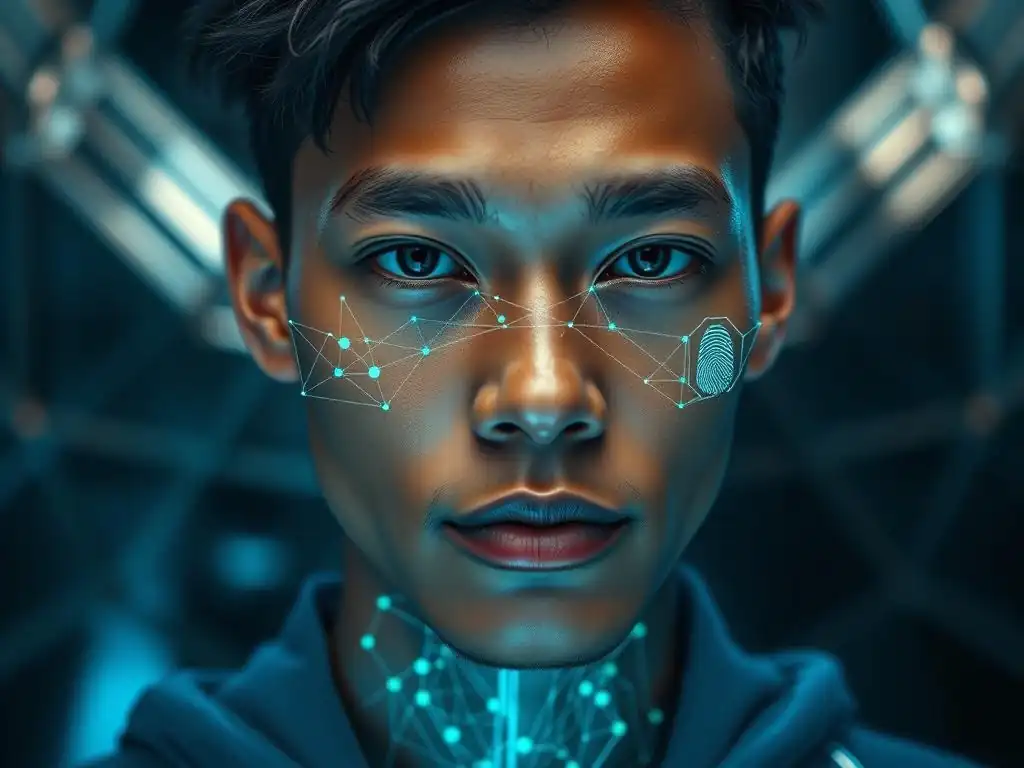
Welcome to Blockchain Trends, your compass in the rapidly evolving world of decentralized technology.
Ever wondered how your very identity can be secured and managed in a decentralized world? Dive into our latest article, "The Role of Biometrics in Decentralized Identity Security Systems," and discover how the fusion of blockchain biometric decentralized identity security is reshaping the landscape of digital trust. Uncover the potential, challenges, and future implications of this groundbreaking intersection of blockchain and cybersecurity. Are you ready to redefine the boundaries of digital identity?
The Role of Biometrics in Decentralized Identity Security Systems
- Introduction: Blockchain, Biometrics, and the Future of Decentralized Identity
- Fundamentals of Blockchain Biometric Decentralized Identity Security
- Biometric Authentication Methods Integrated with Blockchain DIDs
- Advantages of Blockchain Biometric Decentralized Identity Security Systems
- Challenges and Considerations for Implementing Biometric Blockchain Solutions
- Use Cases of Blockchain Biometric Decentralized Identity Security
- The Future of Biometric Authentication in Blockchain Ecosystems
- Conclusion: Securing the Future with Blockchain Biometric Decentralized Identity
-
Frequently Asked Questions
- What role does blockchain play in enhancing biometric identity security?
- How do biometrics strengthen decentralized identity systems?
- What are the main benefits of using a blockchain-based biometric identity system?
- What are the potential challenges in implementing blockchain biometric decentralized identity security?
- How might blockchain biometric decentralized identity security evolve in the future?
- Final Reflection: Securing the Future with Biometric Decentralization
- Unlock the Future: Secure Your Decentralized Identity!
Introduction: Blockchain, Biometrics, and the Future of Decentralized Identity
Understanding Decentralized Identity (DID)
Decentralized Identity (DID) represents a paradigm shift in how individuals and entities manage their digital identities. Unlike traditional centralized systems where identity is controlled by institutions, DID empowers users with self-sovereignty over their personal data. This means individuals can create, control, and manage their digital identities without relying on intermediaries like governments, corporations, or centralized identity providers. DIDs are built upon decentralized technologies, typically blockchain, allowing for verifiable and secure digital credentials that users can present and control independently. This approach contrasts sharply with current systems where data breaches and centralized control pose significant risks to personal information.
The core principle of DID is user-centricity. Individuals possess the keys to their identity, deciding what information to share, with whom, and for how long. This control is facilitated through cryptographic keys and decentralized identifiers that are anchored on a distributed ledger.
Imagine a scenario where instead of relying on a social media platform to verify your identity, you use a DID to prove your credentials directly to a service, without the platform acting as a middleman or storing your sensitive data. This shift towards user-controlled identity is crucial in an increasingly digital world where data privacy and security are paramount concerns.
The Need for Enhanced Security in Digital Identity Management
The current landscape of digital identity management is riddled with vulnerabilities. Centralized databases storing vast amounts of personal information are prime targets for cyberattacks, leading to frequent and large-scale data breaches. In 2021, for example, the T-Mobile data breach exposed the personal data of over 47 million customers, highlighting the risks associated with centralized systems. Traditional password-based authentication is also increasingly inadequate, susceptible to phishing, brute-force attacks, and social engineering. These weaknesses underscore the urgent need for more robust and secure identity management solutions.
Furthermore, the lack of user control in centralized systems raises significant privacy concerns. Individuals often have limited visibility into how their data is collected, used, and shared by organizations. This lack of transparency and control erodes trust and creates a power imbalance between users and service providers.
The European Union's GDPR and other privacy regulations are attempts to address these issues, but fundamental changes in identity architecture are needed to truly empower users and enhance security. Decentralized Identity, especially when combined with strong authentication methods like biometrics, offers a promising pathway to overcome these inherent security and privacy limitations of current systems.
Biometrics and Blockchain for Identity Solutions
The convergence of biometrics and blockchain technology offers a powerful solution to address the shortcomings of traditional digital identity systems. Biometrics, which uses unique biological traits for identification and authentication, provides a high level of security and convenience. Blockchain, with its decentralized, immutable, and transparent nature, provides a secure infrastructure for managing and verifying digital identities. When combined, these technologies create a synergistic effect, enhancing both security and user control in decentralized identity solutions.
Integrating biometrics with blockchain-based DIDs allows for a multi-layered security approach. Biometric authentication can be used to unlock and access the private keys associated with a user's DID, providing strong proof of personhood and authorization. The blockchain component ensures that the DID itself is tamper-proof and verifiable, while also providing a mechanism for secure credential issuance and revocation. This combination not only strengthens security against unauthorized access and identity theft but also empowers users with greater control over their biometric data and digital identities, paving the way for a more secure and user-centric digital future.
Fundamentals of Blockchain Biometric Decentralized Identity Security
Blockchain Technology and Data Security
Blockchain technology provides a robust foundation for data security due to its inherent characteristics of decentralization, immutability, and cryptographic security. In a blockchain network, data is distributed across multiple nodes rather than stored in a single centralized location. This decentralization makes it significantly harder for attackers to compromise the entire system, as they would need to simultaneously control a majority of the network's nodes – a computationally infeasible task for most malicious actors.
Immutability, another key feature of blockchain, ensures that once data is recorded on the blockchain, it cannot be altered or deleted. This is achieved through cryptographic hashing, where each block of data is linked to the previous block, creating a chain of records that is tamper-proof. For decentralized identity systems, this immutability is crucial for maintaining the integrity of identity credentials and transaction history.
Furthermore, blockchain utilizes advanced cryptography, including public-key cryptography, to secure transactions and data. This cryptographic layer ensures confidentiality and authenticity, protecting sensitive identity information from unauthorized access and manipulation, thereby significantly enhancing data security in decentralized identity systems.
Biometric Authentication Methods
Biometric authentication methods leverage unique biological and behavioral traits to verify an individual's identity. These methods offer a higher level of security and convenience compared to traditional password-based or knowledge-based authentication. Common biometric modalities include fingerprint recognition, which analyzes the unique patterns of ridges and valleys on a fingertip; facial recognition, which maps and analyzes facial features; iris scanning, which identifies individuals based on the intricate patterns of the iris; and voice recognition, which analyzes the unique characteristics of a person's voice.
Beyond these, behavioral biometrics is an emerging field that focuses on unique patterns in how people interact with devices, such as typing rhythm, mouse movements, and gait. For instance, typing biometrics can analyze the speed and pressure with which someone types on a keyboard to verify their identity.
These methods are increasingly being adopted in various applications, from smartphone unlocking to border control, due to their accuracy, reliability, and resistance to traditional forms of attack like phishing or password theft. The integration of these diverse biometric methods into decentralized identity systems significantly strengthens security by moving beyond easily compromised credentials to inherent, unique individual traits.
Decentralized Identity Principles
Decentralized Identity (DID) is built upon several core principles that differentiate it from traditional centralized identity systems. User control is paramount, placing individuals at the center of their identity management. This means users have the autonomy to create, manage, and control their DIDs and associated credentials without reliance on central authorities. Another key principle is self-sovereignty, granting individuals ownership of their identity data and the power to decide who has access to it and for what purpose. This contrasts sharply with centralized systems where data is often controlled and monetized by organizations.
Privacy by design is also a fundamental principle of DID. Systems are designed to minimize data collection and sharing, ensuring that only necessary information is disclosed and that users have granular control over their data. Verifiability is crucial, enabling secure and cryptographically verifiable credentials that can be independently validated without relying on a central authority.
Finally, interoperability is a key goal, aiming for DIDs to be universally recognized and usable across different platforms and services. These principles collectively aim to create a more user-centric, secure, and privacy-respecting digital identity ecosystem, moving away from the vulnerabilities and limitations of centralized models.
Benefits of Combining Blockchain and Biometrics
The synergy of blockchain and biometrics in decentralized identity security systems offers a multitude of benefits. Enhanced security is a primary advantage. Biometrics provides strong authentication based on unique individual traits, while blockchain ensures the integrity and immutability of identity data.
This combination significantly reduces the risk of identity theft and fraud compared to systems relying solely on passwords or centralized databases. For example, in scenarios requiring high security, such as financial transactions or access to sensitive government services, biometric authentication adds an extra layer of assurance that the user is genuinely who they claim to be, and blockchain verifies their credentials are valid and untampered.
Improved privacy and data control are also significant benefits. Users gain greater control over their personal data, deciding what information to share and with whom, minimizing data exposure and enhancing privacy. Streamlined identity verification is another advantage. DIDs and biometric authentication can simplify and expedite identity verification processes, reducing friction in online transactions and service access.
For instance, instead of repeatedly filling out forms and providing personal details, users can quickly and securely verify their identity with a biometric scan and a DID. Furthermore, reduced costs can be achieved by eliminating the need for centralized identity providers and reducing the administrative overhead associated with traditional identity management systems. Finally, increased trust and transparency are fostered through the transparent and auditable nature of blockchain, enhancing user confidence in the security and integrity of the identity system.
Biometric Authentication Methods Integrated with Blockchain DIDs
Fingerprint Recognition
Fingerprint recognition is one of the most mature and widely adopted biometric authentication methods, making it a practical choice for integration with blockchain-based Decentralized Identities (DIDs). This technology relies on analyzing the unique patterns of ridges and valleys on an individual's fingertips. Sensors capture a digital image of the fingerprint, and sophisticated algorithms extract and compare distinguishing features, such as minutiae points (ridge endings and bifurcations), to verify identity. Fingerprint recognition is known for its high accuracy and relatively low cost, making it accessible for a wide range of applications, from smartphone security to access control systems.
In the context of blockchain DIDs, fingerprint recognition can serve as a robust authentication factor to control access to a user's private keys and DID credentials. For instance, a user could unlock their DID wallet using a fingerprint scan, ensuring that only the legitimate owner can access and manage their digital identity.
This approach adds a strong layer of security, making it significantly more difficult for unauthorized individuals to compromise a user's DID, even if they were to gain access to a device. The widespread familiarity and ease of use of fingerprint recognition also contribute to user adoption, making it a valuable component in enhancing the security and usability of blockchain biometric decentralized identity solutions.
Facial Recognition
Facial recognition technology offers a convenient and increasingly accurate biometric authentication method suitable for integration with blockchain Decentralized Identities (DIDs). This technology analyzes and compares facial features from an image or video against a stored template to verify an individual's identity. Advancements in computer vision and deep learning have significantly improved the accuracy and reliability of facial recognition systems, making them suitable for various security applications. Facial recognition is particularly user-friendly as it often requires minimal user interaction, such as simply looking at a camera, making it a convenient option for authentication.
In the realm of blockchain DIDs, facial recognition can provide a seamless and secure authentication mechanism. For example, a user could verify a transaction or access a service by authenticating with their face through a device's camera. This biometrically secured access can be linked to their DID, ensuring that only the authorized individual can perform actions associated with their digital identity. The growing ubiquity of cameras on smartphones and laptops makes facial recognition a readily available and practical biometric modality for enhancing the security and user experience of blockchain-based decentralized identity systems.
Iris Scanning and Voice Recognition
Iris scanning and voice recognition represent more advanced biometric authentication methods offering high levels of security and unique advantages for integration with blockchain Decentralized Identities (DIDs). Iris scanning analyzes the intricate and unique patterns of the iris, the colored ring around the pupil. It is considered one of the most accurate biometric modalities due to the high level of detail and stability of iris patterns throughout a person's life.
Voice recognition, on the other hand, analyzes the unique characteristics of a person's voice, including pitch, tone, and accent, to verify identity. While potentially less accurate than iris scanning in noisy environments, voice recognition offers a hands-free and convenient authentication option.
Integrating iris scanning with DIDs can provide exceptionally strong security for high-value transactions or sensitive identity management operations. For instance, accessing critical identity credentials or authorizing significant asset transfers could be secured with iris authentication linked to a user's DID. Voice recognition can offer a more user-friendly authentication method for less sensitive operations or in situations where hands-free authentication is preferred.
For example, initiating a less critical transaction or accessing a specific service could be authenticated via voice command linked to the user's DID. The combination of these advanced biometrics with blockchain DIDs allows for a flexible and highly secure identity management system, catering to diverse security needs and user preferences.
Behavioral Biometrics for DIDs
Behavioral biometrics is an emerging field that offers a continuous and transparent authentication approach, holding significant potential for integration with blockchain Decentralized Identities (DIDs). Unlike traditional biometrics that focus on static biological traits, behavioral biometrics analyzes unique patterns in how individuals interact with devices and systems. This includes analyzing typing rhythm, mouse movements, gait, and even how a user holds their phone. Behavioral biometrics operates passively in the background, continuously monitoring and verifying a user's identity without requiring explicit user action after the initial enrollment.
In the context of DIDs, behavioral biometrics can add an extra layer of security and user convenience. For example, after an initial strong authentication (like fingerprint or facial recognition), behavioral biometrics can continuously monitor user behavior to ensure that the authorized user is still in control of their DID.
If anomalous behavior is detected, the system can trigger additional authentication steps or restrict access, mitigating risks associated with session hijacking or device compromise. This continuous authentication approach enhances security without adding friction to the user experience, making behavioral biometrics a valuable complement to traditional biometric methods in blockchain-based decentralized identity solutions.
Advantages of Blockchain Biometric Decentralized Identity Security Systems
Enhanced Security Against Identity Theft and Fraud
Blockchain biometric decentralized identity security systems offer a significant enhancement in security against identity theft and fraud compared to traditional systems. The combination of biometric authentication and blockchain's inherent security features creates a multi-layered defense. Biometrics, such as fingerprint, facial, or iris recognition, provides strong user authentication based on unique biological traits, making it significantly harder for fraudsters to impersonate legitimate users. This contrasts with password-based systems which are vulnerable to phishing, brute-force attacks, and social engineering.
Furthermore, blockchain's decentralized and immutable nature ensures that identity data is tamper-proof and verifiable. Once a DID and associated credentials are recorded on the blockchain, they cannot be altered or deleted, providing a secure and auditable record of identity information. This immutability prevents malicious actors from modifying identity data to commit fraud or steal identities.
For example, in financial transactions, biometric authentication linked to a blockchain DID can drastically reduce fraudulent activities by ensuring that only the verified account holder can initiate transactions, and the blockchain record provides an immutable audit trail. This robust security framework significantly mitigates the risks of identity theft and fraud prevalent in current digital identity systems.
Improved Privacy and Data Control
Blockchain biometric decentralized identity security systems fundamentally improve user privacy and data control. Decentralized Identity (DID) architecture is designed to empower users with self-sovereignty over their personal data. Individuals control their DIDs and decide what information to share, with whom, and for what purpose. This contrasts sharply with centralized identity systems where data is often stored and controlled by organizations, leading to potential privacy breaches and misuse of personal information.
By integrating biometrics with DIDs, users maintain control over their biometric data as well. Biometric templates can be stored locally on a user's device or in a secure, encrypted personal data vault, rather than being centrally stored and managed by a service provider. This minimizes the risk of large-scale biometric data breaches.
Furthermore, the principle of selective disclosure in DID allows users to share only the necessary information required for a specific transaction or interaction, minimizing data exposure and enhancing privacy. For instance, when verifying age for an online purchase, a user can prove they are over 18 without revealing their exact date of birth or other personal details. This granular control and reduced data sharing significantly enhance user privacy and data autonomy.
Streamlined Identity Verification
Blockchain biometric decentralized identity security systems streamline identity verification processes, making them more efficient and user-friendly. Traditional identity verification often involves cumbersome procedures, such as providing multiple forms of identification, filling out lengthy forms, and waiting for manual verification. This process can be time-consuming and create friction in online transactions and service access.
DIDs, combined with biometric authentication, simplify this process significantly. Once a user has a DID and biometrically verified credentials, they can quickly and securely verify their identity to various services and applications. For example, instead of creating multiple accounts and passwords for different online platforms, a user can use their DID and biometric authentication to seamlessly log in and prove their identity.
This streamlined verification process reduces friction, improves user experience, and accelerates online interactions. Furthermore, the verifiable nature of DIDs means that relying parties can trust the identity information presented without needing to independently verify it with a central authority, further speeding up and simplifying the verification process.
Reduced Costs
Implementing blockchain biometric decentralized identity security systems can lead to significant cost reductions compared to traditional identity management infrastructures. Centralized identity systems often require substantial investments in infrastructure, maintenance, and security to manage and protect vast databases of user information. These costs are often borne by organizations and can be passed on to users.
Decentralized Identity eliminates the need for large, centralized databases and the associated overhead costs. The distributed nature of blockchain reduces the risk of single points of failure and the need for extensive security measures at a central location. Furthermore, streamlined identity verification processes reduce administrative costs associated with manual verification and customer support.
For example, in onboarding new customers, automated biometric verification through a DID system can significantly reduce the manual effort and time required, leading to cost savings for businesses. The reduced reliance on intermediaries and centralized infrastructure in DID systems contributes to a more cost-effective and efficient identity management ecosystem.
Increased Trust and Transparency
Blockchain biometric decentralized identity security systems foster increased trust and transparency in digital interactions. Blockchain technology, by its nature, provides transparency and auditability. All transactions and identity credential verifications recorded on the blockchain are transparent and can be independently audited, enhancing trust in the system's integrity. This transparency contrasts with opaque centralized systems where data handling practices are often hidden from users.
Furthermore, the user-centric nature of Decentralized Identity builds trust by empowering individuals with control over their identity data. Users are not reliant on opaque algorithms or centralized authorities to manage their identities. The combination of biometric authentication and blockchain provides a high level of assurance about the identity of individuals involved in transactions and interactions.
For example, in online marketplaces or peer-to-peer transactions, blockchain-verified DIDs and biometric authentication can build trust between parties who may not know each other, facilitating secure and reliable interactions. This increased trust and transparency are crucial for fostering a more secure and user-friendly digital environment.
Challenges and Considerations for Implementing Biometric Blockchain Solutions
Data Privacy and Compliance
Implementing biometric blockchain solutions for decentralized identity raises significant data privacy and compliance challenges. Biometric data, being highly sensitive and unique, requires stringent protection. Storing and processing biometric data on a blockchain, even if encrypted, necessitates careful consideration of privacy regulations such as GDPR, CCPA, and others that mandate specific requirements for handling personal and biometric data. Compliance with these regulations requires implementing robust data minimization strategies, ensuring user consent for biometric data processing, and providing mechanisms for data rectification and deletion when applicable.
Furthermore, the decentralized and immutable nature of blockchain presents unique challenges for data governance and compliance. While immutability enhances security, it can complicate compliance with regulations that require data deletion or modification. Solutions need to be designed to address these challenges, potentially through off-chain storage of biometric templates with only cryptographic hashes on-chain, or through advanced cryptographic techniques like zero-knowledge proofs to verify identity without revealing the underlying biometric data. Careful planning and adherence to privacy-enhancing technologies and legal frameworks are crucial to navigate these data privacy and compliance considerations effectively when deploying biometric blockchain identity solutions.
Scalability and Performance
Scalability and performance are critical considerations for the widespread adoption of biometric blockchain decentralized identity solutions. Blockchain technology, particularly in its earlier iterations, has faced scalability limitations, with transaction throughput often being lower than centralized systems. Integrating biometric authentication, which can involve computationally intensive matching algorithms, can further impact performance. For decentralized identity systems to handle large volumes of identity verification requests and transactions efficiently, scalability solutions are essential.
Various approaches are being explored to address blockchain scalability, including layer-2 solutions like state channels and sidechains, sharding, and consensus mechanism optimizations. For biometric processing, efficient algorithms and hardware acceleration can improve performance. Furthermore, system design needs to consider the trade-offs between decentralization, security, and performance to achieve a balance that meets the demands of real-world applications. Thorough performance testing and optimization are crucial to ensure that biometric blockchain identity solutions can scale effectively and provide a responsive user experience as adoption grows.
Biometric Data Storage and Security
Biometric data storage and security are paramount concerns in biometric blockchain decentralized identity systems. Biometric templates, even when derived from raw biometric data, are sensitive information that must be protected against unauthorized access and misuse. Storing biometric templates directly on a public blockchain is generally not recommended due to privacy and security risks. Instead, various approaches are employed to secure biometric data in decentralized identity solutions.
One common approach is to store biometric templates off-chain, in a secure, encrypted personal data vault controlled by the user. Only cryptographic hashes or verifiable credentials derived from biometric authentication are stored on the blockchain to prove identity without revealing the underlying biometric data. Another approach involves using privacy-enhancing technologies like homomorphic encryption or secure multi-party computation to enable biometric verification without decrypting or revealing the biometric templates.
Furthermore, robust key management and secure hardware enclaves can be used to protect biometric data and cryptographic keys on user devices. A layered security approach combining strong encryption, secure storage mechanisms, and privacy-preserving technologies is essential to ensure the security and confidentiality of biometric data in blockchain-based identity systems.
User Education and Adoption
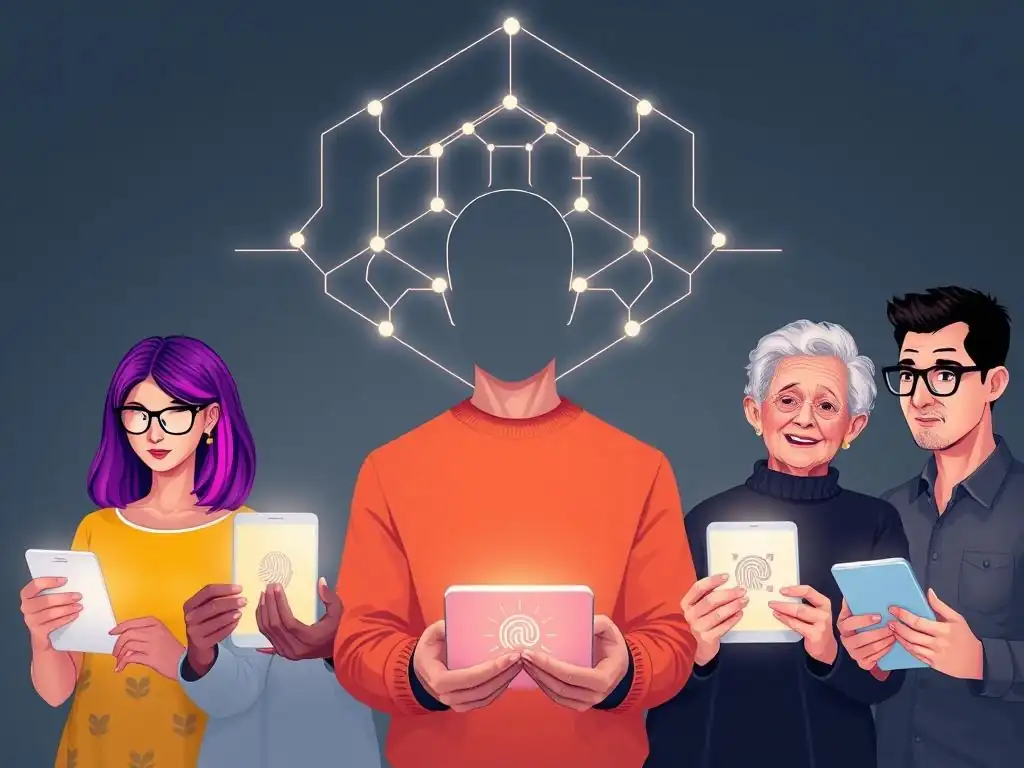
User education and adoption represent significant challenges for the widespread implementation of biometric blockchain decentralized identity security systems. Decentralized Identity and blockchain concepts can be complex for the average user to understand. Effectively communicating the benefits of DID, biometric authentication, and the security advantages of blockchain to a broad audience is crucial for driving adoption. Users need to be educated about how DIDs empower them with control over their identity and how biometric authentication enhances security and convenience.
Addressing user concerns about data privacy and security is also essential. Some users may be hesitant to adopt biometric authentication due to privacy concerns or skepticism about new technologies like blockchain. Clear and transparent communication about data handling practices, security measures, and user benefits is necessary to build trust and encourage adoption.
Furthermore, user-friendly interfaces and intuitive user experiences are crucial for making biometric blockchain identity solutions accessible and easy to use for non-technical users. Investing in user education, simplifying user interfaces, and addressing user concerns are key to overcoming adoption barriers and realizing the full potential of these technologies.
Algorithmic Bias
Algorithmic bias in biometric systems is a significant ethical and practical challenge that needs to be addressed in blockchain biometric decentralized identity solutions. Biometric algorithms, particularly facial recognition algorithms, have been shown to exhibit biases across different demographic groups, such as race and gender. These biases can lead to inaccurate or unfair authentication outcomes, disproportionately affecting certain populations. For example, studies have shown that some facial recognition systems have higher error rates for individuals with darker skin tones compared to those with lighter skin tones.
Integrating biased biometric systems into decentralized identity solutions could perpetuate and amplify these biases, leading to discriminatory outcomes in access to services and opportunities. To mitigate algorithmic bias, it is crucial to use diverse and representative training datasets for biometric algorithms, regularly audit algorithms for bias, and implement fairness-aware machine learning techniques.
Furthermore, transparency in algorithm design and performance, as well as user redress mechanisms, are necessary to address and mitigate the potential for algorithmic bias in biometric blockchain identity systems. Addressing algorithmic bias is not only an ethical imperative but also essential for ensuring the equitable and inclusive deployment of these technologies.
Use Cases of Blockchain Biometric Decentralized Identity Security
Secure Access Control
Blockchain biometric decentralized identity security systems offer robust solutions for secure access control across various applications. Traditional access control systems often rely on passwords or access cards, which can be easily compromised or lost. Biometric authentication, combined with the security and immutability of blockchain, provides a much stronger and more reliable access control mechanism.
For physical access control, biometric readers can be integrated with blockchain-based identity systems to grant or deny entry based on verified biometric credentials. For example, in corporate buildings or secure facilities, employees can use fingerprint or facial recognition linked to their DID to gain access, eliminating the need for physical access cards and enhancing security.
In digital access control, blockchain DIDs and biometrics can secure access to sensitive data, applications, and online services. For instance, accessing confidential documents or logging into critical systems can be secured using biometric authentication verified against a blockchain-based DID, ensuring that only authorized individuals can gain access. This approach significantly strengthens security against unauthorized access and data breaches, providing a more secure and efficient access control solution compared to traditional methods.
Identity Verification for Decentralized Finance (DeFi)
Identity verification in Decentralized Finance (DeFi) is a critical challenge that blockchain biometric decentralized identity security systems can effectively address. DeFi platforms often operate in a permissionless and pseudonymous environment, which can facilitate illicit activities like money laundering and fraud. While maintaining user privacy is paramount in DeFi, there is a growing need for identity verification solutions to comply with regulations and enhance trust in the ecosystem.
Biometric authentication linked to blockchain DIDs can provide a privacy-preserving KYC (Know Your Customer) and AML (Anti-Money Laundering) solution for DeFi. Users can biometrically verify their identity once and obtain a verifiable credential linked to their DID, which can then be selectively disclosed to DeFi platforms for compliance purposes without revealing sensitive personal data directly to each platform.
For example, a user could prove they are over 18 and not on a sanctions list without disclosing their exact identity details. This approach balances the need for regulatory compliance with the privacy-centric ethos of DeFi, enabling a more secure and compliant DeFi ecosystem.
Government and Public Sector Applications
Government and public sector applications stand to benefit significantly from blockchain biometric decentralized identity security systems. Governments handle vast amounts of sensitive citizen data and provide critical public services that require robust identity verification. Traditional government identity systems are often centralized, vulnerable to data breaches, and can be inefficient and cumbersome for citizens to use.
Blockchain-based DIDs with biometric authentication can provide a more secure, efficient, and citizen-centric approach to government identity management. For citizen identification, national IDs or digital identities can be issued as DIDs, secured with biometric authentication, empowering citizens with control over their identity data and simplifying access to government services. For example, citizens could use their DID and biometric authentication to access online government portals, vote securely in elections, or access social welfare benefits. This approach can enhance security, improve efficiency, reduce fraud, and increase citizen trust in government services.
Healthcare Patient Identity Management
Healthcare patient identity management is a critical area where blockchain biometric decentralized identity security systems can offer transformative solutions. Accurately identifying patients is essential for ensuring patient safety, preventing medical errors, and streamlining healthcare processes. Traditional healthcare identity management systems often face challenges in accurately matching patient records across different healthcare providers and systems, leading to potential errors and inefficiencies.
Blockchain DIDs with biometric authentication can provide a secure and interoperable patient identity management system. Patients can have a DID that is linked to their biometric identity, allowing for accurate and unique identification across different healthcare providers. For example, a patient visiting a hospital or clinic can be quickly and accurately identified using biometric authentication linked to their DID, ensuring that medical records are correctly accessed and updated. This approach can improve patient safety, reduce medical errors, enhance data privacy, and streamline healthcare administration, leading to a more efficient and patient-centered healthcare system.
Supply Chain Management
Supply chain management can leverage blockchain biometric decentralized identity security systems to enhance transparency, security, and efficiency. Verifying the identity of individuals involved in the supply chain, from manufacturers to distributors to consumers, is crucial for ensuring the integrity and authenticity of goods and preventing counterfeiting and fraud. Traditional supply chain identity verification processes can be fragmented, inefficient, and prone to errors.
Blockchain-based DIDs with biometric authentication can provide a secure and verifiable way to identify and track individuals and entities throughout the supply chain. For example, workers involved in handling sensitive goods can be biometrically identified and their actions recorded on a blockchain, creating an auditable and transparent record of custody and responsibility. Consumers can also use biometric authentication to verify the authenticity of products by checking the blockchain record associated with the product's DID. This approach can enhance supply chain transparency, reduce fraud and counterfeiting, improve product traceability, and build trust and accountability across the supply chain.
The Future of Biometric Authentication in Blockchain Ecosystems
Advancements in Biometric Technology
The future of biometric authentication in blockchain ecosystems is closely tied to ongoing advancements in biometric technology. Biometric methods are continually evolving, with improvements in accuracy, speed, and usability. Advancements in sensor technology are leading to smaller, more energy-efficient, and more accurate biometric sensors that can be integrated into a wider range of devices, including wearables and IoT devices. For example, advancements in in-display fingerprint sensors and under-display facial recognition are making biometric authentication more seamless and integrated into mobile devices.
Developments in algorithms and machine learning are also driving improvements in biometric performance, particularly in challenging conditions such as varying lighting, angles, and partial occlusions. Emerging biometric modalities, such as vein recognition and heart rhythm biometrics, are offering even higher levels of security and uniqueness. These advancements will make biometric authentication more robust, reliable, and user-friendly, further enhancing its suitability for integration with blockchain decentralized identity solutions and expanding its application in various sectors.
AI and Machine Learning in Biometric Security
Artificial intelligence (AI) and machine learning (ML) are playing an increasingly crucial role in enhancing biometric security within blockchain ecosystems. AI and ML algorithms are being used to improve the accuracy and robustness of biometric authentication methods. For example, deep learning models are significantly improving the performance of facial recognition and voice recognition systems, enabling them to handle more complex scenarios and variations in user presentation.
AI and ML are also being applied to enhance biometric security against spoofing and presentation attacks. Anti-spoofing techniques using AI can detect fake biometric inputs, such as photos or videos used to bypass facial recognition, or artificial fingerprints. Furthermore, AI-powered behavioral biometrics can provide continuous and adaptive authentication, learning user behavior patterns and detecting anomalies that may indicate fraudulent activity. The integration of AI and ML is making biometric authentication more intelligent, secure, and adaptable, strengthening the security of blockchain-based identity systems and mitigating evolving threats.
Regulatory Landscape and DID Standards
The future of biometric authentication in blockchain ecosystems is significantly influenced by the evolving regulatory landscape and the development of Decentralized Identity (DID) standards. Regulations concerning data privacy, biometric data processing, and digital identity are becoming increasingly important globally. Compliance with regulations like GDPR, CCPA, and emerging digital identity frameworks will shape the design and implementation of biometric blockchain identity solutions. Regulatory clarity and harmonization are needed to provide a clear legal framework for the use of biometrics and DIDs, fostering innovation and trust in these technologies.
Standardization efforts are also crucial for interoperability and widespread adoption of DIDs and biometric authentication. Organizations like the W3C and the Decentralized Identity Foundation (DIF) are working on developing open standards for DIDs and verifiable credentials. Standardization will ensure that different DID systems and biometric authentication methods can interoperate seamlessly, enabling cross-platform and cross-application usability. The development of robust regulatory frameworks and open standards will be essential for creating a trusted and interoperable ecosystem for biometric blockchain decentralized identity solutions.
Interoperability Between DID Systems
Interoperability between different Decentralized Identity (DID) systems is a critical factor for the future success and widespread adoption of biometric authentication in blockchain ecosystems. In a fragmented DID landscape, where different systems are incompatible, the benefits of decentralized identity and biometric authentication will be limited. Users should be able to use their DID and biometric credentials across different platforms, services, and applications seamlessly, regardless of the underlying technology or provider.
Achieving interoperability requires standardization efforts, as mentioned previously, but also technical solutions and collaborative initiatives to bridge different DID systems. Cross-chain interoperability solutions can enable DIDs issued on one blockchain to be recognized and verified on another blockchain. Interoperability frameworks and protocols can facilitate communication and data exchange between different DID systems. Promoting interoperability will create a more user-friendly and universally accessible decentralized identity ecosystem, maximizing the value and impact of biometric authentication in blockchain environments.
Predictions for Blockchain Biometric Identity Solutions
Predictions for blockchain biometric identity solutions point towards significant growth and adoption in the coming years. As digital identity becomes increasingly critical in various aspects of life, the need for secure, user-centric, and privacy-preserving identity solutions will drive the adoption of DIDs and biometric authentication. We can expect to see wider integration of biometric authentication in blockchain-based identity systems across diverse sectors, including finance, healthcare, government, supply chain, and IoT.
The convergence of blockchain, biometrics, AI, and IoT will create new and innovative identity applications. For example, biometric authentication and DIDs can secure access to smart homes, connected vehicles, and other IoT devices. Advancements in privacy-enhancing technologies will further enhance the privacy and security of biometric blockchain identity solutions, addressing user concerns and regulatory requirements.
The development of user-friendly DID wallets and biometric authentication interfaces will improve user experience and drive mainstream adoption. Overall, blockchain biometric identity solutions are poised to play a central role in shaping the future of digital identity, offering a more secure, private, and user-empowering alternative to traditional centralized systems.
Conclusion: Securing the Future with Blockchain Biometric Decentralized Identity
The Transformative Potential
Blockchain biometric decentralized identity security systems hold transformative potential for reshaping digital identity management. By combining the strengths of blockchain's security and decentralization with the robust authentication of biometrics, these systems address critical vulnerabilities and limitations of traditional identity models. They empower individuals with self-sovereignty over their digital identities, enhancing privacy, security, and control over personal data. This paradigm shift can foster a more trustworthy and user-centric digital environment, where individuals are at the center of their identity ecosystem, rather than being controlled by centralized entities.
The potential impact extends across numerous sectors, from finance and healthcare to government and supply chain management. In finance, it can revolutionize KYC/AML processes and enhance transaction security in DeFi. In healthcare, it can improve patient safety and data privacy. In government, it can streamline citizen services and secure digital identities. In supply chains, it can enhance transparency and combat counterfeiting. The transformative potential lies in creating a more secure, efficient, and equitable digital identity landscape, benefiting individuals, organizations, and society as a whole.
Overcoming Challenges
Realizing the full transformative potential of blockchain biometric decentralized identity security systems requires proactively addressing existing challenges. Data privacy and regulatory compliance are paramount, necessitating careful design and implementation to adhere to evolving legal frameworks. Scalability and performance must be optimized to handle large-scale deployments and maintain responsiveness. Biometric data storage and security require robust and privacy-preserving approaches to protect sensitive information. User education and adoption are crucial for mainstream acceptance, requiring user-friendly interfaces and clear communication of benefits. Algorithmic bias in biometric systems must be mitigated to ensure fairness and inclusivity.
Overcoming these challenges requires a collaborative effort from technology developers, policymakers, regulators, and user communities. Investing in research and development, fostering open standards, engaging in policy discussions, and prioritizing user-centric design are essential steps. Addressing these challenges proactively will pave the way for the widespread and responsible adoption of blockchain biometric identity solutions, unlocking their transformative potential.
Collaboration and Standardization
Collaboration and standardization are critical enablers for the successful development and deployment of blockchain biometric decentralized identity security systems. Collaboration across industry stakeholders, including technology providers, biometric vendors, blockchain developers, security experts, and regulatory bodies, is essential for sharing knowledge, best practices, and addressing common challenges. Open-source initiatives and collaborative development efforts can accelerate innovation and foster interoperability.
Standardization efforts are crucial for ensuring that different DID systems and biometric authentication methods can work together seamlessly. Open standards for DIDs, verifiable credentials, and biometric interfaces will promote interoperability, reduce fragmentation, and facilitate wider adoption. Industry consortia, standards bodies, and government initiatives play a vital role in driving standardization efforts. Collaboration and standardization will create a more robust, interoperable, and trustworthy ecosystem for blockchain biometric identity solutions, accelerating their path to mainstream adoption.
Exploring and Implementing Blockchain Biometric Solutions
Exploring and implementing blockchain biometric solutions is a crucial next step for organizations and individuals seeking to enhance their digital identity security and control. Organizations across various sectors should explore the potential benefits of adopting these solutions for secure access control, identity verification, and data privacy. Pilot projects and proof-of-concepts can help evaluate the feasibility and effectiveness of these technologies in specific use cases.
Individuals should also explore the benefits of using DIDs and biometric authentication to manage their digital identities more securely and privately. Adopting DID wallets and exploring services that support biometric authentication can empower users with greater control over their personal data. Continuous learning and engagement with the evolving landscape of blockchain biometric identity solutions are essential for staying informed and leveraging the transformative potential of these technologies to secure the future of digital identity.
Frequently Asked Questions
What role does blockchain play in enhancing biometric identity security?
Blockchain provides a decentralized and immutable ledger for storing identity data, enhancing security and transparency compared to traditional centralized systems. This makes it much harder for unauthorized access and tampering.
How do biometrics strengthen decentralized identity systems?
Biometrics like fingerprints or facial recognition add a strong layer of authentication, verifying a user's identity beyond just passwords. This reduces the risk of identity theft and fraudulent activities within the decentralized system.
What are the main benefits of using a blockchain-based biometric identity system?
The key benefits include enhanced security, improved data privacy through decentralized storage, and increased user control over their personal information. It also offers greater trust and transparency.
What are the potential challenges in implementing blockchain biometric decentralized identity security?
Challenges include scalability issues with blockchain, regulatory uncertainties surrounding biometric data, and the complexity of integrating biometric technologies with blockchain systems.
How might blockchain biometric decentralized identity security evolve in the future?
We can expect to see advancements in privacy-preserving technologies, increased interoperability between different blockchain platforms, and wider adoption across various industries requiring secure identity verification.
Final Reflection: Securing the Future with Biometric Decentralization
The exploration of biometrics within decentralized identity security systems, as we've discussed, isn't just a theoretical exercise; it's a critical imperative for safeguarding individual autonomy in an increasingly digital world. The convergence of blockchain technology and biometric authentication offers a powerful antidote to centralized data breaches and identity theft, promising a future where individuals truly own and control their personal information.
This fusion of technologies has profoundly impacted, and continues to shape, the landscape of digital trust. The potential for a truly self-sovereign identity, verifiable and secure through unique biological markers, is no longer a distant dream but a tangible possibility. This shift empowers individuals and challenges the traditional power dynamics of data ownership. Identity is the new perimeter of security,
as Jeremy Grant, former Senior Executive Advisor at NIST, aptly stated. This quote underscores the urgency of developing robust and user-centric identity solutions, and biometrics, coupled with blockchain, offers a compelling path forward.
Now, as you consider the implications of blockchain biometric decentralized identity security, I invite you to reflect on your own digital footprint. How much control do you truly have over your personal data? What steps can you take to advocate for and embrace solutions that prioritize individual privacy and security? The future of identity is being shaped today, and your understanding and engagement are crucial in ensuring that it's a future where security and autonomy go hand in hand.
Unlock the Future: Secure Your Decentralized Identity!
Thank you for exploring the world of biometrics and decentralized identity. We hope this has given you a clearer understanding of how these technologies can transform security and privacy. Are you ready to take the next step?
Here are some actions you can take now:
- Explore integrating biometric authentication into your blockchain projects—this can significantly enhance the security and verifiability of digital identities.
- Join the discussion on decentralized identity and biometrics in our forum. Share your insights, challenges, and innovative ideas!
- Consider experimenting with open-source biometric solutions to deepen your understanding of their potential.
How will you leverage biometrics to build a more secure and private decentralized future? Share your ideas in the comments below!
Leave a Reply