
Security Auditing for Blockchain Oracles: Ensuring Data Integrity in Decentralized Networks


Welcome to Blockchain Trends, your guide to navigating the evolving landscape of decentralized technologies. In a world increasingly reliant on blockchain, ensuring the integrity of data feeding into these systems is paramount. Ever wondered how to safeguard against vulnerabilities in the critical link between the real world and the blockchain? Our deep dive into Blockchain Oracle Security Audits will illuminate the best practices and challenges involved, uncovering how we can build more secure and trustworthy decentralized networks. Read on to discover the essential steps for evaluating and fortifying these vital components.
Security Auditing for Blockchain Oracles: Ensuring Data Integrity in Decentralized Networks
- Introduction: The Vital Role of Oracles in Blockchain Ecosystems
-
Frequently Asked Questions
- What are blockchain oracles, and why do they need security audits?
- What are the potential risks if a blockchain oracle is compromised?
- What does a typical "Blockchain oracle security audit" involve?
- How often should "Blockchain oracle security audits" be performed?
- What are some best practices for ensuring the security of blockchain oracles?
- Final Reflection: Fortifying the Pillars of Trust
- Unleash the Power of Secure Blockchain Oracles!
Introduction: The Vital Role of Oracles in Blockchain Ecosystems
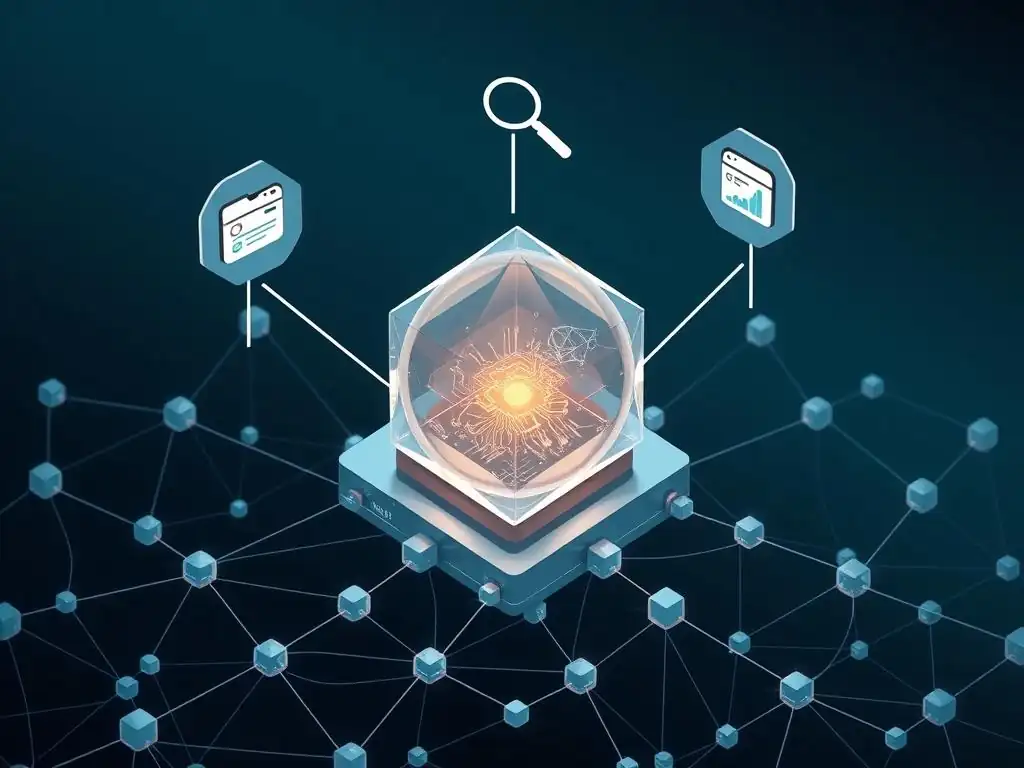
Understanding the Importance of Secure Blockchain Oracles
Blockchain technology, by its inherent design, operates in a deterministic and isolated environment, lacking native access to external real-world data. This is where blockchain oracles become indispensable. Oracles serve as crucial bridges, connecting blockchains to external systems and providing them with off-chain information. They are essential for the functionality of a vast array of decentralized applications (dApps), enabling smart contracts to interact with data feeds, APIs, and various external data sources. Without secure and reliable oracles, the potential of blockchain technology to revolutionize industries from finance to supply chain management would be severely limited.
The security of blockchain oracles is paramount because they act as the data pipeline into decentralized networks. If an oracle is compromised, the integrity of the data it provides is immediately called into question, and consequently, the smart contracts and dApps relying on this data become vulnerable. For example, in decentralized finance (DeFi), oracles supply price feeds for token swaps, lending platforms, and derivatives.
If a malicious actor manipulates an oracle to report an incorrect price, they could exploit DeFi protocols for significant financial gain. Therefore, ensuring the security of blockchain oracles is not merely an ancillary concern but a fundamental requirement for the overall robustness and trustworthiness of the decentralized ecosystem.
The Growing Need for Blockchain Oracle Security Audits
As blockchain technology matures and its applications expand into increasingly critical domains, the reliance on oracles is only set to intensify. The DeFi sector alone, which heavily depends on oracles for price feeds, asset valuations, and event triggers, has seen exponential growth, with total value locked (TVL) reaching peaks of over $100 billion in recent years. This surge in DeFi and other blockchain applications has simultaneously amplified the attack surface and the potential impact of oracle vulnerabilities. A single compromised oracle can trigger cascading failures across multiple dApps, leading to significant financial losses and reputational damage.
Consequently, the demand for blockchain oracle security audits is experiencing a parallel surge. Organizations building and utilizing decentralized systems are increasingly recognizing the critical need to proactively identify and mitigate security risks associated with their oracles. These audits are no longer considered optional best practices but are becoming essential components of a robust security strategy for any blockchain-based project. As regulatory scrutiny of the blockchain space increases, demonstrating due diligence in securing critical infrastructure like oracles through independent audits will become even more crucial for compliance and maintaining user trust.
Frequently Asked Questions
What are blockchain oracles, and why do they need security audits?
Blockchain oracles are third-party services that connect blockchains to external data sources. They require security audits to ensure the integrity and reliability of the data they provide to smart contracts.
What are the potential risks if a blockchain oracle is compromised?
A compromised oracle can inject false or manipulated data into a blockchain, leading to incorrect smart contract executions. This can result in significant financial losses and damage the reputation of the decentralized application.
What does a typical "Blockchain oracle security audit" involve?
A security audit assesses the oracle's codebase, infrastructure, and data handling processes. It identifies vulnerabilities like injection attacks, data manipulation, and unauthorized access. The audit delivers recommendations for improving security posture.
How often should "Blockchain oracle security audits" be performed?
Oracles should undergo security audits regularly, especially after any significant code changes or updates. The frequency depends on the risk profile and criticality of the data they provide.
What are some best practices for ensuring the security of blockchain oracles?
Best practices include using multiple, independent oracles, implementing data validation and verification mechanisms, and conducting thorough security audits performed by reputable firms. These practices are essential for maintaining data integrity in decentralized networks.
Final Reflection: Fortifying the Pillars of Trust
The exploration of blockchain oracle security audits has revealed a critical vulnerability point in the decentralized ecosystem. While blockchain technology promises immutability and transparency, the reliance on external data feeds through oracles introduces potential weaknesses that, if exploited, could undermine the very foundations of trust upon which these systems are built. The need for rigorous security auditing is not merely a best practice; it is a fundamental requirement for the sustainable growth and adoption of decentralized applications.
The ongoing influence of secure and reliable oracles is undeniable, shaping the future of DeFi, supply chain management, and countless other applications. My own understanding of the intricate dance between on-chain security and off-chain data has deepened significantly, highlighting the urgent need for standardized audit procedures and continuous monitoring. > As Andreas Antonopoulos eloquently stated, "Security is not a product, but a process." This sentiment underscores the continuous vigilance required to maintain the integrity of blockchain oracles and, by extension, the entire decentralized landscape.
Now, I invite you to consider the implications of this discussion. How can you, as a developer, investor, or simply an informed citizen, contribute to the strengthening of blockchain oracle security? Reflect on the importance of demanding transparency and rigorous auditing from oracle providers. By prioritizing security and demanding accountability, we can collectively build a more robust and trustworthy decentralized future, one where data integrity is not just a promise, but a verifiable reality.
Unleash the Power of Secure Blockchain Oracles!
Thanks for exploring the world of blockchain oracle security with us! We hope you've gained valuable insights into how to protect the integrity of decentralized networks. Now, it's time to put that knowledge into action.
Here are a few ways to continue your journey:
- Start a test audit: Begin by auditing a small section of your oracle system to identify potential weaknesses and vulnerabilities. This hands-on approach is the best way to translate theory into practice.
- Dive deeper! Research the latest hacking techniques targeting blockchain oracles and how to stay one step ahead of attackers.
- Share this article with your network! Knowledge is power, especially in the rapidly evolving world of blockchain security.
What's one key security measure you'll implement in your oracle system today? Let us know in the comments!
Leave a Reply