
ZeroKnowledge Proofs and Supply Chain Traceability: Ensuring Data Privacy and Transparency

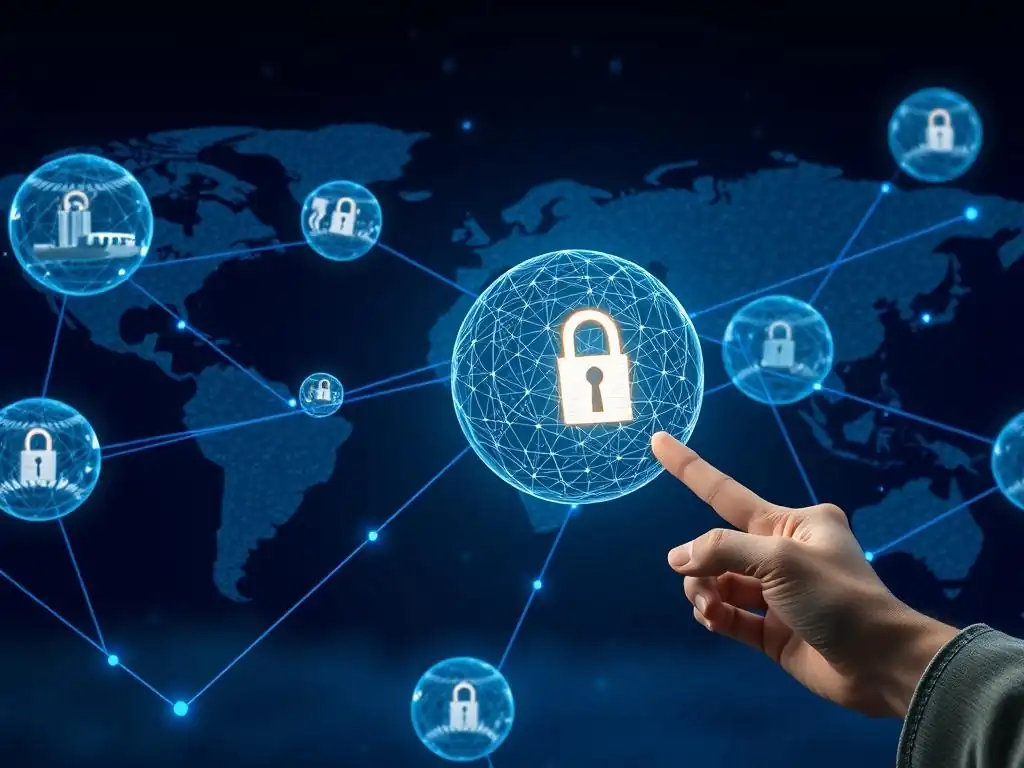
Welcome to Blockchain Trends, your compass in the ever-evolving world of decentralized innovation. Beyond the headlines, we delve into the real-world applications of blockchain technology, exploring its potential to reshape industries. Ever wondered how to reconcile transparency with data privacy in complex supply chains? Our featured article on Zero Knowledge Supply Chain Privacy unveils how zero-knowledge proofs are revolutionizing traceability, offering a peek into a future where data security and operational efficiency coexist. Read on to discover how this breakthrough technology is redefining trust and accountability.
- Introduction: Addressing Supply Chain Challenges with Zero-Knowledge Proofs
- Understanding Zero-Knowledge Proofs (ZKPs)
- Applying Zero-Knowledge Proofs to Supply Chain Traceability
- Benefits of Using ZKPs in Supply Chain Management
- Implementing Zero-Knowledge Proofs in Supply Chain Solutions
- Real-World Applications: Zero-Knowledge Proofs in Action
- The Future of Zero-Knowledge Proofs and Supply Chain Innovation
- Conclusion: A More Private and Transparent Supply Chain
-
Frequently Asked Questions
- What are Zero-Knowledge Proofs (ZKPs) and how do they enhance supply chain traceability?
- How does using ZKPs in supply chains improve data privacy for participating businesses?
- What are some practical applications of Zero-Knowledge Proofs in a supply chain context?
- What are the potential regulatory implications of implementing Zero-Knowledge Proofs for supply chain transparency?
- What are the challenges to widespread adoption of Zero Knowledge supply chain privacy solutions?
- Final Reflection: Embracing Trust Through Verifiable Privacy
- Empower Transparency: Secure Your Supply Chain Today!
Introduction: Addressing Supply Chain Challenges with Zero-Knowledge Proofs
Blockchain's Role in Supply Chain Transparency
Blockchain technology has emerged as a powerful tool for enhancing transparency within supply chains. Its inherent characteristics, such as immutability and decentralization, offer a shared and verifiable record of transactions and product journeys. This allows stakeholders across the supply chain, from manufacturers to consumers, to track products from origin to destination with unprecedented clarity.
For example, a study by Transparency Market Research projected the global blockchain supply chain market to reach \$9.85 billion by 2025, highlighting the increasing adoption and recognition of blockchain's value in this sector. The ability to trace products, verify authenticity, and monitor conditions like temperature and humidity during transit contributes to building trust and accountability throughout the network. This level of transparency is particularly crucial in industries dealing with sensitive goods, such as pharmaceuticals and food, where provenance and integrity are paramount.
However, the very transparency that blockchain offers can also present a challenge. While stakeholders benefit from increased visibility, the open nature of many blockchain platforms can expose sensitive business data. Information like supplier relationships, pricing, and specific logistical details, while crucial for complete traceability, might be confidential and not intended for universal access. This creates a tension between the desire for a transparent supply chain and the need to protect proprietary information and maintain competitive advantages. Businesses are increasingly seeking solutions that can leverage the benefits of blockchain for traceability without compromising their data privacy.
Balancing Transparency and Data Privacy: A Critical Challenge
The demand for supply chain transparency is driven by various factors, including consumer expectations for ethical sourcing and product authenticity, regulatory pressures for compliance and accountability, and internal business needs for improved efficiency and risk management. Consumers, especially in developed markets, are increasingly conscious of the social and environmental impact of their purchases. A 2020 survey by IBM found that 71% of consumers are willing to pay a premium for brands that offer full transparency. This necessitates providing detailed information about product origins, manufacturing processes, and the journey through the supply chain.
Simultaneously, companies operate in a competitive landscape where data privacy is paramount. Revealing granular details about their supply chain operations could expose strategic information to competitors, erode negotiating power with suppliers, or even create security vulnerabilities. For instance, sharing precise sourcing locations or real-time inventory levels might be detrimental to a company's competitive positioning.
Furthermore, regulations like GDPR in Europe and CCPA in California mandate stringent data protection measures, requiring businesses to carefully control the dissemination of personal and sensitive business data. Therefore, a solution that enables supply chain transparency without sacrificing data privacy is not just desirable but increasingly essential for modern businesses.
Zero-Knowledge Proofs (ZKPs) for Enhanced Data Protection
Zero-Knowledge Proofs (ZKPs) emerge as a groundbreaking cryptographic solution to address the challenge of balancing transparency and data privacy in supply chains. ZKPs allow one party (the prover) to convince another party (the verifier) that a statement is true, without revealing any information beyond the validity of the statement itself. Imagine a supplier needing to prove the origin of their materials to a buyer without disclosing the specific source location or supplier contract details.
ZKPs make this possible. By employing sophisticated mathematical techniques, ZKPs enable selective disclosure of information, allowing for verification of crucial data points while keeping sensitive details confidential.
This technology has the potential to revolutionize supply chain management by facilitating secure and private data sharing. ZKPs can be integrated with blockchain platforms to create systems where transparency and privacy coexist. For example, a manufacturer can use a ZKP to prove to a retailer that their products meet certain quality standards or ethical sourcing criteria without revealing their proprietary manufacturing processes or supplier information.
This approach allows for building trust and accountability within the supply chain while maintaining necessary confidentiality. The application of zero-knowledge supply chain privacy is not just theoretical; it is rapidly becoming a practical necessity for businesses navigating the complexities of modern, globally interconnected supply chains.
Understanding Zero-Knowledge Proofs (ZKPs)
Core Principles: Completeness, Soundness, and Zero-Knowledge
Zero-Knowledge Proofs are built upon three fundamental principles that ensure their effectiveness and security: Completeness, Soundness, and Zero-Knowledge. Completeness dictates that if the statement being proven is true, a honest prover should always be able to convince an honest verifier of its truth. Conversely, Soundness guarantees that if the statement is false, no prover, even a malicious one, can convince an honest verifier that it is true, except with a negligible probability. These two principles ensure the reliability of the proof system.
The most crucial principle, Zero-Knowledge, is what truly distinguishes ZKPs. It mandates that during the proof process, the verifier learns nothing beyond the validity of the statement. No additional information about the secret or sensitive data is revealed.
The verifier is only convinced that the prover possesses the knowledge without gaining any insight into what that knowledge actually is. This is often illustrated with the "Ali Baba's Cave" example, where a prover can demonstrate knowledge of a secret passage without revealing the secret itself. These three core principles working in concert make ZKPs a powerful tool for privacy-preserving data verification.
Guaranteeing Data Privacy Without Revealing Sensitive Information
The power of Zero-Knowledge Proofs lies in their ability to guarantee data privacy while still enabling verification and transparency. Traditional methods of data sharing often require disclosing sensitive information to allow for validation. For instance, to prove compliance with a certain regulation, a company might need to share detailed audit reports, potentially exposing confidential business processes or financial data. ZKPs offer a paradigm shift by decoupling verification from information disclosure.
Instead of revealing the sensitive data itself, ZKPs allow a prover to generate a cryptographic proof demonstrating that they possess certain knowledge or that specific data meets certain criteria, without actually revealing the underlying data. This is achieved through complex mathematical protocols involving interactive or non-interactive exchanges between the prover and the verifier.
For example, in a supply chain context, a manufacturer could use ZKPs to prove that their products are ethically sourced, by demonstrating compliance with fair labor standards, without revealing the identities of their specific suppliers or the details of their labor contracts. This ensures that sensitive supplier relationships remain protected while providing verifiable assurance of ethical sourcing to downstream partners and consumers.
Types of ZKPs: Exploring Different Implementations
Over time, various types of Zero-Knowledge Proofs have been developed, each with its own strengths and trade-offs in terms of efficiency, security assumptions, and implementation complexity. Two prominent categories are zk-SNARKs (Zero-Knowledge Succinct Non-Interactive Arguments of Knowledge) and zk-STARKs (Zero-Knowledge Scalable Transparent Arguments of Knowledge). zk-SNARKs are known for their succinctness and non-interactivity, meaning proofs are small and verification is fast, requiring minimal interaction between prover and verifier. However, they often rely on a "trusted setup," which requires an initial ceremony to generate cryptographic parameters, and the security of the system depends on the integrity of this setup.
zk-STARKs, on the other hand, offer transparency and scalability. They do not require a trusted setup, making them more robust against potential vulnerabilities associated with the setup phase. zk-STARKs also tend to be more scalable for complex computations, although they typically generate larger proof sizes compared to zk-SNARKs.
Other types of ZKPs include Bulletproofs, which are efficient for range proofs (proving a value falls within a certain range), and Plonk, which offers a balance of efficiency, flexibility, and a universal trusted setup. The choice of ZKP implementation depends on the specific requirements of the application, considering factors like performance needs, security considerations, and the desired level of trust and transparency in the setup process.
Applying Zero-Knowledge Proofs to Supply Chain Traceability
Enhancing Transparency with Blockchain and ZKPs
The combination of blockchain and Zero-Knowledge Proofs presents a powerful synergy for revolutionizing supply chain traceability. Blockchain provides the foundational infrastructure for transparent and immutable data recording, while ZKPs layer on the crucial element of data privacy. By integrating ZKPs into blockchain-based supply chain systems, it becomes possible to achieve a new paradigm of "privacy-preserving transparency." This means stakeholders can verify critical aspects of a product's journey and attributes on the blockchain without gaining access to sensitive or confidential business information.
Imagine a scenario where a retailer wants to verify the ethical sourcing of coffee beans they are purchasing. Using a blockchain with ZKP integration, the coffee supplier can generate a ZKP to prove that the beans are sourced from farms adhering to fair trade practices, without revealing the specific farm locations, farmer contracts, or pricing details. The retailer can verify this proof on the blockchain, gaining assurance of ethical sourcing without compromising the supplier's sensitive business information. This blend of technologies allows for building trusted and auditable supply chains while respecting the need for data privacy and competitive confidentiality.
Use Cases: Enhancing Different Stages of the Supply Chain
Zero-Knowledge Proofs can be strategically applied across various stages of the supply chain to enhance both transparency and data privacy. From origin verification to compliance auditing, ZKPs offer tailored solutions for specific challenges.
Origin Verification and Product Authenticity
Verifying the origin and authenticity of products is paramount in combating counterfeiting and ensuring ethical sourcing. In the pharmaceutical industry, for example, counterfeit drugs pose a significant threat to public health. ZKPs can be used to prove the origin of pharmaceutical ingredients or finished products without revealing the specific suppliers or manufacturing locations.
A pharmaceutical company can generate a ZKP to demonstrate that a batch of medicine originated from an approved manufacturing facility and went through validated quality control processes, without disclosing the exact facility location or detailed process parameters. This allows regulators and distributors to verify authenticity and compliance, reducing the risk of counterfeit drugs entering the supply chain and bolstering consumer trust. Similarly, in the luxury goods industry, ZKPs can help verify the authenticity of high-value items and their components, protecting brands and consumers from counterfeits without exposing sensitive supply chain information.
Secure Tracking and Monitoring of Goods
Tracking goods throughout the supply chain is essential for logistics optimization, inventory management, and ensuring product integrity. However, revealing the precise location of goods at every stage can expose sensitive logistical information and potential security vulnerabilities. ZKPs can enable secure tracking and monitoring by allowing parties to prove the location or condition of goods at specific points in time without disclosing the exact real-time location or detailed route information.
For instance, a shipping company could use ZKPs to prove to a recipient that a shipment has reached a specific checkpoint within a certain timeframe and maintained required temperature conditions (for temperature-sensitive goods like vaccines) without revealing the precise GPS coordinates of the truck or the entire delivery route. This provides verifiable tracking information while protecting sensitive logistical data and enhancing supply chain security.
Compliance and Auditing with Data Privacy
Ensuring compliance with regulations and industry standards often requires audits and data verification across the supply chain. Traditional audits can be intrusive and require sharing large amounts of sensitive business data. ZKPs can streamline compliance and auditing processes while preserving data privacy.
Companies can use ZKPs to generate proofs of compliance with specific regulations or standards without revealing the underlying sensitive data that demonstrates compliance. For example, a food manufacturer can use ZKPs to prove adherence to food safety regulations, such as HACCP (Hazard Analysis and Critical Control Points), without disclosing proprietary recipes, detailed process flowcharts, or specific supplier contracts to auditors. Auditors can verify these ZKPs, gaining assurance of compliance without requiring access to sensitive business secrets, making the auditing process more efficient, less intrusive, and more data privacy-preserving.
Benefits of Using ZKPs in Supply Chain Management
Improved Data Security and Reduced Risk of Data Breaches
One of the most significant benefits of implementing Zero-Knowledge Proofs in supply chain management is the enhanced data security and reduced risk of data breaches. Traditional supply chain systems often involve centralized databases and extensive data sharing, creating multiple points of vulnerability for cyberattacks and data leaks. By minimizing the need to share sensitive data directly and instead using ZKPs for verification, companies significantly reduce their attack surface and the potential for unauthorized access to confidential information.
In 2022, the average cost of a data breach in supply chains reached \$4.35 million globally, according to IBM's Cost of a Data Breach Report. This highlights the substantial financial and reputational risks associated with data breaches in supply chain networks. ZKPs mitigate these risks by ensuring that sensitive information remains confidential within each organization, even while participating in transparent supply chain networks. For instance, supplier details, pricing information, and proprietary manufacturing processes can be protected using ZKPs, reducing the risk of this sensitive data being exposed during data breaches or cyberattacks targeting supply chain participants.
Enhanced Trust and Collaboration Among Supply Chain Participants
Zero-Knowledge Proofs foster enhanced trust and collaboration among supply chain participants who might otherwise be hesitant to share sensitive information. In traditional supply chains, a lack of trust and transparency can hinder collaboration and efficiency. Companies may be reluctant to share data with partners due to concerns about competitive disadvantage or data misuse. ZKPs address this by enabling trust-building verification without requiring the sharing of sensitive underlying data.
By using ZKPs, companies can confidently demonstrate compliance, product authenticity, and ethical sourcing practices to their partners without revealing confidential business information. This fosters a more collaborative environment where stakeholders are more willing to share necessary information for traceability and efficiency improvements, knowing that their sensitive data is protected.
For example, a manufacturer and a retailer can collaborate on inventory management and demand forecasting by using ZKPs to share aggregated and anonymized data, ensuring that neither party reveals proprietary sales figures or strategic market insights to the other. This enhanced trust leads to stronger partnerships, improved supply chain responsiveness, and greater overall efficiency.
Streamlined Compliance with Data Privacy Regulations
The increasing stringency of data privacy regulations, such as GDPR and CCPA, necessitates robust data protection measures throughout the supply chain. Non-compliance can result in significant fines and reputational damage. ZKPs offer a powerful tool for streamlining compliance with these regulations by enabling data verification while minimizing the sharing of personal or sensitive data.
By using ZKPs, companies can demonstrate compliance with data privacy requirements without having to expose the actual data itself. For example, to comply with GDPR's "right to be forgotten," a company might need to prove that personal data has been securely deleted from their systems. Using ZKPs, they can generate a proof of data deletion without having to reveal the actual data that was deleted or the specific methods used for deletion.
This simplifies the compliance process, reduces the burden of data audits, and minimizes the risk of inadvertently violating privacy regulations. Furthermore, ZKPs can facilitate cross-border data transfers by enabling secure and private data verification without directly transferring sensitive data across jurisdictions with varying privacy laws.
Increased Efficiency and Cost Savings
Implementing Zero-Knowledge Proofs in supply chain management can lead to increased efficiency and cost savings in various areas. Streamlined compliance processes, reduced data breach risks, and enhanced collaboration contribute to operational efficiencies and cost reductions. Traditional methods of verification and auditing often involve manual processes, extensive paperwork, and time-consuming data exchanges. ZKPs automate and streamline these processes, reducing administrative overhead and transaction costs.
For instance, using ZKPs for automated compliance checks can significantly reduce the time and resources spent on manual audits. Similarly, by reducing the risk of data breaches and associated costs of remediation and penalties, ZKPs contribute to overall cost savings. Furthermore, improved collaboration and data sharing facilitated by ZKPs can lead to more efficient inventory management, optimized logistics, and reduced waste throughout the supply chain. While the initial implementation of ZKP technology may involve some upfront investment, the long-term benefits in terms of efficiency gains, cost reductions, and enhanced security can be substantial.
Implementing Zero-Knowledge Proofs in Supply Chain Solutions
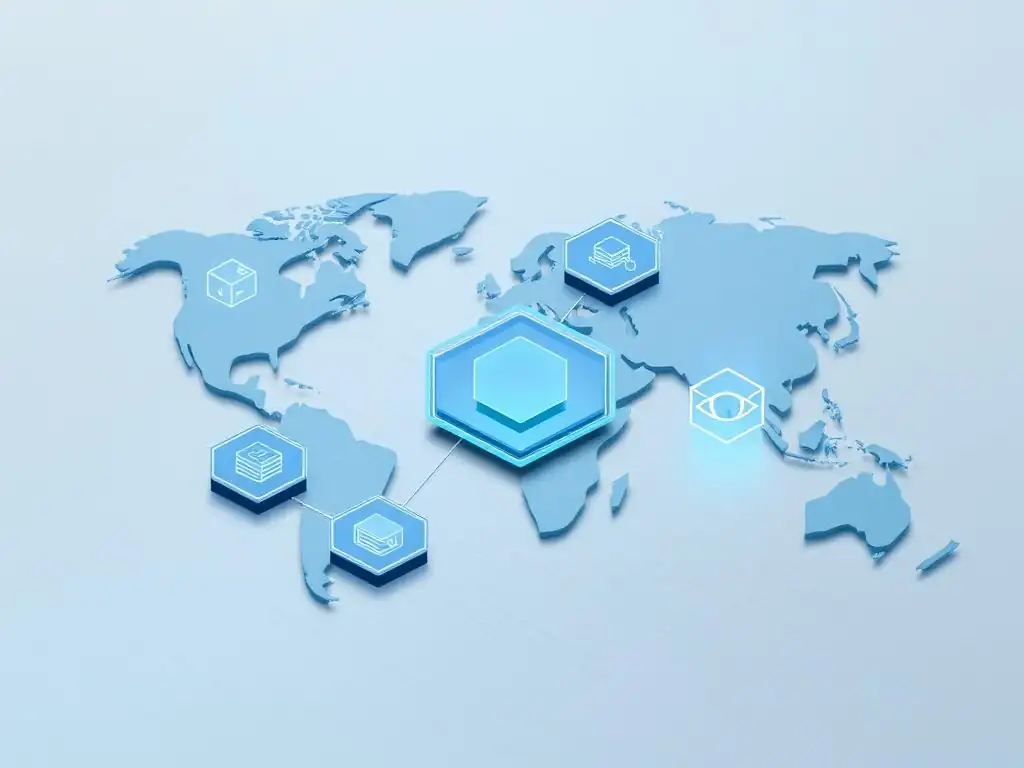
Challenges and Considerations for ZKP Implementation
While the benefits of Zero-Knowledge Proofs in supply chain management are compelling, implementing them effectively presents certain challenges and considerations. One key challenge is the complexity of ZKP technology itself. Developing and deploying ZKP-based solutions requires specialized expertise in cryptography and blockchain development. The mathematical underpinnings of ZKPs can be intricate, and designing secure and efficient ZKP protocols for specific supply chain use cases requires careful consideration.
Another challenge is the computational overhead associated with generating and verifying ZKPs. Depending on the complexity of the proof and the type of ZKP used, proof generation and verification can be computationally intensive, potentially impacting system performance, especially for large-scale supply chain networks with high transaction volumes. Furthermore, standardization and interoperability are crucial for widespread ZKP adoption in supply chains.
Different ZKP implementations and protocols may not be readily compatible, hindering seamless integration across diverse supply chain systems. Addressing these challenges requires ongoing research and development, standardization efforts, and the development of user-friendly tools and platforms to simplify ZKP implementation.
Selecting the Appropriate ZKP Technology
Choosing the right ZKP technology is crucial for successful implementation in supply chain solutions. As discussed earlier, various types of ZKPs exist, each with different characteristics and trade-offs. The selection process should be guided by the specific requirements of the use case, considering factors like performance needs, security assumptions, proof size, verification speed, and the level of trust required in the setup process.
For applications requiring high performance and succinct proofs, zk-SNARKs might be suitable, but the trusted setup requirement needs careful consideration. For applications prioritizing transparency and scalability, zk-STARKs could be a better choice, despite potentially larger proof sizes. For specific use cases like range proofs, Bulletproofs might offer optimal efficiency.
The selection process should also consider the maturity and availability of development tools and libraries for different ZKP technologies, as well as the expertise and resources required for implementation and maintenance. A thorough evaluation of different ZKP options and their suitability for the specific supply chain context is essential for informed decision-making.
Integrating ZKPs with Existing Blockchain Platforms
Seamless integration with existing blockchain platforms is vital for practical ZKP adoption in supply chain solutions. Many supply chain initiatives are already leveraging blockchain technology for traceability and transparency. Integrating ZKPs into these existing blockchain infrastructures can enhance data privacy without requiring a complete system overhaul. This integration can be achieved at different levels, such as incorporating ZKP functionalities into smart contracts, developing ZKP-enabled layers on top of existing blockchains, or using ZKPs for off-chain data verification with on-chain proof anchoring.
The choice of integration approach depends on the specific blockchain platform, the desired level of privacy, and the complexity of the ZKP application. For instance, platforms like Ethereum are exploring native support for ZKP functionalities, while other platforms might require custom-built ZKP integration layers. Standardized interfaces and protocols for ZKP integration with blockchain platforms are crucial for promoting interoperability and facilitating wider adoption. Furthermore, ensuring the security and robustness of the ZKP integration within the blockchain environment is paramount to maintain the overall integrity and trustworthiness of the supply chain system.
Real-World Applications: Zero-Knowledge Proofs in Action
Provenance Tracking of Conflict Minerals
The ethical sourcing of minerals, particularly conflict minerals like tin, tantalum, tungsten, and gold (3TG), is a significant concern for many industries. ZKPs are being explored to enhance provenance tracking of these minerals while protecting sensitive supplier information. Companies are under increasing pressure to ensure that their supply chains are free from minerals that finance conflict and human rights abuses. However, revealing the entire supply chain for minerals can expose sensitive supplier relationships and competitive advantages.
ZKPs offer a solution by enabling companies to prove the ethical origin of minerals without disclosing the full chain of custody or specific supplier details. For example, a mining company can use ZKPs to demonstrate that their minerals are sourced from certified conflict-free mines, without revealing the precise location of the mines or the details of their mining operations.
Downstream companies in the electronics or automotive industries can then verify these ZKPs, gaining assurance of ethical sourcing without requiring access to sensitive upstream supply chain information. This application of zero knowledge supply chain privacy is crucial for promoting ethical sourcing and responsible mineral procurement.
Secure Data Sharing in Pharmaceutical Supply Chains
Pharmaceutical supply chains are characterized by stringent regulatory requirements, complex logistics, and the need to protect highly sensitive data, including patient information and proprietary drug formulations. ZKPs are being explored to facilitate secure data sharing and compliance in pharmaceutical supply chains while maintaining data privacy. For instance, in drug traceability, ZKPs can be used to verify the authenticity and provenance of pharmaceutical products at different stages of the supply chain without revealing sensitive manufacturing data or patient-identifiable information.
A pharmaceutical manufacturer can use ZKPs to prove to distributors or regulatory authorities that a batch of medicine meets quality standards and regulatory requirements, without revealing the exact manufacturing process or the details of quality control data. Similarly, in clinical trials data sharing, ZKPs can enable researchers to share aggregated and anonymized trial data for meta-analysis and validation, while protecting patient privacy and commercially sensitive research findings. These applications of ZKPs are vital for enhancing data security, compliance, and collaboration in the highly regulated and data-sensitive pharmaceutical industry.
Protecting Consumer Privacy in Food Supply Chains
Consumer demand for transparency in food supply chains is increasing, driven by concerns about food safety, ethical sourcing, and environmental sustainability. However, providing detailed information about food origins and processing can also raise privacy concerns, particularly regarding consumer purchase data and personal preferences. ZKPs can be applied to protect consumer privacy in food supply chains while still enabling transparency and traceability.
For example, in personalized nutrition applications, consumers might want to share dietary preferences or health data with food suppliers to receive tailored product recommendations. Using ZKPs, consumers can prove their dietary restrictions or allergies without revealing their specific health conditions or personal data to food companies.
Similarly, in food traceability systems, ZKPs can be used to verify the organic certification or fair trade status of food products without revealing the specific farms or farmers involved, protecting their privacy and competitive information. These applications of ZKPs in food supply chains are essential for building consumer trust and enabling personalized food experiences while respecting data privacy.
The Future of Zero-Knowledge Proofs and Supply Chain Innovation
Emerging Trends in ZKP Technology
The field of Zero-Knowledge Proofs is rapidly evolving, with ongoing research and development driving advancements in efficiency, scalability, and usability. Emerging trends in ZKP technology include the development of more efficient proof systems, such as recursive ZKPs that allow for composing proofs and reducing proof sizes, and hardware acceleration for ZKP computations to improve performance. Researchers are also working on making ZKP technology more accessible to developers through user-friendly libraries, frameworks, and programming languages.
Another key trend is the exploration of new applications for ZKPs beyond traditional privacy-preserving authentication and data verification. These include applications in decentralized finance (DeFi), verifiable computation, and confidential machine learning. The convergence of ZKP technology with other cryptographic techniques, such as homomorphic encryption and secure multi-party computation, is also opening up new possibilities for building more sophisticated and privacy-preserving supply chain solutions. These ongoing advancements promise to make ZKPs even more powerful and practical for real-world supply chain applications in the future.
Potential for Supply Chain Optimization and Security
The future potential of Zero-Knowledge Proofs in supply chain innovation extends beyond data privacy and transparency to encompass broader supply chain optimization and security enhancements. ZKPs can enable more efficient and secure data exchange between supply chain partners, leading to improved logistics, inventory management, and demand forecasting. By enabling verifiable computation and secure data aggregation, ZKPs can facilitate the development of more intelligent and automated supply chain systems.
For example, ZKPs can be used to create privacy-preserving data marketplaces where supply chain data can be securely shared and monetized without revealing sensitive business information. They can also enable the development of verifiable supply chain analytics and AI models that can provide insights and predictions without compromising data privacy. Furthermore, ZKPs can enhance supply chain resilience and security by enabling verifiable provenance tracking, tamper-proof data logging, and secure communication channels. These future applications highlight the transformative potential of ZKPs to drive innovation and create more efficient, secure, and resilient supply chains.
Overcoming Barriers to Adoption and Scaling ZKP Solutions
Despite the promising potential, several barriers need to be overcome to accelerate the adoption and scaling of ZKP solutions in supply chains. One key barrier is the lack of awareness and understanding of ZKP technology among supply chain stakeholders. Education and outreach efforts are needed to demonstrate the benefits and practical applications of ZKPs to businesses and organizations across different industries. Another barrier is the perceived complexity and cost of implementing ZKP solutions. Developing user-friendly tools, platforms, and standardized protocols can help reduce the complexity and cost of ZKP adoption.
Furthermore, addressing concerns about performance and scalability is crucial for enabling widespread ZKP deployment in large-scale supply chain networks. Ongoing research and development efforts are focused on improving the efficiency and scalability of ZKP technology. Finally, fostering collaboration between ZKP technology providers, blockchain platform developers, and supply chain solution providers is essential to create integrated and interoperable ZKP-based solutions that can be readily adopted and scaled across diverse supply chain ecosystems. Overcoming these barriers will pave the way for realizing the full potential of Zero-Knowledge Proofs in transforming supply chain management.
Conclusion: A More Private and Transparent Supply Chain
Key Takeaways: The Power of ZKPs
Zero-Knowledge Proofs represent a paradigm shift in how we approach data privacy and transparency in supply chains. They offer a groundbreaking solution to the long-standing challenge of balancing the need for supply chain visibility with the imperative to protect sensitive business information. By enabling verifiable claims without revealing underlying data, ZKPs empower companies to build more transparent, secure, and collaborative supply chains.
The key takeaways are clear: ZKPs enhance data security, foster trust among partners, streamline compliance, and offer the potential for increased efficiency and cost savings. The application of zero knowledge supply chain privacy is not just a theoretical concept; it is a practical and increasingly vital tool for modern businesses navigating the complexities of global supply chains.
Moving Forward: Exploring the Possibilities
The journey of integrating Zero-Knowledge Proofs into supply chain solutions is just beginning. As ZKP technology continues to mature and become more accessible, we can expect to see wider adoption across various industries and use cases. Businesses should actively explore the possibilities of ZKPs to address their specific data privacy and transparency challenges in supply chain management.
This includes experimenting with different ZKP technologies, collaborating with ZKP experts and solution providers, and piloting ZKP-based solutions in real-world supply chain scenarios. Moving forward, the focus should be on developing practical, scalable, and user-friendly ZKP applications that can unlock the full potential of this transformative technology and pave the way for a more private and transparent future for global supply chains.
Frequently Asked Questions
What are Zero-Knowledge Proofs (ZKPs) and how do they enhance supply chain traceability?
ZKPs are a cryptographic method that allows proving the validity of information without revealing the information itself. This enhances supply chain traceability by enabling verification of product origin and handling without exposing sensitive data to all participants.
How does using ZKPs in supply chains improve data privacy for participating businesses?
By using ZKPs, businesses can share proof of compliance or product quality without disclosing proprietary processes or sensitive supplier information. This maintains privacy while ensuring transparency and trust within the supply chain network.
What are some practical applications of Zero-Knowledge Proofs in a supply chain context?
Examples include verifying product authenticity, ensuring compliance with ethical sourcing standards, and validating temperature control during shipping, all without revealing specific temperature data or origin details to unauthorized parties.
What are the potential regulatory implications of implementing Zero-Knowledge Proofs for supply chain transparency?
While regulations surrounding ZKPs are still evolving, their use can help companies comply with data privacy laws like GDPR and CCPA by minimizing data exposure and enhancing control over sensitive information.
What are the challenges to widespread adoption of Zero Knowledge supply chain privacy solutions?
Challenges include the technical complexity of implementing ZKPs, the need for industry-wide standardization, and the computational resources required for generating and verifying proofs on a large scale.
Final Reflection: Embracing Trust Through Verifiable Privacy
The journey through Zero-Knowledge Proofs and their application to supply chain traceability reveals a powerful truth: data privacy and transparency are not mutually exclusive. In a world increasingly concerned with data breaches and ethical sourcing, the ability to verify information without revealing the underlying data itself is not just innovative, it's essential for building trust and fostering responsible business practices.
The impact of Zero-Knowledge Proofs extends far beyond simply securing data. It fundamentally reshapes how we interact with information, allowing for verification without vulnerability. This shift towards verifiable privacy is crucial for empowering consumers and holding businesses accountable, fostering a more equitable and sustainable global supply chain. Trust, but verify.
This age-old adage finds new resonance in the context of Zero-Knowledge Proofs, offering a technological pathway to achieve both.
As we move forward, let us embrace the potential of Zero-Knowledge Proofs to revolutionize supply chain management and beyond. Consider how you, as a consumer, a business leader, or a technologist, can champion the adoption of these privacy-preserving technologies. Let us work together to build a future where data privacy and transparency coexist, fostering a world where trust is not blindly given, but intelligently verified.
Empower Transparency: Secure Your Supply Chain Today!
Thank you for exploring how Zero-Knowledge Proofs can revolutionize supply chain traceability while safeguarding data privacy. We hope this article has highlighted the potential of this technology to foster trust and improve efficiency. Now, it's time to put that knowledge into action!
Consider taking the following steps to embrace the future of secure supply chains:
- Investigate how Zero-Knowledge Proofs can be integrated into your current supply chain management system. This step can lead to significant improvements and more secure operations.
- Explore open-source ZKP libraries and tools to start experimenting with practical implementations.
- Share this article with colleagues and industry partners to initiate discussions about the benefits of privacy-preserving traceability.
What specific challenges in your supply chain could Zero-Knowledge Proofs help address? Share your thoughts in the comments below!
Leave a Reply