
Agriculture Reimagined: A Blockchain Case Study in Enhancing FarmtoConsumer Traceability

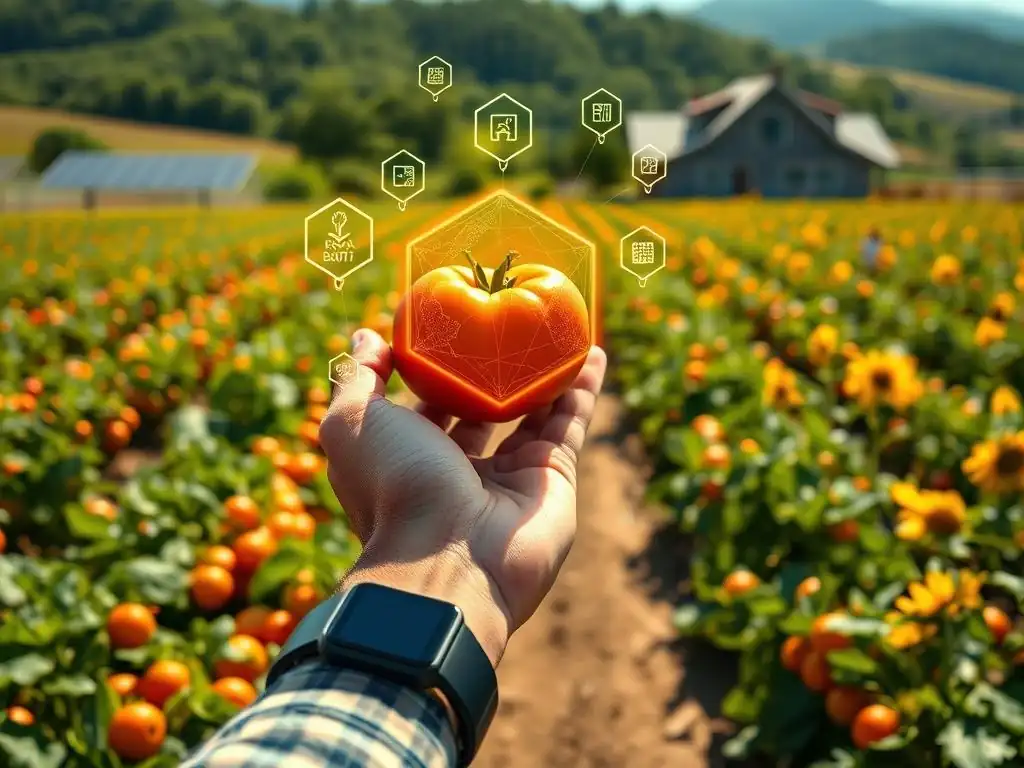
Welcome to Blockchain Trends, your go-to source for unraveling the real-world applications of blockchain technology. Forget just cryptocurrencies; we're diving deep into how this revolutionary technology is reshaping industries. Curious about how blockchain is moving beyond finance? Today, we're exploring a fascinating case study that unveils the power of blockchain farm traceability benefits. Discover how this innovative approach is transforming agriculture and ensuring transparency from farm to table. What if you could trace your food's journey with absolute certainty? Read on to find out!
Agriculture Reimagined: A Blockchain Case Study in Enhancing Farm-to-Consumer Traceability
- Introduction: The Need for Enhanced Traceability in Agriculture
- Understanding Blockchain and its Application to Farm Traceability
- Case Study: Grassroots Beef and Blockchain Implementation
- Blockchain Farm Traceability Benefits: Key Advantages and Outcomes
- Implementing Blockchain for Agricultural Traceability: Key Considerations
- Measuring the Impact: Key Performance Indicators (KPIs) for Blockchain Farm Traceability
- The Future of Blockchain in Agriculture: Trends and Predictions
- Conclusion: Revolutionizing Agriculture with Blockchain Technology
-
Frequently Asked Questions
- How does blockchain enhance farm-to-consumer traceability?
- What are some specific Blockchain Farm Traceability Benefits mentioned in the article?
- How can blockchain contribute to regulatory compliance in the agricultural sector?
- Beyond traceability, what other applications of blockchain exist in agriculture?
- What are the key challenges to widespread adoption of blockchain in agriculture?
- Final Reflection: Cultivating Trust Through Transparency
- Cultivate Transparency: Reap the Rewards of Traceability!
Introduction: The Need for Enhanced Traceability in Agriculture
The journey of food from farm to fork is complex, involving numerous intermediaries, processes, and potential points of failure. Consumers today are increasingly concerned about the origin, safety, and sustainability of their food, driving a demand for greater transparency that traditional systems often struggle to meet. This heightened scrutiny puts significant pressure on the agriculture sector to adopt more robust and verifiable traceability solutions.
The Growing Consumer Demand for Transparency in Food Supply Chains
Modern consumers are not just buying products; they are buying into stories, values, and assurances about what they consume. A 2020 survey by Label Insight found that 86% of consumers consider transparency from companies more important than ever before. This demand extends deeply into the food sector, where concerns about food safety, ethical sourcing, environmental impact, and nutritional accuracy are paramount. Consumers want to know exactly where their food comes from, how it was produced, and every step it took before reaching their plate.
This push for transparency is fueled by a desire for trust and accountability. With rising awareness of issues like food fraud, contamination events, and unsustainable practices, consumers are actively seeking information that validates product claims. They are often willing to pay a premium for products that can demonstrate verifiable attributes, such as organic certification, fair trade practices, or specific origin stories. For instance, studies suggest consumers might pay 10-20% more for products with guaranteed ethical or sustainable sourcing verified by transparent systems.
Challenges in Traditional Agriculture Traceability Systems
Traditional agricultural traceability systems often rely on paper records, centralized databases, or a combination of disparate digital systems. These methods are inherently prone to inefficiencies, errors, and potential manipulation. Information is often siloed between different participants in the supply chain—farmers, processors, distributors, retailers—making end-to-end visibility difficult and time-consuming to achieve. A lack of standardization in data collection and sharing further complicates matters, creating bottlenecks and increasing administrative overhead.
Consider the complexity of tracing a single product, like a head of lettuce, back to its source. It might involve records from the farm (planting date, pesticides used), the packing house (washing, packaging), the distributor (transportation details, storage conditions), and the retailer.
If a food safety issue arises, manually piecing together this information across multiple parties can take days or even weeks, significantly increasing the impact of a recall and potentially endangering public health. A 2018 report estimated the average cost of a food recall to a company is approximately $10 million, highlighting the financial imperative for faster, more accurate traceability.
Blockchain Technology: A Solution for Agricultural Supply Chain Visibility
Blockchain technology offers a promising pathway to overcome the limitations of traditional agricultural traceability systems. Its core principles of decentralization, immutability, and transparency align perfectly with the need for a trustworthy and verifiable record of a product's journey through the supply chain. By creating a shared, tamper-proof ledger accessible to authorized participants, blockchain can track products from their origin at the farm all the way to the consumer.
Implementing blockchain in agriculture allows for the creation of a digital identity for products or batches, linked to critical data points at each stage: planting, harvesting, processing, packaging, transportation, and sale. This creates a comprehensive and verifiable history accessible via a simple scan (like a QR code) by consumers or regulatory bodies. The benefits of blockchain in farm traceability are manifold, ranging from enhanced food safety to improved efficiency and increased consumer trust, fundamentally transforming how agricultural products are tracked and verified.
Understanding Blockchain and its Application to Farm Traceability
Blockchain is a foundational technology with the potential to revolutionize various industries, including agriculture, by providing a new paradigm for data management and trust. Its application in farm traceability leverages its unique characteristics to create a more reliable and transparent supply chain. Understanding the basics of blockchain is key to appreciating its transformative impact on the agricultural sector.
What is Blockchain Technology? A Simple Explanation
At its heart, a blockchain is a distributed digital ledger that records transactions across many computers. Instead of storing data in one central location, copies of the ledger are shared and synchronized across a network of participants. Transactions are grouped into "blocks," and each new block is cryptographically linked to the previous one, forming a "chain." Once a block is added to the chain, it is extremely difficult to alter or remove the data it contains without the consensus of the network participants.
This distributed and immutable nature makes blockchain highly secure and transparent. Every authorized participant can view the history of transactions recorded on the ledger, but no single entity has complete control or the ability to unilaterally change past records. This inherent trust mechanism eliminates the need for a central authority to validate transactions, reducing costs and potential points of corruption or error.
How Blockchain Enables Immutable and Transparent Data Tracking
Blockchain achieves immutability and transparency through cryptographic hashing and a consensus mechanism. Each block contains a cryptographic hash of the previous block, creating a chain where any alteration to a past block would break the link to the subsequent blocks, immediately signaling tampering. The consensus mechanism, which varies depending on the specific blockchain (e.g., Proof-of-Work, Proof-of-Stake), ensures that new blocks are added only after verification by multiple network participants.
For farm traceability, this means that once data about a product (e.g., harvest date, temperature during transport, processing location) is recorded on the blockchain, it becomes a permanent, verifiable part of that product's history. This tamper-proof record provides an unprecedented level of trust and transparency compared to systems where records can be lost, altered, or fabricated. Consumers or auditors can scan a product code and instantly access this verified history, gaining confidence in its authenticity and journey.
The Potential of Blockchain for Farm-to-Consumer Traceability Systems
The application of blockchain to farm-to-consumer traceability holds immense potential to address long-standing industry challenges. By creating a single source of truth for product information, blockchain can significantly reduce information asymmetry between supply chain participants and consumers. It allows for precise tracking of individual items or batches, enabling rapid and targeted responses in case of contamination or recall.
Beyond safety, blockchain can verify claims about product quality, origin, and sustainability. For instance, a blockchain record could confirm that organic produce truly came from a certified farm, that meat was raised under specific conditions, or that seafood was caught legally. This enhanced transparency builds consumer trust, supports premium pricing for verified products, and helps combat food fraud, which costs the global food industry an estimated $40 billion annually. These are significant blockchain farm traceability benefits that can impact both producers and consumers.
Case Study: Grassroots Beef and Blockchain Implementation
To illustrate the practical application and blockchain farm traceability benefits, we can examine real-world examples. Grassroots Beef, a network of farmers committed to sustainable and ethical ranching, implemented blockchain technology to enhance transparency and build trust with their customers. Their case provides valuable insights into the challenges and outcomes of adopting blockchain for agricultural traceability.
Grassroots Beef operates on principles of sustainable, grass-fed, and pasture-raised livestock. They needed a way to effectively communicate and verify these premium attributes to consumers who are willing to pay more for meat produced under such conditions. Traditional labeling and marketing efforts, while important, could not provide the granular, immutable proof that discerning customers increasingly demand. The challenge was to connect consumers directly to the specific farm and practices behind the beef they purchased, ensuring authenticity and preventing misrepresentation within the complex supply chain involving processing, distribution, and retail.
Verifying claims about animal welfare, feed type, and environmental impact across a network of farms and processing facilities using conventional methods was cumbersome and susceptible to errors or lack of detail. Grassroots Beef recognized that simply stating their values wasn't enough; they needed a robust, verifiable system to back up their promise of quality and transparency, thereby building stronger consumer relationships and differentiating their product in a competitive market.
Solution: Implementing a Blockchain-Based Traceability System
Grassroots Beef partnered with a technology provider to implement a blockchain-based traceability system. This system captures key data points throughout the beef's journey, starting from the farm. Information recorded includes details about the specific animal (via ear tag ID), the farm where it was raised, its feed history (confirming grass-fed status), processing dates and locations, and transportation logs. This data is uploaded to the blockchain at each critical handover point in the supply chain.
Consumers can access this information by scanning a QR code on the product packaging. This scan links them to a web interface that displays the blockchain-verified history of that specific cut of beef, including photos of the farm, details about the farmer, and the complete journey from pasture to plate. This level of detail and verifiable proof provides consumers with the confidence that they are purchasing authentic, sustainably raised beef, directly aligning with the blockchain farm traceability benefits they seek.
Choosing the Right Blockchain Platform for Agriculture: VeChainThor
Grassroots Beef notably chose the VeChainThor blockchain platform for their traceability solution. VeChainThor is designed specifically for enterprise applications, focusing on supply chain management and product authenticity. It provides features suitable for business use cases, including identity management, data modeling, and transaction throughput capable of handling the volume of data generated in a supply chain.
VeChain's focus on real-world adoption and its partnerships within various industries made it a suitable choice for agriculture. The platform's tools facilitate the integration of physical products with digital identities on the blockchain. While other platforms could potentially be used, VeChain's emphasis on supply chain solutions and its existing ecosystem offered a compelling advantage for implementing a system like the one used by Grassroots Beef to realize the full potential of blockchain farm traceability benefits.
Blockchain Farm Traceability Benefits: Key Advantages and Outcomes
The implementation of blockchain technology in agricultural supply chains yields a multitude of benefits that positively impact producers, distributors, retailers, and consumers. These advantages extend beyond simple tracking, creating value through enhanced safety, efficiency, trust, and compliance. Exploring these blockchain farm traceability benefits highlights the transformative potential of this technology for the sector.
Improved Food Safety and Reduced Contamination Risks
One of the most critical blockchain farm traceability benefits is the significant enhancement of food safety. By creating a verifiable, step-by-step record of a product's journey, from the seeds planted or animals raised to the final point of sale, blockchain enables rapid identification of the source of contamination or issues. In the event of a foodborne illness outbreak or a product recall, authorities and companies can pinpoint the affected batch or origin with unprecedented speed and accuracy.
This precision allows for targeted recalls, minimizing the scope and cost compared to broad, preventative recalls that affect large volumes of safe products. For example, if a batch of spinach is contaminated, a blockchain system could identify precisely which farms, processing plants, and distribution routes handled that specific batch, potentially reducing the volume of recalled product by 50-80% compared to traditional methods. This not only saves money but also protects public health more effectively by quickly removing unsafe items from shelves.
Enhanced Supply Chain Efficiency and Reduced Waste
Blockchain technology streamlines agricultural supply chain operations by providing a single, shared source of truth for all participants. This reduces the need for manual data entry, reconciliation between disparate systems, and paperwork. Smart contracts, self-executing contracts with the terms of the agreement directly written into code, can automate processes like payments upon delivery or quality checks, further increasing efficiency.
Improved visibility across the supply chain helps identify bottlenecks and inefficiencies, such as excessive dwell times at processing facilities or delays in transportation. Furthermore, better tracking of inventory and product freshness indicators (potentially integrated via IoT sensors) can help reduce food waste. The UN estimates that roughly one-third of all food produced globally is lost or wasted. While blockchain alone won't solve this, enhanced traceability can contribute by enabling better inventory management and ensuring products reach their destination before expiring, contributing to significant blockchain farm traceability benefits related to sustainability.
Increased Consumer Trust and Brand Loyalty
In an era where consumers are increasingly skeptical and demand authenticity, blockchain-verified transparency is a powerful tool for building trust and fostering brand loyalty. By allowing consumers to access verifiable information about a product's origin, production methods, and journey, companies can demonstrate their commitment to quality, safety, and ethical practices.
When a consumer scans a QR code on a package and sees the detailed history of the product, potentially including photos of the farm or videos of the production process, it creates a deeper connection and instills confidence. This transparency differentiates brands from competitors that cannot offer the same level of verifiable proof. Brands leveraging blockchain for traceability often report increased consumer engagement and a willingness among customers to become repeat buyers, sometimes leading to sales increases of 5-15% for the transparently-traced product lines. These are tangible blockchain farm traceability benefits that directly impact the bottom line.
Streamlined Processes for Regulatory Compliance
Agricultural industries are subject to complex and ever-evolving regulations regarding food safety, origin labeling, and production standards. Traditional compliance processes often involve extensive manual record-keeping and audits, which can be time-consuming and prone to errors. Blockchain technology can significantly streamline these processes by providing an immutable and easily auditable record of all relevant data points.
Regulatory bodies can be granted permission to access the blockchain ledger, allowing them to quickly verify compliance with standards regarding pesticide use, organic certification, animal welfare, or import/export requirements. This reduces the burden on producers and supply chain participants while providing regulators with more reliable data. The ability to quickly generate compliance reports from blockchain data can save companies significant time and resources during audits, potentially reducing audit preparation time by 20-40%. This efficiency gain is a key aspect of the blockchain farm traceability benefits for businesses.
Real-Time Visibility into Product Provenance and Journey
A core advantage of blockchain in agriculture is the provision of near real-time, end-to-end visibility into a product's provenance and journey through the supply chain. As data is uploaded to the blockchain at each stage—from planting and harvesting to processing, packaging, and transportation—a dynamic, verifiable history is created. This contrasts sharply with traditional systems where information updates can be delayed or incomplete.
Supply chain managers can monitor the location, status, and conditions of products as they move through the network. This real-time data allows for proactive management, enabling participants to identify potential issues (like temperature deviations during transport) before they compromise product quality or safety. For consumers, this means being able to trace their specific item back to its origin instantly, providing a level of transparency that was previously impossible. This immediate access to information is a foundational element of the blockchain farm traceability benefits, empowering both businesses and consumers.
Implementing Blockchain for Agricultural Traceability: Key Considerations
While the blockchain farm traceability benefits are compelling, implementing such systems in agriculture is not without its challenges. Successfully integrating blockchain requires careful planning and consideration of various factors, from data management to stakeholder adoption. Addressing these points is crucial for a smooth and effective transition.
Data Integration and Standardization Challenges
One of the primary hurdles in deploying blockchain for agricultural traceability is the integration of data from diverse sources and the lack of standardized data formats across the industry. Data originates from farms (manual inputs, sensor data), processing plants (batch numbers, quality checks), logistics providers (location, temperature), and retailers (sale data). These systems often use different formats and technologies, making it difficult to consolidate information onto a single blockchain ledger.
Establishing industry-wide data standards for agricultural products and processes is essential. Furthermore, developing robust data capture mechanisms at the source, potentially using IoT devices or standardized input interfaces, is critical to ensure the accuracy and reliability of the data entering the blockchain. Without clean, standardized data, the value of the immutable ledger is diminished. Efforts by industry consortiums are underway to define these standards, but adoption remains a challenge.
Ensuring Data Security and Privacy on the Blockchain
While blockchain is inherently secure against tampering with existing data, ensuring the security and privacy of sensitive information before it is recorded, and managing access to that data once on the chain, are crucial considerations. Agricultural data can include commercially sensitive information, such as yields, input costs, or specific farming practices, which producers may be hesitant to share openly.
Choosing the right type of blockchain (public, private, or consortium) and implementing appropriate access controls are vital. Private or consortium blockchains offer more control over who can participate and view data, providing a balance between transparency and privacy. Techniques like zero-knowledge proofs can also allow verification of data (e.g., confirming organic certification) without revealing the underlying sensitive details. Companies must clearly define data ownership and access permissions to build trust among supply chain partners.
Overcoming Resistance to Change and Promoting Adoption Among Farmers
Implementing new technology, especially one as potentially disruptive as blockchain, faces significant resistance, particularly among farmers who may be accustomed to traditional methods and perceive new systems as complex or burdensome. Farmers often operate with limited technical resources and tight margins, making them hesitant to invest time and money in learning and adopting new platforms.
Successful implementation requires clear communication of the blockchain farm traceability benefits to farmers, focusing on how it can simplify record-keeping, potentially enable premium pricing, or streamline compliance. Providing easy-to-use interfaces, adequate training, and ongoing support is essential. Pilot programs that demonstrate tangible benefits on a small scale can help build confidence and encourage broader adoption. Incentives, such as reduced administrative burdens or access to new markets, can also play a significant role in driving participation.
The Importance of Interoperability Between Different Blockchain Systems
As blockchain adoption grows across different sectors and regions, the issue of interoperability between different blockchain platforms becomes increasingly important. An agricultural product might interact with multiple blockchain systems throughout its lifecycle – one for farm management, another for logistics, and perhaps a third for retail inventory. If these systems cannot communicate and share data seamlessly, the vision of end-to-end traceability is compromised.
Developing standards and protocols that allow different blockchains to exchange information is a key technical challenge. Solutions are emerging, such as cross-chain bridges or standardized API layers, but widespread interoperability is still under development. For agricultural traceability, ensuring that data can flow smoothly between different stakeholders using potentially different systems is critical to achieving comprehensive visibility and maximizing the blockchain farm traceability benefits across the entire value chain.
Measuring the Impact: Key Performance Indicators (KPIs) for Blockchain Farm Traceability
To assess the success and quantify the blockchain farm traceability benefits, organizations must define and track relevant Key Performance Indicators (KPIs). Measuring the impact provides concrete evidence of the value proposition and guides further optimization of the system. KPIs should cover various aspects, from the efficiency of tracing products to the impact on consumer behavior and financial outcomes.
Tracking Traceability Metrics: From Seed to Shelf
Core KPIs for a blockchain traceability system involve measuring the effectiveness and speed of tracking. This includes metrics such as:
- Percentage of products traceable: What proportion of the total product volume is successfully tracked on the blockchain? A target of 100% end-to-end traceability is ideal.
- Time to trace: How quickly can the complete history of a product batch be retrieved from the blockchain? A reduction from days or hours to seconds or minutes is a key benefit.
- Data completeness: What percentage of required data points (e.g., harvest date, processing location, transport temperature) are successfully captured and recorded for each product unit or batch?
- Accuracy of data: Measured by audits or comparisons with physical records, assessing the rate of discrepancies between blockchain data and reality. Aiming for a discrepancy rate close to 0% is critical.
Tracking these metrics demonstrates the technical performance and reliability of the blockchain system in providing accurate and rapid traceability, which is a fundamental aspect of the blockchain farm traceability benefits.
Analyzing the Reduction in Food Waste and Spoilage
Blockchain-enhanced visibility can directly contribute to reducing food waste. KPIs in this area could include:
- Reduction in spoilage rates: Comparing spoilage percentages for traceable products versus non-traceable products, especially for perishables. A target reduction of, say, 5-15% could be feasible through better inventory management enabled by traceability.
- Optimized inventory turnover: Measuring the speed at which products move through the supply chain, identifying bottlenecks that lead to extended storage times and increased spoilage risk.
- Reduction in losses during transit: Tracking conditions (like temperature) via IoT integrated with the blockchain and identifying routes or carriers associated with higher spoilage rates, leading to corrective actions.
Quantifying these reductions provides clear evidence of the operational and environmental blockchain farm traceability benefits, showcasing how technology contributes to sustainability and cost savings.
Assessing the Increase in Consumer Confidence and Sales
Ultimately, a key goal of enhanced traceability is to build consumer trust, which should translate into commercial success. Relevant KPIs include:
- Consumer engagement rate: Measuring how often consumers scan QR codes or access traceability information. A high engagement rate indicates consumer interest and utilization of the system.
- Consumer satisfaction scores: Surveys or feedback mechanisms specifically asking about the value of traceability information and its impact on purchasing decisions.
- Sales growth for traceable products: Comparing sales volumes and revenue for products with blockchain traceability versus comparable products without it. Some companies have reported sales increases of 7-12% for traceable lines.
- Brand perception metrics: Tracking changes in consumer perception regarding brand transparency, trustworthiness, and quality through market research before and after implementing blockchain.
These metrics directly link the technical implementation to market outcomes, demonstrating the significant commercial blockchain farm traceability benefits derived from enhanced transparency and trust.
Evaluating the Cost Savings Associated with Blockchain Implementation
Implementing blockchain involves initial investment, but it should ideally lead to cost savings over time. KPIs for cost analysis include:
- Reduction in recall costs: Measuring the difference in cost and scope of recalls for traceable versus non-traceable products. A reduction of 50% or more in affected volume can translate to substantial savings.
- Decreased administrative costs: Quantifying the reduction in labor and resources spent on manual record-keeping, data reconciliation, and compliance reporting.
- Lower insurance premiums: Some insurers may offer reduced premiums for companies with robust, verifiable traceability systems that mitigate risk.
- Return on Investment (ROI): Calculating the overall financial return from the blockchain investment based on cost savings, increased sales, and other quantifiable benefits.
Analyzing these financial indicators provides a clear picture of the economic blockchain farm traceability benefits, justifying the investment and demonstrating the long-term value of the technology.
The Future of Blockchain in Agriculture: Trends and Predictions
The application of blockchain technology in agriculture is still relatively nascent but is rapidly evolving. As the technology matures and adoption grows, we can anticipate several trends and predictions shaping its future role in the sector, extending beyond basic traceability to influence finance, operations, and governance.
Emerging Blockchain Applications in Agricultural Finance and Insurance
Beyond supply chain tracking, blockchain is poised to impact agricultural finance and insurance. Decentralized finance (DeFi) applications built on blockchain could offer farmers more direct access to funding, potentially bypassing traditional intermediaries. Tokenization of agricultural assets, such as crops or livestock, could create new investment opportunities and improve liquidity.
In agricultural insurance, blockchain and smart contracts can automate claims processing based on verifiable data from IoT sensors or weather feeds recorded on the ledger. For instance, a smart contract could automatically disburse payouts to farmers if blockchain-verified data confirms adverse weather conditions that meet predefined criteria for crop damage. This could make insurance more accessible, affordable, and efficient for farmers globally, addressing issues like basis risk and slow payout times that plague traditional agricultural insurance.
The Role of IoT and AI in Enhancing Blockchain Traceability
The synergy between blockchain, the Internet of Things (IoT), and Artificial Intelligence (AI) will significantly enhance agricultural traceability and unlock further blockchain farm traceability benefits. IoT sensors deployed on farms, in storage facilities, and during transport can automatically collect real-time data on conditions like temperature, humidity, location, and even soil health. This data can be fed directly onto the blockchain, providing an objective, automated, and tamper-evident record without manual input.
AI can then analyze this vast amount of blockchain-verified data to provide actionable insights. For example, AI could predict potential spoilage based on temperature fluctuations recorded on the blockchain during transit, optimize logistics routes, or identify patterns indicative of food fraud by cross-referencing data points. This integration creates a powerful ecosystem where real-world data is securely recorded and intelligently analyzed, moving traceability from reactive reporting to proactive management and predictive capabilities.
The Potential for Decentralized Autonomous Organizations (DAOs) in Agriculture
Decentralized Autonomous Organizations (DAOs), structured and governed by rules encoded in smart contracts on a blockchain, could play a role in the future of agricultural cooperatives and governance. DAOs could enable more transparent and democratic decision-making among farmers regarding collective resource management, market access, or quality standards.
For instance, a group of farmers could form a DAO to collectively manage a shared processing facility. Rules for usage, maintenance, and profit sharing could be encoded and executed automatically via smart contracts based on verifiable data recorded on the blockchain. This could reduce administrative overhead, increase trust among members, and ensure equitable distribution of benefits. While still an emerging concept, DAOs offer a novel model for organizing agricultural ventures and potentially distributing the blockchain farm traceability benefits more broadly among producers.
Scaling Blockchain Solutions for Global Agricultural Supply Chains
Currently, many successful blockchain implementations in agriculture are focused on specific high-value products or contained supply chains. A major trend and prediction for the future involves scaling these solutions to accommodate the vast, complex, and fragmented nature of global agricultural supply chains. This requires overcoming technical challenges related to scalability (handling millions or billions of transactions), interoperability between different national and regional systems, and establishing global data standards.
Efforts are underway by international bodies and industry consortiums to develop frameworks and standards that facilitate widespread adoption and connectivity. As blockchain technology becomes more mature and user-friendly, and as regulatory clarity emerges, its application is expected to expand significantly across different commodities and geographical regions. Scaling these solutions will be key to realizing the full potential of blockchain farm traceability benefits on a global scale, improving food security and transparency worldwide.
Conclusion: Revolutionizing Agriculture with Blockchain Technology
The agriculture industry stands on the cusp of a significant transformation, driven by the imperative for greater transparency, safety, and efficiency. Traditional traceability systems, burdened by manual processes and fragmented data, are no longer sufficient to meet the demands of modern consumers and regulatory bodies. Blockchain technology offers a robust and innovative solution to these challenges, fundamentally altering how agricultural products are tracked and verified from farm to consumer.
Key Takeaways: The Power of Blockchain for Farm-to-Consumer Traceability
The core power of blockchain in this context lies in its ability to create an immutable, transparent, and distributed ledger that records the entire journey of a food product. This verifiable history builds unprecedented trust among all stakeholders. Key blockchain farm traceability benefits include dramatically improved food safety through rapid and precise recall capabilities, enhanced supply chain efficiency leading to reduced waste and costs, and increased consumer confidence that can translate into brand loyalty and premium pricing. Furthermore, blockchain streamlines regulatory compliance and provides real-time visibility, empowering businesses and consumers alike with actionable information.
The Path Forward: Embracing Blockchain for a More Sustainable and Transparent Food System
Embracing blockchain technology is a critical step towards building a more sustainable, secure, and transparent global food system. While challenges related to data integration, adoption, and scalability exist, the momentum is building. Pilot programs and successful implementations, like the case study reviewed, demonstrate the tangible benefits and pave the way for wider adoption. Collaboration among farmers, technology providers, supply chain participants, and regulators is essential to develop standardized solutions and foster an environment conducive to innovation.
Call to Action: Encouraging Pilot Programs and Collaboration in Blockchain Agriculture
The potential of blockchain to revolutionize agriculture is clear, particularly concerning blockchain farm traceability benefits. We encourage stakeholders across the agricultural value chain—from individual farmers and cooperatives to large food corporations and government agencies—to explore and invest in blockchain pilot programs. By experimenting with the technology, sharing lessons learned, and collaborating on industry-wide standards, we can collectively accelerate the adoption of blockchain, creating a future where every consumer can trust the journey of their food and where the agricultural supply chain operates with unprecedented efficiency and transparency.
Frequently Asked Questions
How does blockchain enhance farm-to-consumer traceability?
Blockchain provides a transparent and immutable record of a product's journey, from farm to consumer, allowing for easy verification of its origin and handling. This builds consumer trust and combats fraud.
What are some specific Blockchain Farm Traceability Benefits mentioned in the article?
The article highlights benefits like improved supply chain visibility, reduced food fraud, and enhanced consumer confidence in the origin and quality of agricultural products. It also reduces time to trace contaminated products.
How can blockchain contribute to regulatory compliance in the agricultural sector?
Blockchain's auditable and tamper-proof nature simplifies regulatory compliance by providing a clear and verifiable record of all processes. This reduces the risk of non-compliance penalties and improves accountability.
Beyond traceability, what other applications of blockchain exist in agriculture?
Besides traceability, blockchain can be used for smart contracts to automate payments, supply chain optimization to reduce waste, and access to finance for smallholder farmers by providing verifiable data for loan applications.
What are the key challenges to widespread adoption of blockchain in agriculture?
Challenges include the complexity of implementing blockchain solutions, the lack of standardization across different platforms, and the need for education and training for farmers and other stakeholders to use the technology effectively.
Final Reflection: Cultivating Trust Through Transparency
The journey from farm to table is often shrouded in mystery, but blockchain farm traceability benefits are rapidly changing that narrative. What was once a complex and opaque process is now becoming increasingly transparent, empowering consumers and fostering a new era of trust in the food we consume. This shift isn't just about technology; it's about fundamentally reimagining our relationship with agriculture and the origins of our sustenance.
The impact of this transformation extends far beyond simple tracking. It's about empowering farmers, ensuring fair prices, and ultimately, building a more sustainable and ethical food system. The ability to verify the authenticity and origin of produce allows consumers to make informed choices, supporting producers who prioritize quality and responsible practices. The future of food is traceability. Consumers want to know where their food comes from, and blockchain provides the perfect solution.
- Industry Expert. This quote encapsulates the growing demand for transparency and the potential of blockchain to meet that need.
As we stand at the cusp of this agricultural revolution, let us all consider the power of informed consumption. Let us actively seek out and support initiatives that champion blockchain farm traceability benefits. By demanding transparency and valuing ethical practices, we can collectively cultivate a future where food is not only nourishing but also a source of trust and connection. Let us all be active participants in shaping a more sustainable and equitable food system for generations to come.
Cultivate Transparency: Reap the Rewards of Traceability!
Thank you for exploring how blockchain is transforming farm-to-consumer traceability. We hope you've gained valuable insights into how this technology can foster trust and efficiency within the agricultural supply chain. Now, it's time to put that knowledge into action!
Here are a few ways you can get involved and further explore this exciting frontier:
- Start a conversation: Share this article with a colleague, friend, or family member who is interested in food, technology, or sustainability, and discuss the potential impact.
- Research local farms: Find out if nearby farms are using blockchain technology. Support those pioneering solutions that enhance transparency and sustainability.
- Suggest new use cases: Brainstorm innovative applications of blockchain in agriculture and share your ideas in the comments or with relevant organizations.
How do you think blockchain can help consumers make more informed choices about the food they buy? Let's discuss in the comments!
Leave a Reply