
Art Authentication Revolution: A Blockchain Case Study in Verifying Art Provenance and Combating Forgery

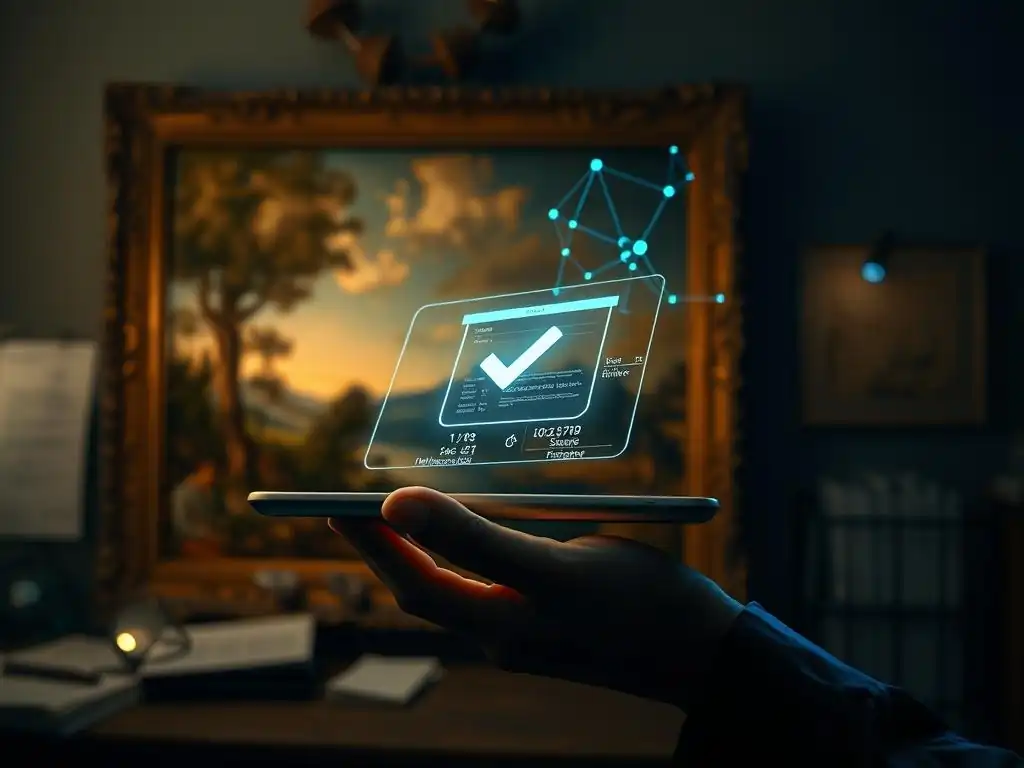
Welcome to Blockchain Trends, your go-to source for understanding the real-world impact of blockchain technology. Beyond the hype, blockchain is revolutionizing industries, and today, we delve into a fascinating application: blockchain art authentication benefits. Curious about how this technology is combating forgery and verifying art provenance? Read on to discover a compelling case study exploring the future of trust in the art world and how blockchain is leading the charge.
- Blockchain Art Authentication Benefits: Securing Art Provenance and Ownership
-
Frequently Asked Questions
- What are the primary benefits of using blockchain for art authentication?
- How does blockchain combat art forgery more effectively than traditional methods?
- What specific data points about an artwork can be stored on a blockchain for authentication?
- What are the potential challenges in implementing blockchain for widespread art authentication?
- How does blockchain impact the value of authenticated artwork?
- Final Reflection: Unlocking Trust in Art Through Blockchain
- Reimagine Trust: Authenticate Your Art Journey!
Blockchain Art Authentication Benefits: Securing Art Provenance and Ownership
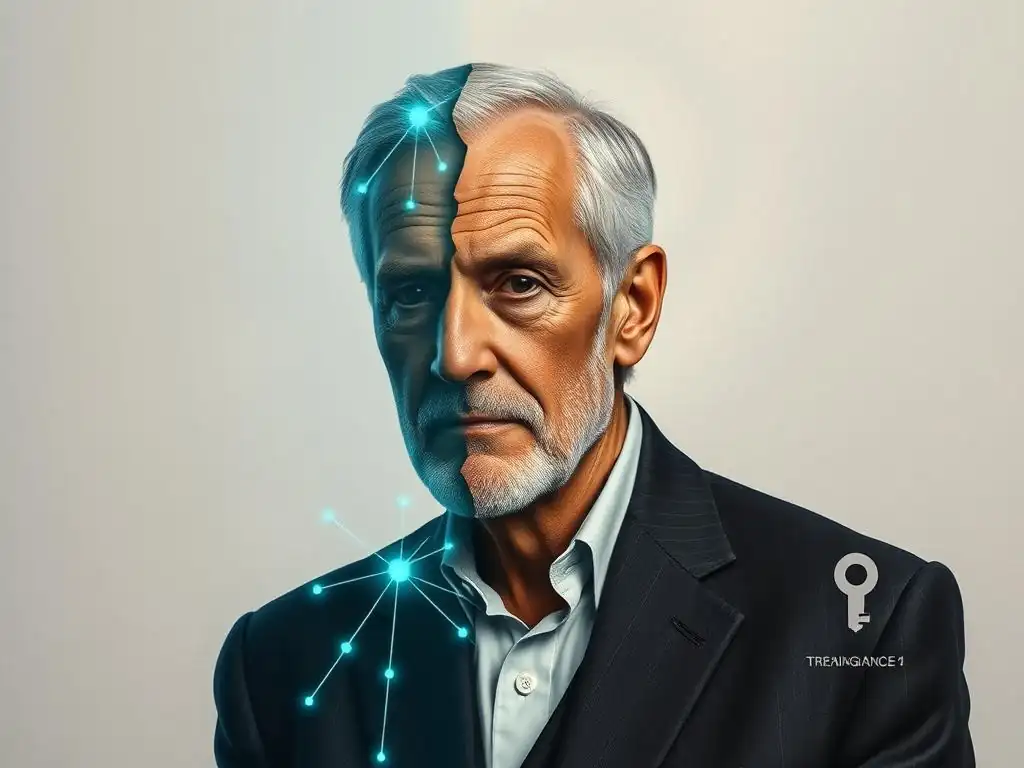
Understanding Blockchain's Role in Establishing Immutable Art Provenance
Blockchain technology offers a revolutionary approach to documenting the history and ownership of artworks by creating a secure, transparent, and immutable ledger. Each transaction related to an artwork – from its creation and initial sale to subsequent transfers, exhibitions, and even restoration work – can be recorded as a block on the blockchain.
This record is linked cryptographically to the previous block, forming a chain that is incredibly difficult to alter or falsify. This inherent immutability ensures that once provenance information is added, it becomes a permanent part of the artwork's digital identity, providing a reliable and verifiable history that traditional paper trails often lack.
This distributed and tamper-proof ledger fundamentally changes how provenance is managed. Instead of relying on disparate, easily manipulated documents scattered across various custodians, the artwork's history resides on a network of computers. This significantly reduces the risk of lost paperwork, fraudulent alterations, or incomplete records, which are common issues in the traditional art market.
The chronological and verified nature of blockchain entries means that any attempt to insert a false transaction or erase a legitimate one would require altering a majority of the network, a computationally infeasible task. This robustness is a core component of the blockchain art authentication benefits, providing a level of security previously unattainable.
Enhanced Transparency and Traceability in the Art Supply Chain
One of the significant blockchain art authentication benefits is the dramatic increase in transparency and traceability within the complex art supply chain. Traditionally, an artwork's journey through galleries, auction houses, private collections, and storage facilities can be opaque, making it challenging to verify its complete history. By recording key events on a public or permissioned blockchain, stakeholders can access a verifiable timeline of the artwork's movement and ownership changes. This transparency helps to build trust among buyers, sellers, and intermediaries.
This enhanced traceability allows collectors and institutions to confidently track an artwork's whereabouts and history, mitigating risks associated with stolen art, disputed ownership, or unverified exhibition records. For example, a potential buyer can verify through the blockchain if an artwork was genuinely exhibited at a prestigious museum or owned by a renowned collector, as claimed in its history.
This level of verifiable data reduces information asymmetry and can streamline processes like due diligence, which traditionally consume significant time and resources. Experts estimate that provenance research can take up to 20-30% of the time spent on authenticating a work; blockchain could potentially reduce this burden significantly.
Eliminating Counterfeiting Through Secure Digital Certificates of Authenticity
Counterfeiting is a persistent and costly problem in the art world, with estimates valuing the market for fake art in the billions of dollars annually. Traditional paper certificates of authenticity (COAs) are susceptible to forgery, loss, or damage. Blockchain technology offers a powerful solution by enabling the creation of secure, digital certificates of authenticity that are linked immutably to the artwork's blockchain record. These digital COAs can contain detailed metadata about the artwork, including high-resolution images, dimensions, creation date, and even scientific analysis data, all cryptographically sealed and tied to a unique identifier for the piece.
This digital certificate, stored and verified on the blockchain, is virtually impossible to counterfeit or alter without detection. When combined with physical identifiers like NFC tags or secure QR codes embedded within or attached to the artwork, the digital COA provides a direct link between the physical object and its immutable digital identity on the ledger.
This synergy between the physical and digital realms makes it incredibly difficult for forgers to pass off fakes, as the artwork's true, verified identity can be instantly checked against the secure blockchain record. This capability is one of the most direct blockchain art authentication benefits, offering a potent weapon against the proliferation of fakes.
Frequently Asked Questions
What are the primary benefits of using blockchain for art authentication?
Blockchain provides a permanent, immutable record of an artwork's history, making it easier to verify its provenance and detect forgeries. This enhances trust and transparency in the art market.
How does blockchain combat art forgery more effectively than traditional methods?
Traditional methods rely on paper trails which are susceptible to fraud and loss. Blockchain creates a tamper-proof digital ledger, making forgery more difficult to perpetrate and easier to detect.
What specific data points about an artwork can be stored on a blockchain for authentication?
Information such as the artist, creation date, ownership history, exhibition records, and even digital fingerprints of the artwork can be recorded on the blockchain. This creates a comprehensive and verifiable record.
What are the potential challenges in implementing blockchain for widespread art authentication?
Challenges include the initial cost of implementation, the need for industry-wide adoption, and ensuring the accuracy of the initial data entered onto the blockchain.
How does blockchain impact the value of authenticated artwork?
By providing irrefutable proof of authenticity, blockchain can significantly increase the value and desirability of an artwork, particularly in a market plagued by forgery. It reduces risk for buyers.
Final Reflection: Unlocking Trust in Art Through Blockchain
The exploration of blockchain technology in art authentication reveals a powerful truth: the future of art ownership hinges on verifiable provenance. As we've seen, the inherent transparency and immutability of blockchain offer a compelling solution to the pervasive issues of forgery and disputed ownership that plague the art world, making it more accessible and trustworthy for both artists and collectors.
This journey into blockchain's potential has profoundly impacted my understanding of how technology can reshape cultural institutions. The ability to definitively trace an artwork's history, from creation to current ownership, not only safeguards against fraud but also empowers artists by ensuring they receive proper recognition and royalties. Art washes away from the soul the dust of everyday life.
- Pablo Picasso. This quote resonates deeply, reminding us that art's value extends far beyond monetary worth; it's a vital part of our shared human experience, and blockchain can help protect its integrity.
Now, consider the implications of this technology for your own appreciation of art. What if every piece you admired came with an unassailable record of its journey through time? Let us embrace the potential of blockchain to democratize the art world, fostering a future where authenticity reigns supreme and the true value of art, both tangible and intangible, is preserved for generations to come.
Reimagine Trust: Authenticate Your Art Journey!
Thank you for exploring how blockchain technology can transform art authentication. You’ve seen how it can provide greater transparency and security in verifying artwork provenance. Are you ready to take the next step?
- Learn more about blockchain-based art platforms that focus on provenance verification and anti-forgery measures. This is your opportunity to contribute to innovative solutions!
- Share this article with fellow art lovers and blockchain enthusiasts to help foster a broader conversation.
- Visit local galleries or museums and ask about their current methods for authenticating artwork. You might be surprised by what you discover!
What are your main concerns about art forgery, and how do you think blockchain could help address them? Share your thoughts in the comments below!
Leave a Reply