
Battling Bogus Goods: Blockchain's Technological Edge in AntiCounterfeiting


Welcome to Blockchain Trends, your compass in the evolving world of decentralized technologies. Are you ready to uncover the hidden potential of blockchain beyond the headlines?
Dive in to discover how this revolutionary technology is being deployed to tackle real-world challenges, starting with a pressing issue plaguing global markets: counterfeit goods. Explore our in-depth analysis of how blockchain combatting counterfeit goods offers a powerful, transparent, and verifiable solution, reshaping industries and protecting consumers. Curious to see how it works? Keep reading to unlock the secrets!
Battling Bogus Goods: Blockchain's Technological Edge in Anti-Counterfeiting
- Introduction: The Rising Tide of Counterfeit Goods and the Need for Innovative Solutions
- Blockchain Technology: A Game Changer in Authenticity Verification
- Blockchain Applications in Anti-Counterfeiting: Real-World Examples
- The Benefits of Using Blockchain to Combat Counterfeit Goods
- Overcoming the Challenges of Blockchain Implementation in Anti-Counterfeiting
- The Future of Blockchain and Anti-Counterfeiting: Trends and Predictions
- Conclusion: Blockchain's Promising Role in Eliminating Counterfeit Products
-
Frequently Asked Questions
- How can blockchain technology help combat counterfeit goods?
- What are the key benefits of using blockchain for anti-counterfeiting measures?
- What industries are most likely to benefit from blockchain-based anti-counterfeiting solutions?
- Are there any limitations or challenges to implementing blockchain for anti-counterfeiting?
- What is the future outlook for blockchain in the fight against counterfeit goods?
- Final Reflection: Securing Authenticity in a Counterfeit World
- Unmask Authenticity: Take the Fight to Counterfeiters!
Introduction: The Rising Tide of Counterfeit Goods and the Need for Innovative Solutions
The Pervasive Problem of Product Counterfeiting: A Global Challenge
Product counterfeiting is a multi-billion dollar global issue, undermining economies, endangering public health, and eroding consumer trust. Estimates from various international bodies paint a stark picture. For example, the Organisation for Economic Co-operation and Development (OECD) and the European Union Intellectual Property Office (EUIPO) reported in 2019 that trade in counterfeit and pirated goods amounted to 2.5% of world trade, or approximately $509 billion USD annually. This illicit trade spans virtually every sector, from luxury goods and pharmaceuticals to electronics, automotive parts, and everyday consumer products, making the challenge of Blockchain combatting counterfeit goods increasingly urgent.
The scale of this problem is not static; it's growing, fueled by the ease of online distribution and complex global supply chains. Counterfeiters are becoming more sophisticated, producing high-quality fakes that are difficult to distinguish from genuine articles, even for trained professionals. This sophistication demands equally advanced, and perhaps entirely new, strategies for authentication and verification. The sheer volume and complexity necessitate a technological approach that can provide unprecedented levels of transparency and security across product lifecycles.
How Counterfeit Goods Impact Businesses and Consumers
For businesses, the impact of counterfeiting is devastating. It leads to significant revenue losses, damage to brand reputation and equity, and increased costs for legal battles and anti-counterfeiting measures. Companies can lose market share to cheaper, fake alternatives, and the perceived decline in quality associated with fakes can permanently tarnish a brand's image, making it harder to compete.
Furthermore, businesses face potential liability if their counterfeit products cause harm to consumers. Consider the pharmaceutical industry, where fake medications can have dire health consequences, leading to lawsuits and regulatory penalties for the legitimate manufacturer, even though they were not responsible for the fake product.
Consumers are also directly harmed by counterfeit goods. Beyond being cheated out of their money for inferior products, they face serious health and safety risks. Fake electronics can malfunction or cause fires, counterfeit auto parts can lead to accidents, and bogus cosmetics or food items can contain toxic ingredients. The lack of recourse or warranty for counterfeit purchases leaves consumers vulnerable and erodes their confidence in the marketplace. The fight against counterfeiting is therefore not just an economic issue but a critical matter of public safety and consumer protection, highlighting the value of technologies like Blockchain combatting counterfeit goods.
Why Traditional Anti-Counterfeiting Measures Fall Short
Traditional anti-counterfeiting methods, while useful, often have significant limitations. Physical security features like holograms, special inks, and watermarks can be replicated by sophisticated counterfeiters. Serial numbers and barcodes, while helpful for tracking, can be copied or cloned, especially within complex, multi-tier supply chains where visibility is limited. Centralized databases used for verification are vulnerable to hacking and manipulation, potentially allowing fake products to be registered as genuine.
Furthermore, traditional systems often operate in silos, with limited information sharing between different stakeholders in the supply chain – manufacturers, distributors, retailers, and customs agencies. This fragmentation creates blind spots that counterfeiters exploit. Verifying a product's authenticity often requires manual checks or relying on intermediaries, which can be slow, costly, and prone to human error. These inherent weaknesses in conventional approaches underscore the need for a robust, immutable, and transparent system capable of providing end-to-end traceability, positioning blockchain as a promising solution for Blockchain combatting counterfeit goods.
Blockchain Technology: A Game Changer in Authenticity Verification
Understanding Blockchain's Core Principles: Decentralization, Transparency, and Immutability
At its heart, blockchain is a distributed ledger technology that records transactions across many computers. Its fundamental principles make it inherently resilient against tampering and fraud. Decentralization means that the ledger is not stored in a single location or controlled by a single entity. Instead, copies of the ledger are distributed across a network of participants (nodes). This distributed nature makes it extremely difficult for any single party to alter the data without the change being immediately obvious to others on the network.
Transparency is another key principle. While transaction participants may be pseudonymous, the transactions themselves are typically visible to all participants on the network (depending on whether it's a public or private blockchain). This shared visibility creates an open audit trail that can be inspected and verified by multiple parties.
Immutability refers to the fact that once a block of transactions is added to the chain, it is cryptographically linked to the previous block, forming a permanent and unchangeable record. Altering a past transaction would require recomputing the entire chain from that point forward on a majority of the network's computers, which is computationally infeasible. These principles together form a powerful foundation for systems aimed at Blockchain combatting counterfeit goods.
How Blockchain Ensures Data Integrity and Prevents Tampering
Blockchain ensures data integrity through cryptographic hashing and consensus mechanisms. Each block in the chain contains a cryptographic hash of the previous block, creating a secure link. If any data in a block is altered, its hash changes, which would invalidate the link to the next block and break the chain. This makes any attempt to tamper with historical data immediately detectable.
Consensus mechanisms, such as Proof-of-Work or Proof-of-Stake, require network participants to agree on the validity of new transactions before they are added to a block and appended to the chain. This distributed agreement process prevents malicious actors from unilaterally adding fraudulent transactions or altering the ledger. By creating a secure, shared, and verifiable record of a product's journey or authentication status, blockchain provides a level of trust and integrity that is difficult to achieve with traditional, centralized databases, making it ideal for Blockchain combatting counterfeit goods.
The Potential of Blockchain for Combating Counterfeit Goods: A New Hope
The unique characteristics of blockchain technology offer a compelling solution to the challenges of product counterfeiting. By creating an immutable and transparent record of a product's origin, manufacturing process, and movement through the supply chain, blockchain can provide irrefutable proof of authenticity. Each product can be associated with a unique digital identity on the blockchain, linked perhaps to a physical tag (like a QR code or NFC chip) on the product itself.
When a product changes hands – from manufacturer to distributor, retailer, and finally to the consumer – these transactions can be recorded on the blockchain. Consumers can then scan the physical tag to access the product's history on the ledger, verifying its legitimacy. This end-to-end traceability and verifiable history significantly raise the bar for counterfeiters, who would find it exceedingly difficult to replicate or falsify the entire digital trail on a distributed ledger. This inherent security and transparency make blockchain a powerful tool for Blockchain combatting counterfeit goods.
Blockchain Applications in Anti-Counterfeiting: Real-World Examples
Tracking and Tracing Products with Blockchain: From Origin to Consumer
One of the most impactful applications of blockchain in anti-counterfeiting is providing granular tracking and tracing capabilities throughout the supply chain. By assigning a unique digital identity to each product item or batch at its point of origin, and recording every significant event (manufacturing date, location, shipping, inspection, sale) as a transaction on the blockchain, companies can create a transparent and immutable history. This record can be accessed by authorized parties, including regulators and consumers, to verify the product's journey and status.
This level of detail makes it incredibly difficult for counterfeit products to enter the legitimate supply chain undetected. If a product's digital identity cannot be found on the blockchain, or if its recorded history doesn't match its physical characteristics or location, it can be flagged as suspicious. This provides a powerful mechanism for identifying and isolating counterfeit items before they reach the end consumer, significantly improving the effectiveness of Blockchain combatting counterfeit goods.
Case Study 1: De Beers' Tracr Platform for Diamond Provenance
De Beers, a leading diamond company, launched the Tracr platform to provide provenance and authenticity assurance for diamonds. The platform uses blockchain technology to create a unique, immutable record for each diamond as it moves from mine to retailer. Key data points, such as weight, color, clarity, cut, and even the mine of origin, are registered on the blockchain.
As the diamond changes hands – from sorting and polishing to setting in jewelry and final sale – each step is recorded on the Tracr platform. This creates a secure digital trail that verifies the diamond's identity and ethical sourcing. Retailers and consumers can access this information (with appropriate permissions) to confirm the diamond's authenticity and origin, providing trust in a market historically challenged by illicit trade and conflict diamonds. This is a prime example of Blockchain combatting counterfeit goods in the luxury sector.
Case Study 2: IBM Food Trust for Supply Chain Transparency
IBM Food Trust is a blockchain-based platform designed to improve transparency and traceability in the food supply chain. While primarily focused on food safety and efficiency, its principles are directly applicable to anti-counterfeiting. The platform allows growers, processors, distributors, and retailers to share data about food products on a permissioned blockchain network.
Participants can record data points such as farm origin, processing details, shipping information, and temperature logs. If a food safety issue arises (like a potential contamination), the platform allows for rapid tracing of the affected product back to its source in seconds, compared to days or weeks with traditional methods. This same capability can be used to verify the legitimate source and journey of food products, making it harder for counterfeit or mislabeled food items to infiltrate the supply chain, showcasing blockchain's role in Blockchain combatting counterfeit goods in various industries.
Digital Certificates and Authentication on the Blockchain
Beyond tracking the supply chain, blockchain can be used to issue secure, digital certificates of authenticity for products. Instead of physical certificates that can be forged or lost, a unique digital certificate linked to a product's serial number or a unique physical identifier (like a secure QR code or NFC tag) can be recorded on the blockchain.
This digital certificate contains verifiable information about the product, such as its manufacturing details, warranty information, and proof of ownership. When a consumer purchases the product, they can verify the authenticity of the certificate on the blockchain using a mobile app. Ownership can potentially be transferred on the blockchain as well. This method provides a highly secure and easily verifiable way for consumers to confirm that the product they are buying is genuine, directly supporting Blockchain combatting counterfeit goods.
Using NFTs for Product Authentication and Ownership Verification
Non-Fungible Tokens (NFTs) are unique digital assets recorded on a blockchain. While often associated with digital art, NFTs are increasingly being explored for authenticating physical goods. An NFT can be created for a specific physical product, serving as a digital twin and a verifiable certificate of authenticity and ownership.
When a luxury item, collectible, or high-value product is manufactured, a unique NFT can be minted on a blockchain (like Ethereum or Flow) and linked to the physical item via a tamper-proof tag. The NFT contains metadata about the item and its provenance. The ownership of the physical item is then intrinsically linked to the ownership of the NFT on the blockchain. This allows owners to prove authenticity and verifiable ownership simply by demonstrating control of the associated NFT. This innovative approach offers a new frontier for Blockchain combatting counterfeit goods, particularly for high-value items.
Smart Contracts for Automated Verification Processes
Smart contracts are self-executing contracts with the terms of the agreement directly written into code. They run on the blockchain and automatically execute when predefined conditions are met. In the context of anti-counterfeiting, smart contracts can automate verification processes and trigger actions based on data recorded on the ledger.
For example, a smart contract could be programmed to automatically flag a product as suspicious if its recorded location suddenly deviates significantly from its expected path, or if multiple products with the same unique identifier appear in different locations simultaneously. Smart contracts can also manage the transfer of digital certificates upon sale or trigger payments to supply chain partners only after verification checkpoints are met. This automation reduces the need for manual intervention, increases efficiency, and provides a proactive layer in Blockchain combatting counterfeit goods.
The Benefits of Using Blockchain to Combat Counterfeit Goods
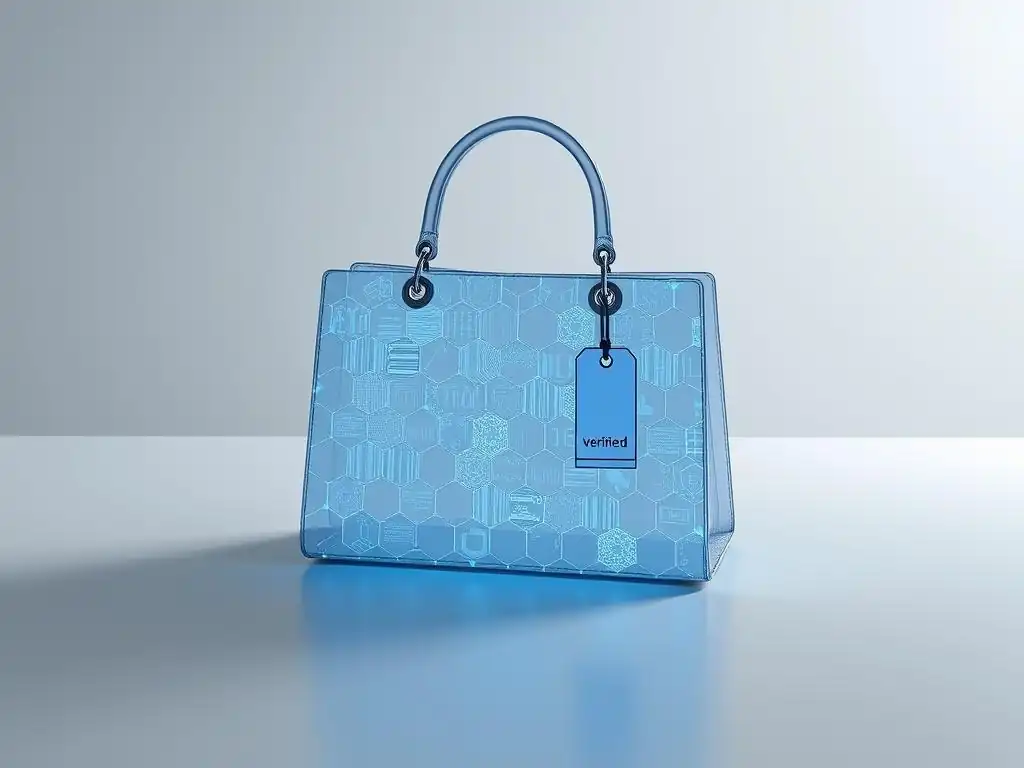
Enhanced Supply Chain Visibility and Traceability
One of the most significant benefits of using blockchain for anti-counterfeiting is the dramatic improvement in supply chain visibility. Unlike traditional systems where data is siloed within individual companies, a blockchain-based system can provide a shared, single source of truth about a product's journey. Every authorized participant in the supply chain can access relevant, real-time information about a product's location, status, and history.
This end-to-end transparency makes it much easier to identify where a product came from, where it is, and who has handled it. If a counterfeit item is discovered, its entry point into the legitimate supply chain can be quickly pinpointed by examining the blockchain record. This granular traceability allows for rapid response to counterfeiting incidents and helps prevent future breaches, strengthening efforts in Blockchain combatting counterfeit goods.
Improved Consumer Trust and Brand Protection
In an era where consumers are increasingly concerned about the authenticity and origin of products, providing a verifiable method of authentication builds trust. When consumers can easily scan a product and instantly see its entire, immutable history on a blockchain, they gain confidence that they are purchasing a genuine item. This transparency fosters loyalty and enhances the brand's reputation for quality and integrity.
Conversely, by proactively implementing blockchain solutions, brands demonstrate their commitment to protecting consumers from harmful fakes. This not only safeguards the brand's reputation but also reinforces its value proposition. Protecting the brand's equity is paramount, and Blockchain combatting counterfeit goods offers a powerful tool to achieve this by empowering both the brand and the consumer with verifiable information.
Reduced Costs Associated with Counterfeiting
Counterfeiting incurs substantial costs for businesses, including lost sales, legal fees, investigation expenses, and the cost of managing product recalls. While implementing a blockchain solution requires initial investment, the long-term savings can be significant. By preventing counterfeit goods from entering the supply chain and quickly identifying them if they do, companies can mitigate revenue losses and avoid costly recalls.
Furthermore, automating verification processes through blockchain and smart contracts can reduce operational costs associated with manual checks and audits. The enhanced efficiency and reduced risk exposure contribute to a healthier bottom line. While precise figures are hard to generalize, industry reports often cite potential savings in the range of 10-20% of anti-counterfeiting budgets through improved efficiency and reduced losses enabled by technologies like Blockchain combatting counterfeit goods.
Increased Efficiency in Anti-Counterfeiting Efforts
Blockchain technology streamlines many of the processes involved in anti-counterfeiting. The automated nature of recording transactions and the use of smart contracts for verification reduce the need for manual data entry and checks, minimizing human error and speeding up operations. Rapid traceability means that investigations into suspected counterfeits can be conducted much faster, allowing for quicker enforcement actions.
Sharing a single, verifiable ledger among supply chain partners eliminates discrepancies and disputes over data, further increasing efficiency. This improved operational speed and accuracy allow companies to be more agile and effective in their ongoing efforts related to Blockchain combatting counterfeit goods.
Overcoming the Challenges of Blockchain Implementation in Anti-Counterfeiting
Scalability Issues and Potential Solutions
One of the primary challenges for large-scale blockchain implementations, particularly in high-volume consumer goods sectors, is scalability. Public blockchains like Ethereum or Bitcoin, while highly secure, can have limited transaction throughput (e.g., Ethereum currently handles around 15-30 transactions per second, though Ethereum 2.0 aims to increase this significantly). This can become a bottleneck when needing to record millions or billions of individual product movements daily.
Solutions are being developed and implemented to address this. Private or permissioned blockchains, like Hyperledger Fabric or R3 Corda, can offer much higher transaction speeds and are better suited for enterprise supply chain applications. Layer 2 scaling solutions on public blockchains (e.g., Polygon, Optimism) also offer ways to process transactions off-chain and settle them later on the main chain. Sharding and other protocol-level improvements are also underway to enhance the scalability of blockchain networks used for Blockchain combatting counterfeit goods.
Interoperability with Existing Systems
Integrating a new blockchain-based system with legacy enterprise resource planning (ERP), supply chain management (SCM), and manufacturing execution systems (MES) can be complex and costly. Companies have invested heavily in their existing IT infrastructure, and a blockchain solution needs to seamlessly exchange data with these systems without requiring a complete overhaul.
Achieving interoperability requires careful planning and the development of robust APIs (Application Programming Interfaces) and middleware. Industry-specific data standards and protocols are also crucial to ensure that different systems and blockchain networks can communicate effectively. While challenging, successful integration is vital for widespread adoption of Blockchain combatting counterfeit goods solutions within existing business operations.
Data Privacy and Security Concerns
While blockchain offers enhanced security against tampering, concerns about data privacy persist, especially on public blockchains where transaction data is transparent. Recording sensitive commercial data or personal consumer information directly on a public ledger may not be desirable or compliant with regulations like GDPR. Even on permissioned blockchains, managing access controls and ensuring that only authorized parties can view specific data is critical.
Solutions involve using permissioned blockchains where data access can be restricted, employing data encryption techniques, and storing only hashes or references to sensitive data on the blockchain while keeping the actual data off-chain in secure databases. Zero-Knowledge Proofs (ZKPs) are also an advanced cryptographic technique that allows verification of data validity without revealing the data itself, offering a potential solution for maintaining privacy while utilizing blockchain for Blockchain combatting counterfeit goods.
Regulatory Considerations for Blockchain-Based Anti-Counterfeiting Solutions
The regulatory landscape for blockchain technology is still evolving across different jurisdictions. Implementing blockchain solutions for supply chain and anti-counterfeiting requires navigating various regulations related to data ownership, privacy, digital signatures, and the legal standing of blockchain records. Clarity on how blockchain data is viewed legally, particularly regarding proof of authenticity in court, is crucial for widespread adoption.
Furthermore, integrating blockchain with customs procedures, international trade laws, and intellectual property rights enforcement mechanisms requires collaboration between companies, technology providers, and regulatory bodies. Harmonizing standards and legal frameworks will be essential for blockchain to reach its full potential in Blockchain combatting counterfeit goods on a global scale.
The Future of Blockchain and Anti-Counterfeiting: Trends and Predictions
Integration with IoT and AI for Enhanced Security
The future of Blockchain combatting counterfeit goods likely involves closer integration with other cutting-edge technologies. The Internet of Things (IoT), comprising sensors and devices, can provide real-time data about a product's condition (e.g., temperature for pharmaceuticals or food), location, and handling throughout the supply chain. This IoT data can be automatically fed onto the blockchain, creating an even more dynamic and verifiable record.
Artificial Intelligence (AI) can analyze the vast amounts of data collected via IoT and stored on the blockchain to detect anomalies and predict potential counterfeiting attempts or supply chain disruptions. For example, AI could analyze patterns in transaction data to identify suspicious shipments or use image recognition on packaging linked to blockchain IDs to spot inconsistencies. This combination of blockchain's secure ledger, IoT's real-time data, and AI's analytical power will create highly sophisticated anti-counterfeiting systems.
The Role of Blockchain in Combating Online Counterfeiting
The rise of e-commerce has unfortunately also fueled online counterfeiting, as fake goods are easily listed on marketplaces and social media. Blockchain can play a crucial role here by providing a verifiable link between online product listings and their physical counterparts' blockchain-based identities. Marketplaces could potentially integrate blockchain verification into their platforms, allowing consumers to check the authenticity of a product listed for sale.
Furthermore, NFTs could be used to represent ownership and authenticity for products sold online, providing buyers with a secure, verifiable digital asset that confirms their purchase is genuine. While challenging due to the decentralized nature of online marketplaces, leveraging blockchain for digital identity and authentication is a promising avenue for Blockchain combatting counterfeit goods in the digital realm.
The Evolution of Blockchain-Based Authentication Methods
Authentication methods using blockchain are expected to evolve beyond simple QR codes and NFC tags. More sophisticated physical-to-digital linking technologies are being developed, such as security fibers with unique blockchain-readable patterns, molecular tagging, or even using the inherent, microscopic variations of an object's surface as a unique identifier recorded on the blockchain.
These advanced methods will make it even harder for counterfeiters to replicate the physical link to the blockchain record. As blockchain technology itself matures, with improvements in speed, cost, and ease of use, we can expect to see widespread adoption of these evolving authentication techniques across a broader range of products, solidifying the role of Blockchain combatting counterfeit goods.
Conclusion: Blockchain's Promising Role in Eliminating Counterfeit Products
Blockchain: A Powerful Tool for Brand Protection and Consumer Safety
Blockchain technology offers a compelling and innovative solution to the persistent global problem of product counterfeiting. Its core principles of decentralization, transparency, and immutability provide a robust framework for creating secure, verifiable, and tamper-proof records of product provenance and authenticity. By enabling end-to-end traceability and empowering consumers with tools to verify genuineness, blockchain provides a powerful defense against bogus goods.
For brands, adopting blockchain means enhanced reputation, reduced financial losses, and greater control over their supply chains. For consumers, it means increased safety, confidence in their purchases, and protection from harmful fakes. The evidence from early implementations across various industries demonstrates that Blockchain combatting counterfeit goods is not just a theoretical concept but a practical and effective strategy.
The Importance of Collaboration and Standardization in Blockchain Adoption for Anti-Counterfeiting
Realizing the full potential of blockchain in the fight against counterfeiting requires widespread adoption and collaboration across industries. Companies need to work together, and with technology providers, to establish common standards for data representation, interoperability between different blockchain platforms, and methods for linking physical products to their digital identities.
Regulatory bodies also play a critical role in providing clear guidelines and legal frameworks that support the use of blockchain data as valid proof of authenticity. Industry alliances and consortiums are emerging to drive this collaboration and standardization, recognizing that a united front is necessary for Blockchain combatting counterfeit goods effectively across complex global networks.
The Continued Evolution of Blockchain Technology in the Fight Against Counterfeit Goods
Blockchain technology is not static; it is continuously evolving. As the technology matures, addressing current challenges like scalability and interoperability, its application in anti-counterfeiting will become even more seamless and cost-effective. The integration with complementary technologies like IoT and AI will further enhance its capabilities, creating increasingly sophisticated systems for detection and prevention.
While eliminating counterfeiting entirely is an ambitious goal, blockchain offers a significant leap forward compared to traditional methods. Its ability to create trust and transparency in supply chains positions it as a cornerstone technology in the ongoing battle against counterfeit goods, promising a future where consumers can have greater confidence in the authenticity of the products they purchase and brands can better protect their integrity. The journey of Blockchain combatting counterfeit goods is still unfolding, but its potential is undeniable.
Frequently Asked Questions
How can blockchain technology help combat counterfeit goods?
Blockchain provides a secure and transparent ledger for tracking products throughout the supply chain. This allows for verification of authenticity and helps consumers identify fake items.
What are the key benefits of using blockchain for anti-counterfeiting measures?
The main advantages include increased transparency, enhanced traceability, and immutable records that are difficult to tamper with, reducing fraudulent activities.
What industries are most likely to benefit from blockchain-based anti-counterfeiting solutions?
Industries dealing with high-value goods such as pharmaceuticals, luxury goods, and electronics stand to gain the most from using blockchain to verify authenticity.
Are there any limitations or challenges to implementing blockchain for anti-counterfeiting?
Challenges include the cost of implementation, the need for industry-wide adoption, and the potential for data entry errors that could compromise the system's integrity.
What is the future outlook for blockchain in the fight against counterfeit goods?
The future looks promising, with increased adoption expected as blockchain technology matures and becomes more accessible, leading to more effective anti-counterfeiting strategies.
Final Reflection: Securing Authenticity in a Counterfeit World
The fight against counterfeit goods is a relentless battle, and as we've explored, blockchain technology offers a powerful and innovative weapon in this ongoing war. The potential to revolutionize supply chains and provide irrefutable proof of provenance is no longer a futuristic fantasy, but a tangible reality being implemented across various industries, from pharmaceuticals to luxury goods. The implications for consumer safety, brand integrity, and economic stability are profound.
The impact of counterfeit goods extends far beyond mere financial losses; it erodes trust, fuels criminal activity, and endangers lives. Witnessing the potential of blockchain to restore confidence and transparency in the marketplace is truly inspiring. The best way to predict the future is to create it.
- Peter Drucker. This quote resonates deeply as we consider the proactive role blockchain can play in shaping a future where authenticity prevails.
As you reflect on the possibilities presented by blockchain in combatting counterfeit goods, consider how you, as a consumer, a business owner, or a technology enthusiast, can contribute to this transformative movement. Embrace the power of transparency, demand verifiable authenticity, and support the adoption of blockchain solutions to build a future where trust is not a luxury, but a guarantee.
Unmask Authenticity: Take the Fight to Counterfeiters!
Thank you for exploring how blockchain technology can revolutionize anti-counterfeiting efforts. Now that you understand its potential, it's time to take action.
Here are some ways you can contribute to a more authentic future:
- Explore Blockchain-Based Verification: Investigate and test blockchain solutions for verifying the authenticity of products you purchase or sell. For example, you might use a QR code scanner to check a product’s provenance on a blockchain ledger.
- Join the Conversation: Share this article with your network and encourage discussions about the role of blockchain in combating counterfeiting. Use the hashtag #BlockchainAuthenticity to connect with others passionate about this cause.
- Demand Transparency: Support brands and retailers that prioritize transparency and traceability through blockchain or other methods. Let companies know that authenticity is important to you!
What steps will you take to ensure the products you buy are genuine? Share your thoughts in the comments below!
Leave a Reply