
Beyond Borders, Beyond Doubt: Global Supply Chain Security with Blockchain

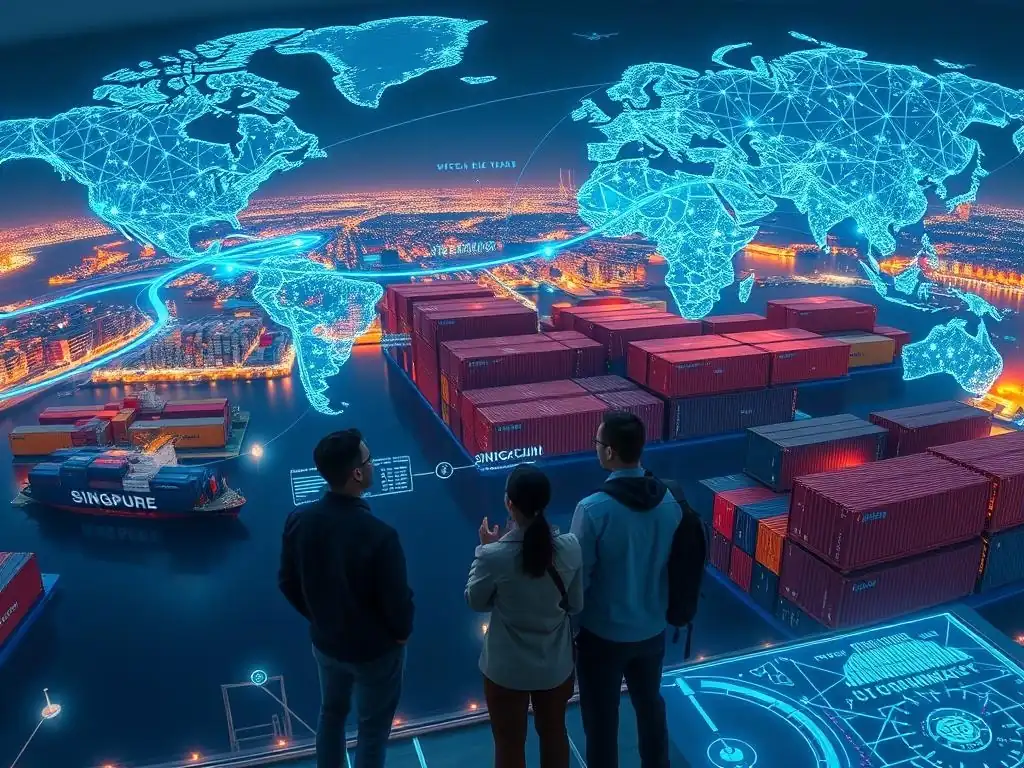
Welcome to Blockchain Trends, your compass in the rapidly evolving world of decentralized technologies. Explore how blockchain is reshaping industries beyond cryptocurrency, from groundbreaking DeFi applications to transformative enterprise solutions. Are you ready to discover how this technology is revolutionizing trust and transparency?
Dive in to uncover the potential of blockchain supply chain security solutions and learn how they are forging a new era of verifiable provenance and resilience in a world increasingly vulnerable to disruption. What are the implications for your business, and how can you leverage this powerful technology to ensure the integrity of your supply chain? Read on to find out.
- Key Blockchain Supply Chain Security Solutions and Technologies
-
Frequently Asked Questions
- What are the primary benefits of using blockchain for supply chain security?
- How can blockchain help prevent fraud in the supply chain?
- What are some real-world examples of blockchain supply chain security solutions?
- What challenges exist in implementing blockchain for supply chain management?
- How will regulatory frameworks impact the adoption of blockchain supply chain security solutions?
- Final Reflection: Securing Tomorrow's Trade
- Unveil a More Secure Future: Embrace Blockchain in Your Supply Chain!
Key Blockchain Supply Chain Security Solutions and Technologies
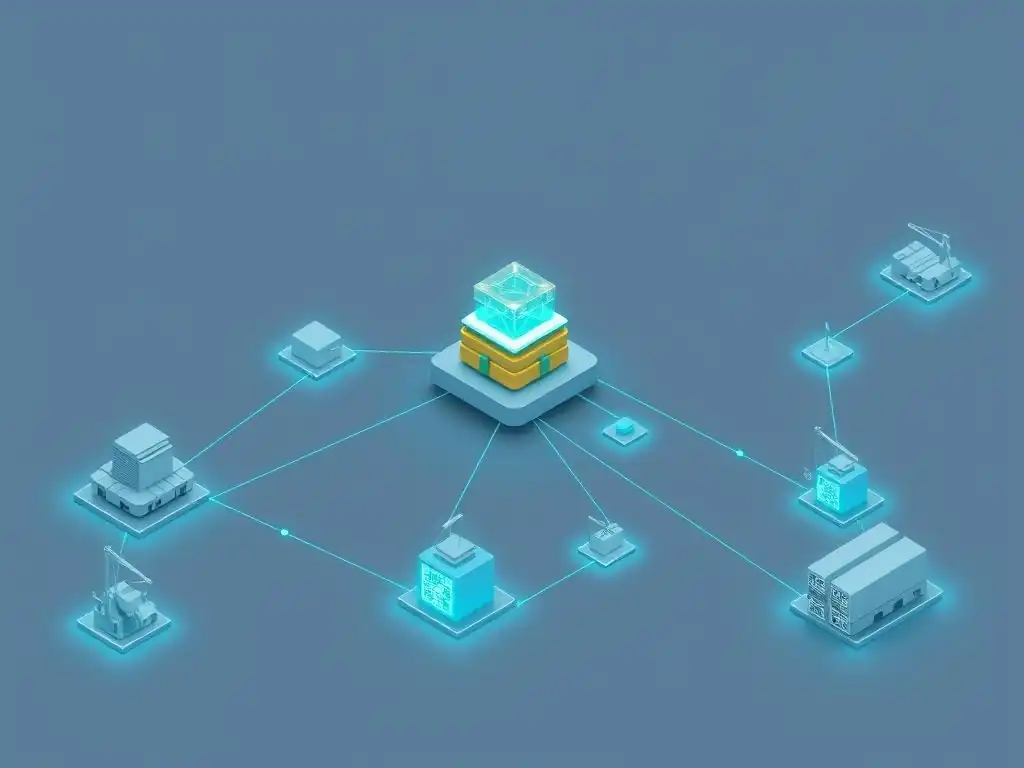
Smart Contracts for Automated Verification and Compliance
Smart contracts are self-executing contracts with the terms of the agreement directly written into code. Deployed on a blockchain, these contracts automatically execute predefined actions when specific conditions are met and verified on the ledger.
This automation is a cornerstone of effective blockchain supply chain security solutions, removing the need for manual intervention and significantly reducing the potential for errors, disputes, and fraudulent activities at critical junctures in the supply chain process. For example, a smart contract can be programmed to automatically trigger payment to a supplier only after the blockchain records confirm that goods have arrived at a destination port and passed a quality inspection, verified by authorized parties.
The application of smart contracts extends beyond payment automation to enforcing complex compliance rules throughout the supply chain. Regulatory requirements, quality standards, or contractual obligations can be encoded into smart contracts. When data indicating compliance (or non-compliance) is recorded on the blockchain – perhaps from IoT sensors or verified third-party audits – the smart contract can automatically execute consequences, such as releasing a shipment, flagging a batch for inspection, or issuing a notification.
This ensures that compliance is not merely a paper exercise but is enforced programmatically, providing a high degree of confidence in the integrity of operations and strengthening the overall blockchain supply chain security solutions suite. In industries like pharmaceuticals, this could involve smart contracts verifying temperature logs against regulatory limits before allowing a shipment to proceed, drastically reducing the risk of compromised goods entering the market.
Tokenization and Digital Identities for Authenticity Assurance
Tokenization in the context of supply chains involves creating a digital representation, or token, for a physical asset or a unit of inventory on a blockchain. Each token is unique and immutable, linked to the specific item it represents. Complementing this are digital identities for products, components, and even participants (manufacturers, carriers, retailers).
These identities are also recorded on the blockchain, creating a verifiable and tamper-proof record of an item's origin, ownership, and journey through the supply chain. This process provides a robust framework for authenticity assurance, making it incredibly difficult for counterfeit goods to infiltrate the legitimate supply chain because they lack the verified digital identity and token history of a genuine product.
By assigning a unique token and digital identity to each item at its point of origin, stakeholders across the supply chain can track its movement and verify its authenticity at any point. A consumer, for instance, could potentially scan a QR code on a product's packaging, which links to its unique token on the blockchain. This allows them to see its provenance, manufacturing details, and journey history, confirming it is not a counterfeit.
This level of transparency and verifiable authenticity is particularly valuable for high-value goods, luxury items, electronics, and pharmaceuticals, where counterfeiting is a significant problem. Implementing tokenization and digital identities is a powerful component of comprehensive blockchain supply chain security solutions aimed at protecting brand reputation and consumer safety.
Integration with IoT Devices for Enhanced Data Collection and Monitoring
The integration of Internet of Things (IoT) devices with blockchain technology creates a powerful synergy for enhancing supply chain security through real-time, verifiable data collection and monitoring. IoT sensors attached to goods, containers, or vehicles can collect crucial data points such as location, temperature, humidity, shock, and light exposure.
When this data is streamed directly to a blockchain ledger, its immutability ensures that the recorded information cannot be altered or tampered with once written, providing an unprecedented level of data integrity. This combination allows for continuous, trustworthy monitoring of conditions and location throughout the supply chain journey, which is critical for maintaining quality and security.
This integrated approach significantly bolsters blockchain supply chain security solutions by providing an indisputable audit trail. For example, in cold chain logistics, IoT sensors can monitor the temperature of sensitive goods like vaccines or fresh produce. If the temperature deviates from the required range, the sensor records this event on the blockchain.
This provides verifiable proof of condition excursion, enabling prompt action and accountability. Unlike traditional systems where data logs might be altered, the blockchain ensures the history is transparent and immutable. This combination of real-time monitoring via IoT and secure, tamper-proof data storage on a blockchain transforms visibility and trust, allowing stakeholders to identify issues immediately and verify the integrity of goods based on reliable, automated data streams.
Frequently Asked Questions
What are the primary benefits of using blockchain for supply chain security?
Blockchain offers enhanced transparency and traceability, making it easier to verify the origin and authenticity of goods. This significantly reduces the risk of counterfeit products entering the supply chain.
How can blockchain help prevent fraud in the supply chain?
By creating an immutable and shared ledger, blockchain makes it extremely difficult to alter or falsify supply chain data. This deters fraudulent activities like invoice manipulation and product substitution.
What are some real-world examples of blockchain supply chain security solutions?
Examples include tracking food provenance to ensure safety, verifying the authenticity of pharmaceutical products, and managing the secure transfer of high-value assets.
What challenges exist in implementing blockchain for supply chain management?
Challenges involve data interoperability between different systems, ensuring data privacy within the blockchain, and overcoming resistance to change from stakeholders.
How will regulatory frameworks impact the adoption of blockchain supply chain security solutions?
Clear and consistent regulatory guidelines are crucial for fostering trust and adoption. Regulations may address issues like data governance and liability in blockchain-based supply chains.
Final Reflection: Securing Tomorrow's Trade
The intricate web of global supply chains, once a marvel of efficiency, now faces unprecedented threats. Blockchain supply chain security solutions are no longer a futuristic concept, but a critical necessity for ensuring the integrity and resilience of international trade in an increasingly volatile world. The vulnerabilities we've explored throughout this article underscore the urgent need for proactive adoption and continuous innovation in this space.
The promise of blockchain lies not just in its technological capabilities, but in its potential to foster trust and transparency across borders. Witnessing the evolution of blockchain from a nascent technology to a practical solution for securing global commerce has been truly inspiring. The best way to predict the future is to create it.
- Peter Drucker. This quote perfectly encapsulates the spirit of innovation driving the development and implementation of blockchain in supply chain management.
As we conclude, let us not view blockchain supply chain security solutions as merely a technological fix, but as a fundamental shift towards a more secure and equitable global marketplace. Consider how you, as a consumer, a business leader, or a policymaker, can contribute to this transformative journey. Embrace the potential of blockchain to build a future where goods flow freely and securely, fostering economic growth and global stability for generations to come.
Unveil a More Secure Future: Embrace Blockchain in Your Supply Chain!
Thanks for diving into the world of blockchain and supply chain security! We hope you've gained valuable insights into how this revolutionary technology can safeguard your operations and build trust with your partners. Now, it's time to put that knowledge into action.
Here's how you can start securing your supply chain with blockchain today:
- Initiate a pilot project: Identify a specific, manageable area of your supply chain where you can implement a blockchain-based tracking system. Start small, learn fast, and scale up as you gain confidence.
- Join industry forums and contribute to the development of blockchain standards within the supply chain. Collaboration is key to widespread adoption and interoperability.
- Challenge your assumptions. Consider attending a webinar focused on the best practice for blockchain implementation for supply chains.
Ready to take the first step towards a more transparent and secure supply chain? What area of your operation do you think would benefit most from blockchain's transformative power?
Leave a Reply