
Beyond Paper Trails: A RealWorld Example of Blockchain Enhancing Pharmaceutical Supply Chain Integrity


Welcome to Blockchain Trends, your guide to understanding the revolutionary power of blockchain beyond the hype. Are you ready to see how this technology is reshaping industries?
In this article, we delve into a crucial real-world application: blockchain pharmaceutical supply chain integrity. Discover how this innovative approach is moving beyond paper trails to combat counterfeiting, improve transparency, and ultimately, save lives. Intrigued? Let's explore how blockchain is revolutionizing pharmaceutical supply chains, ensuring medication safety from manufacturer to consumer.
Beyond Paper Trails: A Real-World Example of Blockchain Enhancing Pharmaceutical Supply Chain Integrity
- Introduction: The Challenge of Pharmaceutical Supply Chain Security
- Blockchain: A Solution for Pharmaceutical Supply Chain Integrity
- Case Study: Merck and Blockchain Implementation
- Implementation Details: Overcoming Challenges and Achieving Success
- Results and Benefits: Quantifiable Improvements in Supply Chain Integrity
- Lessons Learned and Best Practices for Blockchain in Pharma
- The Future of Blockchain in Pharmaceutical Supply Chains
- Conclusion: Blockchain's Transformative Impact on Pharma Supply Chain Integrity
-
Frequently Asked Questions
- How does blockchain enhance pharmaceutical supply chain integrity?
- What are the key benefits of using blockchain in the pharmaceutical industry?
- What challenges exist in implementing blockchain for pharmaceutical supply chain integrity?
- How does blockchain help combat counterfeit drugs in the pharmaceutical supply chain?
- What is the future outlook for blockchain adoption in the pharmaceutical supply chain?
- Final Reflection: Securing Health, Building Trust
- Unveil the Future: Secure Your Pharma Supply Chain Today!
Introduction: The Challenge of Pharmaceutical Supply Chain Security
The Critical Need for Transparency in Pharma
The pharmaceutical supply chain is one of the most complex and critical global networks, responsible for delivering life-saving medications from manufacturers to patients. Ensuring absolute transparency throughout this chain is paramount, not just for regulatory compliance, but fundamentally for public health and safety. Patients and healthcare providers must have unwavering confidence in the authenticity and quality of the drugs they receive. A transparent system allows for swift identification of origin, handling history, and current location of a drug, minimizing risks associated with errors, diversion, or counterfeiting.
Lack of transparency can lead to significant delays in identifying the source of issues, such as product recalls or quality concerns. For instance, tracking a specific batch of medication across multiple intermediaries – manufacturers, distributors, wholesalers, pharmacies – using traditional paper-based or disparate digital systems can take weeks, sometimes months. This delay directly impacts the speed at which affected products can be removed from the market, potentially exposing more patients to harm. The drive for blockchain pharmaceutical supply chain integrity stems directly from this urgent need for end-to-end visibility and verifiable data.
Counterfeit Drugs and the Threat to Public Health
Counterfeit drugs pose a severe and growing threat to global public health. These fraudulent products, which may contain incorrect ingredients, insufficient active pharmaceutical ingredients, or even harmful substances, infiltrate legitimate supply chains and can lead to treatment failure, serious health complications, and even death. The World Health Organization (WHO) estimates that up to 10% of medical products in low and middle-income countries are substandard or falsified, a figure that can rise significantly for certain product categories or regions. In 2017, the Pharmaceutical Security Institute (PSI) reported over 3,500 incidents related to counterfeit drugs globally.
The economic impact of counterfeit pharmaceuticals is also staggering, with estimates placing the global market value of falsified medicines between $30 billion and $200 billion annually. Beyond the financial loss to legitimate manufacturers, the erosion of trust in healthcare systems and the direct risk to patient lives highlight the critical imperative to combat this illicit trade. Enhancing blockchain pharmaceutical supply chain integrity is viewed as a powerful technological weapon in this fight, providing a secure, verifiable history for every drug package.
Traditional Supply Chain Vulnerabilities
Traditional pharmaceutical supply chains, often relying on fragmented systems and manual processes, are inherently vulnerable at multiple points. The handoffs between different parties – manufacturers, logistics providers, wholesalers, pharmacies, and hospitals – create opportunities for tampering, diversion, or data manipulation. Paper-based records can be lost or forged, and even electronic data stored in centralized databases can be susceptible to hacking or errors. This lack of a single, immutable source of truth makes it difficult to definitively track a product's journey from production line to patient.
Furthermore, the sheer complexity of the supply chain, involving numerous stakeholders often using incompatible tracking systems, hinders effective communication and real-time visibility. Identifying the exact point where a product might have been compromised becomes a tedious, time-consuming, and often inconclusive process. This environment provides fertile ground for illicit activities to flourish, making a compelling case for a robust, shared, and immutable ledger like blockchain to improve pharmaceutical supply chain integrity.
Blockchain: A Solution for Pharmaceutical Supply Chain Integrity
How Blockchain Technology Enhances Traceability
Blockchain technology offers a fundamentally new approach to supply chain traceability by creating a shared, distributed ledger that records transactions (movements or status changes of goods) in a secure, transparent, and verifiable manner. Each transaction is grouped into a block, cryptographically linked to the previous block, forming an unbreakable chain. When a pharmaceutical product, say a specific batch of vaccines, moves from a manufacturer to a distributor, this event is recorded as a transaction on the blockchain.
This process provides end-to-end traceability, allowing any authorized party in the network to view the history of a specific product. Unlike traditional systems where each participant maintains their own siloed records, blockchain provides a single, shared source of truth. This means if a batch is recalled, its exact location and movement history can be traced rapidly through the immutable ledger, significantly improving the efficiency and speed of recall procedures. This verifiable trail is crucial for establishing blockchain pharmaceutical supply chain integrity.
Immutability and Data Security with Blockchain
One of the core strengths of blockchain is its inherent immutability. Once data is recorded on the blockchain and validated by the network participants, it cannot be altered or deleted. Any attempt to tamper with a block would break the cryptographic link to the subsequent blocks, immediately alerting the network to the attempted change. This makes blockchain significantly more secure against data manipulation compared to centralized databases, which can be altered by administrators or hackers.
Furthermore, data on the blockchain is typically encrypted, and access is controlled through cryptographic keys. While the transaction history is transparent to authorized participants, the sensitive details associated with those transactions can be protected. This combination of immutability and robust cryptographic security ensures that the historical record of a pharmaceutical product's journey remains accurate and trustworthy, forming the bedrock of blockchain pharmaceutical supply chain integrity.
Smart Contracts for Automated Compliance
Smart contracts are self-executing contracts with the terms of the agreement directly written into code. These contracts reside on the blockchain and automatically execute predefined actions when specific conditions are met. In the pharmaceutical supply chain, smart contracts can automate compliance checks, payments, and notifications based on the verifiable data recorded on the ledger. For example, a smart contract could automatically release payment to a logistics provider once the blockchain confirms that a shipment of temperature-sensitive drugs has arrived at its destination within the required temperature range, as verified by IoT sensors integrated with the blockchain.
This automation reduces manual effort, minimizes the risk of errors or disputes, and ensures that contractual obligations are met based on objective, verifiable data from the supply chain. Smart contracts can enforce regulatory requirements, such as ensuring drugs are only shipped to licensed entities or triggering alerts if a product's shelf life is nearing expiration. By embedding business logic and compliance rules directly into the immutable ledger, smart contracts significantly enhance operational efficiency and reinforce blockchain pharmaceutical supply chain integrity.
Case Study: Merck and Blockchain Implementation
Background: Merck's Supply Chain Challenges
Merck KGaA, Darmstadt, Germany, a leading science and technology company, faced significant challenges inherent in managing a vast and complex global pharmaceutical supply chain. Like many large pharma companies, they dealt with the difficulties of tracking products across multiple jurisdictions, managing diverse partners (manufacturers, distributors, pharmacies), and ensuring compliance with evolving regulations, such as serialization requirements like the U.S. Drug Supply Chain Security Act (DSCSA) and the EU Falsified Medicines Directive (FMD).
These challenges included limited visibility into product movements once they left Merck's direct control, the potential for data silos among different stakeholders, and the administrative burden of verifying product authenticity and compliance manually. Ensuring the integrity and security of sensitive product information while facilitating necessary data sharing across the network was a balancing act that traditional systems struggled to perfect, highlighting the need for a more robust solution to enhance blockchain pharmaceutical supply chain integrity.
Choosing Blockchain: Key Considerations and Objectives
Merck recognized the potential of emerging technologies to address these supply chain complexities. Their objectives for exploring blockchain included improving traceability, enhancing data security, increasing efficiency, and building greater trust among supply chain partners. They sought a solution that could provide a single, shared view of product movement while respecting data privacy and regulatory requirements. Blockchain's distributed, immutable, and transparent nature made it a strong candidate.
Key considerations for Merck involved selecting a platform that could handle the scale of their operations, integrate with existing enterprise systems (like SAP), and support the necessary level of permissioning to control data access among different participants. They aimed to move beyond simple serialization data towards a richer, verifiable history of product handling and status, ultimately strengthening blockchain pharmaceutical supply chain integrity across their network.
The Blockchain Solution: Integrating with SAP Information Collaboration Hub for Life Sciences
Merck partnered with SAP to implement a blockchain-based solution integrated with SAP's Information Collaboration Hub for Life Sciences (ICH for Life Sciences). This collaboration leveraged SAP's existing network connectivity within the life sciences industry and combined it with blockchain technology to create a more secure and transparent data exchange platform. The project focused initially on tracking pharmaceutical products through the distribution chain.
The chosen architecture involved a permissioned blockchain, ensuring that only authorized entities could participate in the network and access relevant data. This addressed crucial concerns around data privacy and confidentiality in a highly regulated industry. The integration with SAP ICH allowed Merck and its partners to connect their existing systems to the blockchain network, facilitating the seamless flow of data related to product serialization, status changes, and ownership transfers. This strategic integration was vital for operationalizing blockchain pharmaceutical supply chain integrity within their existing infrastructure.
Key Features of the Implemented Blockchain System
The blockchain system implemented by Merck and SAP included several key features designed to enhance pharmaceutical supply chain integrity:
- Serialization Data Recording: Unique serial numbers applied to individual drug packages or cases were recorded on the blockchain upon leaving the manufacturing site.
- Event Tracking: Significant events in the product lifecycle, such as shipping, receiving, and changes in ownership, were logged as transactions on the immutable ledger.
- Permissioned Access: Data access was restricted based on participant roles and permissions, ensuring that sensitive business information remained confidential while relevant supply chain data was shared.
- Integration Capabilities: The system was designed to integrate with existing enterprise resource planning (ERP) and supply chain management (SCM) systems used by Merck and its trading partners, minimizing disruption and facilitating data flow.
How Data is Recorded and Verified on the Blockchain
Data recording on the blockchain occurred when a significant event happened to a serialized product. For example, when a shipment was prepared, relevant data (serial numbers included in the shipment, destination, carrier information) was packaged into a transaction. This transaction was then cryptographically signed by the sending party.
The transaction was broadcast to the permissioned network of participants. Nodes on the network validated the transaction based on predefined rules (e.g., verifying the sender's identity and permissions). Once validated by a consensus mechanism, the transaction was added to a new block, which was then appended to the existing blockchain. This process created a verifiable and immutable record of the event, accessible to authorized parties. The immutability of the record ensures that the integrity of the pharmaceutical supply chain data is maintained from origin to destination.
Implementation Details: Overcoming Challenges and Achieving Success
Integrating Blockchain with Existing Systems
One of the most significant hurdles in implementing blockchain in a large enterprise like Merck is integrating the new technology with complex legacy systems. Merck's existing SAP landscape and the diverse systems used by their numerous supply chain partners presented a substantial integration challenge. The SAP ICH for Life Sciences platform served as a crucial bridge, providing standardized APIs and connectors that facilitated the flow of data between participants' existing systems and the blockchain network.
This integration required careful mapping of data fields, defining data standards, and developing middleware to ensure seamless communication. Collaborative workshops with IT teams from Merck and key partners were essential to align technical requirements and address potential compatibility issues. Successfully integrating blockchain without requiring a complete overhaul of existing IT infrastructure was key to achieving adoption and realizing the benefits for blockchain pharmaceutical supply chain integrity.
Collaboration and Data Sharing Among Stakeholders
Effective collaboration among all supply chain stakeholders – manufacturers, wholesalers, distributors, and potentially pharmacies – is fundamental to the success of a shared ledger technology like blockchain. Establishing trust and agreement on data sharing protocols was critical. Merck engaged with their partners early in the process to explain the benefits of the blockchain solution and address concerns regarding data ownership, privacy, and access.
Developing clear governance rules for the network, including how participants join, how data is validated, and how disputes are handled, was also paramount. The permissioned nature of the blockchain allowed for granular control over data visibility, ensuring that participants only saw the information necessary for their role, which helped alleviate privacy concerns and fostered a collaborative environment focused on enhancing overall blockchain pharmaceutical supply chain integrity.
Regulatory Compliance and Data Privacy Considerations
Operating within the highly regulated pharmaceutical industry means any technological solution must strictly adhere to regulations such as DSCSA in the US and FMD in Europe, which mandate serialization and traceability requirements. The blockchain solution was designed to meet and exceed these requirements by providing a secure and verifiable audit trail.
Data privacy, particularly concerning sensitive shipment information or business relationships, was another critical consideration. The permissioned blockchain model, combined with data encryption and access controls, was implemented to ensure compliance with general data protection regulations (like GDPR). Participants only had access to the data relevant to their specific transactions and relationships, ensuring confidentiality while maintaining the integrity and transparency of the shared ledger for authorized views. This careful balance is essential for establishing blockchain pharmaceutical supply chain integrity within legal frameworks.
Results and Benefits: Quantifiable Improvements in Supply Chain Integrity
Improved Traceability and Recall Efficiency
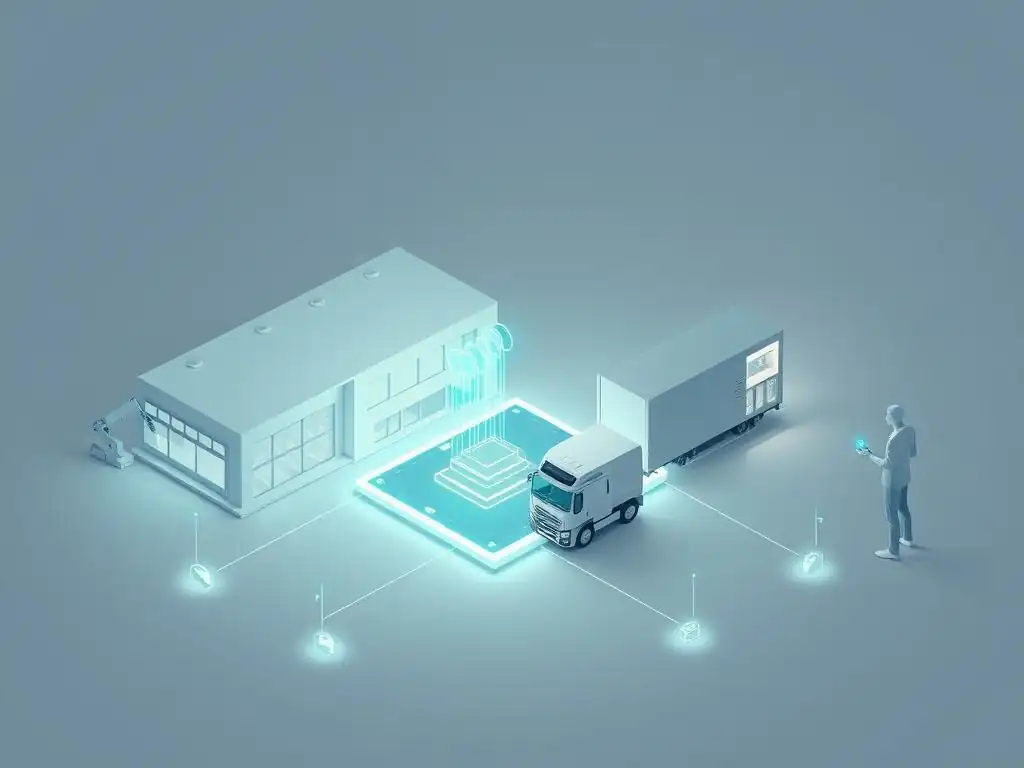
Merck's blockchain implementation significantly enhanced traceability within their pilot program. The ability to record each significant handling event on an immutable ledger allowed for near real-time tracking of serialized products through the distribution chain. While specific percentage improvements can vary, industry pilots have shown that blockchain can reduce the time required to trace a product's journey from days or weeks down to mere minutes. This drastically improved visibility means that in the event of a product recall or safety alert, affected batches can be identified and located much faster.
For example, traditional recall processes might involve manually sifting through numerous paper records and disparate databases across different companies. With the blockchain, authorized parties can query the ledger for the specific batch number or serial numbers and instantly retrieve the complete, verified history of its movements and current location. This efficiency gain is crucial for minimizing patient exposure to potentially harmful products and is a direct benefit to blockchain pharmaceutical supply chain integrity.
Enhanced Transparency and Trust Among Stakeholders
The shared, immutable ledger fostered greater transparency among participating supply chain partners. Knowing that all parties are viewing the same, verifiable data record builds trust. Disputes regarding shipment status, authenticity, or handling become less frequent as there is an undeniable log of events. This shared truth replaces reliance on individual, potentially conflicting records.
This enhanced transparency extended beyond just tracking. It facilitated better communication and coordination among partners. For instance, distributors could have greater confidence in the origin and handling history of products received, reducing the need for extensive manual verification processes. This collaborative environment, built on a foundation of shared, trustworthy data, is a key outcome of implementing blockchain pharmaceutical supply chain integrity solutions.
Cost Savings and Operational Efficiencies
While quantifying exact cost savings can be complex in early-stage implementations, blockchain solutions in supply chain contexts typically lead to efficiencies that translate into cost reductions. These include reduced administrative costs associated with manual tracking, reconciliation, and compliance reporting. The automation potential via smart contracts also streamlines processes like payments and quality checks.
Furthermore, the ability to identify and resolve issues like counterfeit products or product diversion more quickly can lead to significant savings by minimizing losses from illicit trade and avoiding potential fines or legal liabilities. Faster recall processes also reduce the logistical costs associated with managing affected products. Although specific figures for Merck's pilot are not widely publicized, industry estimates suggest potential operational cost reductions of 10-20% or more in optimized blockchain supply chains. This operational uplift is a tangible benefit derived from improved blockchain pharmaceutical supply chain integrity.
Lessons Learned and Best Practices for Blockchain in Pharma
Importance of Stakeholder Collaboration
Successfully implementing blockchain in the pharmaceutical supply chain is not purely a technical challenge; it is fundamentally a collaborative undertaking. The distributed nature of the technology requires buy-in and active participation from all parties involved – manufacturers, wholesalers, distributors, and potentially pharmacies and regulators. Ignoring the needs and concerns of any key stakeholder can significantly hinder adoption and the network's effectiveness.
Building a governance model that all participants agree upon, establishing clear rules for data sharing and access, and fostering a sense of shared ownership in the network are critical success factors. Early and continuous engagement with partners, providing training and support, and demonstrating the tangible benefits for each participant are essential steps in driving widespread adoption and strengthening blockchain pharmaceutical supply chain integrity across the entire ecosystem.
Choosing the Right Blockchain Platform
The selection of the appropriate blockchain platform is a crucial decision. Factors to consider include whether a public or permissioned blockchain is required (permissioned is typically preferred in pharma for privacy), the platform's scalability, its ability to handle the required transaction volume, its integration capabilities with existing enterprise systems, and the cost of implementation and operation. Platforms designed specifically for enterprise supply chain use cases, often built on frameworks like Hyperledger Fabric or Ethereum (private versions), offer features like identity management, granular permissions, and smart contract capabilities essential for regulated industries.
Evaluating the vendor's experience in the pharmaceutical or healthcare sector, their technical support, and the maturity of their platform are also vital steps. The chosen platform must be robust enough to support the critical nature of pharmaceutical logistics and contribute effectively to blockchain pharmaceutical supply chain integrity.
Data Security and Privacy Considerations
Given the sensitive nature of pharmaceutical data, robust data security and privacy measures are non-negotiable. While blockchain provides immutability, the data placed onto the blockchain must be managed carefully. Implementing strong access controls, encrypting sensitive data before it is recorded, and designing the system such that competitive or private information is not exposed to unauthorized parties are paramount.
Compliance with regional data protection laws (like GDPR, HIPAA) must be a core part of the system design from the outset. This might involve storing highly sensitive data off-chain while using the blockchain to store verifiable hashes or pointers to that data, ensuring the integrity of the record without compromising privacy. Maintaining this balance is key to leveraging blockchain for pharmaceutical supply chain integrity responsibly.
Scalability and Future-Proofing the Solution
Any blockchain solution for a global pharmaceutical company must be designed with scalability in mind. The network needs to be able to handle potentially millions of transactions per day as more products and partners are brought onto the platform. The chosen technology and infrastructure must be capable of growing with the business needs.
Furthermore, the solution should be flexible enough to adapt to evolving regulatory requirements and integrate with future technologies, such as advanced IoT sensors for condition monitoring or artificial intelligence for predictive analytics. Designing a modular and interoperable system ensures that the investment in blockchain pharmaceutical supply chain integrity today can continue to deliver value in the years to come.
The Future of Blockchain in Pharmaceutical Supply Chains
Expanding Blockchain Applications Beyond Traceability
While traceability is a primary initial driver for blockchain adoption in pharma supply chains, the technology's potential extends far beyond simply tracking product movements. Future applications could include managing clinical trial supplies, verifying the authenticity of active pharmaceutical ingredients (APIs) from source to finished product, securing patient consent data, and streamlining regulatory reporting by providing regulators with access to a verifiable, immutable record of compliance data.
Smart contracts could automate complex agreements between manufacturers and payers (insurance companies), triggering payments based on patient outcomes data securely recorded on a blockchain. The technology can also play a role in managing product returns and recalls, ensuring compliance with procedures and providing transparency throughout the reverse logistics process. Exploring these expanded use cases will further solidify blockchain pharmaceutical supply chain integrity.
Interoperability and Cross-Industry Collaboration
For blockchain to reach its full potential in pharma, achieving interoperability between different blockchain networks and existing legacy systems is crucial. The pharmaceutical supply chain is not isolated; it intersects with healthcare providers, payers, and even other supply chains (e.g., medical devices). Future developments will focus on creating standards and protocols that allow different blockchain networks to communicate and share relevant information seamlessly.
Cross-industry collaboration will be essential to build a truly interconnected and secure healthcare ecosystem. Initiatives involving multiple stakeholders, including regulatory bodies, industry consortia, and technology providers, will drive the creation of standardized frameworks and shared infrastructure necessary for widespread blockchain adoption and the ultimate goal of comprehensive blockchain pharmaceutical supply chain integrity across the entire value chain.
The Role of Blockchain in Fighting Drug Diversion
Drug diversion, where legitimate pharmaceutical products are redirected from their intended path for illicit purposes, is a significant problem. Blockchain's ability to create an immutable, transparent record of ownership and custody transfers makes it a powerful tool in combating diversion. By tracking each change of hands for a serialized product, anomalies in the supply chain become readily apparent.
For instance, if a batch of controlled substances is scanned as arriving at a distributor but is never scanned leaving for a licensed pharmacy, the blockchain record would highlight this discrepancy. This allows for faster identification of potential diversion points and facilitates investigations by providing concrete, tamper-proof evidence of where the legitimate chain was broken. Leveraging blockchain in this manner directly contributes to public safety by preventing legitimate drugs from falling into the wrong hands, thereby enhancing blockchain pharmaceutical supply chain integrity.
Conclusion: Blockchain's Transformative Impact on Pharma Supply Chain Integrity
Securing the Pharmaceutical Supply Chain with Blockchain Technology
The pharmaceutical supply chain faces persistent threats from counterfeiting, diversion, and inefficiencies stemming from fragmented traditional systems. Blockchain technology offers a robust solution to these challenges by providing a secure, transparent, and immutable ledger for tracking pharmaceutical products. As demonstrated by real-world examples like Merck's collaboration with SAP, blockchain significantly enhances traceability, improves data security, and builds trust among stakeholders.
By creating a single, shared source of truth accessible to authorized participants, blockchain eliminates data silos and provides unprecedented visibility into a product's journey from manufacturer to patient. This enhanced transparency is fundamental to verifying authenticity, ensuring proper handling, and responding rapidly to issues like recalls, thereby directly securing the integrity of the pharmaceutical supply chain. The implementation of blockchain is not just a technological upgrade; it's a strategic move towards building a more resilient and trustworthy system for delivering essential medicines.
The Path Towards a More Transparent and Secure Healthcare Ecosystem
Implementing blockchain in the pharmaceutical supply chain is a significant step towards creating a more transparent, secure, and efficient healthcare ecosystem. While challenges remain, particularly around integration, governance, and achieving widespread adoption across the entire industry, the demonstrated benefits in pilot programs highlight the transformative potential of the technology.
The future will likely see expanded use cases for blockchain in pharma, increased interoperability between systems, and greater collaboration among all stakeholders, including regulators. As the technology matures and standards are developed, blockchain will become an indispensable tool in the fight against counterfeit drugs and diversion, ultimately safeguarding patient health and enhancing overall confidence in the global pharmaceutical supply chain. The journey towards full blockchain pharmaceutical supply chain integrity is ongoing, but the path is clear and promising.
Frequently Asked Questions
How does blockchain enhance pharmaceutical supply chain integrity?
Blockchain provides a transparent and immutable ledger for tracking medications, reducing the risk of counterfeit drugs entering the supply chain. This enhanced traceability ensures authenticity and patient safety.
What are the key benefits of using blockchain in the pharmaceutical industry?
The main benefits include improved product authentication, reduced counterfeiting, and enhanced supply chain visibility. This leads to greater trust and efficiency across the entire process.
What challenges exist in implementing blockchain for pharmaceutical supply chain integrity?
Challenges involve scalability, interoperability with existing systems, and the need for industry-wide collaboration to establish common standards and protocols. Data security is also a major concern.
How does blockchain help combat counterfeit drugs in the pharmaceutical supply chain?
Blockchain's immutable record makes it difficult for counterfeiters to insert fake drugs into the supply chain undetected. Each transaction is verified and timestamped, creating a secure audit trail.
What is the future outlook for blockchain adoption in the pharmaceutical supply chain?
The future looks promising, with increasing adoption driven by the need for greater transparency and security. More standardized protocols and regulatory support will further accelerate its implementation.
Final Reflection: Securing Health, Building Trust
The journey from raw materials to patient care is fraught with vulnerabilities, and the promise of blockchain to revolutionize pharmaceutical supply chain integrity is no longer a theoretical concept but a tangible reality. The real-world example explored in this article underscores the profound impact this technology can have on ensuring the authenticity and safety of medications, ultimately safeguarding public health.
The implications of a secure and transparent pharmaceutical supply chain extend far beyond mere efficiency. It's about building trust – trust in the medications we rely on, trust in the healthcare system, and trust in the institutions that regulate them. This trust is fragile and easily broken, as evidenced by past scandals involving counterfeit drugs. Trust takes years to build, seconds to break, and forever to repair.
The adoption of blockchain technology, therefore, represents a crucial step towards not only preventing fraud but also fostering a more resilient and trustworthy healthcare ecosystem.
As we look to the future, let us not underestimate the power of innovation to transform our world for the better. Consider how you, in your own sphere of influence, can champion the adoption of technologies like blockchain to enhance transparency, accountability, and ultimately, the well-being of others. The future of healthcare depends on our collective commitment to building a safer, more secure, and more trustworthy pharmaceutical supply chain, one block at a time.
Unveil the Future: Secure Your Pharma Supply Chain Today!
Thank you for exploring how blockchain is transforming pharmaceutical supply chains. You've seen a real-world example demonstrating increased transparency and trust. Are you ready to take action and be part of this groundbreaking change? Here’s how:
- Begin your journey toward blockchain adoption by consulting with industry experts to identify vulnerabilities in your current supply chain.
- Share this article with colleagues and your network to encourage discussions about the importance of pharmaceutical supply chain integrity.
- Explore other innovative applications of blockchain technology on BlockchainTrends.org to discover new possibilities.
What immediate steps will you take to harness blockchain's potential in securing your pharmaceutical supply chain? Share your thoughts in the comments below!
Leave a Reply