
Beyond Tracking: Blockchain's Proactive Approach to AntiCounterfeiting


Welcome to Blockchain Trends, your go-to source for understanding the real-world impact of blockchain technology. Forget just cryptocurrencies – we're diving deep into the revolutionary potential of decentralized systems. Curious about how blockchain can safeguard your products and build trust? Our latest article unveils the surprising blockchain anticounterfeiting solutions benefits, exploring how this technology goes beyond simple tracking to offer a proactive defense. Intrigued? Discover how blockchain is transforming supply chains and reshaping the future of trust – the journey starts here!
Beyond Tracking: Blockchain's Proactive Approach to Anti-Counterfeiting
- Introduction: The Evolution of Anti-Counterfeiting Measures
- The Rise of Blockchain Anticounterfeiting Solutions
- Blockchain Anticounterfeiting Solutions Benefits: A Detailed Overview
- How Blockchain Anticounterfeiting Solutions Work: A Step-by-Step Process
-
Real-World Applications of Blockchain in Anti-Counterfeiting
- Blockchain for Luxury Goods Authentication: Arianee Protocol Case Study
- Pharmaceutical Anti-Counterfeiting with Blockchain: MediLedger Network Case Study
- Combating Counterfeit Electronics with Blockchain-Based Solutions
- Blockchain in the Food and Beverage Industry: Ensuring Product Origin and Integrity
- Overcoming Challenges in Implementing Blockchain Anticounterfeiting Solutions
- The Future of Blockchain in Anti-Counterfeiting: Trends and Predictions
- Conclusion: Embracing Blockchain's Proactive Approach to Combat Counterfeiting
-
Frequently Asked Questions
- What are the primary benefits of using blockchain for anti-counterfeiting efforts?
- How does blockchain technology proactively prevent counterfeiting, rather than just tracking it?
- Can blockchain anticounterfeiting solutions be integrated with existing supply chain management systems?
- What kind of data can be stored on a blockchain to verify the authenticity of a product?
- What are the main challenges in implementing blockchain-based anti-counterfeiting solutions?
- Final Reflection: Embracing Trust Through Decentralization
- Empower Trust: Fortify Your Brand with Blockchain!
Introduction: The Evolution of Anti-Counterfeiting Measures
The global market for counterfeit goods is a massive, persistent problem, estimated by the International Chamber of Commerce (ICC) to reach $4.2 trillion by 2022. This illicit trade impacts virtually every industry, from luxury goods and pharmaceuticals to electronics and food, eroding consumer trust, damaging brand reputation, and posing significant public health and safety risks. Historically, anti-counterfeiting efforts have often been reactive, relying on methods like physical security features (holograms, watermarks) and post-market surveillance to identify and remove fake products after they have entered the supply chain.
However, the sophistication of counterfeiters has increased dramatically, often replicating traditional security features effectively. This necessitates a shift towards more proactive strategies that prevent counterfeits from entering legitimate channels in the first place. Emerging technologies are now at the forefront of this battle, offering new ways to secure supply chains and verify product authenticity.
From Reactive Tracking to Proactive Prevention with Blockchain
Traditionally, anti-counterfeiting focused on tracing products after a potential counterfeit was identified. This involved investigations, often manual, to track the item back through the supply chain, a process that is time-consuming, expensive, and often fails to identify the source or prevent future incidents. The limitations of this reactive approach are significant, as fake goods can circulate widely and cause harm before they are detected and removed.
Blockchain technology introduces a paradigm shift by enabling proactive prevention. Instead of merely tracking after a problem arises, blockchain allows for continuous verification and authentication during the entire product lifecycle. By creating an immutable, transparent digital record of a product's journey from origin to consumer, blockchain makes it significantly harder for counterfeit items to infiltrate the supply chain undetected. This proactive stance aims to stop fakes at the source or at early points of entry, minimizing their impact.
Understanding the Limitations of Traditional Anti-Counterfeiting Methods
Traditional anti-counterfeiting methods, while foundational, suffer from inherent weaknesses that modern counterfeiters exploit. Physical security features like serial numbers, barcodes, QR codes, holograms, and security inks can be duplicated or faked with increasing ease and affordability. While some advanced features are harder to replicate, they often add significant cost to production and require specialized tools or knowledge for verification, making widespread consumer authentication difficult.
Furthermore, traditional supply chain tracking systems are often siloed, relying on disparate databases managed by different parties (manufacturers, distributors, logistics providers, retailers). This fragmentation creates vulnerabilities: data can be altered within individual systems, or handoffs between parties can be exploited to introduce counterfeit goods. There's no single, universally trusted source of truth about a product's provenance, making it challenging to definitively prove authenticity or pinpoint where a fake item entered the chain. The lack of real-time, end-to-end visibility is a major limitation.
The Rise of Blockchain Anticounterfeiting Solutions
The growing inability of traditional methods to keep pace with sophisticated counterfeiting operations has accelerated the search for more robust solutions. Blockchain technology has emerged as a leading contender due to its fundamental characteristics that align perfectly with the requirements of secure supply chain management and product authentication. Its decentralized and cryptographic nature offers a level of security and transparency previously unattainable in traditional systems.
Blockchain anticounterfeiting solutions are gaining traction across various industries looking to protect their brands and consumers. These solutions leverage the core principles of blockchain to create tamper-proof records of product identity, ownership, and movement. By linking physical products to digital identities on the blockchain, companies can establish a verifiable history for each item, making it difficult for counterfeits to masquerade as genuine.
What is Blockchain Technology and How Does it Combat Counterfeiting?
Blockchain is a distributed, immutable ledger that records transactions across a network of computers. Each "block" in the chain contains a batch of transactions, and once added, it is linked chronologically and cryptographically to the previous block, forming a chain. This structure makes it extremely difficult and computationally expensive to alter past transactions without being detected by the network participants.
In the context of anti-counterfeiting, blockchain technology combats the problem by creating a secure, transparent, and verifiable history for products. When a product is manufactured, it can be assigned a unique digital identity (often linked via a secure tag like an NFC chip or a secure QR code). Information about the product – its origin, manufacturing date, batch number – is recorded on the blockchain.
As the product moves through the supply chain, each transfer of ownership or significant event (like shipping or customs clearance) can be recorded as a transaction on the ledger. This creates an unalterable audit trail that proves the product's legitimate journey.
Blockchain's Key Features for Anti-Counterfeiting: Immutability, Transparency, and Security
Several core features of blockchain make it particularly effective for developing blockchain anticounterfeiting solutions. Immutability means that once data is recorded on the blockchain, it cannot be changed or deleted. This is crucial for anti-counterfeiting because it ensures that the historical record of a product's journey and authenticity is tamper-proof. A counterfeiter cannot simply alter a database entry to make a fake product appear genuine.
Transparency (within defined access permissions on a private or permissioned blockchain) allows authorized participants in the supply chain – and potentially consumers – to view the product's history. This shared visibility helps identify discrepancies or suspicious activities. If a product appears in a location without a corresponding record on the blockchain, or if its reported origin doesn't match its recorded origin, it raises an immediate red flag.
Security is inherent in blockchain's cryptographic nature. Each transaction is cryptographically signed, and the linking of blocks via cryptographic hashes ensures the integrity of the entire chain. This distributed security model is far more robust against hacking and data manipulation than centralized databases.
Blockchain Anticounterfeiting Solutions Benefits: A Detailed Overview
Implementing blockchain anticounterfeiting solutions offers a multitude of advantages over traditional methods. These benefits extend beyond simply identifying fakes; they enhance operational efficiency, build consumer confidence, and provide a strategic advantage in protecting brand value. Understanding the specific blockchain anticounterfeiting solutions benefits is key for businesses considering this technology.
The benefits are not just theoretical. Companies that have piloted or implemented blockchain in their supply chains report tangible improvements in traceability and a reduction in reported counterfeit incidents. For instance, a wine producer using blockchain to track bottles reported a significant increase in consumer engagement with authentication features and a clearer view of their distribution channels, helping them identify potential diversion points where counterfeits might enter.
Enhanced Product Authentication and Verification with Blockchain
One of the primary blockchain anticounterfeiting solutions benefits is the significantly enhanced ability to authenticate and verify products. By assigning each item a unique, blockchain-registered digital identity, companies create a definitive link between the physical product and its immutable digital record. Consumers or supply chain partners can scan a secure tag (like an NFC chip or cryptographically-secured QR code) on the product, which queries the blockchain.
The system then verifies the product's identity against the recorded history. This verification process is fast, reliable, and highly secure because it relies on the tamper-proof data on the blockchain. Unlike traditional methods where a QR code might just link to a website that could be faked, a blockchain-based system checks the product's unique ID against a distributed ledger, making it extremely difficult for counterfeiters to replicate a valid digital identity and history. This provides a high degree of confidence in the product's authenticity at the point of sale or consumption.
Improved Supply Chain Visibility and Traceability Through Blockchain
Another significant advantage among the blockchain anticounterfeiting solutions benefits is the dramatic improvement in supply chain visibility and traceability. Traditional supply chains are often opaque, with data silos at each handoff point. Blockchain creates a shared, transparent ledger accessible to authorized parties across the entire chain – from raw material suppliers to manufacturers, distributors, retailers, and even consumers.
Every movement, ownership transfer, or status change of a product can be recorded as a transaction on the blockchain. This provides an end-to-end, real-time view of the product's journey. If a product is found to be counterfeit or defective, its entire history can be quickly traced back to its origin, identifying exactly where and when it entered the legitimate supply chain or where it deviated from the expected path. This level of detailed, verifiable traceability is invaluable for root cause analysis, recalls, and isolating sources of counterfeiting.
Reduced Counterfeit Product Risks and Financial Losses
The direct impact of blockchain anticounterfeiting solutions benefits businesses by significantly reducing the risks associated with counterfeit products and the substantial financial losses they incur. By making it harder for fakes to enter and circulate within the legitimate supply chain, companies can protect their revenue streams that are otherwise siphoned off by counterfeiters.
Beyond lost sales, counterfeiting leads to costs associated with investigations, legal battles, product recalls, and managing damaged customer relationships. A proactive blockchain system minimizes the likelihood of these events. A report by Incopro estimated that between 20% and 30% of online listings for certain luxury goods are counterfeit. By preventing even a fraction of these from reaching the market, blockchain can lead to substantial cost savings and protect profitability. Furthermore, reducing the risk of dangerous counterfeit products (like fake pharmaceuticals) reaching consumers mitigates potential liability and reputational damage.
Increased Consumer Trust and Brand Protection Using Blockchain
Building and maintaining consumer trust is paramount, and counterfeiting severely erodes it. When consumers unknowingly purchase a fake product, their trust in the brand is damaged, potentially leading to lost loyalty and negative word-of-mouth. Blockchain anticounterfeiting solutions benefits brands by providing consumers with a reliable, easy-to-use tool to verify authenticity.
Allowing consumers to scan a product and instantly see its verifiable history on the blockchain empowers them and builds confidence in their purchase. This transparency differentiates legitimate products from fakes and assures consumers they are getting the genuine article they paid for. Protecting consumers from harmful or ineffective counterfeit goods also demonstrates a brand's commitment to safety and quality. This enhanced trust and brand protection contribute significantly to long-term brand equity and customer retention.
How Blockchain Anticounterfeiting Solutions Work: A Step-by-Step Process
Implementing blockchain for anti-counterfeiting typically involves a series of steps that integrate the physical product with its digital twin on the ledger. This process ensures that a secure, verifiable history is created and maintained throughout the product's life cycle. While specific implementations may vary depending on the industry and technology provider, the core workflow remains consistent, establishing a robust framework for authentication.
The complexity lies in the initial setup and the integration with existing supply chain systems, but once established, the process becomes a seamless part of the product's journey. This systematic approach is what provides the foundational security and transparency necessary to combat counterfeiting effectively.
Item Registration and Unique Digital Identity Creation on the Blockchain
The process begins at the point of manufacturing or production. Each individual product item, or a batch of products, is assigned a unique, secure physical identifier, such as a serialized QR code, an NFC tag, or an RFID chip. This identifier is linked to a unique digital identity (often a cryptographic hash or a unique token, potentially an NFT for high-value goods) that is registered on the blockchain.
Information about the product – including its type, manufacturing date, location, batch number, and initial ownership (the manufacturer) – is recorded in the initial transaction on the blockchain ledger. This first entry serves as the product's verifiable birth certificate, anchoring its existence and initial details to the immutable chain. This step is critical as it creates the initial, trusted link between the physical item and its digital record, making it the foundation for all subsequent tracking and verification.
Tracking Product Movement and Ownership Changes Throughout the Supply Chain
As the product moves through the supply chain, from the factory to distributors, wholesalers, retailers, and potentially the end consumer, each significant transfer or event is recorded as a new transaction on the blockchain. When a batch leaves the factory, a transaction logs its shipment to a distributor. When the distributor receives it, another transaction is recorded confirming receipt.
This creates a chronological and geographical trail of the product's journey. Each transaction includes details such as the parties involved (sender and receiver), timestamps, location data, and potentially conditional data like temperature readings for sensitive goods. Since each transaction is added to the blockchain and linked to the previous one, it forms an unbroken, transparent, and tamper-proof chain of custody. Any deviation from the expected path or missing transaction would be immediately evident, signaling a potential point of compromise or the introduction of a counterfeit.
Verification of Product Authenticity at Each Stage Using Blockchain Data
A key advantage of blockchain anticounterfeiting solutions is the ability to verify a product's authenticity at multiple points in the supply chain, not just at the end. Supply chain partners (distributors, retailers) and eventually consumers can use the unique physical identifier on the product to access its history on the blockchain via a dedicated application or web interface.
The application queries the blockchain using the product's digital identity. It retrieves the entire history of the product's recorded movements and ownership changes. By comparing this verifiable history against the expected or current status of the physical product, the authenticity can be confirmed.
For example, if a product is being sold by a retailer, its blockchain history should show a legitimate transfer of ownership from a distributor to that retailer. If the history is absent, incomplete, or shows inconsistencies (e.g., the product supposedly being in two places at once), it indicates a high probability of it being a counterfeit or diverted good.
Secure Data Storage and Access Control for Anti-Counterfeiting Information
While blockchain is often associated with public transparency, most blockchain anticounterfeiting solutions utilize permissioned or private blockchains. This allows companies to control who can participate in the network and who has access to specific types of data. While the ledger itself is distributed and immutable, access to view or add transactions can be restricted to authorized members of the supply chain consortium.
Data stored on the blockchain includes transaction details, product attributes, and timestamps. Critical, sensitive business data or personal consumer information is typically not stored directly on the public blockchain but is referenced via hashes or stored off-chain with access controlled by smart contracts or network permissions. This ensures that proprietary supply chain data remains confidential while leveraging the blockchain's immutability and security for verifying the integrity and history of product movements and ownership. Cryptography protects the data and the links between blocks, making unauthorized alteration virtually impossible.
Real-World Applications of Blockchain in Anti-Counterfeiting
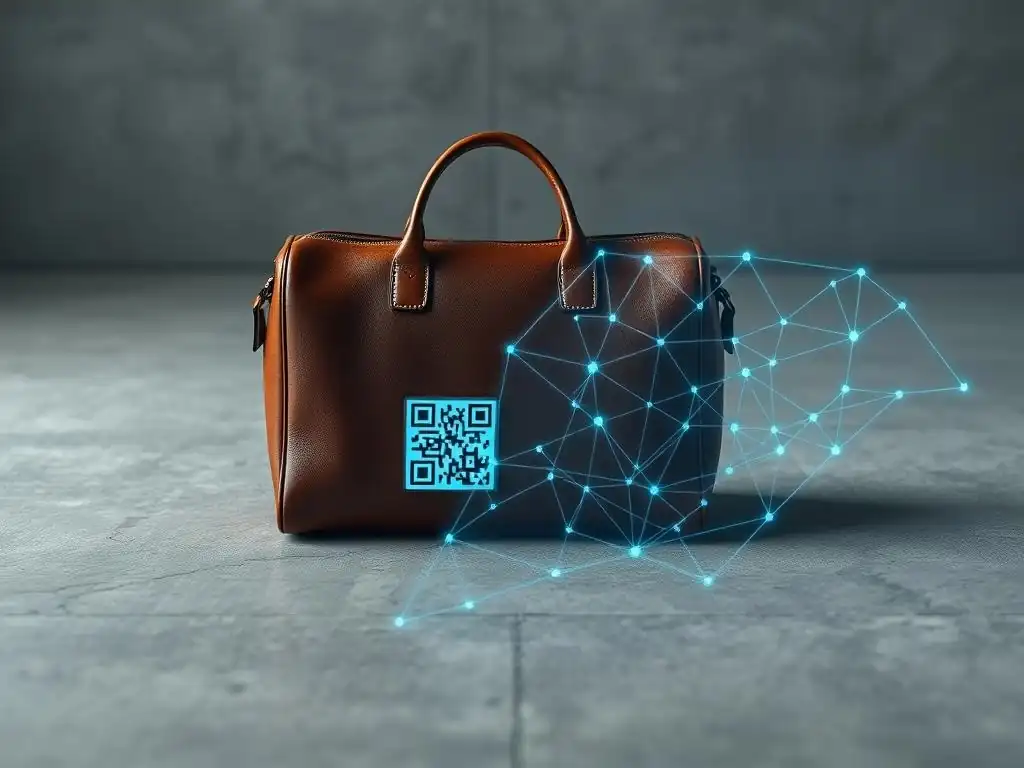
Blockchain technology is moving beyond theoretical discussions and is being actively implemented across various sectors to combat counterfeiting. These real-world applications demonstrate the practical benefits and effectiveness of blockchain anticounterfeiting solutions in protecting valuable goods, ensuring safety, and maintaining product integrity.
These examples highlight how different industries are tailoring blockchain implementation to meet their specific challenges, whether it's the high value and subjectivity of luxury goods or the critical safety requirements of pharmaceuticals and food.
Blockchain for Luxury Goods Authentication: Arianee Protocol Case Study
The luxury goods market is particularly vulnerable to counterfeiting due to the high value and desirability of products like watches, jewelry, and handbags. Counterfeits not only steal revenue but also dilute brand exclusivity and heritage. The Arianee protocol is a notable example of blockchain anticounterfeiting solutions being applied here. Arianee provides brands with digital passports for their products, registered on a dedicated blockchain.
When a luxury item is purchased, the consumer receives a unique digital certificate – a Non-Fungible Token (NFT) – linked to the physical product via a secure tag. This NFT serves as an immutable, verifiable proof of ownership and authenticity. It contains information about the product's origin, materials, craftsmanship, and even warranty details. The owner can easily verify the authenticity by interacting with the NFT via a mobile app. This system not only combats counterfeiting but also facilitates secure resale markets and provides valuable data insights for brands.
Pharmaceutical Anti-Counterfeiting with Blockchain: MediLedger Network Case Study
Counterfeit pharmaceuticals pose a dire threat to public health, potentially containing incorrect ingredients, wrong dosages, or toxic substances. The U.S. Drug Supply Chain Security Act (DSCSA) aims to create an electronic, interoperable system to identify and trace certain prescription drugs. The MediLedger Network is a blockchain-based initiative developed to help the pharmaceutical industry meet these requirements and combat counterfeiting.
MediLedger uses a permissioned blockchain to track the transaction history of pharmaceutical products as they move from manufacturers to dispensers. Each participant in the supply chain runs a node on the network, recording transactions securely and immutably. When a product changes hands, the transaction is recorded, creating a verifiable chain of custody. This allows participants to verify the legitimacy of the product's history and the identity of their trading partners in real-time, significantly reducing the risk of counterfeit drugs entering the supply chain.
Combating Counterfeit Electronics with Blockchain-Based Solutions
The electronics industry faces massive losses from counterfeit components and finished goods, which can range from fake chargers that pose fire hazards to critical components that cause product failures. Blockchain anticounterfeiting solutions are being adopted to secure the electronics supply chain. Companies are exploring ways to track electronic components from their origin (e.g., semiconductor fabs) through assembly, distribution, and sales.
By assigning unique identifiers to components and finished products and recording their journey on a blockchain, manufacturers and consumers can verify provenance. For example, IBM has worked on blockchain solutions for electronics, creating a shared ledger for supply chain participants to track components and finished goods. This helps identify unauthorized resellers, detect counterfeit parts, and ensures that products are sourced from legitimate channels, protecting both product quality and consumer safety.
Blockchain in the Food and Beverage Industry: Ensuring Product Origin and Integrity
Ensuring the origin and integrity of food and beverage products is crucial for safety, quality, and combating fraud like mislabeling or substituting ingredients (e.g., selling regular fish as premium seafood). Blockchain anticounterfeiting solutions offer robust traceability from farm to fork. Companies can record data points like farm location, harvesting dates, processing details, temperature logs during transport, and distribution routes on a blockchain.
Walmart's implementation of blockchain for tracing leafy greens is a well-known example. By using the Hyperledger Fabric blockchain, Walmart dramatically reduced the time it takes to trace produce from days or weeks down to seconds. While primarily focused on food safety recalls, this enhanced traceability is also a powerful tool against counterfeiting and food fraud, allowing quick verification of a product's claimed origin and journey. This builds consumer trust in food safety and authenticity.
Overcoming Challenges in Implementing Blockchain Anticounterfeiting Solutions
Despite the compelling blockchain anticounterfeiting solutions benefits, implementing these systems is not without its challenges. Adopting a new technology that requires coordination across multiple parties in a supply chain presents technical, operational, and even regulatory hurdles that must be addressed for successful deployment.
These challenges require careful planning, collaboration among stakeholders, and often involve significant initial investment in technology and training. Overcoming them is crucial for realizing the full potential of blockchain in combating counterfeiting.
Scalability and Interoperability Issues in Blockchain Implementations
One significant technical challenge is ensuring the scalability of blockchain networks to handle the vast number of transactions generated by tracking millions or billions of individual products moving through complex global supply chains. Public blockchains like Bitcoin or Ethereum (in its current state) can face transaction speed and cost limitations. While private or permissioned blockchains offer better performance, scaling them to accommodate large networks of participants and high transaction volumes still requires careful architecture design and infrastructure investment.
Interoperability is another key issue. Supply chains involve numerous disparate systems used by different companies (ERP, WMS, TMS). Integrating these legacy systems with a new blockchain platform can be complex. Furthermore, ensuring different blockchain networks or different implementations within the same industry can communicate and share relevant data is essential for seamless end-to-end traceability across diverse supply chain ecosystems. Standards and protocols for interoperability are still evolving.
Data Privacy and Security Concerns in Anti-Counterfeiting Applications
While blockchain offers inherent security through cryptography and immutability, concerns around data privacy persist, especially in permissioned networks where sensitive business data is recorded. Deciding what data goes on the ledger, who has access to it, and how to protect sensitive information while maintaining transparency for verification purposes is a critical design consideration. Storing commercially sensitive data like pricing or customer information directly on a shared ledger is often undesirable.
Implementing robust access control mechanisms is paramount. Companies need to ensure that only authorized parties can view specific transaction details or product information. While the blockchain ensures data integrity, the security of the endpoints accessing the network and the smart contracts governing transactions must also be rigorously maintained to prevent breaches or vulnerabilities that could compromise the system, although the blockchain ledger itself would remain immutable.
Regulatory Compliance and Legal Considerations for Blockchain Adoption
Navigating the evolving regulatory landscape is another challenge for implementing blockchain anticounterfeiting solutions. Regulations regarding data privacy (like GDPR), data residency, and industry-specific compliance requirements (like pharmaceutical traceability laws) must be carefully considered. The legal status of blockchain-based records and smart contracts as evidence in disputes can vary across jurisdictions.
Furthermore, establishing governance models for permissioned blockchain networks that involve multiple competing companies requires significant legal and business negotiation. Defining roles, responsibilities, data ownership, and dispute resolution mechanisms within a consortium requires clear legal frameworks and agreements. As blockchain technology is relatively new in many regulatory contexts, companies may face uncertainty and the need for ongoing legal consultation to ensure compliance.
The Future of Blockchain in Anti-Counterfeiting: Trends and Predictions
The application of blockchain technology in anti-counterfeiting is still in its relatively early stages compared to its potential. Several trends and predictions point towards a more integrated and sophisticated future where blockchain plays a central, proactive role in securing supply chains and verifying product authenticity.
The convergence of blockchain with other cutting-edge technologies and the development of industry-specific platforms are expected to significantly enhance the capabilities and adoption of blockchain anticounterfeiting solutions.
Integration of Blockchain with IoT and AI for Advanced Anti-Counterfeiting
A major trend is the integration of blockchain with the Internet of Things (IoT) and Artificial Intelligence (AI). IoT devices, such as sensors tracking temperature, humidity, location, or even tampering attempts on packaging, can automatically record data onto the blockchain. This provides real-time, verifiable environmental and status data for products, adding another layer of authenticity proof and supply chain integrity. For example, a sensor could record that a shipment of pharmaceuticals maintained the required temperature range throughout its journey, with this data immutably stored on the blockchain.
AI can analyze the vast amounts of data collected via IoT and stored on the blockchain. AI algorithms can identify patterns indicative of fraudulent activity or supply chain anomalies much faster and more accurately than human analysis. By analyzing the blockchain transaction history alongside IoT data, AI can proactively flag suspicious shipments or products that deviate from expected norms, enabling faster intervention and prevention of counterfeits reaching the market.
The Role of NFTs in Establishing Product Authenticity and Ownership
Non-Fungible Tokens (NFTs), unique digital assets on a blockchain, are predicted to play a significant role in the future of product authentication, particularly for high-value or collectible items. As seen in the Arianee example for luxury goods, an NFT can serve as a digital twin and verifiable certificate of authenticity and ownership for a physical product.
Beyond simple authentication, NFTs can embed rich data about the product's provenance, history, and even transfer ownership rights securely on the blockchain. For limited edition goods or collectibles, the NFT itself can become valuable, representing the verified authenticity and digital ownership history of the item. This leverages the unique, non-interchangeable nature of NFTs to provide a level of digital proof that is directly tied to the physical item, enhancing trust in both primary and secondary markets and providing another powerful tool within blockchain anticounterfeiting solutions.
The Development of Industry-Specific Blockchain Anti-Counterfeiting Platforms
As industries recognize the specific needs and complexities of their supply chains, there is a trend towards developing industry-specific blockchain platforms tailored for anti-counterfeiting. Instead of generic blockchain solutions, these platforms are designed with the particular requirements, regulations, and participants of a given sector in mind (e.g., pharma, food, luxury, electronics).
These platforms often come as consortia-based models where key players in the industry collaborate to build and govern the network. This allows for the development of standardized protocols, data models, and governance structures relevant to that specific industry. Examples like MediLedger for pharmaceuticals or initiatives in the diamond industry demonstrate this trend. These specialized platforms facilitate broader adoption and ensure that the blockchain anticounterfeiting solutions effectively address the unique challenges and workflows of their respective sectors.
Conclusion: Embracing Blockchain's Proactive Approach to Combat Counterfeiting
Counterfeiting remains a pervasive and evolving threat, causing immense economic damage and posing serious risks to consumer safety. While traditional anti-counterfeiting methods have played a role, their reactive nature and susceptibility to replication highlight the need for more advanced, proactive solutions. Blockchain technology, with its inherent properties of immutability, transparency, and security, offers a powerful new approach to tackle this global problem head-on.
By enabling the creation of tamper-proof digital identities and verifiable transaction histories for products, blockchain shifts the focus from tracking fakes after they appear to preventing them from entering the legitimate supply chain in the first place. This proactive stance is crucial in building resilience against increasingly sophisticated counterfeiting operations. The diverse blockchain anticounterfeiting solutions benefits, ranging from enhanced authentication and improved traceability to reduced financial losses and increased consumer trust, make a compelling case for adoption.
The Long-Term Benefits of Implementing Blockchain Anticounterfeiting Measures
Implementing blockchain anticounterfeiting measures yields significant long-term benefits that extend far beyond immediate loss prevention. Companies gain unprecedented visibility into their supply chains, enabling better inventory management, more efficient recalls, and insights into potential vulnerabilities. The increased trust fostered by verifiable authenticity strengthens brand reputation and customer loyalty, leading to sustained market share and premium positioning.
Furthermore, by creating a more secure ecosystem, businesses can potentially reduce insurance costs related to counterfeiting risks and streamline internal processes related to authentication and verification. As blockchain technology matures and integrates with other innovations like IoT and AI, the effectiveness and efficiency of these anti-counterfeiting systems will only increase, providing a robust defense against future threats and establishing a competitive advantage in the marketplace.
Blockchain as a Catalyst for a More Secure and Transparent Supply Chain Ecosystem
Ultimately, blockchain serves as a catalyst for transforming traditional, often opaque and fragmented supply chains into more secure, transparent, and trustworthy ecosystems. It provides a shared, single source of truth about product provenance and movement that all authorized participants can rely on. This collaborative approach, built on cryptographic trust rather than relying solely on individual company systems, is essential for tackling a problem as distributed and complex as counterfeiting.
By fostering greater collaboration and data sharing (within defined permissions) across the supply chain, blockchain helps create a collective defense against illicit trade. The development of industry-specific platforms and the integration with other technologies promise an even more sophisticated future for anti-counterfeiting. Embracing blockchain's proactive capabilities is not just about protecting products; it's about building a more secure, efficient, and trustworthy global commerce environment for businesses and consumers alike.
Frequently Asked Questions
What are the primary benefits of using blockchain for anti-counterfeiting efforts?
Blockchain anti-counterfeiting solutions offer enhanced transparency by providing an immutable record of a product's journey. This leads to improved consumer trust and the ability to verify product authenticity.
How does blockchain technology proactively prevent counterfeiting, rather than just tracking it?
Blockchain enables the creation of unique digital identities for products at the source. These identities can be used to monitor the entire supply chain, making it harder for counterfeiters to introduce fake goods undetected.
Can blockchain anticounterfeiting solutions be integrated with existing supply chain management systems?
Yes, many blockchain platforms are designed to be compatible with existing systems through APIs and other integration methods. This allows for a gradual adoption and avoids disrupting existing workflows.
What kind of data can be stored on a blockchain to verify the authenticity of a product?
Information such as origin, manufacturing date, materials used, and certifications can be securely stored. Also, any changes in ownership or custody can be recorded transparently.
What are the main challenges in implementing blockchain-based anti-counterfeiting solutions?
Challenges include scalability concerns, the need for industry-wide adoption to be truly effective, and the initial investment required to set up the system.
Final Reflection: Embracing Trust Through Decentralization
The journey through blockchain's potential in anticounterfeiting reveals a powerful truth: trust can be engineered. No longer relegated to reactive measures, blockchain anticounterfeiting solutions offer a proactive shield, verifying authenticity at every stage of a product's lifecycle. This shift from mere tracking to verifiable provenance is not just a technological advancement; it's a paradigm shift in how we build and maintain trust in a world increasingly susceptible to deception.
The impact of this technology extends far beyond the balance sheets of corporations. It touches the very fabric of our society, influencing consumer confidence, protecting public health, and safeguarding the integrity of global trade. The ability to trace a product's journey from origin to consumer, immutably recorded on a decentralized ledger, empowers us to make informed choices and hold producers accountable. Trust is built with consistency.
This quote underscores the core value proposition of blockchain in this context: providing a consistent, verifiable record that fosters trust in a world often plagued by uncertainty.
As we stand at the cusp of widespread adoption, let us not merely view blockchain as a technological tool, but as a catalyst for a more transparent and trustworthy future. Consider how you can champion authenticity in your own sphere of influence. Embrace the power of verifiable truth, demand transparency from the products you consume, and advocate for the adoption of blockchain anticounterfeiting solutions. The future of trust is in our hands, and it's time we build it, one block at a time.
Empower Trust: Fortify Your Brand with Blockchain!
Thank you for exploring how blockchain can transform anti-counterfeiting efforts. Now that you understand its proactive potential to safeguard authenticity, it's time to take action and protect your brand's integrity.
Consider assessing your supply chain to identify vulnerabilities where blockchain technology could make the most impact. Research different blockchain platforms and solutions designed for anti-counterfeiting, and look into successful case studies within your industry for inspiration.
Share this article with your network to help raise awareness about blockchain's role in ensuring product authenticity and building consumer trust.
Which products or industries do you think could benefit most from blockchain-based anti-counterfeiting? What challenges might you face in implementing these solutions? Share your thoughts in the comments below!
Leave a Reply