
Blockchain and 5G: Accelerating the Future of RealTime Supply Chain Visibility

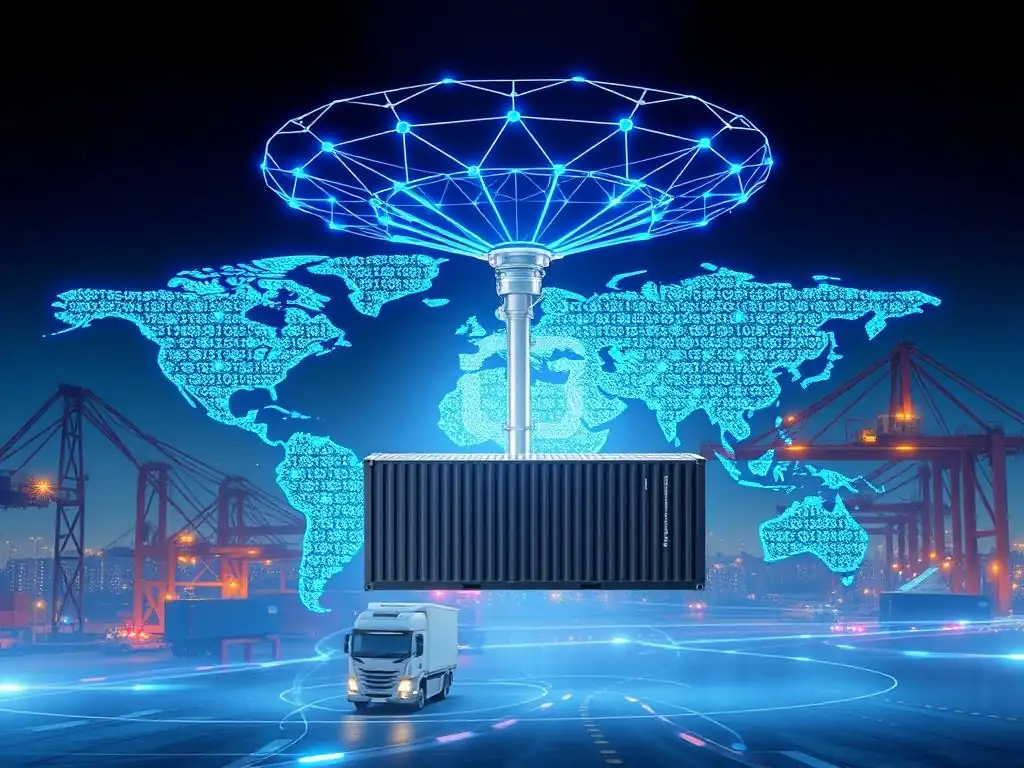
Welcome to Blockchain Trends, your definitive resource for understanding the revolutionary impact of blockchain technology.
Delve into how blockchain is reshaping industries beyond cryptocurrency. Our focus today? Uncover how the synergy of Blockchain and 5G is unlocking unprecedented real-time supply chain visibility, transforming logistics and creating unparalleled efficiency. Intrigued? Explore the future of decentralized systems and see how this powerful combination is poised to redefine global commerce.
Blockchain and 5G: Transforming Agricultural Supply Chain Visibility
- Introduction: The Convergence of Blockchain and 5G for Enhanced Agricultural Supply Chain Transparency
- The Power of 5G in Enabling Blockchain-Based Agricultural Supply Chains
- Blockchain's Contribution to Agricultural Supply Chain Security and Traceability
- Use Cases: Blockchain and 5G Transforming Agricultural Supply Chain Visibility
- Benefits of Integrating Blockchain and 5G in Agricultural Supply Chain Management
- Challenges and Considerations for Blockchain 5G Agricultural Supply Chain Implementation
- Future Trends in Blockchain and 5G for Agricultural Supply Chain Visibility
- Conclusion: Embracing Blockchain and 5G for a More Transparent and Efficient Agricultural Supply Chain Future
-
Frequently Asked Questions
- How does blockchain enhance supply chain visibility when combined with 5G?
- What role does 5G play in improving blockchain-based supply chain solutions?
- What are some potential benefits of using blockchain and 5G for supply chain management?
- How can blockchain and 5G help address challenges in global supply chains?
- What are some of the regulatory considerations surrounding the use of blockchain and 5G in supply chains?
- Final Reflection: Embracing Transparency in a Connected World
- Unlock Supply Chain Efficiency: Start Today!
Introduction: The Convergence of Blockchain and 5G for Enhanced Agricultural Supply Chain Transparency
The agricultural sector, a cornerstone of global economies, faces significant challenges ranging from ensuring food safety and reducing waste to proving sustainability claims and managing complex logistics. Traditional supply chains often lack the transparency, speed, and security needed to address these issues effectively. However, the convergence of two transformative technologies, Blockchain and 5G, is poised to revolutionize this landscape, promising unprecedented levels of real-time agricultural supply chain visibility. This synergy enables a new era where every step, from farm to fork, can be tracked, verified, and optimized with precision and trust.
This article delves into how the powerful combination of Blockchain and 5G is fundamentally changing agricultural supply chain management. We will explore the unique capabilities each technology brings to the table and how their integration creates a robust framework for enhanced transparency, efficiency, and security. By examining specific use cases and addressing implementation challenges, we aim to provide a comprehensive overview of the transformative potential of leveraging Blockchain and 5G for improved agricultural supply chain visibility, paving the way for a more sustainable and trustworthy food system.
Understanding the Need for Real-Time Agricultural Supply Chain Visibility
The current state of many agricultural supply chains is characterized by fragmentation, siloed information systems, and a lack of instantaneous data flow. This opaqueness contributes significantly to problems like foodborne illness outbreaks that are difficult to trace quickly, substantial post-harvest losses (estimated globally to be between 10-20% or even higher for perishable goods), and inefficient logistics leading to unnecessary costs.
Stakeholders, from farmers and distributors to retailers and consumers, often lack access to timely, accurate, and verifiable information about product origin, handling conditions, and quality parameters. This deficit in visibility hinders effective decision-making, complicates compliance with increasingly stringent regulations, and erodes consumer trust.
Consider a scenario where a batch of produce is suspected of contamination. Without real-time visibility into its journey, identifying the source and scope of the problem can take days or weeks, leading to widespread recalls, significant economic losses, and potential health risks.
Similarly, verifying claims about organic certification or sustainable farming practices relies heavily on paper trails and manual checks, which are prone to errors and fraud. The absence of a dynamic, shared, and trustworthy record system means that crucial data—like temperature fluctuations during transit or specific pesticide applications—is often delayed, incomplete, or inaccessible when needed most, highlighting the critical need for enhanced agricultural supply chain visibility.
How Blockchain and 5G are Revolutionizing Agricultural Supply Chain Operations
The integration of Blockchain and 5G provides a powerful solution to the inherent limitations of traditional agricultural supply chains. 5G's capabilities—high speed, low latency, and massive connectivity—enable the real-time collection and transmission of vast amounts of data from diverse sources across the supply chain, including remote farms and distribution centers. This data, originating from IoT sensors monitoring temperature, humidity, location, or even soil conditions, can be instantly fed into a blockchain network. The blockchain, acting as an immutable, decentralized ledger, securely records every transaction and data point, creating a transparent and tamper-proof history of the product's journey.
This synergy allows for unprecedented real-time agricultural supply chain visibility. For example, temperature data from a refrigerated truck can be continuously streamed via 5G and recorded on the blockchain, providing verifiable proof of cold chain integrity throughout transit.
If a temperature excursion occurs, alerts can be triggered instantly, and the event is permanently logged on the ledger, accessible to authorized parties. This level of dynamic, secure, and shared data empowers stakeholders to identify issues early, verify product conditions, streamline audits, and build a foundation of trust based on verifiable data, fundamentally transforming how agricultural products are moved, tracked, and verified.
The Power of 5G in Enabling Blockchain-Based Agricultural Supply Chains
5G technology serves as the essential nervous system for a truly real-time, blockchain-enabled agricultural supply chain. Its advanced network capabilities overcome many of the connectivity and data transfer limitations that have previously hindered the widespread adoption of digital solutions in agricultural settings, particularly in rural or remote farming areas. By providing robust, high-speed connections, 5G ensures that the rich data generated at various points in the supply chain—from farm sensors to processing plants and logistics hubs—can be reliably and instantly transmitted to the blockchain ledger, making real-time agricultural supply chain visibility a practical reality.
Without the underlying infrastructure provided by 5G, the promise of instant, verifiable data flow on a blockchain would remain largely theoretical for agriculture. Previous generations of mobile networks or reliance on patchy Wi-Fi were insufficient to handle the volume, velocity, and criticality of data required for comprehensive supply chain tracking and verification. 5G's performance profile is specifically designed to support the dense networks of IoT devices and the rapid data exchange necessary for distributed ledger technologies to function effectively across geographically dispersed agricultural operations.
Enhanced Connectivity: 5G's Role in Supporting Blockchain Applications in Rural Areas
Rural and remote agricultural areas often suffer from limited or unreliable internet connectivity, posing a significant barrier to implementing advanced digital technologies like blockchain. 5G networks are designed to offer broader coverage and more reliable connections, even in less densely populated regions compared to previous cellular standards. This enhanced connectivity means that IoT sensors monitoring soil moisture, weather conditions, equipment status, or livestock health on a farm can reliably transmit data in real-time to a cloud platform or directly to a blockchain node, even from fields far from traditional wired infrastructure.
Furthermore, 5G's architecture, particularly its ability to support massive machine-type communication (mMTC), is optimized for connecting a vast number of low-power devices simultaneously. This is crucial for agriculture, where a single farm or a distribution network might deploy hundreds or thousands of sensors to gather granular data. This robust and pervasive connectivity ensures that the data streams feeding the blockchain for agricultural supply chain visibility are continuous and comprehensive, providing a foundation of rich, real-time information for every item being tracked.
Low Latency Communication: Real-Time Data Transfer for Blockchain Ledgers in Agriculture
Low latency, a key characteristic of 5G networks, refers to the minimal delay between sending information and receiving a response. In the context of blockchain-based agricultural supply chains, low latency is critical for ensuring that data recorded on the ledger is as close to real-time as possible.
For instance, if a refrigerated truck's temperature sensor detects a critical rise, that data needs to be transmitted and potentially recorded on the blockchain almost instantaneously to trigger alerts or automated responses via smart contracts. A delay of even a few minutes could mean the difference between saving a perishable load and losing it.
The low latency enabled by 5G facilitates the rapid consensus mechanisms often required by blockchain networks, especially permissioned blockchains used in enterprise supply chains. Faster data propagation across the network allows for quicker transaction validation and block finalization. This speed is essential for applications requiring immediate action or verification, such as triggering payments upon delivery confirmation or updating inventory records the moment goods arrive, significantly enhancing the responsiveness and accuracy of real-time agricultural supply chain visibility.
Increased Bandwidth: Handling Large Volumes of Agricultural Supply Chain Data
Modern agricultural operations generate a significant amount of data. From high-resolution images captured by drones assessing crop health to continuous data streams from environmental sensors, GPS trackers, and quality control checks, the volume of information is substantial and growing. Implementing comprehensive blockchain 5G supply chain visibility solutions means needing to transfer this data efficiently from its source to the blockchain network and associated platforms.
5G's increased bandwidth capacity compared to 4G enables the rapid transmission of these large data packets. This is vital for applications that rely on rich data, such as video feeds from processing plants for quality audits or high-frequency data from multiple sensors simultaneously. The ability to handle such large volumes of data quickly and reliably ensures that the blockchain ledger is populated with a comprehensive and timely dataset, providing a detailed and accurate picture of the agricultural supply chain's state at any given moment.
Blockchain's Contribution to Agricultural Supply Chain Security and Traceability
While 5G provides the high-speed, low-latency pipe for data transfer, blockchain contributes the essential layers of security, immutability, and transparency that are fundamental to building trust and enabling robust traceability in agricultural supply chains. The decentralized and cryptographic nature of blockchain technology makes it inherently resistant to tampering and fraud, ensuring that once data related to a product's journey is recorded, it cannot be altered or deleted without the consensus of the network participants. This creates a single, shared source of truth accessible to all authorized stakeholders, from farmers and logistics providers to retailers and regulators.
Blockchain's core features address critical pain points in traditional agricultural supply chains, which often rely on disparate, easily manipulated paper records or centralized databases vulnerable to cyberattacks or single points of failure. By providing an immutable ledger, blockchain guarantees the integrity of the data trail, making it possible to verify the authenticity of claims and the history of a product with high confidence. This foundational security and transparency are paramount for applications like food safety traceability, organic certification verification, and ensuring ethical sourcing, significantly enhancing overall agricultural supply chain visibility and trust.
Immutable Records: Ensuring Data Integrity in the Agricultural Supply Chain
One of blockchain's most compelling features for supply chains is its immutability. Once a transaction or data point (like a temperature reading, a quality inspection result, or a transfer of ownership) is added to a block and validated by the network's consensus mechanism, it is cryptographically linked to the previous block, forming an unbreakable chain. Altering any piece of data would require recomputing the hash of that block and all subsequent blocks, a computationally infeasible task for a distributed network.
This immutability ensures the integrity of the data recorded on the blockchain regarding the agricultural supply chain. If a record shows that a batch of strawberries was kept at 4°C throughout its journey, that data is fixed and verifiable. This significantly reduces the risk of fraudulent data entry or manipulation, providing a high level of confidence in the information used for audits, compliance checks, and consumer information. It fundamentally changes the dynamic from trusting individual parties' records to trusting the distributed network's verified ledger.
Enhanced Traceability: Tracking Produce from Farm to Table
Blockchain enables granular, end-to-end traceability for agricultural products. By assigning a unique identifier (which could be a QR code or RFID tag) to a batch or even an individual item of produce, every step in its journey can be recorded as a transaction on the blockchain. This includes planting dates, use of fertilizers or pesticides, harvesting information, processing details, packaging, logistics movements (including location and environmental conditions captured via 5G-connected IoT sensors), and retail handling.
This creates a detailed, verifiable digital history for each product. In the event of a food safety issue, instead of days or weeks spent sifting through paper records and centralized databases, investigators can query the blockchain ledger and trace the affected product back to its origin farm, processing plant, or specific distribution batch within minutes or even seconds. This rapid traceability minimizes the scope and impact of recalls, reduces waste, and protects public health, demonstrating the power of Blockchain 5G supply chain visibility in action.
Smart Contracts: Automating Agricultural Supply Chain Processes and Agreements
Smart contracts are self-executing contracts with the terms of the agreement directly written into code. Stored on the blockchain, they automatically execute predefined actions when specific conditions are met, without the need for intermediaries. In agricultural supply chains, smart contracts can automate various processes, improving efficiency and reducing administrative overhead.
For example, a smart contract could be set up between a farmer and a distributor to trigger an automatic payment to the farmer's digital wallet as soon as the blockchain verifies that a shipment of produce has been received at the distribution center and that the temperature logs (recorded via 5G and the blockchain) remained within the agreed-upon range throughout transit. Other uses include automating insurance payouts based on verifiable weather data recorded on the blockchain, managing inventory levels based on real-time sales data, or executing compliance checks automatically.
This automation streamlines operations, reduces disputes, and accelerates transactions based on verifiable, shared data provided by the integrated Blockchain 5G supply chain visibility system.
Use Cases: Blockchain and 5G Transforming Agricultural Supply Chain Visibility
The combined capabilities of Blockchain and 5G offer a wide array of practical applications within the agricultural sector, moving beyond theoretical potential to deliver tangible benefits. These use cases leverage the strengths of each technology: 5G for high-speed, ubiquitous data capture and transmission, and Blockchain for secure, immutable record-keeping and process automation. Together, they create robust solutions for real-time monitoring, verification, and management across the entire agricultural value chain, enhancing agricultural supply chain visibility and enabling new levels of efficiency and trust.
From ensuring the quality and safety of perishable goods to verifying ethical sourcing and optimizing resource use, the integration of these technologies is addressing long-standing challenges in agriculture. Early pilots and implementations have demonstrated significant improvements in areas like reducing traceability times from days to minutes, cutting down on waste due to better cold chain management, and building stronger trust with consumers through verifiable product information. These real-world applications highlight the transformative impact of Blockchain 5G supply chain visibility.
Tracking Produce Quality: Ensuring Food Safety and Reducing Waste
Maintaining the quality and safety of perishable produce is paramount but challenging across extended supply chains. Integrating 5G-enabled IoT sensors (monitoring temperature, humidity, ethylene levels, etc.) with a blockchain ledger allows for continuous, real-time tracking of environmental conditions surrounding produce from the field through processing, packaging, transport, and retail. This data, streamed via 5G and immutably recorded on the blockchain, provides a verifiable history of cold chain management and handling conditions.
If conditions deviate from optimal levels, alerts can be sent instantly via the 5G network, allowing for corrective action. The blockchain record provides transparency and accountability, enabling stakeholders to identify points of failure and verify product quality upon arrival. This enhanced visibility helps prevent spoilage, reduce food waste (which can be up to 15-20% for fresh produce globally), and quickly isolate potentially compromised batches in case of contamination, significantly improving food safety and contributing to real-time agricultural supply chain visibility.
Verifying Organic Certification: Building Consumer Trust
Consumer demand for organic and sustainably sourced food is growing, but verifying these claims can be complex and susceptible to fraud. Blockchain provides a secure and transparent platform to record and verify every step required for organic certification, from seed source and soil treatment to approved pest control methods and harvesting practices. Data related to these activities, potentially captured via sensors or manual entry verified by auditors and recorded on the blockchain, creates an immutable audit trail.
Consumers or retailers can use a simple interface (like scanning a QR code on the packaging) to access the relevant, authorized information on the blockchain, verifying the product's organic journey. This eliminates reliance on paper certificates that can be faked or manipulated. By providing verifiable proof of certification and sustainable practices directly to the end-user, blockchain enhances trust and transparency, allowing consumers to make informed choices with confidence, bolstered by secure, accessible agricultural supply chain visibility.
Optimizing Irrigation and Resource Management: Promoting Sustainability
Sustainable agriculture requires efficient management of resources like water, fertilizers, and energy. 5G-enabled IoT sensors deployed in fields can collect granular data on soil moisture levels, nutrient content, weather patterns, and crop health in real-time. This data can be securely recorded on a blockchain, providing a transparent and verifiable record of resource usage.
Farmers and agricultural managers can use this real-time data, accessible via the blockchain, to make informed decisions about irrigation scheduling and fertilizer application, optimizing resource use and reducing environmental impact. Furthermore, the verifiable record on the blockchain can be used to demonstrate sustainable practices to regulators, auditors, or consumers interested in the environmental footprint of their food. While not direct supply chain tracking, this upstream data, when linked to specific product batches recorded on the blockchain, contributes to a more holistic view of the product's lifecycle and enhances overall agricultural supply chain visibility related to sustainability claims.
Livestock Tracking and Management: Ensuring Animal Welfare
Ensuring animal welfare and managing livestock health are crucial for both ethical reasons and preventing the spread of disease. 5G-connected biometric sensors or GPS trackers attached to livestock can continuously monitor their health status, location, and activity levels. This real-time data can be securely transmitted via 5G and recorded on a blockchain ledger.
The blockchain record provides an immutable history of the animal's life, including vaccinations, treatments, movements between locations, and key health indicators. This enhances traceability in case of disease outbreaks, allowing for rapid identification and isolation of affected animals. It also provides verifiable evidence of animal welfare practices for consumers and regulatory bodies. The combination of 5G for real-time data collection and blockchain for secure, transparent record-keeping significantly improves livestock management and contributes to overall agricultural supply chain visibility for animal products.
Benefits of Integrating Blockchain and 5G in Agricultural Supply Chain Management
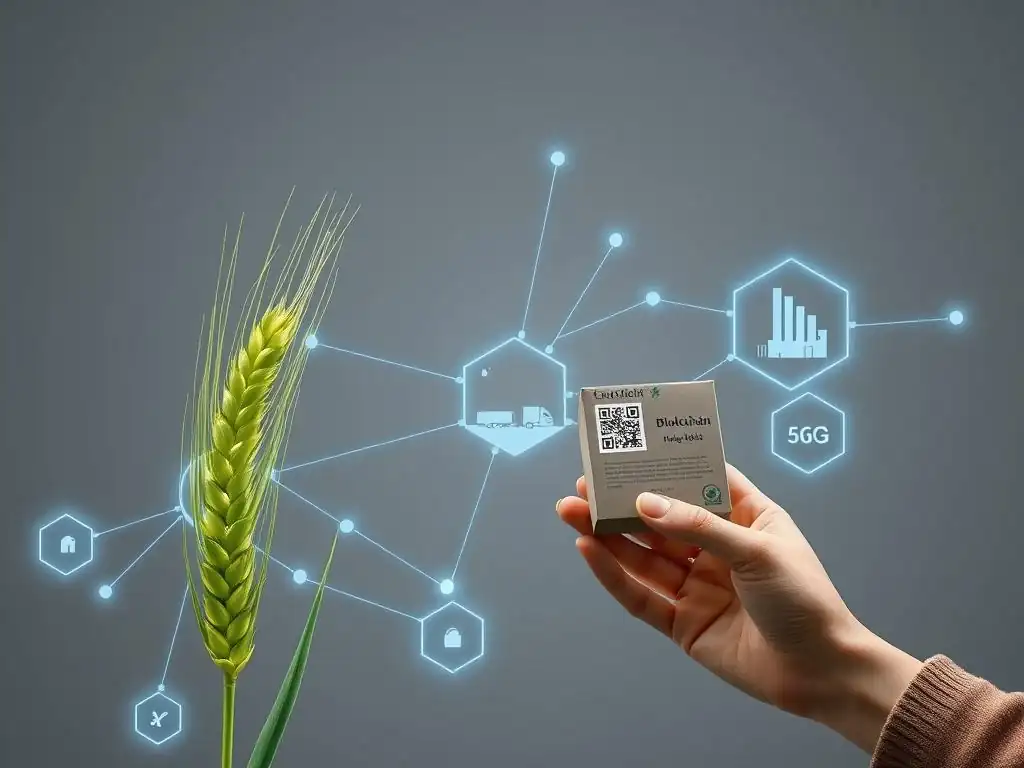
The synergy between Blockchain and 5G technologies yields a multitude of benefits for the agricultural sector, addressing inefficiencies, security vulnerabilities, and transparency deficits inherent in traditional supply chains. By enabling the secure, real-time flow of verifiable data from farm to table, this integration creates a more connected, intelligent, and trustworthy ecosystem. These advantages translate into improved operational performance, reduced risks, and enhanced value for all participants, from primary producers to final consumers.
The transformative potential lies in moving from reactive, paper-based processes to proactive, data-driven operations. The enhanced real-time agricultural supply chain visibility provided by this technological convergence empowers stakeholders with actionable insights, fostering better collaboration and enabling faster, more informed decision-making. This leads to a more resilient and efficient supply chain capable of meeting the complex demands of modern food production and distribution.
Improved Transparency and Accountability
Integrating Blockchain and 5G creates an unprecedented level of transparency across the agricultural supply chain. Every recorded event, from planting to purchase, is timestamped and immutably stored on the blockchain, accessible to authorized parties. This shared, distributed ledger eliminates information silos and provides a single source of truth about a product's journey and condition.
This transparency fosters greater accountability among all participants. If a problem occurs, such as a delay in transit or a breach in cold chain integrity, the verifiable record on the blockchain makes it easy to identify where and when the issue originated. This encourages better practices throughout the chain, as actions have traceable consequences, significantly boosting real-time agricultural supply chain visibility and building trust among stakeholders and with consumers.
Reduced Costs and Increased Efficiency
The enhanced visibility and automation enabled by Blockchain and 5G can lead to significant cost reductions and efficiency gains. Streamlined traceability processes drastically cut down the time and expense associated with audits and recalls. Automated payments via smart contracts reduce administrative costs and accelerate transactions.
Better real-time data on product quality and location, facilitated by 5G sensors and blockchain records, allows for optimized logistics, reduced spoilage, and minimized waste. A pilot program by a major retailer using blockchain for tracking produce reportedly reduced the time to trace a product from farm to store from 7 days to just 2.2 seconds. While this was a specific example, the potential for widespread efficiency improvements across the agricultural sector through enhanced Blockchain 5G supply chain visibility is substantial.
Enhanced Security and Fraud Prevention
Blockchain's cryptographic security and decentralized nature make the supply chain data significantly more secure and resistant to fraud than traditional systems. Data recorded on the ledger is tamper-proof, preventing malicious actors from altering records related to product origin, quality inspections, or certifications.
The transparent nature of the blockchain also makes it harder to introduce counterfeit products into the supply chain, as their history cannot be validated against the legitimate ledger. Coupled with the real-time monitoring capabilities enabled by 5G, any anomalies or deviations from the expected process can be quickly detected and flagged, providing a robust defense against fraud and ensuring the integrity of the agricultural products being tracked.
Streamlined Operations and Faster Delivery Times
Real-time data flow and automated processes driven by smart contracts on the blockchain, enabled by 5G connectivity, streamline operations across the supply chain. Customs clearance can be expedited when verifiable documentation and product history are readily available on the blockchain. Inventory management becomes more accurate with real-time updates on shipments and stock levels.
Faster communication and data exchange facilitated by 5G allow for more dynamic route optimization and logistics management. This improved coordination and efficiency can lead to faster delivery times for agricultural products, especially perishables, ensuring they reach consumers fresher and with a longer shelf life, further enhancing the benefits of real-time agricultural supply chain visibility.
Challenges and Considerations for Blockchain 5G Agricultural Supply Chain Implementation
While the benefits of integrating Blockchain and 5G for agricultural supply chain visibility are compelling, implementing these solutions at scale presents several challenges that need careful consideration. These challenges range from technical hurdles related to integrating disparate systems to broader issues concerning data management, cost, and the need for industry-wide collaboration and standardization. Overcoming these obstacles is crucial for realizing the full transformative potential of this technology convergence in the agricultural sector.
Addressing these challenges requires a strategic approach, involving stakeholders from across the supply chain, technology providers, and potentially regulatory bodies. It's not simply about deploying technology but about facilitating a fundamental shift in how agricultural data is collected, shared, and trusted. Successful implementation relies on careful planning, phased rollouts, and a focus on interoperability and user adoption to build effective Blockchain 5G supply chain visibility solutions.
Interoperability Issues: Integrating Different Blockchain Platforms
The blockchain landscape is diverse, with various platforms (e.g., Hyperledger Fabric, Ethereum, VeChain) being developed for enterprise use cases. Different companies within an agricultural supply chain might adopt different blockchain technologies, leading to interoperability challenges when trying to create an end-to-end, seamless record of a product's journey. For instance, a farmer might use one platform, a processor another, and a retailer a third.
Ensuring that data can flow freely and securely between these different blockchain networks or integrate with legacy systems (like ERP or WMS) is a significant technical hurdle. Developing standards, middleware, or cross-chain solutions is essential to create a truly connected agricultural supply chain where data from various sources and platforms can contribute to a unified view of product history and enhance overall Blockchain 5G supply chain visibility.
Data Security and Privacy Concerns
While blockchain is inherently secure due to its cryptographic nature, the data being fed into the network, particularly sensitive information collected by 5G-connected sensors (e.g., specific farm location data, proprietary processing methods, or sensitive animal health records), raises data security and privacy concerns. Determining who owns the data, who has access to it, and ensuring it is protected from unauthorized access or breaches is critical.
Implementing robust access control mechanisms within the blockchain network and ensuring secure data transmission channels via 5G are paramount. Careful consideration must be given to designing the data structure on the blockchain – deciding what data is stored directly on-chain versus what is stored off-chain with only a hash recorded on the ledger. Compliance with data privacy regulations (like GDPR, depending on the region) is also a key consideration when collecting and sharing data for agricultural supply chain visibility.
Scalability Challenges: Handling Large-Scale Agricultural Supply Chain Networks
Agricultural supply chains involve a vast number of participants, from millions of smallholder farmers globally to large processing plants and distribution networks. Implementing a blockchain solution that can handle the immense volume of transactions and data generated by tracking produce at a granular level across such a large and diverse network presents significant scalability challenges.
Public blockchains can face throughput limitations, while permissioned blockchains designed for enterprise use need careful architecture planning to ensure they can handle the load without becoming centralized or slow. The 5G network itself, while offering massive connectivity, requires robust infrastructure deployment to support the density of devices needed for comprehensive tracking across vast agricultural landscapes. Ensuring the underlying technology infrastructure can scale to meet the demands of a truly global agricultural supply chain network is essential for effective Blockchain 5G supply chain visibility.
Regulatory Compliance and Standardization
The agricultural sector is subject to numerous regulations related to food safety, trade, and environmental practices. Integrating new technologies like Blockchain and 5G requires navigating the existing regulatory landscape and potentially working with authorities to develop new standards. There is currently a lack of specific regulations governing the use of blockchain in agricultural supply chains in many jurisdictions.
Developing industry-wide standards for data formats, blockchain protocols, and interoperability is crucial for widespread adoption. Without common standards, integrating different systems and ensuring data consistency across the supply chain becomes significantly more difficult. Collaboration between industry bodies, technology providers, and government agencies is necessary to establish clear guidelines and frameworks that support the implementation and adoption of Blockchain 5G supply chain visibility solutions.
Future Trends in Blockchain and 5G for Agricultural Supply Chain Visibility
Looking ahead, the integration of Blockchain and 5G in agriculture is poised to evolve significantly, driven by technological advancements and increasing demand for transparency and efficiency. These future trends point towards more decentralized, automated, and intelligent agricultural supply chain networks. The continuous development of both blockchain protocols and 5G capabilities will unlock new possibilities for data collection, analysis, and utilization, further enhancing real-time agricultural supply chain visibility and transforming the sector.
The convergence will extend beyond simple tracking to enable more sophisticated applications, leveraging emerging technologies like IoT and AI. This evolution promises to create agricultural supply chains that are not only more transparent and secure but also highly optimized, resilient, and sustainable, ultimately benefiting producers, businesses, and consumers alike by providing unparalleled insight into product provenance and condition.
The Rise of Decentralized Agricultural Supply Chain Networks
Current blockchain implementations in enterprise supply chains often utilize permissioned networks, controlled by a consortium of participants. While offering benefits like privacy and throughput, the future may see a move towards more decentralized models, potentially leveraging public or federated blockchain structures where appropriate. This could empower smaller farmers and businesses by giving them more direct control over their data and participation in the network.
Decentralized autonomous organizations (DAOs) could also play a role in governing aspects of the agricultural supply chain network, automating decision-making processes based on transparent data recorded on the blockchain. This shift towards greater decentralization, facilitated by the ubiquitous connectivity of 5G, could create more equitable and resilient agricultural ecosystems, enhancing agricultural supply chain visibility across a broader range of participants.
Integration with IoT Devices for Real-Time Monitoring of Crops and Livestock
The proliferation of increasingly sophisticated and affordable IoT sensors, combined with the massive connectivity and low latency of 5G, will lead to a surge in real-time monitoring within agriculture. Beyond simple temperature and location tracking, future deployments will include sensors for detailed soil analysis, plant nutrient levels, pest detection, animal behavior patterns, and micro-environmental conditions within storage and transport.
This wealth of granular, real-time data, streamed via 5G and recorded on the blockchain, will provide unprecedented insight into the state of crops and livestock throughout their lifecycle. This data can then be used for dynamic decision-making, predictive analytics (e.g., predicting yield or disease outbreaks), and providing verifiable evidence of growing conditions, further enriching the data available for comprehensive Blockchain 5G supply chain visibility.
AI-Powered Supply Chain Optimization Using Blockchain and 5G Data in Agriculture
The vast amounts of real-time, verifiable data collected via 5G and secured on the blockchain provide a fertile ground for artificial intelligence (AI) and machine learning (ML) applications. AI algorithms can analyze this data to identify patterns, predict potential issues (like spoilage risks or logistical bottlenecks), and optimize various aspects of the agricultural supply chain.
For instance, AI can analyze historical temperature data (from blockchain records) and real-time traffic information (via 5G) to dynamically optimize transport routes for perishable goods. ML models can use data on growing conditions, handling, and quality checks to predict shelf life more accurately. By leveraging the secure and transparent data foundation provided by Blockchain and 5G, AI can drive significant improvements in efficiency, waste reduction, and decision-making, taking real-time agricultural supply chain visibility to an intelligent and predictive level.
Conclusion: Embracing Blockchain and 5G for a More Transparent and Efficient Agricultural Supply Chain Future
The integration of Blockchain and 5G represents a pivotal moment for the agricultural sector, offering a powerful solution to long-standing challenges in transparency, efficiency, and trust. 5G provides the necessary high-speed, low-latency, and massive connectivity to enable real-time data collection from the vast and often remote environments of farms and agricultural logistics. Blockchain, in turn, offers the secure, immutable, and decentralized ledger needed to record this data, creating a verifiable and tamper-proof history of every product's journey from farm to table. Together, they unlock unprecedented levels of real-time agricultural supply chain visibility.
From ensuring food safety through enhanced traceability and cold chain monitoring to verifying sustainability claims and automating processes via smart contracts, the combined capabilities of these technologies are fundamentally transforming how agricultural products are produced, moved, and consumed. While challenges related to interoperability, scalability, and regulation exist, the demonstrated benefits and the potential for future innovation, particularly with the integration of IoT and AI, highlight the immense value of embracing this technological convergence.
The Transformative Potential of Blockchain 5G Agricultural Supply Chain Solutions
The transformative potential of Blockchain 5G agricultural supply chain solutions lies in their ability to build a foundation of trust and efficiency based on verifiable, real-time data. This shift empowers farmers with better information, enables businesses to optimize operations and reduce losses, provides regulators with enhanced oversight, and gives consumers confidence in the food they purchase. By creating a transparent and accountable ecosystem, these technologies can significantly reduce food waste, improve food safety, support sustainable practices, and contribute to a more resilient global food system.
The journey towards fully realizing this potential requires continued investment in infrastructure, collaborative development of standards, and fostering industry-wide adoption. However, the clear advantages in terms of improved real-time agricultural supply chain visibility, reduced costs, and enhanced security make a compelling case for the widespread implementation of Blockchain and 5G technologies in agriculture.
Explore Blockchain Solutions for Your Agricultural Supply Chain
For agricultural businesses and organizations looking to navigate the complexities of modern supply chains and meet growing demands for transparency and sustainability, exploring blockchain solutions, particularly those leveraging the capabilities of 5G networks, is a critical step. Implementing pilot programs focused on specific use cases, such as cold chain tracking or origin verification, can provide valuable insights and demonstrate the tangible benefits of enhanced agricultural supply chain visibility.
Partnering with technology providers experienced in both blockchain and IoT, and considering the network infrastructure requirements for 5G connectivity, are essential components of a successful implementation strategy. The future of agriculture is increasingly digital, and embracing these technologies is key to building a more efficient, secure, and transparent supply chain for tomorrow.
Frequently Asked Questions
How does blockchain enhance supply chain visibility when combined with 5G?
Combining blockchain's immutable ledger with 5G's low-latency connectivity allows for real-time tracking and verification of goods, ensuring greater transparency throughout the supply chain.
What role does 5G play in improving blockchain-based supply chain solutions?
5G's high bandwidth and speed enable the rapid transfer of large datasets, crucial for blockchain applications that require real-time data analysis and efficient transaction processing in complex supply chains.
What are some potential benefits of using blockchain and 5G for supply chain management?
Benefits include reduced fraud, improved efficiency, and enhanced traceability of products, leading to increased consumer trust and optimized operations for businesses utilizing Blockchain 5G supply chain visibility.
How can blockchain and 5G help address challenges in global supply chains?
Blockchain facilitates secure data sharing among various stakeholders, while 5G ensures reliable and timely communication, enabling better coordination and faster response to disruptions in global supply chains.
What are some of the regulatory considerations surrounding the use of blockchain and 5G in supply chains?
Regulatory frameworks are evolving to address data privacy, security, and compliance requirements. Data governance policies and industry standards are crucial for responsible deployment of Blockchain 5G supply chain visibility solutions.
Final Reflection: Embracing Transparency in a Connected World
The convergence of blockchain and 5G, as explored throughout this article, isn't just a technological advancement; it's a paradigm shift in how we understand and manage supply chains. Real-time visibility, once a distant aspiration, is now within reach, promising unprecedented efficiency and resilience in a world increasingly reliant on interconnected networks. This transformation has the potential to reshape industries, fostering greater trust and accountability across the entire value chain.
The implications of this technology extend far beyond mere logistical improvements. The ability to trace products from origin to consumer, with immutable records secured by blockchain and facilitated by 5G's speed and reliability, offers a profound opportunity to combat counterfeiting, ensure ethical sourcing, and empower consumers with informed choices. This shift towards transparency is not just a trend; it's a fundamental change in how we interact with the products we consume. The supply chain of the future will be built on trust, transparency, and collaboration. Blockchain and 5G are the key enablers of this vision.
As we stand on the cusp of this technological revolution, it's crucial to consider the role we each play in shaping its future. Let us embrace the potential of blockchain and 5G to create more sustainable, ethical, and transparent supply chains. Consider how you can advocate for and implement these technologies in your own sphere of influence, contributing to a world where information flows freely and trust is paramount. The future of supply chain visibility is not just about technology; it's about building a more responsible and connected global community.
Unlock Supply Chain Efficiency: Start Today!
Thank you for exploring how blockchain and 5G are transforming supply chain visibility. Now that you understand the potential of this powerful combination, it's time to take action and lead the way in creating transparent, efficient supply chains.
Here’s how you can get started:
- Research and Learn: Begin by exploring pilot projects that integrate blockchain and 5G within your industry. Understand their implementation processes, challenges faced, and successes achieved to identify opportunities for your organization.
- Initiate Change: Start conversations within your team or organization about adopting blockchain and 5G technologies to enhance supply chain operations. Highlight the benefits and discuss potential use cases tailored to your business needs.
- Share Your Insights: Write a blog post or participate in industry forums to share your thoughts on the future of blockchain and 5G in supply chain management. Contributing your perspective can inspire further innovation.
What is one immediate change you can implement today to leverage blockchain for greater supply chain efficiency?
Leave a Reply