
Blockchain in Action: A Case Study of Provenance Tracking in the Coffee Supply Chain

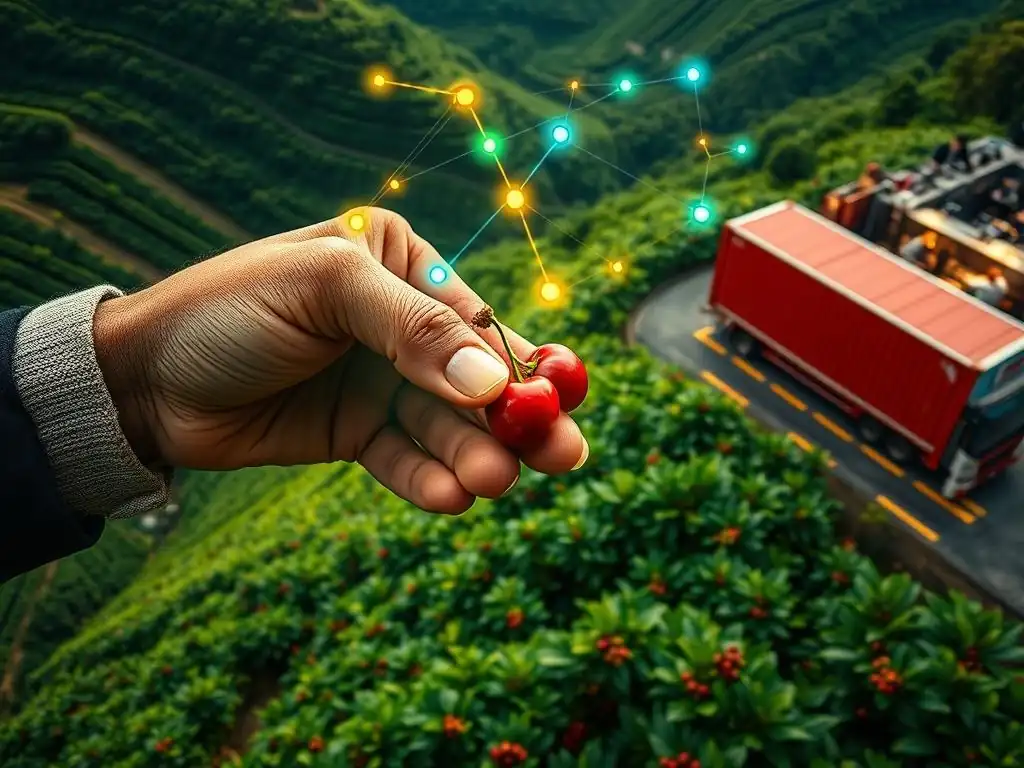
Welcome to Blockchain Trends, your go-to source for understanding the real-world applications of blockchain technology. Forget the hype, we delve into the tangible impact of decentralized systems across diverse industries. Ever wondered how blockchain can revolutionize something as everyday as your morning brew?
Our in-depth article, " Blockchain in Action: A Case Study of Provenance Tracking in the Coffee Supply Chain," explores exactly that. Discover how this innovative technology is ensuring ethical sourcing, combating fraud, and bringing transparency to your cup of joe. Prepare to be surprised by the potential – read on to uncover the future of the blockchain coffee supply chain!
Blockchain in Action: A Case Study of Provenance Tracking in the Coffee Supply Chain
- Introduction: Tracing Coffee's Journey with Blockchain Technology
- The Case Study: Farmer Connect and Blockchain-Enabled Coffee Tracking
- Blockchain Solution: Implementing a Decentralized Tracking System for Coffee Beans
- Implementation and Integration: Connecting Farmers to Consumers via Blockchain
- Results and Benefits: Enhanced Transparency and Improved Coffee Quality
- Challenges and Lessons Learned: Navigating the Complexities of Blockchain Adoption
- Future Directions: Expanding the Use of Blockchain in the Coffee Industry
- Conclusion: The Transformative Potential of Blockchain for Coffee Provenance
-
Frequently Asked Questions
- How does blockchain enhance transparency in the coffee supply chain?
- What are the key benefits of using blockchain for provenance tracking in the coffee supply chain?
- How does blockchain help combat fraud and counterfeiting in the coffee industry?
- What are some of the challenges in implementing blockchain solutions for coffee supply chains?
- Beyond provenance tracking, what other potential applications of blockchain exist within the coffee industry?
- Final Reflection: Savoring Transparency, Brewing Trust
- Unlock the Future of Coffee: Trace, Taste, and Trust!
Introduction: Tracing Coffee's Journey with Blockchain Technology
The Growing Need for Transparency in the Coffee Supply Chain
The global coffee industry is vast, complex, and often opaque. From the smallholder farms in remote regions to the roasters and retailers in urban centers, coffee beans traverse multiple intermediaries. This intricate journey makes it challenging for consumers to know the true origin of their coffee, the conditions under which it was grown, or whether the farmers received a fair price.
Consumer demand for transparency and ethically sourced products is escalating. Recent surveys indicate that a significant percentage of consumers, often cited around 70-80%, are willing to pay a premium for products that offer verifiable proof of origin and ethical production practices. Without a reliable system for tracking provenance, brands risk losing consumer trust and market share.
Traditional methods for tracking coffee provenance, such as paper trails, spreadsheets, and centralized databases, are prone to errors, manipulation, and inefficiency. Information can be lost, deliberately altered, or siloed among different supply chain partners. This lack of end-to-end visibility contributes to issues like fraud, inconsistent quality control, and difficulty in verifying sustainability claims.
Furthermore, the delay in information flow means that issues discovered late in the supply chain, such as contamination or unethical labor practices, are hard to trace back to their source quickly and accurately. Establishing a robust and trustworthy system that can track every bean from farm to cup is becoming imperative for brands seeking to build consumer confidence and ensure supply chain integrity. This is where the power of a blockchain coffee supply chain solution becomes evident.
How Blockchain Addresses Supply Chain Challenges in the Coffee Industry
Blockchain technology offers a decentralized, immutable, and transparent ledger that can revolutionize how coffee provenance is tracked. By creating a shared, secure record of transactions and movements across the supply chain, blockchain eliminates the reliance on single points of trust and reduces the potential for data manipulation.
Each step in the coffee bean's journey – from harvesting and processing to export, roasting, and retail – can be recorded as a transaction on the blockchain, creating a comprehensive and verifiable history. This digital trail provides unparalleled visibility, allowing all authorized participants, including consumers, to access information about the coffee's origin, quality certifications, and even details about the farmers who grew it.
Implementing a blockchain coffee supply chain provides a verifiable 'single source of truth'. Unlike traditional systems where different parties might hold conflicting data, a blockchain ensures that all participants are viewing the same, up-to-date, and tamper-evident information. This enhanced data integrity helps mitigate risks associated with fraud, such as mislabeling origins or quality grades, which are estimated to cost the global food industry billions annually.
Moreover, blockchain can facilitate faster and more secure payments, potentially enabling farmers to receive their share of the final retail price more quickly and directly, addressing long-standing issues of unfair distribution of value within the supply chain. The inherent security and transparency of blockchain technology make it an ideal tool for building trust and efficiency in the complex world of coffee.
The Case Study: Farmer Connect and Blockchain-Enabled Coffee Tracking
Background: Farmer Connect and Their Commitment to Ethical Sourcing
Farmer Connect is an initiative focused on bringing greater transparency and connectivity to agricultural supply chains, with a particular emphasis on coffee. Founded with the mission to connect farmers more directly with consumers and share value more equitably across the supply chain, Farmer Connect recognized the deep disconnect between the people who grow coffee and the people who drink it.
They aimed to leverage technology to bridge this gap, making it easier for consumers to understand the origin and story behind their coffee, while simultaneously empowering farmers by providing them with greater visibility and potentially a larger share of the final price. Their commitment extends to promoting sustainable and ethical practices at the farm level.
The initiative collaborates with major players in the coffee industry, including large corporations and smaller roasters, demonstrating a broad industry interest in improving traceability. Farmer Connect's vision goes beyond simple tracking; it seeks to create an ecosystem where value flows back to the source.
By enabling consumers to interact with the supply chain data, perhaps even through direct contributions or tips facilitated by the platform, they aspire to foster a sense of connection and shared responsibility. This commitment to ethical sourcing and farmer welfare forms the core motivation for adopting advanced technologies like blockchain to transform the traditional blockchain coffee supply chain.
Problem Statement: Issues with Traditional Coffee Supply Chain Visibility
The traditional coffee supply chain is notoriously complex, involving numerous intermediaries such as collectors, millers, exporters, importers, roasters, and retailers. Each hand-off point is an opportunity for information to become fragmented, inaccurate, or lost. For example, a batch of coffee beans might be mixed with beans from different origins, making it difficult to verify single-origin claims.
Quality certifications, such as organic or fair trade, rely heavily on audits and paper documentation, which can be time-consuming to verify and susceptible to fraud. According to industry reports, a significant percentage of coffee marketed as single-origin or specialty may not meet the stated criteria due to issues with traceability in the supply chain.
This lack of transparency creates several problems: consumers are often unable to verify sustainability or ethical claims, leading to mistrust; farmers lack visibility into where their coffee ends up and how much it sells for at the retail level, making it hard for them to negotiate fair prices; and companies face significant challenges in recalls or quality issue investigations due to the difficulty in pinpointing the exact source of a problem batch.
The manual processes and disparate systems used by different stakeholders in the traditional blockchain coffee supply chain hinder efficient communication and data sharing, resulting in delays, increased administrative costs, and a higher risk of errors and fraud.
Blockchain Solution: Implementing a Decentralized Tracking System for Coffee Beans
Choosing the Right Blockchain Platform for Coffee Traceability: IBM Food Trust
When implementing a blockchain solution for coffee traceability, selecting a suitable platform is critical. Farmer Connect partnered with IBM to leverage the IBM Food Trust platform, a blockchain-based ecosystem designed specifically for the food industry supply chain. IBM Food Trust is built on Hyperledger Fabric, an enterprise-grade blockchain framework known for its permissioned network capabilities, which allows participants to control who sees their data while still maintaining transparency among authorized parties. This is crucial for a sensitive industry like coffee, where different stakeholders have varying data privacy requirements.
The choice of IBM Food Trust was strategic for several reasons. Firstly, its focus on food and agriculture supply chains meant it already possessed features and functionalities relevant to tracking physical goods like coffee beans. Secondly, being a permissioned blockchain, it allows for controlled access, ensuring that sensitive business data, such as pricing agreements between specific parties, remains private while essential traceability information, like origin and movement, is shared transparently.
Thirdly, the platform's scalability and ability to integrate with existing enterprise systems were key considerations for handling the volume and complexity of the global coffee trade. Utilizing a robust platform like IBM Food Trust provided the necessary foundation for building a reliable and scalable blockchain coffee supply chain solution.
Key Features of the Blockchain Coffee Tracking System
The blockchain coffee tracking system implemented by Farmer Connect and IBM Food Trust incorporates several key features designed to enhance transparency and efficiency across the supply chain.
Immutable Record of Coffee Bean Origins and Handling
One of the core features is the creation of an immutable record for every batch of coffee beans. When coffee is harvested at a farm, details such as the farm's location, farmer's identity, harvesting date, coffee variety, and quantity are recorded. As the beans move through subsequent stages – washing, drying, milling, export preparation, shipment, import, roasting, packaging – each step is documented as a transaction on the blockchain.
Each entry is cryptographically secured and linked to the previous one, forming a chain that cannot be altered retroactively without detection. This provides a tamper-proof history of the coffee from its point of origin to the final product, offering undeniable proof of provenance.
This immutable ledger is critical for verifying claims made about the coffee. For instance, if a coffee is marketed as originating from a specific region in Ethiopia, the blockchain record provides the verifiable data points – recorded by different, independent participants in the supply chain – that confirm this origin. This dramatically reduces the potential for fraud and misrepresentation compared to traditional paper-based systems. For a robust blockchain coffee supply chain, this feature is fundamental to building trust among all stakeholders, from farmers to consumers.
Real-Time Tracking of Coffee Batches Through the Supply Chain
The system enables near real-time tracking of coffee batches as they move through the supply chain. As each participant handles a batch of coffee, they update its status and location on the blockchain platform. For example, when a processor receives a shipment from a farm, they record the receipt; when an exporter ships the beans, they log the shipment details. This continuous flow of information creates a dynamic map of the coffee's journey. While not instantaneous GPS tracking of individual beans, it provides up-to-date information on the location and status of specific batches as they pass through documented checkpoints.
This real-time visibility is invaluable for logistics and supply chain management. Companies can better predict arrival times, manage inventory more effectively, and quickly identify bottlenecks or delays. In case of issues, such as a quality problem detected during roasting, the traceback process is significantly faster and more precise than with manual systems. Instead of sifting through stacks of paperwork that could take weeks, authorized users can query the blockchain ledger and pinpoint the exact batch, its origin, and all handling points within minutes. This efficiency is a key benefit of a digitalized blockchain coffee supply chain.
Secure Data Sharing Among Coffee Farmers, Processors, and Retailers
The permissioned nature of the chosen blockchain platform ensures secure and controlled data sharing among the various participants in the coffee supply chain. Farmers can share data about their harvest with processors, processors can share information about milling and quality checks with exporters, and so on. Retailers and consumers can access the specific data points that are made publicly available or shared with them, such as origin, certifications, and processing methods, often via a QR code on the packaging.
This secure sharing mechanism facilitates collaboration and improves communication across the typically fragmented supply chain. Participants can access relevant information without exposing sensitive business data to unauthorized parties. Smart contracts, while not the primary focus initially, can also be built on this foundation to automate processes like payments based on verified delivery or quality checks. The ability to share information securely and selectively empowers participants and builds a more connected blockchain coffee supply chain ecosystem.
Implementation and Integration: Connecting Farmers to Consumers via Blockchain
Onboarding Coffee Farmers and Training Them on Blockchain Data Entry
Implementing a blockchain coffee supply chain solution requires significant effort in onboarding all participants, especially those at the origin: the coffee farmers. Many smallholder farmers in developing regions may have limited access to technology or experience with digital platforms. A crucial part of the Farmer Connect initiative involved providing farmers with the necessary tools, often a simple smartphone app, and comprehensive training on how to use the blockchain platform to record their harvest data. This included teaching them how to input details like bean type, harvest volume, date, and location, and potentially scan QR codes associated with their produce.
Training sessions were conducted in local languages, often facilitated by local partners or cooperatives. The focus was on demonstrating the benefits for the farmers themselves, such as the potential for increased income through provenance-linked premiums or faster payments, to encourage adoption. Overcoming the initial digital literacy gap and ensuring consistent, accurate data entry at the source is perhaps the most challenging, yet critical, step in building a reliable blockchain coffee supply chain. Without accurate data at the beginning, the integrity of the entire chain is compromised.
Integrating Blockchain with Existing Coffee Supply Chain Systems
Integrating the blockchain platform with the diverse existing systems used by different stakeholders across the coffee supply chain is another complex undertaking. Large roasters might use sophisticated enterprise resource planning (ERP) systems, while smaller processors might rely on spreadsheets or even manual logs. The blockchain solution needed to be flexible enough to connect with these disparate systems or provide simple interfaces for data input. APIs (Application Programming Interfaces) played a key role in allowing different software systems to communicate with the blockchain platform, automatically pushing or pulling relevant data.
For participants without complex systems, web or mobile interfaces were provided for direct data entry. This integration phase required careful planning and technical expertise to ensure seamless data flow without disrupting existing business operations. Harmonizing data standards across different participants and systems was also essential to ensure that information recorded at one stage could be correctly interpreted and utilized downstream. Successful integration is vital for the practical functionality of a blockchain coffee supply chain project.
Ensuring Data Integrity and Security in the Blockchain Coffee Network
Maintaining data integrity and security is paramount in a blockchain network, especially one handling sensitive supply chain information. While blockchain technology itself offers inherent security through cryptography and decentralization, steps must be taken to ensure the accuracy and trustworthiness of data before it is recorded on the chain. This involves implementing validation processes at each step. For example, when a processor receives beans from a farmer, they might verify the quantity and quality before confirming the transaction on the blockchain.
Furthermore, access controls on the permissioned network ensure that only authorized individuals or systems can write data to the ledger or view specific information. Robust cybersecurity measures are also necessary to protect the interfaces and systems that connect to the blockchain from external threats. Regular audits and reconciliation processes can help identify discrepancies. While the blockchain guarantees the integrity of data on the chain, ensuring the accuracy and security of data entering the chain is a continuous operational requirement for a reliable blockchain coffee supply chain.
Results and Benefits: Enhanced Transparency and Improved Coffee Quality

Increased Consumer Trust and Demand for Authenticated Coffee
One of the primary benefits observed from implementing a blockchain solution in the coffee supply chain is a significant increase in consumer trust. By scanning a QR code on a bag of coffee, consumers can access a digital journey of those specific beans, often seeing photos of the farm, learning about the farmer, and verifying certifications like organic or fair trade directly from the source data recorded on the blockchain.
This level of transparency builds confidence in the product's authenticity and the ethical claims made by the brand. Studies and pilot programs have shown that consumers are more likely to purchase coffee with verifiable provenance and express a willingness to pay a premium, sometimes cited around 10-25% more, for this assurance.
This enhanced trust translates into increased demand for authenticated coffee products. Brands using the blockchain coffee supply chain solution can differentiate themselves in a crowded market by offering a tangible connection to the origin and a compelling story backed by immutable data. This not only benefits the brands but also creates a positive feedback loop, encouraging more farmers and supply chain partners to participate in the transparent system. The ability to verify the journey from 'seed to cup' directly addresses the modern consumer's desire for ethical consumption and transparency.
Reduced Instances of Fraud and Counterfeit Coffee Products
The immutable and transparent nature of the blockchain ledger significantly reduces opportunities for fraud and counterfeiting within the coffee supply chain. Mislabeling of origins, blending of lower-grade beans with premium ones, or falsifying organic/fair trade certifications are much harder to accomplish when every transaction and handling step is recorded on a shared, verifiable ledger. Any attempt to alter past data would be immediately detectable by other network participants.
For example, if a batch of coffee recorded as originating from a specific farm in Colombia is later claimed to be from a different region, the blockchain record would clearly show the discrepancy. This deters malicious actors and provides a powerful tool for verification by auditors, regulators, and even consumers. While not eliminating fraud entirely, a blockchain coffee supply chain makes it substantially more difficult and easier to identify when it occurs, protecting both the reputation of legitimate businesses and the integrity of the product.
Streamlined Supply Chain Operations and Reduced Costs
Implementing a blockchain solution can lead to significant operational efficiencies and cost reductions across the coffee supply chain. The digital nature of the records replaces cumbersome paper-based systems, reducing administrative overhead and the risk of human error. The near real-time visibility into the movement and status of coffee batches allows for better inventory management, more efficient logistics planning, and faster response times to disruptions.
Furthermore, the ability to quickly and accurately trace a product back to its source simplifies audits and recalls. Instead of lengthy investigations, companies can pinpoint the affected batches within minutes, minimizing the scope and cost of a recall. Streamlined communication and data sharing among supply chain partners, facilitated by the shared ledger, also reduce delays and improve overall coordination. While initial implementation costs exist, the long-term benefits in terms of reduced administrative burden, improved efficiency, and mitigated risk contribute to a more cost-effective blockchain coffee supply chain.
Empowering Coffee Farmers with Fairer Pricing and Direct Access to Markets
A key benefit of the blockchain coffee supply chain for farmers is the potential for increased income and empowerment. By providing verifiable proof of origin and quality, farmers can potentially command higher prices for their specialty or ethically certified beans. The transparency of the system can also give them better insight into the final retail price of their coffee, strengthening their position in price negotiations. Some initiatives built on blockchain allow consumers to send direct tips or premiums to the specific farmer who grew their coffee, creating a more direct connection and value flow.
Moreover, the data collected on the blockchain can help farmers improve their practices. By linking specific farming techniques or bean characteristics to quality ratings and consumer feedback, farmers can gain insights into what yields the best results and commands the highest value. The increased visibility can also open doors to more direct relationships with roasters or buyers, potentially bypassing some intermediaries and capturing a larger share of the value chain. This empowerment at the source is a transformative aspect of a well-implemented blockchain coffee supply chain.
Overcoming Resistance to Change Among Stakeholders
Implementing a blockchain coffee supply chain solution requires buy-in from a diverse group of stakeholders, many of whom are accustomed to traditional ways of working. Resistance to change, skepticism about new technology, concerns about data sharing, and the effort required for training and adoption are significant hurdles. Smallholder farmers might be hesitant due to limited technical literacy or suspicion of new systems, while larger intermediaries might resist transparency that could disrupt their established business models.
Overcoming this resistance requires clear communication of the benefits for each specific stakeholder group, tailored training programs, and strong leadership from anchor partners in the supply chain. Pilot programs with a limited scope can help demonstrate value and build confidence before scaling up. Building a collaborative ecosystem where participants feel their concerns are heard and addressed is crucial for successful adoption. It's not just a technology deployment; it's a change management initiative across a complex value chain.
Addressing Data Privacy Concerns and Regulatory Compliance
While transparency is a goal, data privacy remains a critical concern. Not all data shared across the supply chain is meant for public consumption. Pricing agreements between a buyer and seller, for instance, are typically confidential. Choosing a permissioned blockchain platform helps address this by allowing granular control over data access. However, defining what data is shared, with whom, and under what conditions requires careful consideration and agreement among all participants.
Furthermore, navigating the varying data privacy regulations across different countries (like GDPR in Europe) adds another layer of complexity. Ensuring the system complies with all relevant laws requires careful design and legal consultation. Balancing the need for transparency with legitimate business confidentiality and regulatory requirements is an ongoing challenge for any blockchain coffee supply chain initiative.
Ensuring Scalability and Interoperability of the Blockchain Coffee Solution
The global coffee supply chain is massive and involves millions of farmers and countless transactions daily. Ensuring the blockchain solution can scale to handle this volume of data and participants is a significant technical challenge. The platform must be robust enough to process a high throughput of transactions without becoming slow or prohibitively expensive.
Interoperability is also key. The blockchain system needs to interact with existing legacy systems used by various stakeholders and potentially with other blockchain networks in the future. Standards for data formatting and exchange are necessary to ensure seamless communication across the ecosystem. Building a scalable and interoperable blockchain coffee supply chain requires careful architectural planning and ongoing technical development to meet the demands of the global market.
Future Directions: Expanding the Use of Blockchain in the Coffee Industry
Exploring Smart Contracts for Automated Payments and Quality Control
The foundation of a blockchain coffee supply chain lays the groundwork for more advanced applications, such as the use of smart contracts. These self-executing contracts, with the terms of the agreement directly written into code, can automate processes based on verifiable data recorded on the blockchain. For instance, a smart contract could automatically trigger a payment to a farmer or cooperative once a batch of their coffee is verified as received and its quality parameters meet predefined standards at the next stage of the supply chain.
This automation can significantly reduce payment cycles, providing farmers with faster access to funds and reducing administrative work for buyers. Smart contracts can also be used to enforce quality control standards; if a batch doesn't meet the agreed-upon quality criteria verified by an independent inspection recorded on the blockchain, a smart contract could automatically adjust the payment or trigger a dispute resolution process. This moves the blockchain coffee supply chain beyond just tracking to automating key business logic.
Integrating IoT Devices for Real-Time Monitoring of Coffee Bean Conditions
Integrating Internet of Things (IoT) devices into the blockchain coffee supply chain can provide even richer, more granular data. Sensors placed in storage facilities or shipping containers can monitor conditions critical to coffee quality, such as temperature, humidity, and light exposure, in real-time. This data can be automatically recorded onto the blockchain, providing an immutable record of the environmental conditions the beans experienced throughout their journey.
This level of monitoring is invaluable for maintaining quality and verifying storage conditions. If coffee is stored improperly, damaging its flavor profile, the IoT data on the blockchain provides evidence. This integration enhances the traceability data with objective, environmental parameters, further strengthening the integrity and value of the information available on the blockchain coffee supply chain. It allows for proactive interventions and better quality management across the chain.
Building a More Sustainable and Equitable Coffee Supply Chain with Blockchain
Ultimately, the goal of leveraging blockchain in the coffee industry extends beyond just transparency and efficiency; it's about building a more sustainable and equitable supply chain. By providing verifiable proof of sustainable farming practices, fair labor conditions, and direct payments to farmers, blockchain empowers brands to genuinely support and communicate their sustainability commitments. Consumers can make informed choices based on trustworthy data, driving demand for ethically produced coffee.
Furthermore, the increased efficiency and reduced costs facilitated by blockchain can potentially free up resources that can be reinvested in sustainable practices at the farm level or used to provide better support to farming communities. By creating a direct line of sight and value flow from consumer to farmer, blockchain helps rebalance the power dynamics in the supply chain, ensuring that more of the value generated ultimately benefits those who cultivate the beans. This vision of a truly fair and sustainable blockchain coffee supply chain represents the full transformative potential of the technology.
Conclusion: The Transformative Potential of Blockchain for Coffee Provenance
Blockchain: A Powerful Tool for Enhancing Transparency and Sustainability in the Coffee Sector
The case study of implementing blockchain for provenance tracking in the coffee supply chain, exemplified by initiatives like Farmer Connect leveraging platforms such as IBM Food Trust, clearly demonstrates the technology's powerful potential. By providing an immutable, transparent, and shared ledger, blockchain addresses fundamental challenges of opacity and inefficiency that have plagued the coffee industry for decades. It enables consumers to verify the origin and journey of their coffee, fostering trust and supporting ethical consumption.
For businesses, it offers enhanced traceability, reduced fraud risk, and streamlined operations. Crucially, it empowers farmers by providing visibility and the potential for fairer compensation, contributing to the sustainability of farming communities.
While challenges related to adoption, integration, and data management exist, they are being actively addressed by ongoing projects. The benefits realized in terms of increased transparency, improved data integrity, and enhanced stakeholder relationships highlight blockchain's capability to revolutionize complex agricultural supply chains. It moves beyond simply tracking goods to verifying claims and building a foundation of trust among disparate parties. The blockchain coffee supply chain is emerging as a model for how technology can drive positive change in global industries.
The Future of Blockchain Coffee Supply Chain Management: Beyond Traceability
The current applications of blockchain in the coffee industry, primarily focused on provenance tracking, are just the beginning. The future holds the promise of integrating smart contracts for automated processes like payments and quality control, connecting with IoT devices for real-time environmental monitoring, and leveraging the collected data for predictive analytics and supply chain optimization. These advancements will further enhance efficiency, reduce costs, and improve quality across the board.
More significantly, the blockchain coffee supply chain is poised to become a cornerstone for building truly equitable and sustainable ecosystems. By ensuring value flows transparently back to the source and providing verifiable data on ethical and environmental practices, blockchain can incentivize and reward sustainability. It has the potential to create a direct, trust-based relationship between consumers and farmers, fostering a sense of shared responsibility for the well-being of the industry and the planet. The journey of blockchain in coffee is evolving from simple traceability to building a fundamentally better, fairer, and more resilient supply chain for everyone involved.
Frequently Asked Questions
How does blockchain enhance transparency in the coffee supply chain?
Blockchain creates an immutable ledger that records every transaction and movement of coffee beans, from origin to consumer. This enhanced traceability builds trust and allows consumers to verify the coffee's journey.
What are the key benefits of using blockchain for provenance tracking in the coffee supply chain?
The primary benefits are increased transparency, improved supply chain efficiency, and enhanced consumer trust due to verified origin and ethical sourcing.
How does blockchain help combat fraud and counterfeiting in the coffee industry?
By recording each stage of the coffee's journey on a secure, decentralized ledger, blockchain makes it significantly harder to falsify origin or quality information, reducing fraud.
What are some of the challenges in implementing blockchain solutions for coffee supply chains?
Challenges include the cost of implementation, the need for stakeholder collaboration across the entire supply chain, and ensuring data accuracy at each stage.
Beyond provenance tracking, what other potential applications of blockchain exist within the coffee industry?
Blockchain can also be used for direct trade between farmers and buyers, smart contracts for fair pricing, and supply chain financing to support sustainable farming practices.
Okay, here's a final reflection designed for your article "Blockchain in Action: A Case Study of Provenance Tracking in the Coffee Supply Chain," optimized for the keyword "Blockchain coffee supply chain" and following the structure you provided:
Final Reflection: Savoring Transparency, Brewing Trust
The journey of coffee, from bean to cup, is often shrouded in mystery. The implementation of blockchain technology, as demonstrated in tracking coffee provenance, is no longer a futuristic concept but a tangible reality reshaping the industry. This case study highlights the power of blockchain to not only enhance transparency but also to foster trust among all stakeholders, from farmers to consumers.
The impact of this technology extends far beyond simply knowing where your coffee beans originated. It's about empowering farmers, ensuring fair trade practices, and ultimately, building a more sustainable and ethical coffee industry. The ability to trace each step of the process, verified by an immutable ledger, creates a level of accountability previously unattainable. Transparency is not about exposing everything; it's about creating a space where trust can flourish.
This quote perfectly encapsulates the transformative potential of blockchain in the coffee supply chain.
As you savor your next cup of coffee, consider the journey it has undertaken. Reflect on the potential of blockchain to revolutionize not only the coffee industry but countless other supply chains, bringing greater transparency, fairness, and sustainability to the global marketplace. Let us all strive to support and advocate for technologies that empower producers, protect consumers, and build a more equitable future, one cup at a time.
Unlock the Future of Coffee: Trace, Taste, and Trust!
Thank you for exploring how blockchain is transforming the coffee supply chain and bringing transparency to your daily brew. Now that you understand the importance of provenance tracking, it’s time to get involved and help shape the future of ethical coffee consumption.
Ready to make a difference? Here are some practical steps you can take today:
- Demand Transparency: Support coffee brands that utilize blockchain technology for provenance verification. Your choices can promote greater accountability and ethical sourcing.
- Share the Knowledge: Spread awareness by sharing this article with fellow coffee enthusiasts and encouraging them to explore blockchain-verified coffee options.
- Dive Deeper: Learn about other ways blockchain is being used in sustainable agriculture and consider supporting initiatives that promote fair trade and ethical sourcing.
Which coffee brand will you research this week to ensure your next cup is ethically sourced and blockchain-verified? Share your discoveries in the comments below!
Leave a Reply