
Blockchain and IoT: A Powerful Combination for Supply Chain Authenticity

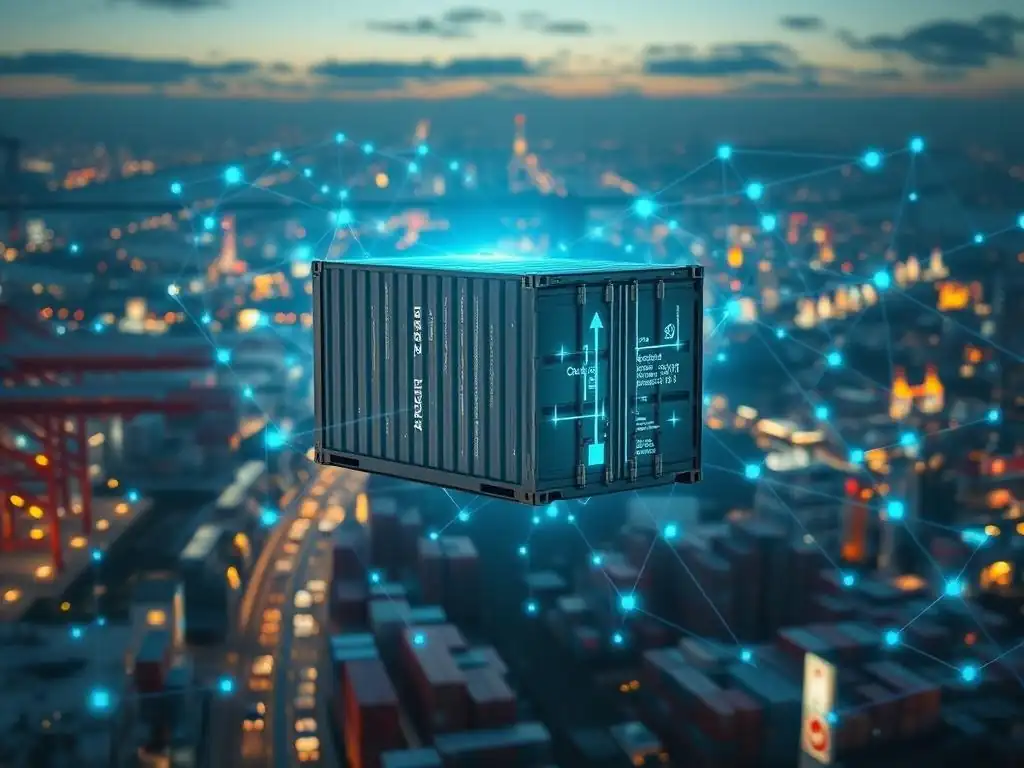
Welcome to Blockchain Trends, your trusted guide to understanding the revolution unfolding beyond cryptocurrency. Are you ready to unlock the potential of blockchain technology?
This week, we delve into a fascinating intersection: how the power of blockchain, coupled with the Internet of Things (IoT), is reshaping supply chain authenticity. Discover how a Blockchain IoT supply chain can create unprecedented levels of transparency, security, and efficiency. Intrigued? Read on to explore the future of verifiable product journeys!
- Blockchain and IoT: Securing Automotive Supply Chain Authenticity with Distributed Ledger Technology
- Blockchain IoT Automotive Supply Chain: How the Combination Works
- Use Cases: Blockchain and IoT Solutions for Automotive Supply Chain Authentication
- Benefits of Implementing Blockchain IoT in the Automotive Supply Chain
- Challenges and Considerations for Blockchain IoT Implementation
- The Future of Blockchain IoT in Automotive Supply Chain Management
-
Frequently Asked Questions
- How does blockchain enhance IoT applications within the supply chain?
- What are the main benefits of using Blockchain IoT supply chain solutions?
- What challenges exist in implementing Blockchain IoT supply chain solutions?
- How does regulation impact the use of Blockchain IoT in supply chain management?
- What is the future outlook for Blockchain IoT supply chain applications?
- Final Reflection: Securing Tomorrow's Supply Chains
- Unleash Transparency: Secure Your Supply Chain Today!
Blockchain and IoT: Securing Automotive Supply Chain Authenticity with Distributed Ledger Technology
Introduction: The Synergy of Blockchain and IoT in Automotive Supply Chain Management
The automotive industry operates within complex, multi-tiered global supply chains, where the authenticity and provenance of every single component are paramount for vehicle safety and brand integrity. Traditionally, tracking parts from raw material to finished vehicle assembly has relied on disparate, often paper-based systems or centralized databases that lack transparency and are vulnerable to manipulation.
This opacity creates significant challenges, particularly concerning the infiltration of counterfeit parts, which pose severe safety risks to consumers and inflict substantial financial damage on manufacturers. The need for a more robust, transparent, and secure system has become increasingly critical as vehicles become more sophisticated and interconnected.
Enter the powerful combination of Blockchain and IoT technologies. Internet of Things (IoT) devices, such as sensors, RFID tags, and GPS trackers, can collect real-time data about components – their location, condition, and movement – throughout the supply chain. Blockchain technology, with its decentralized, immutable ledger, provides a secure and transparent platform to record this data.
By linking the physical world (via IoT data) to a tamper-proof digital record (via Blockchain), automotive manufacturers can establish a verifiable chain of custody for each part, creating a robust Blockchain IoT supply chain solution that enhances visibility, ensures authenticity, and builds trust across the ecosystem. This synergy is not merely an incremental improvement but a fundamental shift towards a more resilient and trustworthy supply chain model.
The Problem: Challenges in Automotive Supply Chain Visibility and Authenticity
Counterfeit Parts and the Impact on Vehicle Safety
The proliferation of counterfeit auto parts is a pervasive and dangerous problem, posing a direct threat to vehicle safety and the lives of occupants. These fake components, ranging from critical safety systems like brake pads and airbags to structural elements and electronic modules, are often manufactured using substandard materials and processes, failing to meet stringent automotive quality and performance standards. The global trade in counterfeit auto parts is estimated to be worth billions of dollars annually, siphoning revenue from legitimate businesses and, more critically, introducing unreliable components into vehicles that could fail unexpectedly.
When a counterfeit part is installed, whether during manufacturing, repair, or aftermarket service, it compromises the vehicle's integrity. For example, a counterfeit airbag might fail to deploy in a collision, or fake brake pads could cause brake failure.
The lack of reliable tracking systems makes it difficult to definitively identify the source of such failures, leading to costly investigations, potential lawsuits, and severe damage to a manufacturer's reputation. The current systems often rely on serial numbers that can be replicated or labels that can be forged, making robust authentication challenging without a transparent and immutable record of the part's journey from its origin.
Inefficient Tracking of Components Across Tiers
The automotive supply chain is incredibly complex, involving numerous tiers of suppliers, sub-suppliers, manufacturers, distributors, and service centers. A single vehicle can contain tens of thousands of parts, sourced from potentially hundreds or thousands of different entities globally. Tracking the flow of these components through such a vast network using traditional methods is inherently inefficient and prone to errors. Data is often siloed within individual companies, making it difficult to gain end-to-end visibility.
This lack of seamless, cross-tier tracking means that pinpointing the exact origin, manufacturing date, or specific batch of a component installed in a vehicle can be a time-consuming process, often taking days or even weeks. This inefficiency is particularly problematic during events like recalls, where quickly identifying all affected vehicles based on a specific faulty component is critical but hindered by fragmented data. Establishing a transparent and universally accessible record of each component's journey within a Blockchain IoT supply chain framework is essential to overcome these tracking inefficiencies and enable rapid, accurate identification.
Lack of Transparency in Component Sourcing and Manufacturing
Understanding the complete lifecycle of an automotive component, from the sourcing of raw materials to its final manufacturing and assembly, is crucial for ensuring quality, compliance, and ethical sourcing. However, traditional supply chain models often lack deep transparency into these early stages. Manufacturers might have good visibility into their Tier 1 suppliers, but tracing components back through Tier 2, Tier 3, and beyond becomes increasingly opaque. This opacity makes it difficult to verify claims about material origin, labor practices, or adherence to environmental standards.
Furthermore, the manufacturing process itself, involving potentially complex sub-assemblies and multiple production steps across different locations, can be hard to fully audit and verify retrospectively. Without a transparent and immutable record of these steps, confirming that a component was produced according to exact specifications and quality controls is challenging. A robust Blockchain IoT supply chain solution addresses this by recording key data points at each stage – from material procurement to final quality checks – on a shared, verifiable ledger, providing an unprecedented level of transparency into the entire component lifecycle.
Blockchain IoT Automotive Supply Chain: How the Combination Works
Understanding Blockchain Technology for Automotive Supply Chain Applications
Immutable Records for Component Provenance
Blockchain technology provides a decentralized, distributed ledger that records transactions (in this context, events related to a component's journey) in blocks. Once a block is added to the chain, it is cryptographically linked to the previous block, making it extremely difficult and computationally expensive to alter or delete past records without consensus from the network participants.
This inherent immutability is a cornerstone of its value in the automotive supply chain. Every significant event in a component's life – from its creation by a manufacturer, shipment from a factory, arrival at a distribution center, installation in a vehicle, or even eventual repair or recycling – can be recorded as a transaction on the Blockchain.
This creates an unalterable, verifiable history or "digital twin" of the component. For example, when a batch of specific engine parts leaves a Tier 2 supplier, this event, along with relevant data like batch number, manufacturing date, and destination, is recorded on the Blockchain. When it arrives at the Tier 1 supplier, that event is also recorded, linking it to the previous step. This continuous, linked record provides irrefutable proof of the component's provenance and journey, making it virtually impossible for counterfeit parts with no recorded history to enter the legitimate Blockchain IoT supply chain unnoticed.
Decentralized Ledger for Supply Chain Transparency
Unlike traditional centralized databases owned and controlled by a single entity, a Blockchain ledger is distributed across multiple nodes or participants in the network. In the context of an automotive supply chain, these participants could include various suppliers, manufacturers, logistics providers, regulators, and even dealerships. Each authorized participant can have access to a copy of the ledger, allowing them to view the recorded transactions relevant to their role. This shared, distributed nature enhances transparency across the entire ecosystem.
Instead of relying on individual companies to share data through potentially incompatible systems or manual processes, all relevant parties can access the same single source of truth on the Blockchain. This allows for real-time visibility into the movement and status of components across different organizational boundaries. For instance, a vehicle assembly plant can see the real-time location and status of incoming parts shipments from multiple suppliers simultaneously, improving planning and coordination. This shared transparency, facilitated by a robust Blockchain IoT supply chain framework, fosters greater trust and collaboration among supply chain partners who previously operated in silos.
Smart Contracts for Automated Payments and Compliance
Smart contracts are self-executing contracts with the terms of the agreement directly written into code. They run on the Blockchain, automatically executing predefined actions when specific conditions are met, without the need for intermediaries. In an automotive supply chain, smart contracts can automate various processes, significantly increasing efficiency and ensuring compliance.
For example, a smart contract could be set up between a manufacturer and a supplier for a specific component. Once the Blockchain records confirm that a shipment of parts has arrived at the destination (verified perhaps by IoT sensor data and recorded on the ledger), the smart contract could automatically trigger a payment to the supplier.
Similarly, smart contracts can be used to automate compliance checks – for instance, ensuring that a component's recorded manufacturing process meets regulatory requirements before it is accepted into inventory. This automation reduces administrative overhead, minimizes disputes, and accelerates transactions within the Blockchain IoT supply chain, ensuring timely and compliant operations.
The Role of IoT Devices in Automotive Supply Chain Monitoring
Real-Time Tracking of Parts and Assemblies
IoT devices are the eyes and ears of the digital supply chain, collecting crucial data from the physical world. In the automotive context, small, cost-effective sensors, RFID tags, or GPS trackers can be attached to individual components, pallets, containers, or even transport vehicles. These devices continuously collect and transmit data about the item's location, movement, and status as it travels through the supply chain.
This real-time tracking capability provides unprecedented visibility into the whereabouts of parts at any given moment. A manufacturer can track a critical engine block assembly from the moment it leaves the casting plant in one country, through multiple transit points, until it arrives at the final assembly line in another. This level of granularity allows for proactive management of logistics, identification of potential delays, and confirmation of delivery – data that can then be immutably recorded on the Blockchain, forming the basis of a verifiable Blockchain IoT supply chain.
Monitoring Environmental Conditions During Transportation
Certain automotive components, such as electronic modules, batteries, or sensitive materials, are susceptible to damage from environmental factors like temperature, humidity, or shock during transit. IoT sensors can be equipped to monitor these conditions in real-time. For instance, temperature sensors in a shipping container carrying battery packs can alert handlers if temperatures exceed safe levels, potentially preventing damage that could compromise the battery's performance or safety.
Data collected by these environmental sensors can also be recorded on the Blockchain, linked to the specific shipment or even individual components. This provides a verifiable record of the conditions the parts experienced during their journey. If a part later fails, this historical environmental data, preserved on the immutable ledger, can be analyzed to determine if transit conditions played a role. This capability adds another layer of quality control and accountability within the Blockchain IoT supply chain, ensuring that parts are transported under optimal conditions.
Data Collection from Production Lines and Vehicles
Beyond tracking parts in transit, IoT devices can also collect valuable data from manufacturing production lines and even from vehicles themselves once assembled and in use. Sensors on assembly robots can record timestamps and parameters for specific installation steps, creating a digital record of how and when a part was integrated into a vehicle. Quality control sensors can capture data points about a component's performance or characteristics during testing.
Once a vehicle is in operation, certain IoT sensors within the vehicle can potentially contribute data relevant to component performance or maintenance, which, while raising privacy considerations, could theoretically be linked back to the component's history on the Blockchain (with appropriate anonymization and consent). This continuous data flow, from manufacturing through operation, feeds the Blockchain IoT supply chain system, enriching the historical record of each component and providing valuable insights for quality improvement, predictive maintenance, and root cause analysis in case of issues.
Use Cases: Blockchain and IoT Solutions for Automotive Supply Chain Authentication
Component Tracking: Ensuring Authenticity and Quality
Tracking Critical Components from Manufacturer to Assembly Plant
Implementing a Blockchain IoT supply chain solution allows automotive companies to track critical components with unprecedented detail and security. Consider a vital safety part like a steering column assembly.
From the moment the raw materials are sourced, through forging, machining, assembly, and shipment, each step is recorded on the Blockchain, verified by data from IoT sensors placed on the parts or pallets. For example, an RFID tag on a steering column could log its entry into a quality control station at the supplier's plant, the time it was loaded onto a specific truck, and its arrival timestamp at the vehicle assembly plant.
This creates a continuous, verifiable chain of custody. If a steering column is later found to be faulty, its unique ID (registered on the Blockchain) can be traced back instantly through its entire history – identifying the specific manufacturing batch, the supplier, the transport route, and even the individuals or machines involved in its production and handling.
This level of traceability is far superior to traditional methods, drastically reducing the time needed to identify the source of a problem and ensuring that only authenticated parts, with a complete and verified history on the Blockchain, are integrated into vehicles within the Blockchain IoT supply chain.
Verifying Material Origin and Manufacturing Processes
Beyond just tracking location, a Blockchain IoT supply chain can embed verified data about a component's fundamental characteristics and the processes used to create it. For example, when a supplier receives a batch of steel for chassis components, certificates of origin and material analysis reports can be hashed and recorded on the Blockchain, linked to that specific batch of raw material.
As the steel is processed through various manufacturing steps – stamping, welding, painting – data from production line IoT sensors (e.g., temperature of a heat treatment oven, pressure of a stamping press, duration of a welding cycle) can also be recorded.
This allows manufacturers to verify not only where a part has been but also what it is made of and how it was made, against predefined standards recorded in smart contracts. For instance, a smart contract could stipulate that all critical structural components must use steel from a certified source and undergo heat treatment within a specific temperature range for a minimum duration.
If IoT data recorded on the Blockchain shows a deviation from these parameters for a specific batch, the system can flag those parts as potentially non-compliant, preventing them from moving further down the Blockchain IoT supply chain and ensuring only high-quality, authentically produced components are used.
Vehicle Recall Management: Streamlining Identification and Notification
Identifying Affected Vehicles Based on Component Tracking
One of the most time-consuming and costly aspects of a vehicle recall is accurately identifying which specific vehicles contain the faulty component. Traditional methods often rely on production batch numbers, build dates, and VIN ranges, which can be imprecise and lead to over-recalling vehicles that aren't actually affected. With a robust Blockchain IoT supply chain, each vehicle assembly event, linking specific component IDs to a vehicle's unique VIN, is recorded on the immutable ledger.
If a defect is discovered in a specific batch of a component (e.g., a batch of fuel pumps manufactured between certain dates), the manufacturer can query the Blockchain to instantly identify every single vehicle VIN where a fuel pump from that specific batch was installed. This process, which could take weeks using legacy systems involving sifting through production records and supplier data, can be reduced to minutes or hours. This precise identification powered by the Blockchain IoT supply chain significantly reduces the scope and cost of recalls, targeting only the truly affected vehicles.
Automating Recall Notifications and Repair Scheduling
Once affected vehicles are identified via the Blockchain, smart contracts can automate the notification process. A smart contract could be triggered to send automated alerts (via email, app notification, or in-vehicle system) to the registered owners of the affected VINs identified on the ledger. The notification could include details about the recall, the nature of the defect, and instructions on how to proceed.
Furthermore, the Blockchain could facilitate streamlined repair scheduling. Dealerships or authorized service centers could access the relevant recall information for a specific VIN on the Blockchain, verify the required repair based on the recorded faulty component, and potentially even use smart contracts to manage the authorization and payment for the repair service. This automation and transparency, built upon the foundation of the Blockchain IoT supply chain, makes the recall process faster, more efficient, and less burdensome for both the manufacturer and the vehicle owner, enhancing safety and customer satisfaction.
Preventing Counterfeit Parts: Protecting Brand Reputation and Safety
Authenticating Parts Using Blockchain-Based Verification Systems
Preventing counterfeit parts from entering the automotive supply chain is paramount for safety and brand protection. A Blockchain IoT supply chain provides a powerful mechanism for authentication. Legitimate components can be tagged with unique identifiers (like serialized QR codes, RFID tags, or NFC chips) linked to their digital twin and history recorded on the Blockchain at the point of manufacture. When a part moves through the supply chain, its authenticity can be verified by scanning its unique identifier.
A simple scan using a mobile app or a dedicated scanner can query the Blockchain to confirm that the part's ID is registered, that it has a valid history recorded on the ledger (e.g., showing it left the legitimate factory), and that its current location and status align with the expected path in the Blockchain IoT supply chain. If the part is not registered on the Blockchain, or if its recorded history doesn't match the expected flow (e.g., it appears in a distribution channel it shouldn't be in), it can be flagged as potentially counterfeit.
This makes it significantly harder for fake parts, which lack a verifiable Blockchain history, to pass as genuine.
Monitoring Distribution Channels to Detect Counterfeit Products
Beyond verifying individual parts, the transparency provided by a Blockchain IoT supply chain allows manufacturers to monitor distribution channels more effectively. By tracking where legitimate parts are supposed to go and where they actually end up, companies can identify anomalies that might indicate the presence of counterfeit goods. For example, if a large quantity of parts with registered Blockchain IDs appears in an unauthorized reseller's inventory, it could signal diversion or infiltration by fakes.
Furthermore, if a part scanned in the field (e.g., by a technician during a repair) is flagged as potentially counterfeit because it has no Blockchain record, this information can be immediately shared across the network. Over time, this data collection, fueled by IoT sensors and recorded on the immutable ledger, can help identify hotspots for counterfeit activity and inform enforcement efforts. By creating a transparent and verifiable flow of legitimate goods, the Blockchain IoT supply chain actively disrupts the channels used by counterfeiters, protecting consumers and the manufacturer's valuable brand reputation.
Benefits of Implementing Blockchain IoT in the Automotive Supply Chain
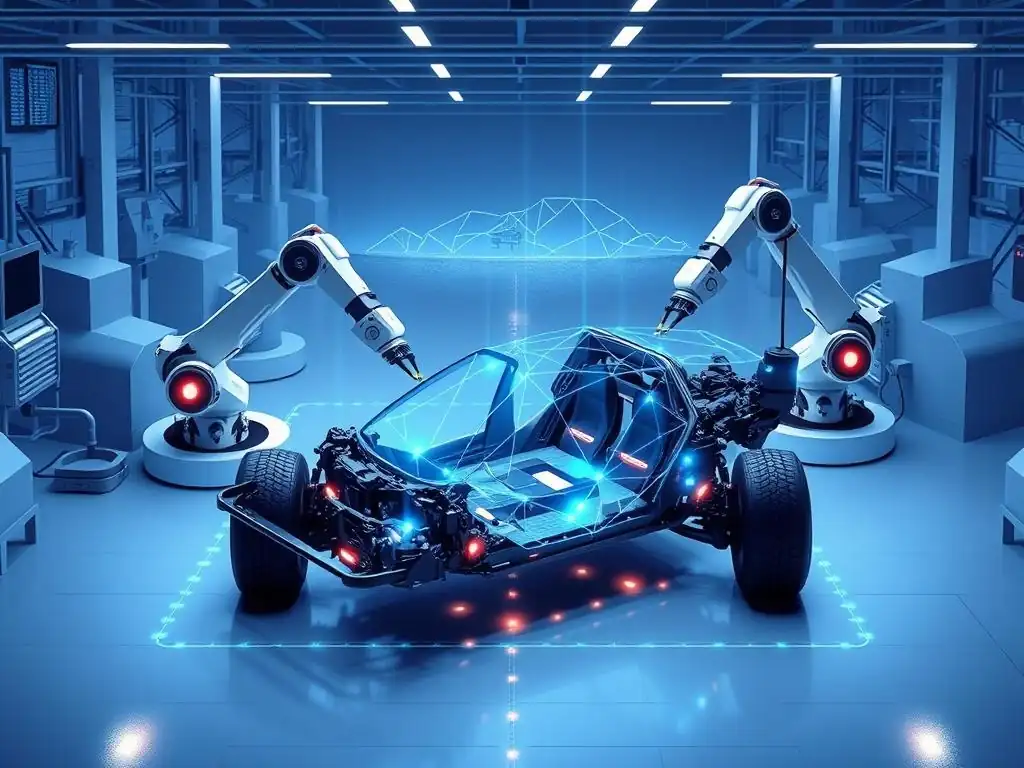
Improved Traceability and Transparency of Components
Implementing a Blockchain IoT supply chain fundamentally transforms the ability of automotive companies to trace components. Instead of relying on fragmented systems, a single, shared, and immutable ledger provides end-to-end visibility from raw material to vehicle assembly and even through the aftermarket. This enhanced traceability means that for any given component in any vehicle, its complete history – where it came from, when it was made, who handled it, where it has been – is readily accessible and verifiable by authorized parties.
This level of transparency is unprecedented. It allows manufacturers to quickly pinpoint the source of defects, verify compliance with standards at every stage, and gain insights into the efficiency of their logistics. For supply chain partners, it fosters trust by providing a shared, undeniable record of transactions and movements. This improved traceability and transparency, powered by the synergy of Blockchain and IoT, is crucial for managing the complex, multi-national operations characteristic of the automotive industry.
Enhanced Security and Prevention of Counterfeit Parts
The combination of Blockchain's immutability and the real-time data collection from IoT devices creates a powerful defense against counterfeit parts. By requiring every legitimate part to have a verifiable digital identity and history recorded on the Blockchain, and by enabling easy authentication scans throughout the supply chain, it becomes significantly more difficult for fake parts to infiltrate the system. Any part without a valid Blockchain record or whose history doesn't align with the legitimate flow is immediately suspicious.
This enhanced security directly contributes to vehicle safety by ensuring that only genuine, quality-controlled components are used in manufacturing and repair. It also protects automotive brands from the severe financial and reputational damage caused by counterfeiting. Estimates suggest the global automotive industry loses billions annually to counterfeit parts; a robust Blockchain IoT supply chain solution offers a tangible way to combat this persistent threat effectively.
Increased Efficiency in Recall Management
Recall management is a critical but often cumbersome process in the automotive sector. The ability of a Blockchain IoT supply chain to precisely link specific component batches to individual vehicle VINs dramatically increases the efficiency of identifying affected vehicles. What might have previously required extensive manual data correlation across multiple systems and organizations can now be done quickly and accurately by querying the Blockchain ledger.
This rapid identification allows manufacturers to issue targeted recalls, notifying only the owners of truly affected vehicles. This saves significant costs associated with unnecessary repairs, reduces the logistical burden on dealerships, and minimizes the inconvenience to customers. Furthermore, the potential for automating notification and repair scheduling through smart contracts further streamlines the entire recall process, making it faster and more responsive, ultimately enhancing customer safety and trust in the brand.
Enhanced Consumer Trust and Brand Protection
Ultimately, a secure and transparent Blockchain IoT supply chain benefits the end consumer and protects the automotive brand. Consumers can have greater confidence that the vehicle they purchase contains only genuine, high-quality components with a verifiable history. In the event of a recall or a need for repair, the ability to quickly and accurately identify affected vehicles and streamline the process builds trust in the manufacturer's commitment to safety and customer service.
By actively combating counterfeit parts and ensuring the integrity of the supply chain, automotive companies safeguard their reputation for quality and reliability. In an industry where safety is paramount, demonstrating a commitment to supply chain authenticity through innovative technologies like the Blockchain IoT supply chain is a powerful differentiator. It signals to consumers, regulators, and partners alike that the manufacturer is prioritizing quality, safety, and transparency.
Challenges and Considerations for Blockchain IoT Implementation
Data Standardization and Interoperability Across Tiers
Implementing a Blockchain IoT supply chain across a complex automotive ecosystem involving numerous, often geographically dispersed, suppliers and partners presents significant challenges related to data standardization and interoperability. Each company in the supply chain may use different enterprise resource planning (ERP) systems, tracking software, and data formats. For data from IoT devices and internal systems to be effectively recorded and utilized on a shared Blockchain ledger, there needs to be a high degree of standardization in how data is collected, formatted, and shared.
Achieving this requires agreement on common data models, APIs, and communication protocols across all participating entities. This is not a trivial task and necessitates significant collaboration, investment in new infrastructure, and potentially migration or adaptation of existing legacy systems. Without effective data standardization and interoperability, the seamless flow of information required for a functional Blockchain IoT supply chain cannot be realized, limiting the potential for end-to-end transparency and authenticity verification.
Data Privacy and Security of Vehicle Information
While the transparency of a Blockchain IoT supply chain is beneficial for tracking components, the data collected can be highly sensitive. Information about component origins, movements, and particularly data potentially linked to individual vehicles (like VINs or even performance data collected by vehicle IoT sensors) raises significant data privacy and security concerns. Ensuring the confidentiality of commercially sensitive supplier information and protecting the privacy of vehicle owners are critical considerations.
Implementing appropriate data governance models, access controls, and privacy-enhancing technologies is essential. This might involve using permissioned Blockchains where only authorized participants can access specific types of data, anonymizing or pseudonymizing sensitive information before recording it on the ledger, or storing highly sensitive data off-chain with only cryptographic hashes recorded on the Blockchain for verification. Balancing the need for transparency and traceability with the imperative of data privacy and security is a key challenge in building a responsible Blockchain IoT supply chain.
Regulatory Compliance and Industry Standards
The automotive industry is heavily regulated, with strict standards governing manufacturing processes, component quality, safety, and data handling. Implementing a Blockchain IoT supply chain solution must ensure compliance with existing regulations (e.g., safety standards, data protection laws like GDPR) and potentially navigate evolving regulations related to decentralized technologies. Establishing industry-wide standards for using Blockchain and IoT in automotive supply chains is crucial for widespread adoption and interoperability.
Developing common frameworks for data sharing, security protocols, and governance models agreed upon by major manufacturers and suppliers will be vital. Organizations like the Automotive Industry Action Group (AIAG) or international standards bodies could play a role in defining these standards. Without clear regulatory guidance and industry-wide adoption of common standards, individual company initiatives might face challenges in integrating with the broader ecosystem, hindering the full potential of a collaborative Blockchain IoT supply chain.
Integration with Existing Enterprise Resource Planning (ERP) Systems
Large automotive manufacturers and their suppliers have invested heavily in complex Enterprise Resource Planning (ERP) systems over decades to manage their operations, including supply chain logistics, inventory, and manufacturing processes. Integrating a new Blockchain IoT supply chain layer with these existing legacy ERP systems is a significant technical challenge. Data needs to flow seamlessly between the ERP and the Blockchain platform, ensuring consistency and avoiding duplication or conflicts.
This integration requires robust APIs and middleware, as well as careful planning to minimize disruption to ongoing operations. Retraining personnel and adapting business processes to work with the new integrated system are also necessary steps. The complexity and cost of integrating Blockchain IoT solutions with existing, often customized, ERP infrastructures can be a major hurdle to implementation, requiring careful strategic planning and execution to ensure a smooth transition to a more advanced Blockchain IoT supply chain model.
The Future of Blockchain IoT in Automotive Supply Chain Management
Emerging Trends and Innovations
The convergence of Blockchain and IoT in the automotive supply chain is still in its relatively early stages, but several emerging trends and innovations are poised to enhance its capabilities further. One significant area is the integration of Artificial Intelligence (AI).
AI algorithms can analyze the vast amounts of data collected by IoT devices and recorded on the Blockchain to identify patterns, predict potential supply chain disruptions before they occur, optimize logistics routes, and even predict the likelihood of component failure based on its verified history and environmental data. For instance, AI could analyze temperature data from a specific batch's transit history recorded on the Blockchain to predict if those parts are more likely to fail prematurely.
Another trend involves the development of more sophisticated, tamper-proof IoT devices and secure hardware elements that can directly interact with the Blockchain. This could include chips embedded in critical components that can cryptographically sign data before it's sent to the ledger, adding another layer of security and trust to the data origin within the Blockchain IoT supply chain. The exploration of decentralized identifiers (DIDs) for parts and participants is also ongoing, aiming to create more secure and privacy-preserving ways to manage identities within the network.
Integration with AI for Predictive Maintenance and Supply Chain Optimization
The wealth of verifiable data generated by a Blockchain IoT supply chain – including component provenance, manufacturing parameters, transit conditions, and even operational data (if collected responsibly) – provides a rich dataset for AI analysis. By applying machine learning models to this data, automotive companies can move towards predictive maintenance.
For example, analyzing the Blockchain-recorded history of similar components that failed in the past (including their manufacturing batch, environmental exposure during transit, and usage patterns) can help predict when a currently installed component might require service or replacement. This allows for proactive maintenance schedules, reducing unexpected breakdowns and enhancing vehicle reliability.
Furthermore, AI can optimize the supply chain itself by analyzing real-time data from IoT sensors on logistics and inventory levels recorded on the Blockchain. AI algorithms can identify bottlenecks, predict demand fluctuations, optimize inventory levels across distribution centers, and suggest the most efficient and resilient routes for transporting parts, taking into account verifiable data on historical performance and current conditions. This AI-driven optimization, fueled by the transparent and trustworthy data from the Blockchain IoT supply chain, can lead to significant cost savings and improved operational efficiency.
Overcoming Challenges and Driving Adoption
Addressing the identified challenges – data standardization, privacy, regulatory compliance, and integration – is crucial for driving wider adoption of Blockchain IoT solutions in the automotive sector. Overcoming these hurdles requires collaborative efforts across the industry. Manufacturers, Tier 1, 2, and 3 suppliers, logistics providers, and technology vendors need to work together to agree on common standards and protocols for data exchange and Blockchain implementation. Initiatives like industry consortiums or working groups dedicated to defining a shared framework for the automotive Blockchain IoT supply chain are essential.
Investment in pilot projects and phased rollouts can help demonstrate the tangible benefits of the technology and build confidence among participants. Starting with tracking high-value or safety-critical components can prove the concept before expanding to the entire supply chain. Regulatory bodies also need to engage with the industry to provide clear guidelines and support the development of standards that balance innovation with safety and privacy concerns. Education and training for personnel across the supply chain are also vital to ensure smooth adoption and operation of the new systems.
Collaboration and Data Sharing Among Automotive Supply Chain Partners
The success of a Blockchain IoT supply chain hinges on the willingness of diverse supply chain partners to collaborate and share relevant data on a common platform. Trust is fundamental, and the decentralized, immutable nature of Blockchain helps build that trust by providing a neutral, verifiable record. However, fostering a culture of data sharing among companies that have historically operated independently and viewed their data as proprietary is a significant undertaking.
Establishing clear data governance policies, defining access levels on the permissioned Blockchain, and demonstrating the mutual benefits of shared visibility (e.g., reduced costs from recalls, improved efficiency, enhanced security) are key to encouraging participation. Legal frameworks and inter-company agreements outlining responsibilities and data usage rights are also necessary. Building a truly effective Blockchain IoT supply chain requires a collective commitment from all stakeholders to move beyond traditional data silos towards a more collaborative and transparent ecosystem.
Conclusion: The Transformative Power of Blockchain IoT for Automotive Supply Chain Authenticity
The automotive industry stands to gain significantly from the synergistic application of Blockchain and IoT technologies. By leveraging IoT devices to capture real-time data about components and using Blockchain to record this data on an immutable, transparent, and decentralized ledger, manufacturers can achieve unprecedented levels of traceability and authenticity verification within their complex supply chains. This robust Blockchain IoT supply chain framework directly addresses critical issues such as the proliferation of dangerous counterfeit parts, the inefficiency of traditional tracking methods, and the lack of deep transparency into component origins and manufacturing processes.
The benefits are clear: enhanced security against counterfeiting, improved efficiency in managing recalls, greater transparency for all stakeholders, and ultimately, increased consumer trust and protection of valuable brand reputation. While challenges related to standardization, data privacy, regulation, and integration with legacy systems remain, the ongoing innovation and increasing collaboration within the industry indicate a clear path forward. The future of automotive supply chain management lies in embracing these technologies to build more resilient, secure, and trustworthy systems, ensuring the authenticity and quality of every part that goes into a vehicle and fundamentally transforming the Blockchain IoT supply chain landscape.
Frequently Asked Questions
How does blockchain enhance IoT applications within the supply chain?
Blockchain provides a secure and transparent ledger for tracking goods, ensuring data integrity and preventing counterfeiting in IoT-enabled supply chains. This immutable record creates trust between all parties.
What are the main benefits of using Blockchain IoT supply chain solutions?
The main benefits include increased transparency and traceability, improved efficiency and reduced costs, and enhanced security and fraud prevention. These advantages contribute to a more resilient supply chain.
What challenges exist in implementing Blockchain IoT supply chain solutions?
Challenges include scalability issues with blockchain, integration complexities between different systems, and the need for standardization of data formats. Overcoming these hurdles is crucial for wider adoption.
How does regulation impact the use of Blockchain IoT in supply chain management?
Regulations regarding data privacy and security significantly influence how Blockchain IoT solutions are implemented. Compliance with these regulations is essential for legal and ethical operation.
What is the future outlook for Blockchain IoT supply chain applications?
The future involves wider adoption of decentralized supply chain systems, increased automation using smart contracts, and further integration with artificial intelligence for optimized logistics. This leads to a more intelligent and responsive supply chain.
Final Reflection: Securing Tomorrow's Supply Chains
The convergence of blockchain and IoT, as explored in this article, isn't just a technological novelty; it's a fundamental shift in how we understand and manage trust in global supply chains. The potential to eliminate fraud, enhance transparency, and ensure product authenticity is no longer a distant dream, but a tangible reality being shaped by the innovative applications discussed. The implications for businesses and consumers alike are profound, promising a future where provenance is verifiable and accountability is paramount.
This fusion of technologies has already begun to reshape industries, and its impact will only deepen as adoption accelerates. Witnessing this evolution firsthand underscores the critical importance of understanding and embracing these advancements. The ability to trace a product's journey from origin to consumer, with immutable records secured by blockchain and real-time data provided by IoT sensors, offers unprecedented levels of security and efficiency. The future of supply chains is not just about moving goods; it's about moving information,
as succinctly stated by industry experts, highlighting the transformative power of this technological synergy.
Now, consider the implications for your own life. As consumers, we demand transparency and authenticity. As businesses, we strive for efficiency and trust. The insights shared in this article offer a roadmap for achieving these goals. Embrace the potential of blockchain and IoT to revolutionize your supply chains, build stronger relationships with your customers, and contribute to a future where authenticity is the standard, not the exception. Let's work together to build supply chains we can truly trust.
Unleash Transparency: Secure Your Supply Chain Today!
Thank you for exploring the transformative potential of blockchain and IoT in ensuring supply chain authenticity. We hope you've gained valuable insights into how these innovative technologies are enhancing trust and efficiency across industries. Are you ready to take the next step?
Here are some practical ways to begin integrating blockchain and IoT into your supply chain:
- Identify a key product or process within your operations and consider implementing a pilot solution to improve its traceability. This initial step can lead to a more secure and transparent supply chain.
- Share this article with colleagues or industry contacts interested in supply chain management, blockchain, or IoT. Let’s work together to spread knowledge and inspire innovation.
- Challenge yourself to think creatively: come up with an unconventional way blockchain and IoT could revolutionize a different industry, and share your ideas in the comments below!
What is one immediate action you plan to take this week to explore blockchain and IoT solutions for your supply chain? Share your plans with us!
Leave a Reply