
Blockchain for Resilient Healthcare Supply Chains: Lessons from the Pandemic and Beyond

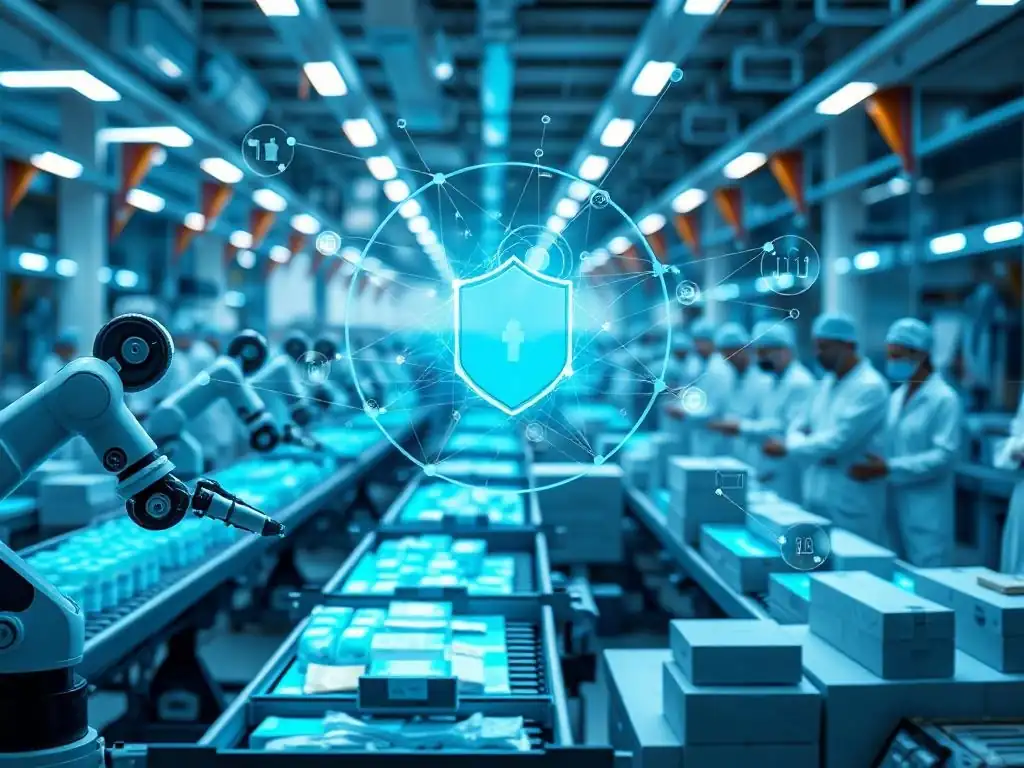
Welcome to Blockchain Trends, your trusted source for understanding the revolutionary impact of blockchain technology.
How can blockchain strengthen the fragile arteries of healthcare? In this article, we delve into Blockchain healthcare supply chain resilience, uncovering crucial lessons learned from the pandemic and exploring how decentralized solutions are forging a more secure and transparent future for pharmaceutical distribution and patient care. Discover how this technology is not just a concept, but a vital tool for building a more robust and trustworthy healthcare ecosystem. Curious to learn more? Let's dive in.
- Blockchain for Resilient Healthcare Supply Chains: Lessons from the Pandemic and Beyond
- Understanding Blockchain's Role in Healthcare Supply Chain Management
- Blockchain Applications for Healthcare Supply Chain Resilience
- Lessons Learned from the Pandemic: Applying Blockchain in Practice
- Building a Resilient Healthcare Supply Chain with Blockchain: A Roadmap
- Future Trends and Opportunities in Blockchain for Healthcare Supply Chains
- Conclusion: The Transformative Potential of Blockchain for Healthcare
-
Frequently Asked Questions
- What role can blockchain play in improving the resilience of healthcare supply chains?
- How did the pandemic highlight the vulnerabilities in existing healthcare supply chains?
- What are some key benefits of using blockchain for tracking pharmaceutical products?
- What are the challenges associated with implementing blockchain in healthcare supply chains?
- How can regulatory frameworks foster the adoption of blockchain in the healthcare sector?
- Final Reflection: Forging a Future of Trust and Transparency
- Unveil the Future: Secure Your Healthcare Supply Chain Today!
Blockchain for Resilient Healthcare Supply Chains: Lessons from the Pandemic and Beyond
The COVID-19 Pandemic: A Stress Test for Global Healthcare Logistics
The onset of the COVID-19 pandemic in early 2020 revealed critical vulnerabilities within global healthcare supply chains. Demand for essential medical supplies like Personal Protective Equipment (PPE), ventilators, and eventually vaccines surged unprecedentedly, overwhelming existing logistical networks. Manufacturing bottlenecks, export restrictions imposed by various nations, and logistical challenges like limited air cargo capacity led to severe shortages in many regions, including developed countries. Hospitals faced critical stockouts, and frontline workers were often forced to reuse equipment or work without adequate protection, highlighting the system's inability to adapt quickly to sudden, massive disruptions.
This period demonstrated that traditional, often fragmented, healthcare supply chains lacked the necessary visibility and agility to respond effectively to a global health crisis. The opaque nature of multi-tiered supplier networks made it difficult to track the origin and movement of goods, verify authenticity, and predict supply constraints. The lack of real-time information sharing between manufacturers, distributors, healthcare providers, and government agencies exacerbated the crisis, leading to bidding wars, price gouging, and the distribution of substandard or counterfeit products. Building blockchain healthcare supply chain resilience became a pressing priority.
The Need for Enhanced Supply Chain Resilience in Healthcare
The healthcare sector operates under unique pressures, including stringent regulatory requirements, the critical nature of timely delivery, and the immense human cost of supply chain failures. Unlike many other industries, delays or errors in healthcare supply chains can directly impact patient outcomes and public health. The pandemic underscored that resilience is not merely about efficiency or cost reduction; it is about the capacity to withstand shocks, adapt to changing conditions, and recover quickly without compromising the quality and availability of care.
Enhancing healthcare supply chain resilience requires a multi-faceted approach focused on improving visibility, transparency, security, and collaboration across the entire value chain, from raw material suppliers to end-users. It involves moving away from just-in-time models that prioritize cost savings towards more robust, adaptable systems that can handle volatility. Implementing technologies that enable secure, immutable record-keeping and shared access to reliable data is crucial for building trust and coordination among diverse stakeholders, ultimately strengthening the system against future disruptions and ensuring blockchain healthcare supply chain resilience is achievable.
How Blockchain Technology Can Fortify Healthcare Supply Chains
Blockchain technology, known for its decentralized ledger, immutability, and transparency, offers a promising pathway to address many of the inherent weaknesses exposed in healthcare supply chains. By creating a single, shared, and tamper-proof record of transactions and movements, blockchain can provide end-to-end visibility into the journey of medical products. This enhanced visibility allows stakeholders to track products from origin to destination, verify their authenticity, and monitor conditions like temperature or handling through integration with IoT devices.
Furthermore, blockchain's secure and immutable nature makes it highly effective in preventing fraud and the infiltration of counterfeit goods, a significant challenge in the pharmaceutical supply chain. Smart contracts, self-executing contracts with the terms directly written into code, can automate processes like payments, inventory management, and regulatory compliance checks, reducing administrative overhead and potential for human error. By fostering a trusted network among participants, blockchain can streamline complex processes, improve data integrity, and ultimately build greater blockchain healthcare supply chain resilience.
Understanding Blockchain's Role in Healthcare Supply Chain Management
What is Blockchain and How Does it Work?
At its core, a blockchain is a distributed, immutable ledger shared among participants in a network. Instead of a single, centralized database, copies of the ledger are maintained and updated across multiple computers or nodes. Transactions are grouped into "blocks," which are then cryptographically linked together in chronological order, forming a "chain." Each new block contains a cryptographic hash of the previous block, making it virtually impossible to alter past records without invalidating the entire chain.
When a new transaction occurs, it is broadcast to the network. Participants (nodes) validate the transaction based on predefined rules (consensus mechanisms). Once validated by a sufficient number of nodes, the transaction is added to a new block, which is then appended to the existing chain across all copies of the ledger. This distributed validation and storage mechanism ensures that no single entity has control over the data and that the record is highly resistant to tampering, providing a foundational layer for trust in complex supply chain environments.
Key Characteristics of Blockchain: Transparency, Security, and Immutability
Blockchain's defining characteristics make it uniquely suited for enhancing supply chain operations. Transparency is inherent in its design; while the identity of participants can be pseudonymized depending on the blockchain type (e.g., public vs. private), the transactions themselves are typically visible to all authorized network members. This shared visibility creates a single source of truth for supply chain data, reducing disputes and improving coordination.
Security is achieved through advanced cryptography. Each transaction is secured with digital signatures, and the linking of blocks via cryptographic hashes ensures data integrity. Any attempt to alter a historical record would break the cryptographic link, immediately alerting the network to the tampering attempt. Immutability means that once data is recorded on the blockchain and validated, it cannot be changed or deleted, providing a permanent and verifiable audit trail, which is critical for regulatory compliance and building trust in blockchain healthcare supply chain resilience.
Benefits of Blockchain in Supply Chain Beyond Cryptocurrencies
While blockchain gained prominence as the technology underpinning cryptocurrencies like Bitcoin, its applications extend far beyond digital currency. In supply chain management, blockchain offers significant advantages. It enables unprecedented traceability and provenance tracking, allowing companies to follow goods through every step of their journey. This is invaluable for verifying the origin and authenticity of products, especially in industries plagued by counterfeiting.
Beyond tracking, blockchain facilitates secure data sharing among disparate parties without relying on a central authority. This streamlines collaboration, reduces administrative burdens, and improves overall efficiency. The use of smart contracts automates processes based on predefined conditions, such as releasing payment upon delivery confirmation, reducing delays and manual effort. These capabilities collectively contribute to greater efficiency, trust, and resilience in supply chains, laying the groundwork for improved blockchain healthcare supply chain resilience.
Blockchain Applications for Healthcare Supply Chain Resilience
Enhanced Traceability and Provenance of Pharmaceuticals
One of the most critical applications of blockchain in healthcare supply chains is enhancing the traceability and provenance of pharmaceuticals. The journey of a drug from manufacturer to patient involves multiple intermediaries, making it challenging to maintain a clear, verifiable record of its handling and location at each step. Blockchain can create a unique digital identity for each batch or even individual unit of medication, recording every transaction event – production, packaging, shipping, customs clearance, warehousing, distribution, and dispensing – on the distributed ledger.
This detailed, immutable audit trail allows any authorized participant in the network, from regulators to pharmacists, to verify the drug's history and origin. For instance, a pharmacist receiving a shipment could scan a QR code linked to the blockchain entry and instantly see its entire journey, confirm its legitimate source, and verify its handling conditions (if integrated with IoT sensors). This level of granular traceability is essential for investigating issues like product recalls, identifying points of diversion, and ensuring that patients receive legitimate, high-quality medications, thereby bolstering blockchain healthcare supply chain resilience.
Combating Counterfeit Drugs with Blockchain-Based Verification
The global trade in counterfeit pharmaceuticals is a multi-billion dollar problem, posing significant risks to public health. Estimates suggest that hundreds of thousands of deaths annually may be linked to fake drugs, particularly in developing countries. Blockchain offers a powerful tool to combat this threat by providing a secure, verifiable system for drug authentication. By serializing individual drug packages and recording these unique identifiers on a blockchain at the point of manufacture, the system creates a trusted digital fingerprint for each product.
As the product moves through the supply chain, each transfer of ownership or change in location is recorded on the ledger. At any point, stakeholders, including pharmacists or even patients (using a dedicated app), can scan the product's identifier and query the blockchain to confirm its authenticity and verify its movement history.
If a product's identifier is not found on the blockchain, or if its recorded path deviates suspiciously, it can be flagged as potentially counterfeit. This secure, transparent verification process makes it significantly harder for fake products to infiltrate legitimate supply chains and provides a crucial layer of protection for patients, directly contributing to blockchain healthcare supply chain resilience.
Improving Inventory Management and Reducing Stockouts
Inefficient inventory management is a major challenge in healthcare, leading to both costly overstocking of some items and dangerous stockouts of others. Traditional inventory systems are often siloed within individual organizations, lacking real-time visibility across the broader supply chain network. Blockchain can improve inventory management by providing a shared, continuously updated view of stock levels and movement throughout the network, accessible to all relevant parties based on their permissions.
By recording each transaction – from manufacturing completion to dispensing at a pharmacy – on the blockchain, the system creates an accurate, real-time picture of where inventory is located and how it is moving. This shared visibility allows manufacturers, distributors, and healthcare providers to better predict demand, optimize stock levels, and coordinate replenishment efforts. For example, a hospital could share its anonymized usage data via the blockchain network (under strict privacy controls), allowing distributors and manufacturers to anticipate future needs more accurately and prevent critical shortages during peak demand or emergencies, thereby enhancing blockchain healthcare supply chain resilience.
Streamlining Procurement Processes and Reducing Costs
Healthcare procurement is notoriously complex, involving numerous parties, contracts, and regulations. Manual processes, paper-based documentation, and lack of trust among participants often lead to delays, disputes, and increased administrative costs. Blockchain, combined with smart contracts, can significantly streamline these processes. Procurement contracts, including terms, pricing, and delivery conditions, can be encoded as smart contracts on the blockchain.
Once executed, these smart contracts automatically trigger actions based on predefined conditions being met. For example, a smart contract could automatically initiate payment to a supplier once the blockchain record confirms that a shipment has been received and verified by the hospital. This automation reduces the need for manual checks and approvals, minimizes errors, and accelerates transaction settlement. By providing a transparent, immutable record of all procurement activities, blockchain also improves auditing and compliance, potentially reducing administrative overhead by a significant percentage and lowering operational costs, which indirectly supports blockchain healthcare supply chain resilience by freeing up resources.
Securing Sensitive Patient Data and Maintaining Compliance
While primarily focused on product movement, healthcare supply chain operations often involve sensitive patient data, such as prescription information or clinical trial samples. Ensuring the privacy and security of this data is paramount and subject to strict regulations like HIPAA in the US or GDPR in Europe. Blockchain's inherent security features can be leveraged to protect this data, although careful design is required, especially for public blockchains.
Private or consortium blockchains, where participation is permissioned, are often more suitable for handling sensitive healthcare data. Patient data itself would typically not be stored on the blockchain due to privacy concerns and data volume; instead, the blockchain could store encrypted hashes or pointers to data stored securely off-chain.
Access to this data could be controlled via cryptographic keys managed on the blockchain, ensuring that only authorized parties can decrypt and view the information. This approach provides a secure, auditable record of data access while ensuring compliance with privacy regulations, adding another layer to blockchain healthcare supply chain resilience by securing the data flow associated with product movements.
Lessons Learned from the Pandemic: Applying Blockchain in Practice
Case Study 1: Vaccine Distribution Tracking Using Blockchain in Sierra Leone
During the height of the pandemic, the efficient and equitable distribution of vaccines became a global challenge. In Sierra Leone, discussions and pilot initiatives explored the potential of using blockchain technology to track vaccine supply and distribution, aiming to ensure transparency and accountability. While a large-scale nationwide implementation faced logistical hurdles, the concept centered on creating a distributed ledger accessible to the Ministry of Health, healthcare facilities, and potentially international aid organizations.
The proposed system would record key data points for each vaccine dose or batch, including manufacturing details, shipment information, temperature logs (via IoT integration), and administration details (location, date). This would provide real-time visibility into where vaccines were located, how many were available at specific distribution points, and potentially track administration rates. The immutable nature of the blockchain would ensure that this data was reliable and tamper-proof, helping to prevent diversion, monitor stock levels effectively, and ensure fair allocation, demonstrating a practical approach to enhancing blockchain healthcare supply chain resilience during a crisis.
Case Study 2: MediLedger Network for Pharmaceutical Chargebacks and Contracts
The MediLedger Network, founded by major pharmaceutical companies, distributors, and technology providers, serves as a prominent example of blockchain adoption in the healthcare supply chain in the United States. While not directly focused on pandemic response initially, its work directly addresses complexities that contribute to supply chain inefficiencies and costs. One of its primary use cases is automating the complex process of pharmaceutical chargebacks between manufacturers and distributors.
Traditionally, chargeback disputes cost the industry billions annually due to data discrepancies and manual reconciliation. MediLedger uses a permissioned blockchain network to share verified, immutable data about product identifiers, contract terms, and transaction history among participants. This shared source of truth allows for automated verification of chargeback claims against agreed-upon smart contracts, significantly reducing disputes and processing time. The network also supports verification of authorized trading partners under the US Drug Supply Chain Security Act (DSCSA), enhancing security and trust within the legitimate supply chain, which is foundational for blockchain healthcare supply chain resilience.
Analyzing the Successes and Challenges of Blockchain Implementation
The cases above illustrate both the potential and the complexities of implementing blockchain in healthcare supply chains. Successes include improved data integrity, enhanced visibility for specific processes (like chargebacks or tracking pilots), and the creation of trusted networks among competitors. MediLedger's ability to automate complex financial processes based on shared, verified data demonstrates tangible cost savings and efficiency gains achievable with blockchain. Pilot projects like the one in Sierra Leone highlight the technology's potential for critical logistics during emergencies, offering transparency and accountability.
However, significant challenges remain. Interoperability with legacy healthcare IT systems is a major hurdle, requiring substantial integration efforts. The initial cost and complexity of building and maintaining blockchain networks, especially permissioned ones, can be high. Establishing governance models for consortium blockchains involving multiple competing entities requires careful negotiation and trust-building. Furthermore, ensuring data privacy while leveraging blockchain's transparency requires sophisticated architectural design, often involving off-chain storage and on-chain hashes. Addressing these challenges is key to unlocking the full potential of blockchain healthcare supply chain resilience.
Building a Resilient Healthcare Supply Chain with Blockchain: A Roadmap
Identifying Critical Vulnerabilities in Existing Supply Chains
Building a resilient healthcare supply chain using blockchain begins with a thorough assessment of existing vulnerabilities. Organizations must map their entire supply chain, identifying key nodes, participants, and critical pathways. This involves analyzing potential points of failure, such as reliance on single suppliers for essential goods, exposure to geopolitical risks, lack of visibility into lower-tier suppliers, inefficient inventory practices, and susceptibility to counterfeiting or diversion.
A vulnerability assessment should also consider data silos and the lack of real-time information sharing among stakeholders, which hinder rapid response during crises. For instance, analysis might reveal that tracking specific raw materials used in drug manufacturing is impossible beyond the primary supplier, creating blind spots. Or that inventory data is updated only weekly, preventing agile redistribution during sudden demand spikes. Pinpointing these specific weaknesses provides the necessary context for determining where blockchain technology can offer the most impactful solutions for enhancing blockchain healthcare supply chain resilience.
Implementing Blockchain Solutions: A Step-by-Step Approach
Implementing blockchain in a healthcare supply chain is typically an iterative process, not a single large-scale deployment. A recommended approach starts with identifying a specific, high-impact use case with clear objectives, such as tracking high-value pharmaceuticals or verifying product authenticity. This pilot project allows organizations to gain experience with the technology, understand its implications, and demonstrate value before scaling.
- Step 1: Define the Use Case: Select a specific problem (e.g., counterfeit drugs, recall efficiency) and map the required data flow.
- Step 2: Choose the Right Platform: Decide between public, private, or consortium blockchain, considering factors like privacy, scalability, and required participants. Consortiums are often preferred for B2B supply chains.
- Step 3: Design the Network: Identify key participants (manufacturers, distributors, pharmacies, regulators) and define their roles and permissions.
- Step 4: Develop or Integrate Solution: Build smart contracts for automating processes and integrate with existing systems (e.g., ERP, WMS).
- Step 5: Pilot Testing: Deploy the solution in a controlled environment with a subset of participants and products.
- Step 6: Evaluate and Iterate: Analyze results, gather feedback, refine the solution, and plan for phased expansion to other use cases or participants.
Integrating Blockchain with Existing Healthcare Systems [Challenges and Solutions]
One of the significant technical challenges in adopting blockchain for healthcare supply chains is integrating the new decentralized ledger system with existing, often disparate, legacy IT systems like Enterprise Resource Planning (ERP), Warehouse Management Systems (WMS), and Electronic Health Records (EHR). These systems typically rely on centralized databases and different data formats, making seamless data exchange with a blockchain network complex.
Solutions involve developing robust Application Programming Interfaces (APIs) that act as bridges between legacy systems and the blockchain platform. Middleware can be used to translate data formats and ensure compatibility. Furthermore, organizations may need to implement data standardization protocols across the network. While challenging, successful integration is crucial; the blockchain needs to receive accurate data from operational systems (e.g., shipment confirmed in WMS) and potentially feed verified data back (e.g., confirmed delivery status to ERP) to provide value and truly build blockchain healthcare supply chain resilience.
Data Security and Privacy Considerations in Blockchain-Based Healthcare Solutions
Handling sensitive healthcare data on a blockchain requires meticulous attention to security and privacy, particularly concerning patient information. While blockchain is inherently secure against tampering, the data placed on the chain must be handled carefully. Directly storing Protected Health Information (PHI) on a public blockchain is generally not advisable due to privacy regulations and the immutable nature of the ledger, which makes deletion difficult or impossible if required by regulations.
Permissioned blockchains offer greater control over data access. A common approach is to store sensitive or large data volumes off-chain in secure, compliant databases, and only store cryptographic hashes or encrypted references to this data on the blockchain. Access control mechanisms, managed via the blockchain, ensure that only authorized parties with the correct cryptographic keys can access the off-chain data. This hybrid approach leverages blockchain's security and transparency for tracking and verification while keeping sensitive data private and compliant with regulations, which is essential for achieving true blockchain healthcare supply chain resilience.
Future Trends and Opportunities in Blockchain for Healthcare Supply Chains
The Convergence of Blockchain with IoT and AI
The future of blockchain in healthcare supply chains lies partly in its convergence with other cutting-edge technologies like the Internet of Things (IoT) and Artificial Intelligence (AI). IoT devices, such as temperature sensors on shipping containers or smart labels on product packaging, can collect real-time environmental and location data as products move through the supply chain. This data can be automatically recorded onto the blockchain, providing a verifiable and immutable log of conditions throughout transit.
AI can then analyze the vast amounts of data collected via IoT and recorded on the blockchain. AI algorithms can identify anomalies (e.g., temperature deviations outside acceptable ranges), predict potential delays or disruptions based on historical blockchain data and external factors, and optimize logistics routes or inventory distribution. This synergy creates a highly intelligent, automated, and transparent supply chain, enhancing monitoring capabilities and predictive analytics to proactively strengthen blockchain healthcare supply chain resilience.
Exploring Decentralized Finance (DeFi) for Healthcare Supply Chain Funding
While blockchain applications in healthcare supply chains have primarily focused on logistics and data integrity, future opportunities may involve integrating Decentralized Finance (DeFi) concepts. DeFi platforms leverage blockchain to provide financial services like lending, borrowing, and payments without traditional intermediaries. In a supply chain context, this could translate to innovative funding mechanisms or more efficient payment flows.
For example, smart contracts could automate payments based on verifiable delivery milestones recorded on the blockchain, potentially speeding up cash flow for suppliers. Tokenization of assets within the supply chain could enable new forms of financing or fractional ownership. While the intersection of DeFi and healthcare supply chains is still nascent and faces significant regulatory hurdles, exploring decentralized financing models could potentially unlock new efficiencies and funding sources, further supporting the development of blockchain healthcare supply chain resilience.
The Role of Regulation in Shaping the Future of Blockchain in Healthcare
Regulatory frameworks play a crucial role in both enabling and governing the adoption of blockchain technology in healthcare supply chains. Regulations like the US Drug Supply Chain Security Act (DSCSA), which mandates electronic, interoperable tracing of prescription drugs, have already acted as catalysts for the development of blockchain-based solutions like MediLedger. Future regulations are likely to address aspects like data privacy (building on GDPR and HIPAA), interoperability standards for blockchain networks in healthcare, and the legal status of smart contracts.
Clear and supportive regulatory guidance can accelerate adoption by providing legal certainty and establishing necessary standards for security and compliance. Conversely, ambiguous or overly restrictive regulations could hinder innovation. Stakeholders in the blockchain and healthcare sectors must actively engage with regulators to help shape frameworks that foster secure, efficient, and interoperable blockchain networks, ultimately paving the way for widespread adoption and robust blockchain healthcare supply chain resilience.
Prediction: Increased Adoption of Consortium Blockchains for Supply Chain Collaboration
Looking ahead, a key trend is the predicted increased adoption of consortium blockchains for healthcare supply chain collaboration. Public blockchains (like Bitcoin or Ethereum) offer maximum decentralization but may not be suitable due to privacy concerns and the need for controlled access among specific industry participants. Private blockchains offer control but may lack the necessary multi-party trust required for a supply chain network involving competitors.
Consortium blockchains, governed by a group of pre-selected organizations within the industry, strike a balance. They offer permissioned access, allowing only authorized participants to join and view data (based on defined permissions), while still providing the benefits of a distributed, immutable ledger shared among trusted parties. This model is well-suited for facilitating secure data exchange, process automation via smart contracts, and building trust among diverse stakeholders in the complex healthcare ecosystem, making them the likely foundation for widespread blockchain healthcare supply chain resilience efforts.
Conclusion: The Transformative Potential of Blockchain for Healthcare
Blockchain healthcare supply chain resilience as a key to future preparedness
The lessons from the COVID-19 pandemic highlighted the urgent need to build more resilient healthcare supply chains. Traditional systems proved vulnerable to disruptions, lacking the transparency, security, and agility required to respond effectively to a global crisis. Blockchain technology offers a powerful suite of capabilities – including enhanced traceability, immutable record-keeping, and secure data sharing – that directly address these weaknesses.
Implementing blockchain solutions is not just about efficiency; it is about fundamentally strengthening the system's ability to withstand shocks, ensure the integrity of vital medical supplies, and protect public health. Blockchain healthcare supply chain resilience is poised to become a defining characteristic of future-ready healthcare systems.
By providing a single source of truth for supply chain data, combating counterfeiting, improving inventory management, and streamlining complex processes, blockchain can create a more robust, transparent, and trustworthy ecosystem for medical products. Real-world examples, though still evolving, demonstrate tangible benefits in areas like chargeback automation and the potential for critical tracking during emergencies. While challenges related to integration, governance, and regulation remain, the trajectory points towards increasing adoption as the technology matures and its value becomes clearer in enhancing operational reliability and security.
Embracing Blockchain for a More Secure and Efficient Healthcare Ecosystem
Embracing blockchain technology represents a significant step towards creating a more secure, efficient, and reliable healthcare ecosystem. Beyond the supply chain, blockchain has potential applications in areas like clinical trial data management, patient health records, and medical billing. However, its immediate and most impactful application for systemic resilience lies in transforming how medical products are tracked, verified, and managed from production to patient. A blockchain-enabled supply chain reduces the risk of errors, fraud, and delays, ensuring that essential medicines and supplies reach those who need them, when they need them.
Building blockchain healthcare supply chain resilience requires collaboration across the entire industry – manufacturers, distributors, healthcare providers, technology firms, and regulators must work together to establish standards, build networks, and integrate solutions. The investment in this technology is an investment in preparedness, ensuring that the healthcare system is better equipped to handle future crises and deliver consistent, high-quality care under any circumstances.
Call to Action: [Encouraging Further Exploration and Adoption]
The path to fully realizing the potential of blockchain in healthcare supply chains involves continued exploration, pilot programs, and strategic investment. Healthcare organizations and their supply chain partners are encouraged to:
- Undertake vulnerability assessments of their current supply chains.
- Educate themselves and their teams on blockchain technology and its specific applications in healthcare logistics.
- Identify potential high-impact use cases for pilot projects within their operations.
- Engage with technology providers and industry consortia exploring blockchain solutions.
- Participate in cross-industry discussions to help shape standards and best practices for blockchain healthcare supply chain resilience.
Embracing this transformative technology today is crucial for building the robust and reliable healthcare supply chains required for tomorrow's world.
Frequently Asked Questions
What role can blockchain play in improving the resilience of healthcare supply chains?
Blockchain can enhance resilience by providing transparent and immutable tracking of products, reducing the risk of counterfeit drugs and ensuring supply chain integrity even during disruptions.
How did the pandemic highlight the vulnerabilities in existing healthcare supply chains?
The pandemic exposed critical weaknesses, including lack of visibility, inefficient distribution networks, and susceptibility to fraud and counterfeiting, leading to shortages of essential medical supplies.
What are some key benefits of using blockchain for tracking pharmaceutical products?
Blockchain offers enhanced traceability and transparency, enabling authorities and consumers to verify the authenticity and origin of medications, combating the proliferation of substandard or fake drugs.
What are the challenges associated with implementing blockchain in healthcare supply chains?
Challenges include interoperability issues between different blockchain platforms, the need for industry-wide collaboration to establish common standards, and concerns about data privacy and security.
How can regulatory frameworks foster the adoption of blockchain in the healthcare sector?
Clear and supportive regulations can provide a legal framework for blockchain use, encourage innovation and investment, and ensure that blockchain solutions comply with data protection regulations and ethical guidelines.
Okay, here's a final reflection designed to resonate with readers of your "Blockchain for Resilient Healthcare Supply Chains: Lessons from the Pandemic and Beyond" article, optimized for the keyword "Blockchain healthcare supply chain resilience":
Final Reflection: Forging a Future of Trust and Transparency
The lessons learned from the pandemic have irrevocably highlighted the critical need for blockchain healthcare supply chain resilience. The vulnerabilities exposed in our global healthcare networks demand immediate and innovative solutions, and the potential of blockchain technology to provide enhanced transparency, security, and efficiency is now undeniable. The time to move from theoretical exploration to practical implementation is upon us.
The ongoing impact of supply chain disruptions continues to affect healthcare access and affordability worldwide. This experience underscores the profound responsibility we have to build more robust and reliable systems, not just for the next crisis, but for the everyday well-being of communities everywhere. The strength of a chain is no greater than its weakest link.
This adage rings especially true in healthcare, where even minor disruptions can have life-altering consequences. Blockchain offers the potential to fortify every link in that chain, creating a more resilient and equitable future.
As we look ahead, let us not forget the urgency and the promise that blockchain holds for transforming healthcare supply chains. Consider how you, in your own sphere of influence, can champion the adoption of this technology. Whether you are a healthcare professional, a technology innovator, or simply a concerned citizen, your voice and your actions can contribute to a future where access to essential medicines and supplies is secure, transparent, and equitable for all. Let us build a future of trust, one block at a time.
Unveil the Future: Secure Your Healthcare Supply Chain Today!
Thanks for diving into the potential of blockchain for revolutionizing healthcare supply chains! Now that you've explored how this technology can build resilience and address vulnerabilities exposed by the pandemic, let's turn knowledge into action.
Here are a few steps you can take to champion this crucial innovation:
- Advocate for pilot projects in your organization or network to demonstrate the real-world benefits of blockchain in healthcare logistics. Start small, prove big!
- Share this article with your network – let's spark a conversation about the importance of secure and transparent healthcare supply chains.
- Dive deeper into blockchain technology: explore online courses or workshops to enhance your understanding and contribute meaningfully to this evolving field. Consider researching specific use cases relevant to your area of expertise, such as vaccine distribution or counterfeit drug detection.
How can you envision blockchain further fortifying global healthcare systems in the coming years? Share your thoughts in the comments below!
Leave a Reply