
Building a CounterfeitResistant Supply Chain: Blockchain Best Practices


Welcome to Blockchain Trends, your compass in the rapidly evolving world of decentralized technologies. Beyond the hype, blockchain is quietly revolutionizing industries. But how can you harness its power to build a truly secure and transparent supply chain? Dive into our exploration of blockchain supply chain authentication best practices and discover how to combat counterfeiting and build unwavering trust in your operations. The future of transparency is here, let's unlock it together.
Building a Counterfeit-Resistant Supply Chain: Blockchain Best Practices
- Introduction: The Growing Threat of Counterfeiting and the Need for Supply Chain Authentication
- Understanding Blockchain Technology for Supply Chain Management
-
Blockchain Supply Chain Authentication Best Practices: A Step-by-Step Guide
- 1. Identifying Critical Points of Counterfeit Risk in Your Supply Chain
- 2. Selecting the Right Blockchain Platform and Technology Stack
- 3. Implementing Traceability and Provenance Tracking with Blockchain
- 4. Establishing Data Governance and Access Control Policies
- 5. Integrating Blockchain with Existing Supply Chain Systems
- 6. Building a Consortium or Network of Trusted Partners
- 7. Monitoring and Auditing the Blockchain-Enabled Supply Chain
- Case Studies: Successful Implementations of Blockchain for Supply Chain Authentication
- Overcoming Challenges in Implementing Blockchain for Supply Chain Security
- The Future of Blockchain in Anti-Counterfeiting: Emerging Trends and Innovations
- Conclusion: Harnessing Blockchain to Build a More Secure and Transparent Supply Chain
-
Frequently Asked Questions
- How can blockchain technology help combat counterfeiting in supply chains?
- What are some key blockchain best practices for supply chain authentication?
- What are the benefits of using blockchain for supply chain traceability and authentication?
- How does blockchain enhance trust and transparency in supply chain operations?
- What are some potential challenges in implementing blockchain for supply chain authentication?
- Final Reflection: Securing Trust in Every Link
- Empower Your Supply Chain: Adopt Blockchain Today!
Introduction: The Growing Threat of Counterfeiting and the Need for Supply Chain Authentication
The Impact of Counterfeit Goods on Businesses and Consumers
Counterfeit goods pose a significant and escalating threat to the global economy, impacting both businesses and individual consumers. Estimates vary, but the International Chamber of Commerce's Business Action to Stop Counterfeiting and Piracy (BASCAP) and the International Trademark Association (INTA) projected that the global economic value of counterfeiting and piracy could reach \$4.2 trillion by 2022. This staggering figure encompasses lost sales, damaged brand reputation, reduced innovation incentives, and increased enforcement costs for businesses.
Industries such as pharmaceuticals, luxury goods, electronics, automotive parts, and consumer packaged goods are particularly hard hit. For example, the Organisation for Economic Co-operation and Development (OECD) reported that trade in counterfeit goods accounted for 2.5% of world trade in 2016, totaling \$509 billion, with a significant portion flowing through postal and express shipments.
Beyond the financial toll on corporations, counterfeit products present grave risks to consumer safety and public health. Substandard or dangerous counterfeit goods, ranging from ineffective or toxic medications to faulty electronics that can cause fires, directly endanger lives. For instance, the World Health Organization (WHO) estimates that 10% of medical products in low- and middle-income countries are substandard or falsified.
This lack of reliable supply chain authentication means consumers cannot trust the origin or quality of the products they purchase, eroding confidence in legitimate brands and potentially causing serious harm. The proliferation of online marketplaces, while offering convenience, has also provided new avenues for counterfeiters to reach consumers globally, making robust blockchain supply chain authentication best practices more critical than ever.
Why Traditional Supply Chains are Vulnerable to Counterfeiting
Traditional supply chains, while designed for efficiency and global reach, often suffer from inherent vulnerabilities that make them susceptible to the infiltration of counterfeit goods. A primary weakness is the fragmented nature of data and lack of transparency across the numerous participants involved – from raw material suppliers and manufacturers to logistics providers, distributors, and retailers. Information is often siloed within individual companies, and the transfer of goods between parties relies on disparate, often paper-based or easily manipulated digital records. This creates blind spots where counterfeit products can be introduced without detection, particularly at points of handover or consolidation.
Furthermore, traditional systems typically lack a single, immutable record of a product's journey from origin to destination. Each participant in the chain maintains their own records, which can be altered or do not provide a complete, end-to-end history. This makes it exceedingly difficult to verify the authenticity and provenance of a product definitively at any given point.
Without a universally trusted, tamper-evident ledger for supply chain authentication, tracing a product back to its source to confirm its legitimacy or identify where a counterfeit might have entered the chain becomes a complex, time-consuming, and often impossible task. This fundamental lack of transparency and a unified, secure data trail highlights the limitations of existing systems in effectively combating sophisticated counterfeiting operations.
Blockchain: A New Paradigm for Supply Chain Security and Product Authentication
Blockchain technology offers a transformative approach to addressing the vulnerabilities inherent in traditional supply chains, establishing a new paradigm for security and product authentication. At its core, blockchain provides a decentralized, distributed ledger that records transactions immutably and transparently across a network of participants. Unlike traditional databases, once a transaction is added to the blockchain, it cannot be retrospectively altered or deleted without the consensus of the network, creating a tamper-evident audit trail. This intrinsic feature of immutability is foundational for robust supply chain authentication, providing an unprecedented level of trust in the recorded history of a product.
By leveraging blockchain, companies can create a secure, shared record of a product's journey from its point of origin through manufacturing, logistics, distribution, and even to the end consumer. Each event, such as a product being manufactured, packaged, shipped, or received, can be recorded as a transaction on the blockchain.
This distributed ledger ensures that all authorized participants have access to the same, verifiable information about the product's provenance and handling. This shared, single source of truth drastically reduces the opportunity for counterfeiters to introduce fake goods or manipulate records, thereby enhancing the overall integrity and security of the supply chain and enabling effective blockchain supply chain authentication best practices.
Understanding Blockchain Technology for Supply Chain Management
How Blockchain Works: Immutability, Transparency, and Decentralization
Blockchain operates as a distributed ledger technology (DLT) where data is organized into blocks, and these blocks are cryptographically linked together in a chronological chain. Each block contains a list of transactions, a timestamp, and a unique cryptographic hash of the previous block.
This chaining mechanism ensures that if any data within a block is tampered with, the block's hash changes, breaking the link with the subsequent block and immediately signaling that the data has been compromised. This creates the property of immutability; once data is added to the chain through a validated transaction, it is extremely difficult and computationally expensive to alter it retrospectively across the distributed network.
Transparency on a blockchain refers to the ability of authorized participants to view transaction data recorded on the ledger. While the level of transparency can vary depending on the type of blockchain (permissioned vs. permissionless), the core principle is that information is shared and verifiable by network members. Decentralization means that the ledger is not stored in a single location or controlled by a single entity.
Instead, copies of the ledger are replicated across multiple computers or servers operated by network participants. This distributed nature eliminates single points of failure and makes the network highly resilient to attacks or manipulation, as any proposed change must be validated by a consensus mechanism across the distributed nodes before being added to the chain. These core characteristics – immutability, transparency, and decentralization – are what make blockchain uniquely suited for providing secure and verifiable supply chain authentication.
Key Benefits of Blockchain in Supply Chain Authentication
Implementing blockchain technology offers a multitude of benefits specifically tailored to improving supply chain authentication and combating counterfeiting. Foremost among these is enhanced traceability and provenance tracking. By recording every significant event in a product's lifecycle on an immutable ledger, companies can achieve granular visibility into its origin, handling, and current location.
This makes it easy to verify the legitimate source of a product and quickly identify where potential issues or points of entry for counterfeits might exist within the chain. For consumers, this can translate into the ability to scan a product's unique identifier and instantly access its complete, verified history.
Another critical benefit is increased trust and transparency among supply chain partners. Because all participants in a blockchain network share access to the same, immutable ledger (based on their permissions), there is a shared source of truth regarding transactions and product status. This reduces the need for intermediaries, minimizes disputes over data accuracy, and fosters greater collaboration.
Furthermore, blockchain significantly improves data security and integrity. The cryptographic nature of the ledger makes it highly resistant to fraud and manipulation, ensuring that the authenticity data recorded is reliable. This robust security and the ability to verify every step of a product's journey are fundamental advantages that blockchain brings to the challenge of effective blockchain supply chain authentication best practices.
Exploring Different Types of Blockchain for Supply Chain Applications: Permissioned vs. Permissionless
When considering blockchain for supply chain authentication, it's important to understand the distinctions between permissioned and permissionless blockchain networks, as each offers different characteristics suited for specific applications. Permissionless blockchains, like Bitcoin or Ethereum (in its current form), are open networks where anyone can join, participate in consensus, and read/write transactions (though writing usually requires computational effort or staking).
They offer maximum decentralization and transparency, but can face challenges with scalability, transaction speed, and privacy, which might not be ideal for sensitive commercial supply chain data. The high degree of transparency might expose commercially sensitive information, and transaction costs or volatility can be factors.
In contrast, permissioned blockchains, such as Hyperledger Fabric or R3 Corda, are private networks where participation is restricted and controlled by a governing body or consortium. Participants must be invited and validated before they can join the network and access the ledger. Within a permissioned network, different levels of permissions can be set, allowing granular control over who can view or add specific types of data.
This model offers greater control over privacy, higher transaction speeds, and improved scalability compared to permissionless alternatives, making them generally more suitable for enterprise-level supply chain applications where data privacy, known participants, and efficient transaction processing are paramount for effective blockchain supply chain authentication. While less decentralized than permissionless chains, they still offer significant advantages over traditional centralized databases in terms of immutability and shared visibility among trusted parties.
Blockchain Supply Chain Authentication Best Practices: A Step-by-Step Guide
1. Identifying Critical Points of Counterfeit Risk in Your Supply Chain
Assessing Vulnerabilities: Raw Materials, Manufacturing, Distribution
The first crucial step in implementing blockchain supply chain authentication best practices is a thorough assessment of where your specific supply chain is most vulnerable to the introduction of counterfeit goods. This requires mapping out the entire chain, from the sourcing of raw materials or components through every stage of manufacturing, packaging, logistics, warehousing, and final distribution to retail or the end consumer.
Each handover point, consolidation center, and international border crossing represents a potential weak point where illicit goods could be substituted or mixed with legitimate inventory. Companies must analyze historical data on where counterfeits have been found in their industry or supply chain, examine processes for receiving and inspecting goods, and identify locations with lax security or oversight.
For example, a pharmaceutical company might identify the sourcing of active pharmaceutical ingredients (APIs) from multiple global suppliers as a high-risk area, alongside transit points in regions known for counterfeit drug production. A luxury goods manufacturer might focus on the manufacturing and initial distribution phases, where high-value items are handled, and the final retail point, where consumer interaction occurs.
The assessment should also consider the types of products most targeted by counterfeiters – often high-value items, fast-moving consumer goods with high demand, or critical components where failure poses a significant risk. A comprehensive vulnerability assessment provides the necessary intelligence to strategically apply blockchain technology where it will have the greatest impact on supply chain authentication.
Prioritizing Products and Processes for Blockchain Implementation
Given the complexity and cost associated with implementing blockchain solutions across an entire, vast supply chain, a strategic best practice is to prioritize which products or processes will benefit most from initial blockchain deployment. This prioritization should be guided by the vulnerability assessment, focusing on high-risk products or those where the impact of counterfeiting is most severe, both in terms of financial loss and potential harm to consumers or brand reputation. For instance, a company might start with its flagship product line, high-value items, or products critical for safety, such as medical devices or automotive safety components.
Beyond specific products, certain processes within the supply chain might be prioritized for blockchain enablement due to their inherent risk or potential for data integrity issues. This could include the first mile of the supply chain (raw material sourcing), the final mile (delivery to consumer), or points where goods change ownership or cross borders.
Implementing blockchain for these specific, high-priority areas allows organizations to demonstrate the value of the technology, refine their implementation strategy, and build internal expertise before attempting a broader rollout. This phased approach to blockchain supply chain authentication is often more manageable and cost-effective than a "big bang" deployment.
2. Selecting the Right Blockchain Platform and Technology Stack
Evaluating Blockchain Platforms: Ethereum, Hyperledger Fabric, Corda
Choosing the appropriate blockchain platform is a critical decision for successful blockchain supply chain authentication. Various platforms offer different architectures, consensus mechanisms, and features. Permissionless platforms like Ethereum are known for their robust smart contract capabilities and large developer community, which can be beneficial for complex authentication logic or tokenization, but they might present challenges with privacy, scalability, and transaction costs for enterprise supply chains.
Ethereum is currently transitioning to Ethereum 2.0 (Serenity), aiming to address some scalability issues with proof-of-stake. As of late 2023, average transaction times on Ethereum can still vary widely, sometimes taking minutes, and gas fees (transaction costs) can fluctuate significantly based on network congestion, potentially making high-volume, low-value tracking impractical without Layer 2 solutions.
Permissioned platforms are generally preferred for enterprise supply chains due to their focus on privacy, performance, and regulated access. Hyperledger Fabric, an open-source project hosted by the Linux Foundation, is designed for enterprise use, offering modular architecture, pluggable consensus services, and channel capabilities for private transactions between subsets of participants. It is widely adopted for supply chain solutions.
R3 Corda, developed specifically for financial institutions but also used in supply chains, focuses on peer-to-peer transactions ("CorDapps") and only shares transaction data with parties involved in that specific transaction, emphasizing privacy. When evaluating these platforms for blockchain supply chain authentication, factors like transaction throughput (e.g., Hyperledger Fabric can potentially handle thousands of transactions per second depending on configuration), latency, data privacy requirements, ease of integration with existing systems, and the availability of developer support are key considerations.
Choosing the Appropriate Consensus Mechanism for Supply Chain Transparency
The consensus mechanism is how a blockchain network agrees on the validity of transactions and the order in which they are added to the ledger. The choice of consensus mechanism significantly impacts the network's speed, security, scalability, and energy consumption, which are crucial factors for effective blockchain supply chain authentication.
Permissionless blockchains often use Proof-of-Work (PoW), like early Bitcoin and Ethereum, which is highly secure but slow and energy-intensive (Bitcoin processes about 7 transactions per second globally, with block times around 10 minutes). Proof-of-Stake (PoS), used by Ethereum 2.0 and many newer permissionless chains, is more energy-efficient and aims for higher transaction speeds and scalability.
For permissioned supply chain networks, PoW is generally unsuitable due to its inefficiency and lack of participant control. Instead, mechanisms like Practical Byzantine Fault Tolerance (PBFT) or variations like Kafka-based consensus (used in some Hyperledger Fabric configurations) are common.
These mechanisms are designed to achieve consensus among a known set of participants efficiently and quickly, often achieving significantly higher transaction throughput (e.g., potentially hundreds or thousands of transactions per second within a closed network) and lower latency than PoW or public PoS networks. The appropriate consensus mechanism for blockchain supply chain authentication will depend on the specific requirements of the network regarding speed, scalability, the level of trust among participants, and the desired finality of transactions.
3. Implementing Traceability and Provenance Tracking with Blockchain
Creating Unique Identifiers for Products: QR Codes, RFID Tags, NFC
A cornerstone of effective blockchain supply chain authentication is the ability to uniquely identify every product or batch of products being tracked. This physical-to-digital link is essential for associating a real-world item with its corresponding digital record on the blockchain. Common methods for creating these unique identifiers include QR codes, RFID (Radio-Frequency Identification) tags, and NFC (Near Field Communication) tags.
Each method has its advantages and suitability depending on the product type, supply chain environment, and required level of security and automation. QR codes are cost-effective and can be easily printed on packaging, scannable via smartphones, making them accessible for consumers to verify authenticity. However, they can be easily copied if not combined with other security features.
RFID tags, which use radio waves to communicate, can store more data and can be scanned without direct line of sight, allowing for faster and more automated tracking, particularly at bulk handling points like warehouses or shipping containers. Passive RFID tags are relatively inexpensive, while active tags offer longer read ranges but are more costly. NFC tags work similarly to RFID but require close proximity for scanning, making them suitable for high-value items or consumer-facing authentication where a tap with a smartphone is intuitive.
The unique ID embedded in these physical tags serves as the key identifier that is recorded on the blockchain at each step of the product's journey. Implementing secure, difficult-to-counterfeit physical identifiers is paramount, as a compromised physical tag undermines the integrity of the blockchain record for supply chain authentication.
Recording Key Events and Transactions on the Blockchain
Once products are assigned unique identifiers, the next critical step for robust blockchain supply chain authentication is consistently recording key events and transactions related to their movement and handling onto the blockchain ledger. These events constitute the digital trail that verifies the product's provenance and authenticity. Examples of key events include: product manufacturing completion (linking raw materials/components to the finished good), packaging and serialization, transfer of ownership between parties (e.g., manufacturer to distributor), shipping events (departure from origin, arrival at destination), customs clearance, warehousing entry/exit, quality control checks, and even the final sale to a consumer.
Each of these events is recorded as a transaction on the blockchain, associated with the product's unique identifier. The transaction typically includes details such as the event type, timestamp, location, the parties involved (identified by their digital identities on the network), and potentially sensor data (e.g., temperature for sensitive goods). Cryptographic signatures are used to verify the identity of the party recording the transaction, adding a layer of non-repudiation.
By creating this immutable, time-stamped record of every significant step, the blockchain provides a verifiable history that can be used to prove a product's legitimacy. Any deviation from the expected chain of custody or lack of a recorded event at a critical juncture can flag a potential issue, such as the introduction of a counterfeit item, significantly enhancing the effectiveness of blockchain supply chain authentication.
4. Establishing Data Governance and Access Control Policies
Defining Roles and Permissions for Supply Chain Participants
A well-defined data governance framework and granular access control policies are essential for the success and security of a blockchain-enabled supply chain, particularly in permissioned networks used for blockchain supply chain authentication. Not all participants in the supply chain network require the same level of access to all data. For example, a raw material supplier might only need to record information about materials shipped and view transactions related to their materials being received by the manufacturer.
The manufacturer needs to record production details and view data from both suppliers and distributors. A retailer might only need to verify the authenticity of products received from the distributor and record the final sale.
Establishing clear roles and permissions ensures that participants only have access to the data necessary for their operations, protecting commercially sensitive information while maintaining the required level of transparency for authentication. This involves defining who can add data to the ledger (e.g., only the party responsible for a specific event), who can view data (e.g., all participants involved in a product's chain of custody), and potentially who can query specific types of information.
Implementing these rules through smart contracts and the blockchain platform's native access control features is a fundamental best practice for managing a secure and collaborative supply chain network for product authentication.
Ensuring Data Privacy and Compliance with Regulations
While transparency is a key benefit of blockchain for supply chain authentication, ensuring data privacy and compliance with relevant regulations, such as GDPR in Europe or industry-specific requirements (like those in pharmaceuticals), is equally critical. Not all data related to a supply chain needs to be visible to every participant, and some data might be legally protected.
Permissioned blockchains offer features like channels (in Hyperledger Fabric) or private transactions (in Corda) that allow specific transaction data to be shared only between the involved parties, while a hash or summary of the transaction might be recorded on a broader ledger for verification.
Furthermore, blockchain solutions must be designed to handle personally identifiable information (PII) or commercially sensitive data appropriately. Best practices include storing such sensitive data off-chain in secure databases, with only a cryptographic hash or reference stored on the blockchain ledger.
This allows the integrity of the data to be verified via the blockchain without exposing the sensitive details themselves. Compliance with regulations requires careful consideration during the design phase, ensuring that the blockchain solution supports data minimization principles, provides mechanisms for data subject rights (where applicable, though the immutability of blockchain presents unique challenges here, often requiring off-chain data management for PII), and meets industry-specific traceability and reporting requirements, strengthening the foundation for reliable blockchain supply chain authentication.
5. Integrating Blockchain with Existing Supply Chain Systems
Connecting Blockchain to ERP, CRM, and WMS Systems
For blockchain supply chain authentication to be effective and scalable, it must seamlessly integrate with the existing enterprise systems that manage core business operations. These include Enterprise Resource Planning (ERP) systems (like SAP or Oracle), Customer Relationship Management (CRM) systems, Warehouse Management Systems (WMS), Transportation Management Systems (TMS), and manufacturing execution systems (MES). These legacy systems hold vast amounts of operational data – inventory levels, order details, shipping manifests, customer information, production schedules – that need to be linked with the blockchain record of product movement and authenticity.
Integration typically involves building connectors or middleware that facilitate the flow of data between the existing systems and the blockchain platform. For example, when a product is manufactured and serialized in the MES, this event and its unique ID need to be pushed to the blockchain via the integration layer. When goods are received in the WMS, this receipt event is likewise recorded on the blockchain.
This ensures that the blockchain ledger is populated with accurate, real-time data from the operational systems, providing a comprehensive digital twin of the physical product's journey. Effective integration minimizes manual data entry, reduces errors, and ensures that the blockchain serves as a verifiable layer on top of existing operations, crucial for practical blockchain supply chain authentication best practices.
Developing APIs for Seamless Data Exchange
Application Programming Interfaces (APIs) are fundamental tools for achieving seamless data exchange between disparate systems, including integrating traditional enterprise software with blockchain platforms. Developing robust and well-documented APIs allows existing ERP, WMS, and other systems to interact with the blockchain network programmatically. These APIs can be used to submit transactions to the blockchain (e.g., recording a shipping event), query data from the ledger (e.g., checking a product's history), or receive notifications about specific events occurring on the chain.
Standardized APIs simplify the integration process and enable different systems and participants in the supply chain network to interact with the blockchain layer consistently. For example, an API could allow a WMS to automatically trigger a blockchain transaction when a batch of goods is scanned upon leaving the warehouse.
Another API could enable a mobile application used by a logistics partner to record a delivery event. The development of secure and efficient APIs is therefore a critical component of the technology stack when implementing blockchain for supply chain authentication, ensuring that data flows accurately and automatically between the physical world, operational systems, and the immutable blockchain ledger.
6. Building a Consortium or Network of Trusted Partners
Onboarding Suppliers, Manufacturers, and Distributors
A blockchain-enabled supply chain authentication system is most powerful when all, or at least the key, participants in the chain are part of the network. This requires building a consortium or network of trusted partners, which involves the significant undertaking of onboarding suppliers, manufacturers, distributors, logistics providers, and potentially retailers or even recycling partners.
Each participant needs to understand the value proposition of joining the network – improved transparency, reduced risk of handling counterfeits, streamlined data sharing, and enhanced trust. This often requires significant education and change management efforts to explain how the blockchain works and the benefits it brings to their specific role.
Onboarding involves technical steps like setting up nodes or connecting via APIs, establishing digital identities for participants, and ensuring they adhere to the network's protocols and data standards. It also involves legal and governance agreements outlining the rules of participation, data ownership, and dispute resolution within the consortium.
Gaining buy-in from all critical stakeholders is paramount, as the network's effectiveness in providing end-to-end supply chain authentication depends on the willingness and ability of participants to consistently and accurately record data on the shared ledger. A phased onboarding approach, starting with a pilot involving a few key partners, can help refine the process before a broader rollout.
Establishing Shared Standards and Protocols for Blockchain Usage
For a blockchain network spanning multiple organizations to function effectively for supply chain authentication, establishing and adhering to shared standards and protocols is non-negotiable. These standards govern how data is formatted, what types of events are recorded, how products are identified (e.g., using GS1 standards like GTINs linked to the unique blockchain ID), and the procedures for interacting with the blockchain.
Agreeing on common data schemas ensures that information recorded by one participant can be correctly interpreted by others. For instance, a standard protocol for recording a "shipping event" would specify mandatory fields like product ID, quantity, origin location, destination location, timestamp, and carrier ID.
These shared protocols also extend to technical aspects, such as how participants connect to the network, the requirements for running a node (if applicable), and the use of APIs. The consortium members must collectively define and agree upon these standards, often through a governance body. This collaborative approach ensures interoperability between participants' systems and maintains the integrity and consistency of the data on the shared ledger. Without agreed-upon standards, data inconsistency and interoperability issues can undermine the very transparency and trust that blockchain is intended to provide for supply chain authentication, rendering the solution less effective.
7. Monitoring and Auditing the Blockchain-Enabled Supply Chain
Tracking Product Movement and Authenticity in Real-Time
One of the key advantages of a blockchain-enabled supply chain is the ability to track product movement and verify authenticity in near real-time. As events are recorded on the blockchain at various points in the supply chain – from manufacturing to transit to retail – a digital trail is created that mirrors the physical journey of the product. By querying the blockchain ledger using a product's unique identifier, authorized parties can access its complete history, including timestamps, locations, and the entities that handled it at each stage. This provides unprecedented visibility into the supply chain.
Dashboards and visualization tools can be built on top of the blockchain data to provide users with intuitive interfaces for monitoring product flows. Companies can see where specific batches are located, verify that products are following their expected routes, and confirm that legitimate participants are handling them.
For consumers, scanning a QR code on a product could trigger a query to the blockchain, instantly displaying its provenance and confirming its authenticity, potentially showing key milestones like manufacturing date, origin, and shipment history. This real-time tracking and verification capability significantly empowers businesses and consumers to detect and avoid counterfeit goods, marking a major step forward in blockchain supply chain authentication.
Detecting and Responding to Counterfeit Activities
The transparency and immutability of a blockchain ledger make it a powerful tool not only for tracking legitimate products but also for detecting potential counterfeit activities and enabling rapid response. By continuously monitoring the data recorded on the blockchain against expected patterns and real-world observations, anomalies can be identified.
For example, if a product with a specific unique ID appears at a location where it shouldn't be according to its blockchain history, or if duplicate unique IDs are recorded, it could signal the presence of a counterfeit. Likewise, if a product's recorded journey deviates significantly from standard transit times or routes without explanation, it might warrant investigation.
Upon detection of a potential counterfeit or suspicious activity, the immutable record on the blockchain provides irrefutable evidence of the product's history (or lack thereof). This allows companies to quickly pinpoint where the anomaly occurred in the supply chain and initiate investigations.
Response mechanisms can be integrated, such as automatically alerting relevant parties (e.g., brand protection teams, law enforcement, supply chain partners) when a suspicious event is detected. The verifiable data provided by the blockchain streamlines the process of identifying the source of counterfeits, taking legal action, and recalling or quarantining affected products, significantly enhancing the ability to combat illicit trade through proactive blockchain supply chain authentication best practices.
Case Studies: Successful Implementations of Blockchain for Supply Chain Authentication
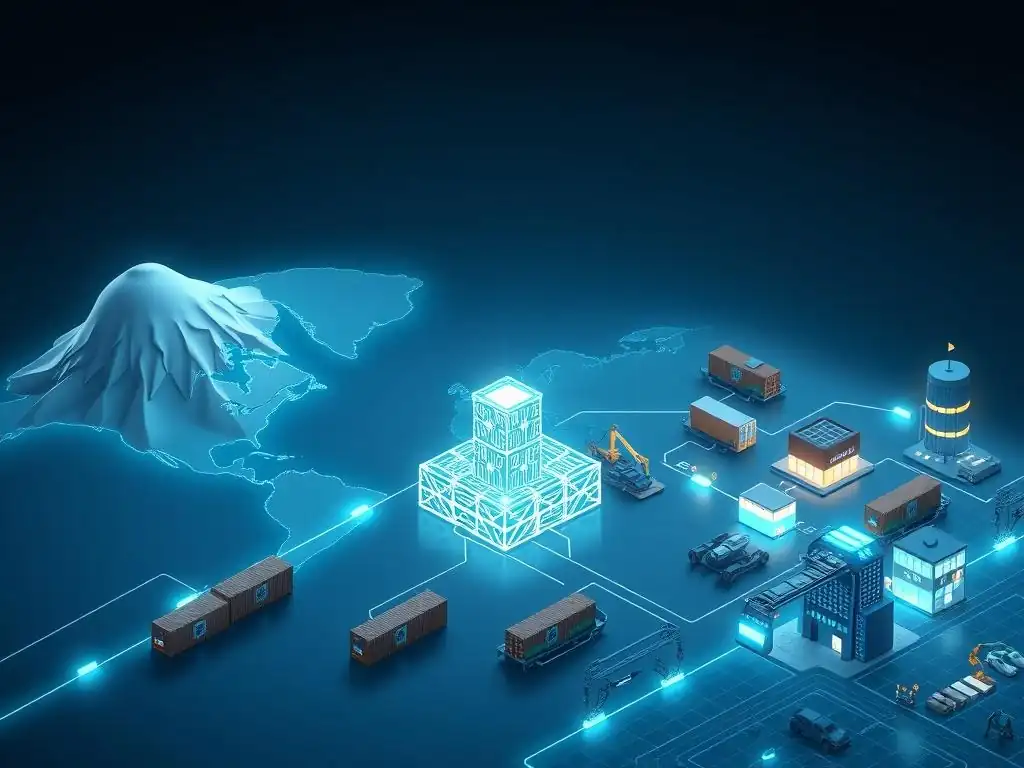
Tracking Pharmaceuticals with Blockchain to Combat Counterfeit Drugs
The pharmaceutical industry is one of the most critical sectors adopting blockchain for supply chain authentication due to the severe risks posed by counterfeit drugs to public health. Pilot programs and consortia have emerged to build blockchain-based systems for tracking prescription medications.
For instance, the U.S. Drug Supply Chain Security Act (DSCSA) mandates an electronic, interoperable system to identify and trace certain prescription drugs by 2023, and blockchain is being explored as a foundational technology to meet these requirements. Companies and consortia like MediLedger have developed networks using permissioned blockchains to allow manufacturers, distributors, and dispensers to securely exchange transaction data and verify product identifiers.
In these implementations, each drug package is serialized with a unique identifier (often a 2D matrix code). When a drug changes hands – from manufacturer to wholesaler, from wholesaler to pharmacy – the transaction details, including the unique serial number, are recorded on the blockchain. This creates an immutable history for each package.
A pharmacist receiving a shipment can scan packages and query the blockchain network to verify that the serial numbers are legitimate, that they originated from an authorized manufacturer, and that they have followed a valid path through the supply chain. This level of verifiable traceability significantly hinders counterfeiters who attempt to introduce fake drugs with falsified paperwork or duplicate serial numbers, enhancing patient safety through robust blockchain supply chain authentication.
Verifying the Authenticity of Luxury Goods Using Blockchain Technology
Luxury goods are a prime target for counterfeiters due to their high value and strong brand recognition. Brands across fashion, jewelry, and watches are leveraging blockchain to provide verifiable proof of authenticity and ownership, thereby protecting brand integrity and consumer trust. Companies like LVMH (parent company of Louis Vuitton, Dior, etc. ), Prada, and Cartier have collaborated to launch initiatives like the Aura Blockchain Consortium, using a permissioned blockchain to track luxury items.
When a luxury item is manufactured, a unique digital certificate is created on the blockchain, linked to the physical product via a unique identifier (like a microchip or QR code). This certificate records the item's provenance, materials used, manufacturing location, and potentially even details about the artisan who created it. When the item is sold, proof of ownership is transferred on the blockchain.
If the item is resold, its entire history, including previous ownership and any recorded repairs or certifications, is available and verifiable on the ledger. This blockchain supply chain authentication makes it incredibly difficult for counterfeiters to pass off fake goods as genuine, as they cannot replicate the verified digital certificate and immutable history tied to the authentic item, providing transparency and confidence for both buyers and sellers in the secondary market.
Ensuring Ethical Sourcing of Minerals with Blockchain-Based Traceability
Ensuring the ethical sourcing of raw materials, particularly minerals like cobalt or tantalum used in electronics, is a significant challenge due to complex global supply chains involving multiple intermediaries. Blockchain technology is being deployed to create transparent and verifiable supply chains for these materials, helping companies prove they are not using minerals sourced from conflict zones or extracted using unethical labor practices. Initiatives like the Responsible Sourcing Blockchain Network (RSBN), involving companies such as Ford, VW, Volvo, IBM, and Huayou Cobalt, use a permissioned blockchain to track minerals from mine to finished product.
In such systems, minerals are tagged at their origin (the mine), and every subsequent movement and transformation – from processing facilities to smelters, refiners, and component manufacturers – is recorded as a transaction on the blockchain. Data about responsible mining practices, third-party audits, and chain of custody is also uploaded and verified on the ledger. This creates an immutable record of the mineral's journey and its compliance with ethical sourcing standards.
Participants in the network can query the blockchain to verify the origin and handling of the materials they purchase, providing assurance of ethical sourcing. This application of blockchain supply chain authentication helps companies meet regulatory requirements and consumer expectations for responsibly sourced products.
Overcoming Challenges in Implementing Blockchain for Supply Chain Security
Addressing Scalability and Performance Issues
While blockchain offers significant advantages for supply chain authentication, scalability and performance remain key challenges, particularly for high-volume supply chains with millions or billions of individual items requiring tracking. Public, permissionless blockchains like Ethereum (pre-Eth2) have inherent limitations on transaction throughput, often processing only a handful of transactions per second globally, which is insufficient for large-scale product tracking where thousands or millions of events occur daily. While Ethereum 2.0 and Layer 2 solutions aim to improve this, they are still evolving.
Permissioned blockchains like Hyperledger Fabric or Corda are designed with enterprise scalability in mind, capable of processing hundreds or even thousands of transactions per second within a controlled network, depending on the infrastructure and configuration. However, even these can face performance bottlenecks as the number of participants and transactions grows exponentially.
Addressing scalability involves optimizing the blockchain architecture, utilizing techniques like sharding or off-chain processing for less critical data, carefully selecting the consensus mechanism, and ensuring the underlying infrastructure is robust. Designing the system to record only essential events on-chain, while linking to off-chain detailed data, is a common approach to manage data volume and improve performance, critical for practical blockchain supply chain authentication implementations.
Managing the Complexity of Blockchain Integration
Integrating a new blockchain layer with a company's existing, often complex and disparate legacy systems (ERP, WMS, CRM, etc.) is a significant technical and organizational challenge. These systems may be decades old, based on different technologies, and not originally designed for real-time data exchange with external, distributed ledgers. Building the necessary APIs, middleware, and connectors to ensure seamless and reliable data flow between operational systems and the blockchain requires significant development effort, technical expertise, and potentially costly system upgrades.
Furthermore, ensuring data consistency between the legacy systems and the blockchain is crucial. Any inaccuracies or delays in transferring data from the source system to the blockchain can undermine the integrity of the immutable record. This requires careful mapping of data fields, robust error handling, and continuous monitoring of the integration points.
The complexity is amplified when integrating across multiple organizations within a supply chain consortium, each with their own unique IT landscape. Effective project management, clear communication protocols, and potentially utilizing experienced integration partners are essential for navigating the technical hurdles and achieving a successful blockchain supply chain authentication solution.
Ensuring Data Accuracy and Integrity
The principle of "garbage in, garbage out" is highly relevant to blockchain supply chain authentication. While the blockchain ensures the immutability of the data once recorded, it cannot inherently guarantee the accuracy of the data entered onto the ledger in the first place. If incorrect or fraudulent data is initially submitted – whether accidentally or maliciously by a participant – that inaccurate information will be immutably recorded, potentially compromising the reliability of the entire product history. For example, if a manufacturing date or location is incorrectly entered, the blockchain will faithfully record that error.
Ensuring data accuracy requires implementing rigorous processes and controls before data is submitted to the blockchain. This includes verifying data at its source, potentially using automated data capture methods (like integrated scanners or IoT sensors), implementing validation rules within the integration layer or smart contracts, and establishing clear protocols for how participants should record events.
While blockchain provides trust in the record itself, trust in the source of the data remains paramount. Mechanisms for dispute resolution and correcting errors (often by recording a new, correcting transaction rather than altering the original) must also be established within the network's governance framework to maintain data integrity and the credibility of the blockchain supply chain authentication system.
The Future of Blockchain in Anti-Counterfeiting: Emerging Trends and Innovations
Integration with IoT Devices for Enhanced Tracking and Monitoring
The synergy between blockchain technology and Internet of Things (IoT) devices represents a powerful emerging trend for enhancing supply chain authentication and anti-counterfeiting efforts. IoT sensors can collect real-time data about a product's environment and status, such as temperature, humidity, location (via GPS), shock, or whether a package has been opened. Integrating these sensors with a blockchain network allows this verifiable, real-time data to be automatically recorded onto the immutable ledger as the product moves through the supply chain.
For example, temperature sensors in a shipment of pharmaceuticals or perishable goods can continuously log data, triggering blockchain transactions if temperatures deviate from the required range. This provides an objective, tamper-evident record of storage conditions, crucial for verifying product quality and authenticity. GPS trackers can automatically record location updates on the chain, providing a dynamic and verifiable route history. By automating the data capture process using IoT devices, the risk of manual data entry errors or intentional falsification is reduced, providing a richer, more accurate, and continuous stream of data for blockchain supply chain authentication and monitoring.
The Role of AI and Machine Learning in Detecting Counterfeit Patterns
As blockchain networks accumulate vast amounts of data about product movements and transactions within a supply chain, Artificial Intelligence (AI) and Machine Learning (ML) can play a crucial role in analyzing this data to detect patterns indicative of counterfeit activities or anomalies. While blockchain provides the secure and verifiable data foundation, AI/ML can provide the intelligence layer to identify suspicious behaviors that might not be immediately obvious through simple tracking.
AI algorithms can analyze transaction histories, product routes, timing of events, and participant interactions recorded on the blockchain to identify deviations from normal patterns. For instance, ML models could detect unusual clusters of product IDs appearing in unexpected locations, shipments with inconsistent timelines, or patterns of transactions associated with known counterfeit hotbeds. By continuously learning from the legitimate flow of goods recorded on the blockchain, AI can become increasingly adept at flagging potential counterfeit attempts or points of infiltration, providing predictive insights that enhance the proactive capabilities of blockchain supply chain authentication systems.
The Potential of Decentralized Identifiers (DIDs) for Supply Chain Authentication
Decentralized Identifiers (DIDs) and Verifiable Credentials (VCs), standards developed by the W3C, offer significant potential for enhancing identity management and authentication within blockchain-enabled supply chains. DIDs are a new type of identifier that is globally unique, persistent, and cryptographically verifiable, without requiring a centralized registry.
They allow entities (people, organizations, or even things like products or IoT devices) to be identified in a way that is controlled by the entity itself. Verifiable Credentials are tamper-evident digital credentials that can be issued by one entity (e.g., a quality control inspector) about another entity (e.g., a product batch or a supplier), cryptographically signed and verifiable using DIDs, often anchored on a blockchain.
In the context of blockchain supply chain authentication, DIDs could be used to provide verifiable digital identities for every participant in the network – suppliers, manufacturers, carriers, auditors – as well as for the products themselves. VCs could be used to issue verifiable claims about a product's attributes (e.g., "Certified Organic," "Manufactured in Facility X") or events (e.g., "Cleared Customs," "Quality Approved").
This allows for a more robust and privacy-preserving way to verify the identity and credibility of parties involved and the authenticity of claims made about products, moving beyond simple public keys or managed digital certificates, thereby strengthening the trust framework of the blockchain supply chain authentication system.
Conclusion: Harnessing Blockchain to Build a More Secure and Transparent Supply Chain
The Importance of Proactive Counterfeiting Prevention
The global threat of counterfeiting is not diminishing; it is evolving, becoming more sophisticated and pervasive across industries. Relying solely on reactive measures – identifying fakes after they've entered the market or caused harm – is no longer sufficient. A proactive approach to counterfeiting prevention is essential to protect brands, revenue, and, most importantly, consumer safety.
This requires building inherent security and transparency into the supply chain itself, making it fundamentally difficult for counterfeit goods to infiltrate and propagate undetected. Implementing robust blockchain supply chain authentication best practices is a cornerstone of such a proactive strategy, shifting the focus from detection after the fact to prevention and real-time verification.
By creating an immutable, verifiable record of a product's journey from origin to destination, blockchain technology provides the foundation for a supply chain where every legitimate product carries its own digital proof of authenticity. This makes it significantly harder for counterfeiters to inject fake goods with falsified documentation.
Proactive prevention also involves empowering stakeholders – from logistics partners to consumers – with the tools to verify authenticity at any point in the chain, turning them into active participants in the anti-counterfeiting effort. Embracing blockchain for supply chain authentication is a strategic investment in building resilience against one of the most damaging threats facing modern businesses.
Blockchain as a Foundation for Trust and Collaboration in the Supply Chain
Beyond its technical capabilities for tracking and verification, blockchain technology serves as a powerful enabler of trust and collaboration among diverse participants in a supply chain network. Traditional supply chains often operate in silos, with limited data sharing and inherent mistrust between entities that may be competitors or have conflicting interests. Blockchain provides a shared, neutral, and tamper-evident ledger that all authorized parties can rely upon as a single source of truth regarding product movements and transactions.
This shared visibility and the cryptographic assurance of data integrity foster greater trust among supply chain partners. Participants are more willing to share data when they are confident it will be used appropriately and that their contributions to the ledger are secure and verifiable. This enhanced trust and transparency facilitate smoother operations, reduce disputes, and open up opportunities for new forms of collaboration, such as shared logistics optimization or joint quality control initiatives. Building a collaborative ecosystem based on the verifiable data provided by blockchain supply chain authentication is key to creating a truly resilient and efficient supply chain.
Looking Ahead: The Continued Evolution of Blockchain in Supply Chain Management
The application of blockchain in supply chain management and anti-counterfeiting is still evolving, with significant potential for further development and innovation. As the technology matures, scalability solutions improve, and integration becomes more streamlined, the adoption of blockchain for supply chain authentication is expected to grow across more industries and product categories. Emerging trends like the deeper integration with IoT for automated data capture, the use of AI/ML for predictive analytics and fraud detection, and the implementation of Decentralized Identifiers for enhanced identity management will further strengthen the capabilities of blockchain-enabled supply chains.
The development of industry-specific blockchain consortia and standardized protocols will also play a crucial role in driving widespread adoption. As more companies recognize the tangible benefits – reduced losses from counterfeiting, improved brand reputation, increased supply chain efficiency, and enhanced consumer trust – investment in blockchain supply chain authentication best practices will likely accelerate. Ultimately, blockchain is poised to become a foundational technology for building the secure, transparent, and trustworthy supply chains required to navigate the complexities of the global marketplace and effectively combat the persistent challenge of counterfeit goods.
Frequently Asked Questions
How can blockchain technology help combat counterfeiting in supply chains?
Blockchain provides a transparent and immutable ledger, making it difficult for counterfeit goods to enter the supply chain undetected. Each transaction and product movement is recorded and verified, creating a tamper-proof history that consumers and businesses can trust.
What are some key blockchain best practices for supply chain authentication?
Implementing robust verification processes at each stage of the supply chain is critical. This includes using unique identifiers (e.g., QR codes, RFID tags) linked to blockchain records and ensuring data integrity through consensus mechanisms.
What are the benefits of using blockchain for supply chain traceability and authentication?
Blockchain enables end-to-end visibility of product journeys, allowing stakeholders to track goods from origin to consumer. This heightened transparency reduces the risk of fraud and ensures product authenticity.
How does blockchain enhance trust and transparency in supply chain operations?
By creating a shared and immutable record of transactions, blockchain fosters trust among supply chain participants. This decentralized system eliminates the need for a central authority, reducing the potential for manipulation and corruption.
What are some potential challenges in implementing blockchain for supply chain authentication?
Challenges include the need for industry-wide collaboration, ensuring data privacy, and addressing scalability concerns. Overcoming these obstacles requires careful planning and strategic partnerships within the supply chain ecosystem.
Final Reflection: Securing Trust in Every Link
The journey through building a counterfeit-resistant supply chain, as we've explored, is not merely a technical exercise, but a crucial step towards restoring consumer confidence and ensuring ethical sourcing in a world increasingly plagued by fraud. The implementation of blockchain supply chain authentication best practices, therefore, transcends technological innovation; it represents a commitment to transparency, accountability, and ultimately, trust.
The impact of counterfeit goods extends far beyond financial losses; it erodes brand reputation, endangers consumer safety, and fuels illicit activities. Understanding the profound implications of this issue underscores the urgency of adopting robust authentication measures. Trust but verify
is no longer sufficient; we must strive for verifiable trust, where every transaction, every movement, is immutably recorded and readily accessible.
As we conclude this exploration, I invite you to consider the role you can play in fostering a more secure and ethical supply chain. Whether you're a consumer, a business owner, or a technology enthusiast, your awareness and engagement are vital. Let us all strive to demand transparency, support ethical practices, and champion the adoption of blockchain supply chain authentication best practices, ensuring a future where trust is not just given, but earned and verified at every step.
Empower Your Supply Chain: Adopt Blockchain Today!
Thank you for exploring how blockchain technology can transform supply chain security. You've seen how it can prevent counterfeiting and build greater trust. Now, it's time to take practical steps to strengthen your operations.
Here are some ways to start building a more secure and transparent supply chain:
- Implement a pilot blockchain project to track a key product from origin to customer. This hands-on approach will offer valuable insights.
- Share this information with colleagues and industry peers to encourage discussion on blockchain's role in securing global supply chains and promoting collaboration.
- Collaborate with your team to explore innovative ways blockchain can enhance transparency and traceability beyond anti-counterfeiting measures.
What specific challenge in your supply chain are you most eager to address with blockchain technology? Share your thoughts below!
Leave a Reply