
Circular Supply Chains: A Blockchain Case Study in Tracking Recycled Materials and Waste Management

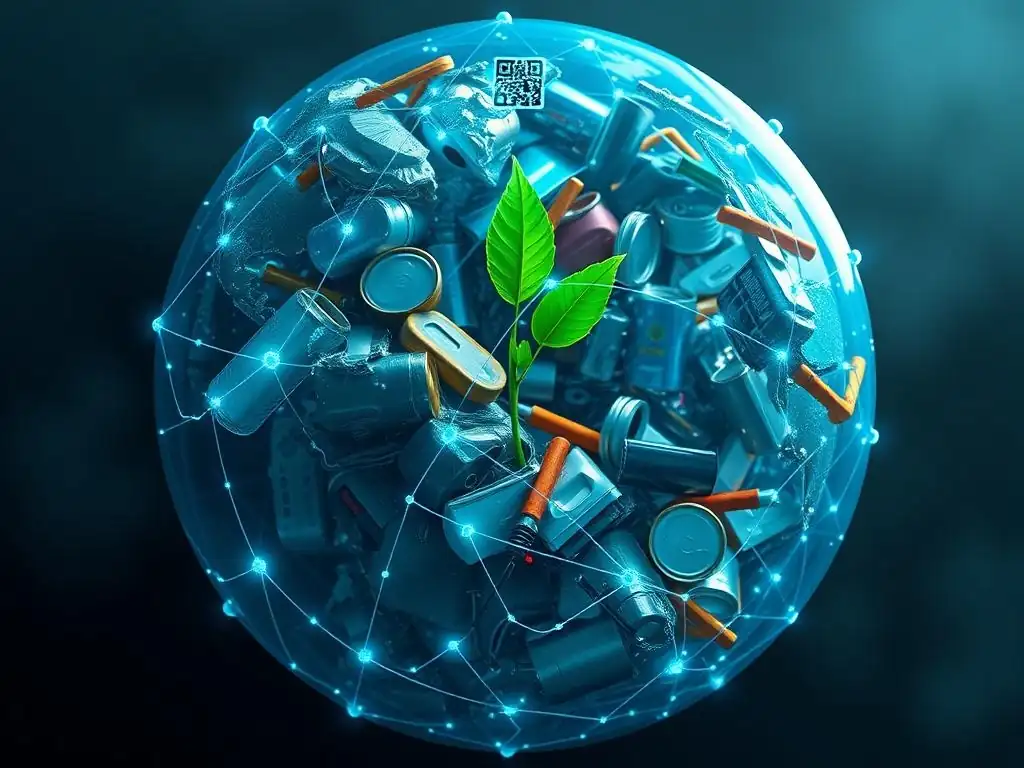
Welcome to Blockchain Trends, your compass in the rapidly evolving world of decentralized technology. Ever wondered how blockchain can revolutionize industries beyond finance? Dive in and discover the transformative power of blockchain in supply chain management with our featured article. We explore how blockchain tracking recycled materials is creating circular supply chains and reshaping waste management. Curious to see how this technology fosters transparency and sustainability? Let's explore the possibilities!
Circular Supply Chains: A Blockchain Case Study in Tracking Recycled Materials and Waste Management
- Introduction: Blockchain's Role in Revolutionizing Circular Economy
- The Challenge: Opacity and Inefficiency in Traditional Recycling Systems
- Blockchain Tracking Recycled Materials: A Case Study Analysis
- How the Blockchain Solution Works: A Step-by-Step Breakdown
- Benefits of Blockchain-Enabled Circular Supply Chains
- Overcoming Challenges in Blockchain Adoption for Recycling
- The Future of Blockchain in Circular Economy and Waste Management
- Conclusion: Blockchain Driving Transparency in Recycled Material Management
-
Frequently Asked Questions
- What is the primary benefit of using blockchain for tracking recycled materials?
- How does blockchain facilitate better waste management in circular supply chains?
- What types of data are typically recorded on a blockchain for recycled materials?
- How does blockchain technology address the issue of "greenwashing" in the recycling industry?
- What are some potential challenges in implementing blockchain for tracking recycled materials?
- Final Reflection: Embracing Transparency for a Sustainable Tomorrow
- Unveil Your Role in a Circular Future!
Introduction: Blockchain's Role in Revolutionizing Circular Economy
The Growing Importance of Circular Supply Chains
The global economy is increasingly recognizing the critical need to shift from a linear "take-make-dispose" model to a circular one. This transition involves keeping resources in use for as long as possible, extracting their maximum value while in use, and then recovering and regenerating products and materials at the end of each service life.
The importance of this shift is underscored by projections showing global waste generation potentially increasing by 70% between 2016 and 2050, reaching 3.4 billion tonnes annually, according to the World Bank's "What a Waste 2.0" report. Implementing effective circular supply chains is vital to mitigate environmental degradation, conserve finite resources, and create economic opportunities through recycling and reuse.
However, building truly circular systems is complex. It requires intricate coordination across numerous stakeholders, including manufacturers, consumers, waste collectors, recyclers, and regulatory bodies. Ensuring the integrity and flow of materials, especially recycled content, through these diverse networks presents significant challenges. Traditional methods of tracking are often manual, fragmented, and prone to error, making it difficult to verify the origin, composition, and processing history of materials, which is essential for building trust and efficiency in a circular model.
How Blockchain Technology Enables Sustainable Waste Management
Blockchain technology offers a promising solution to address the inherent challenges in traditional waste management and recycling systems by providing a decentralized, immutable, and transparent ledger. This distributed database technology allows for the secure recording of every step a material takes, from its initial collection as waste to its transformation into a recycled resource and eventual reintroduction into the supply chain. By creating a verifiable digital history, blockchain can significantly enhance the ability for blockchain tracking recycled materials across complex networks.
This capability is transformative for sustainable waste management. It allows stakeholders to gain unprecedented visibility into the flow of materials, ensuring that waste is properly collected, transported, sorted, and processed according to environmental standards. Furthermore, it can help prevent fraud, such as the mislabeling of materials or the illegal dumping of waste, by creating an auditable trail. The inherent trust and transparency built into a blockchain system can incentivize better practices, empower waste pickers and recycling centers, and provide consumers and businesses with confidence regarding the authenticity and sustainability of products made from recycled content.
The Challenge: Opacity and Inefficiency in Traditional Recycling Systems
Lack of Transparency in Material Sourcing and Processing
Traditional recycling supply chains are often characterized by a significant lack of transparency, making it difficult to ascertain the true origin and journey of materials. Once waste is collected, it typically passes through multiple intermediaries – sorting facilities, brokers, processors, and manufacturers – each adding complexity without necessarily providing a clear, verifiable record of handling.
This opacity makes it challenging to confirm that materials were sourced ethically, processed correctly, or that recycled content claims in final products are accurate. For instance, reports frequently highlight instances of plastic waste collected for recycling being illegally exported or mismanaged, ending up in landfills or the environment, despite being designated for recycling.
This lack of visibility undermines trust among stakeholders. Manufacturers struggle to confidently source verified recycled materials, consumers doubt the effectiveness of their recycling efforts, and regulators find it difficult to enforce compliance with recycling targets and environmental standards. Without a transparent system for blockchain tracking recycled materials, verifying sustainability claims becomes a resource-intensive and often unreliable process, hindering the widespread adoption of recycled content in new products.
Inefficient Waste Tracking Leads to Environmental Concerns
The inefficiency of traditional waste tracking systems directly contributes to significant environmental problems. Without precise data on the quantity, type, and destination of waste streams, optimization of collection routes, sorting processes, and recycling facilities is severely limited. This can lead to higher operational costs, increased carbon emissions from unnecessary transportation, and a greater likelihood of valuable resources being lost to landfills. For example, studies indicate that a considerable portion of recyclable material collected worldwide is either contaminated during collection or sorting or lacks a viable market, leading to its disposal rather than recovery.
Moreover, poor tracking makes it difficult to monitor the environmental impact of waste management activities effectively. It hampers efforts to identify pollution hotspots, assess the effectiveness of waste reduction programs, and ensure responsible end-of-life management for hazardous materials. The inability to accurately track materials through the entire lifecycle means that opportunities for reuse, repair, and high-value recycling are missed, perpetuating a linear model and exacerbating pressure on natural resources and ecosystems. Implementing effective blockchain tracking recycled materials is crucial to address these inefficiencies and environmental concerns.
The Need for Secure and Traceable Recycling Processes
Establishing secure and traceable processes is paramount for the success and integrity of circular supply chains. The value of recycled materials is often contingent on their quality, purity, and verified origin. Without a robust system to ensure traceability, the risk of contamination, adulteration, or fraudulent misrepresentation of materials is high. This not only diminishes the value of recycled content but also poses potential risks if hazardous substances are inadvertently introduced into the recycling stream and subsequently into new products.
A secure and traceable system is also essential for building economic models around recycled materials. It allows for fair compensation to waste collectors and processors based on verified quantities and quality, and enables manufacturers to confidently invest in using recycled content, knowing they can verify its source and compliance with standards. The need for a tamper-proof, verifiable record that can be accessed by authorized parties highlights the potential benefits of leveraging technology like blockchain tracking recycled materials to create trust and efficiency in this vital sector.
Blockchain Tracking Recycled Materials: A Case Study Analysis
Plastic Bank and Their Blockchain Solution
One prominent example of blockchain tracking recycled materials in action is Plastic Bank. This social enterprise operates in coastal communities across several countries, including Haiti, the Philippines, Indonesia, and Egypt, where plastic waste is a significant environmental and economic challenge. Plastic Bank empowers local collectors to gather plastic waste by offering digital tokens redeemable for essential goods, services, or even cash. This incentivizes collection and provides economic opportunities in underserved areas.
The core of Plastic Bank's operation for blockchain tracking recycled materials is its proprietary platform, which utilizes blockchain technology. This platform registers every transaction, from the moment a collector brings plastic to a local branch to its aggregation, sorting, and sale to recycling partners.
By recording this journey on a blockchain, Plastic Bank creates a transparent and auditable trail of the collected plastic, ensuring collectors are fairly compensated and providing corporate partners who purchase this "Social Plastic®" with verified proof of origin and impact. As of early 2023, Plastic Bank had reportedly prevented millions of kilograms of plastic from entering the ocean, demonstrating the scale and impact possible with effective blockchain tracking recycled materials.
Implementing a Blockchain-Based System for Waste Tracking
Implementing a blockchain-based system for waste tracking, as demonstrated by cases like Plastic Bank, typically involves several key steps. First, a suitable blockchain platform must be selected or developed, considering factors like scalability, cost, and consensus mechanism. For a global operation involving potentially millions of transactions, a permissioned or consortium blockchain might be preferred for efficiency and governance, though public blockchains could also be utilized depending on the specific requirements.
Next, the system requires points of data input at various stages of the waste and recycling lifecycle. This could involve mobile applications used by collectors or collection centers, scanning stations at sorting facilities, and data entry points at processing plants. These interfaces must be user-friendly and reliable, often working offline and syncing data later in remote areas. The data points recorded typically include the type and weight of material, location, timestamp, and the identity of the party handling the material. This granular data forms the basis for blockchain tracking recycled materials throughout their journey.
Key Features of the Blockchain Platform for Recycled Material Management
A blockchain platform designed for managing recycled materials incorporates several essential features to ensure transparency, security, and efficiency. Immutability is fundamental; once data about a material batch or transaction is recorded on the blockchain, it cannot be altered or deleted, creating a tamper-proof history. Decentralization means that the ledger is not stored in a single location, reducing the risk of a single point of failure and increasing resilience.
Smart contracts are another critical feature. These self-executing contracts with the terms of the agreement directly written into code can automate processes like payments to collectors upon verification of material delivery or trigger alerts when materials reach a certain processing stage. This automation reduces administrative overhead and ensures timely execution of agreements. Furthermore, the platform allows for selective data access, ensuring privacy for sensitive information while making necessary details, like material volume and origin, transparent to relevant stakeholders. This combination of features makes blockchain an ideal technology for robust blockchain tracking recycled materials.
How the Blockchain Solution Works: A Step-by-Step Breakdown
Step 1: Material Origin and Initial Data Input
The process of blockchain tracking recycled materials begins at the point of origin, typically where waste is collected. For instance, in the Plastic Bank model, this is when an authorized collector brings gathered plastic waste to a local collection branch. At this initial touchpoint, the material is weighed, sorted by type (e.g., PET, HDPE), and assessed for quality. Relevant data points are captured: the collector's identity (often linked to a digital wallet or account), the type and weight of the material, the location of the collection branch, and the timestamp of the transaction.
This initial data is then recorded onto the blockchain platform. This could be done via a mobile app used by the branch operator or through a dedicated terminal. Each batch of material collected receives a unique digital identifier, effectively creating a digital twin or token representing the physical material. This initial entry establishes the verifiable starting point for the material's journey and is the foundational step in blockchain tracking recycled materials.
Step 2: Real-Time Tracking Throughout the Recycling Process
As the collected material moves through the various stages of the recycling process, its progress is updated and recorded on the blockchain in near real-time. When a batch of plastic is transported from the collection branch to an aggregation hub, the transfer is logged, noting the quantity moved, the parties involved (sender and receiver), and the time. Similarly, when the material arrives at a sorting facility, its receipt is confirmed on the blockchain.
Further processing steps, such as shredding, washing, or pelletizing, are also documented. Each time the material changes form, location, or ownership, a new transaction is added to its digital history on the ledger. This continuous stream of data provides stakeholders with unprecedented visibility into the material's location and status at any given moment, enabling effective blockchain tracking recycled materials across potentially vast and complex supply chains.
Step 3: Verification and Certification of Recycled Content via Blockchain
One of the most significant benefits of blockchain tracking recycled materials is the ability to verify and certify recycled content reliably. As materials undergo processing, quality checks are performed. The results of these checks, along with details of the processing method (e.g., mechanical recycling, chemical recycling), are recorded on the blockchain, linked to the specific batch identifier.
Once the material has been processed into a usable form, such as recycled plastic pellets (rPET, rHDPE, etc. ), the blockchain contains a complete, immutable history of its origin, collection, sorting, and processing. This verified history serves as a digital certificate of authenticity for the recycled content. Manufacturers purchasing this material can access this history on the blockchain (with appropriate permissions) to confirm its source, composition, and compliance with standards, providing a level of trust far beyond traditional paper-based certifications. This robust verification process is key to promoting the use of recycled materials.
Step 4: Secure Data Storage and Immutable Records of Material Lifecycle
The fundamental strength of blockchain tracking recycled materials lies in its secure and immutable data storage. Every transaction and data point recorded in the previous steps – from initial collection weight to final processed material certification – is bundled into blocks and added to the chain using cryptographic principles. This ensures that once data is written, it cannot be tampered with or deleted without being detected by the network participants.
This creates a permanent, verifiable record of the entire lifecycle of the recycled material. This immutable ledger serves as a single source of truth accessible to authorized parties, including collectors, processors, manufacturers, regulators, and even consumers (for specific, non-sensitive details). The security provided by the cryptographic hash functions and distributed nature of the blockchain ensures the integrity of the data, building essential trust in the circular supply chain and enabling confident blockchain tracking recycled materials from waste bin to new product.
Benefits of Blockchain-Enabled Circular Supply Chains
Enhanced Transparency and Traceability of Recycled Materials
Blockchain technology dramatically improves transparency and traceability within circular supply chains. By recording every transaction and movement of recycled materials on an immutable ledger, it creates a clear, end-to-end audit trail. This allows participants to see exactly where materials came from, how they were processed, and where they are going. For example, a manufacturer purchasing recycled plastic pellets can use the blockchain record to trace those pellets back to the specific collection points and dates, verifying their origin and the conditions under which they were sourced.
This level of transparency helps combat issues like greenwashing, where companies make unsubstantiated environmental claims. With blockchain tracking recycled materials, claims about recycled content or sustainable sourcing can be backed by verifiable data accessible on the ledger. Increased traceability also helps in cases of contamination or quality issues, allowing for quick identification of the source of the problem within the supply chain, minimizing disruption and ensuring accountability.
Improved Efficiency and Reduced Costs in Waste Management
Implementing blockchain tracking recycled materials can lead to significant operational efficiencies and cost reductions in waste management. Automating data capture and verification through smart contracts reduces the need for manual paperwork and administrative processes, saving time and minimizing human error. Real-time visibility into material flows allows for better logistics planning, optimizing collection routes and transportation, which lowers fuel consumption and associated costs.
Furthermore, the ability to accurately track and verify material quality can lead to more efficient sorting and processing. Knowing the precise composition and history of incoming waste streams allows recycling facilities to optimize their operations, reducing processing time and waste generated during sorting. Reduced fraud and mislabeling also prevent costly rejections of materials and ensure that valuable resources are directed to appropriate recycling streams, ultimately contributing to a more cost-effective and streamlined circular economy.
Increased Trust and Accountability Among Stakeholders
A key benefit of blockchain tracking recycled materials is the establishment of a foundation of trust and accountability among all participants in the circular supply chain. The shared, immutable ledger ensures that all parties are working with the same verifiable data, eliminating disputes over quantities, quality, or origin. This trust encourages collaboration and strengthens relationships between collectors, processors, manufacturers, and brands.
Accountability is also significantly enhanced. Because every action related to material handling is recorded and attributed to a specific party on the blockchain, it becomes straightforward to identify who was responsible for a particular batch of material at any given time. This increases responsibility throughout the chain and incentivizes adherence to best practices and environmental standards. For instance, if a batch of recycled material is found to be contaminated, the blockchain trail can quickly identify which facility handled it last, enabling targeted investigation and corrective action.
Promoting Sustainable Practices and Reducing Environmental Impact
Ultimately, blockchain tracking recycled materials plays a crucial role in promoting sustainable practices and reducing environmental impact. By creating transparency and accountability, it encourages stakeholders to adopt more environmentally sound methods. Waste collectors are incentivized to collect materials properly, knowing their efforts are recorded and compensated. Recycling facilities are motivated to adhere to processing standards, as their actions are verifiable. Manufacturers gain confidence to increase their use of recycled content, knowing they can prove its sustainable sourcing.
The ability to accurately measure the flow of recycled materials also provides valuable data for assessing the effectiveness of sustainability initiatives and reporting on environmental performance. This data can inform policy decisions, optimize recycling infrastructure, and highlight areas for improvement. By facilitating a more efficient, transparent, and trustworthy circular economy, blockchain technology helps divert waste from landfills and oceans, conserves resources, and reduces the carbon footprint associated with virgin material production, contributing significantly to a greener future.
Overcoming Challenges in Blockchain Adoption for Recycling
Scalability and Interoperability of Blockchain Networks
While blockchain offers compelling benefits for blockchain tracking recycled materials, challenges remain regarding its widespread adoption. One significant hurdle is the scalability of current blockchain networks. Processing potentially millions or billions of transactions representing individual waste items or batches across a global supply chain requires a network that can handle high throughput efficiently and at a reasonable cost. Public blockchains like Ethereum have faced issues with transaction speed and high gas fees, though newer versions and layer-2 solutions aim to address this. Permissioned or consortium blockchains can offer higher performance but require governance structures among participating organizations.
Interoperability is another challenge. The circular economy involves diverse players using potentially different systems or even different blockchain platforms. Ensuring seamless data exchange and communication between disparate blockchain networks and legacy systems is crucial for creating a truly integrated supply chain. Developing standards and protocols for data formatting and inter-blockchain communication is essential to overcome these integration barriers and facilitate comprehensive blockchain tracking recycled materials across the entire ecosystem.
Data Privacy and Security Considerations
Implementing blockchain tracking recycled materials also raises important data privacy and security considerations. While the immutability of blockchain is a strength, it means that any sensitive data recorded on the ledger is permanent. Information about specific waste sources, collection locations (especially for individual collectors), or proprietary processing techniques might be sensitive. Therefore, careful consideration must be given to what data is stored on the public blockchain versus what is kept off-chain in private databases, with only hashes or references stored on the ledger for verification.
Ensuring the security of the data input points is also paramount. If data is entered incorrectly or maliciously at the source, even an immutable blockchain will record flawed information. Robust identity management and access control mechanisms are necessary to ensure that only authorized parties can input and access data. Furthermore, while the blockchain itself is secure, the applications and interfaces built on top of it must also be protected against cyber threats to maintain the integrity of the overall system for blockchain tracking recycled materials.
Regulatory Compliance and Industry Standards
Navigating the complex landscape of regulatory compliance and establishing industry-wide standards are also significant challenges for blockchain adoption in recycling. Waste management and recycling are subject to numerous local, national, and international regulations concerning handling, transportation, processing, and reporting. Ensuring that a blockchain-based system complies with all relevant laws, including data protection regulations like GDPR, is critical.
Developing common industry standards for how recycled materials are identified, measured, and tracked on a blockchain is also necessary for widespread adoption. Without standardized data formats and protocols, different companies or initiatives using blockchain tracking recycled materials might create incompatible systems, hindering seamless data flow across the supply chain. Collaboration between industry stakeholders, technology providers, and regulatory bodies is essential to develop frameworks and standards that facilitate the integration of blockchain into existing and future recycling infrastructure.
The Future of Blockchain in Circular Economy and Waste Management
Emerging Trends and Innovations in Blockchain for Recycling
The application of blockchain tracking recycled materials is a rapidly evolving field, with several emerging trends and innovations. One trend is the integration of blockchain with other technologies like the Internet of Things (IoT) and Artificial Intelligence (AI). IoT sensors placed on waste bins or collection vehicles could automatically record data (e.g., weight, fill level, location) onto the blockchain, reducing manual input and increasing accuracy. AI can analyze the vast datasets generated by blockchain tracking recycled materials to optimize logistics, predict material availability, and even identify potential fraud patterns.
Another innovation involves the use of tokenization. Beyond simply tracking materials, non-fungible tokens (NFTs) could be created to represent specific batches of high-value recycled materials or even individual products designed for circularity. These tokens could carry all the historical data from the blockchain, enabling unique tracking and potentially facilitating new business models, such as fractional ownership of recycled material stocks or certifying the circular passport of a product.
Potential for Wider Adoption and Global Impact
The potential for wider adoption of blockchain tracking recycled materials is significant, driven by increasing regulatory pressure for extended producer responsibility, corporate sustainability goals, and consumer demand for transparent and ethical products. As pilot projects and early adopters demonstrate the tangible benefits – improved efficiency, reduced costs, and enhanced trust – more companies and municipalities are likely to explore and implement blockchain solutions.
Scaling these initiatives globally will require collaboration across borders and industries. International frameworks and partnerships will be crucial to standardize practices and ensure interoperability between different national or regional blockchain systems for waste management. A globally interconnected system for blockchain tracking recycled materials could facilitate the international trade of verified recycled content, helping to meet demand in different markets and diverting even more waste from landfills and oceans worldwide.
Blockchain as a Catalyst for a More Sustainable Future
Ultimately, blockchain technology has the potential to act as a powerful catalyst for building a more sustainable future, particularly within the context of the circular economy and waste management. By providing the necessary infrastructure for trust, transparency, and accountability, it can unlock the full potential of recycling and resource recovery. It moves beyond simple tracking to enable value creation, empowering communities involved in waste collection and providing verifiable proof of environmental impact for businesses and consumers.
The data generated through comprehensive blockchain tracking recycled materials can also provide invaluable insights for research, policy-making, and investment in green infrastructure. This data-driven approach can help identify bottlenecks in the recycling system, highlight opportunities for innovation, and measure progress towards sustainability targets. By enabling a truly transparent and efficient flow of materials, blockchain is not just a tracking tool; it is a foundational technology for transitioning to a resource-efficient, low-carbon, and equitable circular economy.
Conclusion: Blockchain Driving Transparency in Recycled Material Management
The Transformative Power of Blockchain in Circular Supply Chains
The transition to a circular economy is imperative for environmental sustainability and resource conservation. As this article has explored, traditional linear supply chains and waste management systems suffer from critical shortcomings, primarily a lack of transparency, efficiency, and trust. These issues hinder the effective recovery and reuse of valuable materials, contributing to pollution and resource depletion. Blockchain technology, with its inherent characteristics of immutability, transparency, and decentralization, offers a powerful solution to these challenges. The ability for blockchain tracking recycled materials from source to reuse transforms opaque processes into verifiable, auditable flows.
Case studies like Plastic Bank demonstrate the real-world application and impact of blockchain tracking recycled materials, showing how it can incentivize collection, ensure fair compensation, and provide verifiable proof of origin for recycled content. By creating a single source of truth for material flows, blockchain enhances traceability, reduces fraud, improves operational efficiency, and builds trust among all stakeholders, from waste pickers to global corporations.
Blockchain's Role in Achieving Sustainable Development Goals (SDGs)
Blockchain tracking recycled materials directly contributes to achieving several of the United Nations Sustainable Development Goals (SDGs). Specifically, it supports SDG 12 (Responsible Consumption and Production) by promoting sustainable management and efficient use of natural resources, substantially reducing waste generation through prevention, reduction, recycling, and reuse. It also contributes to SDG 8 (Decent Work and Economic Growth) by creating transparent and fair compensation mechanisms for informal waste collectors, improving their livelihoods.
Furthermore, by helping to prevent plastic pollution and improving waste management infrastructure, it supports SDG 14 (Life Below Water) and SDG 15 (Life on Land). The transparency enabled by blockchain tracking recycled materials also empowers consumers and businesses to make more informed and sustainable choices, aligning with the broader goals of creating sustainable cities and communities (SDG 11) and fostering partnerships for the goals (SDG 17) by enabling collaboration across complex value chains.
Call to Action: Embracing Blockchain for a Greener Future
The evidence suggests that blockchain technology is not merely a theoretical solution but a practical tool capable of driving significant improvements in recycled material management and enabling truly circular supply chains. While challenges related to scalability, interoperability, and standardization exist, ongoing development and collaborative efforts are actively addressing them. The potential benefits – enhanced transparency, improved efficiency, increased trust, and measurable environmental impact – far outweigh the implementation hurdles.
Companies, governments, and non-governmental organizations involved in waste management, recycling, and manufacturing have a compelling opportunity to leverage blockchain tracking recycled materials. Embracing this technology is a strategic step towards building more resilient, ethical, and sustainable supply chains. Investing in and piloting blockchain solutions for tracking recycled materials is an investment in a greener future, contributing to a world where resources are valued, waste is minimized, and the circular economy thrives.
Frequently Asked Questions
What is the primary benefit of using blockchain for tracking recycled materials?
Blockchain provides enhanced transparency and traceability within the supply chain, ensuring the authenticity and origin of recycled materials. This helps combat fraud and promotes trust in the recycling process.
How does blockchain facilitate better waste management in circular supply chains?
By recording the movement of materials throughout the lifecycle, from origin to recycling, blockchain enables efficient tracking of waste. This allows for optimized resource allocation and minimizes environmental impact.
What types of data are typically recorded on a blockchain for recycled materials?
Information such as the source of the material, recycling processes, certifications, and ownership transfers can be securely stored on the blockchain. This creates a comprehensive and verifiable record.
How does blockchain technology address the issue of "greenwashing" in the recycling industry?
The immutable and transparent nature of blockchain makes it difficult to falsify data related to recycled materials. This helps prevent companies from making misleading claims about sustainability.
What are some potential challenges in implementing blockchain for tracking recycled materials?
Challenges may include the initial cost of implementation, lack of standardization across the industry, and the need for collaboration among stakeholders to ensure data accuracy and interoperability.
Final Reflection: Embracing Transparency for a Sustainable Tomorrow
The journey of materials, from their origin to their eventual recycling, is often shrouded in opacity. Blockchain tracking recycled materials offers a powerful solution, not just for verifying the authenticity of recycled content, but for fostering a fundamental shift in how we perceive and manage waste. The potential for increased trust and accountability within circular supply chains is no longer a futuristic concept; it's a tangible reality being shaped by innovative applications of blockchain technology today.
This exploration into blockchain's role in tracking recycled materials has profoundly impacted my understanding of sustainable practices. It's clear that transparency is not just a buzzword, but a critical component for building resilient and ethical supply chains. The ability to trace materials from collection to reuse empowers consumers, businesses, and governments to make informed decisions and actively participate in a circular economy. We don't have an option of whether we do it, we have to do it. We are talking about the survival of our planet.
- Ban Ki-moon, highlighting the urgency of sustainable practices.
As we conclude this exploration, I invite you to consider your own role in this evolving landscape. How can you advocate for greater transparency in the products you consume? How can you support businesses that prioritize sustainable practices and embrace innovative technologies like blockchain? The future of our planet depends on our collective commitment to building a circular economy, one transparent transaction at a time. Let us all strive to be informed consumers, responsible producers, and active participants in creating a more sustainable and equitable world.
Unveil Your Role in a Circular Future!
Thanks for diving into the world of blockchain and circular supply chains! You've gained valuable insights into how this technology can revolutionize waste management and promote sustainability. Now, it's time to put that knowledge into action.
Here are some ways you can contribute to a more sustainable future:
- Start tracking your own waste! Use a simple spreadsheet or app to monitor what you're throwing away and identify opportunities to reduce, reuse, or recycle.
- Explore blockchain-based recycling initiatives in your local area. Support businesses and organizations leveraging this technology to create a more transparent and efficient recycling system.
- Share this article with your network and spark a conversation about the power of blockchain in creating circular economies!
What's one small change you can make today to reduce waste and contribute to a more circular future? Share your ideas in the comments below!
Leave a Reply