
Cold Chain Logistics Efficiency: Blockchain for TemperatureSensitive Goods


Welcome to Blockchain Trends, your compass navigating the ever-evolving landscape of blockchain technology.
Ever wondered how blockchain can revolutionize industries beyond just cryptocurrencies? Dive in to discover how blockchain cold chain logistics efficiency is transforming the way we manage temperature-sensitive goods, ensuring integrity and traceability from origin to consumer. Explore the potential of this groundbreaking application and unlock the future of decentralized supply chain management.
Blockchain Cold Chain Logistics Efficiency: Ensuring Temperature-Sensitive Goods Integrity
- Introduction: The Need for Enhanced Cold Chain Logistics
- What is Blockchain Cold Chain Logistics?
- Benefits of Implementing Blockchain for Cold Chain Logistics Efficiency
- How Blockchain Enhances Temperature Monitoring and Data Integrity
- Use Cases: Blockchain Implementation in Cold Chain Logistics
- Challenges in Adopting Blockchain for Cold Chain Logistics
- Overcoming Barriers to Blockchain Adoption in Cold Chain
- The Future of Blockchain in Cold Chain Logistics
- Conclusion: Blockchain's Transformative Role in Cold Chain Efficiency
-
Frequently Asked Questions
- How can blockchain technology improve the monitoring of temperature-sensitive goods in the cold chain?
- What are the primary benefits of using blockchain for verifying the authenticity of products in the cold chain?
- How does blockchain contribute to reducing waste and improving sustainability in cold chain logistics?
- What role does blockchain play in automating processes and reducing manual intervention in cold chain management?
- What are the key challenges and regulatory considerations when implementing blockchain in cold chain logistics?
- Final Reflection: Securing the Future of Temperature-Sensitive Goods
- Revolutionize Your Cold Chain: Start Today!
Introduction: The Need for Enhanced Cold Chain Logistics
Understanding the Challenges in Traditional Cold Chain Management
Traditional cold chain logistics, vital for transporting temperature-sensitive goods like pharmaceuticals, food, and certain chemicals, faces significant challenges. A primary issue is the lack of real-time, end-to-end visibility. Data on temperature and handling conditions is often recorded manually or stored in disparate systems, leading to delays, errors, and data silos. This fragmented approach makes it difficult to pinpoint exactly where and when a temperature deviation occurred, compromising product quality and safety. Estimates suggest that globally, cold chain failures contribute to significant losses, with pharmaceutical companies potentially losing billions annually due to temperature excursions impacting product efficacy.
Another critical challenge is the susceptibility of data to tampering and fraud. In conventional systems, records can be altered or deleted, making it hard to verify the integrity of the cold chain journey. This lack of trust and transparency complicates audits, disputes, and regulatory compliance.
Furthermore, the manual processes involved in tracking, documentation, and verification are often inefficient, leading to increased operational costs and potential delays in delivery. For instance, complex international shipments require extensive paperwork and coordination across multiple parties, each with their own system, slowing down the entire process and increasing the risk of errors that could jeopardize the temperature-controlled environment.
The Promise of Blockchain Technology in Revolutionizing Cold Chain
Blockchain technology offers a compelling solution to many of the inherent inefficiencies and risks within traditional cold chain management. By providing a decentralized, immutable, and transparent ledger, blockchain can create a single source of truth for all data points related to a shipment's journey, including critical temperature readings. This shared ledger, accessible to authorized participants across the supply chain – from producer to carrier to retailer – eliminates data silos and fosters unprecedented collaboration and trust. The data, once recorded, cannot be altered without consensus, making it highly resistant to fraud and error.
The inherent capabilities of blockchain, such as immutability and transparency, are particularly well-suited for addressing the challenges of temperature-sensitive goods. Imagine a scenario where temperature sensors embedded with Internet of Things (IoT) technology continuously log data onto a blockchain. This creates an unalterable history of the product's environmental conditions throughout its entire transit.
This level of granular, verifiable data is poised to revolutionize blockchain cold chain logistics efficiency, enabling faster identification of issues, reducing disputes, and ensuring that products arriving at their destination have maintained the required temperature integrity. The potential for cost savings through reduced spoilage and streamlined processes is substantial, driving interest in blockchain for cold chain logistics efficiency across various industries.
What is Blockchain Cold Chain Logistics?
Defining Blockchain Applications in Temperature-Controlled Supply Chains
Blockchain cold chain logistics refers to the integration of blockchain technology into the supply chains responsible for transporting goods that require strict temperature control. This integration typically involves using a distributed ledger to record and manage critical data points throughout the product's journey, from its origin to its final destination. Key data recorded can include temperature readings from sensors, handling events (like loading and unloading), location tracking, and ownership transfers. The goal is to create a transparent, secure, and immutable record of the product's history within the cold chain environment.
The application extends beyond just temperature monitoring. It encompasses tracking the provenance of goods, verifying certifications (like organic or fair trade status), and managing associated documentation, all within the same secure framework. By linking physical goods, often via unique identifiers like QR codes or RFID tags, to digital tokens or entries on the blockchain, stakeholders gain a comprehensive view of the product's lifecycle. This digital twin on the blockchain provides a verifiable history that builds trust among supply chain partners and end consumers, directly contributing to blockchain cold chain logistics efficiency by reducing uncertainties and improving accountability.
Key Features of Blockchain for Cold Chain: Transparency, Security, and Traceability
Blockchain technology brings three fundamental features that are particularly beneficial for enhancing blockchain cold chain logistics efficiency: transparency, security, and traceability. Transparency is achieved because all authorized participants on the network can view the same shared ledger containing the history of the temperature-sensitive goods. This eliminates information asymmetry and allows for collaborative monitoring of conditions and events as they occur across the supply chain. While specific business details can be kept private, the critical data points related to the product's integrity are visible to relevant parties, fostering trust.
Security is a cornerstone of blockchain. Data is encrypted and stored across a network of computers (nodes), making it extremely difficult for any single party to alter records without the consensus of the network. Once data, such as a temperature reading, is added to a block and validated, it becomes part of an immutable chain.
This inherent security prevents malicious tampering or accidental data loss, ensuring the reliability of the cold chain record. Traceability is perhaps the most impactful feature for cold chain logistics. Blockchain enables end-to-end tracking of a product's journey, providing a detailed, verifiable history of its location, handling, and environmental conditions at every step.
If an issue arises, such as a temperature excursion, the blockchain record immediately highlights where and when it happened, allowing for rapid investigation, isolation of affected goods, and root cause analysis. This level of detailed traceability is crucial for ensuring product safety and regulatory compliance.
Benefits of Implementing Blockchain for Cold Chain Logistics Efficiency
Improved Temperature Monitoring and Data Integrity
One of the most significant benefits of blockchain in cold chain logistics is the dramatic improvement in temperature monitoring and data integrity. By integrating IoT temperature sensors with a blockchain platform, continuous, real-time temperature data can be automatically recorded onto an immutable ledger. This eliminates the reliance on manual data entry, which is prone to human error and intentional manipulation. Each temperature reading, along with timestamps and location data, is cryptographically linked to the previous entry, creating a verifiable and tamper-proof history.
This enhanced data integrity means that all parties involved in the cold chain, from the producer to the final recipient, can trust the accuracy of the temperature record. If a regulatory body or customer needs to verify that a product remained within its required temperature range (e.g., 2°C to 8°C for many vaccines), they can consult the blockchain ledger with complete confidence. This level of verifiable data significantly reduces disputes over product quality due to temperature variations and strengthens the case for regulatory compliance, thereby boosting blockchain cold chain logistics efficiency and reliability.
Enhanced Traceability and Visibility of Temperature-Sensitive Products
Blockchain provides unparalleled traceability and visibility for temperature-sensitive products throughout the supply chain. Every movement, transfer of ownership, and critical event (like temperature checks or container door openings) can be recorded on the distributed ledger. This creates a comprehensive, shared view of the product's journey that is accessible to authorized stakeholders in near real-time. Unlike traditional systems where information is siloed within individual companies, blockchain creates a single, shared source of truth.
For industries handling high-value or critical items like pharmaceuticals, this enhanced visibility is invaluable. A manufacturer can track a specific batch of medication from production, through multiple distributors, and finally to the pharmacy, seeing the complete chain of custody and temperature history. If a recall is necessary, the precise location and condition of affected products can be identified almost instantly, significantly speeding up the process and reducing potential harm. This end-to-end visibility, powered by blockchain, fundamentally improves blockchain cold chain logistics efficiency by enabling proactive management and rapid response capabilities.
Reduced Spoilage and Waste in the Cold Chain
A direct consequence of improved temperature monitoring and traceability is a substantial reduction in spoilage and waste of temperature-sensitive goods. Cold chain failures are a major contributor to waste, particularly in the food and pharmaceutical sectors. For example, global food loss and waste are estimated at around one-third of all food produced, with significant portions occurring during transit due to inadequate cold chain management. Pharmaceutical spoilage due to temperature excursions can render life-saving drugs ineffective or even harmful.
With blockchain providing immutable, real-time data on environmental conditions, deviations from required temperature ranges are immediately flagged. This allows supply chain partners to take corrective action quickly, potentially saving the shipment. Furthermore, by identifying the exact point of failure, companies can analyze patterns and improve processes to prevent future incidents. Studies and pilot programs using blockchain for cold chain logistics have shown potential reductions in spoilage rates by significant percentages, leading to substantial cost savings and contributing to sustainability goals by minimizing wasted resources.
Increased Efficiency and Cost Savings in Cold Chain Operations
Implementing blockchain in cold chain logistics streamlines numerous operational processes, leading to increased efficiency and significant cost savings. The automation potential of blockchain, particularly through smart contracts, reduces the need for manual intervention in verification and payment processes. For example, a smart contract can be programmed to automatically trigger payment to a carrier only when the blockchain record confirms that the temperature remained within the specified range throughout the journey and the goods were delivered on time.
Beyond automation, the enhanced transparency and trust reduce administrative overhead associated with audits, disputes, and reconciliation. With a shared, immutable record, validating shipments and conditions becomes much faster and less resource-intensive. Reduced spoilage also directly impacts the bottom line, as fewer goods are lost. While initial investment exists, the long-term operational efficiencies and waste reduction enabled by blockchain cold chain logistics efficiency can lead to substantial cost savings over time, improving profitability for businesses involved in temperature-controlled supply chains.
Streamlined Regulatory Compliance for Temperature-Controlled Goods
Regulatory compliance is paramount for industries handling temperature-sensitive goods, such as pharmaceuticals and certain food products. Regulations often require detailed records of temperature conditions, handling procedures, and chain of custody. Traditionally, compiling and verifying this information can be a cumbersome and time-consuming process, involving sifting through disparate paper documents and electronic records.
Blockchain simplifies compliance by providing a single, easily auditable, and tamper-proof record of all relevant data. Regulatory bodies, if granted access to the network or specific data points, can quickly and confidently verify that a shipment met all necessary requirements. This streamlined process not only reduces the administrative burden on companies but also enhances trust with regulators. The ability to instantly demonstrate compliance with standards like the FDA's Food Safety Modernization Act (FSMA) or pharmaceutical Good Distribution Practice (GDP) guidelines is a major driver for adopting blockchain cold chain logistics efficiency solutions.
How Blockchain Enhances Temperature Monitoring and Data Integrity
Real-Time Temperature Data Logging and Immutable Records
The core mechanism by which blockchain enhances temperature monitoring in cold chains involves the integration of IoT devices. Temperature sensors, humidity sensors, and other environmental monitors are placed within shipping containers, trucks, or storage facilities. These sensors are configured to automatically collect data at predefined intervals (e.g., every 15 minutes or hourly) and securely transmit it to the blockchain network. Each data point, including the temperature reading, timestamp, and sensor ID, is then added as a transaction to the shared ledger.
Once a block containing these temperature transactions is validated and added to the chain, the data becomes immutable. This means the temperature record for that specific point in time and location cannot be altered or deleted retroactively. This creates a continuous, verifiable history of the product's environmental conditions from the moment it enters the cold chain until it reaches its destination. This real-time logging and immutability are fundamental to building trust in the data and are critical for ensuring the integrity of temperature-sensitive goods.
Preventing Data Tampering and Ensuring Data Accuracy
One of the most significant vulnerabilities in traditional cold chain monitoring is the potential for data tampering. Manual logs can be falsified, and data in centralized databases can be altered by unauthorized individuals. Blockchain's decentralized and cryptographic nature inherently prevents this. Because the ledger is distributed across multiple nodes, changing a record on one node would require changing it on the majority of other nodes simultaneously – a computationally infeasible task for a public or permissioned blockchain network of sufficient size.
Furthermore, each block in the chain is cryptographically linked to the previous one using a hash. If any data within a block is altered, the hash of that block changes, breaking the link to the next block and making the tampering immediately obvious to anyone viewing the ledger. This built-in security mechanism ensures a high level of data accuracy and reliability. By preventing unauthorized modifications, blockchain guarantees that the temperature data reflects the true conditions experienced by the product, which is essential for validating quality and maintaining blockchain cold chain logistics efficiency.
Smart Contracts for Automated Alerts and Actions Based on Temperature Deviations
Smart contracts are self-executing contracts with the terms of the agreement directly written into code. In the context of blockchain cold chain logistics, smart contracts can be programmed to automatically trigger actions based on the temperature data logged onto the blockchain. For instance, a smart contract can monitor the incoming temperature readings from a shipment. If the temperature goes above or below a predefined threshold (e.g., outside the 2°C to 8°C range for a pharmaceutical product), the smart contract can automatically trigger an alert.
This alert can be sent instantly to relevant parties, such as the carrier, the logistics manager, or the recipient, notifying them of the temperature excursion. Beyond simple alerts, smart contracts can automate more complex actions. For example, a contract could automatically initiate an investigation protocol, adjust payment terms based on the deviation, or even trigger a notification to quarantine the affected batch upon arrival. This automation, driven by verifiable data on the blockchain, significantly improves responsiveness to issues, minimizes potential damage, and enhances the overall efficiency and reliability of the cold chain.
Use Cases: Blockchain Implementation in Cold Chain Logistics
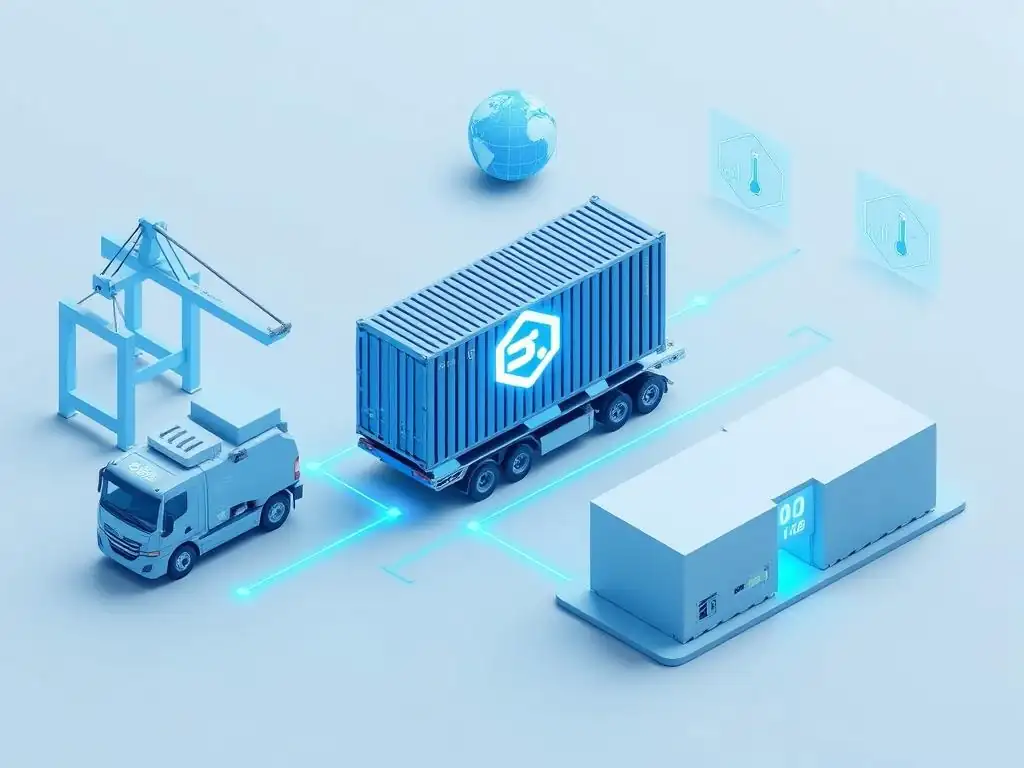
Pharmaceutical Cold Chain: Ensuring Vaccine Integrity
The pharmaceutical industry relies heavily on stringent cold chain management to ensure the efficacy and safety of temperature-sensitive medications, particularly vaccines. Many vaccines require storage within a narrow temperature range, often between 2°C and 8°C, from manufacturing through distribution to the point of administration. Failure to maintain this range can render vaccines ineffective, posing serious public health risks. Blockchain technology offers a robust solution for tracking and verifying these critical conditions.
Pharmaceutical companies and distributors are piloting blockchain solutions to create an immutable record of temperature data for each vaccine shipment. By attaching IoT sensors to vaccine crates or containers and linking them to a blockchain platform, they can monitor temperatures in real-time and record every data point on the ledger.
This allows for end-to-end visibility and verifiable proof that the vaccine remained within the required temperature range throughout its journey, ensuring its integrity upon arrival at clinics or pharmacies. This application of blockchain is vital for building trust in the supply of critical medicines and improving blockchain cold chain logistics efficiency in a highly regulated sector.
Food and Beverage Industry: Tracking Perishable Goods
The food and beverage industry deals with a vast array of perishable goods, from fresh produce and meat to dairy and frozen products, all requiring specific temperature controls. Cold chain failures in this sector lead to significant food waste and pose potential health risks to consumers if products spoil or harbor bacteria due to temperature abuse. Blockchain technology is being adopted to enhance transparency and traceability for these goods.
Companies are using blockchain to track food items from the farm or processing plant through various stages of distribution to the retailer. Temperature data from refrigerated trucks and storage facilities is logged onto the blockchain, creating a transparent history of the product's journey. This allows retailers and consumers (in some cases) to verify the cold chain integrity of the products they receive.
For example, a pilot program by a major retailer demonstrated the ability to trace a specific package of mangoes from farm to store in seconds using blockchain, a process that previously took days or weeks with traditional methods. This rapid traceability, combined with temperature data, significantly improves food safety and reduces waste, showcasing the value of blockchain cold chain logistics efficiency in this sector.
Agricultural Supply Chain: Monitoring Fresh Produce from Farm to Table
Extending the food industry use case, the agricultural supply chain, particularly for fresh produce, benefits significantly from blockchain cold chain logistics. Fresh fruits, vegetables, and flowers are highly perishable and sensitive to temperature and humidity changes from the moment they are harvested. Maintaining the cold chain is crucial for extending shelf life, reducing spoilage, and ensuring quality upon arrival at markets and grocery stores.
Blockchain platforms are being implemented to track produce shipments, integrating data from environmental sensors in fields, packing houses, and transportation. This creates a continuous, verifiable record of the conditions the produce experienced. Farmers can provide proof of optimal handling post-harvest, distributors can demonstrate proper storage and transport temperatures, and retailers can receive goods with confidence, knowing their history. This granular traceability and condition monitoring enabled by blockchain improve quality control, reduce losses estimated to be substantial in traditional produce supply chains, and enhance blockchain cold chain logistics efficiency across the entire farm-to-table journey.
Maersk and IBM's TradeLens: Streamlining Global Seafood Supply Chain
While the TradeLens platform, a collaboration between Maersk and IBM, initially focused on general container shipping documentation, it included pilots and discussions relevant to cold chain, such as improving the transparency and efficiency of transporting temperature-sensitive goods like seafood globally. The complexities of international cold chain logistics involve numerous parties – fishermen, processors, exporters, importers, customs, carriers, and distributors – each requiring access to accurate, timely information regarding documentation, location, and conditions.
By providing a shared, immutable ledger for tracking containers and associated data, TradeLens aimed to reduce delays caused by paper-based processes and improve visibility. While not solely focused on temperature, the underlying principle of creating a trusted, shared record for supply chain data is directly applicable.
Pilots exploring the platform for seafood aimed to streamline the flow of information about the catch, processing, and transport conditions, including temperature data where integrated with IoT. Although the platform's structure has evolved, the initiative highlighted how blockchain's ability to connect disparate parties on a single, trusted network can enhance efficiency and transparency in complex global cold chains, demonstrating the potential for blockchain cold chain logistics efficiency on a massive scale.
Challenges in Adopting Blockchain for Cold Chain Logistics
Initial Investment Costs and Infrastructure Requirements
One of the primary barriers to widespread adoption of blockchain in cold chain logistics is the significant initial investment required. Implementing a blockchain solution involves costs associated with software development or platform subscription, integration with existing legacy systems (which can be complex and expensive), and the necessary hardware infrastructure. This includes not only the computing power for the blockchain network itself but also the deployment of compatible IoT sensors for temperature monitoring and other environmental data collection across potentially vast and varied assets (trucks, containers, warehouses).
For smaller businesses or those with tight margins, these upfront costs can be prohibitive. Building or adopting a robust blockchain platform that can handle the volume and velocity of data generated by a large cold chain network requires substantial financial resources. Furthermore, ensuring network connectivity for IoT devices in remote locations or during transit can also add to the infrastructure complexity and cost, posing a challenge to achieving widespread blockchain cold chain logistics efficiency.
Scalability and Interoperability with Existing Systems
Scalability is a critical concern for blockchain solutions in high-volume cold chain operations. A single large logistics company might handle millions of shipments annually, each generating numerous temperature readings and data points. The blockchain platform must be able to process and store this immense amount of data efficiently without becoming slow or prohibitively expensive in terms of transaction fees (depending on the blockchain protocol used). While newer blockchain technologies offer improved scalability compared to early versions, handling the sheer scale of global logistics remains a challenge.
Interoperability with existing legacy systems is another major hurdle. Cold chain logistics involves numerous stakeholders, each often using different software systems for inventory management, transportation management, warehousing, and enterprise resource planning (ERP). Integrating a blockchain platform seamlessly with these diverse systems is complex. Data formats may differ, APIs may be incompatible, and resistance to changing established workflows can slow down adoption. Achieving true blockchain cold chain logistics efficiency requires harmonious data flow across all participants' systems, which necessitates significant integration effort.
Data Privacy and Security Considerations
While blockchain is inherently secure in terms of data immutability and resistance to tampering, data privacy is still a significant consideration, particularly for sensitive commercial information. While the temperature data itself might be shared, businesses may not want their competitors to see details about shipment volumes, routes, or specific customer destinations which might also be recorded on the blockchain. Designing permissioned blockchain networks where access to specific data is restricted based on user roles is one way to address this, but it adds complexity.
Security also extends to the IoT devices themselves. If sensors are compromised, they could feed inaccurate data onto the blockchain, undermining trust in the system. Protecting these edge devices from cyber threats is crucial. Furthermore, managing private keys and ensuring secure access to the blockchain platform for authorized users is essential to prevent data breaches or unauthorized transactions. Balancing the need for transparency with the requirement for business confidentiality and robust cybersecurity is vital for the successful implementation of blockchain cold chain logistics efficiency.
Regulatory Hurdles and Compliance Standards
The regulatory landscape surrounding both blockchain technology and supply chain data is still evolving. While regulators are increasingly recognizing the potential benefits of blockchain for traceability and compliance, clear guidelines specific to its use in cold chain logistics are not always fully established. Different countries and regions may have varying requirements for data storage, validation, and privacy, which can create complexities for international cold chains using blockchain.
Ensuring that a blockchain solution meets existing and future regulatory compliance standards (like those from the FDA, EMA, or various food safety authorities) requires careful design and ongoing adaptation. The legal status of smart contracts in different jurisdictions is also still being defined, which can impact their enforceability. Navigating these legal and regulatory uncertainties adds another layer of complexity to adopting blockchain for cold chain logistics, requiring close collaboration with legal experts and regulatory bodies.
Lack of Standardized Data Formats
A significant challenge in achieving seamless blockchain cold chain logistics efficiency across multiple participants is the lack of standardized data formats and protocols. Even when companies agree to use a shared blockchain platform, the way they record and structure data from their internal systems or IoT sensors can vary significantly. For example, temperature readings might be recorded in Celsius by one party and Fahrenheit by another, or location data might use different coordinate systems or levels of granularity.
This inconsistency in data formatting necessitates complex data mapping, transformation, and validation processes before information can be added to the blockchain or shared between different participants' systems. Establishing industry-wide standards for cold chain data captured on blockchain would greatly facilitate interoperability and reduce integration costs. Without such standards, achieving true, frictionless data exchange across the entire cold chain ecosystem remains a challenge, limiting the full potential of blockchain cold chain logistics efficiency.
Overcoming Barriers to Blockchain Adoption in Cold Chain
Strategies for Reducing Implementation Costs
Reducing the cost of implementing blockchain in cold chain logistics is crucial for wider adoption. One strategy is to start with pilot programs focused on specific, high-value use cases (like tracking a particular pharmaceutical product or a premium food item) within a defined segment of the supply chain. This allows companies to test the technology, demonstrate value, and refine their approach on a smaller scale before committing to a full-scale rollout. This phased approach helps manage initial investment.
Another strategy is to leverage established blockchain-as-a-Service (BaaS) platforms offered by major technology providers. BaaS solutions reduce the need for companies to build and maintain their own blockchain infrastructure from scratch, lowering technical complexity and operational costs. Collaboration within industry consortia to share the cost of developing common platforms or standards can also help. Furthermore, focusing on integrating with existing IoT infrastructure where possible, rather than replacing everything, can also mitigate costs and accelerate the path to achieving blockchain cold chain logistics efficiency.
Building Interoperable Blockchain Solutions for Supply Chains
Addressing the challenge of interoperability requires a focus on developing blockchain solutions that can communicate and exchange data with diverse existing systems and other blockchain networks. This involves using open standards and APIs (Application Programming Interfaces) to facilitate integration. Designing modular blockchain architectures allows components to be swapped or updated without disrupting the entire system.
Industry collaboration is key to establishing common data standards for cold chain information (e.g., temperature units, time formats, event codes). Initiatives involving multiple players across the supply chain value chain can work towards defining shared protocols for how cold chain data is captured, formatted, and shared on the blockchain. This move towards standardization is essential for enabling seamless data flow across fragmented supply chains, significantly enhancing blockchain cold chain logistics efficiency by breaking down data silos between partners.
Addressing Data Privacy and Security Concerns
Overcoming data privacy and security concerns requires implementing robust technical and governance measures within blockchain cold chain logistics solutions. Utilizing permissioned blockchain networks allows companies to control who can join the network and what data they can access, ensuring that sensitive commercial information remains private while relevant cold chain data is shared with authorized parties. Techniques like zero-knowledge proofs can potentially allow verification of certain data (e.g., "the temperature stayed within range") without revealing the raw temperature data itself.
Implementing strong authentication and authorization mechanisms for users accessing the blockchain platform is critical. Regular security audits of the blockchain code and associated infrastructure, including IoT devices, are necessary to identify and mitigate vulnerabilities. Establishing clear data governance policies that outline how data is collected, stored, accessed, and used on the blockchain builds trust among participants. A multi-layered security approach is essential to protect both the blockchain network and the sensitive cold chain data it holds, fostering confidence in blockchain cold chain logistics efficiency.
Collaborating with Regulatory Bodies to Establish Clear Guidelines
Proactive engagement and collaboration with regulatory bodies are vital for navigating regulatory hurdles and establishing clear guidelines for blockchain use in cold chain logistics. Companies and industry consortia should work with regulators to demonstrate how blockchain technology can meet and even exceed existing compliance requirements for traceability, data integrity, and record-keeping.
Educating regulators about the technology's capabilities and benefits can help inform the development of future regulations that are conducive to blockchain adoption. Participating in pilot programs sanctioned or observed by regulatory agencies can provide valuable insights and build confidence. Establishing industry best practices for data capture, storage, and access on the blockchain that align with regulatory expectations will pave the way for smoother audits and compliance processes, accelerating the path towards realizing the full potential of blockchain cold chain logistics efficiency within regulated industries.
The Future of Blockchain in Cold Chain Logistics
Integration with IoT Devices for Enhanced Data Collection
The future of blockchain in cold chain logistics is intrinsically linked with the continued advancement and pervasive integration of Internet of Things (IoT) devices. As sensors become smaller, cheaper, and more sophisticated, they will be deployed more widely – not just in trucks and containers, but potentially down to the individual carton or product level for high-value items. These sensors will collect an even richer array of data, including not only temperature and humidity but also shock, tilt, light exposure, and location with greater precision.
This explosion of granular, real-time data will feed directly into blockchain platforms, creating an unprecedentedly detailed and accurate digital twin of the physical cold chain. The immutable nature of the blockchain will ensure the integrity of this vast dataset, making it a reliable source of truth for monitoring conditions, verifying handling, and proving compliance. This deeper integration of IoT and blockchain will significantly enhance visibility and control, driving further improvements in blockchain cold chain logistics efficiency.
AI-Powered Analytics for Predictive Cold Chain Management
The combination of vast, reliable data streams from IoT devices recorded on a blockchain, coupled with advanced Artificial Intelligence (AI) and machine learning analytics, holds immense potential for the future of cold chain logistics. With access to historical and real-time data on temperature fluctuations, transit times, routes, and external factors (like weather), AI algorithms can analyze patterns and predict potential cold chain excursions before they happen.
For example, AI could analyze the current temperature trend in a container, the planned route, and the expected weather conditions to predict a likelihood of exceeding the temperature threshold in the next few hours. This predictive capability allows logistics managers to take proactive measures, such as rerouting a shipment or adding extra cooling, to prevent spoilage. AI can also identify root causes of past failures by analyzing blockchain data, enabling continuous process improvement. This integration of AI with blockchain data will transform cold chain management from reactive problem-solving to proactive, predictive optimization, significantly boosting blockchain cold chain logistics efficiency.
Decentralized Finance (DeFi) Applications in Cold Chain Financing
The principles of Decentralized Finance (DeFi), built on blockchain technology, could potentially be applied to cold chain logistics financing. Traditional supply chain finance often involves complex, multi-party transactions with significant delays and intermediaries. Blockchain's ability to create a trusted, shared record of goods movement and condition opens up possibilities for automated and more accessible financing.
For instance, a smart contract could be used to release payment to a supplier or carrier automatically once the blockchain verifies that a shipment of temperature-sensitive goods has been delivered on time and within the required temperature range. Furthermore, the verifiable data on the blockchain could serve as reliable collateral for obtaining financing or insurance, potentially at better terms due to reduced risk and increased transparency. While still an emerging area, applying DeFi concepts could streamline financial flows, reduce costs, and increase liquidity within the cold chain, further contributing to blockchain cold chain logistics efficiency.
Increased Focus on Sustainability and Waste Reduction
The future of blockchain in cold chain logistics will likely see an increased focus on sustainability and waste reduction, driven by both economic incentives and growing environmental concerns. The ability to accurately track and verify the conditions of perishable goods directly contributes to minimizing spoilage and associated waste. Reducing food and pharmaceutical waste has significant environmental benefits, including conserving the resources (water, energy, land) used to produce and transport these goods.
Blockchain's transparency can also facilitate the tracking of carbon emissions associated with cold chain transportation if relevant data points are integrated. By providing verifiable data on efficiency and waste reduction, companies can demonstrate their commitment to sustainability goals. As consumers and regulators increasingly demand environmentally responsible practices, the role of blockchain in enabling verifiable waste reduction and improving the overall environmental footprint of cold chain operations will become more prominent, aligning blockchain cold chain logistics efficiency with broader sustainability objectives.
Conclusion: Blockchain's Transformative Role in Cold Chain Efficiency
Recap of the Benefits of Blockchain in Temperature-Sensitive Supply Chains
Blockchain technology offers a powerful solution to the long-standing challenges in managing temperature-sensitive supply chains. Its core features – transparency, security, and traceability – directly address issues of data silos, lack of trust, and limited visibility that plague traditional cold chain logistics. Implementing blockchain leads to demonstrably improved temperature monitoring through immutable, real-time data logging, preventing tampering and ensuring data accuracy.
These enhancements result in significantly improved traceability and visibility of goods, allowing stakeholders to know the precise history and condition of products at every step. Consequently, blockchain deployment helps reduce spoilage and waste, leading to substantial cost savings for businesses and contributing to sustainability. Furthermore, the technology streamlines operational efficiencies through potential automation via smart contracts and simplifies compliance with stringent regulations governing temperature-controlled goods. Collectively, these benefits underscore the transformative potential of blockchain cold chain logistics efficiency.
The Potential for Widespread Adoption and Innovation in Cold Chain Logistics
While challenges related to initial costs, scalability, interoperability, and regulatory clarity exist, the compelling benefits of blockchain for enhancing cold chain logistics efficiency are driving increasing interest and adoption across various industries. Pilot programs and initial implementations in pharmaceuticals, food and beverage, and agriculture have demonstrated the technology's viability and value proposition. As the technology matures, implementation costs decrease, and industry standards emerge, the barriers to entry will lower.
The future promises even greater innovation, with deeper integration of IoT for richer data collection, the application of AI for predictive management, and the potential for DeFi applications to improve financing. As global supply chains become more complex and the demand for safe, high-quality temperature-sensitive goods grows, the need for robust, transparent, and efficient cold chain management will only increase.
Blockchain technology is poised to play a central role in meeting this demand, revolutionizing cold chain logistics and setting new standards for integrity and efficiency in the transport of critical and perishable products. The journey towards widespread blockchain cold chain logistics efficiency is well underway.
Frequently Asked Questions
How can blockchain technology improve the monitoring of temperature-sensitive goods in the cold chain?
Blockchain offers an immutable and transparent record of temperature data throughout the supply chain. This enhanced visibility helps ensure product integrity and reduces spoilage.
What are the primary benefits of using blockchain for verifying the authenticity of products in the cold chain?
Blockchain's decentralized and tamper-proof nature makes it ideal for verifying product origin and authenticity. This helps combat counterfeit goods and builds consumer trust.
How does blockchain contribute to reducing waste and improving sustainability in cold chain logistics?
By providing real-time tracking and temperature monitoring, blockchain helps identify and address potential issues before products spoil. This optimizes resource usage and minimizes waste.
What role does blockchain play in automating processes and reducing manual intervention in cold chain management?
Blockchain can automate tasks like data logging, compliance verification, and payment processing through smart contracts. This improves efficiency and reduces human error.
What are the key challenges and regulatory considerations when implementing blockchain in cold chain logistics?
Scalability, interoperability, and data privacy regulations are significant challenges. Compliance with industry-specific standards and governmental policies is crucial.
Final Reflection: Securing the Future of Temperature-Sensitive Goods
The intricate dance of maintaining temperature integrity throughout the supply chain, as explored in this article, is no longer a niche concern but a critical imperative for global health and economic stability. The potential of blockchain technology to revolutionize cold chain logistics, ensuring the safety and efficacy of everything from vaccines to fresh produce, is a powerful testament to innovation's capacity to address real-world challenges.
The impact of efficient and transparent cold chain logistics extends far beyond mere cost savings; it directly influences public health, reduces food waste, and fosters trust in the products we consume. Witnessing the potential of blockchain to mitigate risks and enhance accountability has profoundly underscored the importance of embracing technological solutions for societal betterment. The cold chain is only as strong as its weakest link.
This quote, often repeated in the industry, highlights the urgent need for robust and verifiable systems like blockchain to fortify these vulnerable points.
As we conclude this exploration of blockchain's role in cold chain logistics, I invite you to consider the broader implications of this technology. How can we, as individuals and as a society, champion the adoption of solutions that prioritize transparency, efficiency, and ultimately, the well-being of all? Let us embrace the potential of blockchain to not only optimize supply chains but also to build a more secure and sustainable future for generations to come.
Revolutionize Your Cold Chain: Start Today!
Thank you for exploring how blockchain can transform cold chain logistics. You've gained valuable insights into enhancing temperature monitoring and traceability. Now, take action to build a more efficient and secure supply chain!
Here are a few steps you can implement today:
- Implement a pilot blockchain project to monitor a specific shipment, allowing you to measure improvements in transparency and efficiency. This practical approach will help you experience the benefits firsthand.
- Explore different blockchain platforms designed for supply chain management. Compare their features, scalability, and integration options to find the best solution for your operations.
- Share this article with colleagues and industry peers to foster discussions on advancing blockchain adoption in cold chain logistics. Together, we can learn and innovate!
What temperature-sensitive product will you track first using blockchain technology? Share your ideas in the comments below!
Leave a Reply