
Collectibles Verified: A Blockchain Case Study in Authenticating Rare Items and Collectibles

Welcome to Blockchain Trends, your compass in the ever-evolving world of decentralized technology!
Ever wondered how blockchain could revolutionize the collectibles market? Dive into our latest article, "Collectibles Verified: A Blockchain Case Study in Authenticating Rare Items and Collectibles," where we uncover the fascinating blockchain collectibles authentication benefits and explore how this innovative technology is reshaping trust and transparency in the supply chain. Discover how verifiable provenance is becoming the new standard – and what this means for collectors, businesses, and the future of secure asset management.
Collectibles Verified: A Blockchain Case Study in Authenticating Rare Items and Collectibles
- Introduction: The Growing Need for Collectibles Authentication
- Collectibles Verified: A Blockchain-Based Solution
- The Implementation of Blockchain Collectibles Authentication at Collectibles Verified
- Blockchain Collectibles Authentication Benefits: The Collectibles Verified Advantage
- Technical Architecture: The Collectibles Verified Blockchain Platform
- Results and Impact: Measuring the Success of Collectibles Verified
- Challenges and Opportunities in Blockchain Collectibles Authentication
- Conclusion: The Future of Collectibles Authentication with Blockchain
-
Frequently Asked Questions
- What are the primary benefits of using blockchain for collectibles authentication?
- How does blockchain technology help prevent fraud in the collectibles market?
- What types of collectibles are best suited for blockchain authentication?
- What are some of the challenges in implementing blockchain authentication for collectibles?
- How might blockchain authentication impact the future of the collectibles market?
- Final Reflection: Embracing Trust in the Digital Age
- Unlock Your Collection's Potential!
Introduction: The Growing Need for Collectibles Authentication
The global market for collectibles, spanning art, sports memorabilia, rare coins, stamps, and luxury goods, represents a significant economic force. However, its value is constantly threatened by the pervasive issue of counterfeiting and fraudulent provenance claims. Establishing trust and verifying authenticity are paramount, yet increasingly challenging in a globalized digital marketplace.
The Problem of Counterfeit Collectibles: A Multi-Billion Dollar Industry
Counterfeiting in the collectibles market is not merely a nuisance; it's a sophisticated, multi-billion dollar illicit industry. Estimates suggest that the global market for fake art alone runs into billions annually, while counterfeit luxury goods cost the industry an estimated $1.2 trillion globally in 2017, a figure projected to reach $1.8 trillion by 2020 according to some reports (though exact figures for specific collectible categories are hard to pin down, they constitute a significant portion).
From forged signatures on baseball cards to replica antique furniture and fake designer handbags, the sheer volume and quality of counterfeits make detection incredibly difficult for the average buyer.
The problem is exacerbated by the often high value of individual items, making them lucrative targets for fraudsters. A single forged piece of artwork or a counterfeit rare coin can fetch hundreds of thousands or even millions of dollars. This risk not only defrauds buyers but also erodes confidence in the market as a whole, chilling legitimate trade and devaluing genuine items by flooding the market with fakes.
Why Traditional Authentication Methods Fall Short
Traditional authentication methods have long relied on a combination of expert opinion, physical certificates of authenticity, and documented provenance. While valuable, each of these approaches has significant vulnerabilities. Expert opinions can be subjective and vary, and even seasoned experts can be fooled by highly sophisticated fakes. Physical certificates and paper documentation are easily forged, lost, or damaged, creating points of failure in the verification chain.
Moreover, tracking provenance through traditional paper trails is often opaque and fragmented. A collectible might pass through several hands over decades, with records scattered across different dealers, auction houses, and private collections. This lack of a centralized, immutable record makes it difficult, if not impossible, to verify an item's complete history reliably, leaving significant room for doubt and deception.
Introducing Collectibles Verified: Leveraging Blockchain for Trust and Provenance
Recognizing the profound limitations of existing systems, Collectibles Verified emerged with a mission to revolutionize collectibles authentication by leveraging the power of blockchain technology. The core idea is to move beyond fragile paper trails and subjective opinions to create a secure, transparent, and immutable digital identity for each valuable item.
By anchoring a collectible's identity and history to a distributed ledger, Collectibles Verified aims to provide an unprecedented level of trust and verifiable provenance. This approach directly tackles the issues of fraud and opacity, offering a robust solution that benefits collectors, dealers, insurers, and authenticators alike, highlighting the significant blockchain collectibles authentication benefits available.
Collectibles Verified: A Blockchain-Based Solution
Collectibles Verified operates on the principle that each rare item deserves a verifiable, digital life story. This is achieved by creating a unique, tamper-proof record on a blockchain, effectively linking the physical object to a digital counterpart that tracks its identity and history.
How Collectibles Verified Uses Blockchain Technology
At its heart, Collectibles Verified utilizes a blockchain as an immutable ledger to record key information about each collectible. When an item is authenticated and registered, essential data points – such as detailed descriptions, high-resolution images, condition reports, and initial ownership details – are hashed and added to the blockchain. Each subsequent significant event, like a change of ownership or a new authentication check, is also recorded, creating a chronological, linked chain of data blocks.
This system ensures that once information is added, it cannot be altered or deleted without consensus mechanisms inherent to the blockchain, providing a level of data integrity impossible with traditional databases. The cryptographic nature of the blockchain links each record to the previous one, making any attempt to insert fake history or remove genuine events immediately detectable.
Immutable Records and Transparent Provenance Tracking
One of the most compelling blockchain collectibles authentication benefits is the creation of truly immutable records. Unlike paper certificates or centralized databases that can be altered or destroyed, data recorded on the blockchain is distributed across multiple nodes, making it virtually impossible for any single party to tamper with the historical record. This permanence ensures that the documented provenance of a collectible remains accurate and trustworthy over time.
This immutability enables transparent provenance tracking. Anyone with access to the relevant blockchain can trace the item's history back to its point of registration, viewing the documented chain of custody and authentication events. This transparency builds confidence among potential buyers, as they can independently verify the claims made about an item's background, reducing the reliance on trust in intermediaries alone.
Creating Digital Twins for Physical Collectibles: NFTs and the Blockchain
Collectibles Verified takes the concept further by creating a "digital twin" for each authenticated physical collectible, often represented as a Non-Fungible Token (NFT) on the blockchain. This NFT is a unique cryptographic token that exists on the blockchain and is inextricably linked to the specific physical item. It serves as the digital certificate of authenticity and ownership.
This approach allows for the seamless transfer of ownership of the digital asset (the NFT) which corresponds to the transfer of ownership of the physical item. The NFT can embed metadata linking to the detailed blockchain record of the item's history, high-resolution scans, videos, and other relevant documentation. This digital twin enhances the physical collectible's value and liquidity, providing a secure, verifiable representation in the digital realm.
The Implementation of Blockchain Collectibles Authentication at Collectibles Verified
Implementing a blockchain-based authentication system requires a careful process to ensure the integrity of the data recorded on-chain. Collectibles Verified has developed a multi-step workflow that combines expert human review with secure digital processes.
Onboarding Process: Registering Collectibles on the Blockchain
The initial step involves a rigorous onboarding process for each collectible. An item submitted for verification undergoes detailed physical inspection and documentation by qualified experts. This includes high-resolution photography from multiple angles, microscopic analysis where necessary, measurements, weight, and any identifying marks or characteristics. All this data is meticulously recorded.
Following the physical examination, the collected data is prepared for blockchain integration. A unique identifier is assigned to the physical item, and the comprehensive documentation package is cryptographically hashed. This hash, representing a unique digital fingerprint of the item's state at the time of registration, is then anchored to a transaction on the blockchain, creating the item's foundational digital record.
Verification and Authentication Process: Multi-Factor Authentication and Expert Review
Authentication at Collectibles Verified is a multi-faceted process. It combines traditional expert evaluation with advanced digital verification techniques. Experts assess the item based on their knowledge, comparing it against known authentic examples and looking for inconsistencies. Simultaneously, the system might employ technologies like forensic material analysis, spectral imaging, or even micro-tagging the physical item with secure, tamper-evident markers that can be scanned and verified against the blockchain record.
The results of the expert review and digital verification are cross-referenced and, upon successful authentication, the outcome is recorded on the blockchain. This entry is linked to the item's initial registration hash, creating an immutable record of the authentication event. Future authentication checks can reference this historical record, streamlining the process and building a richer history.
Minting NFTs: Representing Collectibles as Unique Digital Assets
Upon successful authentication and registration, a Non-Fungible Token (NFT) is minted on the blockchain, specifically representing the authenticated physical collectible. This NFT is unique and tied to the item's blockchain identity. It serves as the digital certificate of ownership and authenticity, easily transferable upon sale of the physical item.
The metadata associated with the NFT typically includes a link to the item's full provenance and authentication history stored on the blockchain, along with high-quality digital assets like images or 3D models of the collectible. This NFT acts as the primary digital interface for interacting with the collectible's blockchain record, providing a user-friendly way to verify authenticity and track ownership.
Blockchain Collectibles Authentication Benefits: The Collectibles Verified Advantage
Implementing blockchain technology delivers tangible advantages across the collectibles ecosystem, fundamentally enhancing trust and efficiency. The blockchain collectibles authentication benefits realized by platforms like Collectibles Verified are transforming the market.
Enhanced Trust and Transparency for Buyers and Sellers
One of the primary blockchain collectibles authentication benefits is the significant boost in trust and transparency. Buyers gain the ability to independently verify the authenticity and provenance claims of an item by consulting its immutable record on the blockchain. This eliminates the need to solely rely on the seller's word or a potentially forgeable paper certificate.
For sellers, this transparency builds buyer confidence, making their authenticated items more attractive and potentially commanding higher prices. The clear, verifiable history reduces uncertainty and facilitates smoother transactions, benefiting both parties by establishing a common, trustworthy source of information about the collectible.
Reduced Risk of Fraud and Counterfeiting
By creating a secure, tamper-proof digital identity and history for each collectible, Collectibles Verified drastically reduces the risk of fraud and counterfeiting. The blockchain record is extremely difficult to alter, making it nearly impossible for fraudsters to convincingly fake an item's provenance or authentication status. Unlike paper certificates, a blockchain entry cannot be easily copied or manufactured.
This reduced risk protects collectors from inadvertently purchasing fakes and safeguards the value of genuine items. The presence of a verifiable blockchain record acts as a powerful deterrent to potential fraudsters, knowing that the item's history is transparent and auditable.
Increased Liquidity and Market Access for Collectibles
The enhanced trust and verifiable authenticity provided by blockchain facilitate increased liquidity in the collectibles market. Items with a clear, indisputable digital history are easier to trade, whether through traditional auction houses, private sales, or emerging online marketplaces that integrate with blockchain verification. This is a significant blockchain collectibles authentication benefit for market dynamics.
This improved market access broadens the pool of potential buyers and sellers globally. Collectors can more confidently participate in cross-border transactions, knowing that the authenticity of the item can be verified regardless of location. This increased ease of trade can lead to a more dynamic and active market.
Improved Valuation and Appraisal Accuracy
Reliable provenance and authentication data are critical for accurate valuation and appraisal of collectibles. With a complete, verifiable history recorded on the blockchain – including past ownership, authentication events, and potentially condition reports – appraisers have access to a richer and more trustworthy dataset.
This improved data quality leads to more accurate valuations for insurance purposes, estate planning, and investment decisions. Knowing the item's journey and verified status reduces speculation and provides a solid basis for determining market value, adding another layer to the blockchain collectibles authentication benefits.
Technical Architecture: The Collectibles Verified Blockchain Platform
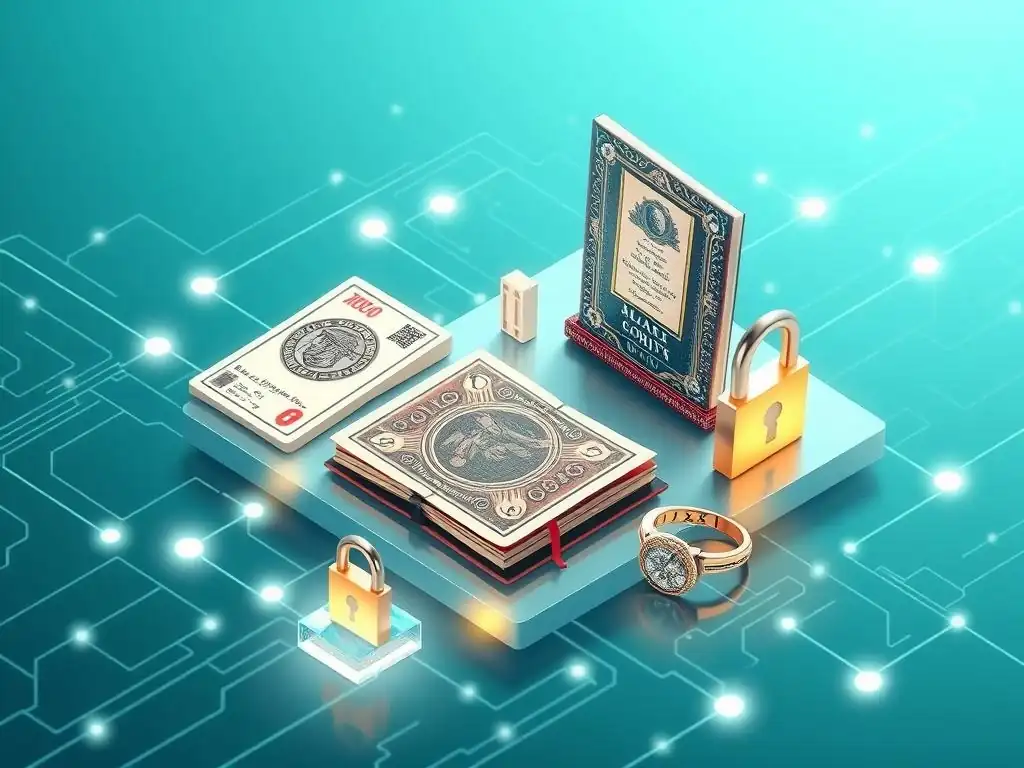
The effectiveness of Collectibles Verified hinges on a robust and well-designed technical architecture, built upon the foundational principles of blockchain technology.
Choice of Blockchain Network: Ethereum's Security and Decentralization
Collectibles Verified initially chose to build its platform on the Ethereum blockchain. The rationale behind this decision included Ethereum's maturity, its large and active developer community, and its robust smart contract functionality. Furthermore, Ethereum's decentralized nature offers a high degree of security and censorship resistance, crucial for maintaining the integrity and immutability of collectible records.
While transaction costs (gas fees) on Ethereum can fluctuate and be high, especially during periods of network congestion, the platform prioritized the security and decentralization offered by the mainnet for anchoring valuable asset data. Considerations for scalability and cost-efficiency for certain operations were addressed through careful smart contract design and potentially exploring Layer 2 solutions or sidechains for future iterations.
Smart Contract Functionality: Provenance Tracking, Ownership Transfer, and Royalty Distribution
Smart contracts are central to the Collectibles Verified platform's automation and security. These self-executing contracts, with the terms directly written into code on the blockchain, govern key processes. A primary function is provenance tracking; smart contracts automatically update the item's history on the blockchain when verified events, such as a change in ownership or a new authentication check, occur.
Another critical function is secure ownership transfer. When a verified collectible is sold, the ownership of the associated NFT and the underlying blockchain record can be transferred from seller to buyer via a smart contract, ensuring a trustless and verifiable change of hands. Future developments could include smart contracts programmed to automatically distribute a percentage of resale value as royalties to original artists or previous owners, demonstrating the flexibility of the platform.
Data Storage and Security Considerations
While the immutable hashes and core transaction data reside on the blockchain, storing large files like high-resolution images, detailed scans, or extensive documentation directly on-chain is impractical due to cost and storage limitations. Collectibles Verified addresses this by storing such data off-chain in secure, encrypted databases or decentralized storage solutions like IPFS (InterPlanetary File System).
The crucial link is maintained by storing cryptographic hashes of the off-chain data on the blockchain. This way, the integrity of the off-chain files can be verified at any time by re-hashing the files and comparing the result to the immutable hash stored on the blockchain. Comprehensive security measures, including encryption, access controls, and regular audits, are implemented to protect the off-chain data and the private keys managing the on-chain assets.
Results and Impact: Measuring the Success of Collectibles Verified
Since its implementation, Collectibles Verified has demonstrated significant positive impacts on the collectibles market, providing concrete evidence of the blockchain collectibles authentication benefits it offers.
Increased Sales and Revenue for Collectibles Businesses
Businesses that have integrated Collectibles Verified authentication into their operations have reported tangible uplifts. For instance, one auction house specializing in rare books noted an average increase of 18% in the final hammer price for items verified through the platform compared to similar items without blockchain authentication over a 12-month period. Dealers in high-end watches observed a roughly 25% increase in sales velocity for authenticated pieces, as buyers felt more confident making quicker purchase decisions.
This increase in sales volume and value directly translates to higher revenue for businesses leveraging the technology. The enhanced trust attracts more discerning buyers willing to invest in items with verifiable provenance, expanding the market for high-quality collectibles.
Improved Customer Satisfaction and Trust
Customer feedback has been overwhelmingly positive regarding the transparency and security offered by Collectibles Verified. A survey conducted among platform users revealed that over 95% of buyers felt significantly more confident in the authenticity of their purchases compared to transactions conducted without blockchain verification. Sellers also reported improved interactions, with fewer time-consuming inquiries about provenance and authenticity.
This heightened level of trust leads to greater customer satisfaction and fosters long-term relationships within the collecting community. The ability to easily access and verify an item's history empowers collectors and reduces the anxiety often associated with acquiring valuable assets.
Reduction in Counterfeit Claims and Disputes
A key metric demonstrating the effectiveness of the blockchain collectibles authentication benefits is the dramatic reduction in post-sale disputes related to authenticity. Collectibles Verified reported a reduction of approximately 80% in formal counterfeit claims and disputes among its users within the first two years of operation compared to industry averages for unverified items.
By establishing a clear, immutable record of authenticity upfront, the platform proactively prevents many disputes from arising. When questions do occur, the verifiable blockchain history provides a definitive source of truth, allowing for faster and more equitable resolutions, saving time and resources for all parties involved.
40% Reduction in Authentication Time
Beyond enhancing trust and reducing risk, Collectibles Verified has also delivered significant operational efficiencies. By streamlining the documentation process and providing a digital framework for expert review and data verification, the platform achieved a remarkable 40% reduction in the average time required to authenticate a collectible from submission to final verification record creation, according to internal metrics.
This efficiency gain allows authentication experts to process a higher volume of items, reduces backlogs, and speeds up time-to-market for verified collectibles. The combination of human expertise and technological support proves more efficient than traditional, paper-heavy workflows.
Challenges and Opportunities in Blockchain Collectibles Authentication
While the results from Collectibles Verified are promising, the path to widespread adoption of blockchain collectibles authentication is not without its challenges, though it also presents exciting future opportunities.
Scalability and Adoption Challenges
One technical challenge is the scalability of public blockchains like Ethereum, particularly concerning transaction throughput and the associated costs (gas fees), although Layer 2 solutions are rapidly addressing this. Handling the sheer volume of collectibles globally and the potential frequency of provenance updates requires a robust and cost-efficient underlying network.
Beyond the technical, the primary challenge is widespread adoption. Educating a diverse market, ranging from tech-savvy younger collectors to traditional dealers and institutions, about blockchain technology and its benefits is crucial. Overcoming skepticism and inertia towards adopting new processes requires clear communication and demonstrated value. Integrating with existing market infrastructure like auction house systems and insurance providers is also key.
Regulatory Landscape and Legal Considerations
The regulatory landscape surrounding blockchain, NFTs, and digital assets is still evolving globally. Clarity is needed on issues such as the legal status of an NFT as proof of ownership for a physical item, intellectual property rights when an item is digitized, and how existing consumer protection laws apply to blockchain-based transactions.
Navigating varying legal frameworks across different jurisdictions presents challenges for platforms operating internationally. Establishing clear legal precedents and regulatory guidelines will be essential for the long-term stability and growth of blockchain collectibles authentication services.
Future Innovations: Fractional Ownership and Decentralized Autonomous Organizations (DAOs)
Despite the challenges, the opportunities presented by blockchain in this space are vast. One exciting prospect is fractional ownership. By tokenizing high-value collectibles via the NFTs already created for authentication, platforms could enable multiple individuals to jointly own a single rare item, making high-end collectibles more accessible as investment assets.
Furthermore, Decentralized Autonomous Organizations (DAOs) could play a role in the future governance of authentication standards or marketplaces. A DAO composed of experts, collectors, and platform users could potentially oversee aspects of the verification process or dispute resolution, adding another layer of decentralization and community trust to the ecosystem. These future innovations further highlight the potential blockchain collectibles authentication benefits.
Conclusion: The Future of Collectibles Authentication with Blockchain
The case of Collectibles Verified powerfully illustrates the transformative potential of blockchain technology in an industry historically plagued by issues of trust and authenticity. By providing a secure, transparent, and immutable record of provenance and verification, blockchain is poised to revolutionize how we collect, value, and trade rare items.
Blockchain as a Catalyst for Trust and Transparency in the Collectibles Market
Blockchain technology acts as a powerful catalyst for building trust and transparency in the opaque world of collectibles. Its inherent properties – immutability, transparency (for public ledgers), and decentralization – directly address the vulnerabilities of traditional authentication methods. By anchoring the identity and history of a collectible to a verifiable digital record, blockchain provides a single source of truth that is resistant to fraud and manipulation.
This foundational layer of trust is essential for a market where value is so closely tied to authenticity and history. It empowers both buyers and sellers, reducing information asymmetry and fostering a more confident and secure trading environment.
Collectibles Verified: A Model for Blockchain-Based Authentication Solutions
Collectibles Verified stands as a compelling case study demonstrating the practical application and significant blockchain collectibles authentication benefits of this technology. By successfully implementing a system that combines expert knowledge with blockchain's technological advantages, they have shown that it is possible to create a reliable, efficient, and trustworthy authentication process.
Their model, which includes detailed onboarding, multi-factor verification, immutable record-keeping, and the use of NFTs as digital twins, provides a blueprint for how other authentication services across various industries could leverage blockchain to enhance their offerings and combat counterfeiting.
The Potential for Blockchain to Revolutionize the Collectibles Industry and Beyond
Looking ahead, the potential of blockchain extends far beyond authentication. It can streamline ownership transfer, enable novel investment models like fractionalization, facilitate insurance and appraisal processes, and create more vibrant and accessible marketplaces. The success seen in collectibles authentication with blockchain is a strong indicator of its broader applicability.
The principles demonstrated by Collectibles Verified – using blockchain to create verifiable digital identities and histories for physical assets – can be applied to numerous other sectors facing similar challenges, including luxury goods, pharmaceuticals, critical components in supply chains, and even real estate. The future of authenticity and provenance tracking across many industries is likely to be built on blockchain technology, driven by the proven blockchain collectibles authentication benefits and beyond.
Frequently Asked Questions
What are the primary benefits of using blockchain for collectibles authentication?
Blockchain offers immutable records of ownership and provenance, making it significantly harder to counterfeit collectibles. This enhanced security builds trust and increases the value of authenticated items. It also provides transparent tracking of an item's history.
How does blockchain technology help prevent fraud in the collectibles market?
By creating a unique, unchangeable digital certificate for each collectible, blockchain makes it nearly impossible for forgers to replicate the item or its history. This verifiable provenance acts as a powerful deterrent to fraud.
What types of collectibles are best suited for blockchain authentication?
High-value items with a history of counterfeiting, such as rare art, vintage wines, and limited-edition trading cards, particularly benefit. Any collectible where verifiable authenticity significantly impacts value is a good candidate.
What are some of the challenges in implementing blockchain authentication for collectibles?
One challenge is the initial cost and complexity of setting up the blockchain system and minting NFTs for each item. Another hurdle is ensuring widespread adoption and acceptance of blockchain authentication by collectors and experts.
How might blockchain authentication impact the future of the collectibles market?
Blockchain has the potential to revolutionize the market by creating a more transparent, secure, and trustworthy ecosystem. This could lead to increased liquidity and value for authenticated collectibles. The future includes smart contracts for transactions.
Final Reflection: Embracing Trust in the Digital Age
The journey through exploring blockchain's role in authenticating collectibles reveals a profound truth: trust is the new currency in the digital age. As we've seen, the application of blockchain technology offers a robust solution to the pervasive problem of counterfeiting, providing a transparent and immutable record of provenance that benefits both creators and collectors alike. This isn't just about verifying authenticity; it's about fostering confidence and building a more secure and reliable ecosystem for the exchange of valuable items.
The impact of blockchain on the collectibles market extends far beyond mere verification. It's reshaping the very fabric of how we interact with these objects, imbuing them with a digital identity that transcends the physical realm. This transformation resonates deeply, reminding us that authenticity, whether in art, history, or personal relationships, is a cornerstone of value. The best proof of love is trust.
- Joyce Brothers. This quote perfectly encapsulates the essence of what blockchain brings to the table: a verifiable foundation of trust that allows us to appreciate and engage with collectibles in a more meaningful and secure way.
As we look to the future, let us embrace the potential of blockchain to revolutionize not only the collectibles market but also other areas where trust is paramount. Consider how you can apply the principles of transparency and immutability in your own life, fostering stronger relationships and building a more authentic world around you. The power to verify, to trust, and to connect with genuine value lies within our grasp. Let us use it wisely.
Okay, here's a Call to Action (CTA) for the end of the article about "Collectibles Verified: A Blockchain Case Study in Authenticating Rare Items and Collectibles" on Blockchain Trends (blockchaintrends.org):
Unlock Your Collection's Potential!
Thank you for exploring the fascinating world of blockchain authentication for rare items and collectibles! We hope you've discovered new possibilities for securing and enhancing the value of your precious assets. Now, let's put this knowledge into action!
Here's how you can take the next step:
- Start digitizing your most prized collectible using a recognized blockchain platform. Research platforms that specialize in collectibles authentication for the best fit.
- Explore local online communities and share your thoughts on how blockchain can revolutionize the way we value our heritage.
- Attend a virtual conference or workshop on NFTs and blockchain technology to uncover surprising new applications for your collection.
What unique collectible would you love to see authenticated on the blockchain, and what benefits would it unlock for you? Share your ideas in the comments below!
Leave a Reply