
Conflict Minerals Tracking with Blockchain: Promoting Ethical and Responsible Sourcing


Welcome to Blockchain Trends, your compass in the rapidly evolving world of decentralized technology!
Ever wondered how blockchain can extend beyond cryptocurrencies to address pressing ethical concerns? Dive into our exploration of blockchain ethical supply chain tracking, starting with a deep dive into how it's revolutionizing conflict mineral sourcing. Discover how this innovative application is fostering transparency and accountability, paving the way for a more responsible and ethical future. Curious to learn more?
Conflict Minerals Tracking with Blockchain: Promoting Ethical and Responsible Sourcing
- Introduction: Addressing the Conflict Minerals Challenge
- Blockchain Technology: A Solution for Ethical Supply Chain Management
-
Implementing Blockchain for Conflict Minerals Tracking: A Step-by-Step Guide
- Step 1: Identifying and Mapping the Supply Chain
- Step 2: Onboarding Suppliers and Stakeholders onto the Blockchain Platform
- Step 3: Recording and Verifying Mineral Origin and Transactions
- Step 4: Ensuring Data Integrity and Security on the Blockchain
- Step 5: Creating a Transparent and Auditable Record of Mineral Provenance
-
Benefits of Blockchain-Based Conflict Minerals Tracking
- Enhanced Transparency and Accountability in the Supply Chain
- Reduced Risk of Funding Armed Conflicts and Human Rights Abuses
- Improved Compliance with Regulations and Industry Standards ([e.g., Dodd-Frank Act])
- Increased Consumer Trust and Brand Reputation
- Streamlined Auditing and Reporting Processes
- Real-World Examples: Blockchain Projects for Conflict Mineral Transparency
- Challenges and Considerations for Blockchain Adoption in Conflict Minerals Tracking
- The Future of Ethical Sourcing: Blockchain's Role in Promoting Responsible Mineral Supply Chains
- Conclusion: Blockchain as a Catalyst for Ethical and Responsible Mineral Supply Chains
-
Frequently Asked Questions
- What are conflict minerals, and why is their sourcing a concern?
- How can blockchain technology improve the tracking of conflict minerals?
- What are the key benefits of using blockchain for ethical supply chain tracking?
- What are some of the challenges in implementing blockchain for conflict mineral tracking?
- What is the future outlook for blockchain-based solutions in promoting responsible sourcing?
- Final Reflection: Empowering Ethical Sourcing Through Transparency
- Champion Ethical Sourcing: Take Action Now!
Introduction: Addressing the Conflict Minerals Challenge
The Problem of Conflict Minerals in Global Supply Chains
Conflict minerals – primarily tin, tantalum, tungsten, and gold (often referred to as 3T&G), along with increasingly relevant cobalt – are essential components in numerous modern technologies, from smartphones and laptops to electric vehicles and medical devices. However, the extraction and trade of these minerals have, for decades, been linked to severe human rights abuses, environmental degradation, and the funding of armed conflict, particularly in regions like the Democratic Republic of Congo (DRC) and neighboring countries.
Armed groups often seize control of mines, exploiting local populations through forced labor, violence, and unsafe working conditions, using the mineral trade to finance their operations and perpetuate cycles of violence.
The complexity of global supply chains makes tracing the origin of these minerals incredibly challenging. Minerals are often extracted from numerous small-scale mines, changing hands multiple times through aggregators, traders, processors, and refiners before reaching manufacturers of finished goods.
This multi-tiered structure creates opacity, making it difficult for companies and consumers alike to verify whether the minerals used in their products are sourced ethically and responsibly, free from ties to conflict or human rights violations. Current paper-based systems or fragmented digital records are often insufficient, prone to error, and vulnerable to fraud, failing to provide the robust audit trail needed for effective Blockchain ethical supply chain tracking.
The Need for Ethical and Transparent Sourcing
Growing awareness among consumers and increasing regulatory pressure highlight the urgent need for companies to ensure their supply chains are ethical and transparent. Regulations like the U.S. Dodd-Frank Act Section 1502 and the European Union Conflict Minerals Regulation require companies to conduct due diligence on their sourcing of 3T&G minerals from conflict-affected and high-risk areas. These regulations aim to prevent the mineral trade from financing armed groups, demanding that companies investigate their supply chains, identify risks, and report publicly on their efforts.
Beyond regulatory compliance, maintaining a reputation for ethical sourcing is becoming a critical business imperative. Consumers are increasingly demanding products that are not only high-quality but also produced responsibly, without contributing to conflict or human rights abuses. Companies face significant reputational damage and potential boycotts if exposed for having conflict-tainted minerals in their products. Therefore, establishing robust, verifiable systems for Blockchain ethical supply chain tracking is not just about compliance; it's about building trust, mitigating risk, and demonstrating corporate social responsibility in the global mineral trade.
Blockchain Technology: A Solution for Ethical Supply Chain Management
How Blockchain Enables Traceability and Transparency
Blockchain technology offers a fundamentally new approach to supply chain management by providing a decentralized, distributed ledger that records transactions across multiple computers. In the context of mineral sourcing, this means that every step a mineral takes – from extraction at the mine, through various intermediaries like transporters and refiners, to its inclusion in a manufactured product – can be recorded as a transaction on the blockchain. Each transaction is cryptographically secured and linked to the previous one, forming an immutable chain of custody. This process creates a verifiable, transparent, and shared record of the mineral's journey.
Unlike traditional databases where information is stored centrally and can be altered, a blockchain's distributed nature means that the ledger is replicated across many participants in the network. Any attempt to tamper with a record on one copy would be immediately evident to others, making it extremely difficult to falsify data about a mineral's origin or chain of custody. This inherent security and transparency make blockchain a powerful tool for building trust and accountability in complex supply chains, enabling genuine Blockchain ethical supply chain tracking from source to finished good.
Key Features of Blockchain for Conflict Minerals Tracking
Several core features of blockchain technology are particularly valuable for tracking conflict minerals and ensuring ethical sourcing. Immutability is paramount; once data about a mineral batch's origin or transfer is recorded on the blockchain, it cannot be retroactively altered or deleted without the consensus of the network, providing a tamper-proof audit trail. Transparency allows authorized participants in the supply chain – and potentially regulators or auditors – to view the history of a specific batch of minerals, verifying its source and handling.
Security is another critical feature, with cryptographic techniques protecting data and ensuring that only authorized parties can add new transactions. Decentralization reduces reliance on a single point of authority or database, distributing trust across the network. Furthermore, smart contracts, self-executing contracts with the terms of the agreement directly written into code, can automate compliance checks or trigger actions based on verifiable data recorded on the blockchain, such as releasing payment only after a mineral batch's origin has been confirmed as conflict-free according to predefined rules, significantly enhancing Blockchain ethical supply chain tracking processes.
Implementing Blockchain for Conflict Minerals Tracking: A Step-by-Step Guide
Step 1: Identifying and Mapping the Supply Chain
The first crucial step in implementing Blockchain ethical supply chain tracking for conflict minerals is to thoroughly identify and map the entire supply chain, from the point of extraction (the mine) all the way through to the end manufacturer or even the consumer-facing product. This involves identifying every entity involved in the process: miners (both large-scale and artisanal), aggregators, transporters, processing facilities, refiners, smelters, component manufacturers, and original equipment manufacturers (OEMs). Gaining a clear understanding of the various tiers and participants is essential because all relevant parties need to be integrated into the blockchain solution to achieve end-to-end visibility.
Mapping the supply chain also requires understanding the physical flow of minerals and the associated documentation at each handover point. This includes details about the specific mines where minerals are sourced, the routes they take, the facilities where they are processed, and how ownership changes hands. Without a comprehensive and accurate map of the existing, often complex and informal, supply chain, it is impossible to build a digital representation on the blockchain that truly reflects the real-world movement of minerals and enables effective Blockchain ethical supply chain tracking.
Step 2: Onboarding Suppliers and Stakeholders onto the Blockchain Platform
Once the supply chain is mapped, the next critical step is onboarding all identified suppliers and stakeholders onto the chosen blockchain platform. This is arguably one of the most challenging phases, requiring collaboration and buy-in from a diverse group of participants, many of whom may be small-scale operators in remote locations with limited technical infrastructure or understanding of blockchain technology. Providing education, training, and accessible tools (like mobile interfaces or simple data entry portals) is vital to ensure participation from miners, aggregators, and local traders at the source.
Onboarding involves creating digital identities for each participant and establishing secure methods for them to interact with the blockchain – whether through direct API integration for larger companies or user-friendly applications for smaller entities. Each participant needs to understand their role in recording data accurately and promptly as minerals move through their part of the supply chain. Successful onboarding is fundamental to the success of Blockchain ethical supply chain tracking, as the system is only as strong and complete as the data contributed by its participants.
Step 3: Recording and Verifying Mineral Origin and Transactions
With participants onboarded, the process of recording mineral movements on the blockchain begins at the source. At the mine site, data related to the extraction of a specific batch of minerals is recorded. This data might include details about the mine location (verified against a list of approved, conflict-free sites), the date of extraction, the type and quantity of minerals, and perhaps even information about the mining practices used (e.g., safe conditions, no child labor). This initial record establishes the provenance of the mineral batch on the ledger.
As the mineral batch moves through the supply chain – from a local aggregator to a transporter, then to a processing plant, and finally to a refiner or manufacturer – each transfer of custody is recorded as a new transaction on the blockchain. Each participant involved in a transaction verifies the details (e.g., quantity received matches quantity sent) and digitally signs off on the record.
This continuous chain of verified transactions creates an unbroken, immutable history of the mineral batch's journey, allowing for precise Blockchain ethical supply chain tracking and verification of its origin at any point in the chain.
Step 4: Ensuring Data Integrity and Security on the Blockchain
Maintaining data integrity is paramount for a reliable Blockchain ethical supply chain tracking system. Blockchain inherently ensures data integrity through its cryptographic nature and distributed consensus mechanisms.
Once a transaction is added to a block and that block is added to the chain, it is extremely difficult to alter without the agreement of the majority of the network participants, making the historical record highly secure and tamper-proof. Data recorded at each step, such as weight, quality assessments, and GPS coordinates at transfer points, is hashed and included in the transaction data, ensuring that the recorded information matches the physical reality as closely as possible.
Security is further enhanced through the use of digital identities and cryptographic keys. Each participant uses their private key to authorize transactions, which can then be verified using their public key. This ensures that only authorized parties can add data to the ledger and that the source of each record is verifiable. Robust security protocols are implemented to protect the network and the data stored on it from cyber threats, building a foundation of trust necessary for effective Blockchain ethical supply chain tracking across potentially high-risk environments.
Step 5: Creating a Transparent and Auditable Record of Mineral Provenance
The culmination of the blockchain implementation process is the creation of a transparent and auditable record of mineral provenance that is accessible to authorized parties. Because every transaction is recorded on the shared, distributed ledger, stakeholders with appropriate permissions – including companies sourcing the minerals, regulators, auditors, and potentially even consumers – can view the complete history of a specific batch of minerals by querying the blockchain. This record shows where the minerals came from, every entity that handled them, and the date and time of each transfer.
This transparent and auditable history significantly simplifies the process of conducting due diligence and audits required by regulations like Dodd-Frank or the EU Conflict Minerals Regulation. Instead of sifting through piles of paper documents or disparate databases, auditors can access a single, verified, and immutable source of truth on the blockchain. This not only makes audits faster and more efficient but also increases their reliability, providing strong evidence that minerals have been sourced responsibly and enabling robust Blockchain ethical supply chain tracking and reporting.
Benefits of Blockchain-Based Conflict Minerals Tracking
Enhanced Transparency and Accountability in the Supply Chain
One of the most significant benefits of using blockchain for conflict minerals tracking is the dramatic enhancement of transparency and accountability throughout the supply chain. By recording every transaction on a shared, immutable ledger, the entire journey of a mineral batch becomes visible to authorized participants. This contrasts sharply with traditional opaque systems where information is often siloed and difficult to verify. This transparency fosters accountability because every entity handling the minerals knows that their actions are being recorded on a permanent, shared record, making it harder to obscure origins or engage in illicit activities.
For companies sourcing minerals, this means having unprecedented visibility deep into their supply chain, beyond just their direct suppliers, potentially tracing minerals back to the very mine site. This level of transparency allows them to identify potential risks more effectively, verify claims of ethical sourcing, and hold their suppliers accountable for their practices. This enhanced transparency is foundational to effective Blockchain ethical supply chain tracking.
Reduced Risk of Funding Armed Conflicts and Human Rights Abuses
A primary goal of conflict minerals regulations is to break the link between mineral trade and the financing of armed groups and human rights abuses. By providing a verifiable and immutable record of mineral provenance, blockchain technology significantly reduces the risk that companies are inadvertently contributing to these issues. The system can be designed to flag minerals originating from unapproved or high-risk mines, or those handled by unverified intermediaries.
When every transfer is recorded and verified, it becomes much harder for conflict-affected minerals to be laundered into legitimate supply chains. Companies can confidently demonstrate that the minerals they purchase originate from conflict-free sources that adhere to ethical labor practices. This directly contributes to disrupting the funding streams of armed groups and promoting safer, more ethical working conditions for miners and communities in mineral-rich regions, showcasing the direct impact of Blockchain ethical supply chain tracking.
Improved Compliance with Regulations and Industry Standards ([e.g., Dodd-Frank Act])
Navigating the complex landscape of conflict minerals regulations, such as Section 1502 of the U.S. Dodd-Frank Act and the EU Conflict Minerals Regulation, is a major challenge for many companies. These regulations require rigorous due diligence processes, risk assessment, and detailed reporting on sourcing practices. Traditional compliance methods often involve managing vast amounts of paper documentation and relying on third-party audits that can be slow and costly.
A blockchain-based system automates much of the data collection and verification required for compliance. The immutable ledger serves as a single, trustworthy source of information for demonstrating due diligence. Companies can easily generate reports based on the verifiable data on the blockchain, proving that their minerals originate from conflict-free sources and that they have taken reasonable steps to mitigate risks in their supply chain. This streamlined and verifiable process significantly improves compliance efficiency and accuracy, making Blockchain ethical supply chain tracking a powerful compliance tool.
Increased Consumer Trust and Brand Reputation
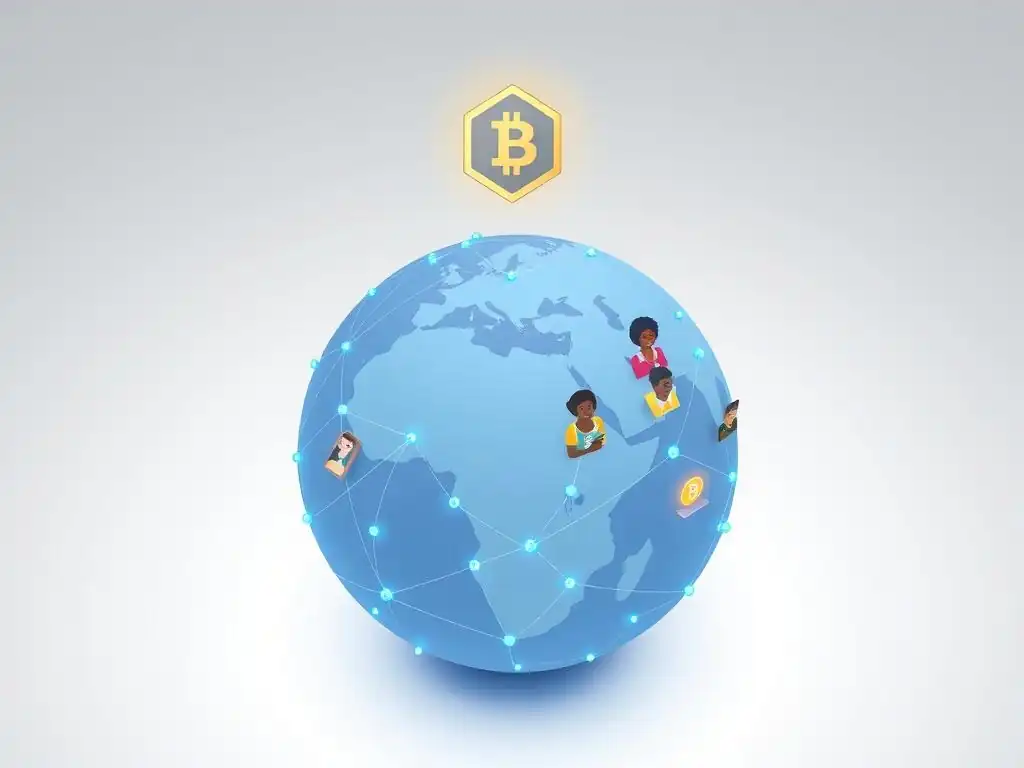
In today's market, consumers are increasingly concerned about the ethical implications of their purchases. They want assurance that the products they buy are not contributing to human rights abuses or environmental damage. Companies that can credibly demonstrate that their products are made with ethically sourced minerals gain a significant competitive advantage and build stronger relationships with their customers.
By implementing a Blockchain ethical supply chain tracking system, companies can provide consumers with transparent information about the origin of the minerals used in their products. While direct consumer access to the blockchain might vary, companies can leverage the verifiable data to make strong, evidence-backed claims about their ethical sourcing practices in their marketing and corporate social responsibility reporting. This transparency builds trust, enhances brand reputation, and can appeal to a growing segment of ethically-minded consumers.
Streamlined Auditing and Reporting Processes
The due diligence and reporting requirements for conflict minerals are extensive and often involve complex audits of supply chain records. Traditionally, this process can be cumbersome, time-consuming, and expensive, requiring auditors to manually verify documentation across multiple tiers of suppliers. The lack of a centralized, trustworthy source of data makes audits prone to delays and potential errors.
A blockchain-based system fundamentally transforms the auditing process. The immutable and transparent ledger provides auditors with direct access to a complete and verifiable history of mineral transactions. Auditors can efficiently trace the provenance of minerals, verify the authenticity of records, and quickly identify any discrepancies or red flags. This streamlines the entire auditing process, reducing costs, improving efficiency, and increasing the reliability of audit findings. Furthermore, generating reports required by regulators or industry standards becomes significantly easier when all the necessary, verified data is readily accessible on the blockchain, highlighting another key benefit of Blockchain ethical supply chain tracking.
Real-World Examples: Blockchain Projects for Conflict Mineral Transparency
Tracking Cobalt from Mine to Electric Vehicle Battery with Blockchain
Cobalt, though not one of the original 3T&G, has become a critical mineral for modern technology, especially in lithium-ion batteries used in electric vehicles (EVs) and consumer electronics. Much of the world's cobalt supply comes from the Democratic Republic of Congo, where artisanal mining is prevalent and often associated with child labor and unsafe conditions. Several initiatives have emerged to apply Blockchain ethical supply chain tracking to cobalt.
One notable example involves a consortium including major players like Ford, IBM, Huayou Cobalt (a large Chinese cobalt supplier), LG Chem (a battery manufacturer), and RCS Global (an auditing firm). They launched a pilot project using the Hyperledger Fabric blockchain platform to trace cobalt from artisanal mines in the DRC through the supply chain. The project focused on capturing data at the mine site, during transport, and at processing facilities, creating an immutable digital trail.
The goal was to demonstrate that cobalt sourced from specific, verified artisanal mines adhering to responsible practices could be tracked transparently, providing battery manufacturers and car companies with assurance about the ethical origin of the cobalt used in their products. While exact figures on the volume traced publicly vary, pilot projects have successfully tracked tons of cobalt, proving the technical feasibility of such Blockchain ethical supply chain tracking solutions.
Blockchain for Tracing Tungsten Used in Consumer Electronics
Tungsten, a key component in electronics, cutting tools, and aerospace applications, is also sourced from conflict-affected regions. Tracing tungsten from mine to finished product is complex, involving multiple processing steps like concentration, refining, and powder production before it's used in components. Efforts to improve Blockchain ethical supply chain tracking for tungsten have also gained traction.
Projects have focused on creating digital identities for tungsten ore concentrates at the mine level and tracking them through smelters and manufacturers. For instance, some initiatives have partnered with tungsten mines in Central Africa and processing facilities in other regions to pilot blockchain solutions. They record data points such as weight, mineral composition, mine location (verified against conflict-free lists), and transaction details at each handover.
This creates a verifiable history, allowing electronics manufacturers to confirm that the tungsten powder they use in their components originates from responsible sources. While widespread adoption is still developing, these pilot projects have successfully demonstrated the ability to track specific batches of tungsten concentrate, enhancing transparency in a previously opaque segment of the mineral supply chain and advancing Blockchain ethical supply chain tracking capabilities.
Challenges and Considerations for Blockchain Adoption in Conflict Minerals Tracking
Scalability and Interoperability of Blockchain Solutions
Implementing Blockchain ethical supply chain tracking for global conflict mineral flows presents significant technical challenges related to scalability and interoperability. The sheer volume of transactions involved in the global trade of minerals like tin, tantalum, tungsten, and gold is immense. A blockchain platform needs to be able to handle millions, potentially billions, of transactions annually without becoming prohibitively slow or expensive. Current blockchain technologies vary in their transaction throughput, and scaling solutions are still evolving. Ensuring the network can process data efficiently from numerous participants across the globe is crucial for widespread adoption.
Furthermore, for blockchain to be truly effective, different platforms and systems used by various companies or consortia need to be able to interact with each other (interoperability). A refiner might use one blockchain platform, while a manufacturer uses another. Standards and protocols are needed to allow seamless data exchange and verification across these different systems. Without robust scalability and interoperability, a blockchain solution for conflict minerals might remain limited to isolated pilot projects rather than achieving the industry-wide reach required for comprehensive Blockchain ethical supply chain tracking.
Data Privacy and Security Concerns
While blockchain is known for its security and transparency, implementing it for sensitive supply chain data raises specific privacy and security concerns. Companies may be hesitant to share detailed information about their suppliers, pricing, or logistics on a shared ledger, even if it's only accessible to authorized parties. Competitive interests and the need to protect proprietary business information are significant barriers. Designing blockchain solutions with appropriate privacy features, such as permissioned ledgers where access is restricted or using zero-knowledge proofs to verify data without revealing the underlying details, is essential.
Beyond privacy, ensuring the security of the data entered onto the blockchain at the source, particularly in remote or less secure locations, is critical. Data must be accurately captured and verified before being committed to the ledger. Protecting the digital identities and private keys of participants, especially small-scale miners or local traders, from theft or misuse is also a significant security consideration. Robust identity management and security protocols are necessary to build trust in the Blockchain ethical supply chain tracking system.
Cost of Implementation and Maintenance
Implementing a comprehensive Blockchain ethical supply chain tracking system for conflict minerals involves substantial costs. These costs include the initial investment in technology development or platform licensing, integrating the system with existing enterprise resource planning (ERP) or supply chain management systems, and the ongoing costs of operating and maintaining the blockchain network. Infrastructure costs, transaction fees (depending on the blockchain type), and the cost of data storage over time can accumulate.
Furthermore, there are significant costs associated with onboarding and training participants across the entire supply chain, particularly those in remote or less technologically advanced areas. Providing necessary hardware (e.g., smartphones, scanners) and ensuring reliable connectivity can be expensive. For small-scale miners or aggregators operating on thin margins, the perceived cost and complexity of adopting a new technology might be a barrier to participation. Demonstrating a clear return on investment and potential benefits for all parties is crucial for driving adoption of Blockchain ethical supply chain tracking.
Collaboration and Standardization Across the Industry
Achieving truly effective Blockchain ethical supply chain tracking for conflict minerals requires widespread collaboration and standardization across the entire industry. No single company or even a small group of companies can track minerals from mine to product in isolation. Miners, traders, smelters, refiners, component manufacturers, and OEMs must all agree on common standards for data collection, verification, and recording on the blockchain. Without standardized data formats, unique identifiers for mineral batches, and agreed-upon protocols for documenting transfers, interoperability between different parts of the supply chain or different blockchain initiatives will be difficult.
Establishing these standards requires significant coordination and agreement among competitors and diverse stakeholders with potentially conflicting interests. Industry consortia, multi-stakeholder initiatives (involving companies, NGOs, and governments), and regulatory bodies play a crucial role in driving this collaboration and developing the necessary standards and governance frameworks for Blockchain ethical supply chain tracking to become a widespread reality.
The Need for Regulatory Support and Industry-Wide Adoption
While regulations like Dodd-Frank and the EU Regulation provide a mandate for due diligence, explicit regulatory support and guidance for using blockchain technology in conflict minerals tracking could significantly accelerate adoption. Clarity from regulatory bodies on how blockchain-based records can be used to demonstrate compliance would provide companies with confidence in investing in these solutions. Regulatory endorsement could also encourage hesitant industry participants to adopt the technology.
Ultimately, the success of Blockchain ethical supply chain tracking for conflict minerals depends on achieving industry-wide adoption. If only a few companies or segments of the supply chain use blockchain, the system will have gaps, and it will remain possible for conflict minerals to enter the legitimate supply chain through untracked routes. Widespread implementation, perhaps driven by major industry players or regulatory mandates, is necessary to create a truly transparent and conflict-free mineral market.
The Future of Ethical Sourcing: Blockchain's Role in Promoting Responsible Mineral Supply Chains
Emerging Technologies and Trends in Blockchain for Supply Chain
The field of Blockchain ethical supply chain tracking is constantly evolving, with emerging technologies and trends enhancing its capabilities. The integration of Internet of Things (IoT) devices, such as sensors at mine sites or along transport routes, can automate the collection of verifiable data like location, weight, and environmental conditions, feeding this information directly onto the blockchain and reducing reliance on manual data entry which can be prone to error or manipulation.
Artificial intelligence (AI) is also being explored to analyze the vast amounts of data recorded on the blockchain, identifying patterns or anomalies that might indicate potential risks, fraud, or deviations from ethical sourcing standards.
Furthermore, advancements in blockchain technology itself, such as more scalable consensus mechanisms, improved privacy features (like zero-knowledge proofs), and increased interoperability solutions, are addressing some of the current limitations. The development of industry-specific blockchain platforms tailored for supply chain use cases is also making implementation more accessible and cost-effective for companies looking to improve their Blockchain ethical supply chain tracking capabilities.
The Potential for Blockchain to Transform the Mineral Industry
Blockchain technology has the potential to fundamentally transform the global mineral industry by creating a new paradigm of transparency and accountability. By providing an immutable, shared record of mineral provenance, it can move the industry away from reliance on paper trails and fragmented databases towards a single source of truth accessible to all authorized stakeholders. This increased visibility can help root out illicit practices, verify ethical sourcing claims, and build trust among consumers, companies, and regulatory bodies.
Beyond conflict minerals, the principles of Blockchain ethical supply chain tracking can be applied to other critical minerals and raw materials with environmental or social risks, such as rare earth elements, diamonds, or even agricultural products like coffee or cocoa. The technology provides a framework for verifying sustainability claims, fair labor practices, and environmental compliance across complex global networks, setting a new standard for responsible sourcing throughout the mineral and raw material sectors.
Building a More Sustainable and Ethical Future for Conflict Minerals Sourcing
Ultimately, the adoption of Blockchain ethical supply chain tracking is a critical step towards building a more sustainable and ethical future for conflict minerals sourcing. By making supply chains transparent and accountable, it empowers companies to make informed sourcing decisions, helps regulators enforce compliance effectively, and allows consumers to choose products that align with their values. While challenges remain, the ongoing development of the technology, coupled with increasing industry collaboration and regulatory focus, points towards a future where the trade in minerals is no longer associated with conflict and human rights abuses.
The vision is a mineral supply chain where every participant, from the artisanal miner to the multinational corporation, operates under a shared understanding of transparency and responsibility, underpinned by verifiable data on the blockchain. Achieving this requires continued investment, collaborative effort, and a commitment from all stakeholders to leverage technology for positive social impact, ensuring that the minerals essential for modern life are sourced in a way that benefits communities rather than funding conflict, solidifying the role of Blockchain ethical supply chain tracking in achieving this goal.
Conclusion: Blockchain as a Catalyst for Ethical and Responsible Mineral Supply Chains
Frequently Asked Questions
What are conflict minerals, and why is their sourcing a concern?
Conflict minerals are natural resources extracted in conflict zones and used to finance armed groups. Their sourcing is a concern due to the human rights abuses and environmental degradation associated with their extraction and trade, particularly in regions like the Democratic Republic of Congo.
How can blockchain technology improve the tracking of conflict minerals?
Blockchain provides a transparent and immutable record of a mineral's journey from origin to end product. This allows for increased traceability and verification of ethical sourcing claims, making it harder for conflict minerals to enter the supply chain.
What are the key benefits of using blockchain for ethical supply chain tracking?
The benefits include enhanced transparency, improved accountability, and reduced risk of fraud. Blockchain also facilitates better collaboration among stakeholders and strengthens consumer trust in product sourcing.
What are some of the challenges in implementing blockchain for conflict mineral tracking?
Challenges include the lack of standardized data, the need for collaboration across industries, and the difficulty of verifying information at the point of origin, particularly in conflict-affected areas.
What is the future outlook for blockchain-based solutions in promoting responsible sourcing?
The future looks promising, with increasing adoption of blockchain solutions leading to more ethical and sustainable supply chains. Further development of interoperable systems and regulatory frameworks will be crucial for widespread implementation and impact.
Final Reflection: Empowering Ethical Sourcing Through Transparency
The journey of conflict minerals from mine to market is fraught with ethical complexities, and the promise of blockchain ethical supply chain tracking offers a powerful solution to a deeply entrenched problem. The ability to create an immutable and transparent record of a mineral's origin and journey is not just a technological advancement; it's a crucial step towards ensuring that our consumption doesn't fuel conflict and exploitation.
This technology's influence extends far beyond the immediate supply chain. It represents a shift towards greater corporate accountability and consumer empowerment, allowing us to make informed choices that align with our values. The only thing necessary for the triumph of evil is for good men to do nothing.
This quote, often attributed to Edmund Burke, underscores the urgency of adopting solutions like blockchain to actively combat unethical practices in global supply chains.
As we move forward, let us all consider the power we hold as consumers and as citizens. Embrace the potential of blockchain to create a more just and equitable world. Ask questions about the origins of the products you buy, support companies committed to ethical sourcing, and demand greater transparency from the industries that shape our world. The future of ethical supply chains depends on our collective action.
Okay, I'm ready to craft a Call to Action (CTA) for the end of a web article titled "Conflict Minerals Tracking with Blockchain: Promoting Ethical and Responsible Sourcing" for Blockchain Trends (blockchaintrends.org). Here's my attempt:
Champion Ethical Sourcing: Take Action Now!
Thank you for exploring how blockchain technology can revolutionize ethical mineral sourcing. We hope you've gained a deeper understanding of its potential to create a more transparent and responsible industry. Now, let's put that knowledge into action.
Here's how you can make a difference:
- Demand Transparency: Research companies you support and inquire about their conflict mineral sourcing policies. Urge them to adopt blockchain-based tracking for greater accountability. (Primary Action)
- Dig Deeper: Explore the websites of organizations dedicated to ethical mining practices and blockchain implementation in supply chains.
- Amplify the Message: Share this article with your network and start conversations about the importance of responsible mineral sourcing.
What specific steps will you take today to support companies committed to ethical blockchain-verified mineral sourcing? Let us know in the comments below!
Leave a Reply