
The Cost of Implementing Blockchain for Supply Chain Tracking: Budgeting and Resource Allocation


Welcome to Blockchain Trends, your guide to understanding the real-world impact of blockchain technology.
Ready to unravel the complexities of blockchain supply chain budgeting costs? Many businesses are eager to leverage blockchain for enhanced transparency and efficiency. But what does it really cost to implement? Discover the critical factors influencing resource allocation and budgeting decisions in our in-depth analysis, and gain valuable insights into making your blockchain supply chain dreams a reality. Let's dive in!
The Cost of Implementing Blockchain for Supply Chain Tracking: Budgeting and Resource Allocation
- Understanding the Financial Implications of Blockchain in Supply Chain Management
- Breaking Down Blockchain Supply Chain Budgeting Costs
- Resource Allocation Strategies for Blockchain Supply Chain Implementation
- Cost-Benefit Analysis: Justifying Blockchain Investment in Supply Chain
- Mitigating Potential Cost Overruns in Blockchain Supply Chain Projects
- Case Studies: Real-World Examples of Blockchain Supply Chain Budgeting
- Future Trends in Blockchain Supply Chain Cost Optimization
-
Frequently Asked Questions
- What are the primary cost factors to consider when budgeting for blockchain implementation in supply chain tracking?
- How can businesses accurately estimate the initial investment needed for blockchain supply chain adoption?
- What are the potential long-term cost savings associated with using blockchain for supply chain management?
- How does the choice of blockchain platform (public, private, or consortium) affect the overall budgeting costs?
- What are the key resource allocation considerations when planning a blockchain supply chain project?
- Final Reflection: Navigating the Blockchain Supply Chain Budget
- Unlock Supply Chain Efficiency: Take Control of Your Blockchain Budget!
Understanding the Financial Implications of Blockchain in Supply Chain Management
Why Blockchain Adoption Requires Careful Budgeting in Supply Chain Tracking
Implementing blockchain technology for supply chain tracking represents a significant technological shift, moving away from traditional, often siloed, systems towards a distributed, transparent, and immutable ledger. This transition involves more than just software installation; it requires a fundamental rethinking of data flow, inter-organizational trust, and operational processes. Consequently, the financial implications extend beyond simple software licenses, encompassing infrastructure, development, integration, and ongoing maintenance.
Without meticulous blockchain supply chain budgeting, organizations risk significant cost overruns, delayed deployment, or failure to achieve the desired return on investment. For instance, a large-scale deployment across numerous suppliers and distributors might involve setting up nodes, integrating with diverse ERP systems, and developing complex smart contracts, each adding substantial line items to the budget.
The complexity arises from the need to connect disparate systems and stakeholders across the supply chain. Unlike internal IT projects, blockchain often requires consensus mechanisms and data sharing agreements among multiple parties, each potentially incurring costs for participation and infrastructure.
A study by Deloitte highlighted that while initial pilots might seem affordable, scaling blockchain solutions often reveals hidden costs related to governance, data migration, and ensuring interoperability with legacy systems. For a global retailer tracking produce, the cost of onboarding hundreds of farms and distribution centers onto a blockchain platform, ensuring data quality, and providing necessary training can easily escalate, necessitating a detailed and forward-looking blockchain supply chain budgeting plan from the outset.
Key Cost Drivers in Blockchain-Based Supply Chain Solutions
Several factors primarily drive the costs associated with blockchain supply chain implementation. The choice of blockchain platform (e.g., Hyperledger Fabric, Ethereum, Corda) significantly impacts licensing fees, development complexity, and transaction costs. Private or permissioned blockchains often involve substantial setup and consortium participation fees, while public blockchains may incur variable transaction costs (gas fees) depending on network congestion and complexity of operations. Furthermore, the degree of customization required plays a crucial role; off-the-shelf solutions might be cheaper initially but may not fit specific supply chain needs, while custom development of smart contracts and integration layers is expensive but tailored.
Another major cost driver is the integration effort required to connect the blockchain network with existing enterprise systems like ERP, WMS, and IoT devices. This often involves building APIs and middleware, which requires specialized technical expertise and considerable development time.
Data migration from legacy databases to the blockchain or associated off-chain storage solutions also adds to the expense, particularly for supply chains with vast historical data. Finally, ensuring security through rigorous smart contract auditing and network penetration testing is a non-negotiable cost, essential for protecting sensitive supply chain data and preventing vulnerabilities that could lead to significant financial or reputational damage.
Breaking Down Blockchain Supply Chain Budgeting Costs
Initial Investment: Setting Up Your Blockchain Infrastructure
Blockchain Platform Selection and Licensing Costs
The first major component of blockchain supply chain budgeting is selecting the appropriate blockchain platform. Permissioned enterprise blockchains like Hyperledger Fabric or R3 Corda are popular for supply chain use cases due to their privacy features and scalability. These platforms often involve licensing fees, which can vary based on the number of nodes, transactions, or participating organizations. For a large enterprise, annual licensing fees could range from tens of thousands to several hundred thousand dollars, depending on the vendor and the scale of deployment. Some consortia-based platforms might require membership fees in addition to platform usage costs.
Alternatively, organizations might consider public blockchain platforms like Ethereum (often using private or consortium implementations like Quorum or Polygon) or newer options like Solana or Avalanche for certain use cases, although privacy and regulatory compliance need careful consideration. While the base protocol is open source, implementing an enterprise solution on these platforms still incurs costs for development, hosting, and potentially utilizing commercial layer-2 scaling solutions or enterprise-grade nodes offered by service providers. The choice between open-source, proprietary, or consortium models directly impacts the initial blockchain supply chain budgeting allocation for platform access and usage rights.
Hardware and Software Requirements for Blockchain Nodes
Running a blockchain network, even a permissioned one, requires dedicated hardware and software infrastructure for nodes. The specifications of these nodes depend on the blockchain platform chosen, the transaction volume, and the computational requirements of the consensus mechanism. For a participant running a validating node in a supply chain consortium, this could mean investing in servers with significant processing power, memory, and storage – potentially costing several thousand dollars per node annually, including hosting or colocation expenses. The total hardware cost scales with the number of nodes the organization chooses or is required to operate.
Beyond the physical or virtual hardware, specific software is needed to run the blockchain client, manage data, and interact with the network. This includes the blockchain software itself, database systems (both on-chain and potentially off-chain for larger datasets), and operating system licenses. Furthermore, robust security software, including firewalls, intrusion detection systems, and monitoring tools, is essential to protect the nodes and the sensitive supply chain data they handle. These software requirements add to the initial setup costs and contribute to the ongoing blockchain supply chain budgeting for IT infrastructure.
Smart Contract Development and Auditing Expenses
Smart contracts are automated agreements that execute on the blockchain, forming the backbone of many supply chain automation processes, such as automated payments upon delivery confirmation or triggering insurance claims based on sensor data. Developing these smart contracts requires specialized blockchain developers proficient in languages like Solidity (for Ethereum-based platforms), Go (for Hyperledger Fabric chaincode), or Kotlin/Java (for Corda CorDapps).
The complexity of the supply chain process being automated directly impacts the development cost; a simple tracking contract is significantly less expensive than a complex multi-party payment and escrow system. Development costs for a suite of supply chain smart contracts can easily range from $50,000 to $500,000 or more, depending on the scope and developer rates.
Crucially, smart contracts contain financial and operational logic, making them prime targets for security vulnerabilities. Rigorous auditing by independent third parties is paramount to identify and rectify potential bugs or exploits before deployment. A comprehensive smart contract audit can cost anywhere from $10,000 to over $100,000 per contract or suite of contracts, depending on their complexity and the auditor's reputation. Skipping this step to save on blockchain supply chain budgeting exposes the organization to unacceptable risks.
Ongoing Operational Expenses for Blockchain Supply Chain Tracking
Blockchain Transaction Fees and Network Costs
Once the blockchain network is operational, organizations incur ongoing costs related to processing transactions. On public blockchains, these are typically "gas fees" or network transaction fees paid to validators or miners for processing transactions. These fees can fluctuate significantly based on network activity and the complexity of the transaction (e.g., deploying a smart contract vs. a simple token transfer). While enterprise supply chain solutions often use permissioned networks to avoid volatile public network fees, these networks still have operational costs.
Permissioned networks might not have public gas fees, but they have operational costs for the validating nodes, which are shared among consortium members or borne by the network operator. These costs include electricity, hardware maintenance, and network bandwidth. Some permissioned platforms might also charge based on transaction volume or data storage, contributing to the recurring blockchain supply chain budgeting. Effectively managing these ongoing network costs is vital for the long-term economic viability of the blockchain solution.
Data Storage and Management Costs on the Blockchain
Storing data directly on the blockchain, especially large volumes of supply chain data, can be prohibitively expensive and inefficient due to the immutable nature and distributed storage model. While core transactional data and hashes are stored on-chain, bulkier information like documents, images, or extensive sensor logs are typically stored off-chain in traditional databases or decentralized storage solutions (like IPFS) and linked to the blockchain via hashes. This hybrid approach helps manage storage costs but introduces complexity.
Costs for data storage include traditional database hosting and maintenance for off-chain data, as well as potential fees for decentralized storage services. Managing the linkage between on-chain and off-chain data requires ongoing development and maintenance effort. Ensuring data privacy and compliance with regulations like GDPR also adds layers of complexity and potential cost, particularly when dealing with personal data within the supply chain. These data management considerations are a significant, often underestimated, part of blockchain supply chain budgeting.
System Maintenance and Updates: Ensuring Long-Term Blockchain Functionality
Like any complex IT system, a blockchain-based supply chain solution requires regular maintenance, monitoring, and updates. This includes patching software vulnerabilities, monitoring network performance, managing user access and permissions, and backing up off-chain data. Maintenance tasks require skilled personnel, either in-house or external, contributing to operational expenses.
Furthermore, blockchain technology is rapidly evolving. Periodically, the blockchain platform software, smart contracts, or integration layers may need significant updates to incorporate new features, improve performance, or address security risks. These updates can sometimes be complex, requiring coordination across multiple network participants and potentially incurring significant development and testing costs. Allocating a dedicated budget for ongoing system maintenance and future updates is crucial for the sustainability and long-term effectiveness of the blockchain supply chain tracking system.
Resource Allocation Strategies for Blockchain Supply Chain Implementation
Identifying Key Personnel and Skillsets for Blockchain Projects
Successful blockchain implementation in the supply chain hinges on having the right team with a diverse set of skills. This team typically requires individuals with expertise in blockchain technology (architecture, development, security), supply chain operations, IT infrastructure, data management, and legal/compliance. Identifying the specific roles needed – such as blockchain architects, smart contract developers, supply chain analysts, integration specialists, and project managers – is the first step in allocating personnel resources effectively within the blockchain supply chain budgeting framework.
Organizations need to assess whether they have these skillsets internally or if they need to hire new personnel or engage external consultants. Given the relative novelty of enterprise blockchain, finding experienced professionals can be challenging and costly. Therefore, a strategic decision must be made regarding hiring, training existing staff, or outsourcing specific tasks, each with different cost implications.
Hiring or Training Blockchain Developers and Specialists
The demand for skilled blockchain developers and specialists significantly outstrips supply, leading to high salaries and consulting rates. Hiring experienced blockchain developers can cost upwards of $100,000 - $200,000+ annually, depending on location and expertise. For specific roles like blockchain architects or security auditors, these figures can be even higher. This is a substantial line item in blockchain supply chain budgeting for personnel.
Alternatively, organizations can invest in training their existing IT staff in blockchain technologies. While training costs (courses, certifications, time away from regular duties) are incurred upfront, this can be a more cost-effective long-term strategy and helps build internal capability. A typical comprehensive blockchain development course might cost a few thousand dollars per employee, plus the opportunity cost of their time. The decision between hiring and training depends on the project timeline, budget constraints, and long-term strategic goals for blockchain adoption.
Integrating Blockchain with Existing Supply Chain Teams
Integrating the blockchain project team with existing supply chain operations, IT, and business teams is critical for success. This integration ensures that the blockchain solution meets the actual needs of the supply chain and that the operational teams are prepared to use and manage the new system. Resource allocation must account for the time and effort required for cross-functional collaboration, workshops, and change management activities.
Supply chain professionals need to be involved in defining requirements, testing the system, and adapting their processes. IT teams must collaborate on integration points, infrastructure management, and security protocols. Business stakeholders need to understand the value proposition and operational changes. Allocating sufficient time and resources for this collaborative effort, including training for end-users, is essential to avoid resistance to adoption and ensure the blockchain solution delivers its intended benefits within the projected blockchain supply chain budgeting.
Optimizing Resource Allocation for Maximum ROI
Prioritizing Blockchain Use Cases within the Supply Chain
Given the potentially high costs of full-scale blockchain implementation, organizations should prioritize use cases that offer the highest potential return on investment (ROI) and address the most pressing pain points in their supply chain. Starting with a pilot project focused on a specific, high-value area – such as tracking high-value goods prone to counterfeiting or improving the efficiency of international trade finance documentation – allows organizations to gain experience, validate the technology, and demonstrate value before committing to a broader rollout. This phased approach helps manage blockchain supply chain budgeting and resources effectively.
Prioritization should be based on factors like the potential for cost savings (e.g., reduced manual processes, lower dispute resolution costs), revenue enhancement (e.g., enabling new business models based on transparency), risk reduction (e.g., improved food safety traceability, reduced fraud), and competitive advantage. Focusing resources on these high-impact areas maximizes the chances of achieving a positive ROI and securing further investment for future phases.
Scalable Blockchain Solutions: Planning for Future Growth
Designing and implementing a blockchain solution with scalability in mind from the outset is crucial for long-term cost-effectiveness. While starting with a pilot, the underlying architecture should be capable of handling increasing transaction volumes, onboarding more participants, and integrating additional data sources as the supply chain grows and the blockchain network expands. Choosing a scalable platform and designing flexible smart contracts and integration layers avoids the need for costly re-architecture down the line.
Scalability considerations impact the choice of infrastructure (e.g., cloud vs. on-premise, type of database), the consensus mechanism, and the data model. Investing in a robust, scalable foundation upfront, even if it slightly increases initial blockchain supply chain budgeting, is generally more cost-effective than having to overhaul a non-scalable system later. Planning for future growth ensures that the blockchain solution remains viable and cost-effective as the supply chain evolves.
Cost-Benefit Analysis: Justifying Blockchain Investment in Supply Chain
Quantifying the Benefits of Blockchain in Supply Chain Tracking
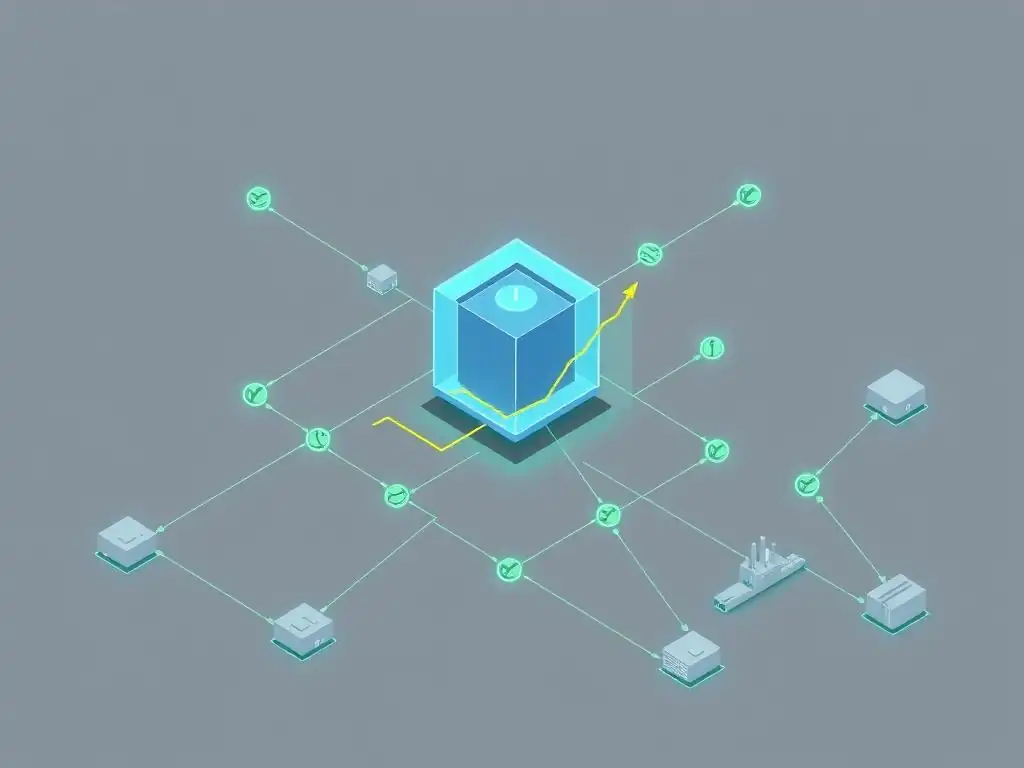
Justifying the significant costs associated with blockchain supply chain budgeting requires a clear quantification of the expected benefits. These benefits can be both tangible (cost savings, revenue increase) and intangible (improved trust, enhanced brand reputation), though efforts should be made to assign monetary values where possible. For example, improved traceability can lead to faster recalls, potentially saving millions in logistics and reputation damage.
Specific benefits to quantify include:
- Reduced administrative costs through automation of processes via smart contracts.
- Lower costs associated with fraud, counterfeiting, and disputes due to enhanced transparency and immutability.
- Faster transaction settlements and reduced financing costs due to streamlined trade finance processes.
- Improved inventory management and reduced waste through better visibility.
- New revenue streams enabled by tokenization or data monetization.
Quantifying these benefits requires baseline data from current operations to compare against projected improvements with the blockchain solution.
Reduced Counterfeiting and Improved Product Authenticity
Counterfeiting costs industries billions of dollars annually, impacting revenue, brand reputation, and consumer safety. Blockchain can significantly mitigate this by creating a secure, immutable record of a product's journey from origin to consumer. Each step, including manufacturing, packaging, shipping, and distribution, can be recorded on the blockchain, creating a verifiable digital passport for the product. Consumers or supply chain partners can scan a QR code linked to the blockchain record to verify authenticity.
For instance, luxury goods or pharmaceuticals are particularly susceptible to counterfeiting. A blockchain implementation could reduce losses from counterfeit sales by a percentage point, directly translating to significant cost savings or revenue protection. While precise figures are hard to guarantee, companies can estimate potential savings based on current losses due to counterfeiting (e.g., if 5% of sales are lost to counterfeits, reducing this by half through blockchain could save 2.5% of total revenue). This potential cost saving is a key argument for justifying blockchain supply chain budgeting.
Enhanced Supply Chain Transparency and Traceability
Improved transparency and traceability are often cited as primary benefits of blockchain in supply chain. This means having an auditable, tamper-proof record of every transaction and movement of goods. In industries like food and beverage, this allows for rapid identification of the source of contamination during a recall, drastically reducing the time and scope of the recall. Walmart's pilot with IBM Food Trust demonstrated tracing mangoes from farm to store in seconds, compared to days or weeks with traditional methods. This speed translates directly into reduced costs associated with extended recalls, less product waste, and minimized legal liabilities.
Beyond recalls, enhanced transparency improves trust among supply chain partners, reduces disputes over shipments or quality, and provides consumers with information about product origin and sustainability. Quantifying this involves estimating the cost savings from fewer disputes, faster issue resolution, and potentially increased consumer loyalty or willingness to pay a premium for verified products. These operational efficiencies and market advantages contribute significantly to the ROI calculation used to justify blockchain supply chain budgeting.
Streamlined Processes and Reduced Operational Costs
Blockchain and smart contracts can automate many manual, paper-based processes in the supply chain, such as purchase order financing, customs documentation, and payment settlements. By automatically executing actions based on predefined conditions (e.g., releasing payment upon confirmation of goods received via IoT sensor data), smart contracts reduce the need for manual verification, data entry, and reconciliation. This streamlining leads to significant reductions in administrative overhead and processing times.
For example, automating trade finance processes on a blockchain platform can reduce the time it takes to process letters of credit from days to hours, freeing up working capital and reducing associated fees. Maersk and IBM's TradeLens (though now discontinued, the example illustrates the potential) aimed to reduce the bureaucratic costs and delays in global shipping documentation. Quantifying this benefit involves calculating the labor hours saved, reduced errors, and faster cycle times, which directly impact the operational costs part of blockchain supply chain budgeting.
Comparing Blockchain Costs to Traditional Supply Chain Solutions
A crucial part of the cost-benefit analysis is comparing the total cost of ownership (TCO) of a blockchain-based solution against the TCO of existing traditional systems or alternative solutions (e.g., centralized databases, EDI). While the initial investment for blockchain might be higher, the long-term operational costs and the value generated by the benefits mentioned above can make the blockchain solution more cost-effective over its lifespan.
Traditional systems often involve significant costs for manual data entry, reconciliation, audits, dispute resolution, and managing intermediaries. They also may lack the transparency and immutability benefits that blockchain offers, leading to hidden costs from fraud or inefficiencies. By conducting a thorough TCO analysis that includes both direct costs (software, hardware, labor) and indirect costs (inefficiencies, fraud, delays) for both the current state and the proposed blockchain state, organizations can build a compelling business case to support their blockchain supply chain budgeting request.
Mitigating Potential Cost Overruns in Blockchain Supply Chain Projects
Risk Assessment and Contingency Planning for Blockchain Deployment
Blockchain projects, especially large-scale enterprise implementations, are not without risks that can lead to cost overruns. These risks include technical challenges (integration complexity, platform instability), operational risks (data quality issues, lack of user adoption), and external risks (regulatory changes, consortium disagreements). Conducting a thorough risk assessment early in the planning phase is essential to identify potential pitfalls and develop mitigation strategies.
Contingency planning involves allocating additional budget and resources to address unforeseen issues. A common practice is to add a contingency buffer, typically 10-20% of the estimated project cost, to the blockchain supply chain budgeting. This buffer provides flexibility to handle unexpected development challenges, integration hurdles, or changes in scope without derailing the project or exceeding the overall budget significantly. Regularly reviewing and updating the risk assessment and contingency plan throughout the project lifecycle is crucial.
Agile Development and Iterative Implementation Strategies
Adopting an agile development methodology and an iterative implementation approach can help manage costs and mitigate risks in blockchain projects. Instead of attempting a "big bang" deployment, breaking down the project into smaller, manageable sprints allows for continuous testing, feedback, and adjustments. This approach helps identify issues early when they are cheaper to fix and ensures that the development stays aligned with business needs.
Iterative implementation, starting with a pilot or a specific use case with a limited number of participants, allows organizations to learn valuable lessons and refine the solution before scaling up. This reduces the risk of investing heavily in a solution that doesn't meet requirements or faces unforeseen technical challenges at scale. By demonstrating value incrementally and adjusting the plan based on real-world feedback, organizations can maintain better control over blockchain supply chain budgeting and resource allocation.
Monitoring and Controlling Blockchain Project Costs
Effective project management and rigorous cost control are essential throughout the blockchain implementation lifecycle. This involves establishing clear budget baselines for each phase and cost category (development, infrastructure, personnel, etc.) and tracking actual expenditures against these baselines regularly. Using project management tools to monitor progress, resource utilization, and spending helps identify potential cost deviations early.
Implementing a formal change management process is also critical. Any proposed changes to the project scope, features, or timeline must be evaluated for their impact on costs and approved by relevant stakeholders. Avoiding scope creep is paramount to staying within the allocated blockchain supply chain budgeting. Regular reporting to stakeholders on project status, budget performance, and risk updates ensures transparency and facilitates timely decision-making to keep the project on track financially.
Case Studies: Real-World Examples of Blockchain Supply Chain Budgeting
Analyzing Successful Blockchain Implementations and Their Budgets
While precise budget figures for private enterprise blockchain deployments are rarely made public, analyzing successful implementations provides insights into the scale of investment required. For example, the initial investment in IBM Food Trust, used by companies like Walmart and Nestlé for food traceability, involved significant resources from IBM in platform development and substantial investment from participating companies for integration, data onboarding, and operational changes.
While specific numbers aren't disclosed, reports suggest initial integrations for large partners could run into six figures. The success lies in the demonstrated value, like faster recalls and improved trust, which justifies the blockchain supply chain budgeting.
Another example is the diamond industry's Everledger, which tracks high-value assets. Their platform requires investment in secure data capture points (like laser inscription), platform development, and ongoing data management. The value proposition (reducing fraud, providing provenance) supports the operational costs. While budget specifics remain confidential, such projects highlight that successful blockchain supply chain budgeting involves significant upfront investment in technology and integration, followed by ongoing operational costs, justified by clear, quantifiable benefits in reducing risk and increasing efficiency.
Lessons Learned from Blockchain Supply Chain Projects with Cost Challenges
Some early large-scale blockchain initiatives faced significant cost challenges or failed to achieve anticipated ROI, offering valuable lessons for future blockchain supply chain budgeting. The Maersk/IBM TradeLens platform, despite its ambition to digitize global shipping, struggled with consortium adoption and achieving critical mass, leading to its eventual shutdown. While technical costs were high, the primary challenge was aligning the incentives and investments of numerous competing entities, highlighting the significant non-technical costs associated with building and governing a multi-party blockchain network.
Another lesson comes from pilots that remained pilots, failing to scale beyond initial tests. This often happens when the initial blockchain supply chain budgeting only covers a limited proof-of-concept, without sufficient planning or resources allocated for the complex integration and change management required for a full rollout. The cost of scaling, including onboarding numerous partners and integrating diverse legacy systems, was often underestimated. These cases underscore the need for realistic blockchain supply chain budgeting that accounts for the full lifecycle, including potential governance overheads and the complexities of multi-party adoption.
Future Trends in Blockchain Supply Chain Cost Optimization
The Role of Blockchain-as-a-Service (BaaS) in Reducing Costs
Blockchain-as-a-Service (BaaS) offerings from major cloud providers like AWS (Amazon Managed Blockchain), Microsoft Azure (Azure Blockchain Service, now retired but replaced by other services), and IBM (IBM Blockchain Platform) are playing a significant role in reducing the initial infrastructure costs for organizations implementing blockchain supply chain solutions. BaaS platforms provide managed blockchain networks, abstracting away the complexity and cost of setting up and maintaining physical or virtual nodes.
Instead of investing heavily in hardware and specialized IT staff for network maintenance, companies can subscribe to a BaaS offering, paying based on usage, number of nodes, or transactions. This shifts a significant portion of the initial capital expenditure to operational expenditure, making blockchain more accessible, especially for SMEs. While BaaS still incurs costs, it streamlines deployment and reduces the technical burden, helping organizations manage their blockchain supply chain budgeting more effectively, focusing resources on application development and integration rather than infrastructure management.
Exploring Emerging Blockchain Technologies and Their Cost Implications
The blockchain landscape is constantly evolving, with new protocols and technologies emerging that promise improved scalability, efficiency, and potentially lower costs. Layer-2 scaling solutions for public blockchains, such as Lightning Network or Polygon, aim to reduce transaction fees and increase throughput, which could impact the viability and cost-effectiveness of using public or hybrid chains for certain supply chain use cases. Newer blockchain architectures, like directed acyclic graphs (DAGs) or sharding techniques, also offer potential for higher transaction volumes at lower costs.
Furthermore, advancements in zero-knowledge proofs and other privacy-enhancing technologies could allow sensitive supply chain data to be verified on the blockchain without revealing the underlying information. While implementing these advanced technologies might require specialized expertise and potentially higher initial development costs, they could unlock new, more cost-effective ways to share data securely among supply chain partners, ultimately optimizing the long-term blockchain supply chain budgeting by enabling more efficient and private data exchange.
The Impact of Regulation and Standards on Blockchain Supply Chain Costs
The evolving regulatory landscape and the development of industry standards will significantly impact the cost of implementing blockchain for supply chain tracking. As governments and industry bodies establish clearer guidelines for data privacy, security, interoperability, and the legal status of smart contracts, organizations will need to ensure their blockchain solutions are compliant. Meeting these regulatory requirements will likely involve additional costs for legal review, compliance audits, and potentially adapting the technical architecture.
However, the development of common standards for data formats, APIs, and interoperability protocols could also lead to cost reductions in the long run. Standardized approaches would reduce the complexity and cost of integrating different systems and onboarding new partners onto the blockchain network. As the technology matures and regulatory clarity increases, the associated risks and uncertainties decrease, potentially leading to more predictable blockchain supply chain budgeting and a lower cost of capital for blockchain projects.
Frequently Asked Questions
What are the primary cost factors to consider when budgeting for blockchain implementation in supply chain tracking?
The main cost drivers include infrastructure setup, software development or purchase, and ongoing maintenance. Training personnel on the new system also contributes significantly to the overall budget.
How can businesses accurately estimate the initial investment needed for blockchain supply chain adoption?
Start by assessing your current supply chain processes and identifying specific pain points. Then, research blockchain solutions tailored to your needs and request detailed quotes from vendors.
What are the potential long-term cost savings associated with using blockchain for supply chain management?
Blockchain can reduce costs by improving supply chain transparency, minimizing fraud, and streamlining processes. This leads to reduced administrative overhead and faster dispute resolution.
How does the choice of blockchain platform (public, private, or consortium) affect the overall budgeting costs?
Public blockchains generally have lower initial costs but can incur higher transaction fees. Private or consortium blockchains require more upfront investment but offer greater control and scalability.
What are the key resource allocation considerations when planning a blockchain supply chain project?
Allocate resources to software development, data integration, and security. Ensure you have skilled personnel to manage and maintain the blockchain network effectively.
The complexities outlined in this article regarding blockchain implementation for supply chain tracking underscore a crucial reality: the true cost extends far beyond initial software purchases. Understanding and meticulously budgeting for these multifaceted expenses, from infrastructure and talent acquisition to ongoing maintenance and security, is paramount for any organization seeking to leverage blockchain's transformative potential. Ignoring these considerations risks not only financial overruns but also the failure of the entire project.
The impact of blockchain on supply chain transparency and efficiency is undeniable, yet its successful integration hinges on a pragmatic and informed approach to budgeting. My own research into this area has revealed a consistent pattern: organizations that prioritize comprehensive cost analysis and resource allocation are significantly more likely to realize the promised benefits of blockchain. The bitterness of poor quality remains long after the sweetness of low price is forgotten.
- Benjamin Franklin. This quote serves as a stark reminder that cutting corners on blockchain implementation, particularly in areas like security and training, can have devastating long-term consequences.
Now, as you consider the potential of blockchain to revolutionize your supply chain, I urge you to reflect on the insights presented here. Don't be swayed by the hype; instead, embrace a data-driven approach to budgeting and resource allocation. Ask yourself: Have I truly accounted for all the hidden costs? Am I prepared to invest in the necessary expertise and infrastructure? By answering these questions honestly and proactively, you can pave the way for a successful and sustainable blockchain implementation that delivers tangible value to your organization and the wider world.
Unlock Supply Chain Efficiency: Take Control of Your Blockchain Budget!
Thank you for exploring the costs associated with implementing blockchain technology for supply chain management. Now that you understand how to plan your budget and allocate resources effectively, it’s time to put that knowledge into action. Consider starting with a small pilot project focused on a specific part of your supply chain. This approach allows you to test the technology and gather practical cost data without a large initial investment.
Additionally, investigate government grants and incentives available to support blockchain adoption in your industry. You might be pleasantly surprised by the resources available to help offset implementation expenses.
Share this article with your colleagues and initiate discussions on potential cost-saving strategies for blockchain deployment within your organization. Collaboration is essential for success.
What unexpected costs or resource challenges do you anticipate in your blockchain supply chain project, and how do you plan to address them?
Leave a Reply