
CounterfeitProofing Your Products: A Practical Guide to Blockchain Implementation

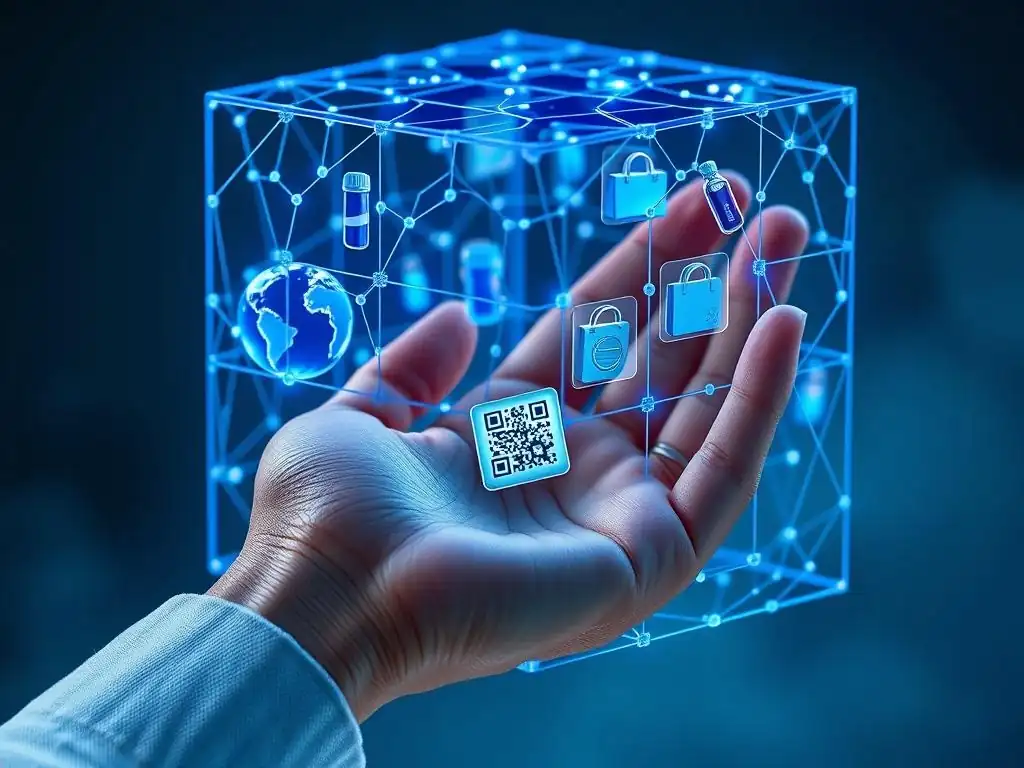
Welcome to Blockchain Trends, your compass in the ever-evolving world of decentralized technology!
Ever wondered how blockchain can revolutionize industries beyond cryptocurrency? Dive in to explore its transformative potential, from DeFi innovations to enterprise solutions and the shaping of future regulations. Today, we're focusing on a critical application: Blockchain supply chain authentication. Discover how this groundbreaking technology can help you counterfeit-proof your products and build trust in a globalized market. Intrigued? Let's unravel the practical steps and benefits that await!
CounterfeitProofing Your Products: A Practical Guide to Blockchain Implementation
- Introduction: The Growing Threat of Counterfeit Goods and the Need for Blockchain Supply Chain Authentication
- Blockchain's Role in Product Authentication and Traceability
-
Step-by-Step Guide to Implementing Blockchain for Anti-Counterfeiting
- 1. Identifying Critical Points in Your Supply Chain Vulnerable to Counterfeiting
- 2. Choosing the Right Blockchain Platform for Product Authentication
- 3. Creating a Unique Digital Identity for Each Product (Digital Twins)
- 4. Recording Product Data on the Blockchain Ledger
- 5. Developing a Verification System for Consumers and Stakeholders
- Real-World Examples of Blockchain-Based Anti-Counterfeiting Solutions
- Overcoming Challenges in Blockchain Adoption for Supply Chain Authentication
- The Future of Blockchain in Anti-Counterfeiting and Product Verification
- Conclusion: Securing Your Supply Chain with Blockchain Technology
-
Frequently Asked Questions
- What is Blockchain supply chain authentication and why is it important?
- How can blockchain help prevent counterfeiting in supply chains?
- What are the key benefits of implementing blockchain for supply chain authentication?
- What are some practical steps for implementing blockchain in a supply chain?
- What are the potential challenges of adopting blockchain for supply chain authentication?
- Final Reflection: Securing Trust in a Connected World
- Unleash the Power of Blockchain: Secure Your Brand Today!
Introduction: The Growing Threat of Counterfeit Goods and the Need for Blockchain Supply Chain Authentication
Understanding the Scale of the Counterfeiting Problem
Counterfeiting is a pervasive and escalating global issue, impacting industries from luxury goods and pharmaceuticals to electronics and automotive parts. The scale of this illicit activity is staggering. According to a 2021 report by the OECD and the European Union Intellectual Property Office (EUIPO), trade in counterfeit and pirated goods amounted to as much as 2.5% of world trade, or €464 billion (approximately $509 billion USD) in 2019. This figure represents a significant economic drain, undermining legitimate businesses, eroding consumer trust, and in some cases, posing serious health and safety risks, particularly with counterfeit medicines or parts.
Beyond the direct financial losses for businesses and governments, counterfeiting fuels organized crime and deprives economies of tax revenue. For consumers, it means potentially purchasing substandard or dangerous products, believing them to be genuine. The complexity of modern global supply chains makes it increasingly difficult for companies to maintain visibility and control over their products' journey from origin to final sale, creating fertile ground for counterfeiters to infiltrate these systems. This highlights the urgent need for robust and verifiable methods for blockchain supply chain authentication.
Why Traditional Methods of Anti-Counterfeiting Fall Short
Traditional anti-counterfeiting measures, while useful, often suffer from inherent limitations that make them vulnerable to sophisticated counterfeiters. Physical security features like holograms, watermarks, and security threads can be replicated, albeit with varying degrees of difficulty. Serial numbers and barcodes, while providing unique identifiers, can be easily copied or cloned. Database-driven tracking systems, while offering centralized data, are susceptible to data breaches, manipulation, or single points of failure, making it challenging to guarantee the integrity of the product's history.
Furthermore, these traditional methods often exist in silos, lacking interoperability across different participants in a complex supply chain – from manufacturers and distributors to retailers and end consumers. This fragmentation makes it difficult to establish an unbroken chain of custody and verify a product's authenticity at every step. The lack of a universally trusted, immutable record leaves room for doubt and makes robust blockchain supply chain authentication a challenging endeavor using conventional tools.
Blockchain: A Promising Solution for Supply Chain Integrity
Blockchain technology offers a fundamentally different approach to ensuring supply chain integrity and combating counterfeiting. At its core, a blockchain is a decentralized, distributed ledger that records transactions across many computers. Once data is added to a block and that block is added to the chain, it is extremely difficult to alter or delete, creating an immutable and transparent record. This inherent trust layer is crucial for verifying the authenticity and provenance of goods.
By creating a secure, shared ledger that tracks a product's journey from manufacturing through distribution to the point of sale, blockchain provides unparalleled transparency and traceability. Each transaction or event in the product's life cycle – manufacturing date, shipment details, customs clearance, retail location – can be recorded on the blockchain, creating a verifiable digital history. This makes it significantly harder for counterfeit goods to enter the supply chain undetected, as their history (or lack thereof) would not match the verifiable record, paving the way for effective blockchain supply chain authentication.
Blockchain's Role in Product Authentication and Traceability
How Blockchain Technology Enhances Supply Chain Transparency
Blockchain technology fundamentally transforms supply chain transparency by creating a shared, immutable, and distributed record of every transaction and movement of a product. Unlike traditional siloed databases where information is often kept private within individual companies, a blockchain ledger can be accessed by authorized participants across the supply chain. This allows manufacturers, distributors, retailers, and even consumers to see the same, verified data about a product's journey. For instance, a consumer could scan a product's QR code and see its manufacturing date, batch number, shipping history, and potentially even the origin of raw materials, all recorded on the blockchain.
This level of shared visibility drastically reduces information asymmetry and builds trust among supply chain partners. It becomes much harder for unauthorized parties to introduce counterfeit goods or tamper with products without leaving a discernible trace on the ledger. The transparency provided by blockchain enables real-time tracking and verification, ensuring that the product at hand matches the digital identity recorded on the blockchain. This enhanced transparency is a cornerstone of effective blockchain supply chain authentication.
Immutability and Security: Key Benefits for Anti-Counterfeiting
One of the most powerful features of blockchain for anti-counterfeiting is its inherent immutability. Once a transaction or data point is recorded on the blockchain and validated, it is extremely difficult to alter or delete it. This is because each new block added to the chain contains a cryptographic hash of the previous block, creating a secure link. Any attempt to tamper with past data would break this chain and be immediately detectable by other participants on the network. This makes the historical record of a product's journey highly trustworthy and resistant to fraud.
Furthermore, blockchain's decentralized nature enhances security. Data is not stored in a single location, reducing the risk of a single point of failure or a successful hacking attempt that could compromise the entire system. The distributed consensus mechanisms used in blockchain networks ensure that all participants agree on the validity of transactions before they are added to the ledger. This cryptographic security and distributed architecture make blockchain an exceptionally robust platform for maintaining the integrity of product data, which is essential for reliable blockchain supply chain authentication.
Decentralized Ledger Technology (DLT): Ensuring Data Integrity in Product Verification
Decentralized Ledger Technology (DLT), of which blockchain is a type, provides a robust framework for ensuring data integrity in product verification processes. Instead of relying on a central authority or database that could be compromised, DLT distributes the ledger across a network of nodes. This distribution means that multiple copies of the ledger exist and are constantly being synchronized and validated. If one node attempts to broadcast fraudulent information, the majority of other nodes will detect the discrepancy and reject it.
This consensus-driven approach guarantees that the data recorded on the ledger is accurate and has been agreed upon by the network participants. When verifying a product's authenticity, stakeholders can trust that the information retrieved from the DLT is the true, untampered record of its history. This distributed trust mechanism is fundamental to building effective blockchain supply chain authentication systems, allowing businesses and consumers to confidently verify the provenance and legitimacy of goods.
Step-by-Step Guide to Implementing Blockchain for Anti-Counterfeiting
1. Identifying Critical Points in Your Supply Chain Vulnerable to Counterfeiting
The first crucial step in implementing blockchain for anti-counterfeiting is a thorough assessment of your existing supply chain to pinpoint the stages most susceptible to infiltration by counterfeit goods. This requires mapping out the entire journey of your products, from raw material sourcing and manufacturing to warehousing, distribution, retail points, and even potential return processes. Analyze where handoffs occur between different parties, where products are consolidated or broken down, and where there might be less stringent security protocols.
Typical vulnerable points include manufacturing facilities (especially if production is outsourced), transit points where goods change hands or cross borders, distribution centers, and areas with high volumes of parallel imports or grey market activity. By identifying these specific weak links, you can strategically focus your blockchain implementation efforts to create a secure, verifiable record at these critical junctures, thereby maximizing the impact of blockchain supply chain authentication.
2. Choosing the Right Blockchain Platform for Product Authentication
Selecting the appropriate blockchain platform is a critical decision that impacts the scalability, cost, and functionality of your anti-counterfeiting solution. There is no one-size-fits-all answer, as the best choice depends on your specific business needs, the complexity of your supply chain, and the level of collaboration required with partners. Consider factors like transaction throughput, latency, cost per transaction, ease of integration with existing systems, and the technical expertise available within your organization.
Research platforms that have proven track records in supply chain applications. Examples include Hyperledger Fabric (often used for permissioned enterprise solutions), VeChain (specifically designed for supply chain and anti-counterfeiting), and potentially others like Ethereum (for public, permissionless applications) or custom-built private blockchains. Evaluate their features, community support, and the availability of development tools and expertise.
Permissioned vs. Permissionless Blockchains: Which is Right for You?
A key consideration when choosing a platform is whether a permissioned or permissionless blockchain is more suitable for your needs. Permissionless blockchains, like public Ethereum or Bitcoin, are open networks where anyone can join, participate in consensus, and view transactions. They offer high decentralization but can have variable transaction costs and throughput, and all data is public.
Permissioned blockchains, such as Hyperledger Fabric or R3 Corda, require participants to be invited and validated. They offer more control over who can access the network and data, higher transaction speeds, and predictable costs. For most enterprise supply chain applications requiring confidentiality and controlled access for partners, a permissioned blockchain is often the preferred choice for blockchain supply chain authentication. It allows businesses to maintain privacy over sensitive commercial data while still leveraging the benefits of a distributed, immutable ledger among trusted parties.
Evaluating Blockchain Scalability and Interoperability
Scalability and interoperability are crucial technical considerations for any blockchain supply chain authentication system. Scalability refers to the platform's ability to handle a growing volume of transactions as your business expands and more products are tracked. A platform with low throughput will become a bottleneck, hindering the efficiency of your anti-counterfeiting efforts. Look for platforms designed for enterprise use cases with high transaction processing capabilities.
Interoperability is equally important, especially in complex supply chains involving multiple disparate systems (ERP, WMS, CRM, etc.) used by different partners. Your chosen blockchain solution must be able to seamlessly integrate with these existing systems to pull and push data without requiring a complete overhaul of your IT infrastructure. Evaluate platforms based on their API availability, support for integration standards, and the ease with which they can communicate with other databases and software applications to ensure smooth data flow for blockchain supply chain authentication.
3. Creating a Unique Digital Identity for Each Product (Digital Twins)
To effectively track and authenticate products on a blockchain, each individual item or batch needs a unique digital representation – essentially, a digital twin. This digital identity serves as the anchor point on the blockchain, linking the physical product to its verifiable digital history. This identity must be truly unique and resistant to duplication.
This digital identity can be created at the point of manufacturing or packaging. It needs to be associated with the specific physical item through a secure, scannable marker like a QR code, RFID tag, or NFC chip. This physical marker allows anyone in the supply chain, including the end consumer, to easily access the product's digital twin and its associated data on the blockchain for verification purposes.
Using NFTs (Non-Fungible Tokens) for Product Identification
Non-Fungible Tokens (NFTs) are emerging as a powerful tool for creating these unique digital identities for physical products, particularly in high-value goods or collectibles. Unlike cryptocurrencies where each token is identical and interchangeable, each NFT is unique and represents ownership or proof of authenticity for a specific item.
By minting an NFT for each individual product, you create a distinct, verifiable digital asset on the blockchain that is linked to the physical item. This NFT can store metadata about the product – its specifications, manufacturing details, warranty information, and eventually, its entire transaction history on the blockchain. Ownership of the NFT can be transferred along with the physical product, providing a transparent and secure way to track provenance and verify authenticity. This application of NFTs is a specialized form of blockchain supply chain authentication.
Embedding QR Codes and RFID Tags for Easy Scanning
To bridge the gap between the physical product and its digital identity on the blockchain, easily scannable markers are essential. QR codes are widely used due to their low cost and ubiquity; most smartphones can scan them. Each QR code can contain a unique URL or identifier that links to the product's record on the blockchain or a verification interface.
RFID tags offer another option, particularly useful for tracking goods in bulk or in environments where line-of-sight scanning is difficult. Each RFID tag contains a microchip with a unique identifier that can be read wirelessly. Both QR codes and RFID tags serve as the physical gateway to the product's digital twin on the blockchain, enabling quick and convenient access to its verifiable history for blockchain supply chain authentication.
4. Recording Product Data on the Blockchain Ledger
Once unique digital identities are established, the next crucial step is to systematically record relevant product data onto the chosen blockchain ledger. This data forms the immutable history of the product and is the basis for verification. Data points should be recorded at key stages of the product's lifecycle as it moves through the supply chain.
It's important to determine which data points are most critical for establishing provenance and detecting counterfeits. Not all supply chain data needs to be on the blockchain; focus on data that is essential for authentication and tracking, such as origin, manufacturing details, and key logistical events. Establishing clear data standards and protocols among all participating parties is vital to ensure consistency and accuracy in the recorded information, bolstering the effectiveness of blockchain supply chain authentication.
Tracking Product Origin, Manufacturing Process, and Distribution
Recording detailed information about a product's origin and manufacturing process is fundamental to establishing its legitimacy on the blockchain. This could include the source of raw materials, the location and date of manufacturing, the specific production line or batch number, and quality control data. For example, in the food industry, this might involve tracking ingredients back to the farm.
As the product moves through the supply chain, key distribution events should also be recorded. This includes shipment dates, points of transfer (e.g., from factory to warehouse, warehouse to retailer), customs information, and delivery confirmation. Each entry on the blockchain creates a timestamped record of the product's movement, building an irrefutable chain of custody that makes it incredibly difficult for counterfeit items to be inserted without detection, thereby strengthening blockchain supply chain authentication.
Ensuring Data Accuracy and Consistency
The integrity of a blockchain-based anti-counterfeiting system is only as strong as the data entered into it. While the blockchain ensures data immutability after it's recorded, it doesn't automatically guarantee the accuracy of the initial input. Therefore, robust processes and controls must be in place at the data source. This might involve integrating the blockchain system directly with trusted internal systems like ERP or manufacturing execution systems (MES) to automate data capture.
Implementing data validation checks and ensuring that all participating parties adhere to strict data entry protocols are essential. Smart contracts can also be used to automate data validation and ensure that certain conditions are met before data is written to the ledger. Ensuring data accuracy and consistency at the source is paramount for building a reliable system for blockchain supply chain authentication.
5. Developing a Verification System for Consumers and Stakeholders
The ultimate goal of a blockchain anti-counterfeiting solution is to enable easy and reliable verification of products by all relevant stakeholders, including consumers, retailers, and regulators. This requires developing user-friendly interfaces that allow access to the blockchain data linked to a specific product.
The verification system should be intuitive and accessible. For consumers, this typically means a mobile application. For business partners, it might involve web-based portals or integration with their existing systems. The system should retrieve the product's history from the blockchain in near real-time and present it in a clear, understandable format, confirming its authenticity based on the verifiable ledger.
Mobile Apps for Instant Product Authentication
Mobile applications are the most direct way for consumers to participate in blockchain supply chain authentication. By scanning the QR code or tapping the NFC tag on a product using their smartphone, the app can query the blockchain for that product's unique digital identity. The app then displays the product's verifiable history, including its origin, manufacturing details, and journey through the supply chain.
The app can provide a clear indication of authenticity based on whether the product's physical characteristics and location align with the blockchain record. For example, if a product is scanned in New York, but its blockchain history shows it was last recorded in a warehouse in Hong Kong just hours before, it might flag a potential issue. This instant access to verifiable data empowers consumers to become active participants in combating counterfeiting.
Integrating Blockchain Data with Existing ERP Systems
For businesses, integrating blockchain data with existing Enterprise Resource Planning (ERP) systems is crucial for operational efficiency and comprehensive blockchain supply chain authentication. Instead of requiring employees to use a separate interface, relevant blockchain data can be pulled directly into the ERP system, providing a unified view of product information.
This integration allows for automated data recording from ERP processes onto the blockchain (e.g., recording a shipment leaving the warehouse) and allows internal teams (logistics, sales, compliance) to access verifiable product histories within the tools they already use. Seamless integration minimizes disruption to existing workflows and maximizes the utility of the blockchain data for internal tracking, auditing, and compliance purposes.
Real-World Examples of Blockchain-Based Anti-Counterfeiting Solutions

Case Study 1: De Beers' Tracr Platform for Diamond Provenance
The diamond industry has long faced challenges with provenance and ensuring diamonds are ethically sourced and authentic. De Beers, a leading diamond company, launched the Tracr platform, a blockchain-based solution specifically designed to track diamonds from mine to retailer. Each rough diamond is registered on the platform, creating a unique digital identity based on its physical characteristics.
As the diamond is cut, polished, and traded, each transaction and transformation is recorded on the Tracr blockchain. This creates an immutable record of the diamond's journey, verifying its origin, authenticity, and ethical status. The platform involves multiple participants, including miners, cutters, polishers, and retailers, all contributing to the shared ledger. This provides unparalleled transparency and trust in the diamond value chain, serving as a prime example of blockchain supply chain authentication in a high-value industry.
Case Study 2: VeChain's Solution for Wine Authentication
Counterfeiting is a significant problem in the high-value wine market, with fake bottles costing the industry millions. VeChain, a blockchain platform focused on supply chain management, has partnered with wineries, particularly in areas like Bordeaux, to implement anti-counterfeiting solutions. Each bottle is equipped with an NFC chip or QR code linked to a unique digital identity on the VeChain blockchain.
Consumers can scan the chip or code using a smartphone app to access the bottle's history, including details about the vineyard, vintage, bottling date, storage conditions, and distribution route. This verifiable history confirms the wine's authenticity and provenance. This use case demonstrates how blockchain supply chain authentication can protect brand reputation and consumer trust in premium goods.
Lessons Learned from Early Blockchain Implementations
Early adopters of blockchain for anti-counterfeiting have provided valuable insights. One key lesson is that successful implementation requires collaboration and data sharing among all supply chain partners. A blockchain is most effective when multiple parties contribute data, creating a truly distributed and verifiable record. Getting partners on board and establishing data governance standards are critical challenges.
Another lesson is the importance of user-friendly interfaces, especially for consumer-facing applications. The technology behind the blockchain should be invisible to the end-user; the focus should be on providing easy, reliable verification. Furthermore, the initial investment in blockchain technology and integration can be significant, requiring a clear business case and return on investment analysis. These early implementations highlight the potential and the practical considerations for effective blockchain supply chain authentication.
Overcoming Challenges in Blockchain Adoption for Supply Chain Authentication
Addressing Data Privacy Concerns and GDPR Compliance
Implementing blockchain for supply chain authentication raises important data privacy considerations, particularly concerning regulations like GDPR (General Data Protection Regulation) in Europe. While blockchain is often described as immutable, recording personal data or commercially sensitive information directly onto a public, permissionless ledger can create compliance issues, as GDPR grants individuals the right to erasure.
For many supply chain use cases, permissioned blockchains are preferred because they allow stricter control over data access and visibility. Sensitive data can be stored off-chain in secure databases, with only a cryptographic hash or reference recorded on the blockchain ledger. This approach maintains the integrity and verifiability of the data while keeping the sensitive details private among authorized parties, ensuring compliance while still achieving robust blockchain supply chain authentication.
Ensuring Interoperability with Existing Supply Chain Systems
A major challenge in adopting blockchain for anti-counterfeiting is ensuring seamless interoperability with the myriad of legacy systems already in use across complex supply chains (ERP, WMS, TMS, etc.). Ripping and replacing these systems is often prohibitively expensive and disruptive. The blockchain solution must be able to integrate smoothly with existing IT infrastructure to pull and push necessary data.
This requires robust API layers, middleware, and potentially the use of integration platforms. Developing or utilizing connectors that can translate data between different formats and protocols is essential. While challenging, successful integration is key to automating data flows, minimizing manual data entry errors, and ensuring that the blockchain data is consistent with other operational data, which is fundamental for effective blockchain supply chain authentication.
Managing the Costs of Blockchain Implementation
The cost of implementing a blockchain solution for anti-counterfeiting can be a significant barrier for businesses. This includes the initial investment in platform selection, software development, integration with existing systems, hardware (e.g., for generating and applying QR codes/RFID tags), and potentially ongoing transaction fees depending on the platform. There are also costs associated with training personnel and managing change within the organization and among supply chain partners.
Businesses need to carefully evaluate the potential return on investment, considering the reduction in losses due to counterfeiting, increased consumer trust, improved brand reputation, and potential operational efficiencies. Exploring different blockchain platforms and deployment models (e.g., SaaS solutions vs. self-hosted) can help manage costs. Phased rollouts, starting with high-value or high-risk product lines, can also help demonstrate value before a broader implementation of blockchain supply chain authentication.
The Future of Blockchain in Anti-Counterfeiting and Product Verification
Emerging Trends in Blockchain-Based Supply Chain Security
The field of blockchain-based supply chain security is continuously evolving. One emerging trend is the increased use of tokenization beyond simple product identification, perhaps tokenizing entire shipments or even supply chain contracts. Another trend is the development of more sophisticated smart contracts that can automate actions based on verifiable data recorded on the blockchain, such as triggering payments upon successful delivery and verification.
Furthermore, there is growing interest in creating interoperable blockchain networks, allowing data to flow seamlessly between different industry-specific or company-specific ledgers. This would enable a more holistic view of global supply chains. As the technology matures and standards develop, expect to see more ready-to-deploy, industry-specific blockchain solutions for enhanced blockchain supply chain authentication.
The Role of AI and IoT in Enhancing Blockchain Authentication
The integration of Artificial Intelligence (AI) and the Internet of Things (IoT) is poised to significantly enhance blockchain supply chain authentication. IoT devices, such as sensors embedded in packaging or storage facilities, can automatically record real-time data like temperature, humidity, or location onto the blockchain. This provides a continuous, verifiable stream of data about a product's condition and environment during transit and storage.
AI can analyze the vast amounts of data collected by IoT devices and recorded on the blockchain to detect anomalies or patterns indicative of potential counterfeiting or tampering. For example, AI could flag a shipment where temperature data suddenly spikes outside of acceptable ranges, prompting further investigation. The combination of AI-powered analysis of IoT data recorded immutably on the blockchain creates a powerful system for proactive and verifiable blockchain supply chain authentication.
Predictions for the Growth of Blockchain Supply Chain Authentication
Industry analysts predict significant growth in the adoption of blockchain for supply chain management and anti-counterfeiting in the coming years. Reports from various market research firms suggest the global blockchain supply chain market could reach tens of billions of dollars by the mid-2020s. This growth is driven by the increasing recognition of blockchain's ability to build trust, improve transparency, and provide verifiable data in complex global networks.
As the technology becomes more mature, accessible, and cost-effective, and as regulatory frameworks adapt, more companies across various sectors are expected to implement blockchain solutions to protect their brands and consumers from counterfeit goods. The demand for robust blockchain supply chain authentication methods is likely to continue its upward trajectory.
Conclusion: Securing Your Supply Chain with Blockchain Technology
Frequently Asked Questions
What is Blockchain supply chain authentication and why is it important?
Blockchain supply chain authentication uses blockchain technology to create a tamper-proof record of a product's journey, ensuring its authenticity and preventing counterfeiting. This is crucial for maintaining consumer trust and protecting brand reputation.
How can blockchain help prevent counterfeiting in supply chains?
Blockchain establishes a single source of truth for product data, making it difficult for counterfeiters to introduce fake products into the supply chain. Each transaction is recorded permanently and transparently, creating an audit trail.
What are the key benefits of implementing blockchain for supply chain authentication?
Implementing blockchain offers several benefits, including enhanced transparency, improved traceability, and increased consumer confidence in product authenticity. This ultimately leads to reduced losses from counterfeiting.
What are some practical steps for implementing blockchain in a supply chain?
Start by identifying key stakeholders and defining clear business objectives. Then, choose a suitable blockchain platform and develop a pilot program to test the technology's effectiveness.
What are the potential challenges of adopting blockchain for supply chain authentication?
Challenges include the initial investment costs, the need for collaboration among various stakeholders, and potential scalability issues as the network grows. Overcoming these hurdles is crucial for successful implementation.
Final Reflection: Securing Trust in a Connected World
The journey through blockchain supply chain authentication reveals a critical need in today's global marketplace. The proliferation of counterfeit goods not only undermines brand integrity but also poses significant risks to consumer safety and economic stability. Understanding and implementing blockchain solutions, as outlined in this guide, is no longer a futuristic concept but a present-day necessity for businesses striving to protect their products and their customers.
The impact of counterfeit goods extends far beyond mere financial losses. It erodes consumer trust, fuels unethical practices, and can even endanger lives, particularly in sectors like pharmaceuticals and automotive parts. The promise of blockchain lies in its ability to restore transparency and accountability to complex supply chains. Trust, but verify,
as the saying goes, and blockchain provides the tools to verify the authenticity of products at every stage, fostering a new era of consumer confidence.
As you consider the insights shared in this guide, I encourage you to reflect on the role you can play in building a more secure and trustworthy marketplace. Whether you're a business owner, a consumer, or simply a concerned citizen, embracing the principles of blockchain supply chain authentication is a step towards a future where authenticity reigns supreme. Let us all strive to create a world where trust is earned, not assumed, and where the products we consume are genuinely what they claim to be.
Unleash the Power of Blockchain: Secure Your Brand Today!
Thank you for exploring how blockchain technology can help protect your products from counterfeiting. Now that you understand the basics, it's time to take concrete steps toward creating a more secure and trustworthy brand.
Here are some actionable steps you can take right now:
- Start with a Proof of Concept: Identify a small product line or a specific region where counterfeiting is a major issue and implement a blockchain-based tracking system as a pilot project. This will help you test the technology, collect data, and refine your approach before expanding it company-wide.
- Explore collaborative opportunities: Reach out to other businesses within your industry to share insights and consider collaborating on blockchain solutions. Partnerships often lead to innovative breakthroughs.
- Share this article with colleagues and friends who could benefit from understanding how blockchain enhances brand protection. Let’s work together to build a community of brand protectors!
What is one immediate step you can take this week to explore implementing blockchain for your brand, and how will you measure its success? Share your thoughts in the comments below!
Leave a Reply