
Decoding Authenticity: Understanding Blockchain's Verification Process

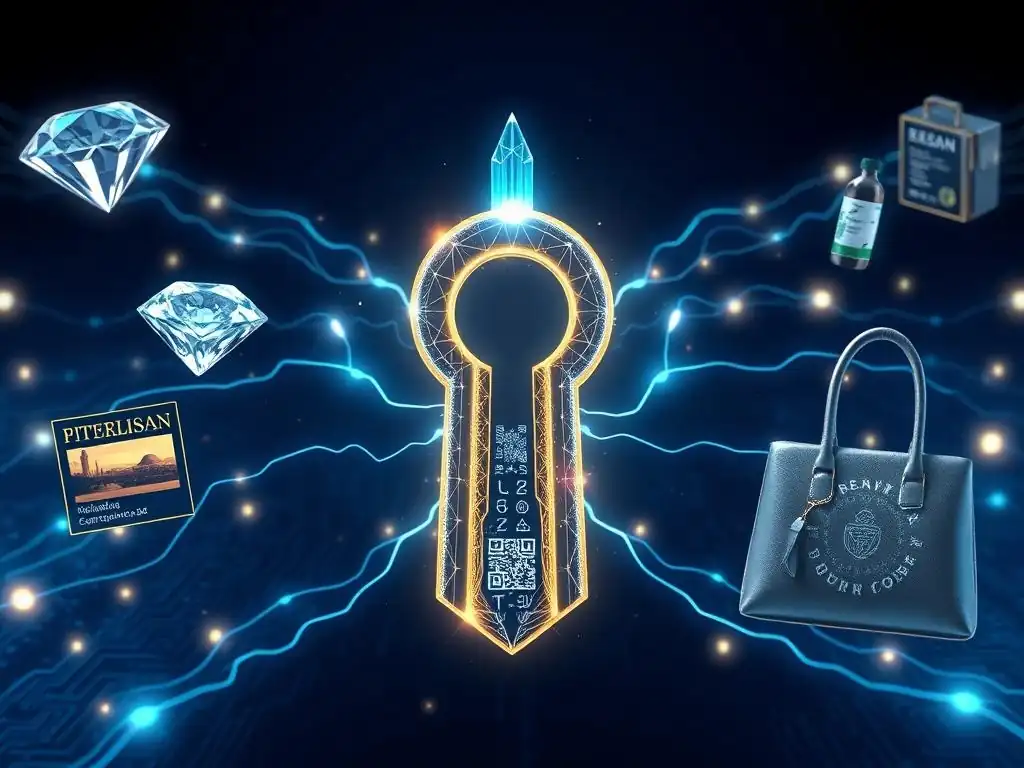
Welcome to Blockchain Trends, your compass in the rapidly evolving world of decentralized technologies. Beyond the hype of cryptocurrencies lies a revolution reshaping industries. Are you ready to unlock the secrets of secure and transparent data? This week, we delve deep into the essential blockchain verification process benefits, particularly within the context of supply chain management. Discover how this powerful technology is ensuring authenticity and traceability, creating a future where trust is built into the system. Intrigued? Read on to uncover the transformative potential.
- Introduction: The Growing Need for Verification in a Counterfeit World
- Blockchain Verification Process Benefits: A Deep Dive
- How Blockchain's Verification System Works: A Step-by-Step Guide
- Applications of Blockchain Verification in Anti-Counterfeiting
- Real-World Examples: Blockchain Verification Success Stories
- Blockchain Verification vs. Traditional Authentication Methods
- Overcoming Challenges in Implementing Blockchain Verification
- The Future of Blockchain Verification: Trends and Predictions
- Maximizing the Benefits of Blockchain Verification for Your Business
- Conclusion: Embracing Blockchain for a More Authentic Future
-
Frequently Asked Questions
- How does blockchain enhance the verification process compared to traditional methods?
- What are the key benefits of using blockchain for verification processes?
- What types of data can be effectively verified using blockchain technology?
- Are there regulatory considerations when implementing blockchain verification processes?
- How does the blockchain verification process benefit businesses specifically?
- Final Reflection: Embracing Trust in a Digital Age
- Embrace the Future: Verify, Validate, and Venture!
Introduction: The Growing Need for Verification in a Counterfeit World
The Pervasive Problem of Counterfeit Goods and Its Impact
The global market for counterfeit and pirated goods is vast and continues to grow, posing significant threats to economies, businesses, and consumers alike. Estimates from various international bodies suggest that the value of international trade in counterfeit and pirated goods could reach hundreds of billions of dollars annually, potentially exceeding half a trillion US dollars in some analyses when including domestic production and digital piracy. This illicit trade undermines legitimate businesses by eroding brand value, decreasing sales revenue, and damaging reputations. It also stifles innovation by profiting from the intellectual property of others without investment in research and development.
Beyond the economic ramifications, counterfeit goods can pose serious health and safety risks to consumers. Products ranging from pharmaceuticals and automotive parts to electronics and toys are frequently faked, often lacking necessary quality controls or containing harmful substances. The lack of a reliable, universally accessible method to verify the authenticity of products throughout complex global supply chains exacerbates this problem, making it difficult for consumers and authorities to distinguish genuine items from fakes. This widespread issue highlights an urgent need for robust, transparent, and tamper-proof verification systems.
How Blockchain Technology Offers a Solution for Authenticity
Blockchain technology presents a compelling solution to the pervasive problem of counterfeit goods by providing a decentralized, immutable, and transparent ledger for tracking products and verifying their authenticity. Unlike traditional centralized databases, a blockchain's distributed nature makes it exceptionally resistant to tampering and fraud. Each transaction or data point added to the ledger is cryptographically linked to the previous one, forming a chain that is virtually impossible to alter without detection. This inherent security and transparency offer a foundational layer of trust that is often missing in conventional supply chain management systems.
By recording the journey of a product from its origin through manufacturing, distribution, and sale on a blockchain, stakeholders can access a verifiable history of the item. This digital trail can include details such as manufacturing dates, locations, handling information, and ownership transfers.
Consumers, retailers, and regulators can potentially scan a product's unique identifier (like a QR code or NFC tag) and access this secure, shared ledger to confirm its provenance and authenticity. This capability to provide a verifiable and tamper-evident record offers a powerful tool in the fight against counterfeiting, enabling a new era of trust in product integrity.
Blockchain Verification Process Benefits: A Deep Dive
Key Advantages of Using Blockchain for Product Verification
The adoption of blockchain technology for product verification yields a multitude of strategic and operational advantages for businesses across various sectors. One of the most significant blockchain verification process benefits is the enhanced level of security and immutability it provides.
Once data related to a product's identity and journey is recorded on the blockchain, it cannot be retrospectively altered or deleted without the consensus of the network, making it incredibly difficult for counterfeiters to inject fake products or tamper with provenance data. This inherent tamper-proofing dramatically increases the reliability of the verification process compared to systems reliant on easily manipulated centralized databases or physical authentication methods like holograms that can be copied.
Furthermore, the transparent nature of a public or permissioned blockchain allows authorized parties, including consumers, to access and verify the history of a product. This transparency builds confidence and trust among consumers, who are increasingly demanding assurance about the origin and ethical sourcing of the goods they purchase. Other key blockchain verification process benefits include improved efficiency in tracking and tracing goods, reducing the time and cost associated with traditional manual verification processes or audits. The automation capabilities offered by smart contracts can also streamline processes like warranty claims or proof of ownership, adding further operational efficiency.
Enhancing Trust and Transparency in Supply Chains
Supply chains are inherently complex, involving numerous intermediaries and handoffs, which creates vulnerabilities susceptible to the infiltration of counterfeit goods. Blockchain verification fundamentally transforms this paradigm by creating a single, shared source of truth accessible to all authorized participants. Every step a product takes, from raw material sourcing to the final point of sale, can be recorded as a transaction on the blockchain. This creates an unbroken chain of custody that is transparent and verifiable by anyone granted permission to access the ledger.
This enhanced transparency directly contributes to building trust among all stakeholders – manufacturers, distributors, retailers, and ultimately, consumers. When consumers can scan a product and see its complete, verified history, their confidence in the brand and the product's authenticity increases significantly.
Similarly, businesses within the supply chain can trust the data received from other participants because it is recorded on a distributed, immutable ledger, reducing disputes and improving collaboration. This systemic increase in trust and transparency is a core component of the compelling blockchain verification process benefits, leading to stronger relationships, reduced fraud, and greater accountability throughout the entire supply chain ecosystem.
How Blockchain's Verification System Works: A Step-by-Step Guide
Step 1: Data Input and Immutable Record Creation
The first step in the blockchain verification process involves capturing relevant data about a product at key points in its lifecycle. This data might include details such as the product's unique serial number or identifier, manufacturing date and location, batch number, materials used, quality control information, and initial ownership. This information is typically gathered at the point of origin, such as the manufacturing facility. To link the physical product to its digital twin on the blockchain, a secure, unique identifier (like a serialized QR code, NFC tag, or RFID tag) is affixed to the item or its packaging.
Once the data is collected, it is prepared for inclusion in a blockchain transaction. This data is then grouped with other transactions into a 'block'. Before being added to the ledger, this block is cryptographically processed. This process involves creating a unique digital fingerprint, known as a hash, for the entire block of data. This hash is a critical component, ensuring that any subsequent alteration to the data within that block will result in a completely different hash, thereby immediately indicating tampering. This is the foundation of creating an immutable record.
Step 2: Cryptographic Hashing and Linking of Blocks
Following the creation of a block of transaction data and its unique hash, this hash is included as part of the next block created on the chain. This is the 'chaining' aspect of blockchain. Each new block contains not only its own set of verified transactions and its unique hash but also the hash of the previous block. This creates a chronological link between blocks.
If someone were to attempt to alter data in an earlier block, that block's hash would change. However, the next block in the chain still contains the original hash of the altered block. This mismatch immediately breaks the chain and invalidates all subsequent blocks, making any tampering attempt easily detectable across the entire network.
This cryptographic linking, combined with the hashing of the data within each block, forms a secure and tamper-evident record of all transactions. The hash functions used are designed to be one-way, meaning it's computationally infeasible to recreate the original data from the hash alone. They are also highly sensitive, so even a minor change in the input data results in a drastically different output hash. This intricate web of cryptographic links ensures the integrity and immutability of the data stored on the blockchain, providing a robust foundation for the blockchain verification process benefits related to security and trust.
Step 3: Distributed Ledger Technology (DLT) and Consensus Mechanisms
A core principle of blockchain is that the ledger is not stored in a single location but is distributed across multiple computers or nodes within a network. This Distributed Ledger Technology (DLT) means that every participant node holds a copy of the entire blockchain ledger (or a relevant portion in some architectures). When a new block is created and proposed to be added to the chain, it is broadcast to the network of nodes.
For the block to be considered valid and added to the canonical chain, the majority of the nodes in the network must agree on its validity. This agreement is reached through a consensus mechanism.
Different blockchain platforms utilize various consensus mechanisms, such as Proof-of-Work (PoW) used by Bitcoin, Proof-of-Stake (PoS), or other variants like Proof-of-Authority (PoA) which might be used in permissioned enterprise blockchains for supply chain. These mechanisms ensure that all legitimate participants agree on the state of the ledger and the order of transactions.
This decentralized validation process makes it incredibly difficult for a single entity to unilaterally add fraudulent data or alter existing records, as they would need to control a significant portion (often 51% or more, depending on the mechanism) of the network's computing power or stake to override the consensus. This distributed nature and consensus requirement are fundamental to the security and trustworthiness that underpin the blockchain verification process benefits.
Step 4: Verification and Validation of Transactions
Once a block has been validated by the network's consensus mechanism and added to the blockchain, the transactions contained within it are considered verified and permanently recorded. At this point, the information about the product's journey or status change (e.g., 'manufactured', 'shipped', 'received at distribution center', 'sold to consumer') is available on the distributed ledger. For verification purposes, a user (a consumer, retailer, or auditor) can interact with the blockchain using a dedicated application or interface, often by scanning the unique identifier on the product.
The application queries the blockchain for the history associated with that specific product identifier. The blockchain node receiving the request can trace the entire history of that identifier back to its origin, verifying the sequence of transactions and ensuring that the cryptographic links between blocks are intact.
If the chain is unbroken and the data aligns with expected parameters (e.g., the product was manufactured by the stated company, shipped from the correct location), the system can confirm the product's authenticity and provide its complete, immutable history to the user. This ability to easily and reliably trace provenance is a direct result of the secure and transparent nature of the blockchain verification process.
Applications of Blockchain Verification in Anti-Counterfeiting
Tracking and Tracing Products from Origin to Consumer
One of the most impactful applications of blockchain verification in combating counterfeiting is its ability to provide end-to-end traceability for products. By assigning a unique digital identity on the blockchain to each item or batch at its point of creation, companies can record every subsequent movement, handling, and transaction on the distributed ledger. This creates a transparent and immutable history that follows the product through manufacturing, packaging, shipping, customs, warehousing, distribution centers, retail stores, and finally, to the end consumer.
This granular level of tracking enables businesses to identify exactly where a product has been and who has handled it at each stage. If a counterfeit product is discovered, the blockchain record can be used to pinpoint where it entered the supply chain or where the legitimate chain was potentially compromised. This capability significantly reduces the time and effort required for investigations and recalls. For instance, tracing a contaminated food item that might take days or weeks using traditional paper-based systems can potentially be reduced to minutes using a blockchain-based traceability system, as demonstrated in various pilot programs.
Securing Intellectual Property and Preventing Copyright Infringement
Intellectual property (IP), including patents, trademarks, copyrights, and designs, is highly vulnerable to infringement, leading to significant financial losses and brand dilution. Blockchain technology offers novel ways to protect IP rights by providing a secure and verifiable method for timestamping and registering ownership of creative works and innovations. By recording the existence and ownership of IP assets on a blockchain at a specific point in time, creators and companies can establish an immutable proof of creation and ownership.
When an instance of potential infringement occurs, the blockchain record serves as strong, verifiable evidence of prior existence and ownership, which can be crucial in legal disputes. For example, a designer could register their unique design on a blockchain before sharing it with potential manufacturers, creating an undeniable timestamped record.
While blockchain doesn't physically prevent copying, it provides a robust digital fingerprint and timestamp that strengthens the ability of IP holders to prove their rights and pursue legal action against infringers. This application extends beyond physical goods to digital content, offering a layer of protection for artists, musicians, writers, and software developers.
Verifying the Authenticity of Luxury Goods and Pharmaceuticals
Industries dealing with high-value or sensitive products, such as luxury goods and pharmaceuticals, are particularly hard hit by counterfeiting. The high profit margins on fake luxury items and the life-threatening risks associated with counterfeit drugs make robust authenticity verification paramount.
Blockchain technology is being increasingly adopted in these sectors to provide consumers and stakeholders with reliable proof of authenticity. For luxury goods, blockchain can record the unique attributes of an item, its provenance, materials used, and transfer of ownership, creating a digital certificate of authenticity that is far more secure than physical certificates or serial numbers alone, which can be faked.
In the pharmaceutical industry, the stakes are even higher. Counterfeit drugs kill thousands globally every year. Blockchain can track pharmaceutical products from manufacture, through packaging, distribution, and dispensing.
Each bottle or package can have a unique identifier linked to blockchain data detailing its manufacturing batch, expiry date, handling conditions, and supply chain journey. This allows pharmacists, healthcare providers, and even patients to scan a code and verify that the medication is legitimate and has followed the correct path, significantly reducing the risk of counterfeit or substandard drugs entering the supply chain. Pilot programs have shown the potential to drastically improve supply chain visibility and integrity in this critical sector.
Real-World Examples: Blockchain Verification Success Stories
Case Study 1: De Beers and Their Diamond Tracking Initiative
The diamond industry has long faced challenges related to provenance, ethics, and preventing the trade of 'blood diamonds'. De Beers, a leading diamond company, launched the Tracr platform, a blockchain-based system designed to track high-value diamonds from mine to retailer. Each rough diamond over a certain carat weight is registered on the platform, receiving a unique GIA (Gemological Institute of America) number and other identifying characteristics. As the diamond moves through cutting, polishing, and setting, data about each stage is added to its immutable record on the blockchain.
This initiative provides an unprecedented level of transparency and assurance regarding a diamond's origin and journey. It allows retailers and consumers to verify the authenticity and ethical sourcing of registered diamonds simply by accessing the blockchain record associated with the stone's unique ID. While specific global adoption percentages are still growing, the platform demonstrates the tangible benefits of blockchain verification process benefits in providing verifiable provenance for high-value, easily substitutable goods, building consumer trust and supporting responsible sourcing practices within the industry.
Case Study 2: Walmart Leveraging Blockchain for Food Supply Chain Traceability
Walmart, one of the world's largest retailers, has been a pioneer in leveraging blockchain technology for improving food supply chain traceability. Faced with the challenge of quickly tracing the origin of food products during outbreaks of foodborne illnesses, Walmart piloted a blockchain solution (built on Hyperledger Fabric) for tracking pork in China and later expanded it to leafy greens in the United States. Using this system, suppliers recorded data about their products (farm origin, processing dates, shipping information) onto the blockchain.
The results demonstrated a dramatic improvement in traceability speed. In one notable example involving mangoes, the time taken to trace the origin of a package from store back to farm decreased from approximately seven days using traditional methods to just seconds using the blockchain system. This capability is crucial for quickly identifying and containing outbreaks, minimizing the impact on public health and reducing economic losses associated with widespread recalls. This case clearly illustrates the operational efficiency and public safety benefits among the blockchain verification process benefits.
Blockchain Verification vs. Traditional Authentication Methods
Comparing Security and Transparency Levels
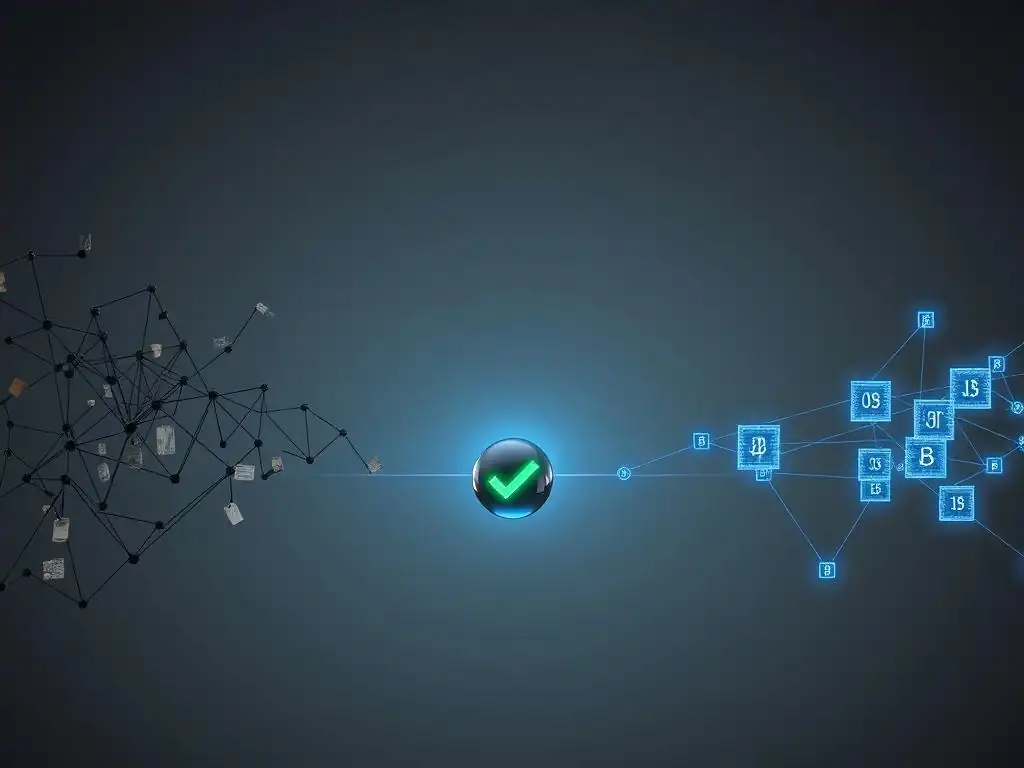
Traditional authentication methods rely on a variety of techniques, ranging from physical security features like holograms, watermarks, and special inks to serial numbers recorded in centralized databases, certificates of authenticity, or even expert visual inspection. While these methods offer some level of protection, they often have inherent vulnerabilities when compared to blockchain verification. Physical features can be sophisticated but are susceptible to replication by determined counterfeiters.
Centralized databases, while offering traceability, are single points of failure and can be hacked or tampered with by insiders or external actors without leaving an easily detectable trace. Certificates can be forged, and expert inspection is subjective and not scalable for mass-market goods.
In contrast, blockchain verification offers a fundamentally different level of security and transparency. The data recorded on a blockchain is secured through cryptographic hashing and distributed across a network, making it virtually immutable and tamper-evident. Any attempt to alter a record would require changing data on multiple nodes simultaneously and overcoming the network's consensus mechanism, which is computationally prohibitive for public blockchains and highly controlled for permissioned ones.
Furthermore, the distributed nature means the ledger is resilient to single points of failure. The transparency of the ledger allows authorized parties to independently verify the entire history of a product, providing a level of trust and visibility that is simply not achievable with traditional, often opaque, centralized systems.
Scalability and Cost-Effectiveness Analysis
The scalability and cost-effectiveness of blockchain verification solutions are complex and depend heavily on the chosen blockchain platform (public vs. permissioned) and the specific implementation. Early public blockchains, like Bitcoin or Ethereum (before Eth 2.0), faced challenges with transaction speed and cost due to their consensus mechanisms and network load, which could make them less suitable for tracking millions or billions of individual low-value items. However, newer blockchain platforms and Layer 2 scaling solutions are significantly improving transaction throughput and reducing costs.
Permissioned blockchains, often used in enterprise supply chains (like Hyperledger Fabric or R3 Corda), are designed for higher transaction volumes and lower costs within a defined network of participants. While the initial setup cost for a blockchain solution can be substantial, involving software development, integration with existing systems (like ERP or WMS), and potentially hardware (for secure identifiers), the long-term blockchain verification process benefits can outweigh these costs.
These benefits include reduced losses from counterfeiting, avoided costs from recalls, improved supply chain efficiency, enhanced brand reputation, and increased consumer trust, all of which contribute to a positive return on investment over time, especially for companies heavily impacted by fraud or requiring high levels of traceability.
Overcoming Challenges in Implementing Blockchain Verification
Addressing Data Privacy Concerns
While blockchain's transparency is a key benefit for verification, it also raises concerns about data privacy, particularly when dealing with sensitive information or complying with regulations like GDPR. Recording every detail about a product's journey or customer purchase directly onto a public blockchain could expose confidential business information or personal data. Companies must carefully consider what data is stored directly on the chain versus what data is stored off-chain, with only a cryptographic hash or reference placed on the blockchain for verification purposes.
Strategies to mitigate privacy concerns include using permissioned blockchains where access is restricted to authorized participants, employing privacy-preserving technologies like zero-knowledge proofs, or storing only anonymized or aggregated data on the public ledger. For example, instead of logging a specific customer's name with a product purchase, the blockchain might only record that the product was sold at a particular location and time, with the customer's identity held securely off-chain by the retailer.
Implementing robust data governance policies and designing the blockchain solution with privacy by design are crucial steps to ensure compliance and protect sensitive information while still leveraging the blockchain verification process benefits.
Ensuring Interoperability with Existing Systems
Integrating a new blockchain verification system with a company's existing legacy IT infrastructure is a significant technical and operational challenge. Businesses typically rely on a complex web of systems, including Enterprise Resource Planning (ERP), Warehouse Management Systems (WMS), Customer Relationship Management (CRM), and various databases and software used by supply chain partners. For a blockchain solution to be effective, it must seamlessly exchange data with these disparate systems.
Achieving interoperability requires developing robust APIs (Application Programming Interfaces) and middleware that can translate data formats and protocols between the blockchain and legacy systems. It also involves standardizing data inputs across the supply chain participants, which can be complex when dealing with multiple partners using different technologies and processes. Successful implementations often involve phased rollouts, extensive testing, and close collaboration between IT departments, business units, and supply chain partners to ensure smooth data flow and avoid disrupting existing operations. The ability to integrate effectively is key to realizing the full blockchain verification process benefits in a real-world business environment.
Educating Stakeholders on Blockchain Technology
One of the non-technical but equally important challenges in implementing blockchain verification is the need to educate internal teams, supply chain partners, and end consumers about the technology. Blockchain is still a relatively new and often misunderstood technology. Employees need to understand how the new system works, how it impacts their roles, and the importance of accurate data input. Supply chain partners need to be convinced of the benefits of participating and trained on the new processes and tools.
For consumers, the concept of blockchain verification needs to be presented in a clear, accessible way that highlights the benefits to them – increased trust, guaranteed authenticity, and potentially access to more information about the product's origin. This often involves developing user-friendly interfaces (like mobile apps for scanning product codes) and clear communication explaining what scanning a product code connected to a blockchain means. Overcoming skepticism and building confidence through education and clear communication is vital for successful adoption and for maximizing the widespread blockchain verification process benefits.
The Future of Blockchain Verification: Trends and Predictions
Integration with IoT Devices for Enhanced Tracking
A major trend shaping the future of blockchain verification is its increasing integration with Internet of Things (IoT) devices. IoT sensors can automatically collect data about a product's condition and environment throughout the supply chain – such as temperature, humidity, location, and handling shocks – without human intervention. This data can then be automatically recorded onto the blockchain, creating a richer, more accurate, and continuous verifiable history. For example, a pharmaceutical shipment equipped with temperature sensors could automatically log temperature deviations on the blockchain, providing immutable proof of compliance with cold chain requirements or flagging potential issues.
This combination of IoT and blockchain creates 'smart products' that can report on their own journey and condition. This significantly enhances the granularity and reliability of tracking data, making the blockchain verification process even more robust. It reduces the reliance on manual data entry, which is prone to errors or deliberate manipulation. As IoT technology becomes cheaper and more pervasive, its synergy with blockchain is expected to revolutionize supply chain visibility, quality control, and authenticity verification across numerous industries, further amplifying the blockchain verification process benefits.
The Rise of Decentralized Identity (DID) Solutions
Another significant trend is the development and adoption of Decentralized Identity (DID) solutions, which can play a crucial role in enhancing blockchain verification, particularly in proving ownership and establishing trusted interactions. DIDs allow individuals, organizations, or even devices to create and control their own digital identities, independent of any centralized authority. These identities are typically anchored on a blockchain or other form of distributed ledger.
In the context of anti-counterfeiting, DIDs can be used to cryptographically verify the identity of participants at each stage of the supply chain – manufacturers, distributors, retailers, and even potentially consumers. This adds an extra layer of trust and accountability, ensuring that the entities recording data about a product are indeed who they claim to be.
It can also facilitate secure proof of ownership transfers recorded on the blockchain. As DID standards mature and adoption grows, they will likely become an integral part of sophisticated blockchain verification systems, strengthening the chain of trust and further enhancing the blockchain verification process benefits related to security and non-repudiation.
The Impact of Regulatory Frameworks on Blockchain Adoption
The evolving landscape of regulatory frameworks around the world will have a significant impact on the future of blockchain verification adoption. Governments and international bodies are increasingly recognizing the potential of blockchain technology for supply chain integrity, anti-counterfeiting, and consumer protection. Regulations requiring greater transparency and traceability in certain industries, such as pharmaceuticals (e.g., the US Drug Supply Chain Security Act - DSCSA) or food safety, are creating a compelling driver for businesses to explore blockchain-based solutions.
As regulators provide clearer guidelines and potentially endorse or mandate the use of distributed ledger technologies for specific verification purposes, it will accelerate adoption. Conversely, unclear or restrictive regulations could hinder progress. The development of global standards for blockchain interoperability and data sharing will also be critical. As regulatory clarity increases and frameworks mature, they are expected to provide a more stable and predictable environment for businesses to invest in and deploy blockchain verification solutions, unlocking their full potential and broadly delivering the blockchain verification process benefits on a larger scale.
Maximizing the Benefits of Blockchain Verification for Your Business
Choosing the Right Blockchain Platform for Your Needs
Selecting the appropriate blockchain platform is a critical decision for businesses looking to implement a verification solution. The choice between a public blockchain (like Ethereum or Polygon) or a permissioned/private blockchain (like Hyperledger Fabric, R3 Corda, or specific enterprise-grade platforms) depends heavily on the specific requirements of the use case. Public blockchains offer maximum decentralization and transparency but may have higher transaction costs and lower throughput depending on the network state. Permissioned blockchains provide more control over participants, higher transaction speeds, and lower costs, making them often more suitable for enterprise supply chain applications where participants are known entities.
Considerations should include the required level of transparency (who needs to see the data? ), scalability needs (how many transactions per second? ), data privacy requirements, regulatory compliance, technical expertise available, and the ecosystem of partners already using or willing to use a particular platform. Conducting a thorough analysis of various platforms based on these criteria is essential to ensure the chosen technology can effectively deliver the desired blockchain verification process benefits and integrate with existing business processes and partners.
Developing a Comprehensive Implementation Strategy
Implementing a blockchain verification solution is not merely a technology deployment; it requires a comprehensive strategic approach that addresses people, processes, and technology. A phased implementation is often advisable, starting with a pilot program focused on a specific product line, supply chain segment, or geographical region to test the technology, refine processes, and gather lessons learned before scaling up. This strategy allows businesses to demonstrate the value and blockchain verification process benefits early on.
Key steps in the strategy include defining clear objectives and key performance indicators (KPIs) for the project (e.g., reduction in reported counterfeits, improvement in traceability time), identifying and engaging all relevant stakeholders within the company and across the supply chain, redesigning business processes to incorporate blockchain interactions, developing integration plans for existing systems, and creating a robust change management and training program for employees and partners. A well-planned strategy is crucial for navigating the complexities of implementation and ensuring successful adoption.
Measuring the ROI of Blockchain Verification Initiatives
Quantifying the return on investment (ROI) of blockchain verification initiatives is essential for justifying the initial investment and demonstrating long-term value. Measuring ROI involves identifying and tracking both the costs associated with implementation (technology development, integration, training, ongoing maintenance) and the benefits realized. The blockchain verification process benefits that contribute to ROI can be direct and indirect.
Direct benefits include measurable reductions in financial losses due to counterfeiting, fraud, and product diversion; cost savings from faster and more efficient traceability during recalls or investigations; and potentially lower insurance premiums. Indirect benefits, while sometimes harder to quantify precisely, are equally important and include enhanced brand reputation, increased consumer trust and loyalty, improved supply chain efficiency and collaboration, better data accuracy for decision-making, and a stronger competitive advantage. Establishing baseline metrics before implementation and continuously monitoring relevant KPIs after deployment are necessary to accurately measure the ROI and demonstrate the tangible blockchain verification process benefits achieved.
Conclusion: Embracing Blockchain for a More Authentic Future
The Transformative Potential of Blockchain in Anti-Counterfeiting
The fight against counterfeit goods is a persistent global challenge with significant economic, health, and safety implications. Traditional methods of authentication and supply chain management have proven insufficient in providing the necessary levels of security, transparency, and trust required to effectively combat sophisticated counterfeiting operations. Blockchain technology offers a paradigm shift, providing a robust, decentralized, and immutable ledger that can track products from origin to consumer, creating a verifiable history that is exceptionally difficult to tamper with.
By leveraging the inherent security and transparency of blockchain, businesses can build more resilient and trustworthy supply chains. The ability to provide irrefutable proof of a product's authenticity and provenance empowers consumers, protects brands, and enhances public safety. While challenges related to implementation, interoperability, and scalability exist, ongoing advancements in blockchain technology and increasing industry adoption are paving the way for widespread use in anti-counterfeiting efforts across diverse sectors, from luxury goods and pharmaceuticals to food and electronics.
Blockchain Verification Process: Driving Trust and Security
Understanding the blockchain verification process – from data input and cryptographic linking to distributed consensus and validation – reveals why it is such a powerful tool against fraud. This process creates a chain of custody that is transparent, secure, and resistant to tampering, fundamentally enhancing the integrity of product data. The numerous blockchain verification process benefits, including increased security, enhanced transparency, improved efficiency, and stronger consumer trust, make a compelling case for its adoption.
As businesses and consumers alike demand greater assurance of product authenticity and ethical sourcing, blockchain verification is poised to become a standard practice. Embracing this technology allows companies not only to protect themselves and their customers from the dangers and costs of counterfeiting but also to build stronger relationships based on trust and transparency. The journey towards a more authentic global marketplace is being significantly driven by the innovative capabilities of the blockchain verification process.
Frequently Asked Questions
How does blockchain enhance the verification process compared to traditional methods?
Blockchain offers a decentralized and immutable ledger, making data tampering extremely difficult. This contrasts sharply with traditional methods that rely on centralized authorities and are more susceptible to fraud. This leads to greater trust and transparency.
What are the key benefits of using blockchain for verification processes?
The Blockchain verification process benefits include improved security, enhanced transparency, and increased efficiency. These aspects contribute to building trust and reducing the potential for fraud.
What types of data can be effectively verified using blockchain technology?
Blockchain can verify a wide range of data, including supply chain provenance, identity documents, and intellectual property rights. Its versatility makes it valuable across various industries.
Are there regulatory considerations when implementing blockchain verification processes?
Yes, regulatory landscapes are still evolving. Businesses must be aware of data privacy laws (like GDPR) and industry-specific regulations when implementing blockchain solutions. Compliance is crucial.
How does the blockchain verification process benefit businesses specifically?
Businesses benefit from the blockchain verification process through reduced operational costs, improved supply chain traceability, and enhanced reputation management. This leads to increased trust and credibility.
Final Reflection: Embracing Trust in a Digital Age
The exploration of blockchain's verification process reveals more than just technological intricacies; it unveils a fundamental shift in how we perceive and establish trust in a digital world. The benefits of a transparent, immutable ledger, as detailed in this article, extend far beyond mere efficiency, offering a pathway towards greater accountability and verifiable authenticity in countless applications.
The impact of blockchain verification is already reshaping industries, from supply chain management to digital identity, and its influence will only continue to grow. Witnessing this transformation firsthand underscores the profound importance of understanding and embracing these technologies. The blockchain is not only a technology but a revolution that will change the way we interact, transact, and trust each other.
- William Mougayar. This revolution demands our attention and active participation.
As you reflect on the potential of blockchain verification, consider how you can leverage its benefits in your own life and work. Explore the possibilities, question the status quo, and become an advocate for a future where authenticity is not just a promise, but a verifiable reality. The power to shape this future lies within your understanding and willingness to embrace the blockchain verification process benefits.
Embrace the Future: Verify, Validate, and Venture!
Thank you for exploring the world of blockchain verification with us! We hope you now have a clearer understanding of how this technology ensures authenticity. Now, it's time to put that knowledge into action!
Here are a few ways you can further engage with blockchain technology:
- Dive Deep: Try a simple transaction on a test network to see the verification process firsthand.
- Share Your Insight: Spark a conversation! Share this article with a colleague or friend who is interested in blockchain's potential.
- Uncover Hidden Gems: Explore the open-source code of a well-known blockchain project to truly understand its inner workings.
What blockchain application excites you the most and why? Share your thoughts in the comments below!
Leave a Reply