
Demystifying Blockchain AntiCounterfeiting: A Beginner's Guide

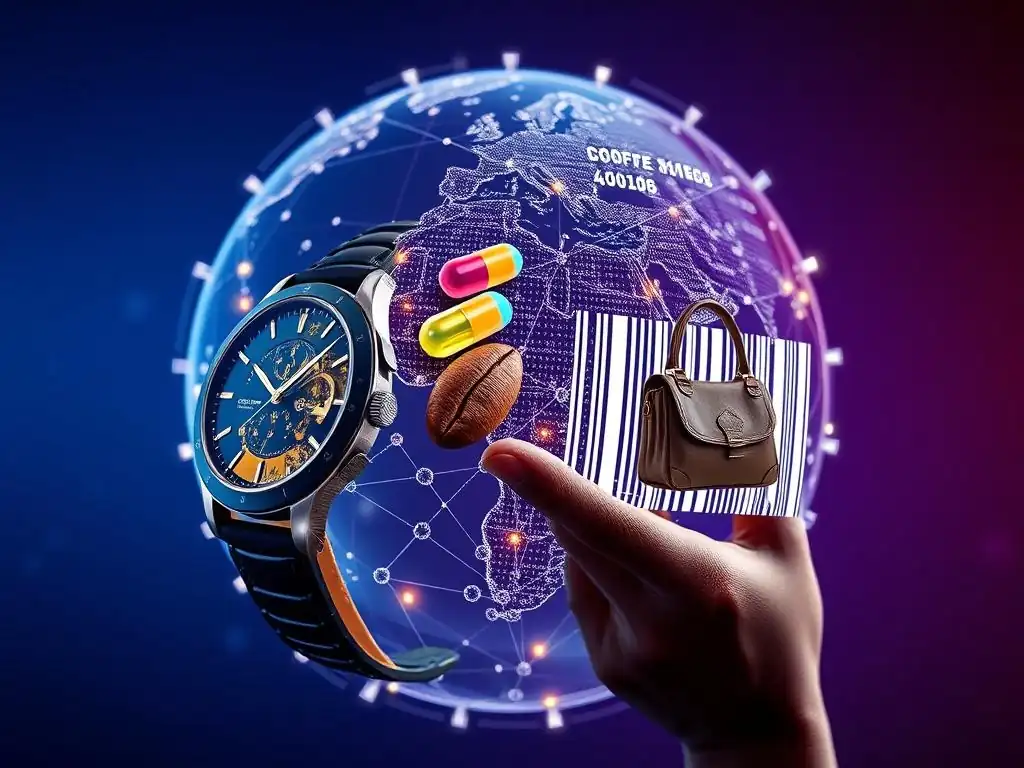
Welcome to Blockchain Trends, your guide to navigating the evolving landscape of decentralized technology.
Ever wondered how blockchain can revolutionize industries beyond just digital currencies? Dive into our exploration of its transformative potential, from DeFi innovations to enterprise solutions. Today, we're unraveling the complexities of " Blockchain supply chain anticounterfeiting," a crucial application detailed in our main article. Discover how this technology is building trust and transparency, and learn why it's more vital than ever in combating the global issue of counterfeit goods. Ready to unlock the future of secure and authentic supply chains? Let's begin!
Demystifying Blockchain Anti-Counterfeiting: A Beginner's Guide
- Introduction: The Growing Threat of Counterfeiting and the Role of Blockchain
- What is Blockchain Anti-Counterfeiting?
- How Blockchain Technology Prevents Counterfeiting in Supply Chains
- Benefits of Implementing Blockchain for Supply Chain Anti-Counterfeiting
- Real-World Examples of Blockchain Anti-Counterfeiting in Action
-
Implementing Blockchain Anti-Counterfeiting: A Step-by-Step Approach
- Step 1: Identifying Counterfeiting Risks in Your Supply Chain
- Step 2: Choosing the Right Blockchain Platform for Your Needs
- Step 3: Integrating Blockchain with Existing Supply Chain Systems
- Step 4: Establishing Data Standards and Protocols for Anti-Counterfeiting
- Step 5: Training and Education for Supply Chain Stakeholders
-
Challenges and Considerations for Blockchain Anti-Counterfeiting
- Scalability Issues with Blockchain Technology
- Interoperability Between Different Blockchain Networks
- Data Privacy and Security Concerns in Blockchain Implementation
- Cost of Implementation and Maintenance of Blockchain Systems
- Regulatory Landscape and Legal Considerations for Blockchain Anti-Counterfeiting
- The Future of Blockchain in Anti-Counterfeiting: Trends and Predictions
- Conclusion: Embracing Blockchain for a More Secure and Authentic Supply Chain
-
Frequently Asked Questions
- What exactly is blockchain anti-counterfeiting?
- How does blockchain help in supply chain anti-counterfeiting?
- What are the key benefits of using blockchain for anti-counterfeiting in a supply chain?
- What are some real-world examples of blockchain anti-counterfeiting being used?
- What are the challenges associated with implementing blockchain anti-counterfeiting solutions?
- Final Reflection: Securing Authenticity in a Digital Age
- Unleash the Power of Provenance!
Introduction: The Growing Threat of Counterfeiting and the Role of Blockchain
The Global Impact of Counterfeit Goods on Supply Chains
The proliferation of counterfeit goods represents a significant and escalating threat to global supply chains, impacting industries ranging from luxury goods and pharmaceuticals to electronics and automotive parts. The scale of this problem is staggering; estimates by the Organisation for Economic Co-operation and Development (OECD) and the European Union Intellectual Property Office (EUIPO) suggest that the trade in counterfeit and pirated goods amounted to $464 billion globally in 2019, representing 2.5% of world trade.
This illicit activity not only erodes legitimate businesses' revenues and profits but also poses serious risks to consumer safety, particularly in sectors like pharmaceuticals and food, where fake products can be ineffective or even harmful.
Beyond direct financial losses, counterfeiting damages brand reputation, undermines consumer trust, and can lead to significant legal and operational costs for companies attempting to combat it. Supply chains become compromised as counterfeit items infiltrate distribution networks, making it difficult to distinguish authentic products from fakes. This complexity necessitates robust authentication and tracking mechanisms, which traditional systems often struggle to provide effectively across fragmented and multi-party supply chains. The challenge is particularly acute in long, international supply chains where visibility is often limited, creating fertile ground for counterfeiters to operate.
How Blockchain Technology Offers a Solution to Counterfeiting
Blockchain technology, known for its underlying principles of decentralization, immutability, and transparency, presents a compelling solution to the pervasive problem of counterfeiting in supply chains. By creating a secure, shared digital ledger, blockchain can record every transaction or movement of a product as it travels from its point of origin through various intermediaries to the final consumer. Once recorded on the blockchain, this data is exceptionally difficult to alter or delete, establishing a tamper-proof history for each item.
This inherent security and transparency provide a foundation for verifiable product authentication. Companies can assign a unique digital identity to each product, linking it to its physical counterpart through methods like QR codes, NFC tags, or serial numbers. As the product moves, key events—such as manufacturing completion, shipping, customs clearance, and retail distribution—can be recorded on the blockchain. This creates a verifiable chain of custody, allowing anyone with permission to trace the product's journey and verify its authenticity against its recorded history. This capability is central to effective blockchain supply chain anticounterfeiting strategies.
This Guide: Understanding Blockchain for Supply Chain Anti-Counterfeiting
This guide aims to demystify the concept of blockchain anti-counterfeiting, providing a clear and accessible overview for beginners interested in how this technology can secure supply chains against fake goods. We will explore the fundamental principles that make blockchain suitable for product authentication and traceability, detailing the specific features that contribute to effective anti-counterfeiting measures.
We will also delve into practical aspects, examining how blockchain technology prevents counterfeiting in real-world scenarios and outlining the tangible benefits businesses can gain from implementation. To illustrate the impact, we will look at specific examples of companies already leveraging blockchain supply chain anticounterfeiting solutions. Finally, we will discuss the steps involved in adopting this technology, potential challenges to consider, and future trends shaping the role of blockchain in building more secure and trustworthy supply chains.
What is Blockchain Anti-Counterfeiting?
Defining Blockchain-Based Anti-Counterfeiting Solutions
Blockchain-based anti-counterfeiting solutions utilize distributed ledger technology to create a secure and transparent system for tracking and verifying the authenticity of products throughout their lifecycle within the supply chain. At its core, such a solution involves creating a unique digital record, often referred to as a digital twin or passport, for each physical product or batch. This digital record is stored on a blockchain and contains key information about the product, such as its origin, manufacturing date, batch number, and a history of its movements and ownership changes.
The process typically begins at the point of manufacture, where products are tagged with unique identifiers (like serialized QR codes or embedded NFC chips). When a product is tagged, its initial data is recorded as a transaction on the blockchain. As the product moves through the supply chain – from factory to warehouse, distributor, retailer, and eventually to the consumer – each significant event (e.g., shipping, receiving, quality checks) is recorded as a new block of data added to the product's digital history on the ledger.
This creates an immutable, chronological log accessible to authorized parties, providing verifiable proof of the product's journey and status. This forms the basis of effective blockchain supply chain anticounterfeiting efforts.
Key Features of Blockchain for Product Authentication
Several intrinsic features of blockchain technology make it particularly well-suited for product authentication and combating counterfeiting. Foremost among these is immutability. Once data is recorded on the blockchain and validated by the network's consensus mechanism, it is extremely difficult, if not impossible, to alter or delete. This ensures that the history associated with a product's digital identity is trustworthy and cannot be tampered with by malicious actors seeking to introduce fake goods or falsify records.
Another critical feature is transparency. While privacy measures can be implemented, the underlying structure allows authorized participants in the supply chain—and potentially consumers—to view the transaction history associated with a specific product's digital identity. This shared visibility across the network makes it easy to spot discrepancies or unauthorized entries, such as a product appearing in a location where it wasn't legitimately shipped or having a manufacturing date that doesn't align with its recorded history. This transparency enhances accountability and makes it harder for counterfeiters to blend fake products with authentic ones within the established flow.
Traceability, Transparency, and Security in Blockchain Anti-Counterfeiting
The combined power of immutability and transparency on a decentralized ledger delivers robust traceability and security, which are paramount for effective blockchain supply chain anticounterfeiting. Traceability is achieved by having a clear, verifiable record of every step a product takes from its origin to its destination. A consumer or retailer can scan a product's unique identifier and instantly access its authenticated history on the blockchain, confirming its origin, verifying its journey, and ensuring it hasn't been diverted or replaced.
Security is inherent in the cryptographic nature of blockchain. Each block of data is cryptographically linked to the previous one, forming a chain that is incredibly resistant to tampering. Any attempt to alter data in an old block would break the cryptographic link to subsequent blocks, immediately signaling that the data has been compromised. Furthermore, the decentralized nature of many blockchain networks means that the data is not stored in a single location vulnerable to attack but is distributed across multiple nodes, making it highly resilient and secure against single points of failure that could be exploited by counterfeiters.
How Blockchain Technology Prevents Counterfeiting in Supply Chains
Immutability: Securing Product Data on the Blockchain
Immutability is a cornerstone principle of blockchain technology that fundamentally disrupts the ability of counterfeiters to falsify product information. When data about a product – such as its manufacturing date, location, batch number, or a record of its shipment – is written onto a blockchain, it is grouped into a block.
This block is then cryptographically hashed and linked to the previous block in the chain. Once this new block is added to the ledger and validated by the network's consensus mechanism, the data within it becomes virtually impossible to alter without invalidating the cryptographic links throughout the entire chain.
Consider a pharmaceutical product's supply chain. Each bottle or package could be tagged with a unique serial number, and its journey from the factory floor, through various distributors, to the pharmacy shelf is recorded as transactions on a blockchain. If a counterfeiter tries to introduce fake products with copied serial numbers or attempts to alter the recorded history of a real product (e.g., changing an expiry date), the immutable nature of the blockchain prevents this.
Any modification would break the cryptographic hash sequence, immediately signaling that the data is corrupt and not the original, verified entry. This secure, tamper-proof record makes it exceedingly difficult for fake goods to pass authentication checks based on the blockchain data.
Transparency: Tracking Products From Origin to Consumer
Transparency, while potentially configurable based on the specific blockchain implementation (public, private, or consortium), is a powerful tool for blockchain supply chain anticounterfeiting. By allowing authorized participants to view the recorded history of a product on the distributed ledger, blockchain enables unprecedented visibility into the supply chain. This means manufacturers, distributors, retailers, and even consumers (depending on the system's design) can trace a product's journey step-by-step from its point of origin to its current location or final destination.
For instance, in the food industry, a consumer could scan a QR code on a package of produce and see data recorded on a blockchain showing the farm where it was grown, the date it was harvested, when it was packed, and its transportation route. This level of transparency makes it difficult for counterfeit products, which lack this verifiable history, to enter the legitimate supply chain undetected.
If a product appears in a retailer's inventory but its blockchain record doesn't show a legitimate transfer from a known distributor, it raises an immediate red flag. This open yet secure ledger fosters accountability and allows for quick identification of anomalies that might indicate the presence of counterfeit goods.
Decentralization: Eliminating Single Points of Failure in Anti-Counterfeiting
Decentralization is another key aspect of blockchain that enhances its effectiveness for blockchain supply chain anticounterfeiting. Unlike traditional centralized databases where all data is stored on a single server or system controlled by one entity, a decentralized blockchain ledger is replicated and distributed across multiple computers or nodes within the network. This means there is no single point of control or single point of failure that can be easily compromised by a counterfeiter or malicious actor.
In a centralized system, if a counterfeiter gains access to the database, they could potentially alter records to make fake products appear legitimate. However, in a decentralized blockchain network, altering data would require simultaneously compromising a majority of the distributed nodes holding copies of the ledger – a feat that is computationally and practically infeasible for most attackers.
The consensus mechanism used by the network ensures that only valid, agreed-upon transactions are added to the chain. This distributed architecture makes the system highly resilient to attacks and provides a more secure foundation for verifying product authenticity compared to systems reliant on a single, vulnerable database.
Benefits of Implementing Blockchain for Supply Chain Anti-Counterfeiting
Enhanced Product Authentication and Verification
Implementing blockchain supply chain anticounterfeiting solutions significantly enhances the ability to authenticate and verify products. Each item is assigned a unique digital identity on the blockchain, linked to its physical counterpart. This creates an unalterable digital history that can be instantly accessed and verified by scanning a tag or inputting a serial number. Unlike relying on physical security features (like holograms) that can be copied, or paper documentation that can be forged, the blockchain provides a cryptographically secured, transparent, and immutable record.
This enhanced authentication process allows consumers, retailers, and customs officials to easily confirm a product's legitimacy with a high degree of confidence. For example, a luxury brand using blockchain can enable customers to scan a tag on a handbag and see its entire journey from the artisan's workshop, through certification, to the boutique. This verifiable history confirms the item's authenticity and provenance, offering a level of assurance far beyond traditional methods. Studies suggest that implementing such verification mechanisms can reduce instances of successful counterfeiting attempts by a significant margin, potentially exceeding 20-30% in some sectors.
Improved Supply Chain Visibility and Tracking
Blockchain provides unparalleled visibility into the supply chain, a crucial element for combating counterfeiting. By recording every movement, handoff, and status change of a product on the distributed ledger, businesses gain a real-time, end-to-end view of their goods. This granular level of tracking allows companies to pinpoint exactly where a product is at any given time and verify its history, significantly reducing blind spots where counterfeit items could be introduced.
This improved visibility extends beyond simple location tracking. It includes details like temperature data for sensitive goods (if integrated with IoT sensors), quality control checkpoints, and ownership transfers. This comprehensive data trail makes it much harder for counterfeiters to insert fake products without leaving a detectable anomaly in the blockchain record. Furthermore, if a recall is necessary, the detailed tracking data allows companies to quickly and accurately identify affected batches and their locations, minimizing the distribution of potentially harmful counterfeit or faulty goods. This enhanced tracking is a direct benefit of blockchain supply chain anticounterfeiting efforts.
Reduced Counterfeit Goods and Revenue Loss
The primary objective of blockchain anti-counterfeiting is to reduce the presence of fake goods in the market, which directly translates to a reduction in revenue loss for legitimate businesses. By making it significantly harder for counterfeiters to produce and distribute fake products that can pass verification, blockchain solutions deter illicit activity. The cost and complexity for counterfeiters increase substantially when they must contend with immutable digital identities and transparent tracking systems.
Consider the impact on industries heavily targeted by counterfeiters, such as the global apparel market, which loses billions annually to fakes. By implementing blockchain-based authentication, brands can empower consumers and retailers to verify product authenticity at the point of sale, preventing the purchase of counterfeits. While precise global figures are hard to isolate, individual company reports and pilot programs have shown reductions in detected counterfeits in verified channels by upwards of 15-25% after implementing blockchain tracking, leading to potential revenue recovery and protection of market share.
Increased Consumer Trust and Brand Reputation
In an era where consumers are increasingly concerned about product authenticity and ethical sourcing, blockchain supply chain anticounterfeiting builds trust and enhances brand reputation. Providing consumers with a simple, reliable way to verify the legitimacy of their purchases directly addresses concerns about counterfeiting and builds confidence in the brand. When a consumer scans a product and sees its verifiable journey and authentication on a secure ledger, it reinforces the brand's commitment to quality and transparency.
This transparency can also extend to proving ethical sourcing, sustainable practices, or organic certifications, further enhancing brand value. A strong anti-counterfeiting stance, transparently communicated through blockchain, signals to consumers that the brand is proactive in protecting them from harmful or substandard fakes. This can lead to increased customer loyalty and positive word-of-mouth, ultimately strengthening the brand's position in the market. A survey by Deloitte in 2020 indicated that a significant percentage of consumers are willing to pay more for products with verified authenticity and traceability.
Streamlined Regulatory Compliance with Blockchain
Blockchain technology can significantly streamline regulatory compliance, particularly in heavily regulated industries like pharmaceuticals and food, where stringent tracking and reporting are mandated. Regulations such as the U.S. Drug Supply Chain Security Act (DSCSA) or the EU's Falsified Medicines Directive require detailed tracking and verification of products to prevent counterfeiting and diversion. Blockchain's ability to create an immutable, auditable record of every transaction and movement aligns perfectly with these requirements.
By recording compliance-related data directly on the blockchain, companies can automate aspects of reporting and provide regulators with instant, verifiable access to the necessary information. This reduces the administrative burden and the risk of errors associated with manual record-keeping. Furthermore, in the event of an audit or investigation, the transparent and tamper-proof nature of the blockchain record provides regulators with high confidence in the data's integrity, facilitating faster and more efficient compliance checks. This capability is a powerful side effect of implementing blockchain supply chain anticounterfeiting measures.
Real-World Examples of Blockchain Anti-Counterfeiting in Action
Case Study 1: Chronicled Using Blockchain to Combat Counterfeit Pharmaceuticals
Chronicled is a company that has notably applied blockchain technology to address the critical issue of counterfeit pharmaceuticals. The pharmaceutical supply chain is particularly vulnerable to counterfeiting, which poses direct risks to public health. Chronicled developed the MediLedger Network, a blockchain-based system specifically designed to meet the requirements of the U.S. Drug Supply Chain Security Act (DSCSA). The DSCSA mandates that by 2023, pharmaceutical companies must implement an interoperable electronic system to trace prescription drugs at the package level.
The MediLedger Network uses a consortium blockchain model where pharmaceutical manufacturers, wholesalers, and other supply chain partners are nodes on the network. When a drug is manufactured, its unique serial number and related data are recorded on the blockchain. As the product moves through the supply chain, each change of ownership or movement is recorded as a transaction.
This creates an immutable audit trail. Participants can query the network to verify the authenticity and ownership history of a drug package before accepting it, significantly reducing the chances of counterfeit or diverted drugs entering the legitimate supply chain. The network has been successfully piloted by major pharmaceutical companies, demonstrating the feasibility and effectiveness of using blockchain for pharmaceutical supply chain anti-counterfeiting.
Case Study 2: Arianee Applying Blockchain for Luxury Goods Authentication
Arianee is a platform focused on providing digital passports for luxury goods using blockchain technology, directly targeting the high incidence of counterfeiting in this sector. The luxury market is heavily impacted by fakes, with estimates suggesting billions in losses annually. Arianee's solution allows luxury brands to create a unique, secure digital identity for each product – whether it's a watch, a piece of jewelry, or a designer handbag. This digital passport contains details about the item's origin, materials, manufacturing process, and ownership history.
When a customer purchases a luxury item, they receive access to its digital passport, typically via a QR code or NFC tag integrated into the product or its packaging. This passport, stored on the Arianee blockchain, allows the owner to verify the item's authenticity and access its history.
Furthermore, the digital passport simplifies proof of ownership, facilitates transfer during resale (creating a verifiable history for the secondary market), and can be used for direct communication between the brand and the owner. By providing a secure, verifiable, and transferable digital certificate of authenticity linked to the blockchain, Arianee helps luxury brands protect their reputation and empowers consumers to trust the legitimacy of their high-value purchases, effectively implementing blockchain supply chain anticounterfeiting in a premium market.
Case Study 3: IBM Food Trust Securing the Food Supply Chain with Blockchain
IBM Food Trust is a prominent example of blockchain implementation for enhancing traceability and security, which indirectly combats counterfeiting in the food supply chain. While primarily focused on improving food safety and reducing waste, the platform's robust traceability features are highly effective against fraudulent activities, including the mislabeling and introduction of counterfeit or substandard food products. The food industry faces challenges with transparency regarding origin, ingredients, and handling, making it susceptible to fraud.
The platform connects growers, processors, wholesalers, retailers, and others on a permissioned blockchain network. Participants record data points about food products at each stage of their journey – from farm to fork. This includes information like farm location, harvest date, processing details, shipping temperatures, and retail display dates.
Because this data is recorded on an immutable ledger, it provides a transparent and verifiable history for each food item or batch. In a widely cited example, Walmart used IBM Food Trust to reduce the time it takes to trace a package of mangoes from the store shelf back to the farm from weeks to mere seconds. This rapid traceability makes it significantly harder for counterfeit or falsely labeled food products to enter the supply chain undetected, thereby contributing significantly to blockchain supply chain anticounterfeiting efforts in the food sector.
Implementing Blockchain Anti-Counterfeiting: A Step-by-Step Approach

Implementing a blockchain supply chain anticounterfeiting solution requires careful planning and execution. Here is a general step-by-step approach:
Step 1: Identifying Counterfeiting Risks in Your Supply Chain
The initial step involves a thorough assessment of your current supply chain to identify specific points of vulnerability where counterfeiting is most likely to occur or where its impact would be most severe. This assessment should map out the entire product journey, from raw material sourcing to final delivery to the consumer. Analyze historical data on counterfeit incidents, look for areas with limited visibility, multiple intermediaries, or regions known for high counterfeiting activity.
Understanding these specific risks helps define the scope and requirements for your blockchain solution. For example, if your primary risk is the introduction of fake finished goods during international transit, the solution needs to focus on verifying product authenticity at customs or distribution centers. If the risk is with raw materials, traceability needs to start much earlier in the chain. Engaging with different stakeholders across your supply chain—including manufacturers, distributors, retailers, and potentially even consumers—can provide valuable insights into where the pain points and highest risks lie.
Step 2: Choosing the Right Blockchain Platform for Your Needs
Selecting the appropriate blockchain platform is a critical decision. There are various types of blockchains, including public (like Ethereum or Bitcoin), private, and consortium (or permissioned) blockchains (like Hyperledger Fabric or Corda). For most supply chain applications, a permissioned blockchain is often preferred because it allows businesses to control who can participate in the network and what data they can access, balancing transparency with necessary data privacy and business confidentiality.
Evaluate platforms based on factors such as scalability (can it handle the volume of transactions? ), interoperability (can it connect with other systems? ), security features, cost of development and maintenance, ease of integration, and the availability of developer support and tools. Consider industry-specific blockchain solutions if available, as they may offer tailored features and pre-built network connections with industry partners. Piloting on a smaller scale with a chosen platform can help validate its suitability before a full-scale rollout.
Step 3: Integrating Blockchain with Existing Supply Chain Systems
A blockchain solution will not operate in isolation; it must integrate seamlessly with your existing enterprise resource planning (ERP), warehouse management systems (WMS), tracking software, and other relevant supply chain technologies. This integration is crucial for capturing data from various points in the supply chain and writing it onto the blockchain ledger automatically or semi-automatically. Manual data entry is prone to errors and inefficiencies, undermining the benefits of blockchain supply chain anticounterfeiting.
Integration typically involves using APIs (Application Programming Interfaces) to connect the blockchain platform to your legacy systems. This step can be complex and may require significant development effort. It's essential to ensure data consistency and flow between systems. For example, when a product is scanned upon leaving a warehouse (recorded in the WMS), that event should trigger a transaction on the blockchain recording the product's new location and timestamp. Successful integration ensures that the blockchain ledger accurately reflects the real-world movement and status of goods.
Step 4: Establishing Data Standards and Protocols for Anti-Counterfeiting
To ensure that data recorded on the blockchain is useful, consistent, and interoperable across different participants and systems, clear data standards and protocols must be established. This involves defining exactly what information will be captured for each product or batch at different stages of the supply chain (e.g., serial number format, manufacturing data fields, shipping details, quality check parameters).
These standards should ideally align with industry-wide or global standards where possible (e.g., GS1 standards for product identification). Protocols dictate how data is formatted, how transactions are initiated, and how participants interact with the blockchain network. Establishing these standards collaboratively with your supply chain partners is crucial in a permissioned network, ensuring everyone is using the same language and process. Consistent data is vital for accurate traceability and reliable authentication in blockchain supply chain anticounterfeiting efforts.
Step 5: Training and Education for Supply Chain Stakeholders
The success of a blockchain anti-counterfeiting solution depends heavily on its adoption and correct usage by all relevant stakeholders across the supply chain. This includes internal teams (manufacturing, logistics, IT, sales) as well as external partners (suppliers, distributors, retailers). Comprehensive training and education are necessary to ensure everyone understands how the new system works, why it's being implemented, how to use the technology (e.g., scanning products, accessing data), and the importance of accurate data entry.
Stakeholders need to understand the benefits for them – whether it's reduced risk of handling fakes, faster verification processes, or improved compliance. Address potential concerns and provide ongoing support. A phased rollout, starting with a pilot group or a specific segment of the supply chain, can help refine processes and training materials before expanding to the full network. Effective training ensures that the blockchain becomes a valuable tool used correctly throughout the supply chain, maximizing its potential for anti-counterfeiting.
Challenges and Considerations for Blockchain Anti-Counterfeiting
Scalability Issues with Blockchain Technology
One significant challenge for blockchain supply chain anticounterfeiting is scalability. Public blockchains, while highly decentralized, can have limitations in transaction speed and volume. While permissioned blockchains like Hyperledger Fabric or Corda generally offer much higher throughput than public chains, they may still face performance bottlenecks when tracking millions or billions of individual items with frequent updates across complex, high-volume supply chains.
Recording every single movement or event for every single product can generate a massive amount of data and transactions, potentially overwhelming the network's capacity. Solutions to address this include using off-chain storage for large data files (only storing hashes on-chain), employing layer-2 scaling solutions, or optimizing the frequency and granularity of data recorded on the ledger. Companies must carefully assess their transaction volume requirements and choose a blockchain platform that can scale accordingly or plan for scaling solutions as their implementation grows.
Interoperability Between Different Blockchain Networks
As different companies and industries adopt various blockchain platforms for their specific needs, interoperability between these disparate networks becomes a challenge. A product might start its journey on one company's Hyperledger-based supply chain network, move through a logistics provider using a different Corda network, and end up at a retailer using an Ethereum-based loyalty program. Ensuring seamless data exchange and verification across these different blockchain systems is complex.
Lack of interoperability can create data silos, defeating the purpose of end-to-end transparency and making comprehensive blockchain supply chain anticounterfeiting difficult. Developing standards for cross-chain communication, using middleware solutions, or participating in larger, industry-wide consortiums are potential ways to address this. The industry is actively working on interoperability standards and technologies, but it remains a significant hurdle for achieving truly interconnected supply chains.
Data Privacy and Security Concerns in Blockchain Implementation
While blockchain is inherently secure due to cryptography and immutability, implementing it in a supply chain context raises specific data privacy and security concerns. Supply chain data often contains sensitive business information, such as pricing, supplier identities, production volumes, or customer details, which companies may not want to be fully transparent or accessible to all network participants or the public.
Permissioned blockchains address some of these concerns by restricting network access and data visibility based on roles and permissions. However, careful design is still required to ensure that sensitive data is handled appropriately. Techniques like zero-knowledge proofs or data encryption can allow verification of information without revealing the underlying details. Furthermore, while the blockchain ledger itself is secure, the systems that feed data into it (like IoT sensors or manual input points) must also be secured to prevent the entry of false or compromised data, which could undermine the integrity of the entire blockchain supply chain anticounterfeiting system.
Cost of Implementation and Maintenance of Blockchain Systems
Implementing a blockchain solution for anti-counterfeiting can involve significant costs. These costs include initial investment in technology infrastructure (hardware, software, cloud services), development costs for custom applications and integration with existing systems, and ongoing operational costs for network maintenance, transaction fees (if applicable), and system administration. Developing and integrating complex blockchain solutions requires specialized expertise, which can also be expensive.
Beyond the technical costs, there are also costs associated with training employees and supply chain partners, establishing new processes, and potentially redesigning product packaging or adding new tags (like serialized QR codes or NFC chips). While the long-term benefits of reduced counterfeiting and improved efficiency can outweigh these costs, the initial investment can be a barrier, particularly for small and medium-sized enterprises (SMEs). A clear return on investment (ROI) analysis is crucial before committing to a large-scale blockchain supply chain anticounterfeiting project.
Regulatory Landscape and Legal Considerations for Blockchain Anti-Counterfeiting
The regulatory landscape surrounding blockchain technology is still evolving in many jurisdictions, which can create uncertainty for businesses implementing blockchain supply chain anticounterfeiting solutions. Questions may arise regarding data ownership, legal liability for data recorded on the chain, the legal standing of smart contracts, and compliance with existing data protection regulations like GDPR.
Furthermore, the global nature of supply chains means companies must navigate a patchwork of different national and regional regulations concerning data transfer, electronic records, and product traceability. While blockchain can help meet existing traceability mandates, its legal implications as a primary record-keeping system are still being defined. Companies must work closely with legal and compliance experts to ensure their blockchain implementation adheres to all relevant laws and regulations in the regions where they operate.
The Future of Blockchain in Anti-Counterfeiting: Trends and Predictions
Emergence of New Blockchain-Based Anti-Counterfeiting Technologies
The field of blockchain anti-counterfeiting is continuously evolving with the emergence of new technological advancements. We are seeing the development of more sophisticated consensus mechanisms that offer better scalability and efficiency, potentially overcoming current transaction speed limitations. There is also ongoing innovation in cryptography, such as advanced hashing algorithms and zero-knowledge proofs, which can enhance data privacy while maintaining verifiability on the blockchain.
Furthermore, new physical-digital linking technologies are being developed. Beyond standard QR codes, this includes integrating blockchain with physically unclonable functions (PUFs) – microscopic structures unique to each item that are nearly impossible to replicate – or using advanced printing techniques combined with blockchain verification. These technologies aim to create more robust and tamper-evident connections between the physical product and its digital identity on the blockchain, making physical counterfeiting significantly harder to achieve alongside digital replication. These innovations promise to make blockchain supply chain anticounterfeiting even more effective in the coming years.
Integration of AI and IoT with Blockchain for Enhanced Tracking
A major trend is the increasing integration of Artificial Intelligence (AI) and the Internet of Things (IoT) with blockchain technology to create powerful, automated anti-counterfeiting systems. IoT sensors (e.g., temperature, humidity, location trackers) can be embedded in packaging or transportation units to automatically collect real-time data about a product's condition and environment during transit. This data can then be automatically written onto the blockchain ledger via smart contracts, creating a verifiable, automated record without manual intervention.
AI can be used to analyze the vast amounts of data collected on the blockchain and from IoT sensors. AI algorithms can detect anomalies or suspicious patterns in the product's history or environmental data that might indicate tampering, diversion, or the introduction of counterfeit goods – for example, detecting unusual route deviations or unexpected temperature spikes that don't match the product's requirements. This integration allows for proactive identification of potential issues, moving beyond simple verification to predictive anti-counterfeiting measures, greatly enhancing the power of blockchain supply chain anticounterfeiting.
Growing Adoption of Blockchain Anti-Counterfeiting Across Industries
While early adoption of blockchain for anti-counterfeiting has been seen in high-value or high-risk sectors like luxury goods, pharmaceuticals, and food, the technology is predicted to see growing adoption across a wider range of industries. As the technology matures, becomes more cost-effective, and as regulatory clarity increases, more businesses will recognize the value proposition. Industries like electronics, automotive parts, textiles, and even art and collectibles are increasingly exploring or piloting blockchain solutions to combat fraud and counterfeiting.
The increasing availability of user-friendly blockchain platforms and solution providers is also lowering the barrier to entry for many companies. As more supply chain partners join blockchain networks, the network effect will make participation increasingly valuable, driving further adoption. This widespread implementation will create more interconnected and transparent supply chains globally, making it significantly harder for counterfeiters to operate within legitimate channels, solidifying blockchain's role in supply chain anticounterfeiting.
The Role of Blockchain in Building More Resilient Supply Chains
Beyond its direct application in anti-counterfeiting, blockchain technology contributes to building more resilient supply chains overall. The transparency and traceability provided by blockchain offer better visibility into the entire network, allowing companies to quickly identify disruptions, understand their impact, and react more effectively. In the face of global events like pandemics or geopolitical instability, knowing the exact location and status of goods, and verifying the legitimacy of suppliers, becomes critical for maintaining continuity.
Blockchain's ability to securely share information among permissioned partners fosters greater collaboration and trust within the supply chain ecosystem. This shared, verifiable source of truth reduces disputes and improves efficiency. A more transparent and trustworthy supply chain is inherently less susceptible to the infiltration of counterfeit goods or fraudulent activities. Therefore, investing in blockchain for anti-counterfeiting also represents an investment in overall supply chain resilience and integrity.
Conclusion: Embracing Blockchain for a More Secure and Authentic Supply Chain
The Power of Blockchain to Transform Anti-Counterfeiting Efforts
Blockchain technology offers a powerful, transformative approach to combating the persistent and damaging problem of counterfeiting in global supply chains. Its core principles of immutability, transparency, and decentralization provide a robust foundation for creating secure, verifiable, and traceable digital identities for physical products. By replacing vulnerable, centralized systems and easily forgeable physical documentation with a distributed, tamper-proof ledger, blockchain significantly increases the cost, complexity, and risk for counterfeiters.
The ability to track products from origin to consumer with an unalterable history enhances authentication, improves visibility, reduces the flow of fake goods, boosts consumer trust, and simplifies regulatory compliance. Real-world examples across diverse industries like pharmaceuticals, luxury goods, and food demonstrate that blockchain supply chain anticounterfeiting is not just a theoretical concept but a practical solution delivering tangible benefits. While challenges related to scalability, interoperability, cost, and regulation exist, ongoing technological advancements and increasing adoption are paving the way for broader implementation.
Taking the Next Steps Towards Blockchain Implementation
For businesses grappling with the threat of counterfeiting, exploring blockchain anti-counterfeiting solutions is a logical next step. The journey begins with a thorough assessment of existing supply chain vulnerabilities and a clear understanding of where blockchain can provide the most significant impact. Choosing the right platform, planning for seamless integration with existing systems, establishing clear data standards, and investing in comprehensive training for all stakeholders are crucial phases in the implementation process.
The future of supply chain security lies in interconnected, transparent, and verifiable systems. Embracing blockchain technology allows companies not only to protect their products, revenues, and brand reputation from counterfeiting but also to build more resilient and trustworthy supply chains that can navigate the complexities of the modern global market. While the path to full adoption may involve challenges, the potential rewards in terms of enhanced security, efficiency, and consumer confidence make blockchain supply chain anticounterfeiting a worthwhile investment for the future.
Frequently Asked Questions
What exactly is blockchain anti-counterfeiting?
It's the use of blockchain technology to verify the authenticity and provenance of goods throughout the supply chain, preventing counterfeiting. Essentially, it creates an immutable record of a product's journey.
How does blockchain help in supply chain anti-counterfeiting?
Blockchain provides a transparent and tamper-proof ledger where each step in the supply chain is recorded. This allows stakeholders to easily verify a product's origin and track its movement.
What are the key benefits of using blockchain for anti-counterfeiting in a supply chain?
The primary benefits include enhanced traceability, increased transparency, and improved consumer trust. It also helps reduce losses due to counterfeit goods and protect brand reputation.
What are some real-world examples of blockchain anti-counterfeiting being used?
Examples include tracking pharmaceuticals from manufacturer to consumer, verifying the origin of luxury goods, and ensuring the authenticity of food products. These systems utilize unique digital IDs attached to physical items.
What are the challenges associated with implementing blockchain anti-counterfeiting solutions?
Challenges can include the cost of implementation, lack of standardization, and the need for collaboration across the entire supply chain. Data privacy concerns also need careful consideration.
Final Reflection: Securing Authenticity in a Digital Age
The journey through blockchain anti-counterfeiting reveals a powerful tool poised to reshape how we perceive and verify authenticity. The potential of blockchain to revolutionize supply chains and combat the pervasive issue of counterfeit goods is undeniable, offering a transparent and immutable record that builds trust in a world increasingly reliant on digital verification. This technology isn't just a futuristic concept; it's a present-day solution addressing a multi-billion dollar problem that impacts consumers and businesses alike.
The impact of blockchain on anti-counterfeiting extends beyond mere technological advancement; it's about restoring confidence and integrity in the products we consume. Witnessing the rise of blockchain solutions underscores the importance of transparency and accountability in an increasingly complex global market. The beauty of blockchain isn't just in its technology, but in its ability to foster trust in a trustless environment.
This quote perfectly encapsulates the transformative potential of this technology, shifting the power back into the hands of consumers and ethical businesses.
Now, as you navigate the digital landscape, consider the role you can play in demanding authenticity and supporting businesses that prioritize transparency. Let us embrace the potential of blockchain to create a more secure and trustworthy world, one verifiable product at a time. The future of anti-counterfeiting is here, and it's built on the foundation of blockchain.
Unleash the Power of Provenance!
Thank you for exploring the world of blockchain and anti-counterfeiting with us. We hope this guide has highlighted how this technology can transform product authentication and protect consumers. Now, it's time to take action.
Here’s how you can get involved:
- Dive deeper by researching real-world examples of companies successfully using blockchain to fight counterfeiting. This practical approach will strengthen your understanding and inspire new ideas.
- Share this article with a colleague or friend interested in blockchain technology or supply chain security. Let’s spread awareness about the potential of blockchain!
- Visit our Blockchain Trends forum and share your ideas for innovative ways to use blockchain to prevent fraud. We’re eager to hear your perspectives.
What is one product you believe could benefit most from blockchain-based anti-counterfeiting measures, and why? Share your thoughts in the comments below!
Leave a Reply